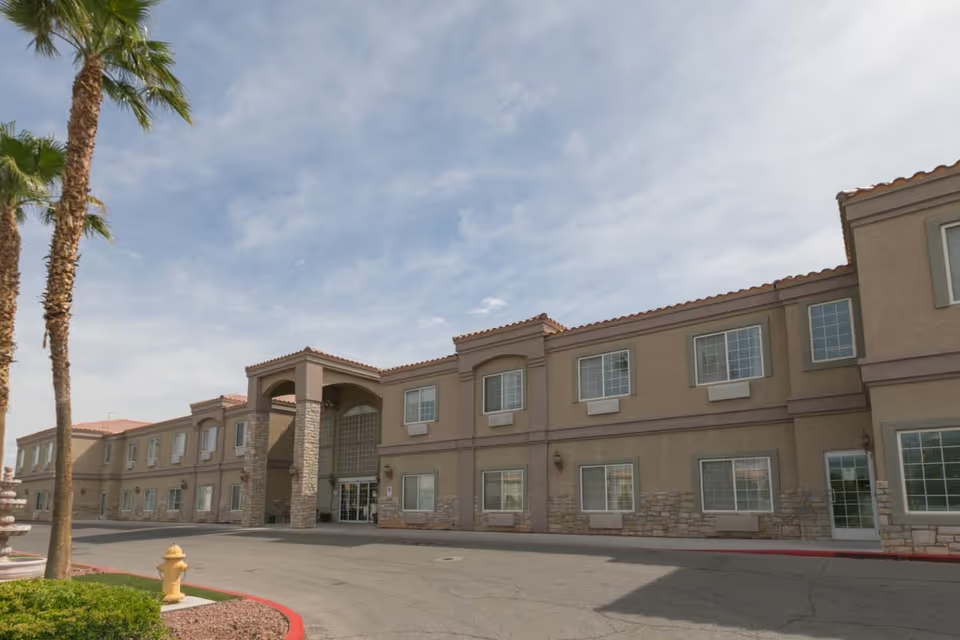
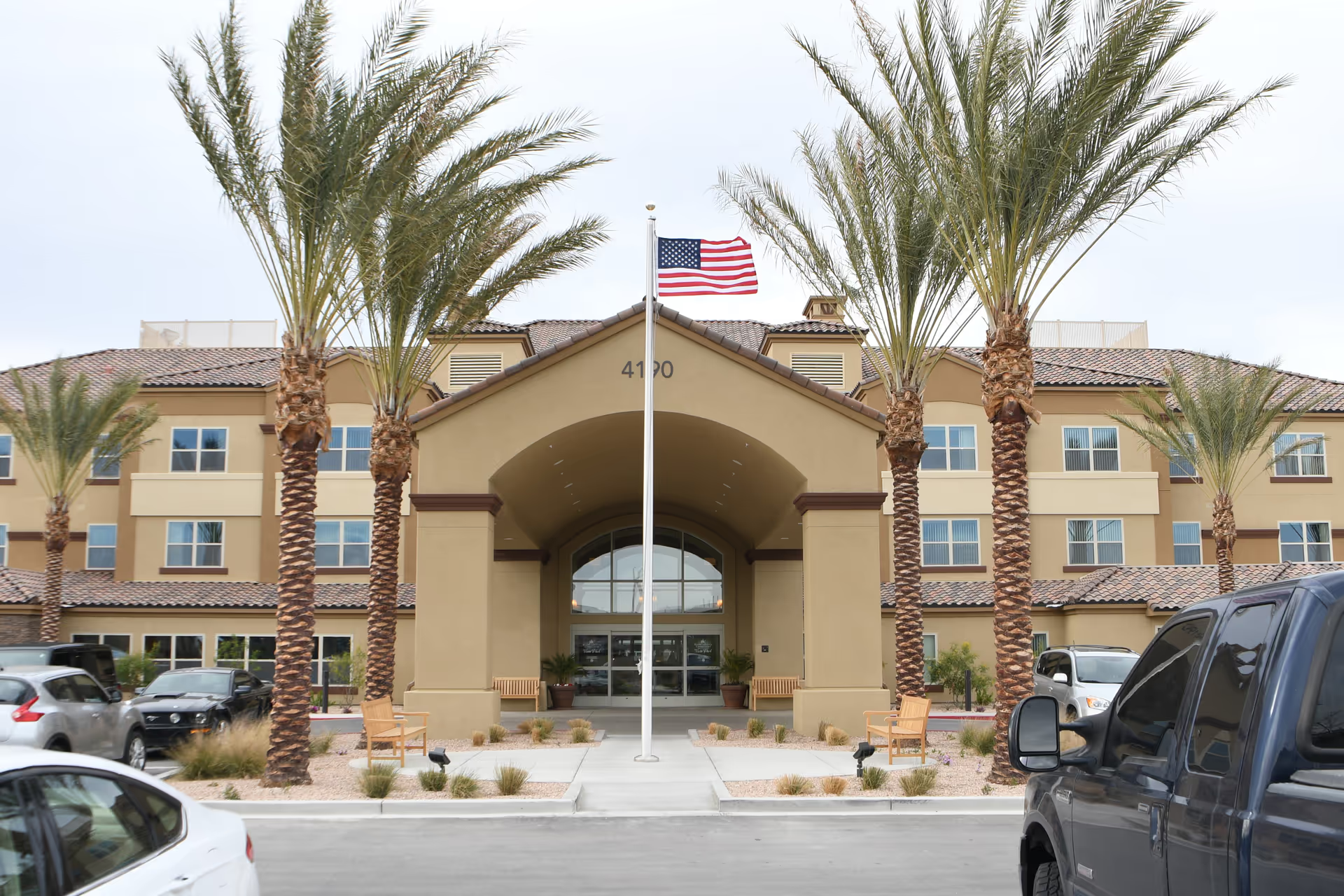
The review corpus for Trellis Centennial is polarized but presents clear patterns. Strengths cluster around the physical plant and rehabilitation services: reviewers consistently describe a clean, bright, and modern facility with private rooms and a welcoming environment. Physical, occupational, and speech therapy teams receive frequent praise for clinical skill and recovery outcomes, and many families credit therapy staff with meaningful functional improvements. Front-desk staff, admissions personnel, social-work/case-management contacts, and the activities director are often highlighted as friendly and supportive, contributing to a family-like atmosphere. Dining is generally viewed positively, with an engaged chef and accommodating meal service noted by multiple families.
Clinical quality and daily care are described unevenly. While many reviewers commend attentive CNAs and some shifts' nursing teams, there are recurring concerns about inconsistent staffing levels and uneven nursing continuity across shifts. Operational weaknesses that emerge include delays in medication administration and gaps in medication-management processes, inconsistent assistance with activities of daily living (including bathing and toileting support), and slow or variable responses to call lights and acute needs. Several reviewers describe problems with clinical-incident escalation and emergency response — for example, delayed transfers to higher levels of care — which suggests the facility's on-call coverage and escalation protocols may not be consistent at all hours.
Communication and management practices are a frequent source of dissatisfaction. Families cite poor responsiveness from case managers and unit managers at times, difficulty reaching staff by phone, and inconsistent follow-through on complaints or care-plan questions. A small but notable subset of reviews raises serious conduct and handling concerns and describes medication or clinical incidents; these are significant individual allegations that families should probe directly with the facility and through medical records or regulatory channels. Financial communication and billing practices are also mentioned as opaque or aggressive by some reviewers, indicating the need for clarity in contracts and charges.
Facilities and amenities generally receive positive remarks: maintenance, cleanliness, and the aesthetic environment are strengths for many residents. That said, isolated maintenance issues appear — broken TVs, sparse gym equipment, noisy mattresses — and there are occasional sanitation and pest-control concerns reported in specific areas. The telephone and family-communication infrastructure is another practical weakness: no in-room phones on some units, busy lines, and voicemail-only contact paths were described, which can hinder family engagement.
For prospective residents and families, the overall pattern suggests Trellis Centennial can provide excellent short-term rehabilitation and strong interpersonal care from many staff members, but operational consistency is variable. Recommended actions when evaluating the facility: observe care across multiple shifts (including nights and weekends), ask about staffing ratios and weekend medical coverage, review medication-administration and incident-escalation protocols, verify case-manager availability and preferred contact methods, clarify billing terms, and inspect maintenance and pest-control records. Families who stay actively involved in daily care planning and communication with the care team are more likely to experience the positive aspects noted in many reviews and to identify and address operational gaps promptly.