Overall impression: Reviews present a mixed picture. Several reviewers praise direct-care staff and note noticeable facility improvements, while a number of significant operational concerns recurred across accounts. Prospective residents and families will find evidence of both positive frontline interactions and systemic issues that could affect daily life and long-term residency.
Care quality: Accounts vary from descriptions of responsive, attentive caregivers to observations of inconsistent care and low resident morale. The pattern suggests uneven delivery of daily-assistance tasks and responsiveness; while some staff are described as caring and quick to help, other comments indicate delays or variability in how needs are addressed. There are also assertions of barriers to external medical access and constrained medical arrangements that warrant clarification during a visit.
Staff and workplace climate: Frontline caregivers are frequently described in positive terms—compassionate, responsive, and friendly. At the same time, reviewers note administrative and supervisory staff exhibiting a harsher communication tone and adversarial interactions with families and residents. Several comments point to staff turnover and instances of employees leaving, which can contribute to inconsistency in assignments and care continuity.
Dining and activities: Meal service is commonly described as acceptable to good, and resident rooms are noted as comfortable. Activity programming emerges as a weakness for some reviewers: offerings appear limited or inconsistently delivered, and families seeking robust engagement options should verify current schedules and participation levels.
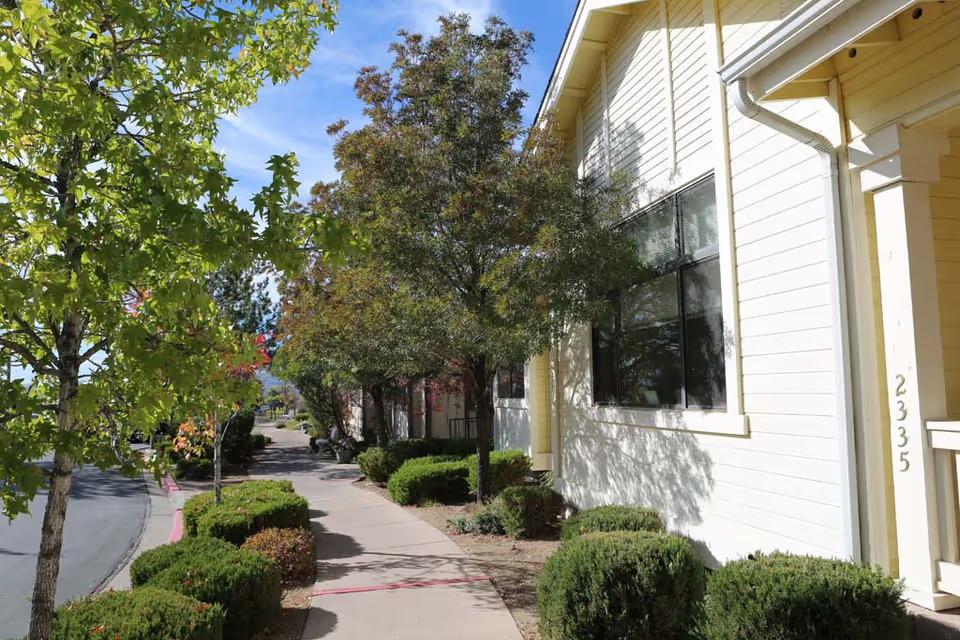
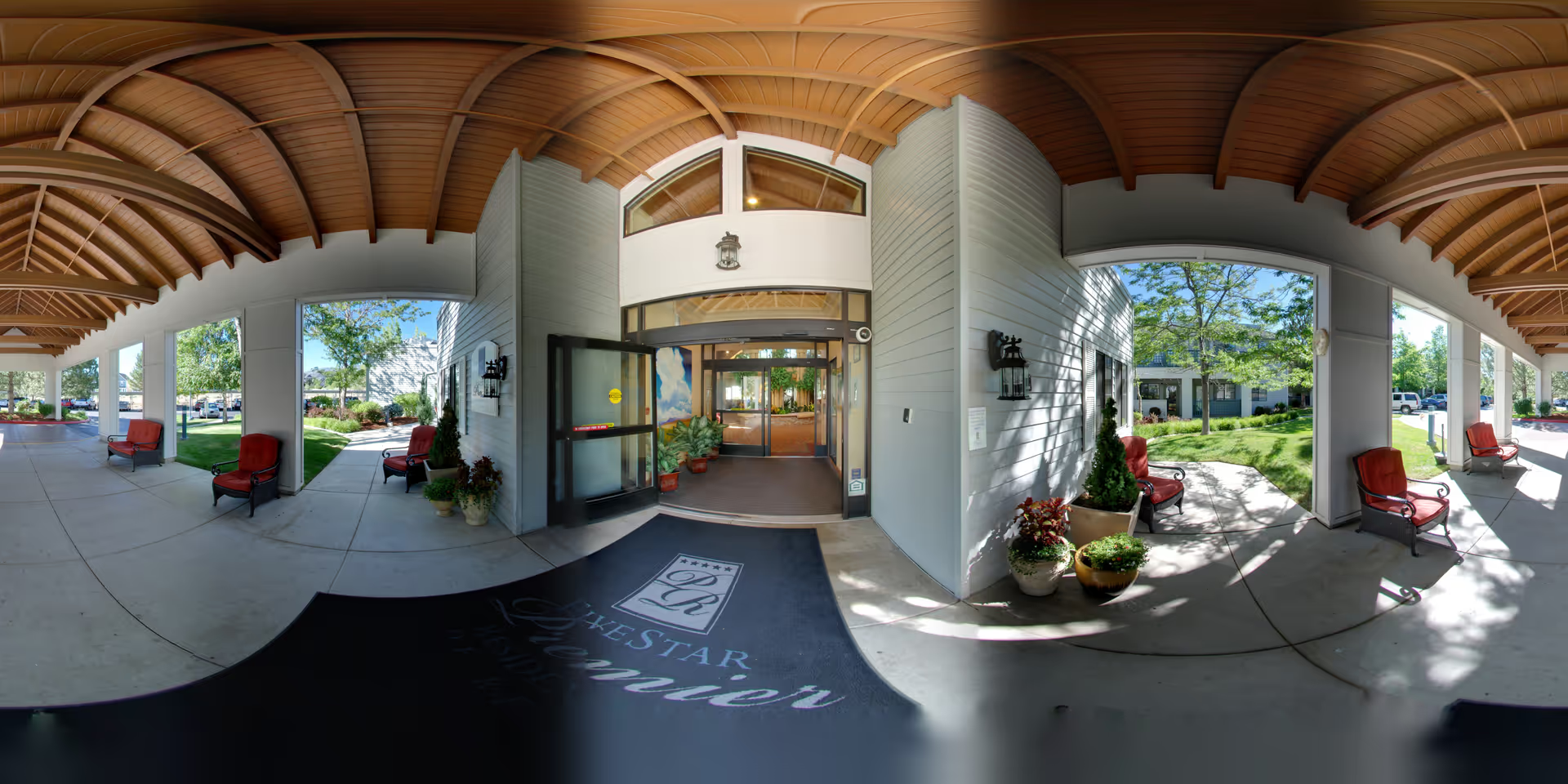
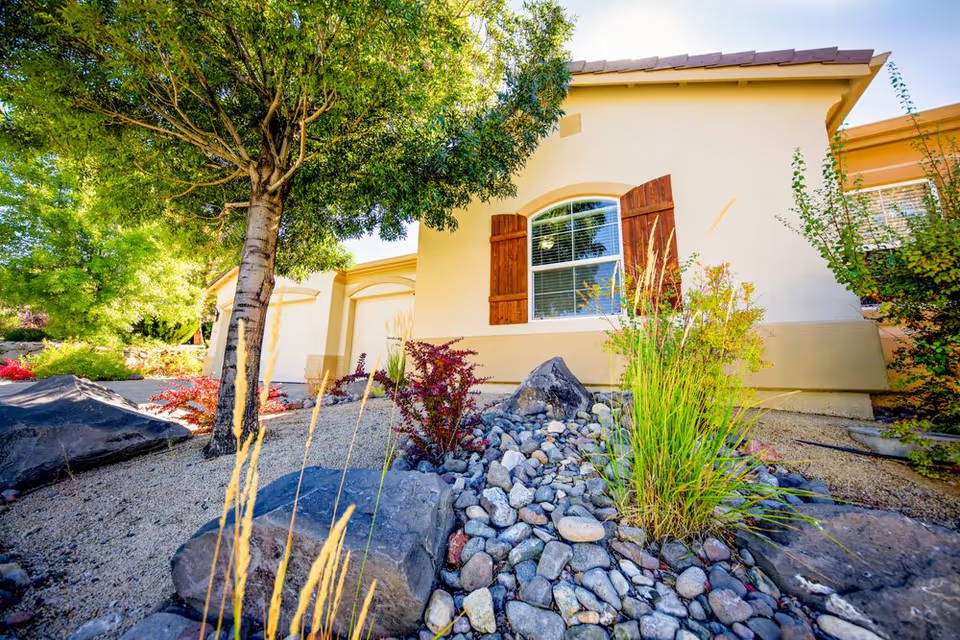
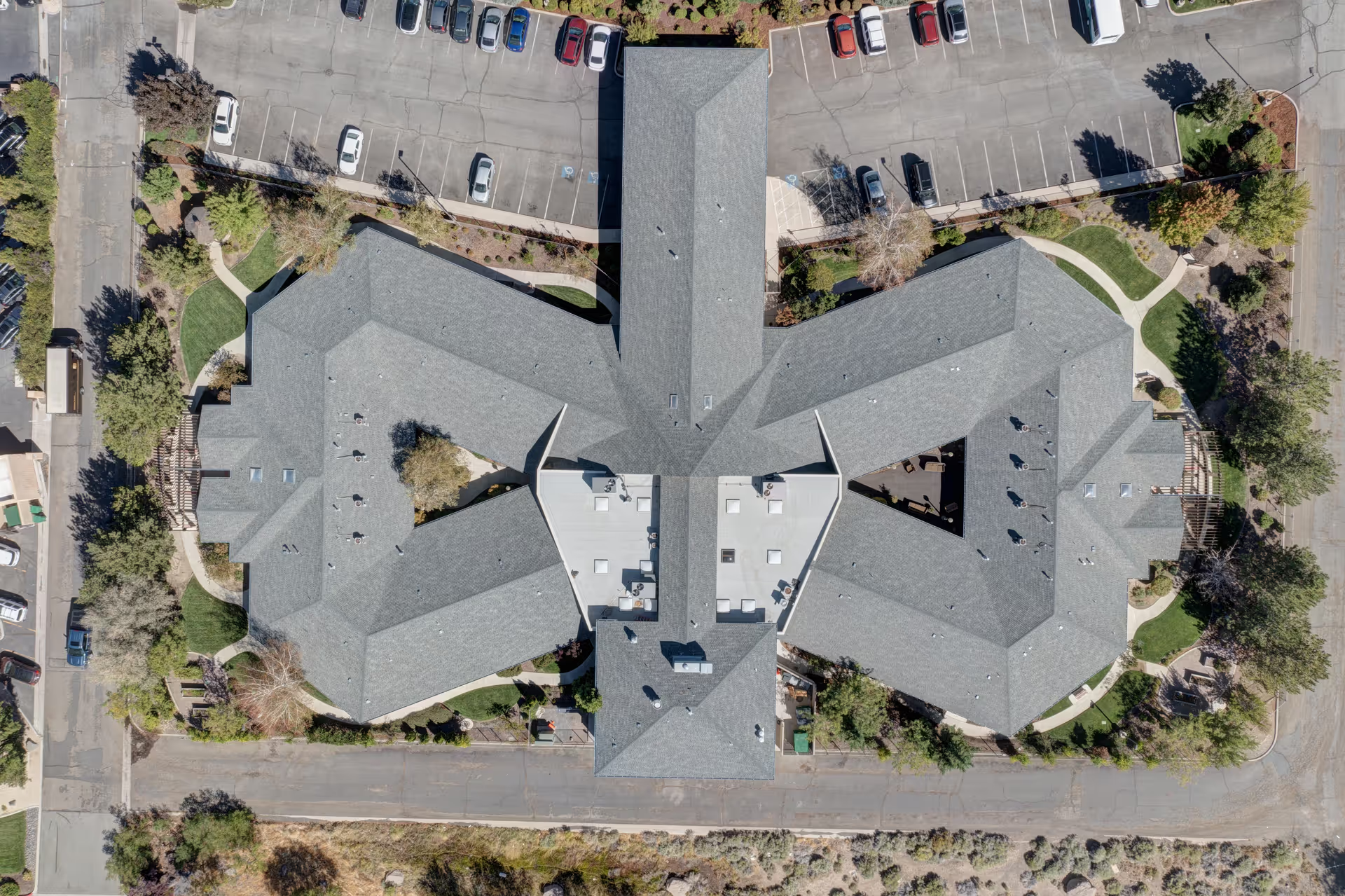
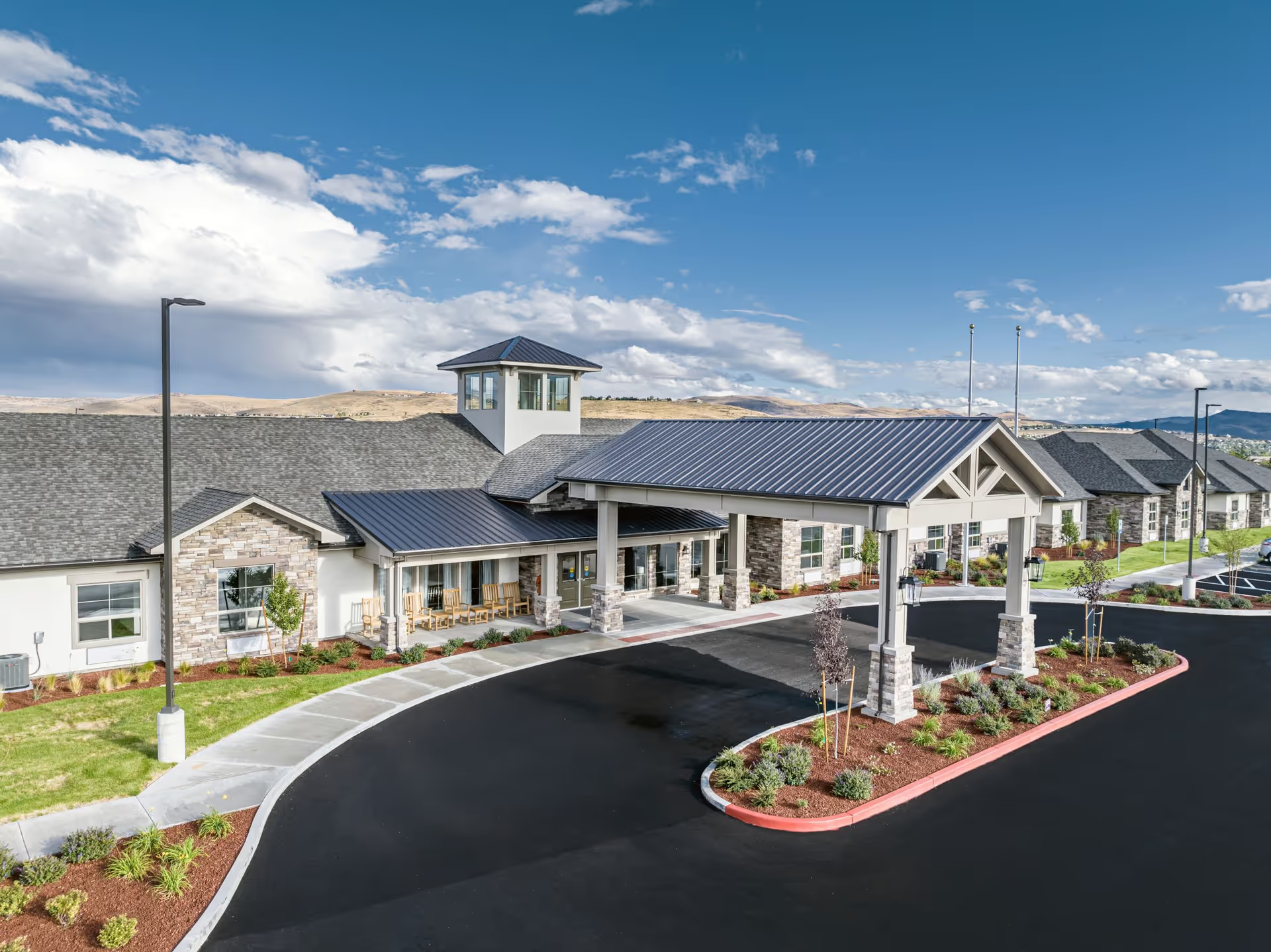
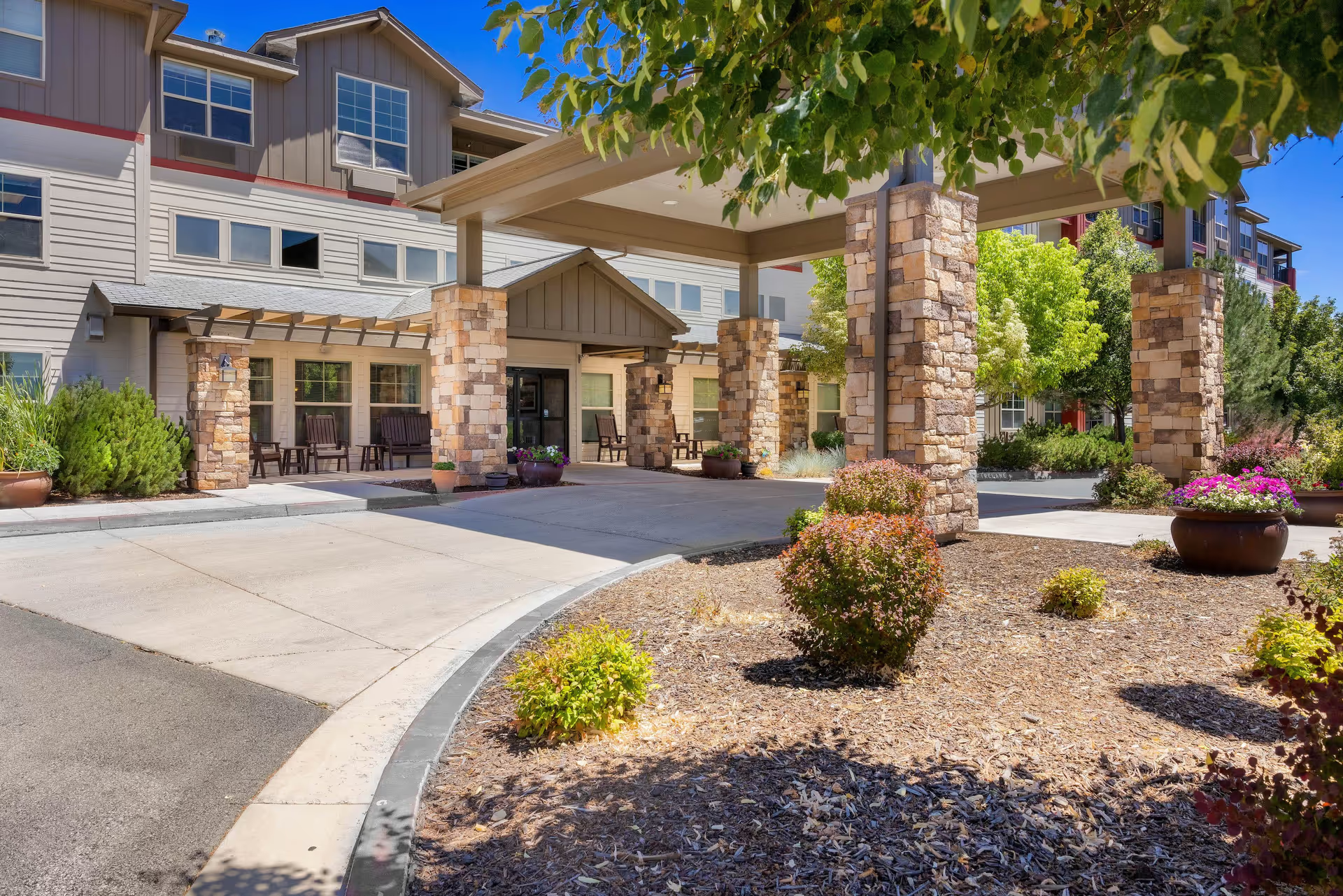
Facilities and environment: Multiple upgrades have been completed or are underway, including exterior repairs, interior dividing walls, and improved signage; these changes are cited as improving the environment and curb appeal. However, there are also accounts of pest-control interventions and related displacement with pets, indicating a need to inquire about current pest-control protocols and how such events are managed.
Management, policies, and notable patterns: A consistent thread involves administrative and financial disputes—billing disagreements, perceptions of overpriced rent, and aggressive collection actions such as garnishment or eviction notices. Policies affecting accommodations (including service-animal and pet rules), resident privileges, and access to clinicians have been described as restrictive or inconsistently applied. Additional concerns include privacy and confidentiality lapses and at least one allegation of executive-level misconduct; those are serious enough that families should seek documentation of complaint resolution and regulatory compliance.
Recommendations for inquiries: Before deciding, visitors should tour the unit during operational hours, ask for written policies on billing, collections, pet and service-animal accommodations, resident rights, and grievance procedures, and request current staffing ratios and activity schedules. Verify recent inspection or complaint histories and ask management how they handle pest-control events, privacy incidents, and transitions of care. Balancing the reported strengths in direct care and recent capital improvements against the operational concerns will help families assess fit for a particular resident.