Overall impression: Reviewers consistently describe the facility as strong on hands-on care and rehabilitation services while identifying operational gaps primarily tied to staffing, dining, and older long‑term units. Families and residents frequently praise direct-care staff, therapy teams, and clinical outcomes — particularly in the recently renovated rehabilitation areas — but also note variability in facility condition and service consistency across different units.
Care and staff: The dominant pattern is of compassionate, supportive caregivers and a responsive clinical team. Many accounts describe improvement in residents’ health after admission, respectful treatment, and useful coordination with families. Admissions and benefits assistance are often highlighted as helpful, and hospice services and on-site medical access receive positive mention. However, staffing shortages and inconsistent responsiveness appear as persistent operational weaknesses: reviewers cite delays in supervision, concerns about fall risk monitoring, and uneven follow-through on care requests. There are also isolated but notable concerns about staff conduct and communication style; in a few cases reviewers described alleged discriminatory conduct or inconsistent care decisions tied to mental‑health history, which underscores the need for clear policies and staff training.
Dining and nutrition: Dining impressions are mixed. Some reviewers praise good food and a resident-discounted cafeteria, while others report limited nutritional value, gravy-heavy or high-sodium offerings, and reliance on low-cost canned sides associated with a contracted food provider. Ancillary costs for certain food and beverages were described as expensive by some families. The pattern suggests variable meal quality depending on provider choices and dining unit, and that nutrition consistency could be an area for administrative review.
Activities and social life: Activity programming is a clear strength. The facility offers a range of social and recreational options — bingo, bowling, live music, monthly performances, and organized outings to shopping and movies — that many residents and families find beneficial for social engagement and quality of life. Attractive common areas such as an atrium, auditorium with a glass roof, sunroom, and outdoor seating further support resident socialization.
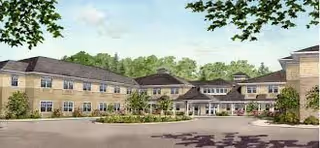
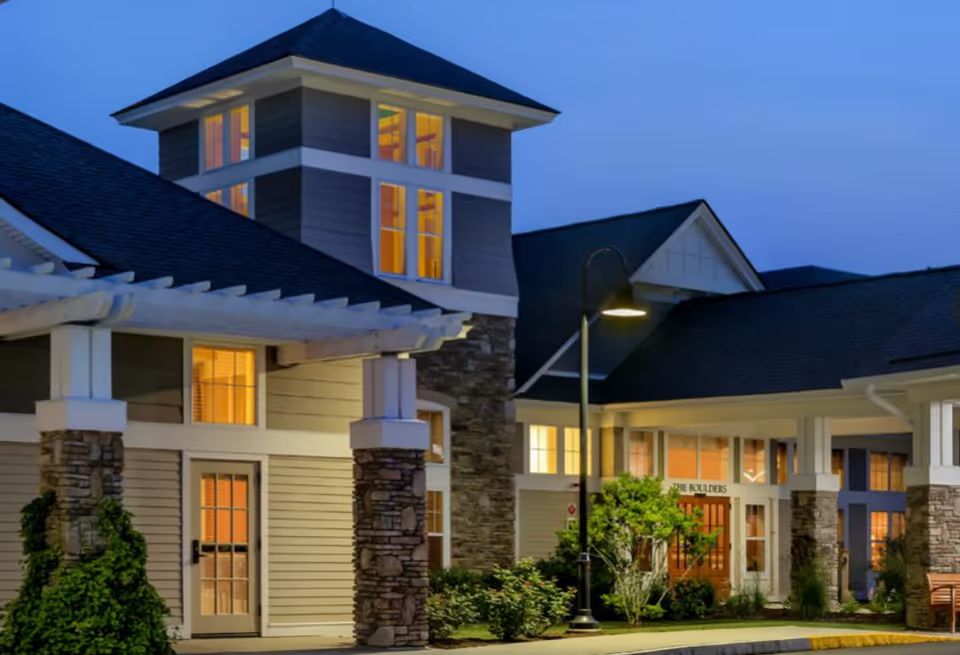
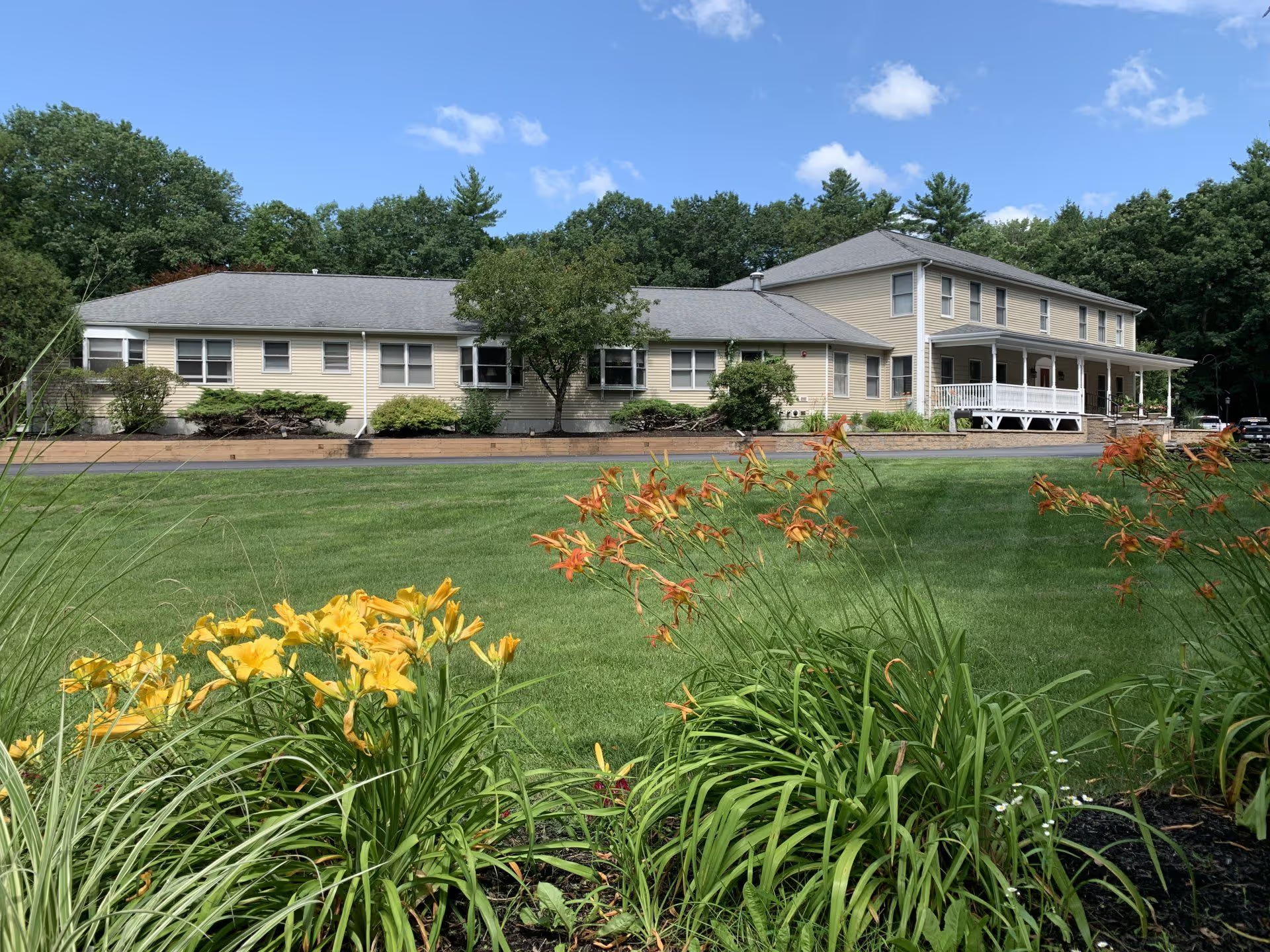
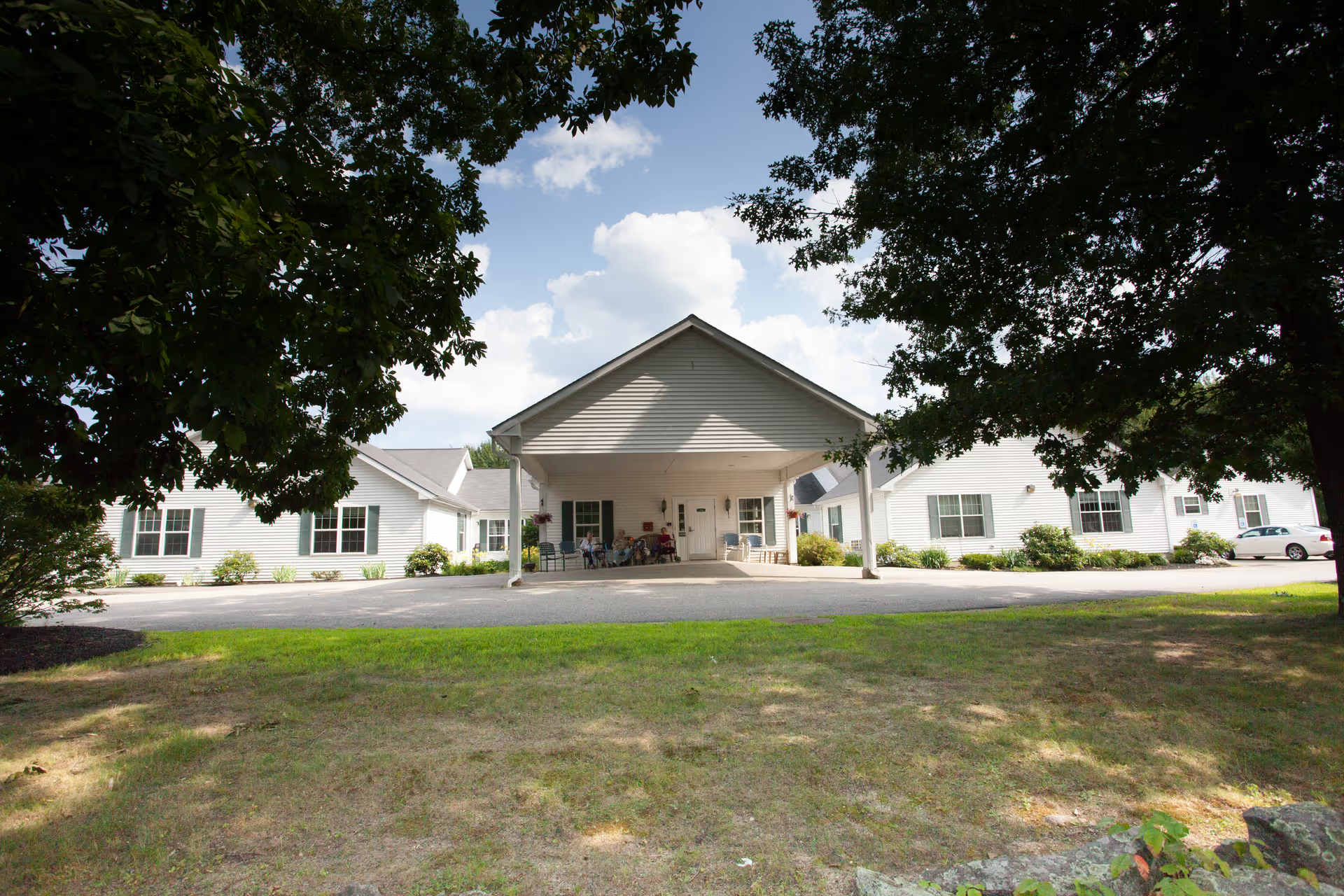
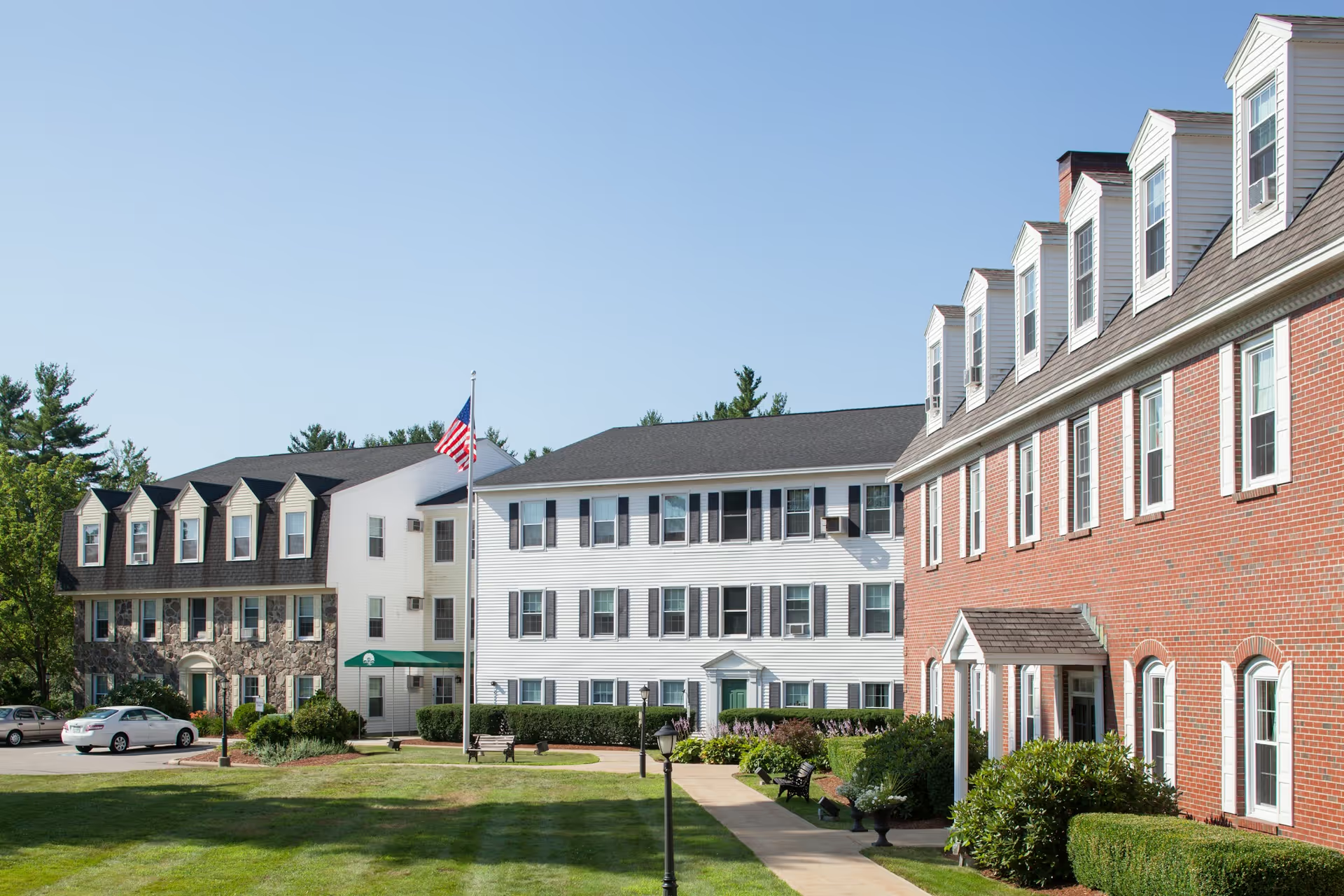
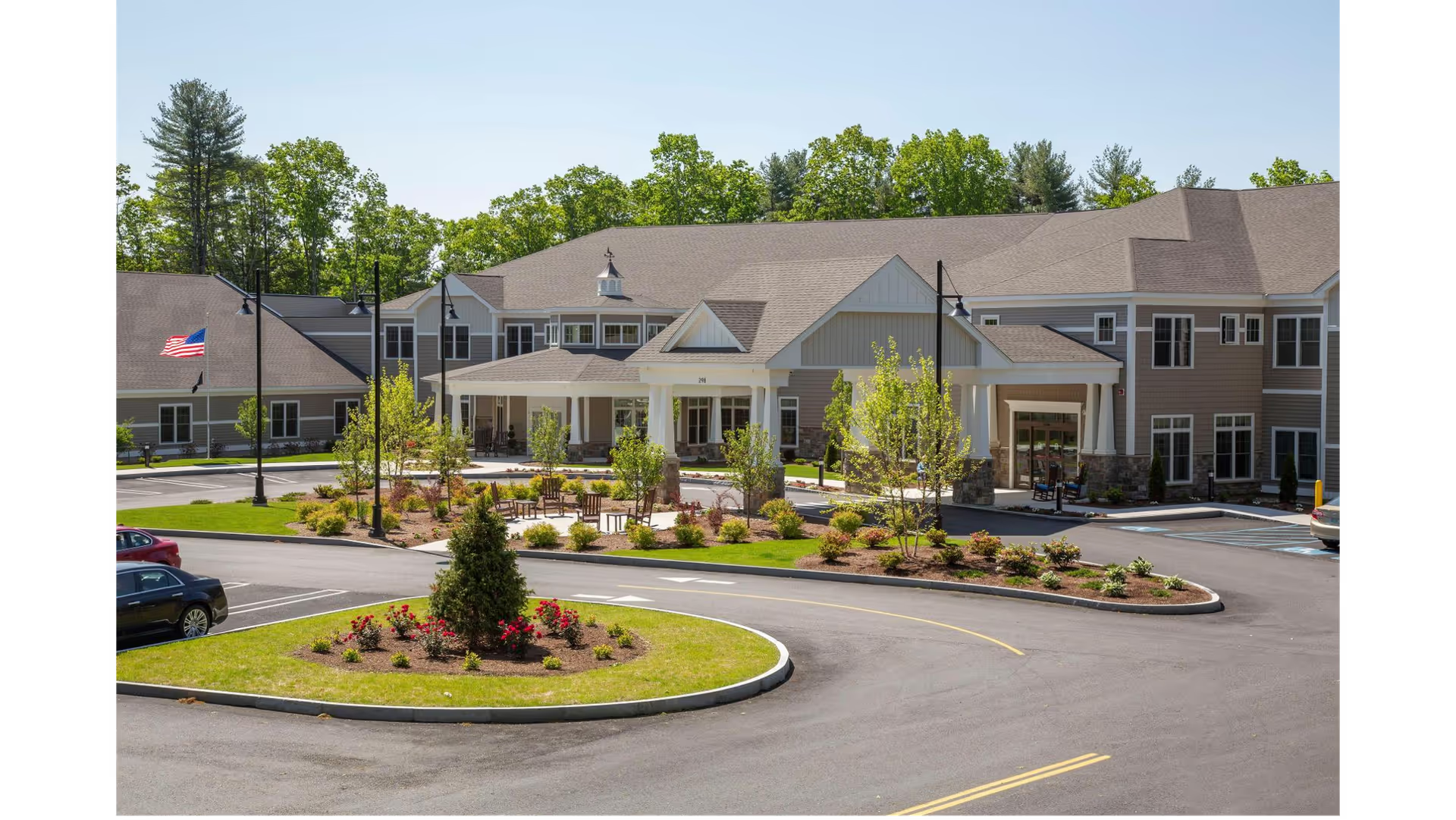
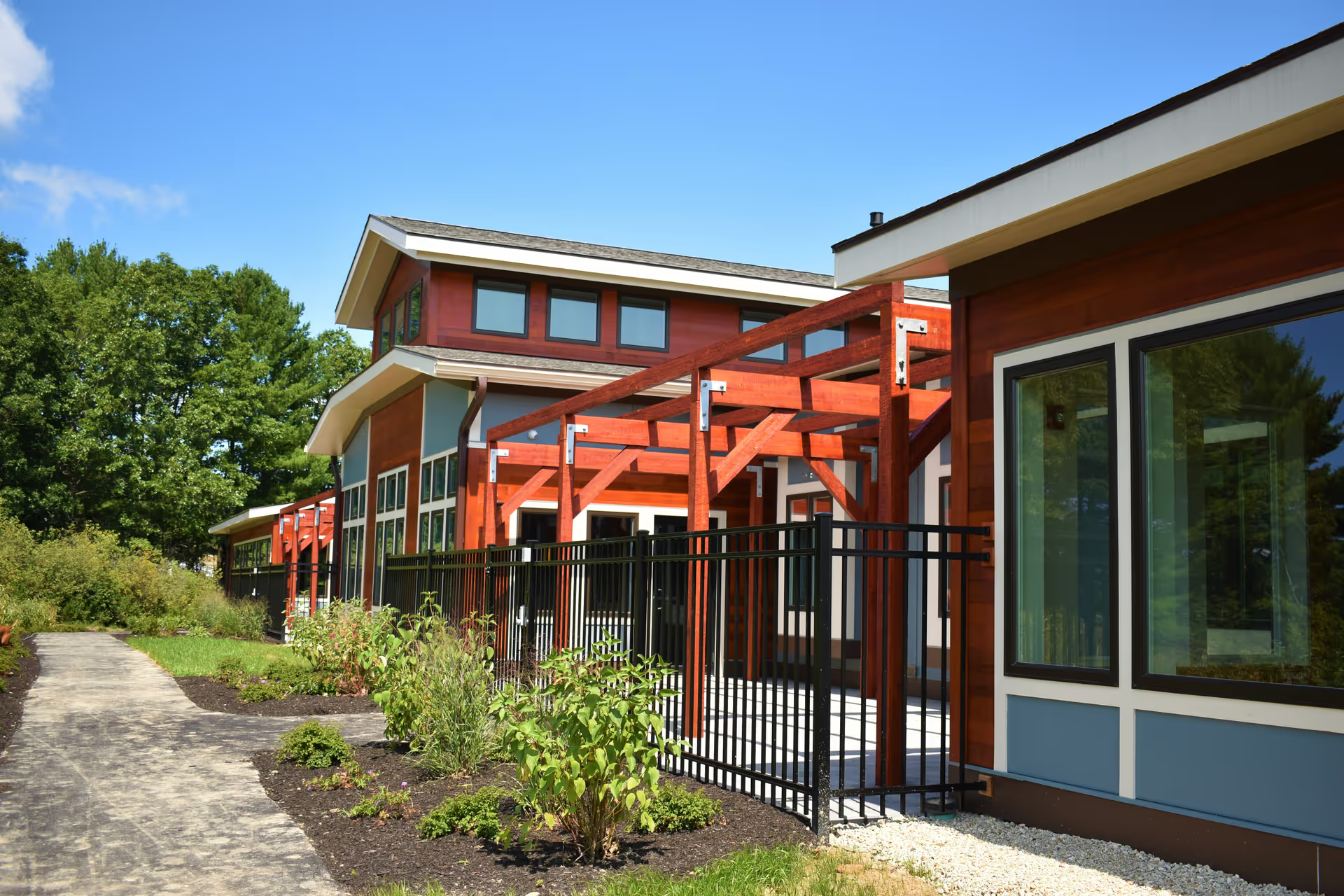
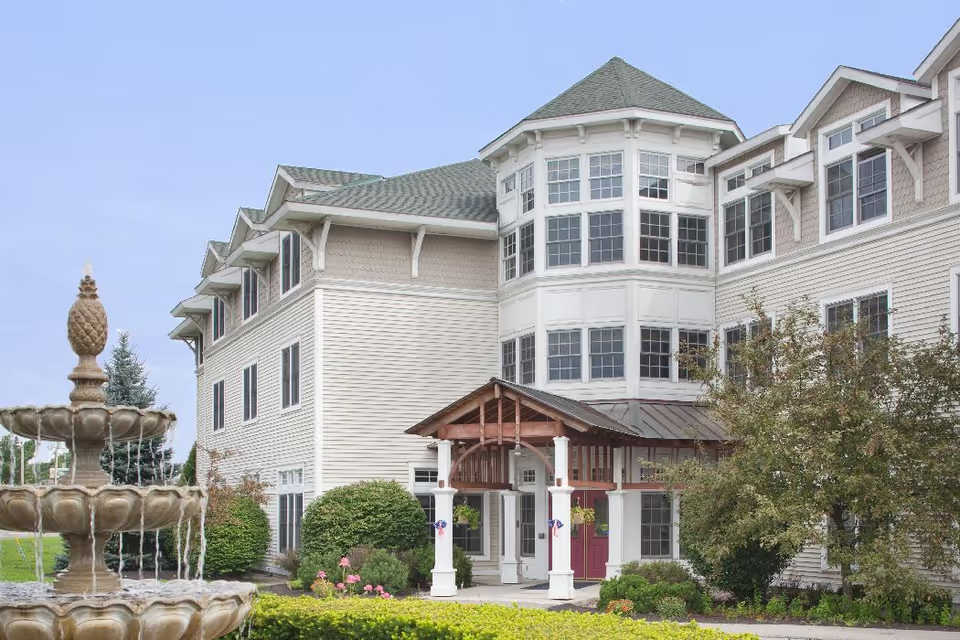
Facilities and cleanliness: Physical plant reports are mixed by unit. The rehab and recently updated sections receive praise for cleanliness, bright rooms, and modern finishes. Conversely, the long-term wings and some independent-living quarters are described as older and in need of refurbishment; common areas in those sections may feel dated and less comfortable. Reviewers raised sanitation concerns and occasional odor issues in some common bathrooms and lounges, and noted that noise can carry in communal spaces, indicating uneven standards across the property.
Management and value: The facility’s county ownership and ongoing updates are cited positively, and many families express trust in the administrative team when communication is clear and issues are resolved promptly. At the same time, several reviewers described gaps in administrative responsiveness — for example, unresolved move requests, partial building closures, or slow follow-through — which affect perceived value. Cost perceptions vary: some view the facility as an affordable, well-supervised alternative to private nursing homes, while others feel the long-term side offers less value relative to newer private options.
Notable patterns and recommendation guidance: If rehabilitation, comprehensive therapy, and hands-on caregiving are primary priorities, the facility’s renovated rehab wing and experienced staff represent strong advantages. Prospective residents and families should, however, assess the specific unit they would occupy (rehab/updated vs. older long-term wing), ask detailed questions about current staffing levels and fall-prevention protocols, review recent menus and nutrition policies, and clarify administrative processes for transfers or grievances. For those seeking newer independent-living accommodations or consistently high dining quality, alternatives may warrant comparison. Overall, the facility earns frequent praise for staff compassion and clinical outcomes but shows recurring operational areas — staffing, dining consistency, and aging units — that prospective families should evaluate during a visit.