Overall impression: Reviews present a split but coherent picture. Many residents and family members describe strong clinical rehabilitation services and an attentive, compassionate staff; several accounts highlight successful short-term stays that enabled return home. At the same time, a number of reviews identify operational weaknesses that have affected experience and outcomes for some residents. Prospective residents and families should weigh the facility's strengths in therapy and discharge planning against the documented variability in dining, hygiene scheduling, and some clinical processes.
Care quality and clinical services: The facility is frequently credited for effective physical and occupational therapy and a rehabilitation focus that supports discharge readiness. Multiple accounts describe cohesive rehab teams, thorough home-evaluation planning, and measurable progress toward goals. Nursing staff are often characterized as caring and communicative, with specific praise for clinicians who provide timely updates to families. However, a subset of reviews raises concern about medication access and administration processes, and a few describe discharge decisions that felt premature; these suggest variability in clinical protocols and discharge-readiness assessments.
Staff and management: Staff are consistently described as friendly, respectful, and invested in residents’ well-being. Reviewers note prompt bell responses at times, helpful reception, and staff who collaborate to keep residents comfortable. That positive picture is tempered by repeated comments about staffing stress, employee undervaluation, and perceived inconsistencies in staff treatment and oversight. Those workplace pressures appear to correlate with uneven service in certain shifts or units. Social work and leadership receive praise when they are proactive; families appreciated clear communication and assistance finding follow-on housing when provided.
Dining and activities: Activity programming is a clear strength — reviewers mention regular social events, singing/prayer groups, monthly bus trips, and a generally social environment that aids recovery and engagement. Dining impressions are mixed: some visitors and residents praise meals and dietary accommodations for allergies and preferences, while others cite inconsistent food quality, limited menu satisfaction, and examples of weight loss tied to meal problems. The facility allows external food, which some families used to supplement meals.
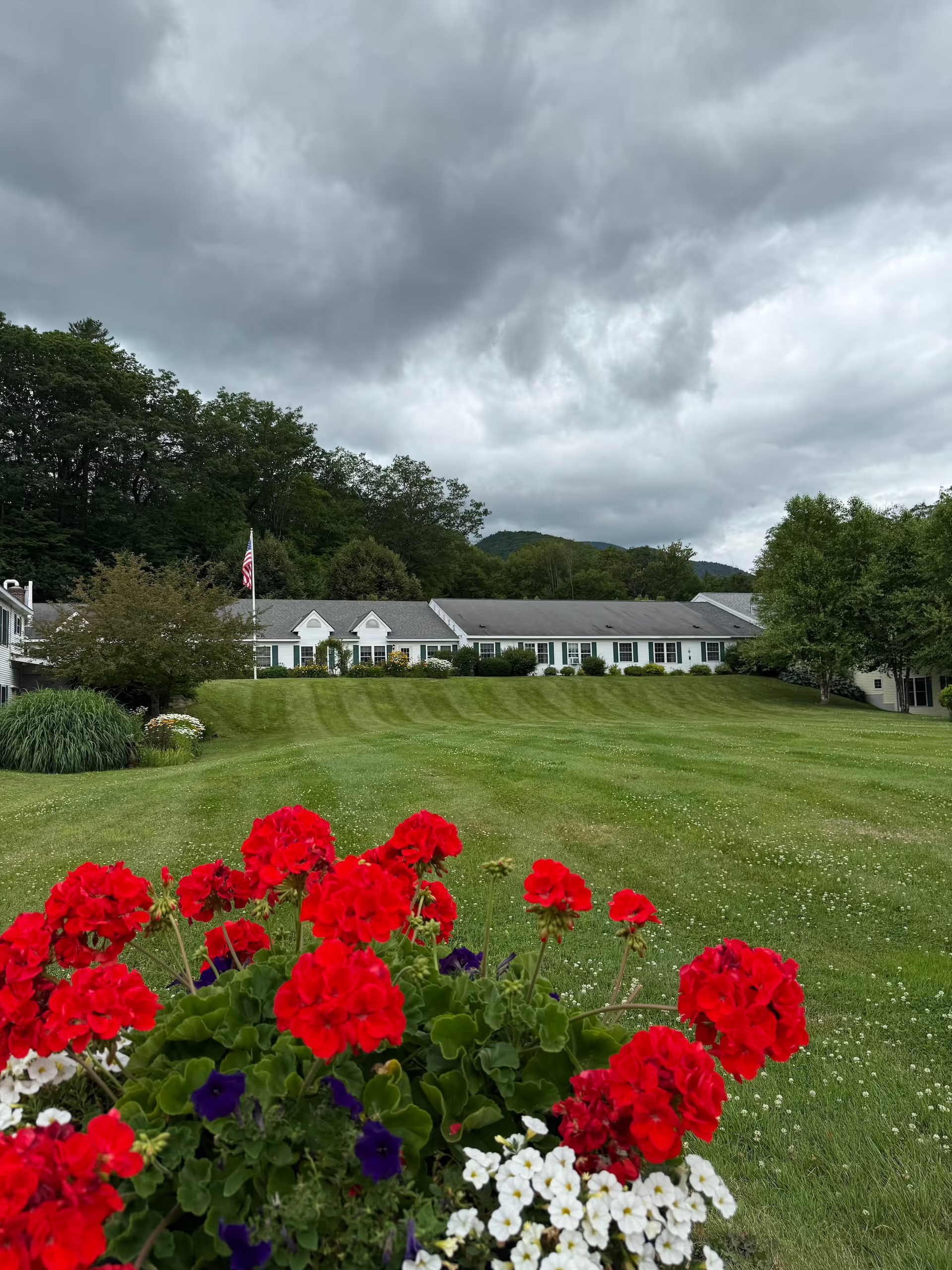
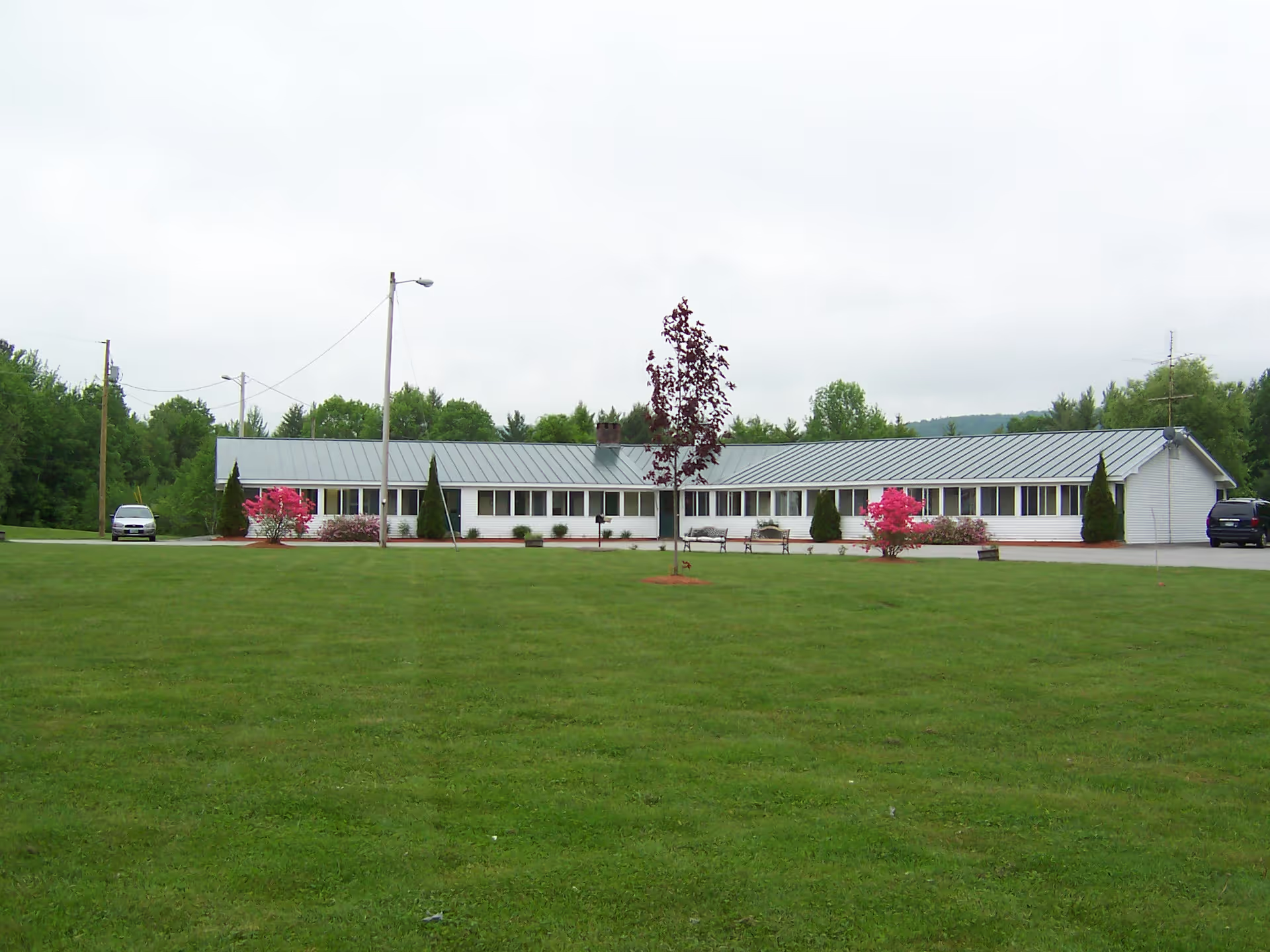
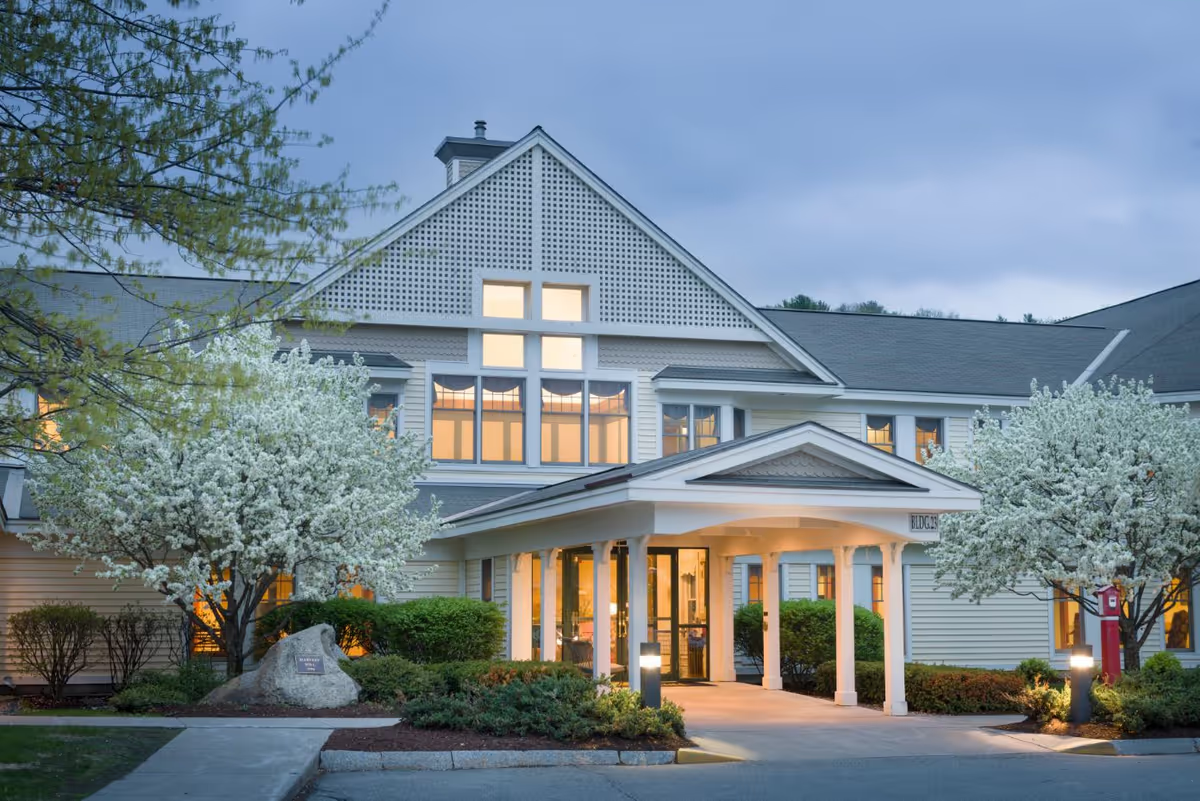
Facilities and operations: Common areas and public spaces are often described as clean and well maintained, and many reviewers report pleasant dining and common rooms. Nevertheless, there are recurring sanitation and room-cleanliness concerns in a portion of reports and complaints about inconsistent bathing schedules and limited shower availability. Response times to urgent alerts and bell calls are variable across accounts, indicating uneven staffing coverage or communication breakdowns at times.
Actionable takeaways: Strengths include a strong rehabilitation program, generally compassionate staff, active engagement opportunities, and useful discharge support when available. Areas to probe during a tour or intake include current staffing levels and turnover, meal planning and monitoring (including protocols for weight loss), medication administration and access procedures, bathing/personal care schedules, and availability of mental-health supports. Asking the facility for recent quality metrics, staffing ratios by shift, and examples of how they handle discharge-readiness disputes can help families make an informed decision based on the patterns described in reviews.