Reviews of Oceanside Center describe a facility with clear strengths in caregiving, rehabilitation, and memory-care programming, alongside recurring operational weaknesses that prospective families should evaluate. Many families and visitors highlight compassionate, attentive nursing staff, long-tenured teams, a welcoming admissions process, and a strong short-term rehab program. The on-site memory-care unit, daily activities, therapy dog visits, and entertainers receive positive mention for improving resident engagement. Administrative teams and the business office are frequently described as helpful, and several accounts note a warm, family-like workplace culture that translates into personalized attention for residents.
Care quality is portrayed as mixed. Numerous accounts praise clinical staff, therapists, and aides for professionalism, respectful interactions, and going above and beyond to meet individual needs. At the same time, other reports describe inconsistent responsiveness to call buttons, long wait times, and variability in bedside manner—particularly on certain shifts. A notable operational concern is uneven personal-care scheduling (including bathing frequency) and variability in how quickly staff attend to routine needs. There are also serious claims about medication management and clinical decisions; these are significant for families to explore directly with facility leadership and through medical records or oversight channels.
Dining and nutrition emerge as another area of divergence. Some families report that kitchen staff accommodated individual needs and that food service supported recovery, while others describe inconsistent meal temperature, seasoning issues, and meals that do not meet diabetic dietary requirements. Additionally, there are hygiene and food-handling concerns flagged by reviewers; these point to a need to ask about food-safety procedures and special-diet protocols during visits.
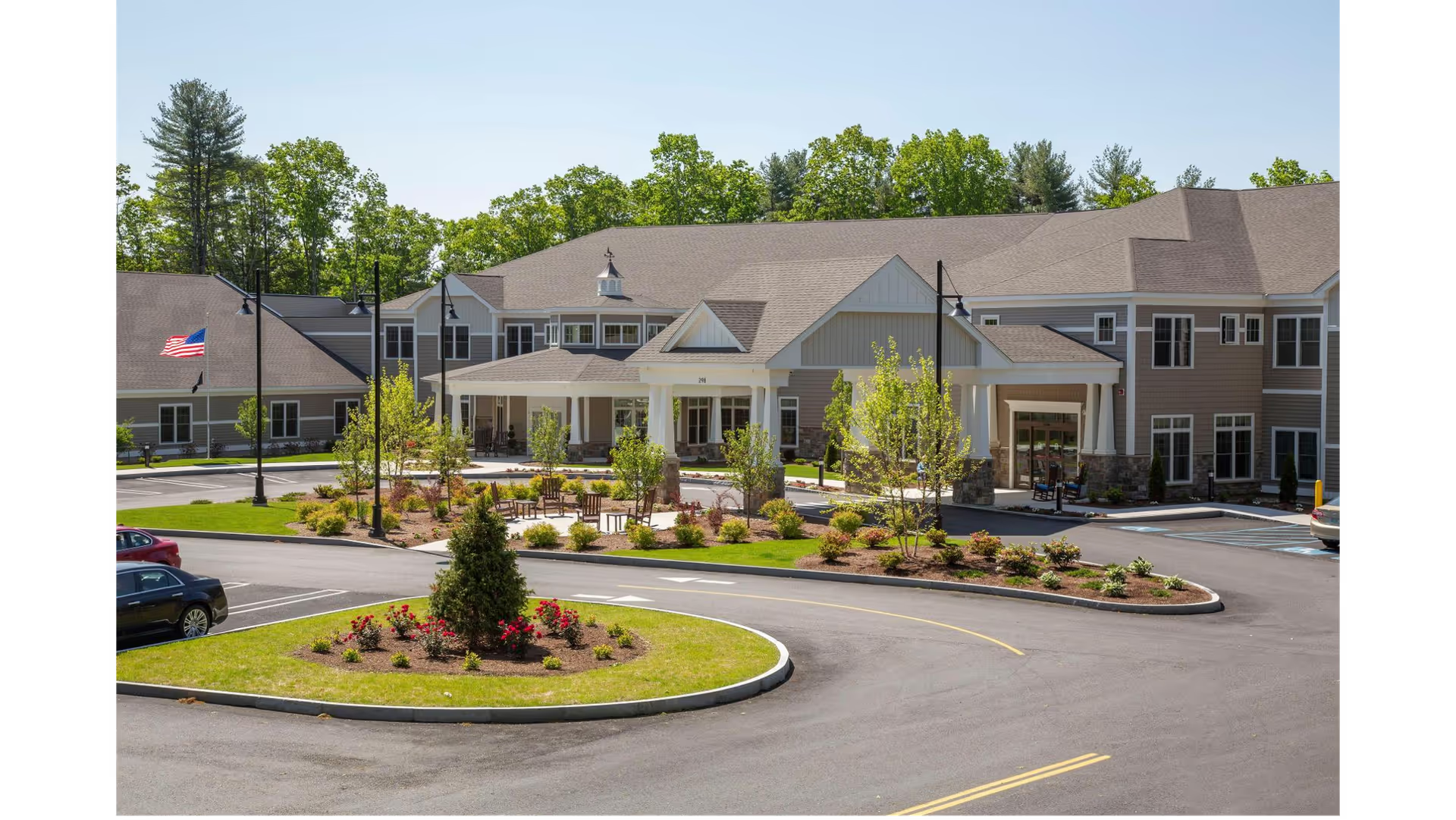
The facility environment is described as a mix of clean, organized common areas and an older physical plant with deferred maintenance in parts of the building. Positive notes include uncluttered shared spaces and on-site services such as a hairdresser. Conversely, several reviews cite maintenance issues in resident bathrooms and rooms, removed or missing fixtures, and occasional odor concerns. These suggest that while communal areas may be well kept, some resident-level environments can vary in condition.
Management and communication show similar polarity. The admissions director and several administrative staff receive repeated praise for being supportive and effective during transitions. Yet other families report breakdowns in communication, unsatisfactory conflict resolution (including reports of police involvement in at least one account), and concerns about laundry or missing personal items. These patterns point to inconsistent operational controls around property handling and family engagement.
Overall pattern: Oceanside Center demonstrates strengths in compassionate caregiving, rehabilitation services, memory-care programming, and a welcoming admissions experience. However, persistent themes of inconsistent staffing, variability in cleanliness and maintenance, uneven food quality and dietary accommodations, and concerns about medication/clinical decision processes temper those positives. Prospective residents and families should schedule in-person visits at different times of day, ask for current staffing ratios and oversight procedures, review medication-administration and incident-reporting policies, inspect resident rooms and bathrooms, and inquire specifically about diabetic meal plans and laundry/property procedures. These steps will help determine whether the facility’s strong clinical and cultural attributes align with an individual resident’s needs and expectations.