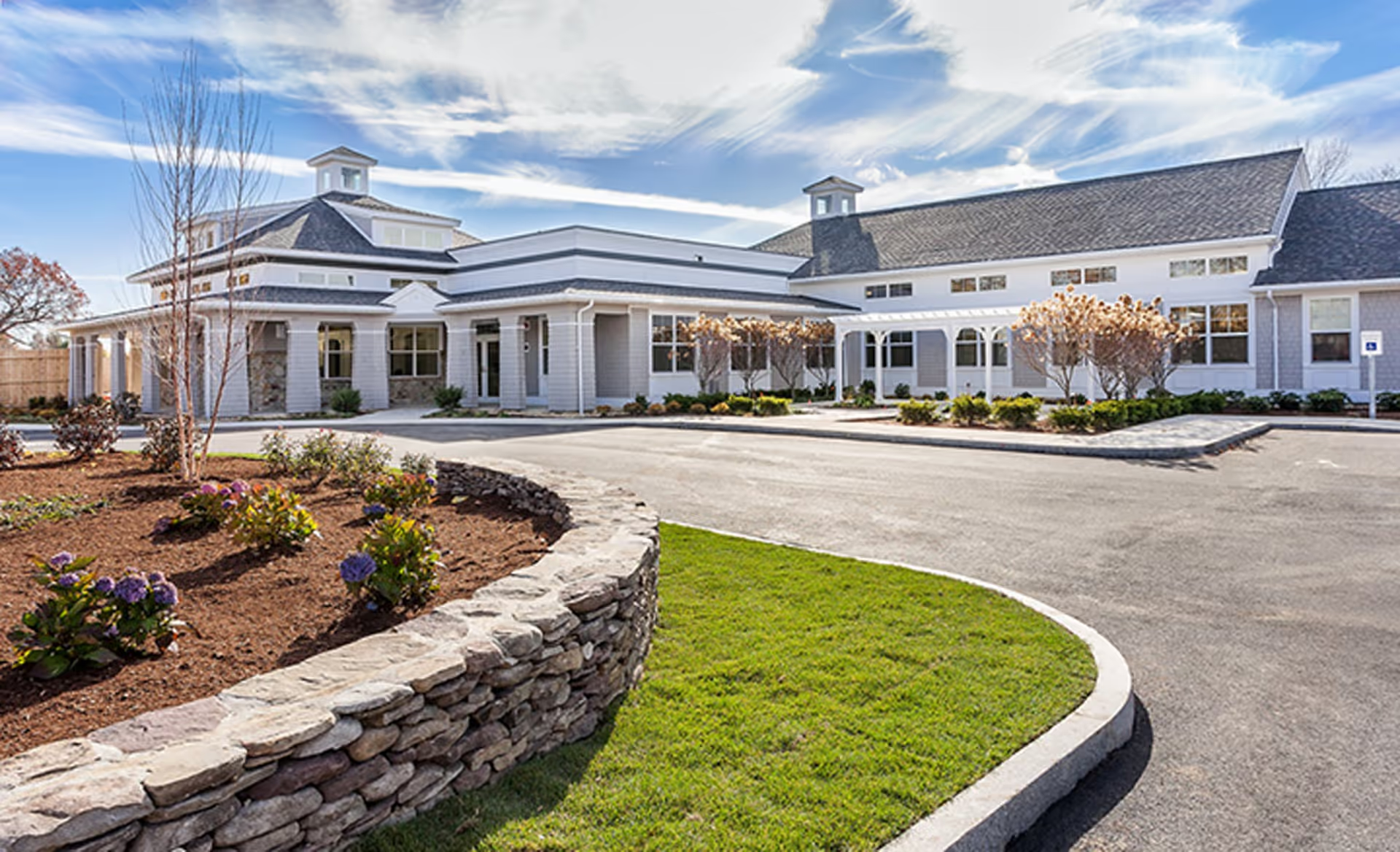
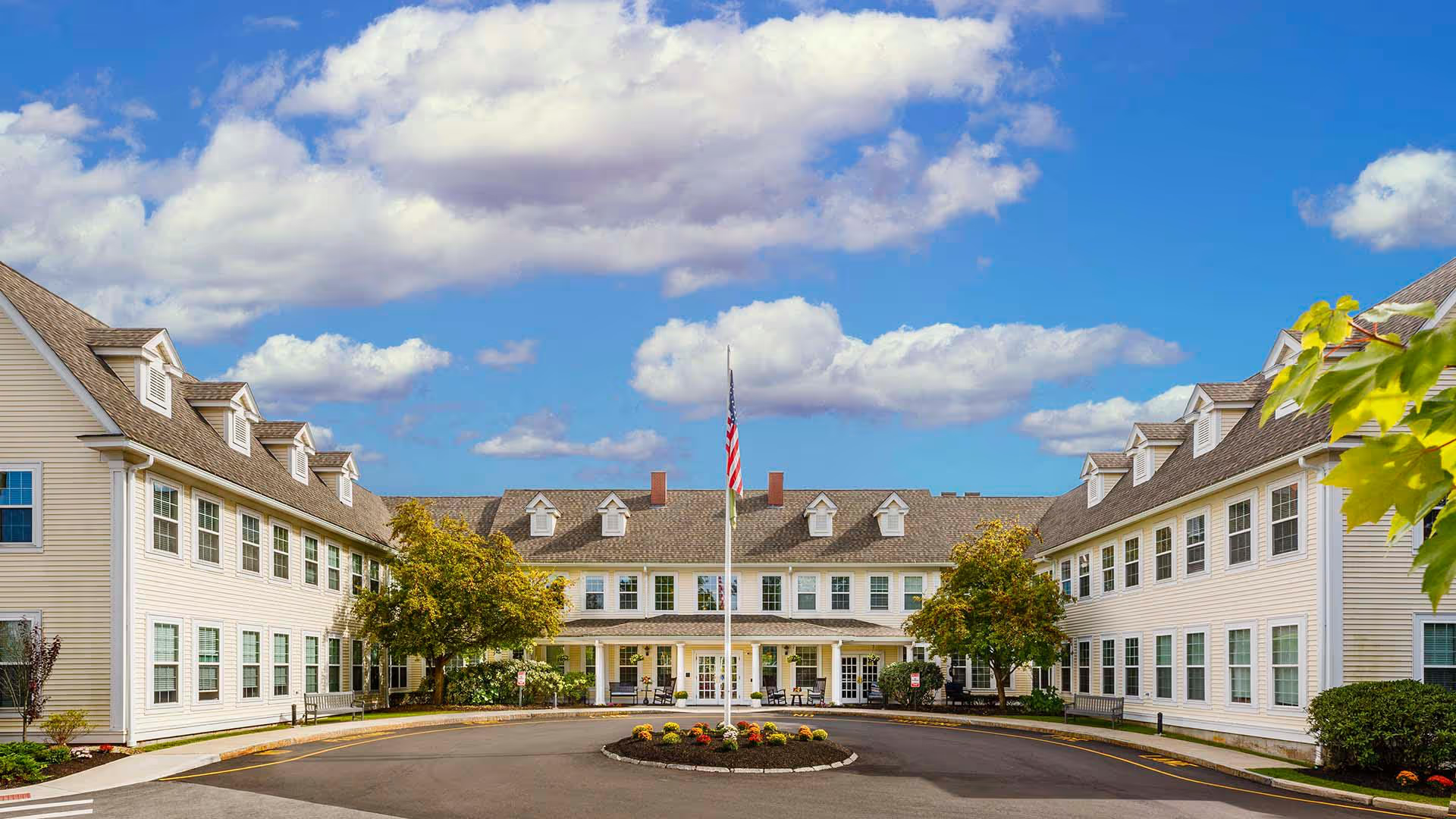
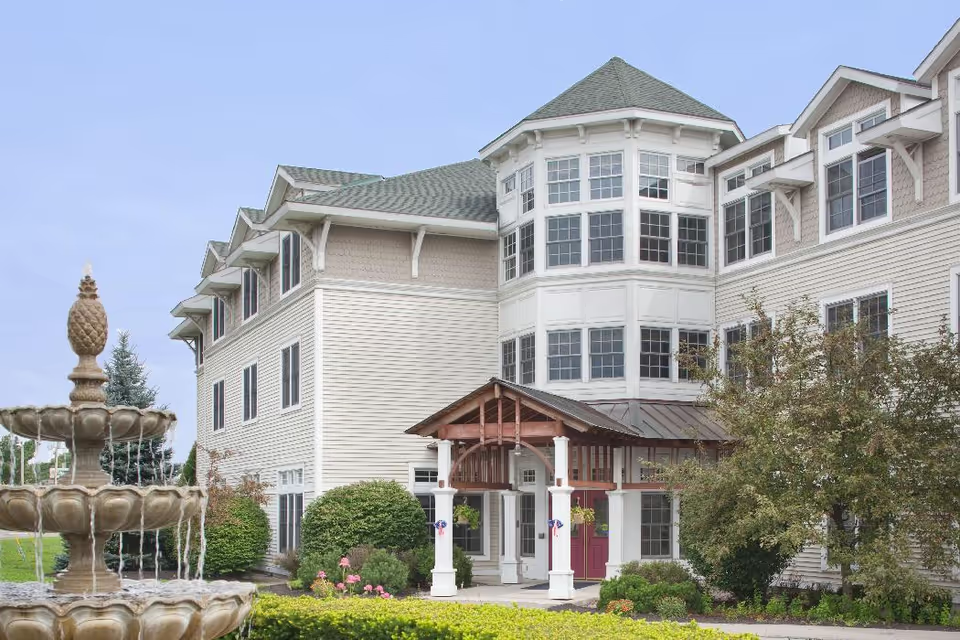
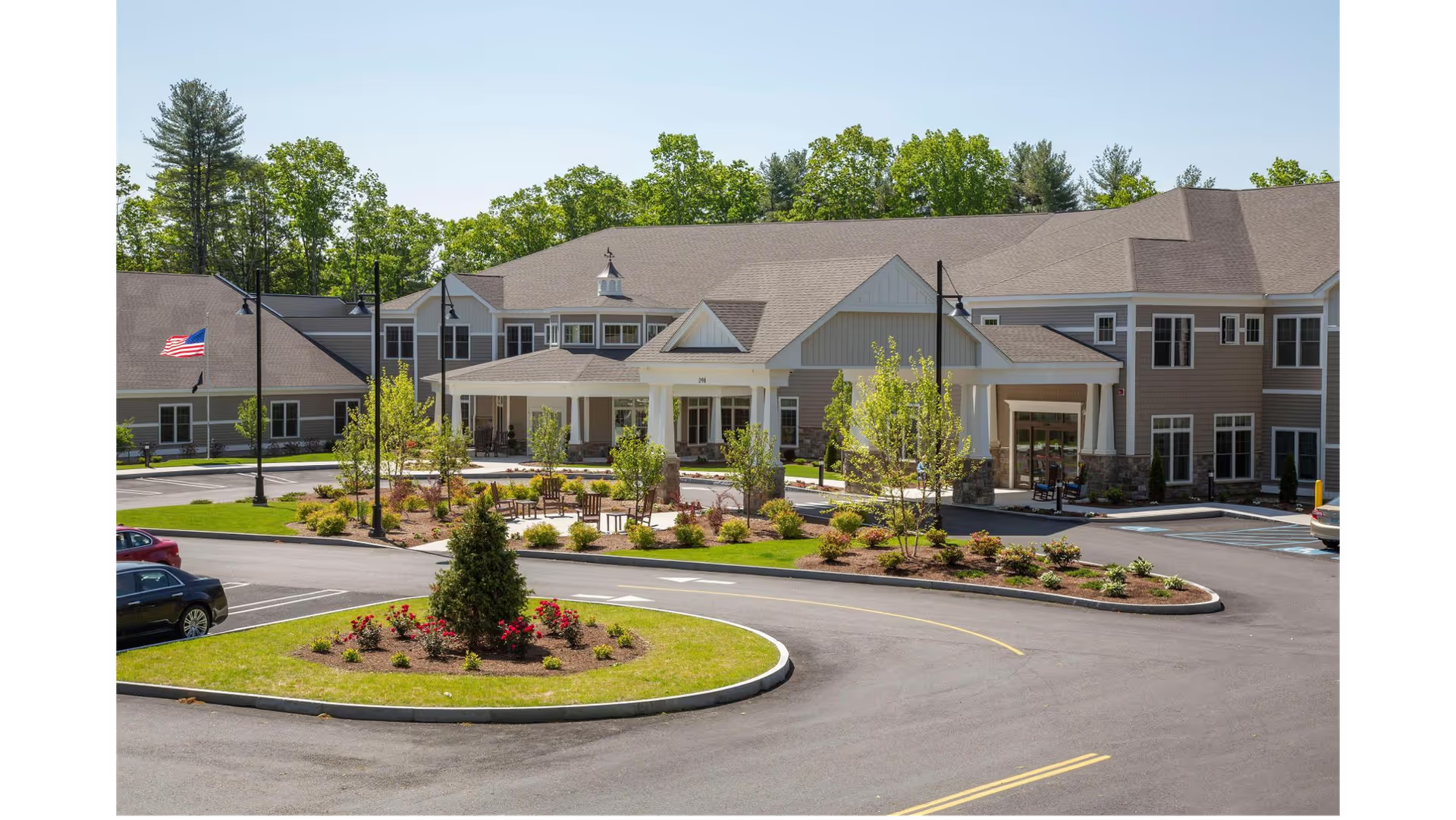
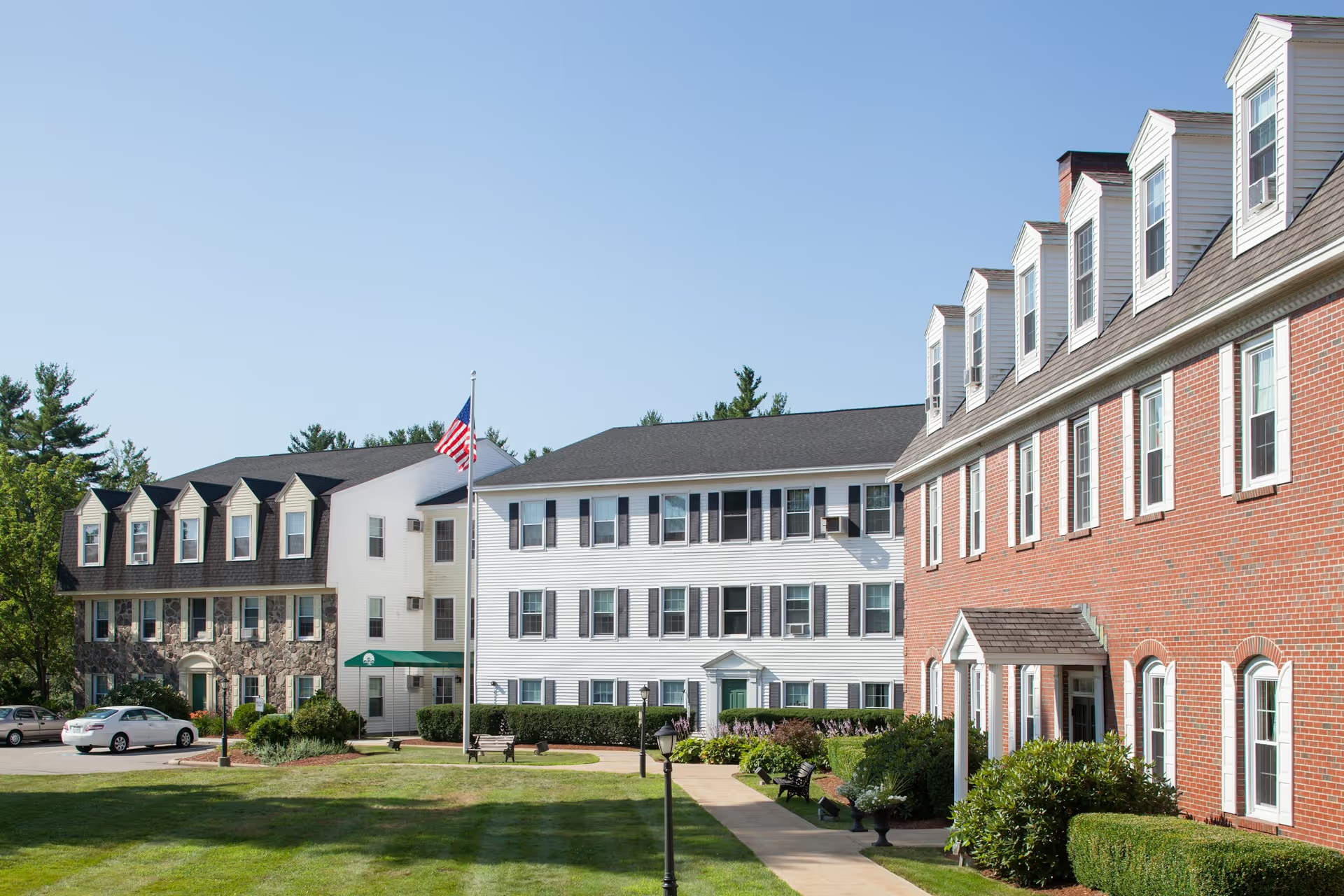
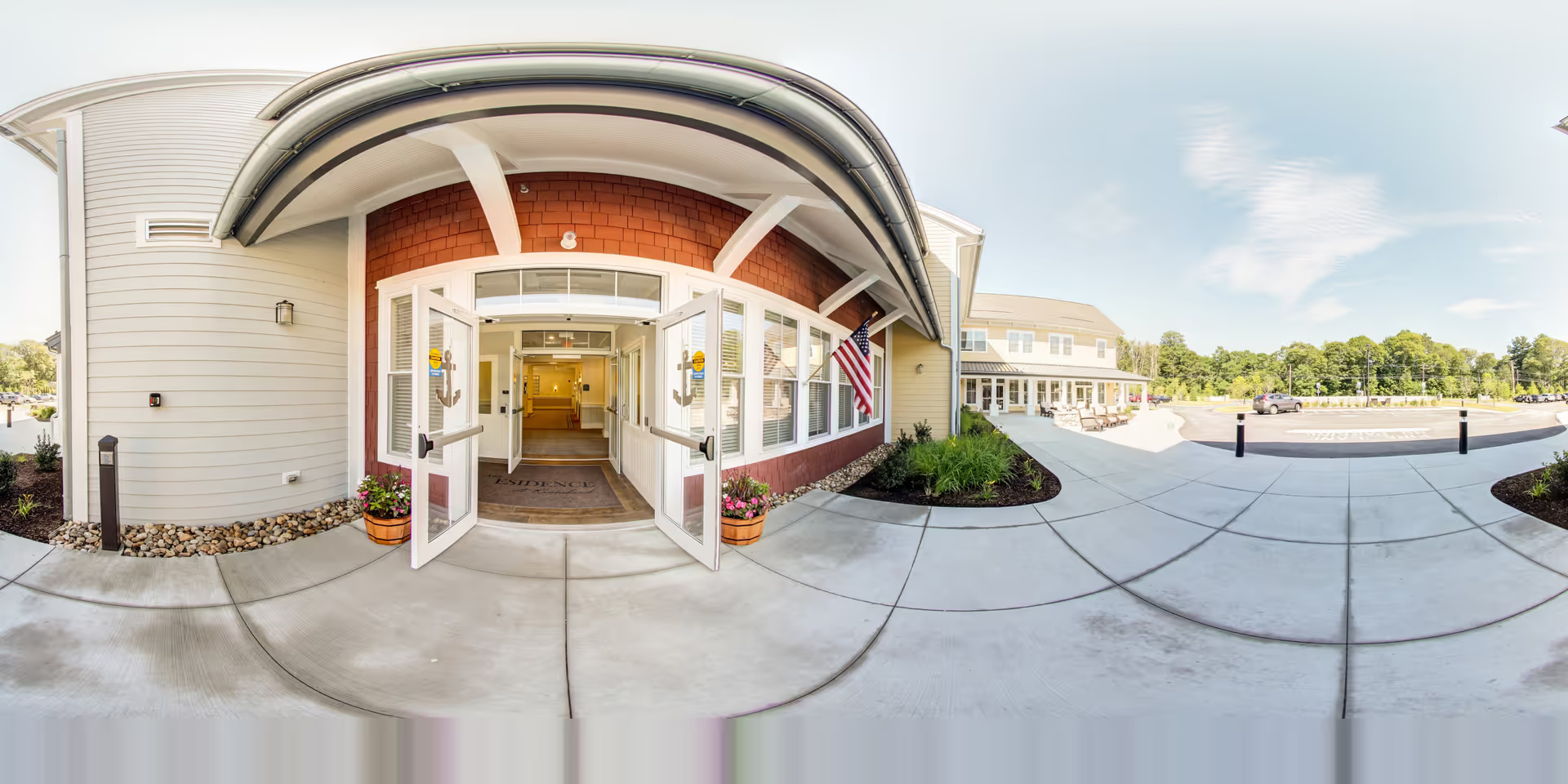
Overall characterization Assisted Living Center - Salisbury is commonly described as a warm, home-like assisted living community with staff who create a family-oriented atmosphere. Many families emphasize the facility's cleanliness, well-maintained common spaces, and a comfortable residential feel. The community is noted for its active social calendar, frequent family events, and an environment that accommodates visitors of different ages, contributing to a social and engaged resident life.
Care and staff A predominant strength across the summaries is the perceived compassion and attentiveness of frontline staff and nursing personnel. Reviewers commonly cite individualized care planning, attentive medication management, and timely responses to urgent needs. Staff communication during admission and in routine updates is frequently described as clear and proactive, and several accounts highlight staff going beyond standard expectations to support residents and families. At the same time, there are recurring concerns about how the facility responds as a resident's cognitive or care needs increase: reviewers describe variable responsiveness and changes in the quality of assistance when residents transition toward higher-acuity needs.
Dining, activities, and facilities The dining program receives positive attention for home-cooked meals, well-regarded food, and three meals included daily in many plans. Activities and communal programming are presented as a core asset—gardened events, cookouts, organized outings, and on-site activities support social engagement. The physical plant is frequently described as clean with nicely appointed rooms and an attractive dining hall, supporting a comfortable daily living experience on the seacoast.
Management, policy, and financial patterns While day-to-day care and staff interactions are often praised, summaries consistently raise operational concerns related to billing and placement policy. Multiple accounts indicate opaque fee and ancillary-charge practices and difficulty obtaining refunds or clear explanations about deposit handling. There are also descriptions of strict memory-care placement and transfer policies that result in relocations when cognitive decline advances; these policies, coupled with disputed charges at transition, suggest a need for prospective families to review contracts and transfer procedures closely. Some reviewers perceive management decisions as financially driven, which has contributed to frustration during transitions of care.
Notable patterns and recommendations Taken together, the pattern suggests that Assisted Living Center - Salisbury offers a strong, community-oriented assisted living environment for residents who can manage their daily living with moderate assistance and who value social programming and a home-like setting. However, the facility may be less well suited for residents who require advanced memory-care services or escalating clinical support without a planned transfer. Prospective residents and families should prioritize clarifying the facility's memory-care thresholds, written transfer policies, and detailed billing/refund procedures during the tour and before signing agreements. A focused discussion with management about escalation-of-care pathways and examples of recent transitions can help set realistic expectations.