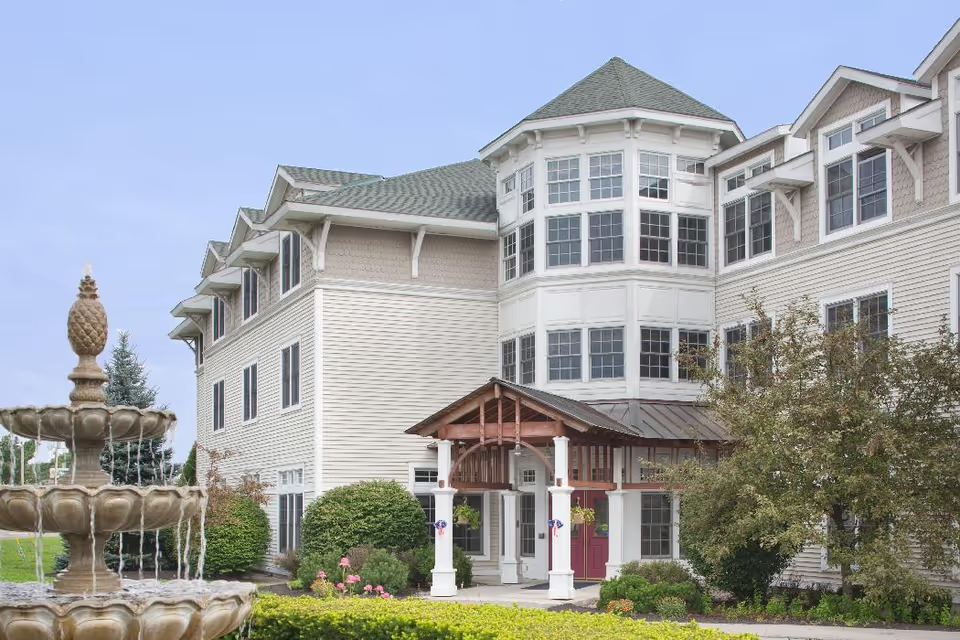
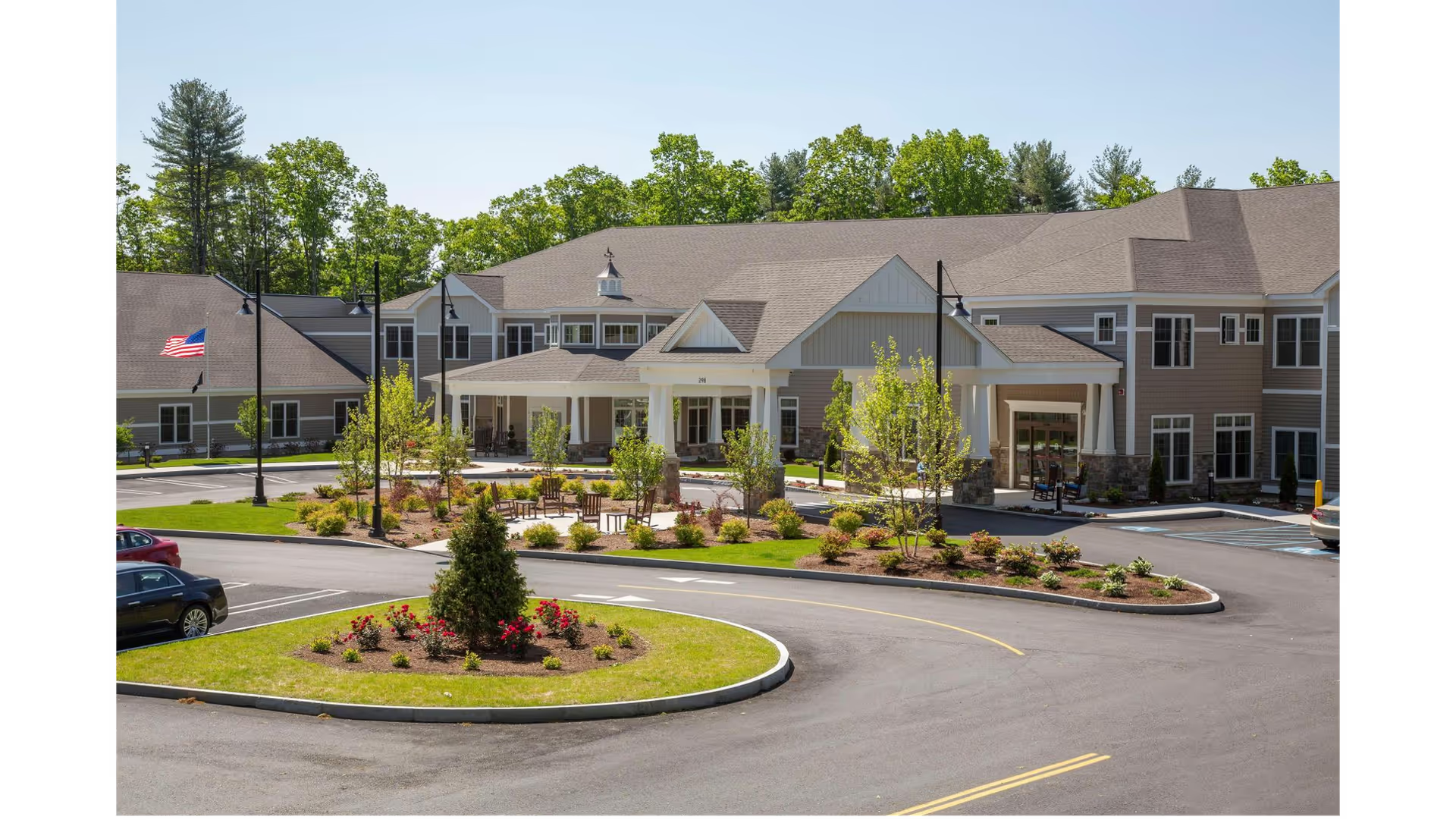
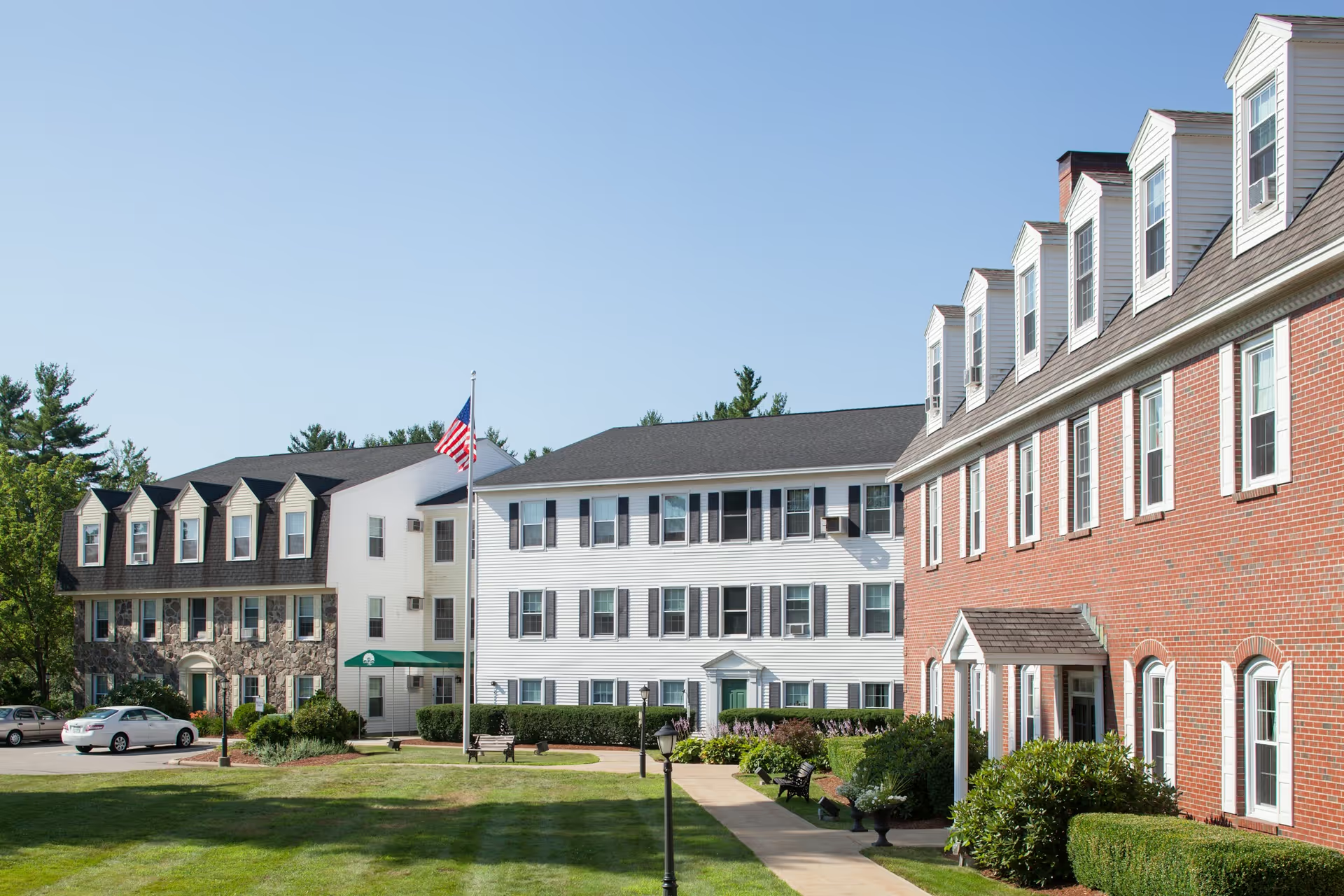
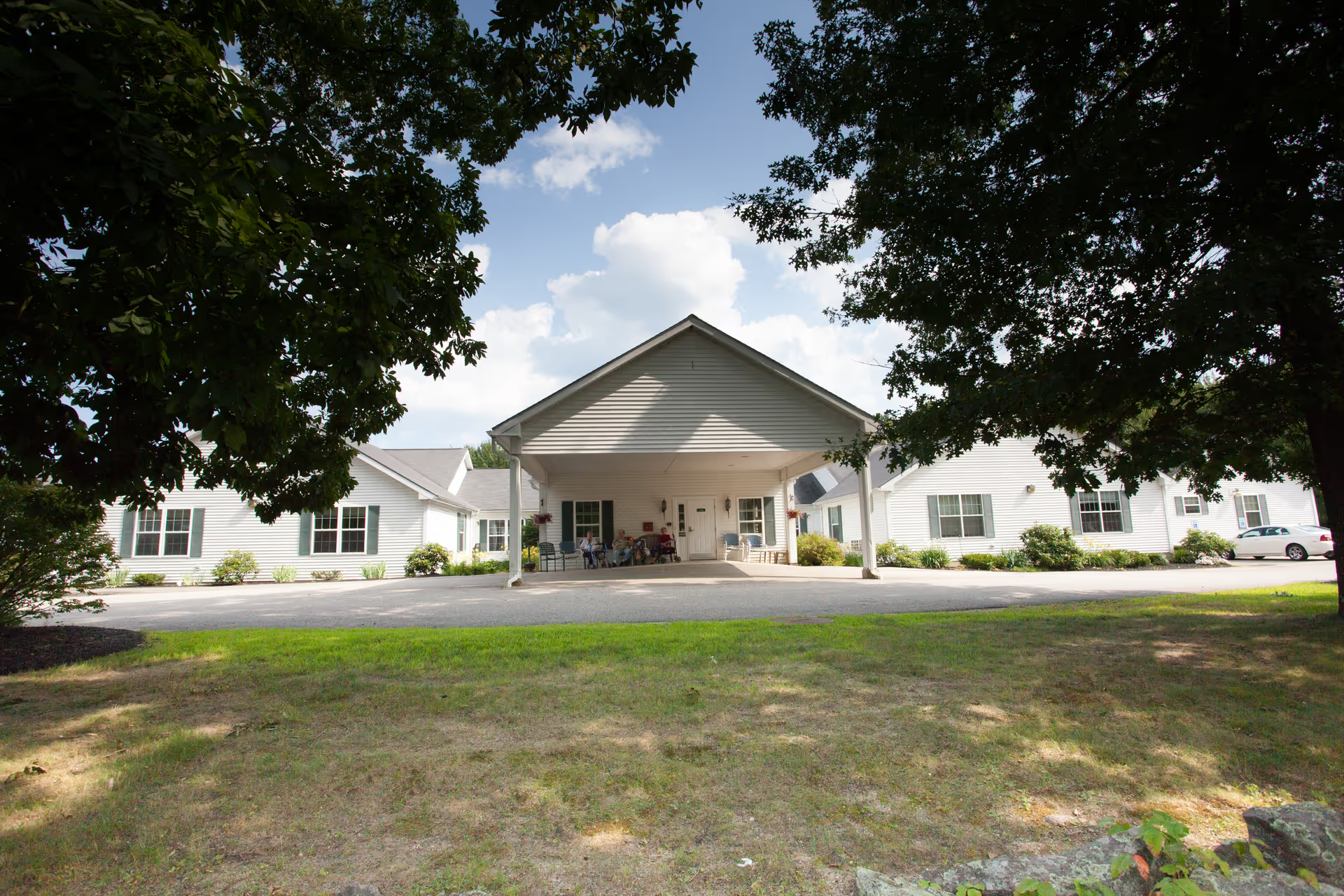
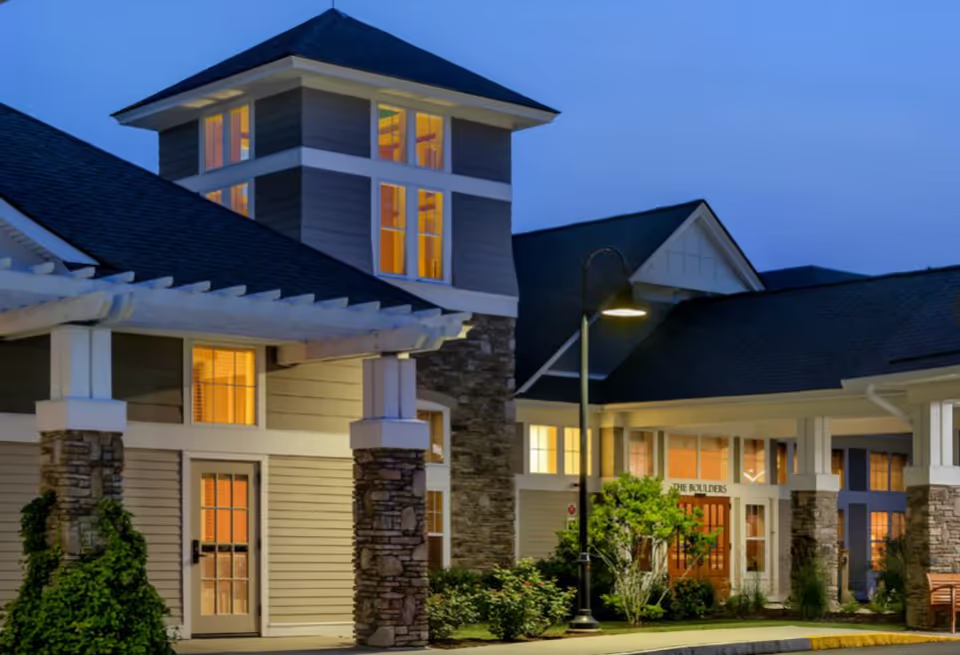
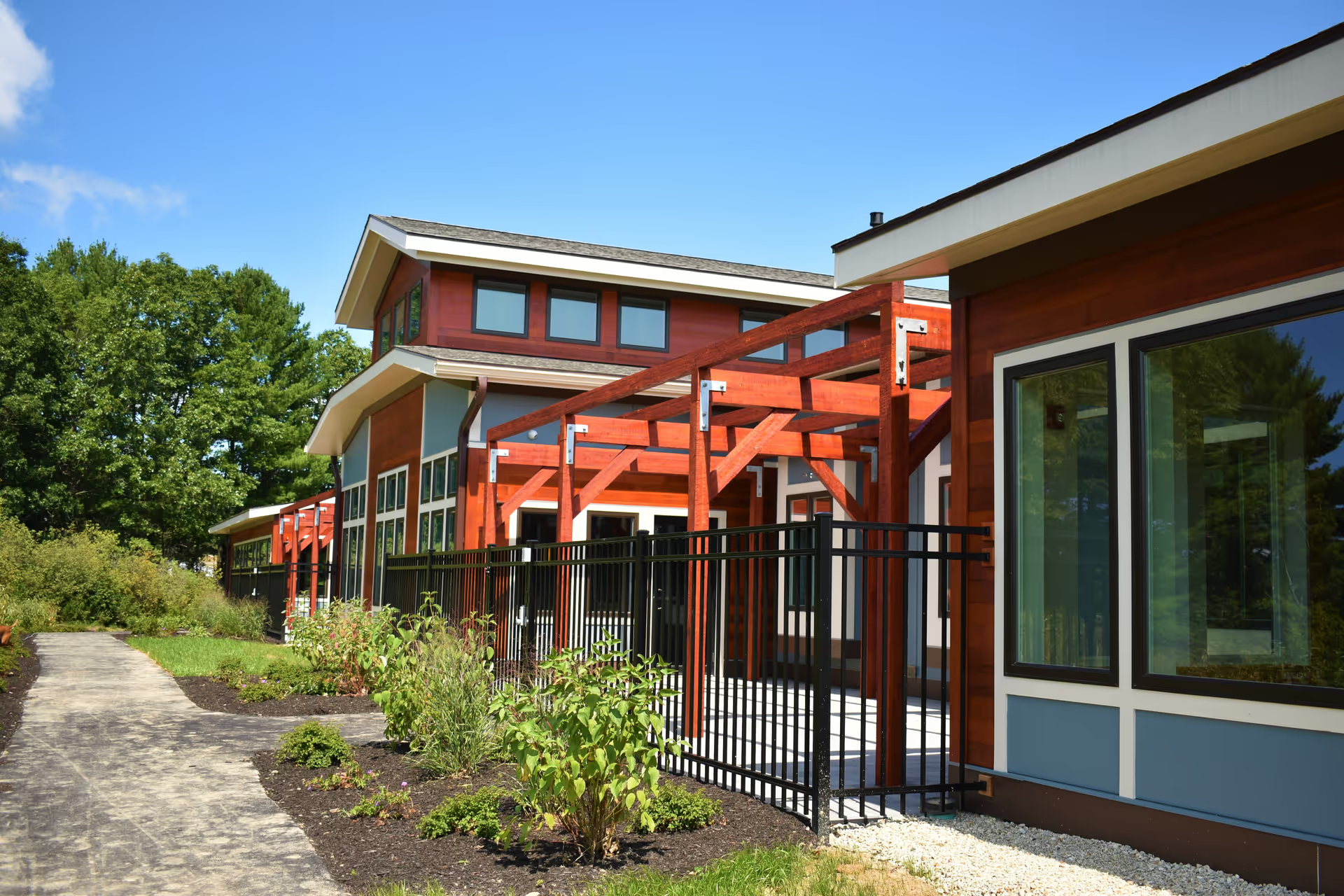
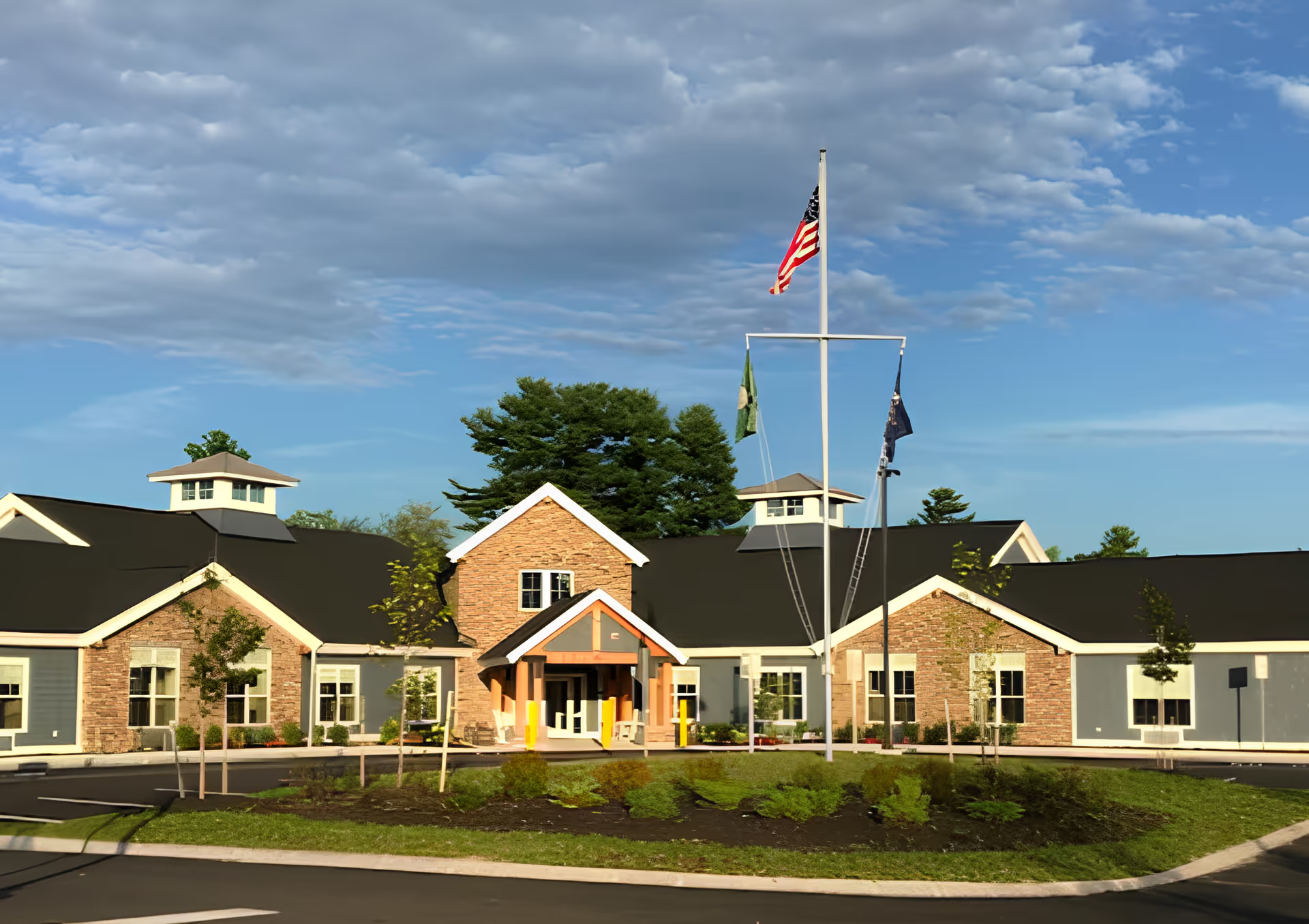
The reviews present a mixed and polarized picture of Benchmark at Rye. Many families praise the facility’s physical environment — a bright, modern building with an accessible courtyard and walker-friendly layout — and highlight a warm, home-like atmosphere. A strong subset of reviewers emphasize compassionate, attentive staff who know residents by name, chef-driven dining with multiple options, active recreational programming, on-site therapy, and competent end-of-life support. For those families, staff engagement, personalized rehabilitation services, and proactive move-in support provided substantial peace of mind.
At the same time, a substantial set of concerns recurs across reviews and clusters into operational patterns. Staffing instability is the most consistent theme: high turnover, frequent use of agency staff, and thin coverage in evenings and overnight shifts are described. Those staffing issues are linked to gaps in clinical processes — inconsistent medication administration, incomplete clinical documentation, delays in responding to care needs, and uneven diabetes and other chronic-condition management. Reviewers also raised incontinence-care and broader sanitation concerns as an operational weakness rather than isolated incidents.
Dining and activities are another area of divergence. Many reviewers commend the kitchen and chef for fresh, appealing meals and individualized accommodations, while others describe declines in food quality or missed meals during staffing shortages. Activity programming is generally seen as robust and social, but several families said evening and one-to-one engagement can be sparse and that some programming focuses on group activities without adequate individualized attention for higher-dependency residents.
Management and administrative practices appear inconsistent over time. Multiple reviews reference leadership turnover, changes in clinical direction, and friction in staff culture; some families describe transparent, responsive communication and effective leadership, while others describe billing disputes, unexpected fee increases, and lapses in transfer of medical records or Do-Not-Resuscitate documentation. There are also serious individual concerns raised by families — for example, an allegation that a resident previously removed from other facilities for behavioral reasons remained on-site — and concerns following resident deaths during the COVID period; these are mentioned alongside broader clinical- and communication-related complaints.
Taken together, the pattern suggests a facility with strong foundational elements (facility design, a core of dedicated caregivers, quality therapy and dining when fully staffed) but with operational fragility tied to staffing, clinical oversight, and management consistency. Prospective residents and family members should consider in-person observation at different times of day (including evenings), ask pointed questions about overnight nursing coverage and staffing ratios, review medication-administration and dementia-specific training protocols, request recent inspection or quality metrics, and obtain clear, written explanations of fee structures and billing policies. These steps can help families assess whether the facility’s strengths align with the care level their loved one requires and whether current operational practices meet expectations for continuity and clinical safety.