Overall impression: Webster at Rye is consistently praised for its hands-on caregiving and a community-oriented atmosphere. Reviewers frequently highlight long-tenured, compassionate staff and continuity of care across nursing and support roles. Families commonly cite timely medication delivery, attentive nursing, and the availability of on-site rehabilitation and physical therapy as important strengths that support both short-term rehab and longer-term assisted-living needs.
Care and staff: The facility's caregiving workforce is a dominant positive theme. Reviewers describe compassionate, responsive nurses and aides, 24/7 coverage, and staff who engage residents socially as well as clinically. Continuity of personnel and low turnover are credited with creating a family-like environment and easing transitions. A few reviews raise concerns about administrative tone and occasional lapses in responsiveness, particularly around billing and post-discharge or end-of-life communications; these are operational issues rather than clinical-care deficits according to the broader pattern of comments.
Dining and activities: Dining quality and programing receive strong praise. Meals are described as tasty, varied, and able to accommodate special diets. The activities program is extensive and varied, with creative projects, happy hours, live music, outings, therapy-animal visits, and volunteer-led events. The presence of an active activity director and engaged volunteers is frequently noted as contributing to resident engagement and socialization.
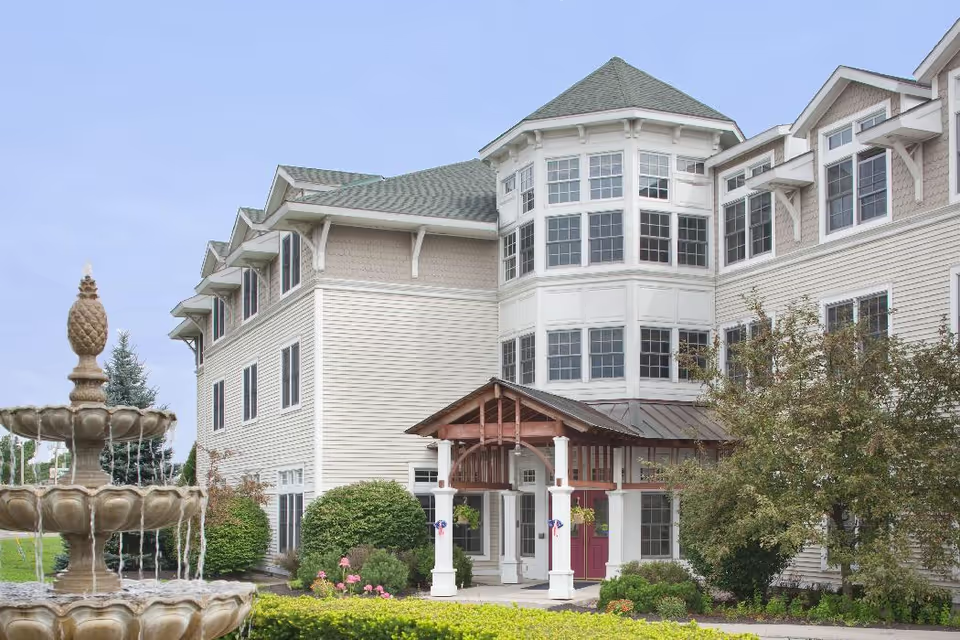
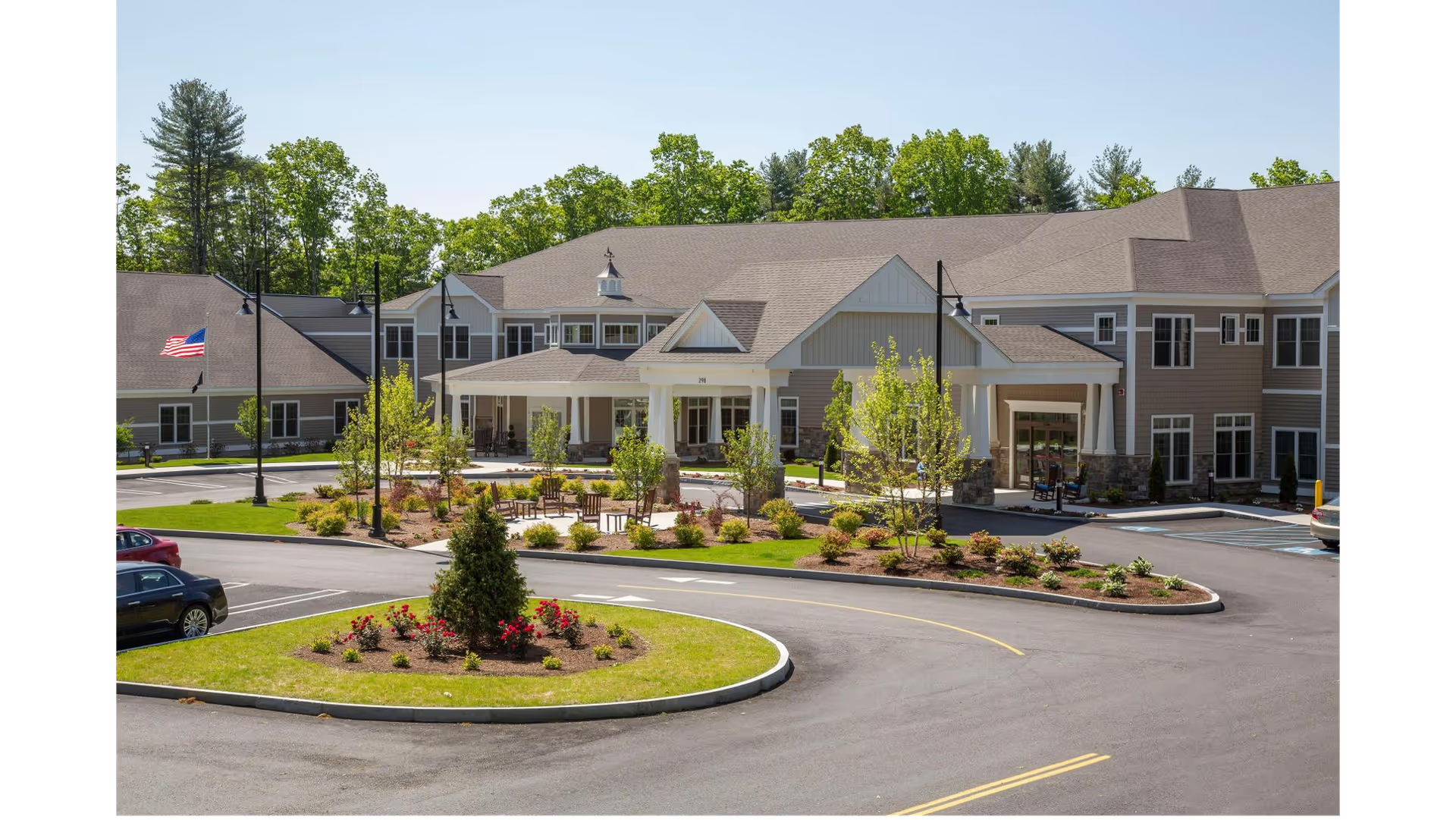
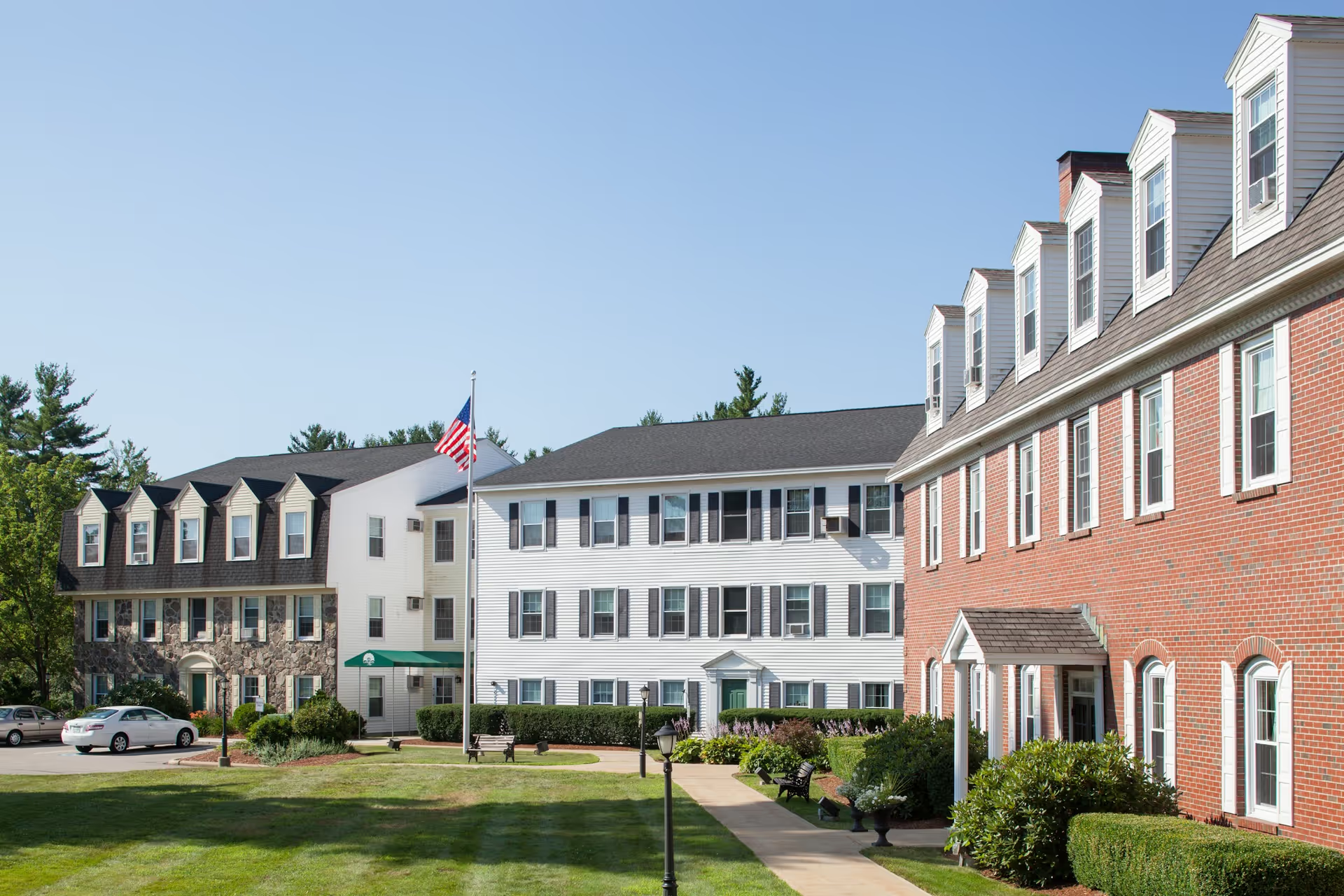
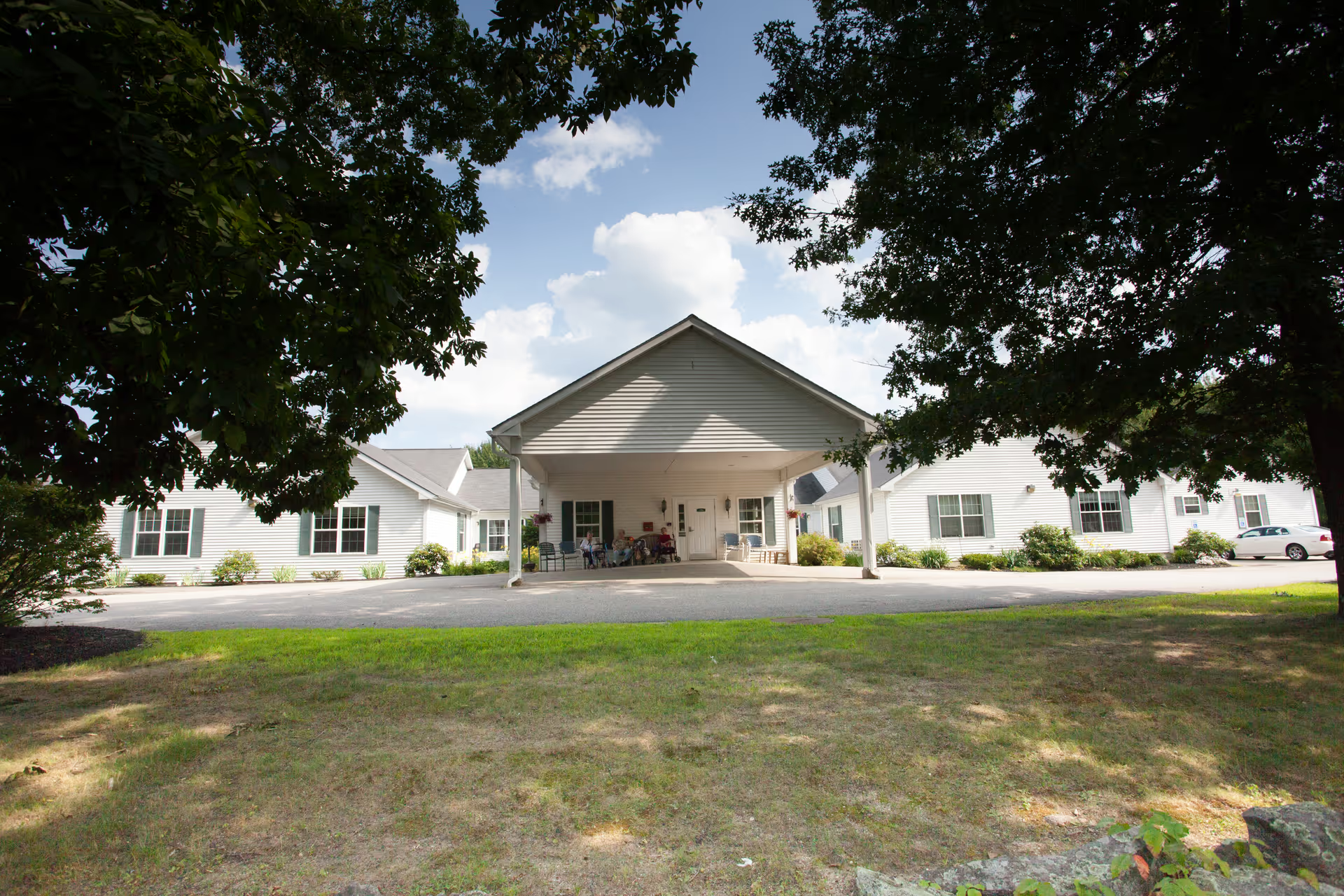
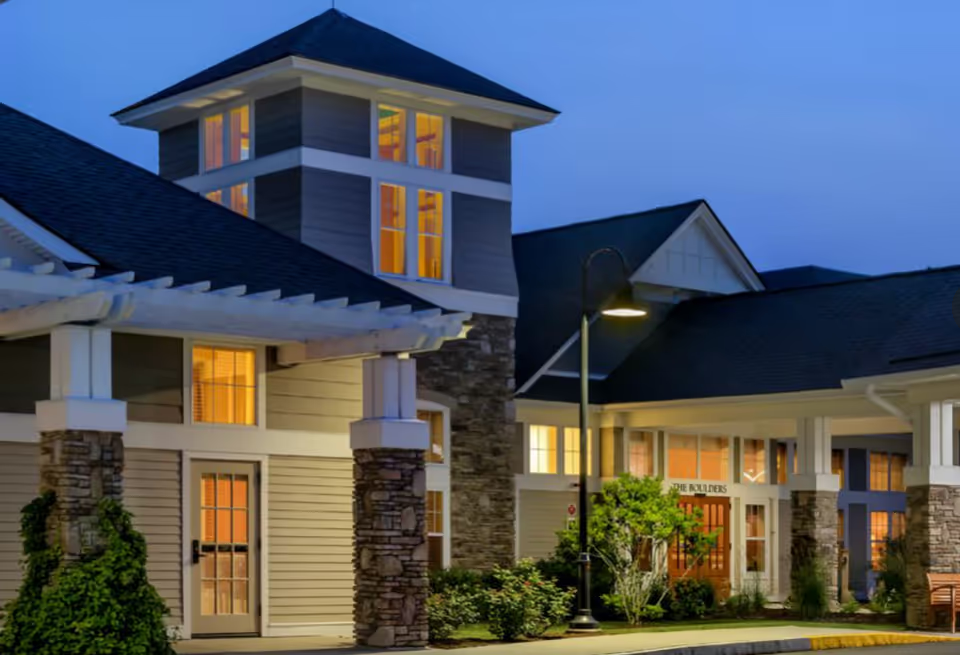
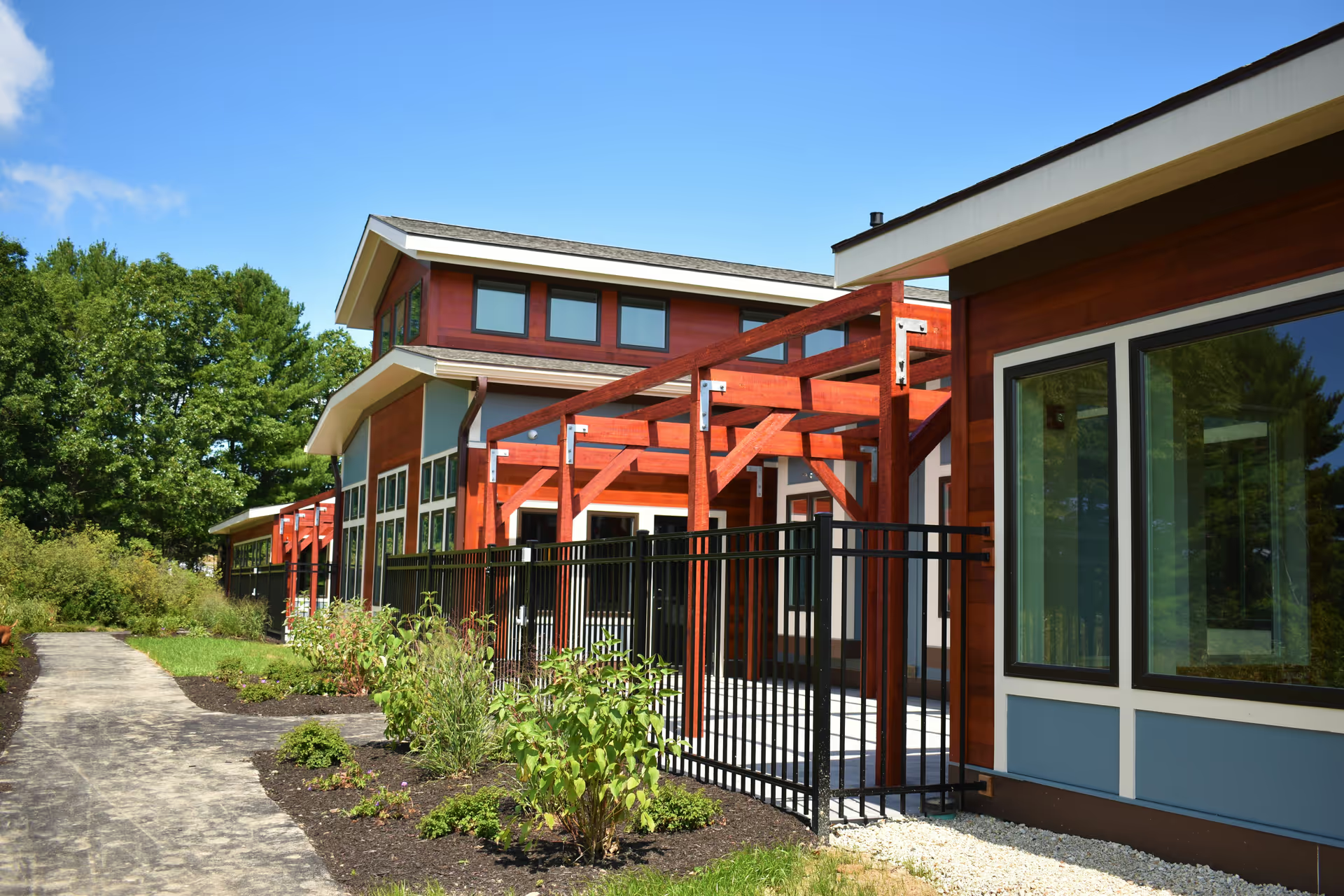
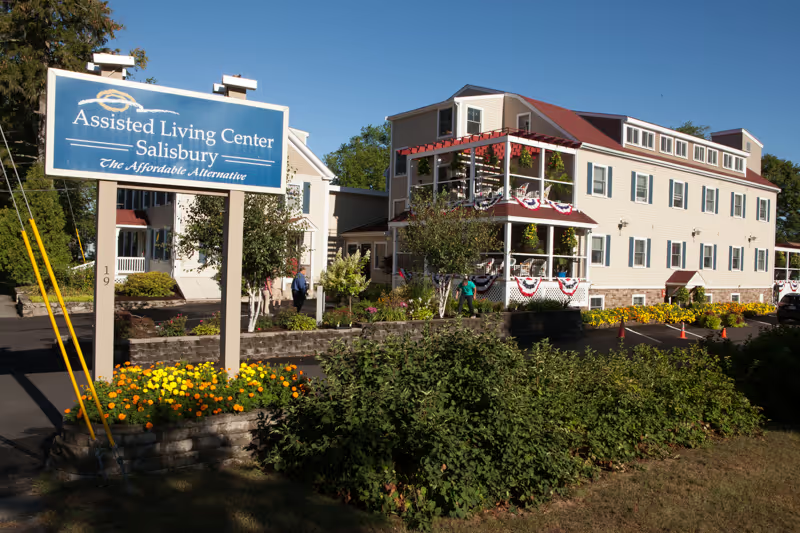
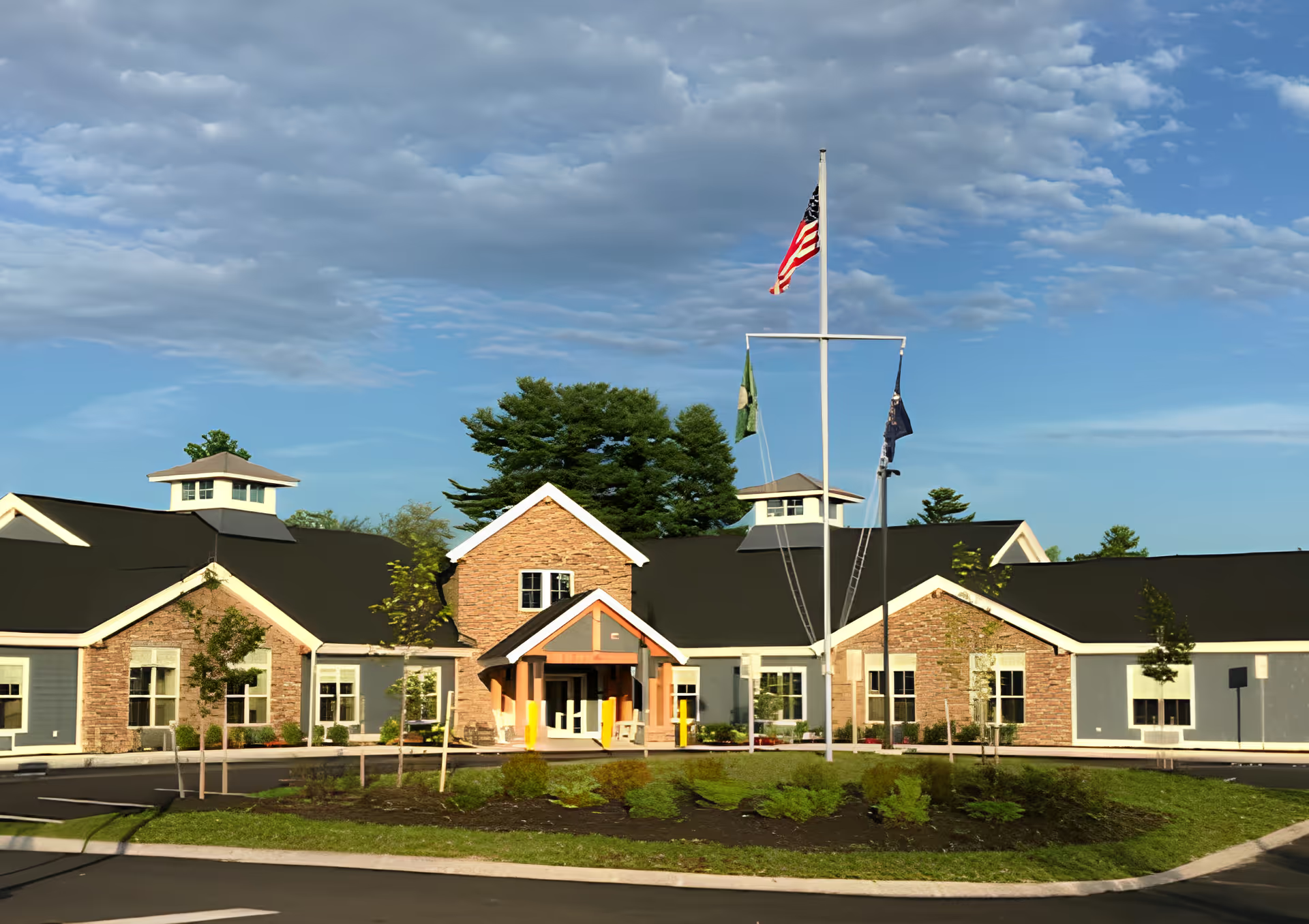
Facilities and services: The campus and common spaces are regularly described as attractive, clean, and well maintained, with gardens, woodland walking paths, and bright communal areas. Apartment layouts, including one-bedroom units, are called comfortable and home-like. The campus supports multiple levels of care—assisted living, skilled nursing, and rehab—which families value for continuity of services. That said, reviewers point to a facility-level disparity: newer sections are modern and bright, while older wings appear dated and darker, which can affect room selection and resident experience.
Management and operational patterns: Several families compliment admissions coordination and social-services staff for facilitating smooth moves and family communication. Counterbalancing those strengths are recurring operational concerns: premium pricing and intermittent fee increases, limited transparency around billing and adjustments, and occasional perceived insensitivity in administrative communication (including handling of post-death matters). There are also logistical considerations for moves and transfers—particularly transfers between floors—that families should clarify in advance, including elevator availability and transfer procedures.
Bottom line and recommendations for prospective families: Webster at Rye offers strong clinical and social programming with notable strengths in compassionate staff, rehab capabilities, dining, and an active activities calendar set on an attractive campus. Prospective residents and families should prioritize on-site visits to compare newer and older units, ask detailed questions about billing practices and fee-change policies, confirm transfer logistics and elevator access for higher-floor units, and meet social-services and admissions staff to assess communication style. These steps will help match the facility's operational realities to a family's clinical needs and expectations.