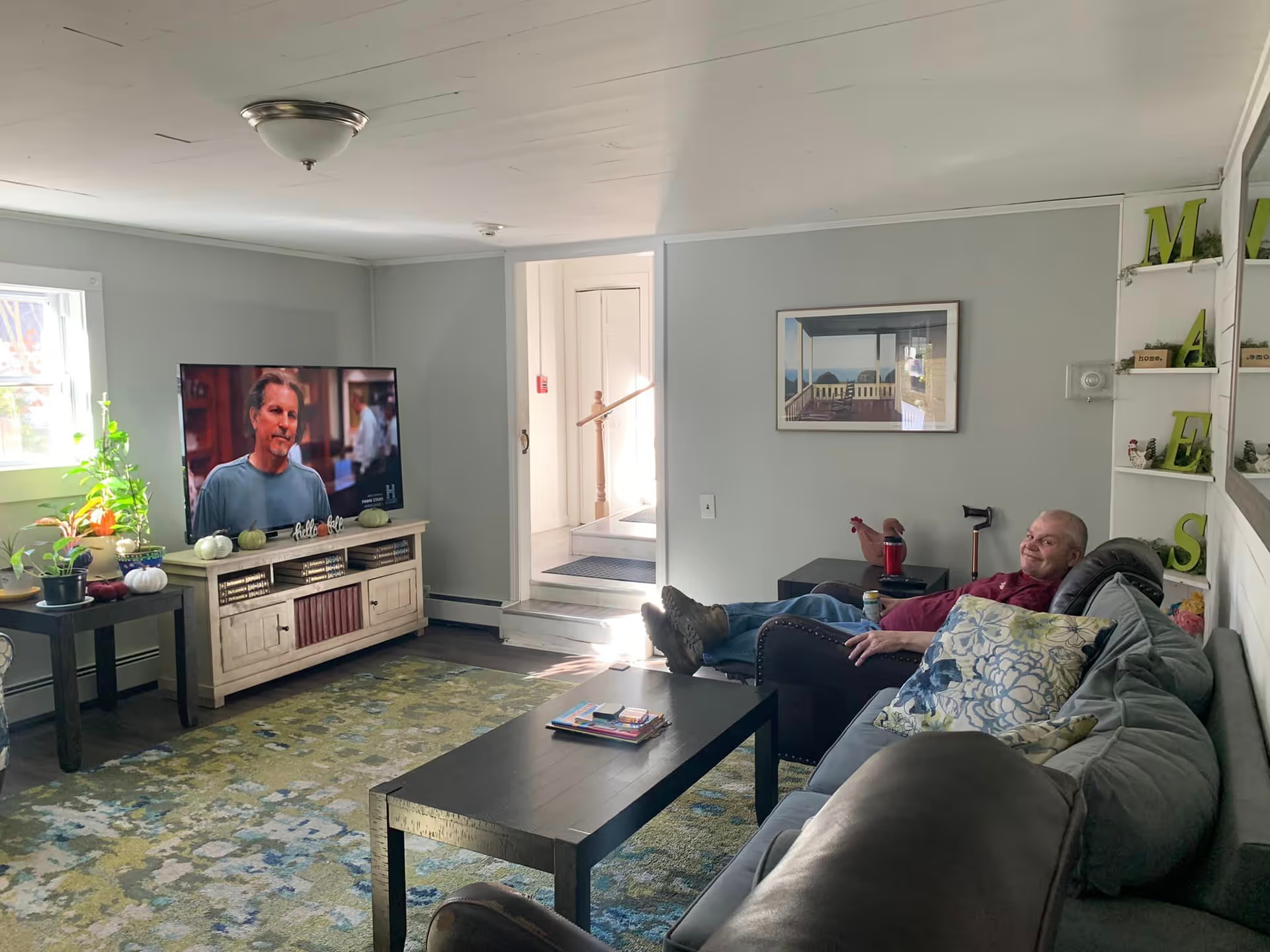
The reviews present a mixed picture. Positive comments emphasize individual staff behaviors and certain clean, orderly resident spaces: visitors noted friendly, professional and helpful staff interactions, clean and tidy bedrooms, and well-kept day/recreation areas. Several families described staff who were timely and supportive when interacting with relatives and facilitating family needs.
At the facility level, however, recurring operational concerns are evident. The most consistent theme is inadequate staffing: reviewers cite too few nurses or nursing assistants on shift, single aides covering entire wings, and general delays in attending to residents. Those staffing shortfalls are linked to broader gaps in clinical monitoring and care continuity — examples in the reviews include hydration and delirium concerns, pressure-injury prevention failures, and infection-related events that necessitated ambulance transfers. Taken together, these items suggest weaknesses in routine clinical surveillance, wound and infection-prevention protocols, and post-incident coordination.
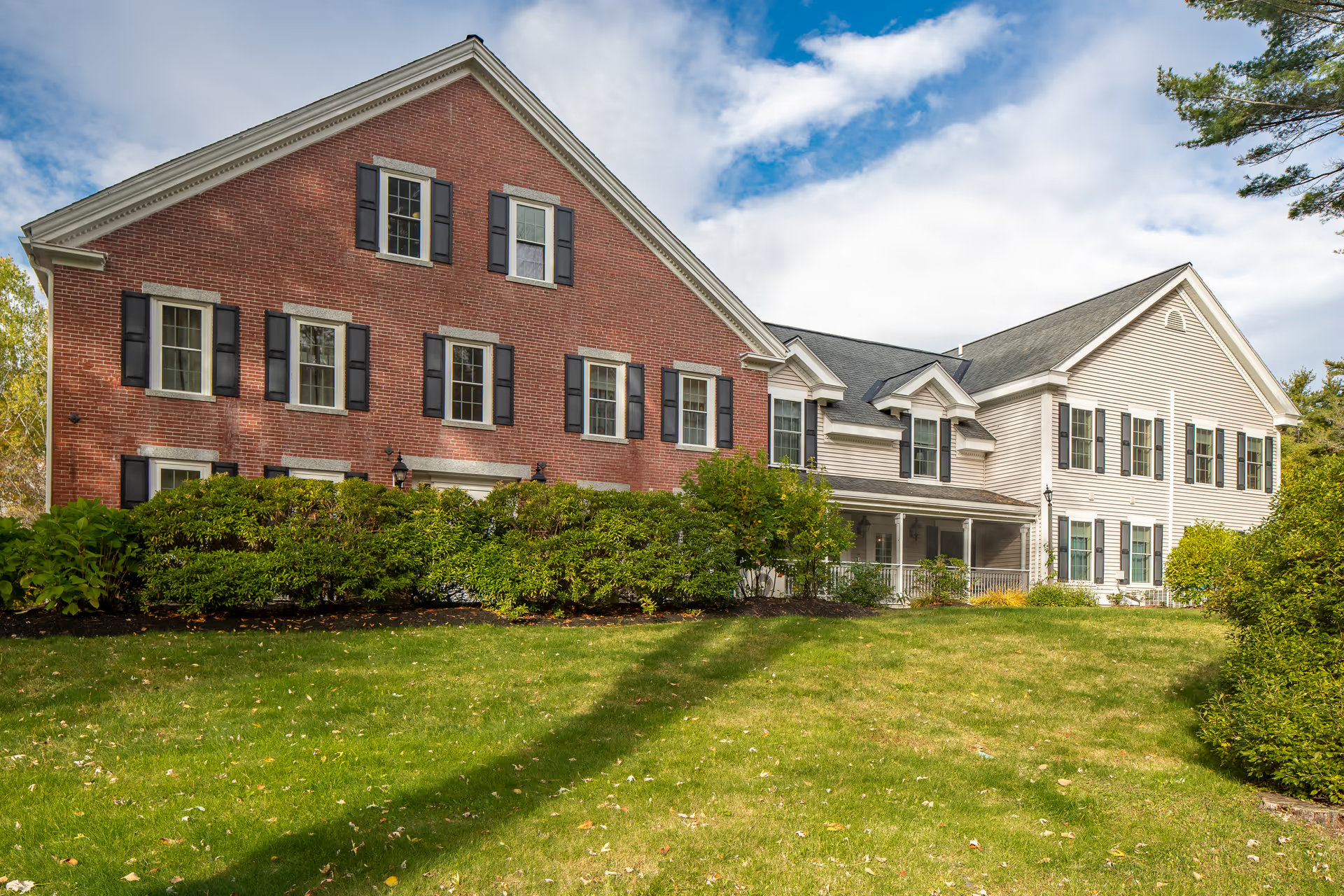
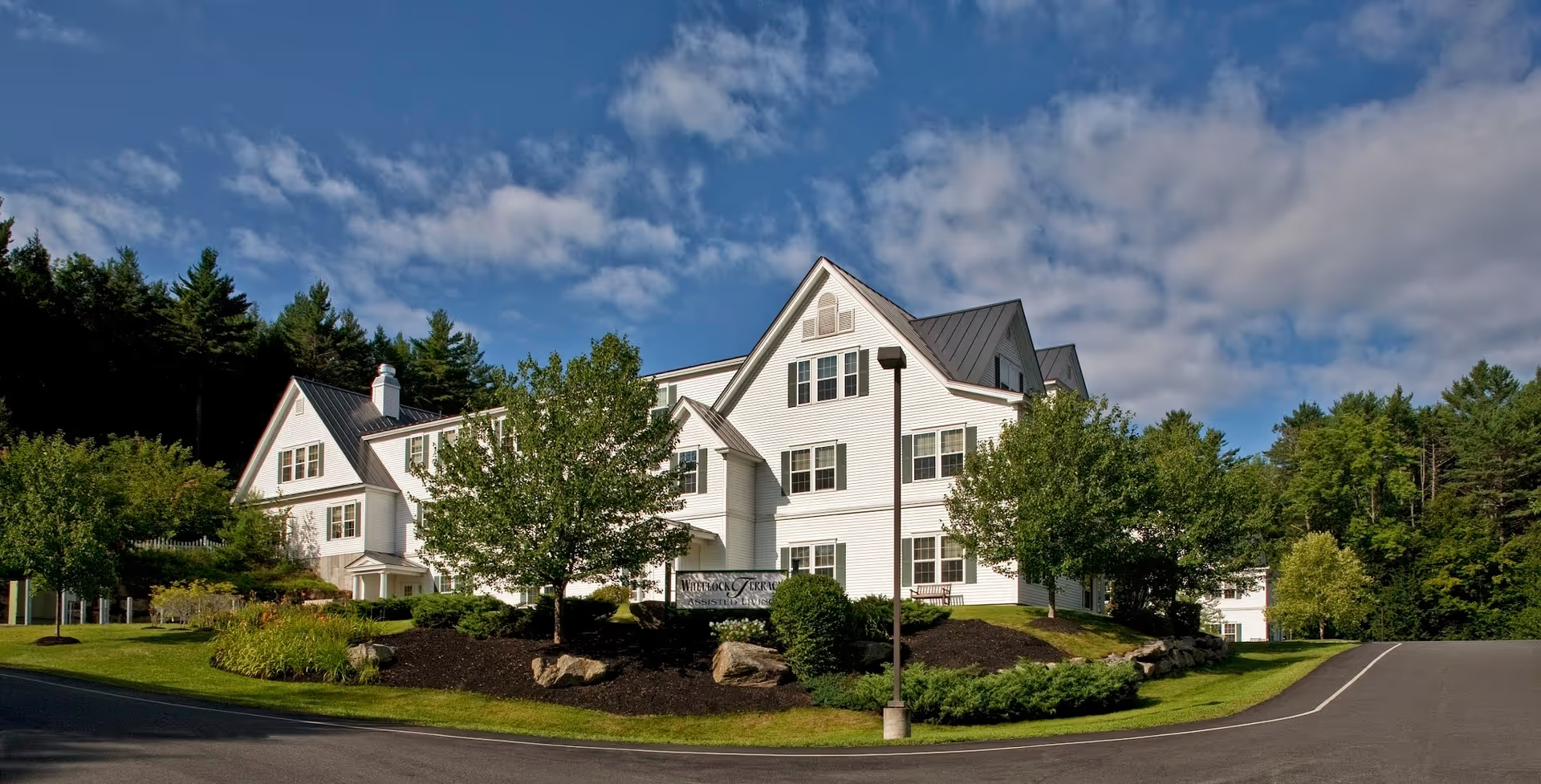
Environmental and service-delivery issues also appear. While bedrooms and some common areas are described as clean, other parts of the facility drew sanitation concerns, particularly bathrooms and the exterior facade. Kitchen operations were described as cluttered and disorganized, and the dining room was characterized as small and minimally furnished, which may affect mealtime experience and service flow. Crowding and limited common-area capacity were also mentioned and could exacerbate service and supervision challenges.
Family communication and management responsiveness are additional patterns to note. Reviewers reported inconsistent communication about clinical changes and care incidents, and some families chose to move their loved ones to other facilities with better perceived clinical oversight. Safety practices around transfers and mobility assistance were questioned, with accounts pointing toward inadequate staffing or training affecting safe transfers.
For prospective residents and families: weigh the evident strengths in staff demeanor and certain clean resident areas against operational concerns around staffing, clinical monitoring, kitchen and dining environment, and communication. If considering admission, request current staffing ratios, infection-prevention and wound-care protocols, transfer and mobility-assistance training policies, and examples of family communication procedures. An in-person visit during different shifts (including evenings/weekends) and specific questions about recent clinical incidents and staffing stability will help clarify whether the facility’s operational performance meets your expectations.