Reviews for Preferred Care at Absecon present a mixed picture: a substantial set of reviews describe strong short‑term rehabilitation services, attentive therapy teams, and a clean, engaging environment, while another group raises significant clinical and operational concerns affecting longer stays and higher‑acuity residents. This creates a polarized pattern in which prospective residents and families may experience either high‑quality, therapy‑focused recovery or gaps in fundamental clinical care, depending on unit, timing, and staffing.
Care quality: many reviewers praised the rehabilitation program, citing skilled physical, occupational, and speech therapy, frequent therapy sessions, and successful discharges to home. Nursing staff are often described as compassionate and attentive in those accounts. Conversely, a number of reviews describe delays or inconsistencies in personal‑care tasks, wound management, medication processes, and infection prevention; some of these accounts indicate clinical complications that required hospital transfer. These contrasting themes suggest that clinical performance can vary across shifts and patient types, with strengths in rehab pathways but vulnerabilities in complex long‑term clinical management.
Staff and culture: reviewers frequently commend individual caregivers, therapists, activity staff, and front‑desk personnel for empathy and professionalism. However, repeated comments about short staffing, frequent turnover, and variable unit leadership point to continuity and staffing stability problems. Those operational patterns are associated with inconsistent care handoffs, uneven adherence to resident preferences, and occasional concerns about the tone or responsiveness of specific staff members. There are also remarks about care‑assignment practices that did not always align with resident preferences.
Dining and nutrition: dining impressions are mixed. Several families reported enjoyable meals and well‑executed holiday or barbecue events, while others described inconsistent portioning, timing, and food quality compared with promotional materials. For some residents, meal adequacy and beverage access were identified as areas needing clearer processes and oversight.
Activities and social environment: the facility receives consistent praise for activities, social events, and community programming. Holiday celebrations, barbecues, therapy‑adjunct activities, and regular engagement opportunities are cited as strengths that support resident morale and socialization.
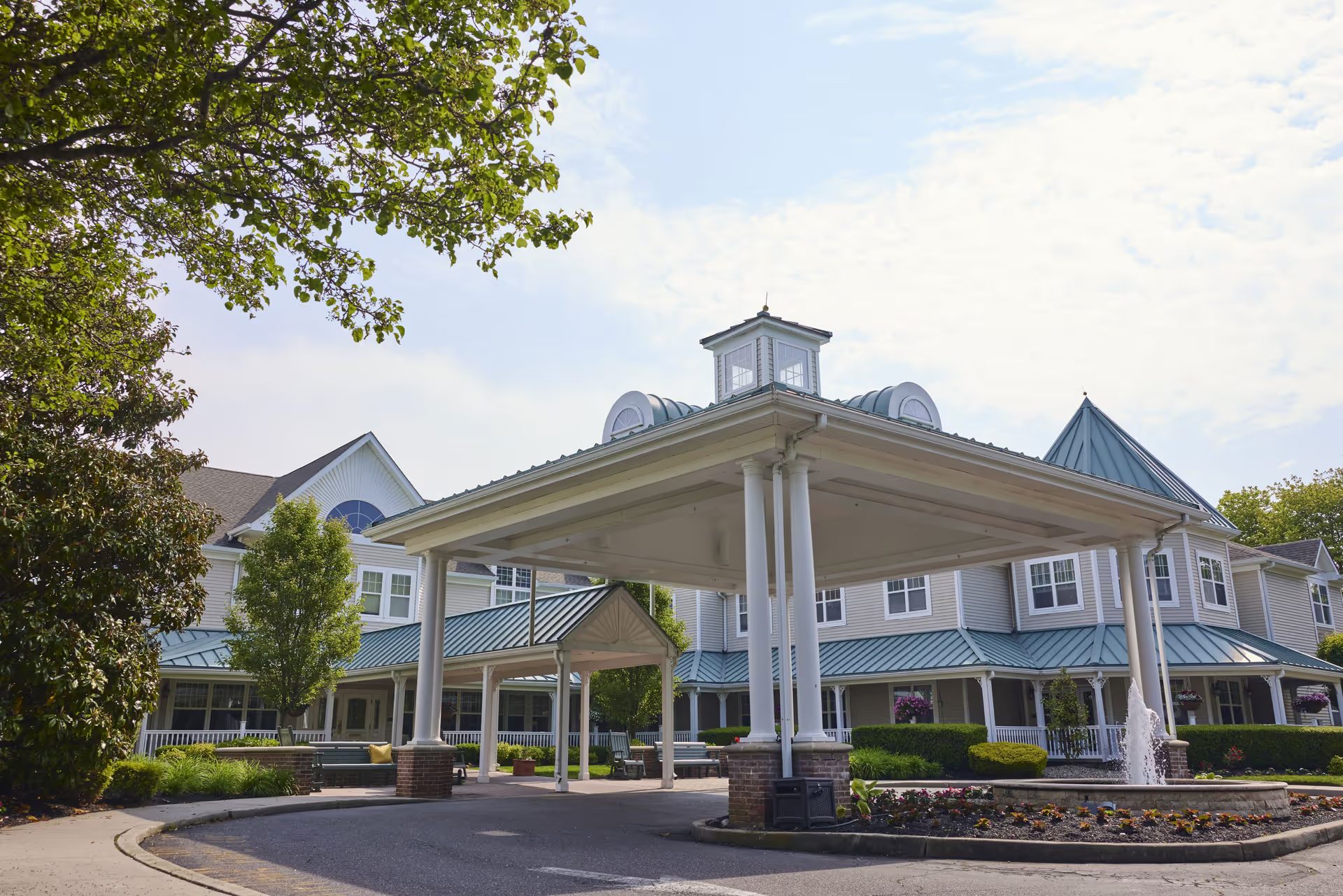
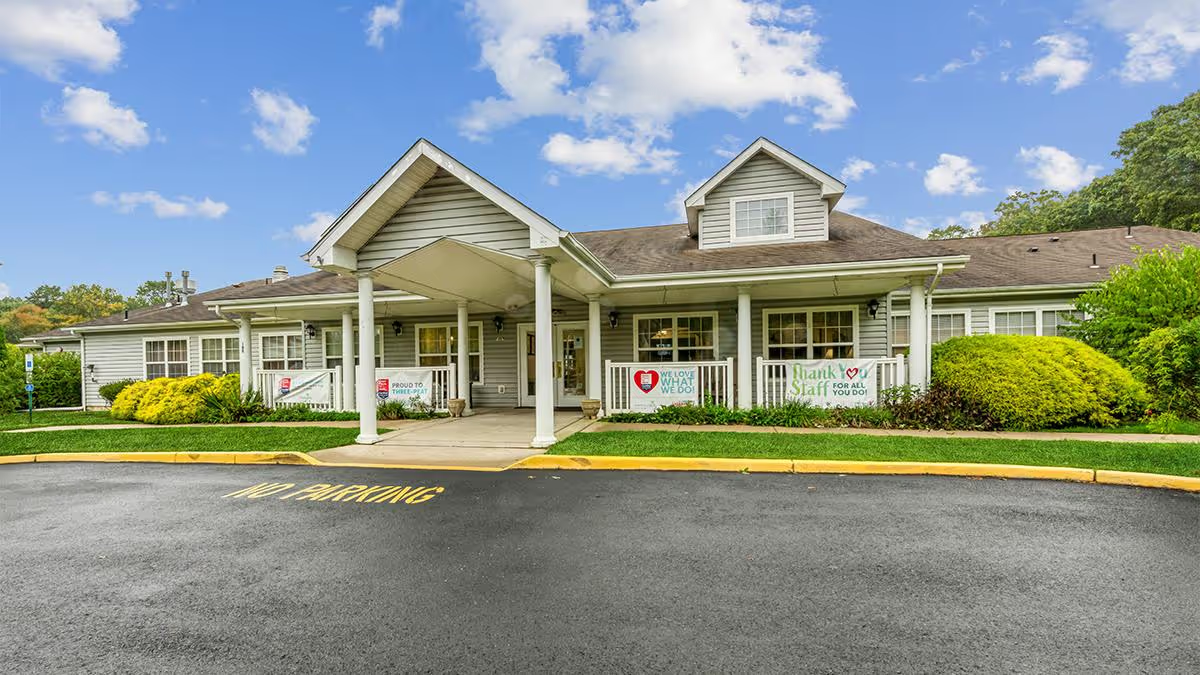
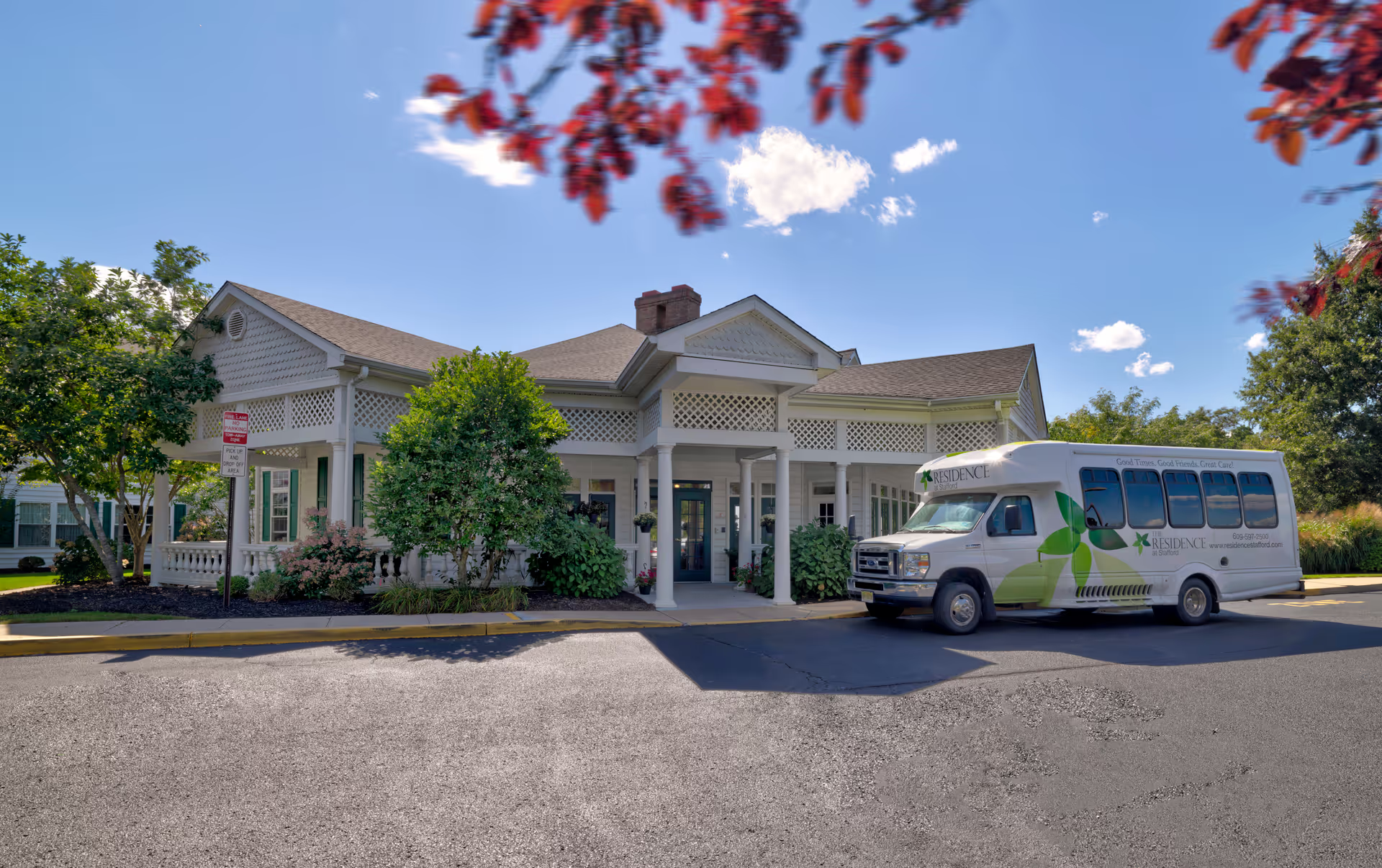
Facilities and safety: many reviewers noted a generally clean and updated physical environment. At the same time, specific safety and maintenance issues were raised — including concerns about room deterioration, ad hoc repairs, and isolated medical‑safety lapses (for example, unsecured sharps or supply handling). There are also comments that guided‑tour impressions can differ from day‑to‑day resident experience, creating a perception of staging versus regular conditions.
Management and communication: several families praised accessible administrators, an involved medical director, and effective social‑work support. Other reviewers described inconsistent follow‑up, missed care‑plan meetings, and perceived prioritization of operational or marketing considerations over individualized care. These mixed accounts suggest variability in unit management and in how effectively concerns are escalated and resolved.
Notable patterns and guidance: the dominant pattern is bifurcated — strong, therapy‑driven outcomes for rehabilitation patients alongside operational and clinical risks for some long‑term or higher‑acuity residents. Prospective residents and families should tour at different times of day, ask for current staffing ratios and turnover metrics, request documentation of wound‑care and infection‑prevention protocols, review medication‑administration safeguards, and inquire about property‑security practices. Speaking directly with therapy, nursing leadership, and current families can help clarify whether the facility’s strengths will match the prospective resident’s specific clinical needs.