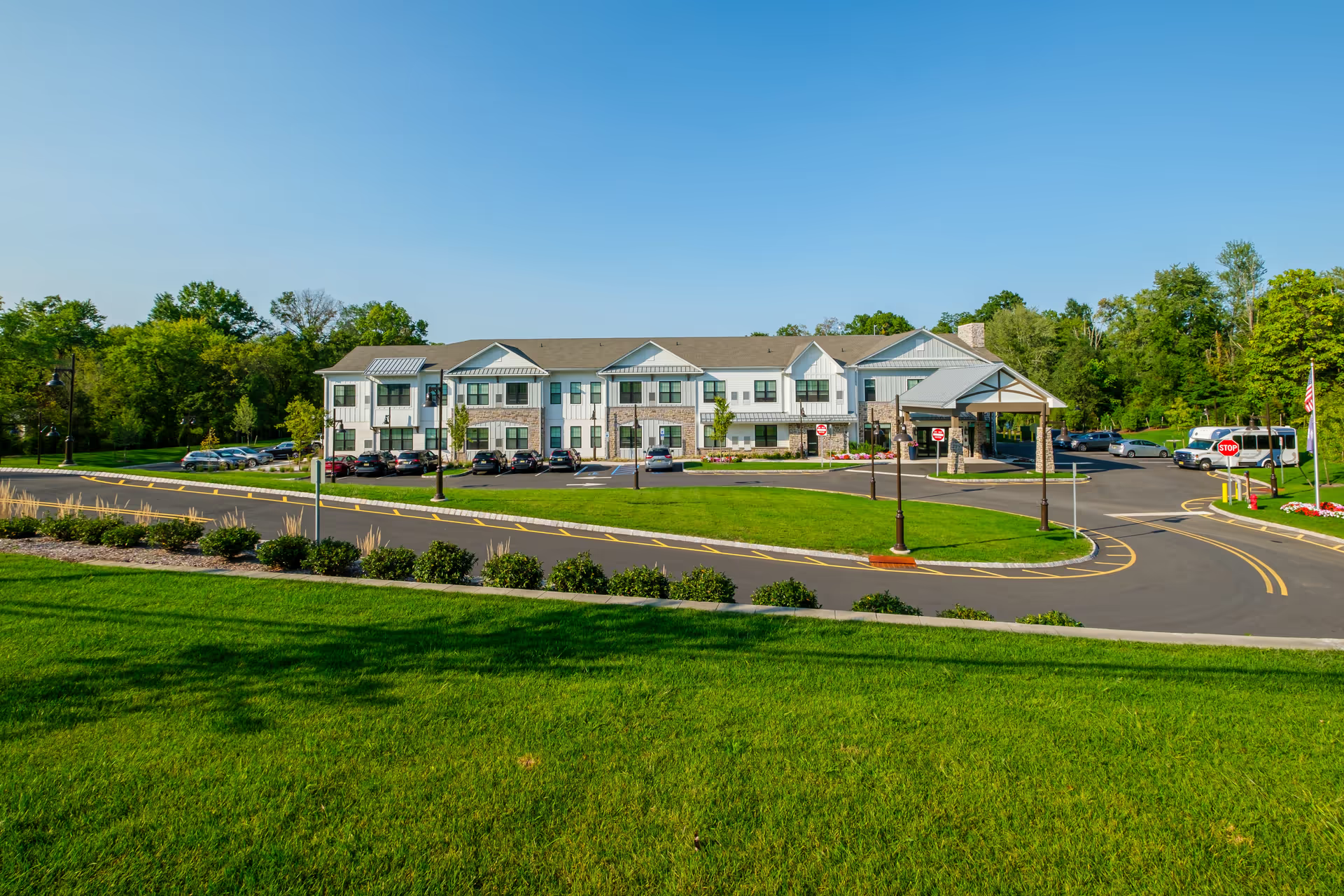
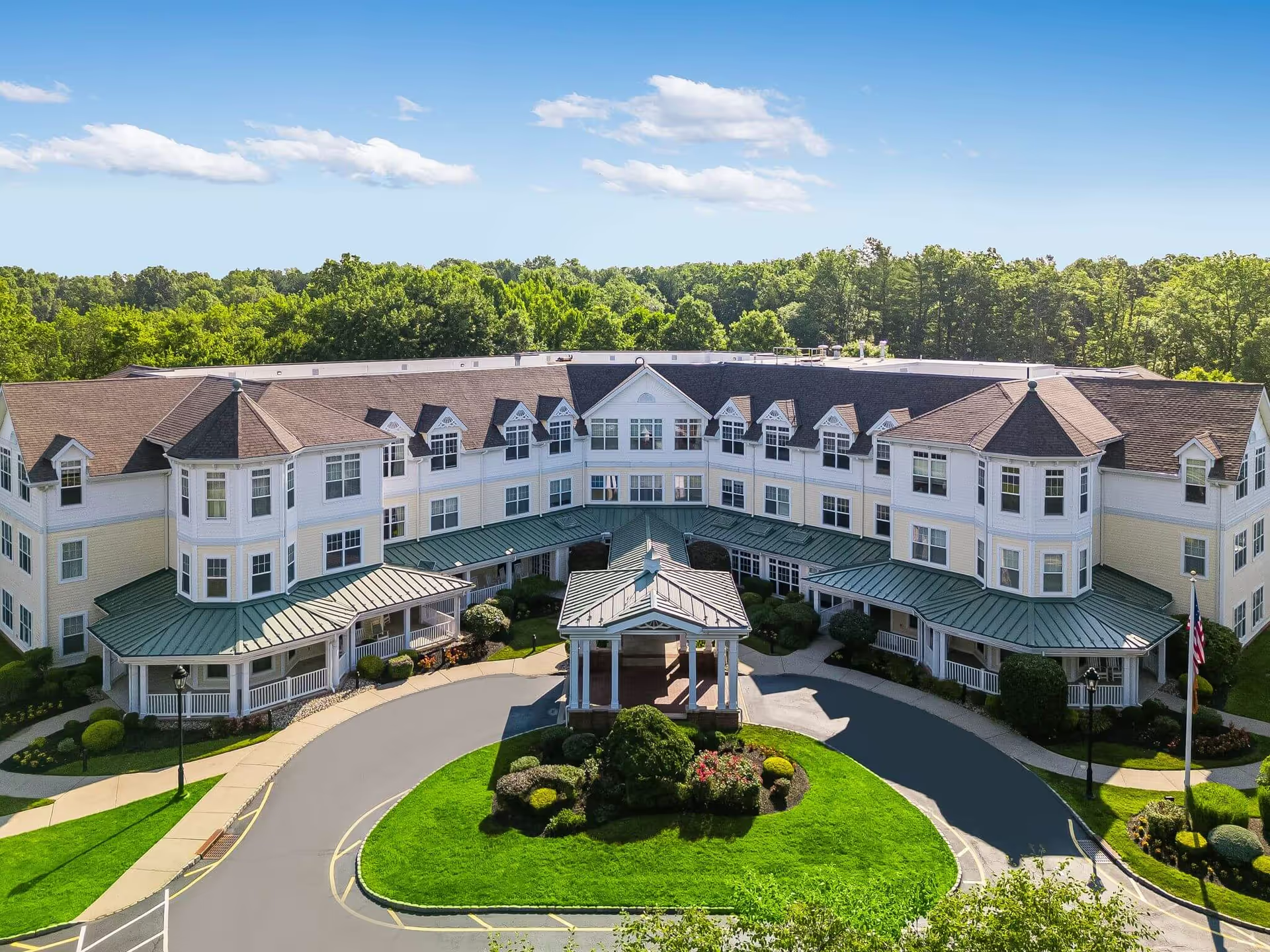
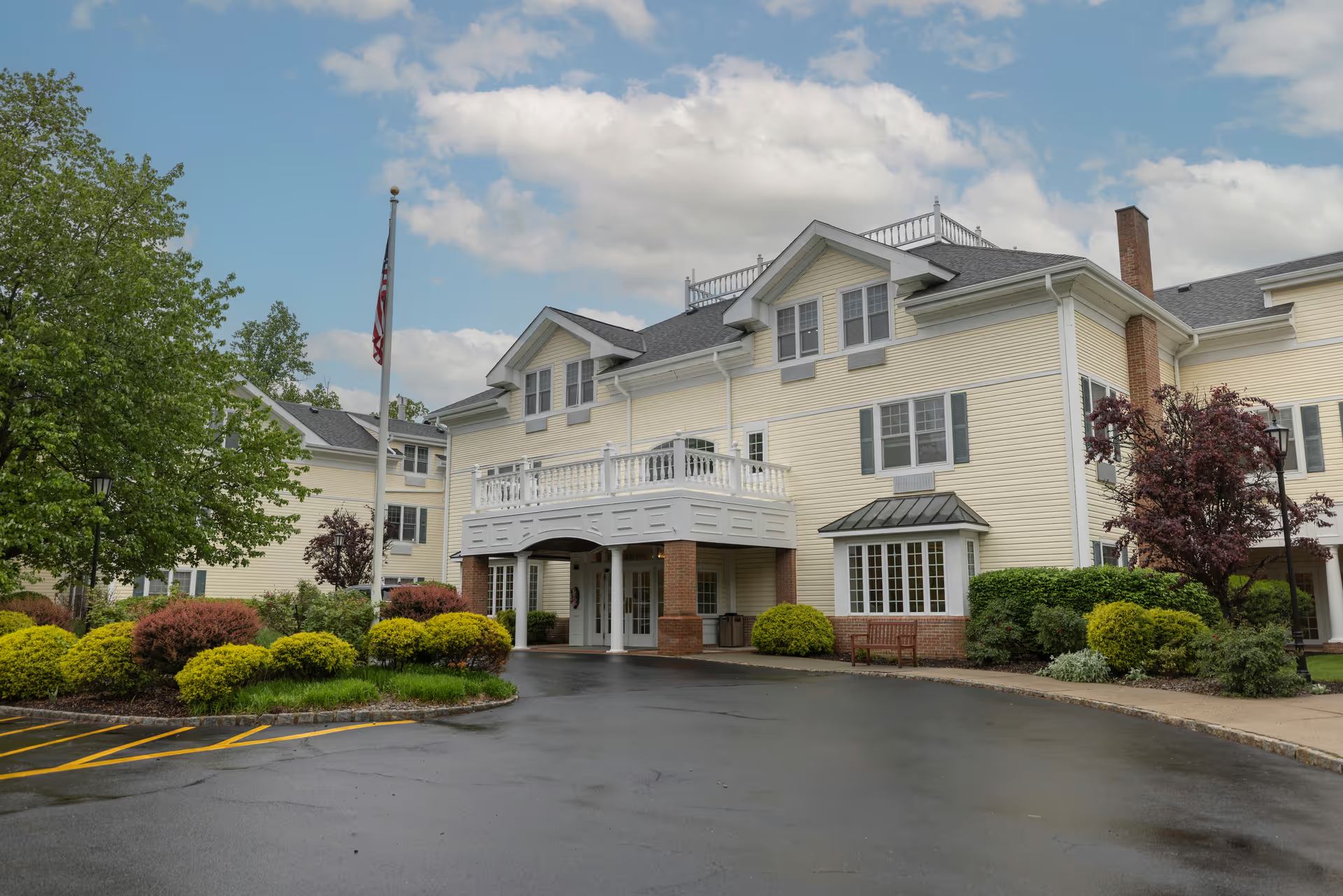
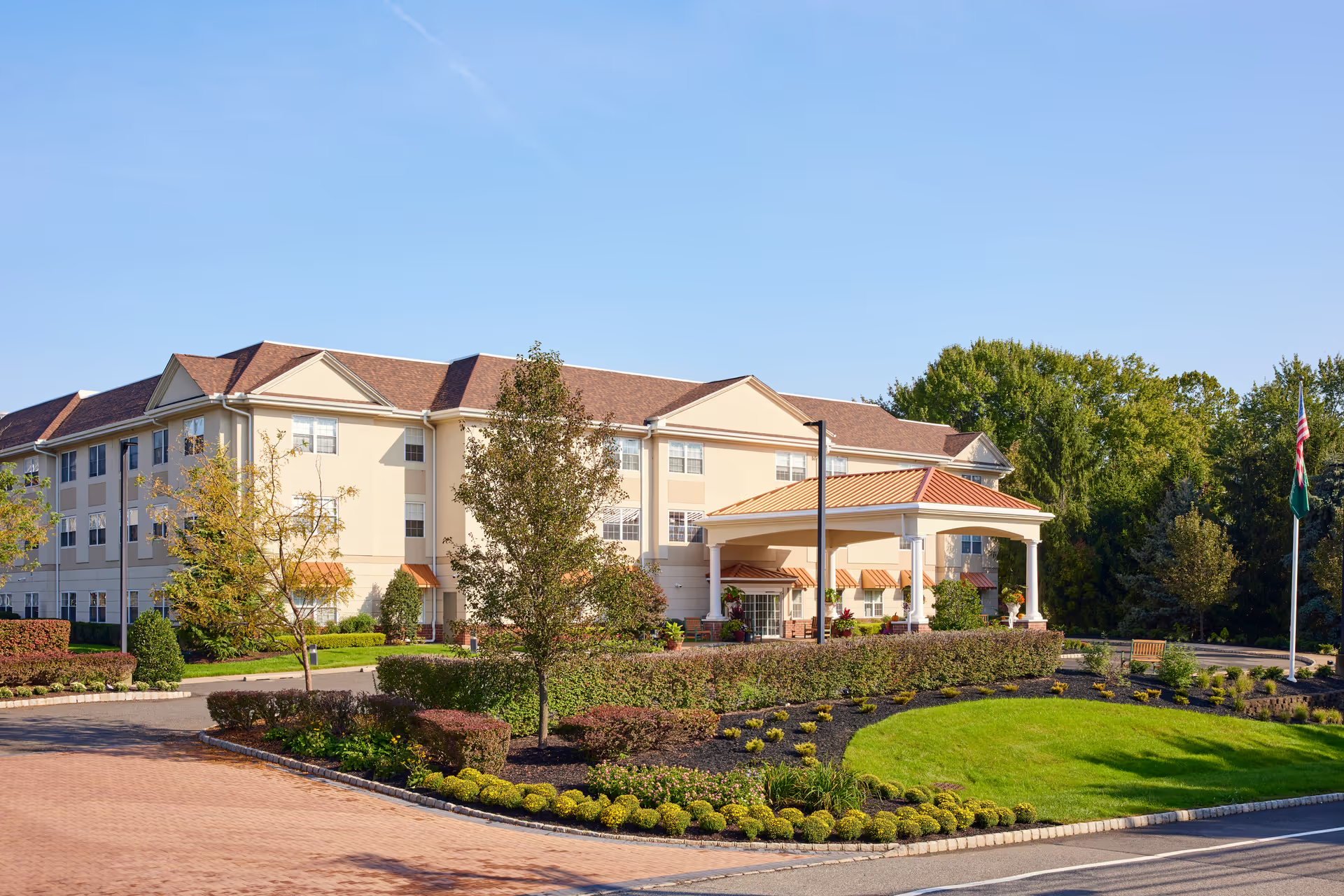
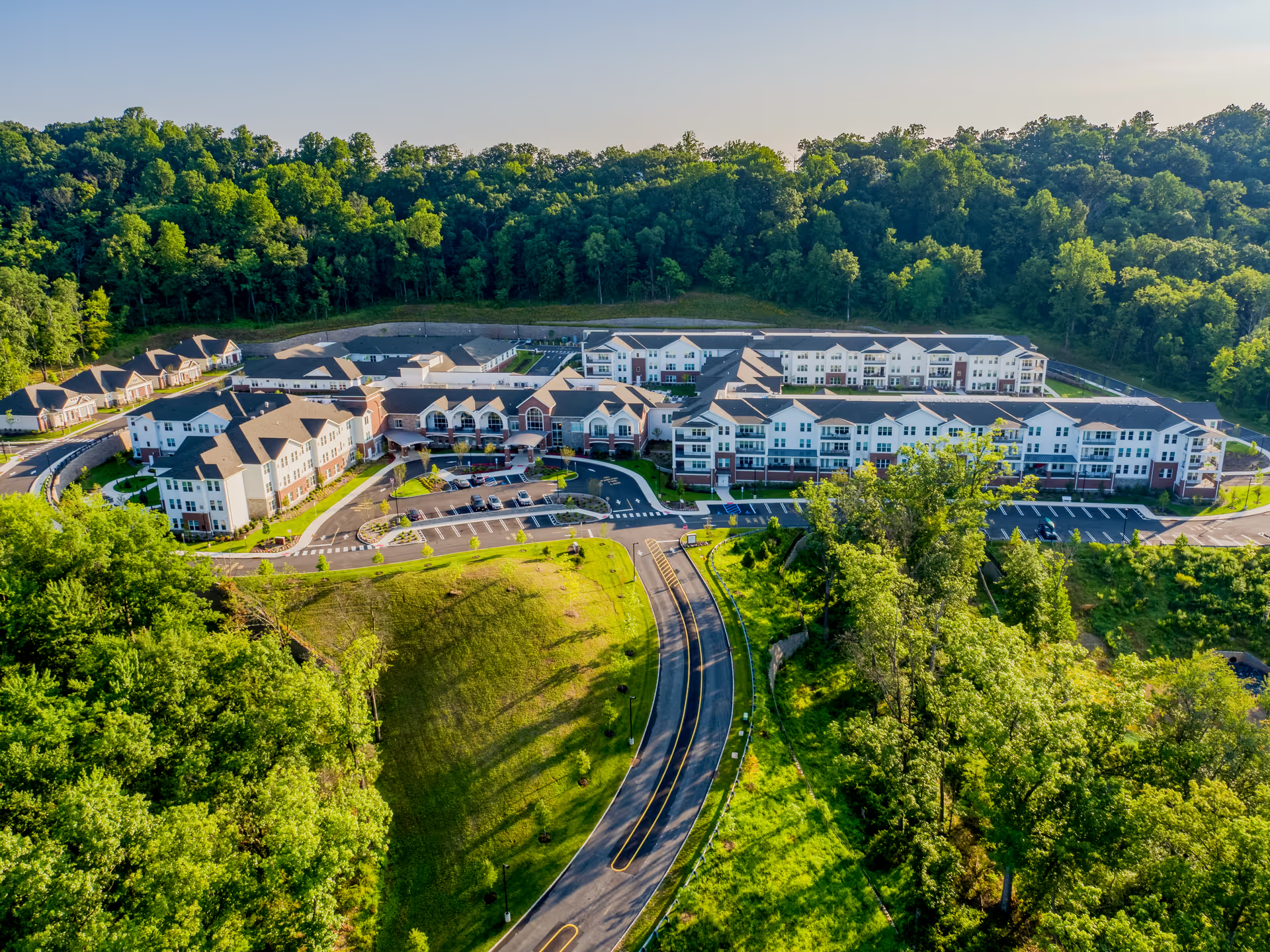
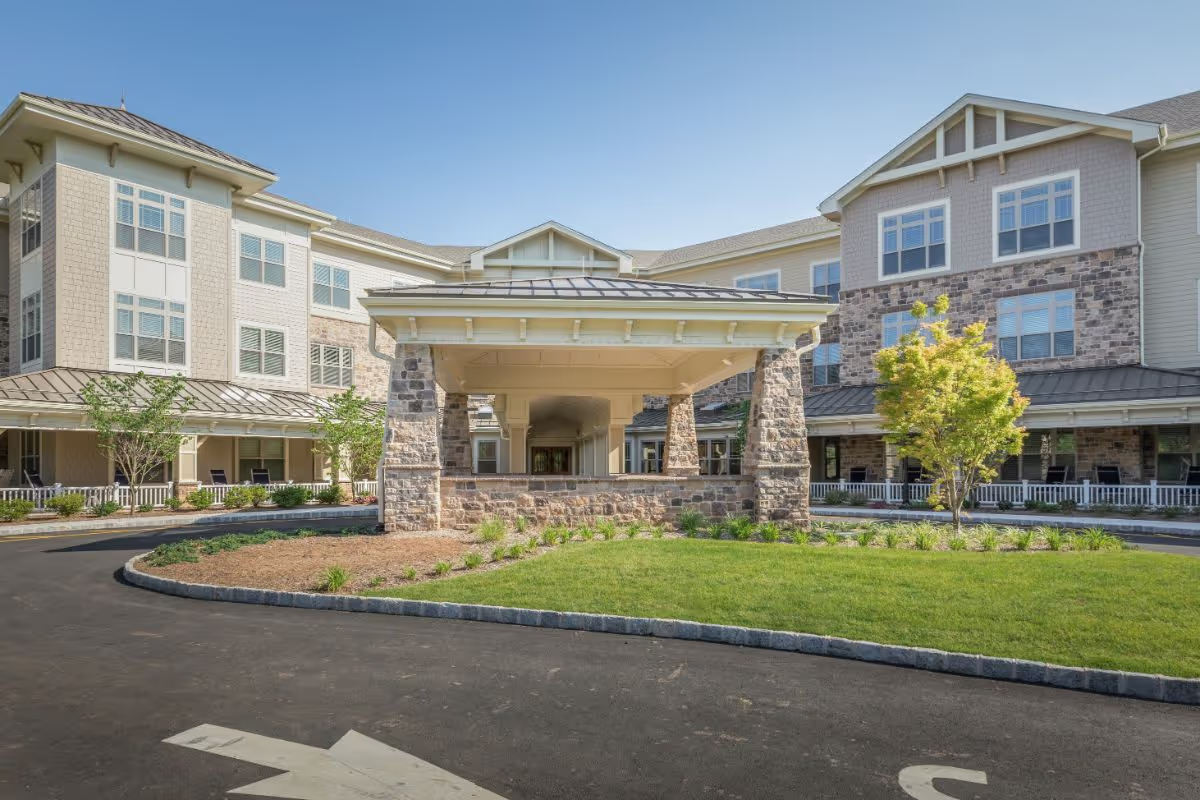
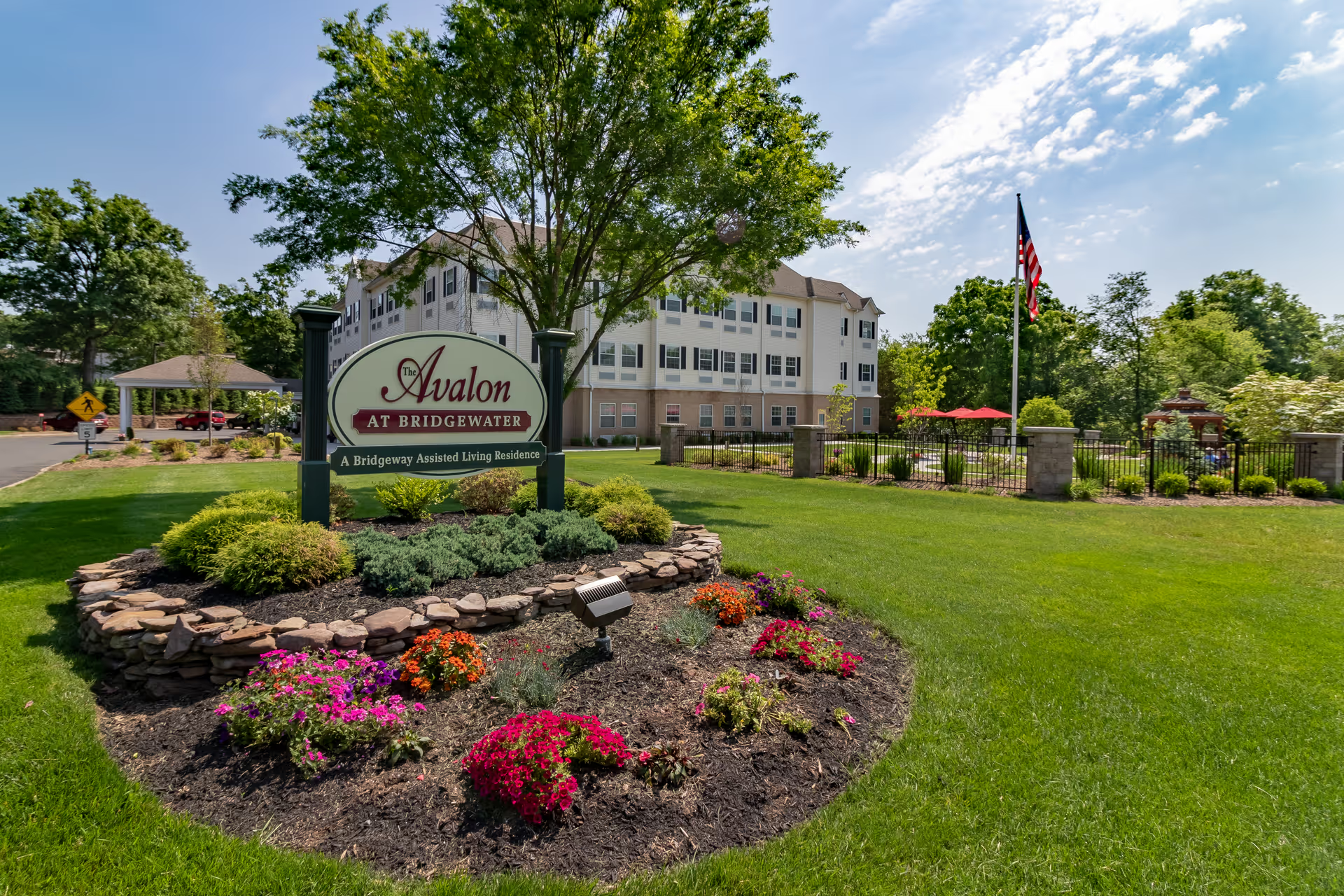
The reviews present a sharply divided picture of The Residence at Basking Ridge. Strengths repeatedly described include a new, well‑designed building set in a scenic suburban/wooded setting with attractive outdoor spaces. Many families praised the facility’s cleanliness, tasteful décor, and well‑appointed apartments. The community offers a broad amenity slate—planned or existing—that includes a theatre, bistro, salon, and multiple common areas. Dining is frequently highlighted as a positive: cooked‑to‑order meals, an all‑day menu, daily specials, and restaurant‑style service were cited as important strengths.
Care and staffing generate mixed impressions. A large number of reviews characterize staff as compassionate, attentive, and skilled, noting active engagement by nurses, aides, and activity staff and citing 24/7 nursing availability. The memory‑care program is described by many families as structured and research‑informed, with design elements and programs intended to support residents with cognitive decline. At the same time, there are repeated operational concerns: staff turnover and leadership changes at the director level, inconsistent clinical follow‑through, and variable responsiveness to family questions. Some families described specific lapses in communication and in post‑incident clinical coordination; these accounts point to gaps in care continuity and escalation procedures rather than uniform failure.
Activities and community life are another area of divergence. Numerous reviewers praise active programming—daily social events, happy hours, excursions, crafts, and strong resident engagement—creating a family‑like atmosphere. However, other reviewers reported that certain promised amenities and programs (for example, specific bistro/bar operations or luxury service-level activities) were delayed or not yet operational, leading to unmet expectations during the community’s early months of operation.
Management and administrative issues recur in the feedback. Families expressed concerns about unclear billing practices (including rent increases within a short timeframe), pressure to purchase additional services, and inconsistent follow‑up from leadership. Communication lapses—both routine updates on a resident’s condition and timely responses to family inquiries—were a common theme among negative comments. A small number of serious individual accounts raised concerns following a resident’s illness and subsequent death; those descriptions emphasized family dissatisfaction with infection‑control follow‑up, transition back from higher‑acuity care, and end‑of‑life coordination rather than implying regulatory findings.
Taken together, the pattern suggests a community with strong physical assets, thoughtful programming, and many dedicated staff members, but also operational growing pains typical of a new or recently expanded facility. Prospective residents and families would benefit from targeted questions during tours: ask about staff‑retention strategies, continuity plans for nursing and directors, documented opening timelines for amenities, sample communication protocols for clinical events, contract language regarding rent increases and refunds, and observations of mealtime and activity participation. Doing so will help balance the facility’s evident strengths against the noted operational risks so families can make an informed placement decision.