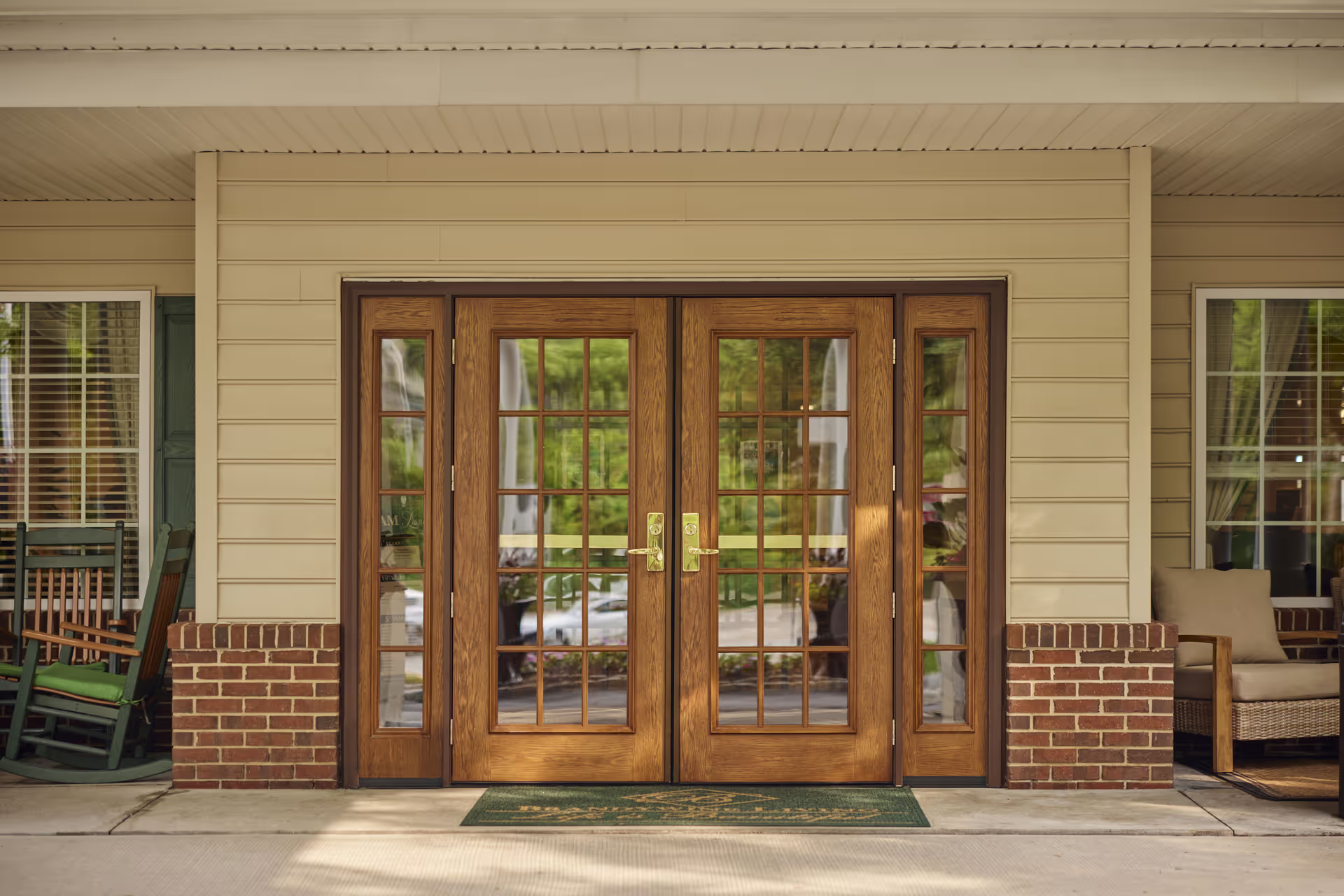
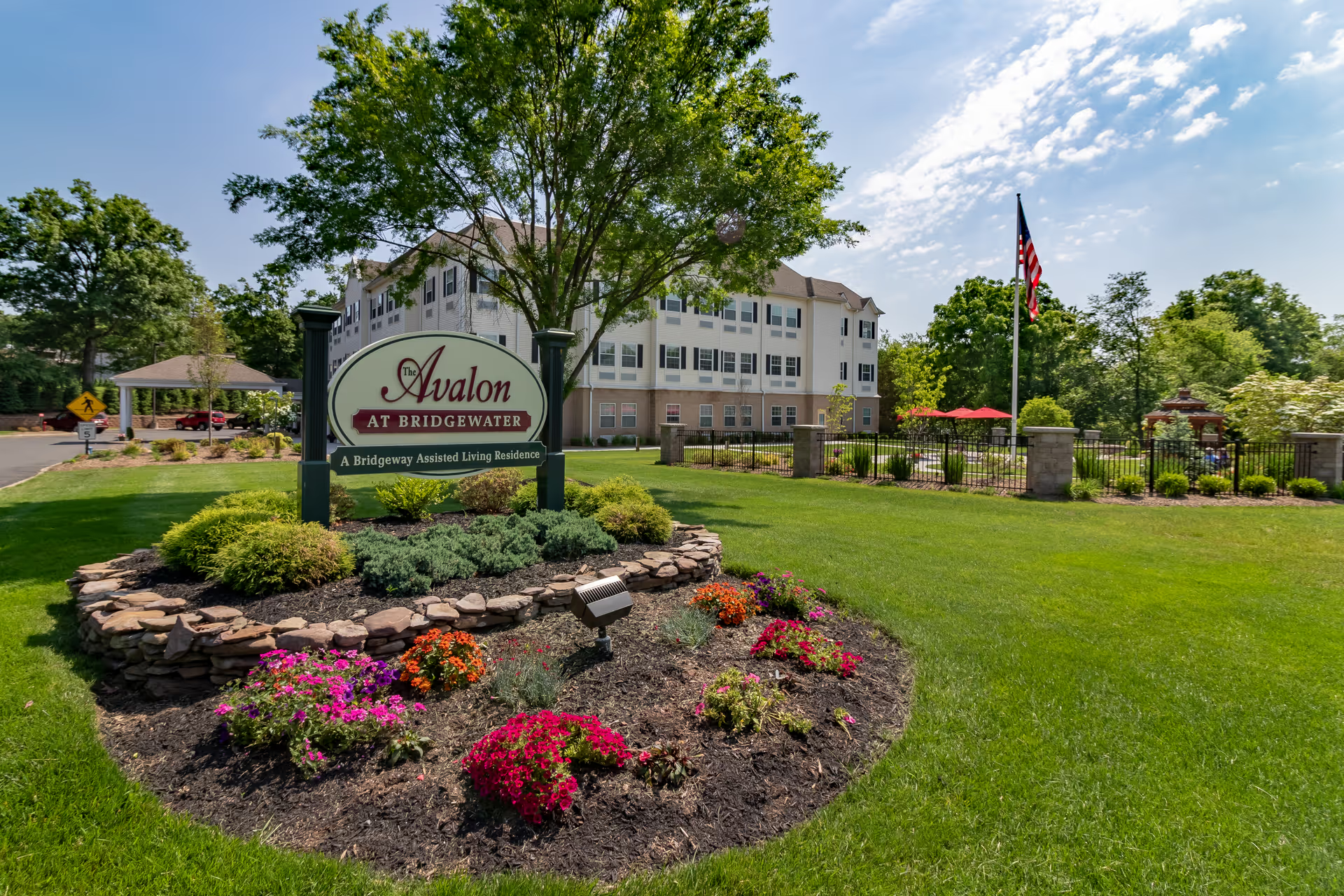
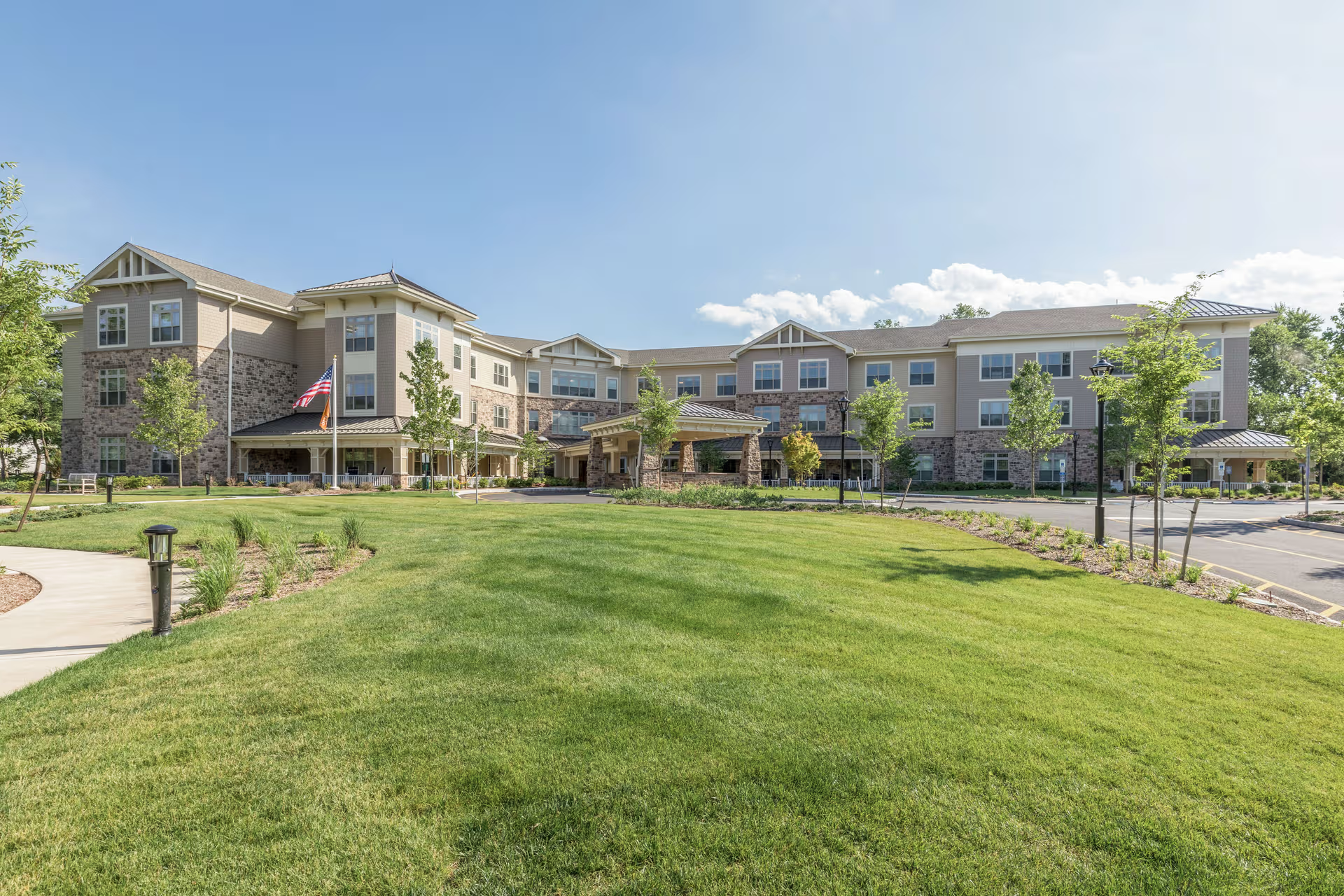
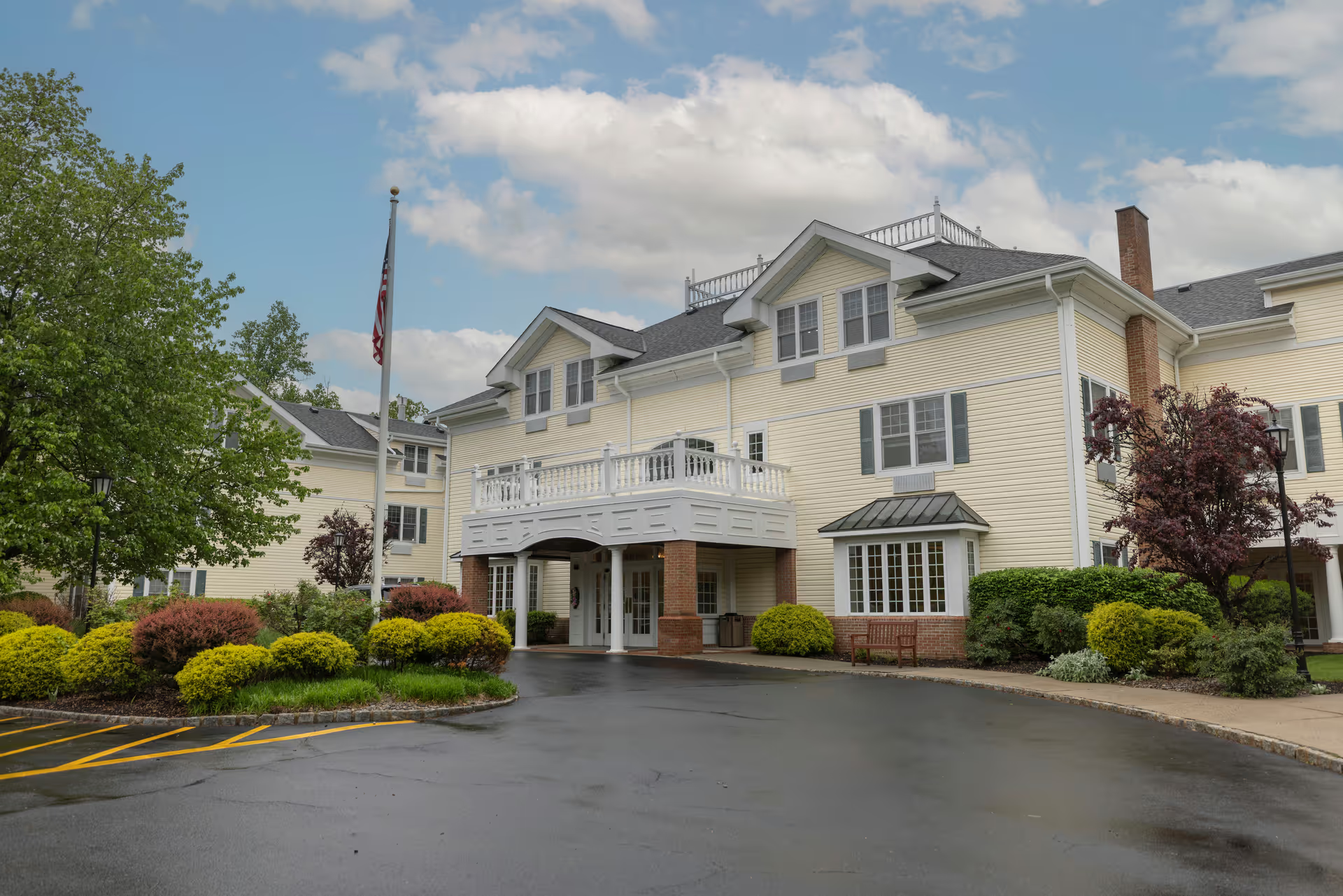
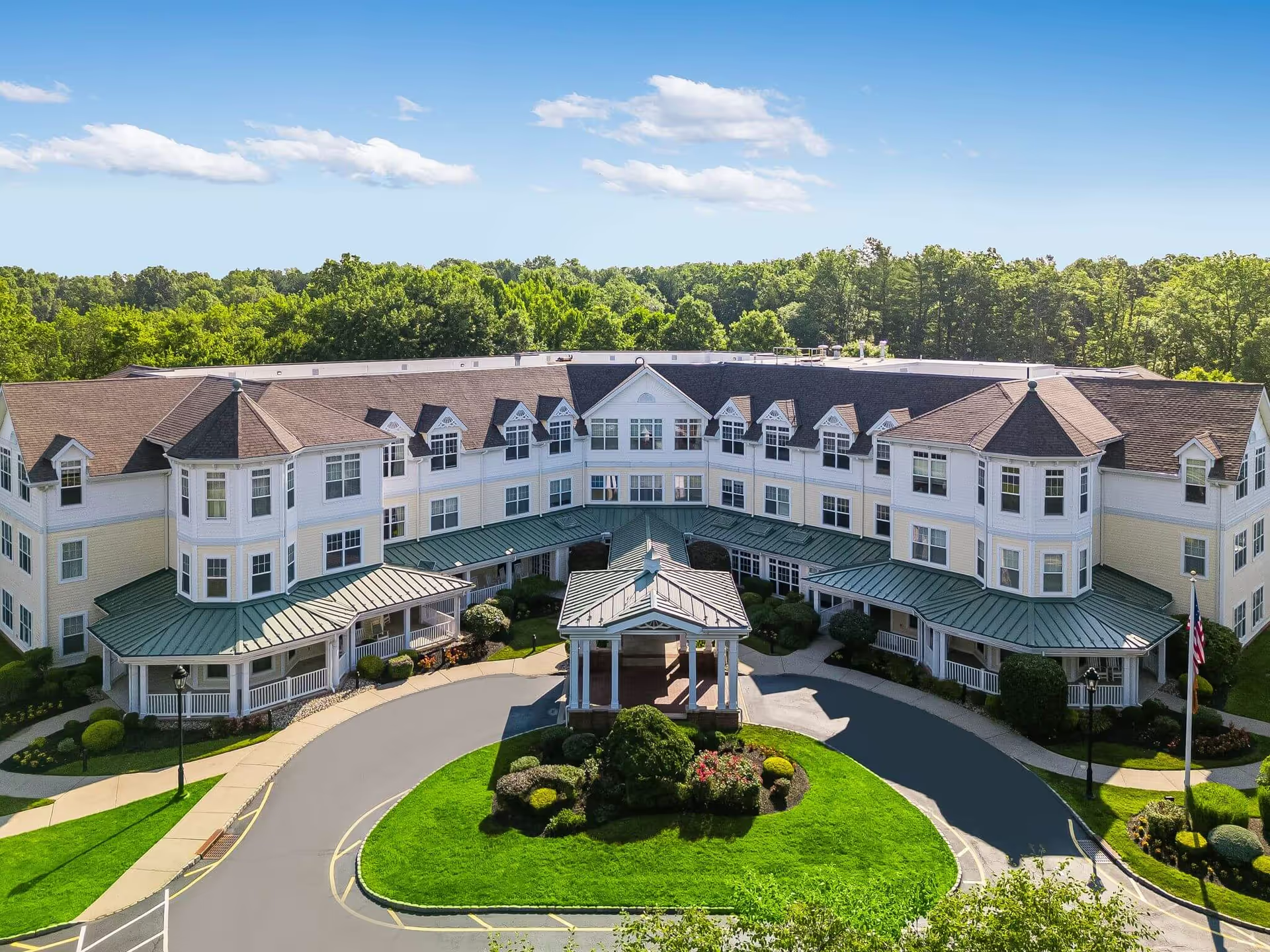
The Delaney of Bridgewater presents as a newly built, upscale senior living community with consistently strong praise for its staff, amenities and move-in services. Across the reviews, staff are repeatedly described as compassionate, attentive and responsive; families and residents highlight dedicated move-in coordinators, ongoing post-move support, and clear communication channels (email notifications, prompt follow-up). Memory-care leadership and assisted-living nursing personnel receive frequent commendation for engagement and warmth. The facility’s design and finish level are repeatedly noted — spacious, well-appointed apartments, restaurant-style dining rooms, multiple common areas, underground parking and a secure memory-care courtyard contribute to a resort-like environment and a pronounced emphasis on resident comfort and dignity.
Dining and programming are important strengths but show variation in execution. Many reviewers praised restaurant-quality menus, daily social hours, regular live entertainment and a broad activities calendar (exercise, clubs, outings). Simultaneously, there are recurring operational concerns around meal consistency: some reviewers described lukewarm plates, food-quality variability, and a specific gap in renal-diet availability. There is also at least one cited instance of an allergy-related meal error; this points to the need for robust dietary accommodation procedures and clearer communication between clinical staff, servers and kitchen.
Clinical and operational limitations are the principal areas where prospective residents should seek clarification. The community is still in a learning phase in parts, and reviewers noted variable staffing coverage in higher-acuity units, limited availability of lifting equipment for fully immobile residents, and constrained on-site physician appointment capacity. Separate comments referenced safety or security-process shortcomings and one serious, individualized allegation about care that prompted hospitalization; that allegation stands apart from the overall pattern of positive feedback but indicates the value of asking management about incident reporting, investigation procedures and quality-monitoring outcomes.
Cost and contract structure are mixed considerations. Several reviewers appreciated the lack of a large buy-in and the availability of month-to-month options, while others described the community as premium or expensive relative to alternatives. The facility’s upscale positioning aligns with its finishes and service model, but families focused on budget or intensive clinical needs may want to compare value and clinical capacity with other local providers.
Recommendations for prospective families: confirm current staffing ratios and coverage in assisted- and memory-care units; verify availability of clinical equipment (mechanical lifts) and how high-dependency transfers are handled; review dietary accommodation protocols (including renal diets and allergy management); ask for examples of recent incident investigations and quality-improvement actions; and schedule multiple visits to observe meal service and activity programming. Overall, The Delaney appears to offer a high-quality, hospitality-driven environment with notable strengths in staff engagement and amenities, but families should verify clinical resources and operational consistency when evaluating it for residents with significant medical or mobility needs.