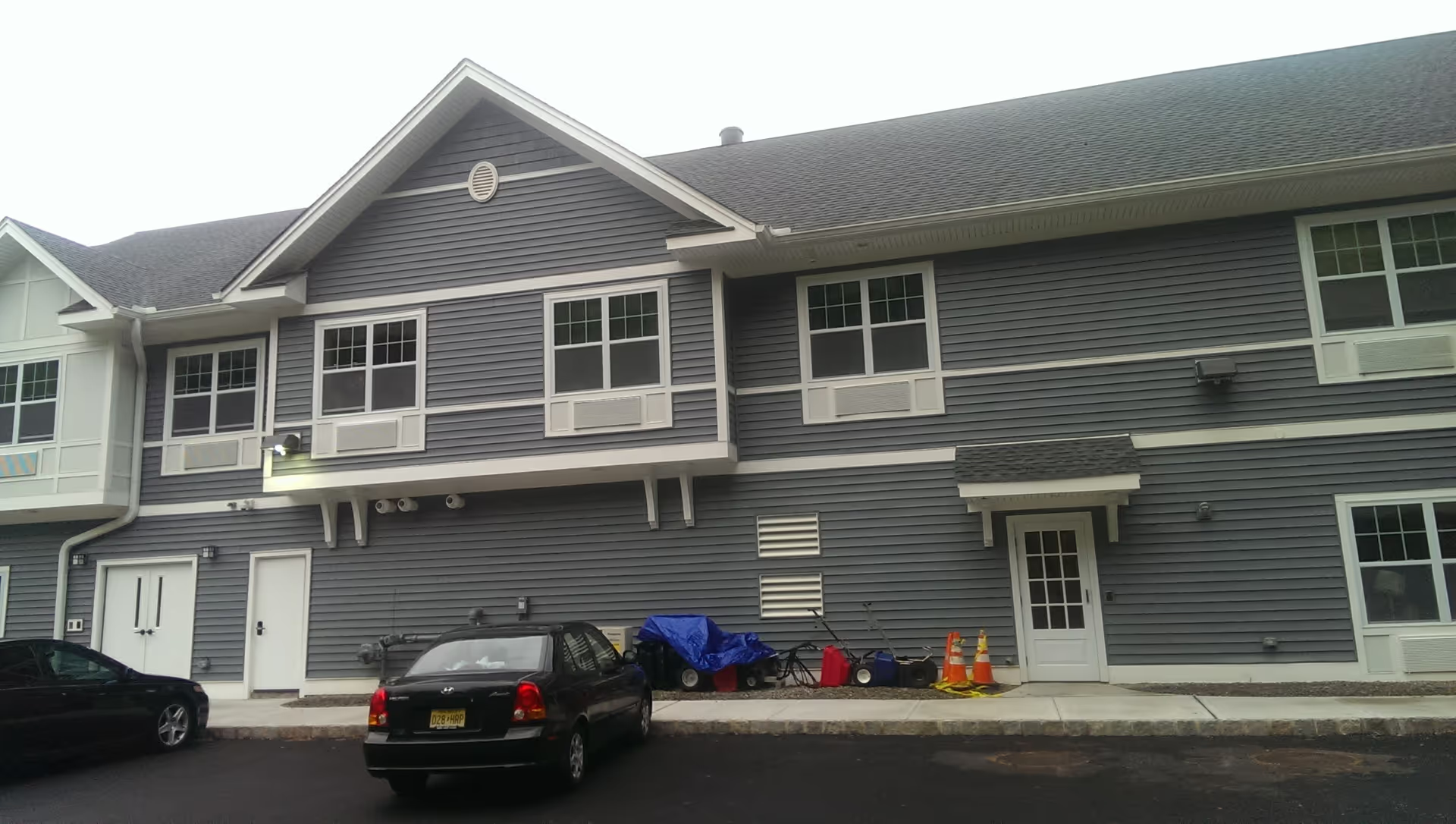
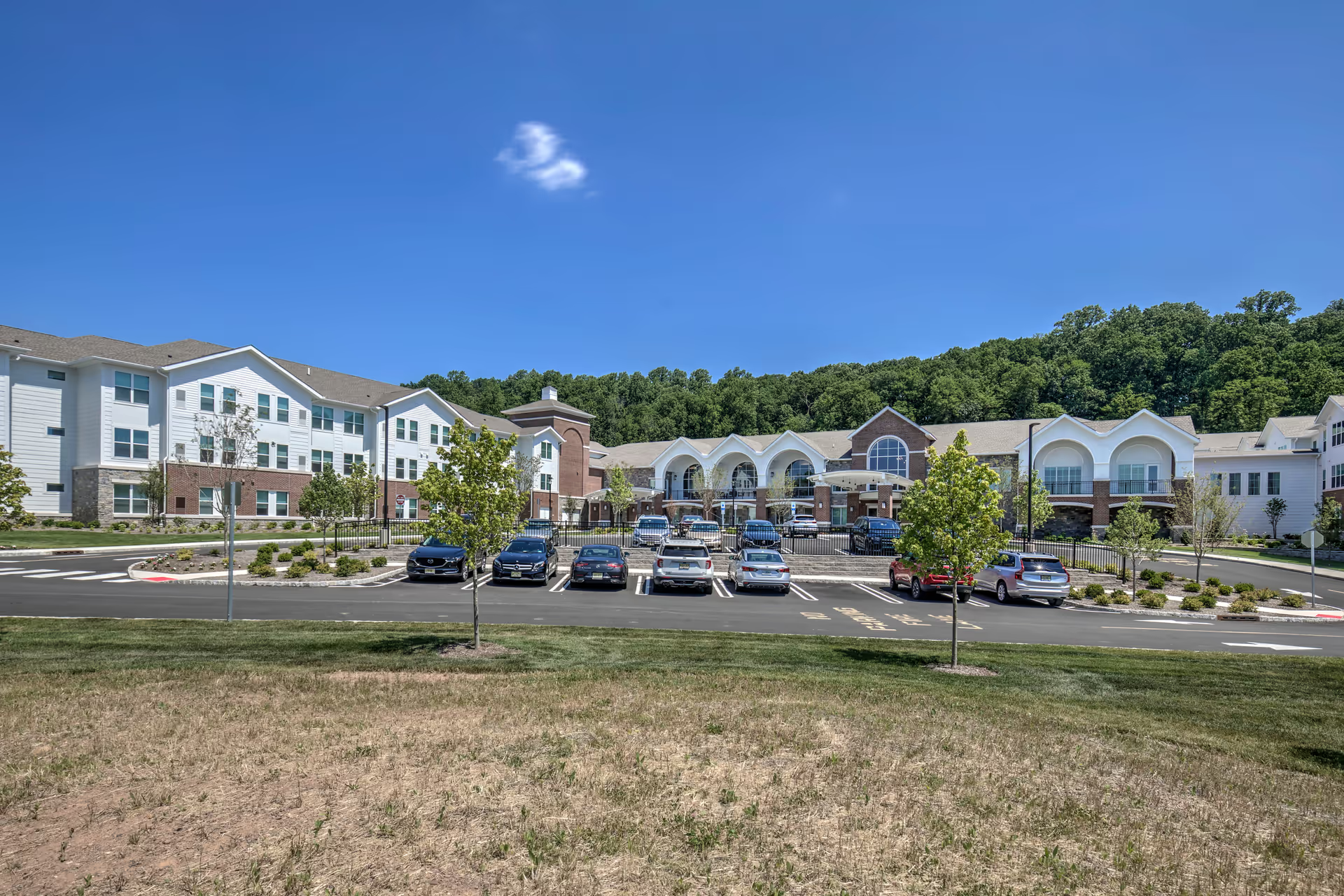
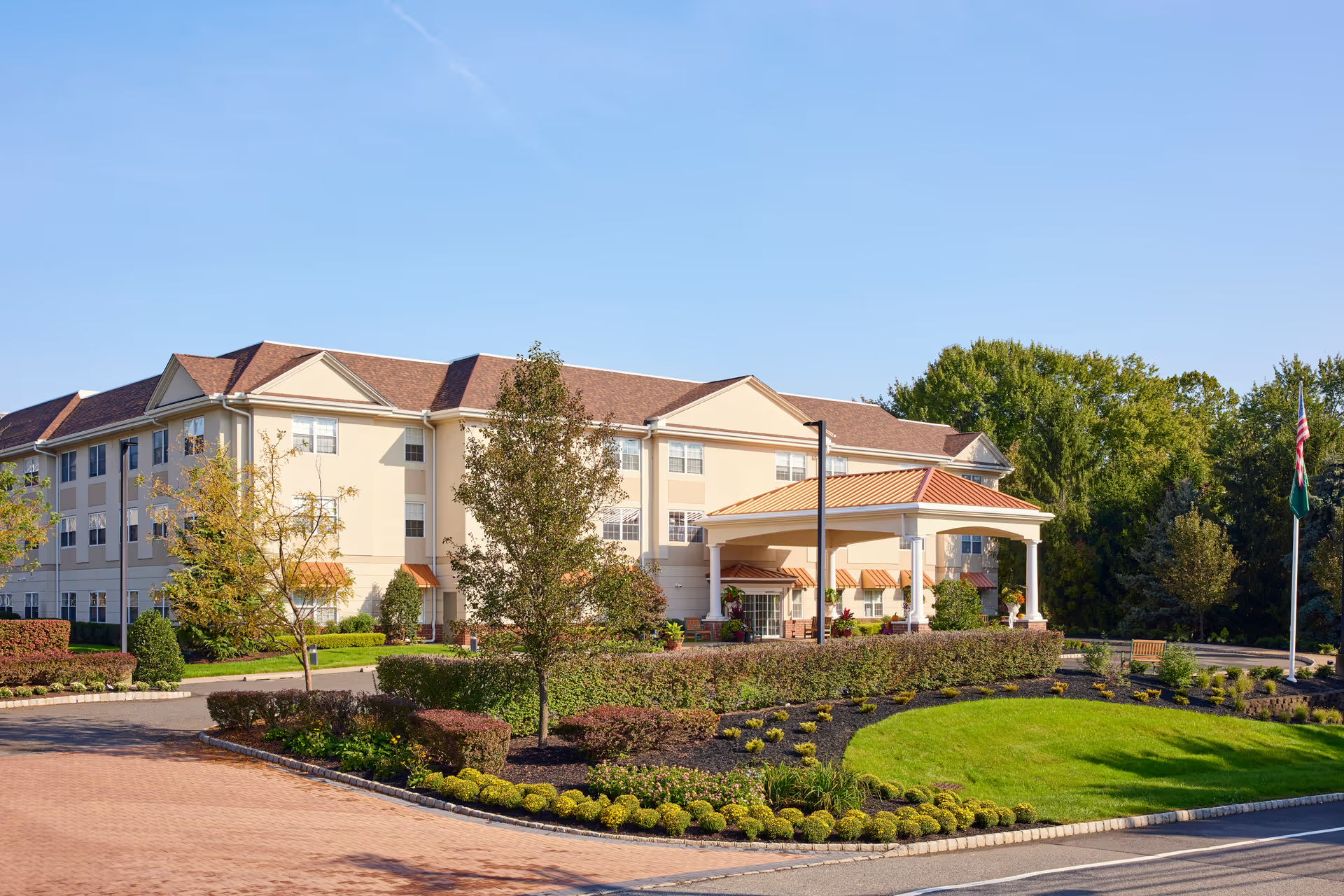
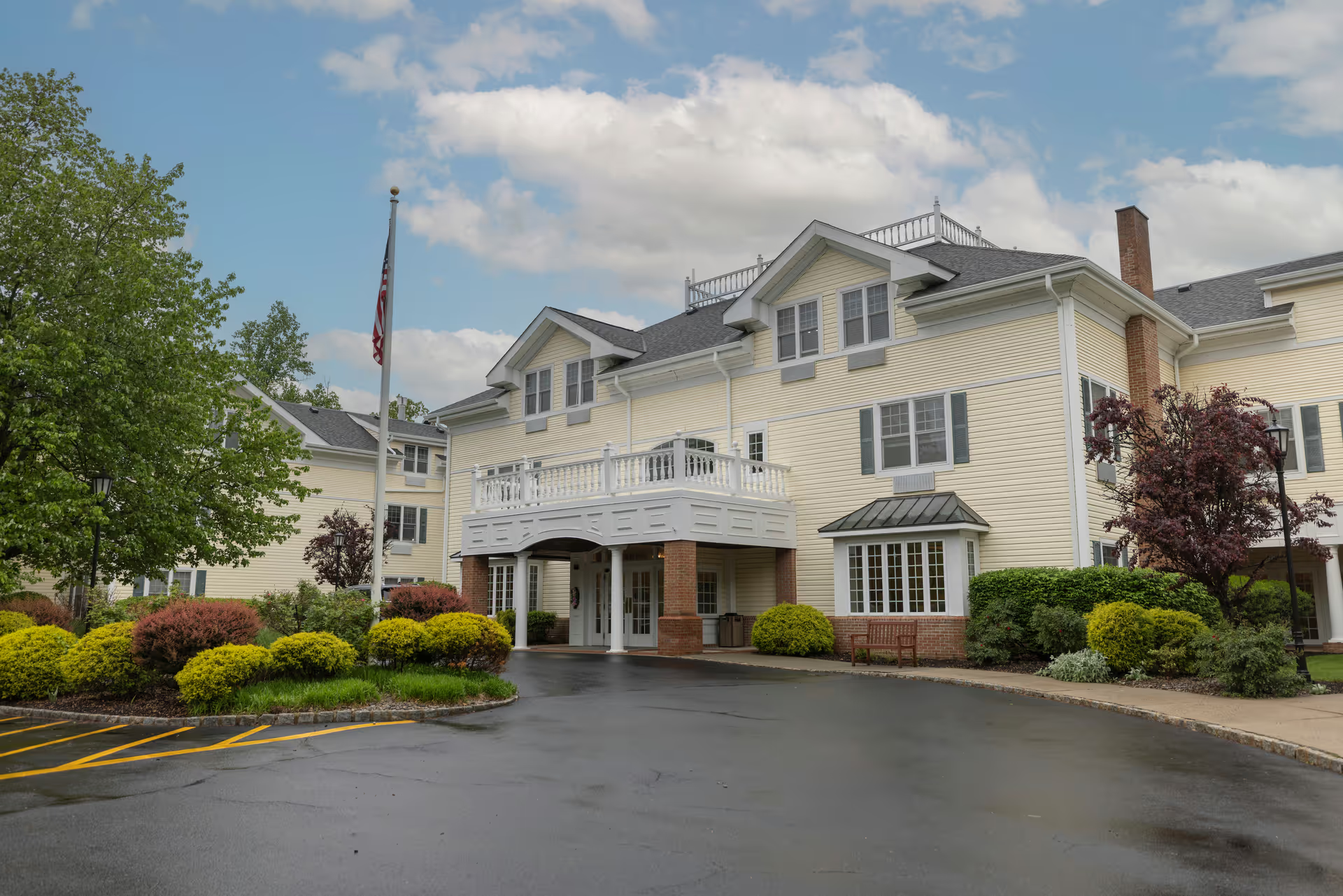
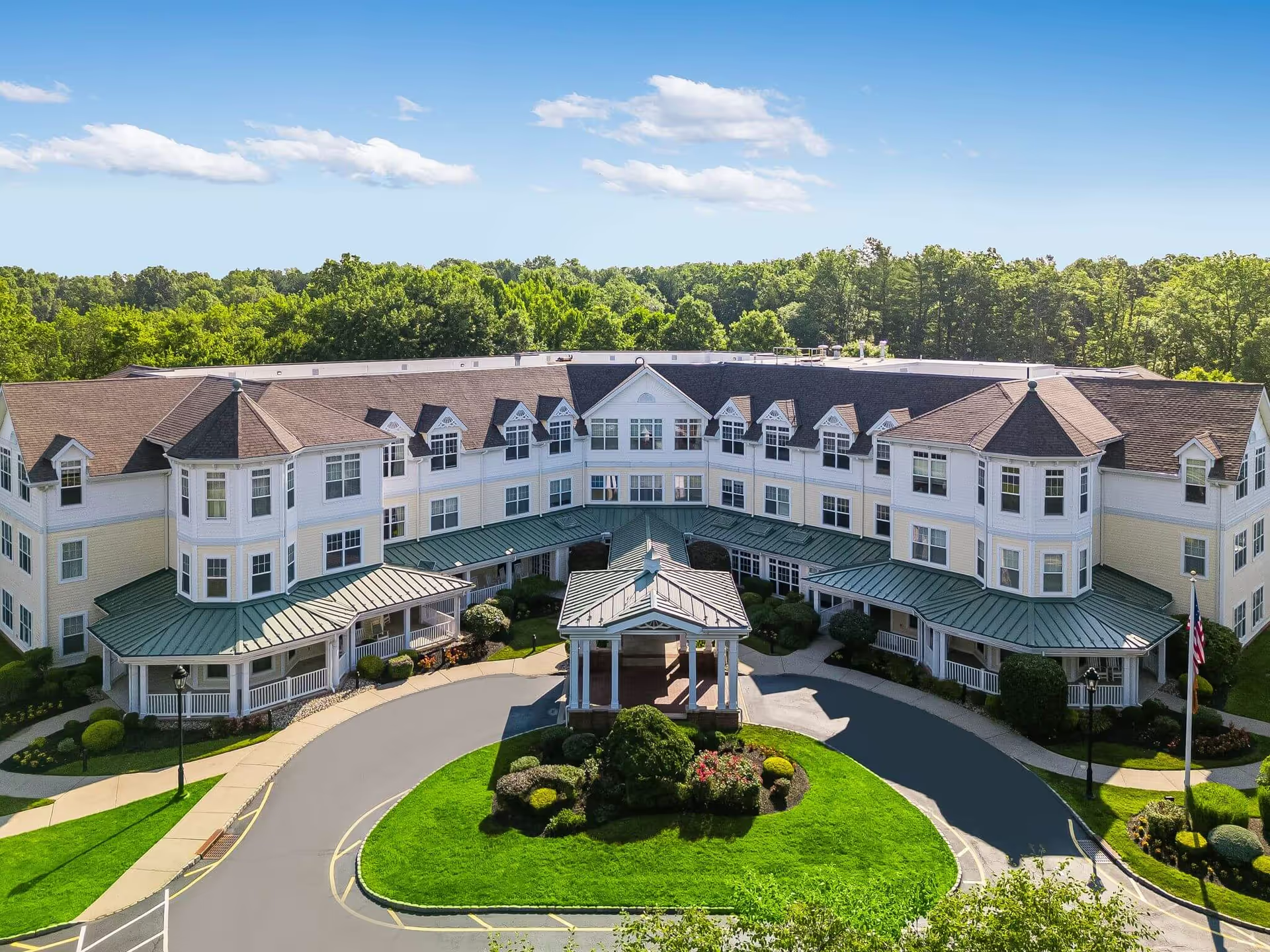
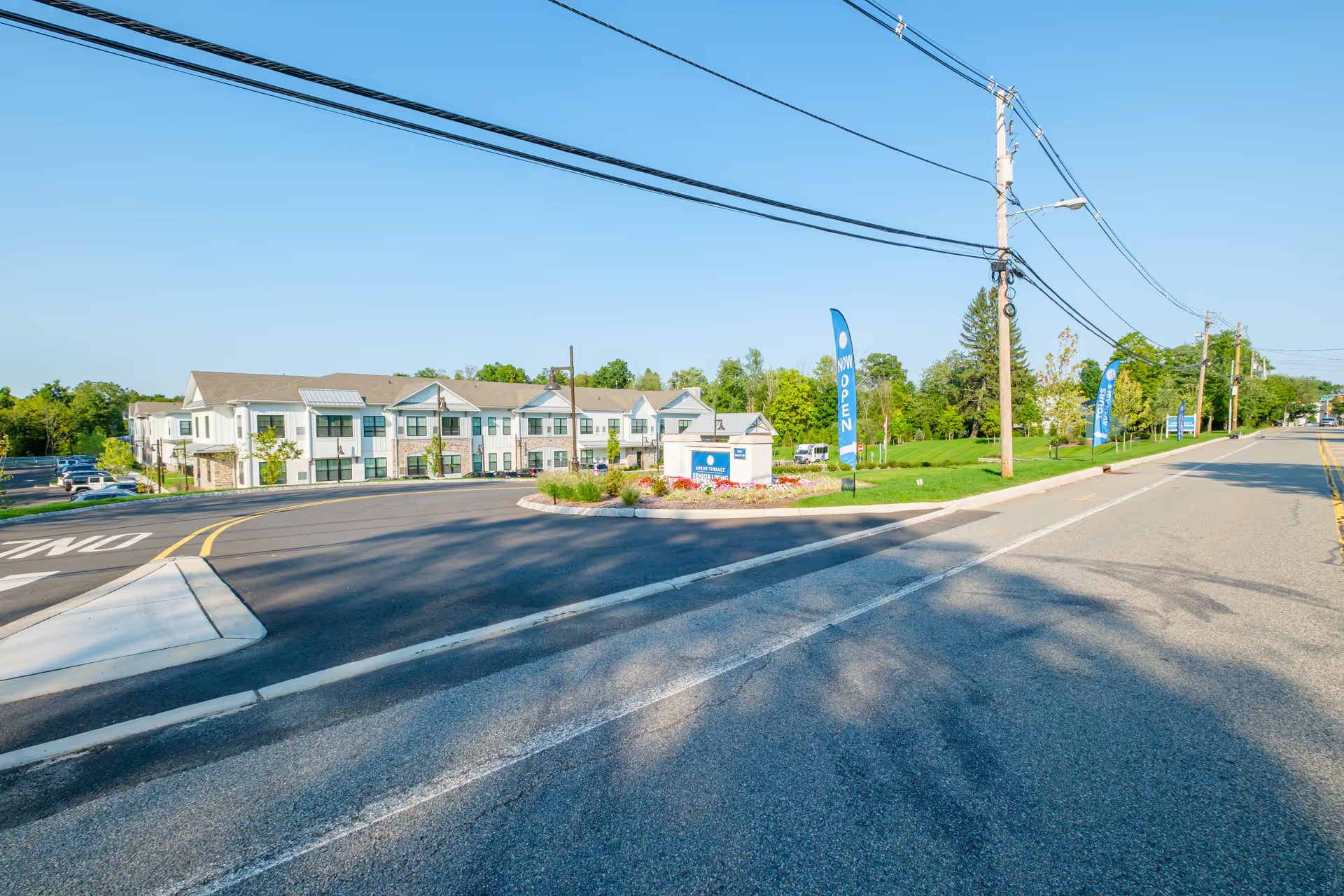
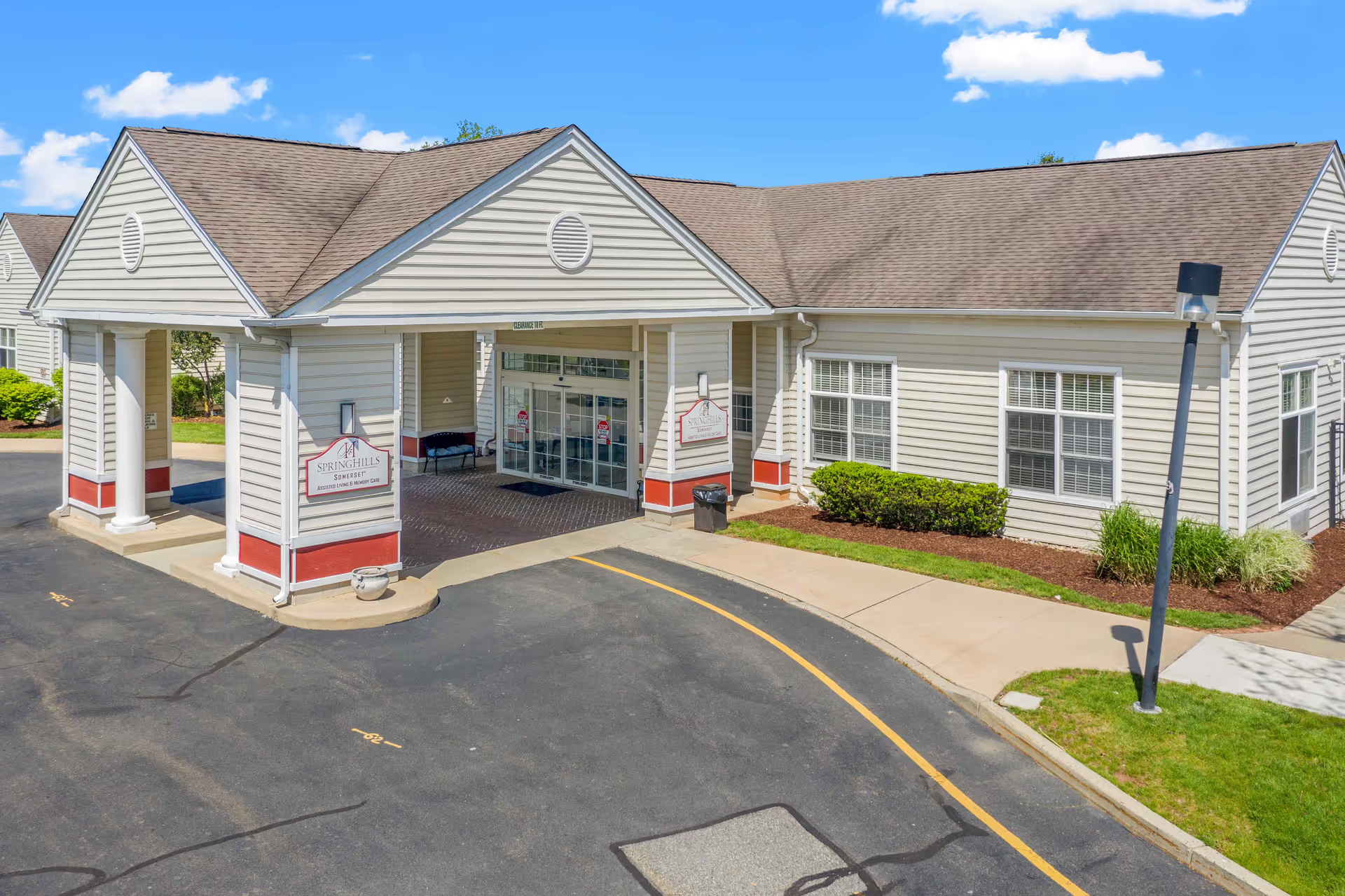
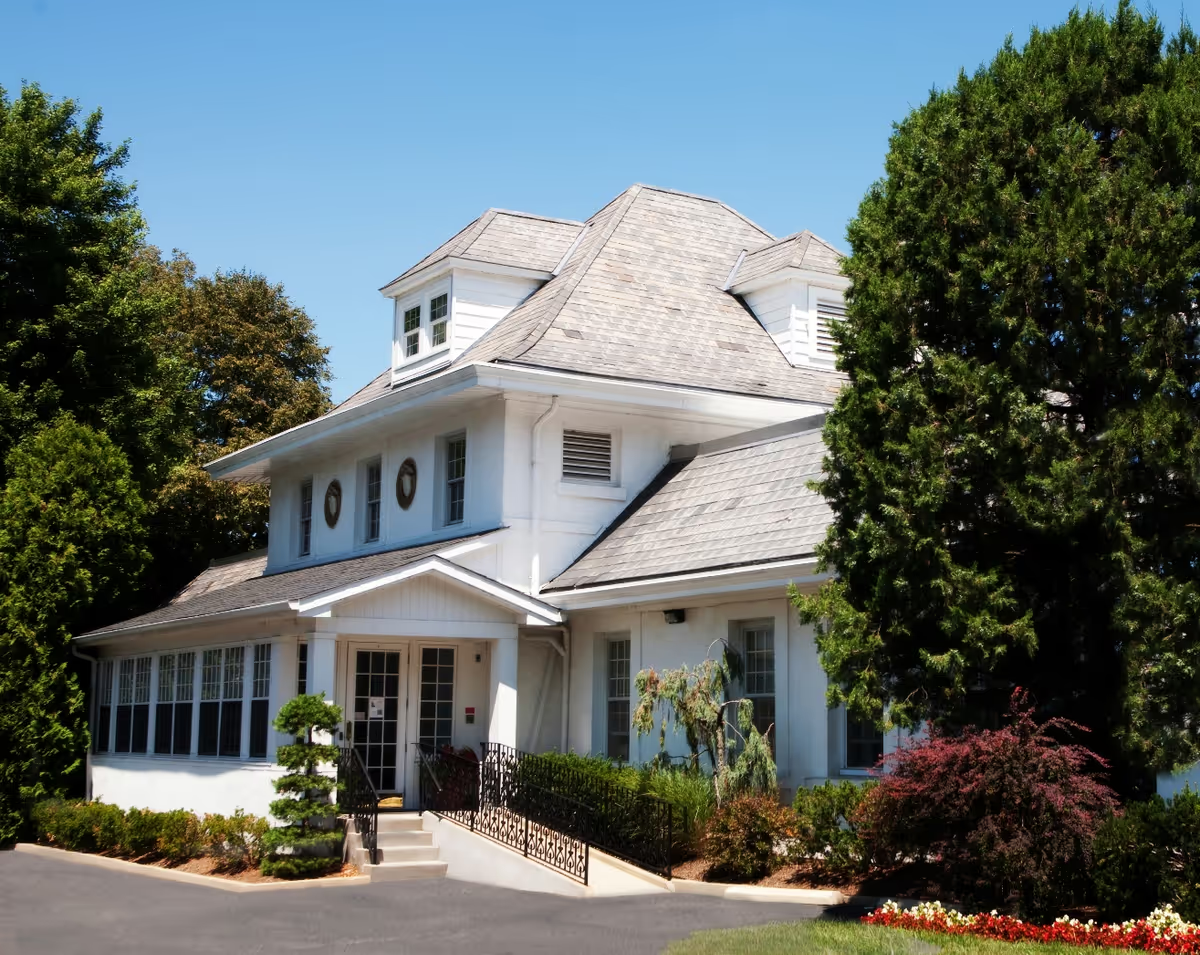
Overall impression: Reviews portray Brandywine Middlebrook Crossing as a well-appointed, full-service assisted living community with a consistent emphasis on personalized, compassionate care. The facility is described as clean and resort-like, with hotel-style decor, courtyard and outdoor gathering areas, and private apartment options. Families repeatedly cite a strong sense of community and high satisfaction with day-to-day life for residents.
Care quality and clinical services: The community offers 24/7 on-site nursing and a dedicated memory-care unit, together with on-site physical therapy and regular physician coordination. Reviewers highlight attentive nursing and aide teams, medication administration processes, and clinical support that enable many residents to age in place. A few comments indicate variability in the frequency of clinical reassessments and occasional delays in addressing particular health-monitoring needs; this suggests families should confirm reassessment schedules and care-plan review processes during tours.
Staff and management: Staff—particularly nurses, activities personnel, dining staff, and front-desk teams—are frequently described as friendly, caring, and familiar with residents by name. Several reviews praise long-tenured leadership and an engaged executive director who maintained strong communication and instituted effective infection-control and visitation adaptations during the pandemic. There are isolated notes of interpersonal or conduct issues among staff; these appear infrequent but prospective families may wish to discuss staffing culture and grievance channels when evaluating the community.
Dining and services: Dining is consistently singled out as a strength: restaurant-style service, varied menus, and an inviting dining room that supports socialization. Ancillary services such as housekeeping, laundry, an on-site hair salon, and transportation to appointments and community outings are well-regarded and contribute to a low-maintenance resident experience.
Activities and social life: The activities program is broad and active, including themed celebrations, live music, exercise classes, club-style games, worship services, and excursions. Reviewers note strong resident engagement, frequent events, and staff who actively encourage participation—factors that support social connection and cognitive/physical activity.
Facilities and safety: The physical plant is described as attractive, recently renovated in parts, and well maintained. Outdoor amenities (courtyard, pond, patios) and indoor common areas receive positive mention. Families also commend pandemic-era safety measures and ongoing communication about health events.
Notable patterns and practical considerations: The dominant themes are high-quality, person-focused care and a robust social environment. Common operational caveats include higher cost relative to some alternatives and occasional admission wait times driven by demand. A number of families mention an adjustment period when residents first move in; this appears to be a normal transition rather than an indication of systemic failure, but it is worthwhile for prospective residents to plan for settling-in support. Finally, location and commute considerations for visitors are raised by some reviewers and may affect family access.
Recommendation guidance: For families prioritizing comprehensive clinical coverage, an active activities program, polished facilities, and strong leadership, Brandywine Middlebrook Crossing aligns well with those needs. Prospective residents should clarify financial expectations, inquire about reassessment schedules and staffing stability, and discuss move-in timing to set realistic expectations about transition support and visitor access.