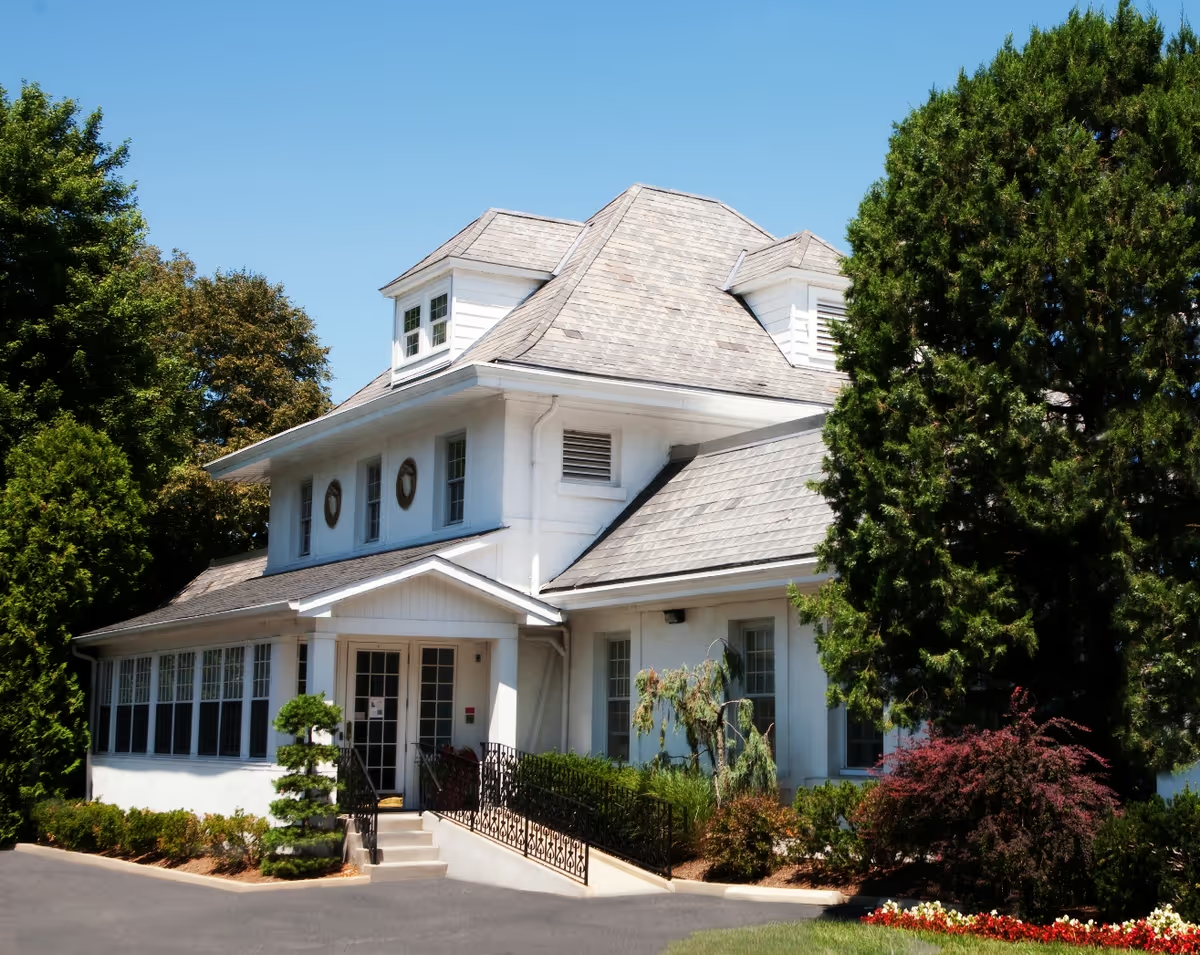
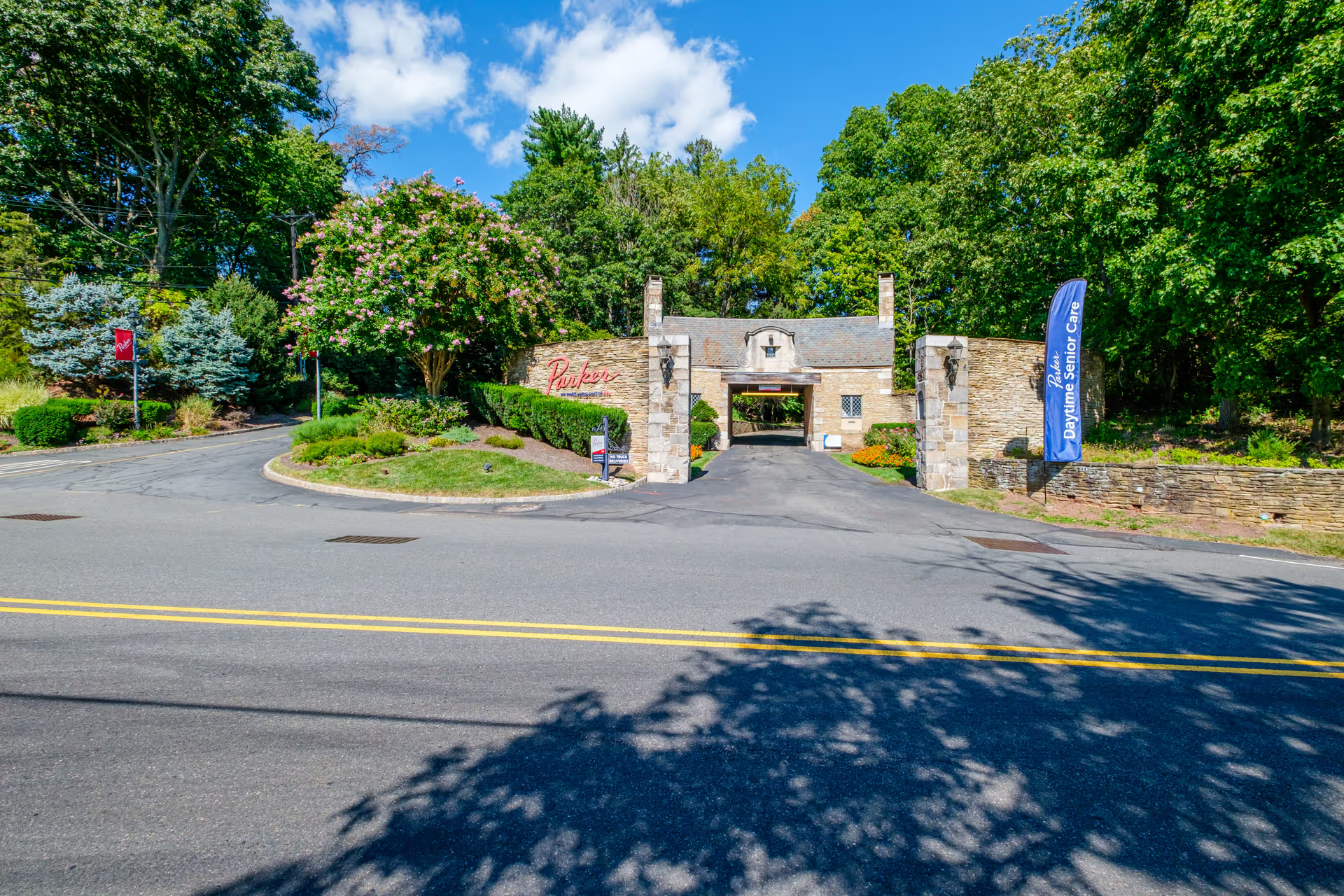
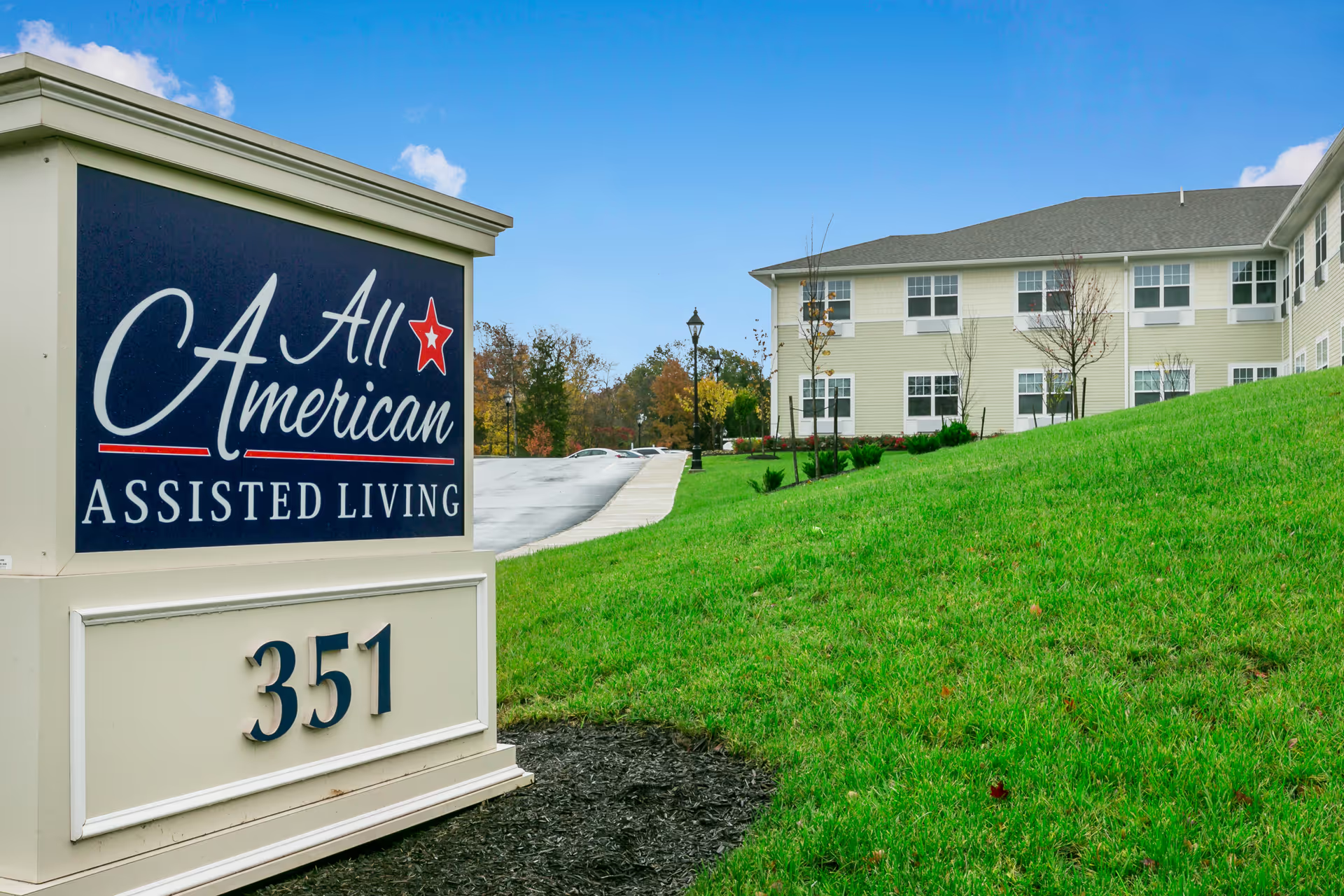
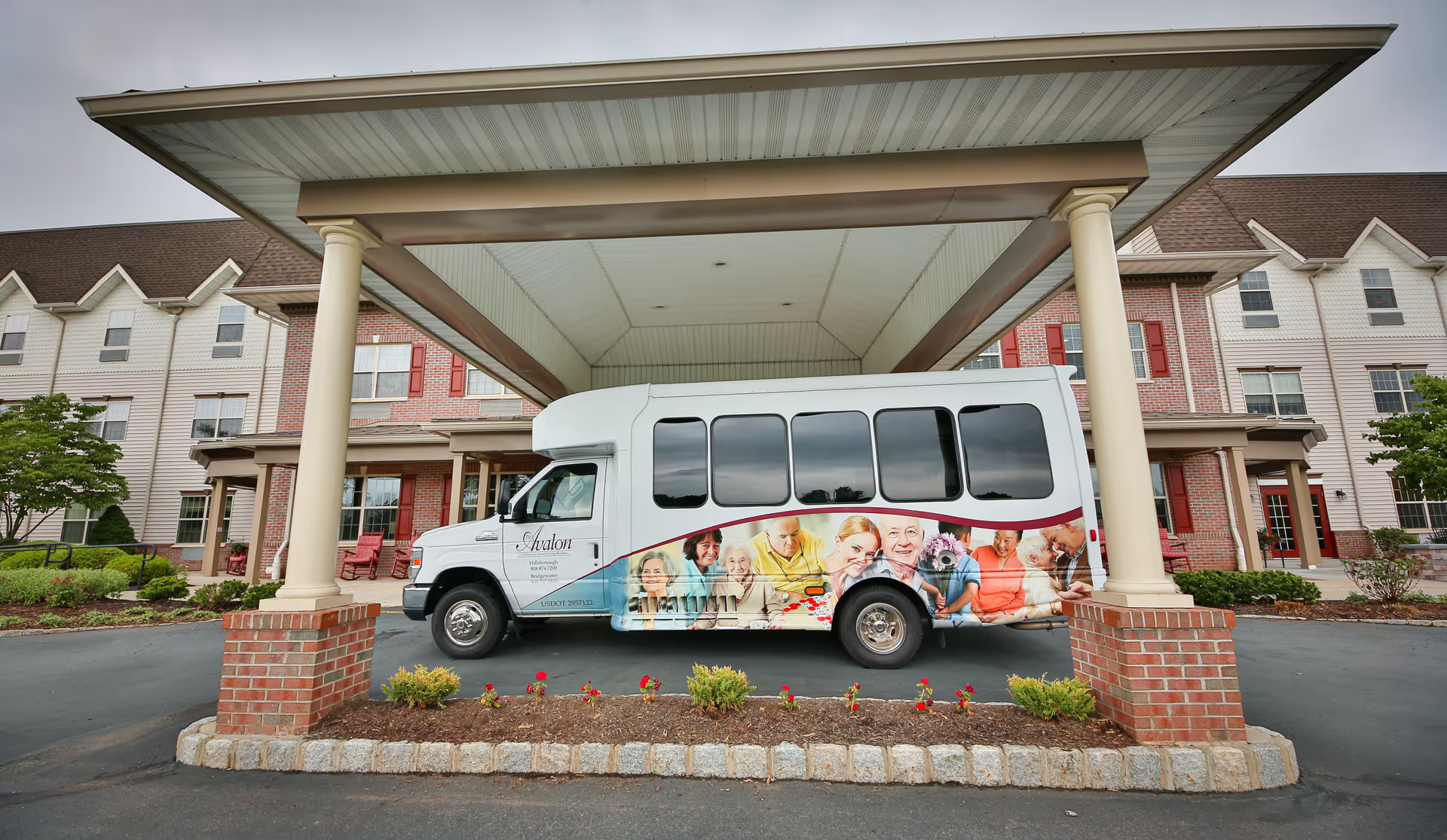
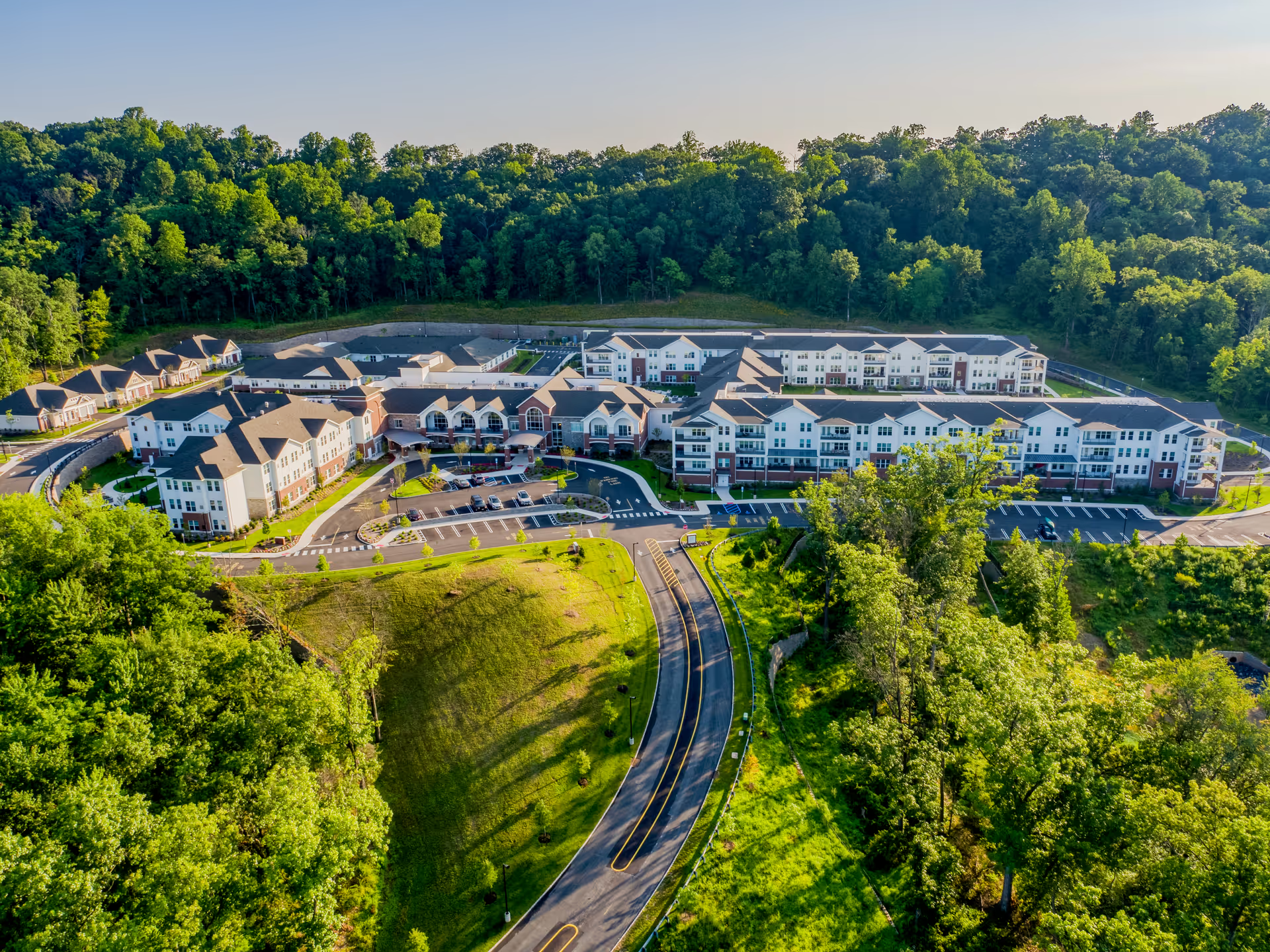
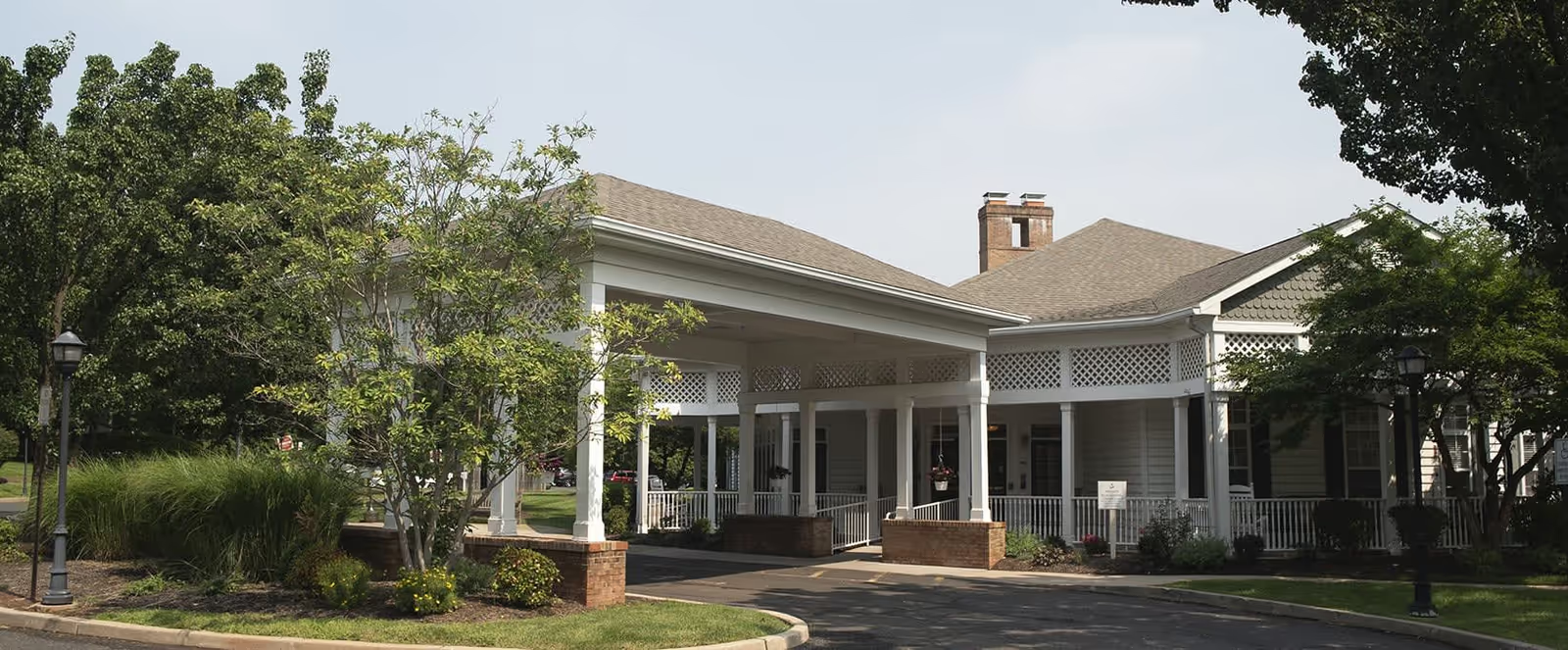
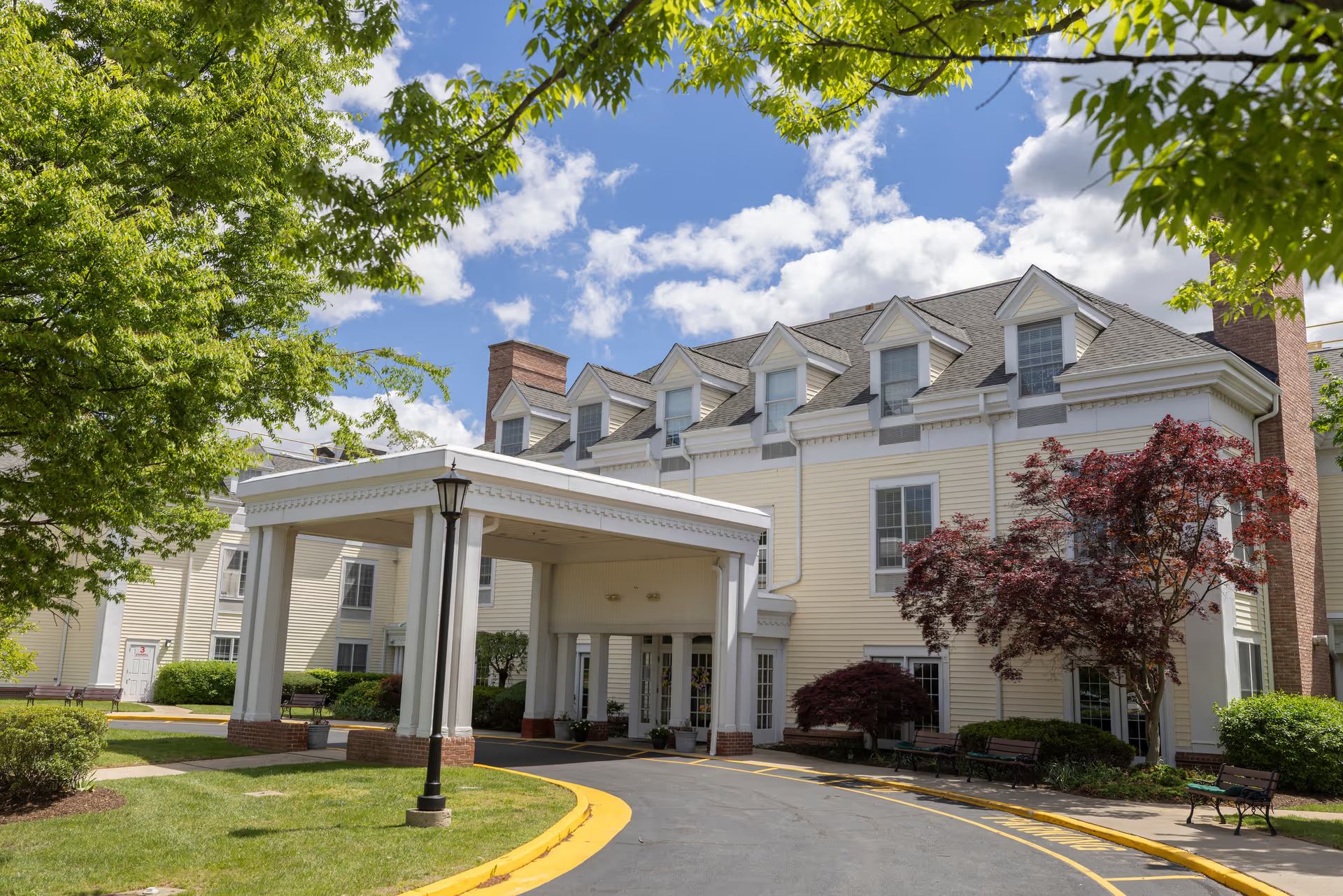
Overall impression: Spring Hills Somerset presents as a clean, modern, hotel‑style assisted living community with a broad set of on-site amenities and an active social calendar. The facility is frequently praised for its appearance, bright common areas, well‑kept grounds, and restaurant‑style dining. Many families describe strong, compassionate bedside care—particularly in the memory‑care unit—alongside responsive front desk and concierge services that facilitate admissions, family communication, and daily logistics.
Care and staff: Clinical and caregiving staff receive abundant positive feedback for attentiveness, individualized care, and personal rapport with residents. Memory‑care nurses and aides are repeatedly noted for their competence and compassion. At the same time, reviewers describe variability in staffing and care quality across shifts and floors: understaffing and slower response times can occur, and some residents who require more hands‑on assistance may need supplementary private aides. Communication with leadership is uneven in places; while some managers are visible and highly responsive, other accounts cite leadership turnover and difficulty obtaining consistent information.
Dining and nutrition: Dining is a consistent strength in terms of menu variety, accommodating special diets (including pureed options), and an overall restaurant‑style presentation. Regular dietitian involvement and flexible ordering are cited positively. Operational issues arise intermittently around meal service continuity, speed, and temperature control, producing variable dining experiences depending on timing and staffing.
Activities and social life: The community offers a wide range of daytime activities, classes, outings, and entertainment options (music, clubs, trips, and garden programs), which many residents and families find engaging. However, programming reliability can be uneven: outings and activities have been canceled or not rescheduled, evening programming is more limited, and residents who are less socially outgoing may find fewer staff‑led options that match their needs.
Facilities and operations: The building, common spaces, and individual units are often described as clean, bright, and well maintained, with useful amenities such as a salon, on‑site therapy, and medical visits. Maintenance responsiveness is generally adequate but has been characterized as inconsistent at times (including limited night coverage). Laundry and garment handling are recurring operational pain points: inconsistent service and misplacement or poor handling of clothing were raised by families.
Management and notable patterns: Prospective residents consistently encounter welcoming admissions staff and strong hospitality presence; some families emphasise helpful, hands‑on directors and coordinators. Conversely, a recurring operational pattern involves inconsistent follow‑through on sales/contract promises, occasional misleading communication during admissions, and reports of administrative instability. There are also serious individual claims in the feedback—including allegations of forged signatures and missing items—and some families report poor coordination with external hospice providers; these items suggest the need for careful due diligence during the tour and contract phase.
Who may benefit most / cautions: Spring Hills Somerset appears well suited to residents seeking an active, social environment with strong memory‑care resources, varied dining, and on‑site therapy. Families who prioritize consistent, high‑touch hands‑on assistance, or who require guaranteed night‑time maintenance response, should evaluate staffing patterns and clinical handoff practices closely. Prospective residents and families should clarify contract terms, fee structures, laundry procedures, emergency‑call systems, and hospice coordination before committing, and consider asking for references or a trial period to assess day‑to‑day operational consistency.