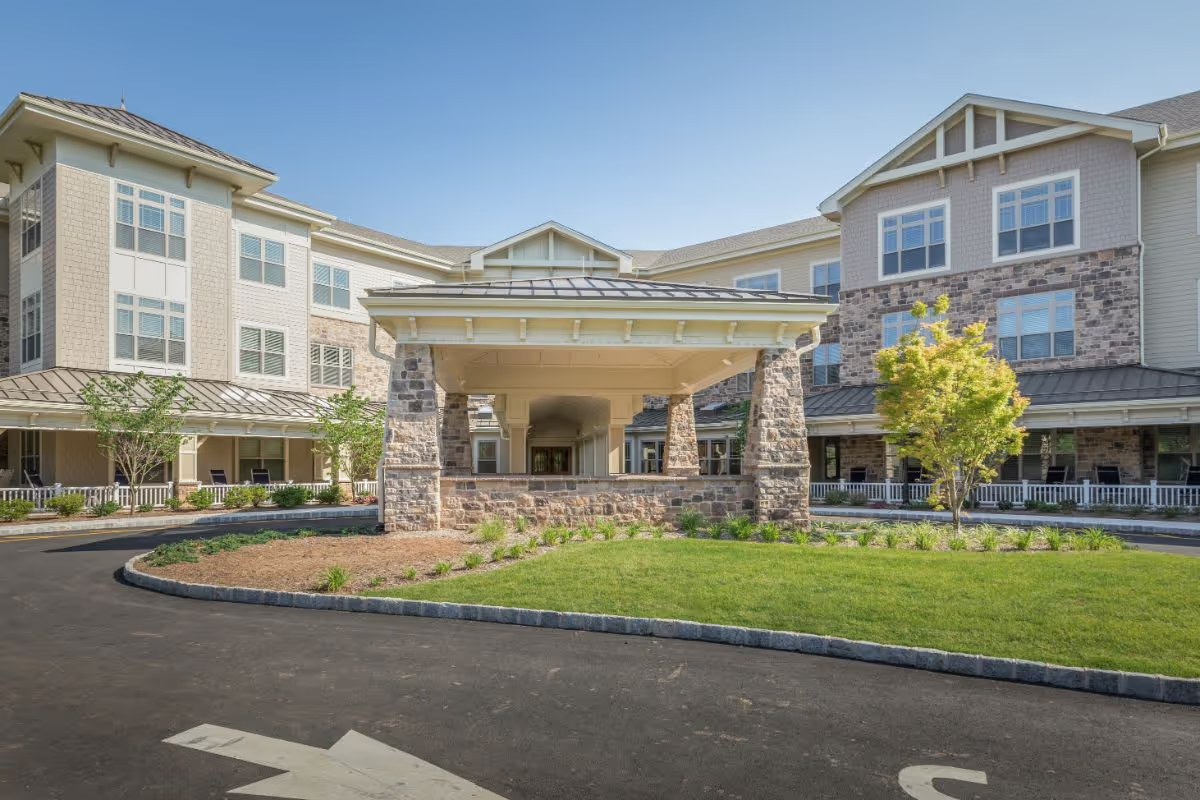
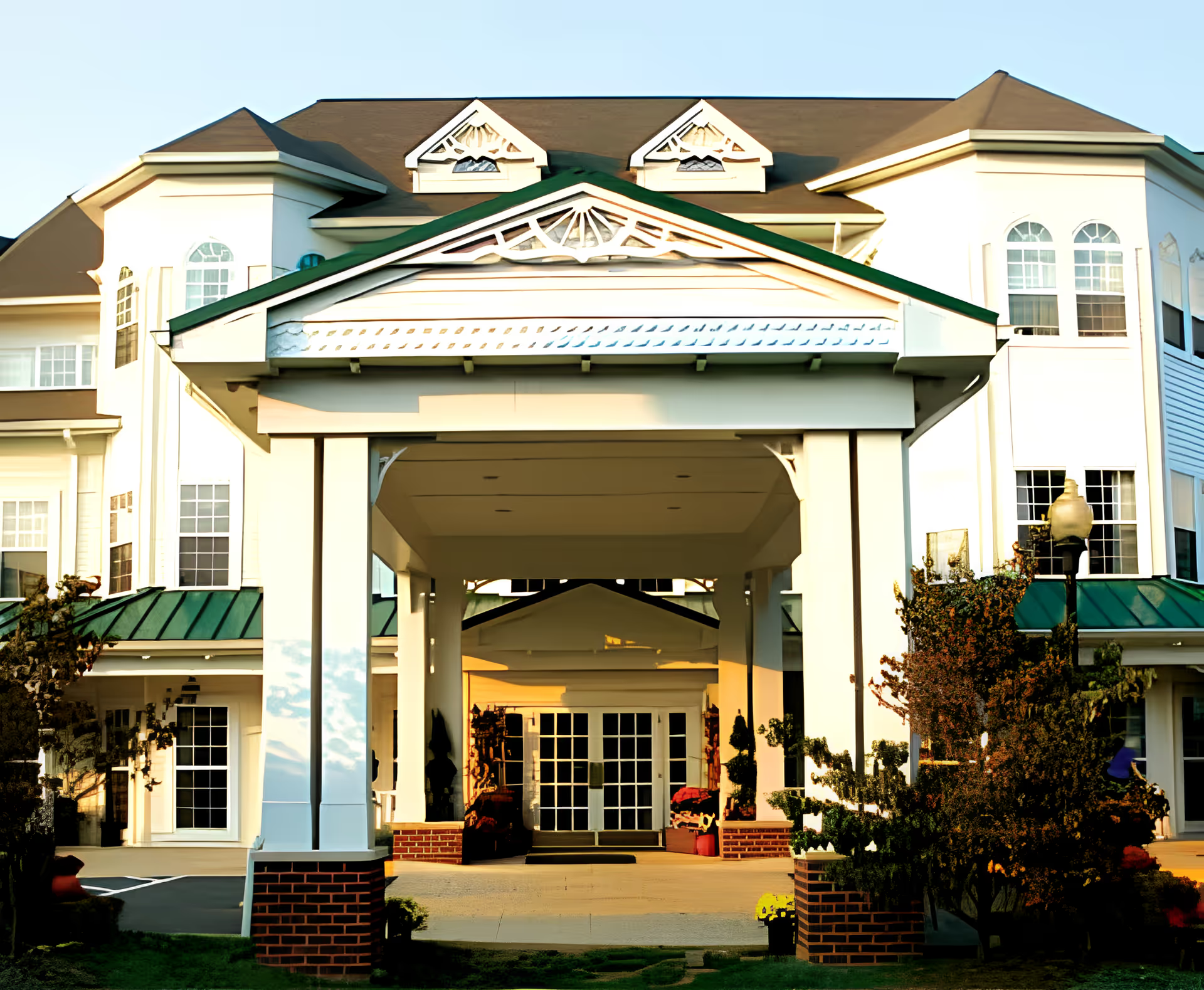
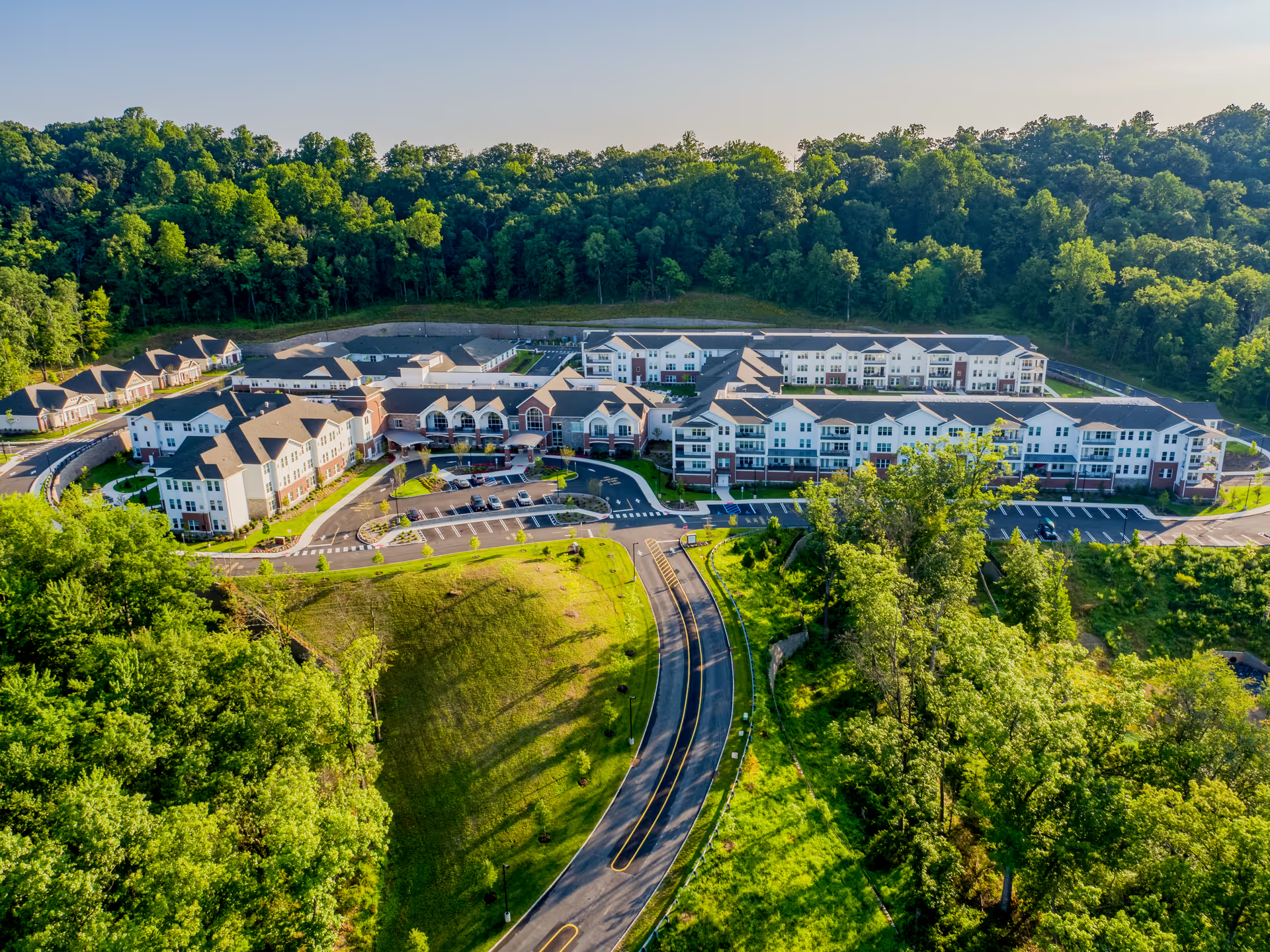
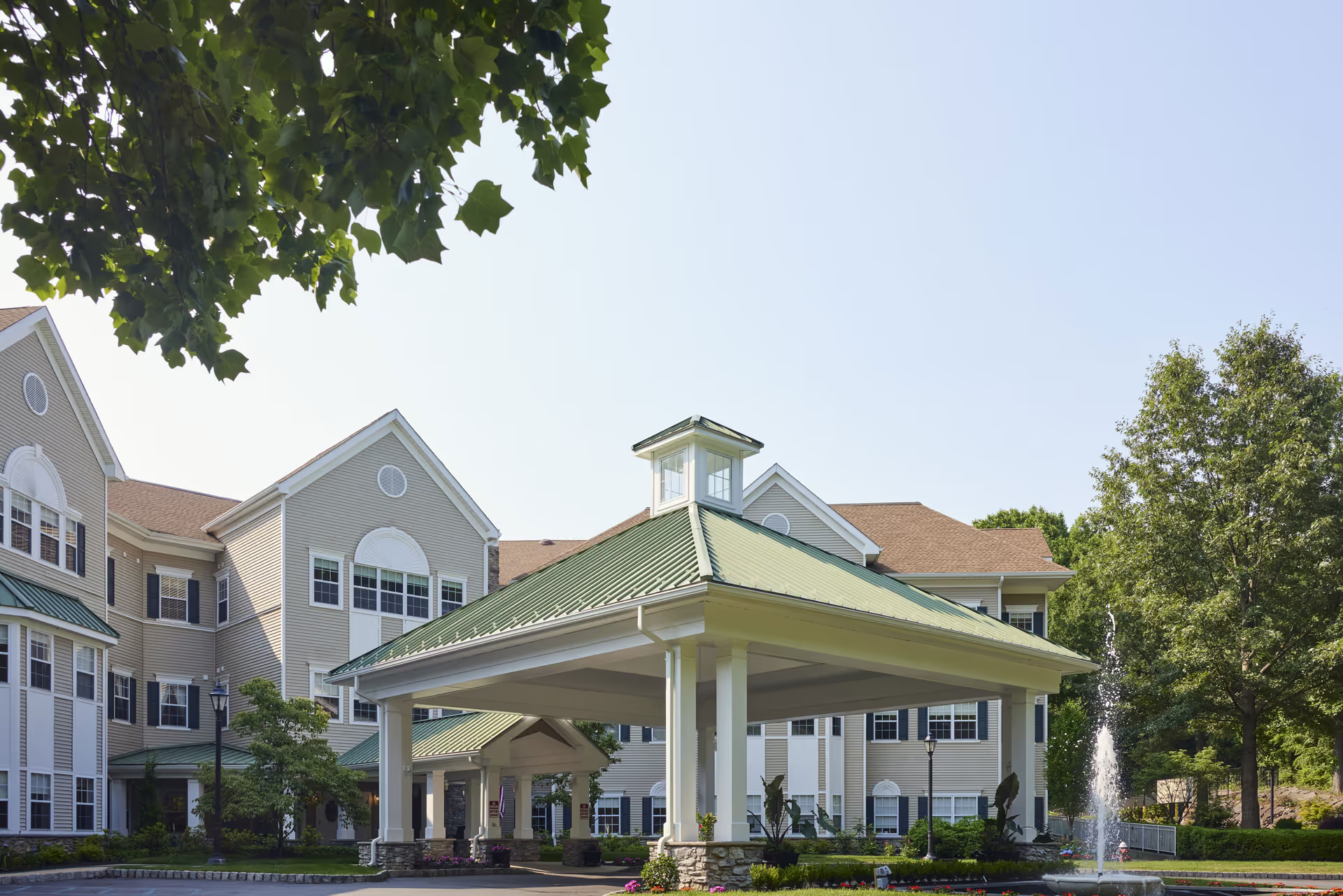
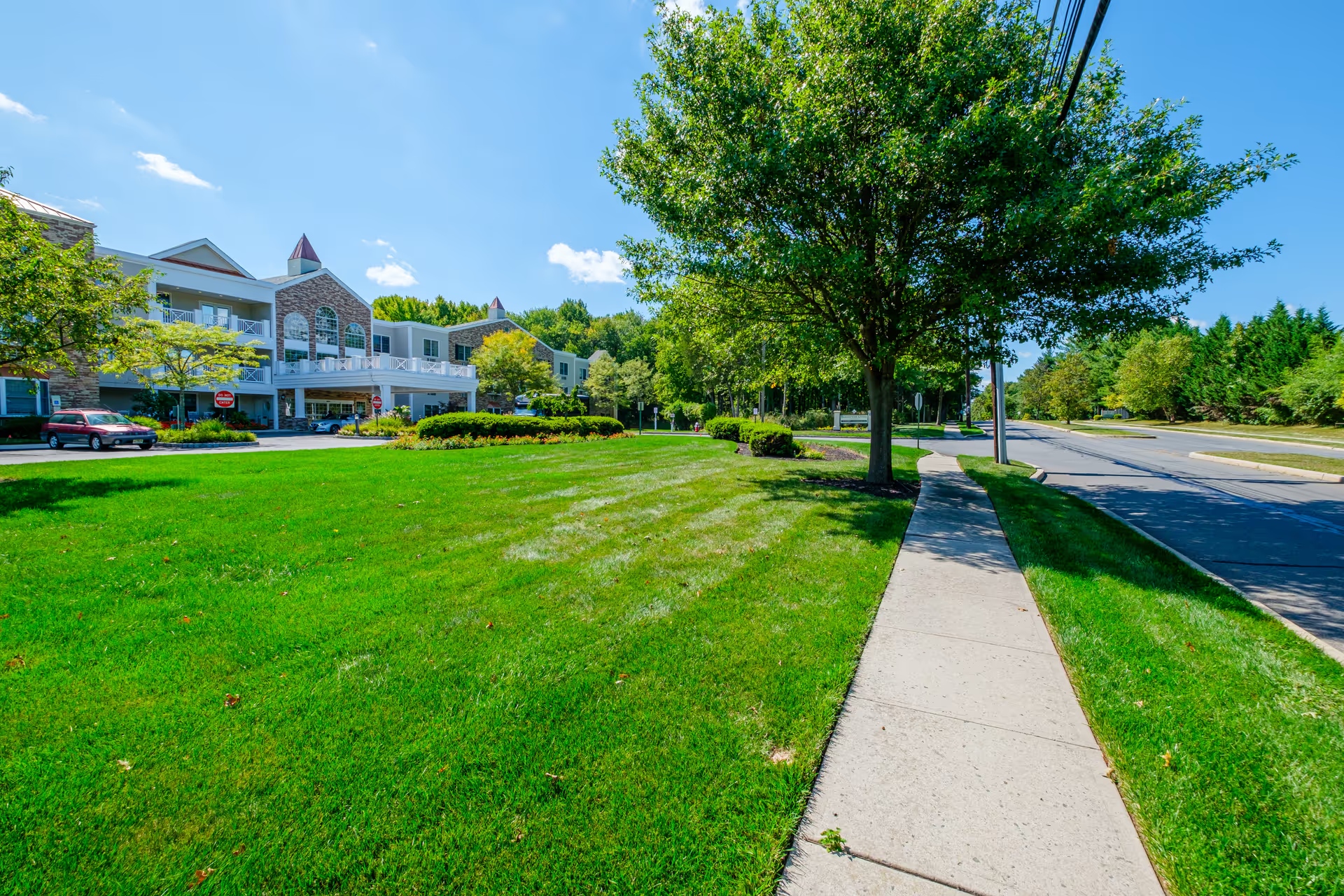
Brookdale Hillsborough presents as a well‑maintained, social community with several operational strengths alongside some recurring operational concerns. Families and visitors consistently describe a clean, attractive environment — hotel‑style common areas, a fireplace lobby, landscaped grounds, and homey touches such as a wrap‑around porch. Many reviewers highlighted attentive, long‑tenured staff and engaged management (including praised maintenance and business‑office staff), and noted included services such as housekeeping, laundry, utilities, cable, and basic therapy services. The community offers an extensive activities program that spans creative arts, social events, faith services, fitness, and off‑campus outings; mealtime is often described as social and menu‑driven with chef involvement and multiple menu options.
Care quality assessments are mixed. Numerous families praised compassionate aides, responsive nursing presence, and staff willingness to learn individualized care routines. At the same time, there are documented concerns about inconsistent clinical oversight: delays in recognizing or treating medical issues, gaps in medication or clinical follow‑up, and a tendency for staff to rely on family members for health assessment escalation. These clinical concerns are sometimes associated with staffing constraints; reviewers referenced periods of understaffing and staff fatigue, which they felt contributed to slower responses or uneven care. The memory‑care unit and infection‑control practices (including proactive COVID testing) are strengths, but the facility appears better equipped for early‑to‑mid‑stage dementia than for advanced, late‑stage needs.
Financial and administrative matters emerged as a notable pattern. Several families experienced billing errors, disputed charges, delayed refunds, or a lack of upfront pricing clarity; this has led to perceptions of opaque pricing and occasional conflicts over extra fees. Reviewers also noted ongoing price increases and perceived high overall cost compared with other options, which potential residents should consider during selection. Admissions and move‑in interactions were often described as helpful and unhurried, but prospective residents should verify fee schedules, deposit policies, and refund timelines in writing.
Operationally, the facility scores well on amenities and social programming but has some practical limitations. Apartment sizes skew toward studios with fewer one‑bedroom options, and some residents found units too small for scooters or larger furnishings. While overall cleanliness and sanitation are frequently praised, isolated housekeeping lapses and a few pest‑control concerns were reported, suggesting the need for periodic quality checks. Dining received many positive remarks for variety and presentation, though a number of comments signaled variability in food quality over time.
In summary, Brookdale Hillsborough offers a strong social environment, well‑kept facilities, and an active program of care and engagement that suits many independent and assisted living residents. Prospective residents and families should weigh these strengths against the facility’s limitations in higher medical acuity and late‑stage dementia care, verify clinical staffing levels and escalation procedures, and obtain clear, written explanations of all fees and billing practices before committing. A focused tour that includes the memory‑care unit, a review of recent clinical staffing patterns, and a line‑item review of the contract and refund policies will help determine fit for individual care needs.