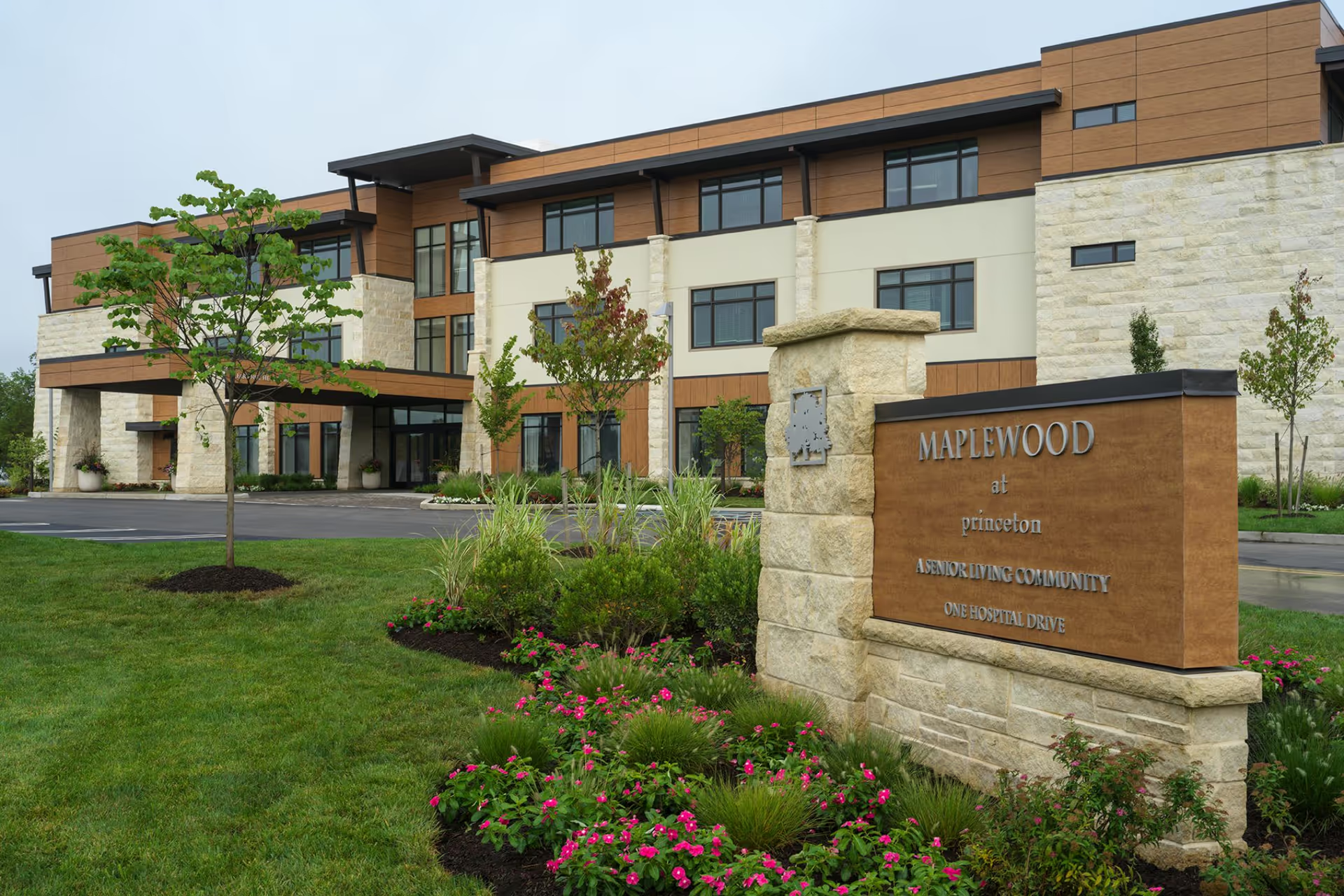
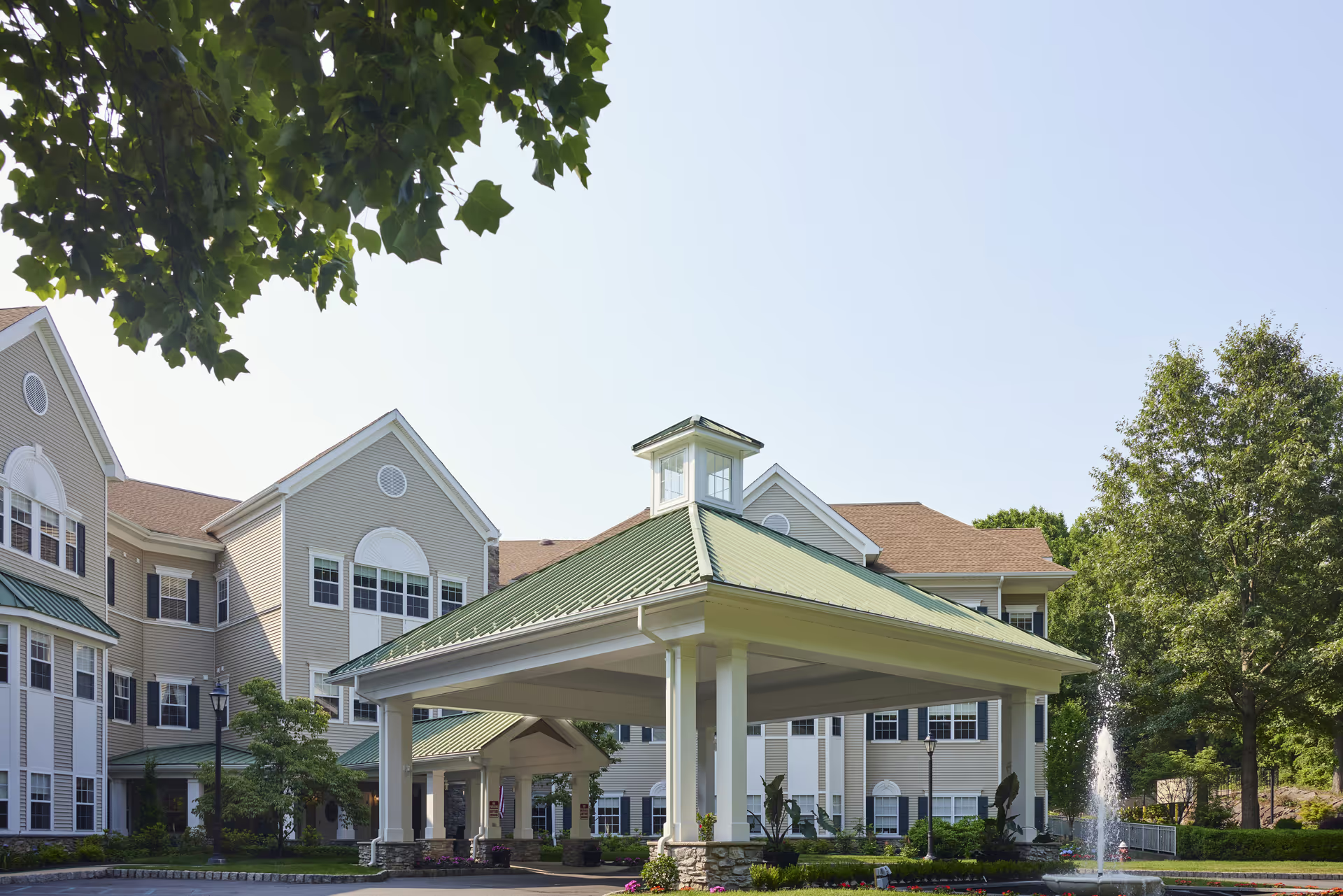
Brandywine Princeton by Monarch presents a largely positive profile for prospective residents and families, with pronounced strengths in direct care, programming, and on-site clinical services. Reviewers commonly praise the clinical and caregiving teams as compassionate and knowledgeable; the community reports 24/7 nursing and an engaged wellness department that communicates medical changes and coordinates with families. On-site therapy (PT/OT/speech) and a connected rehabilitation center are repeatedly cited as practical advantages for short-term recovery and ongoing mobility support.
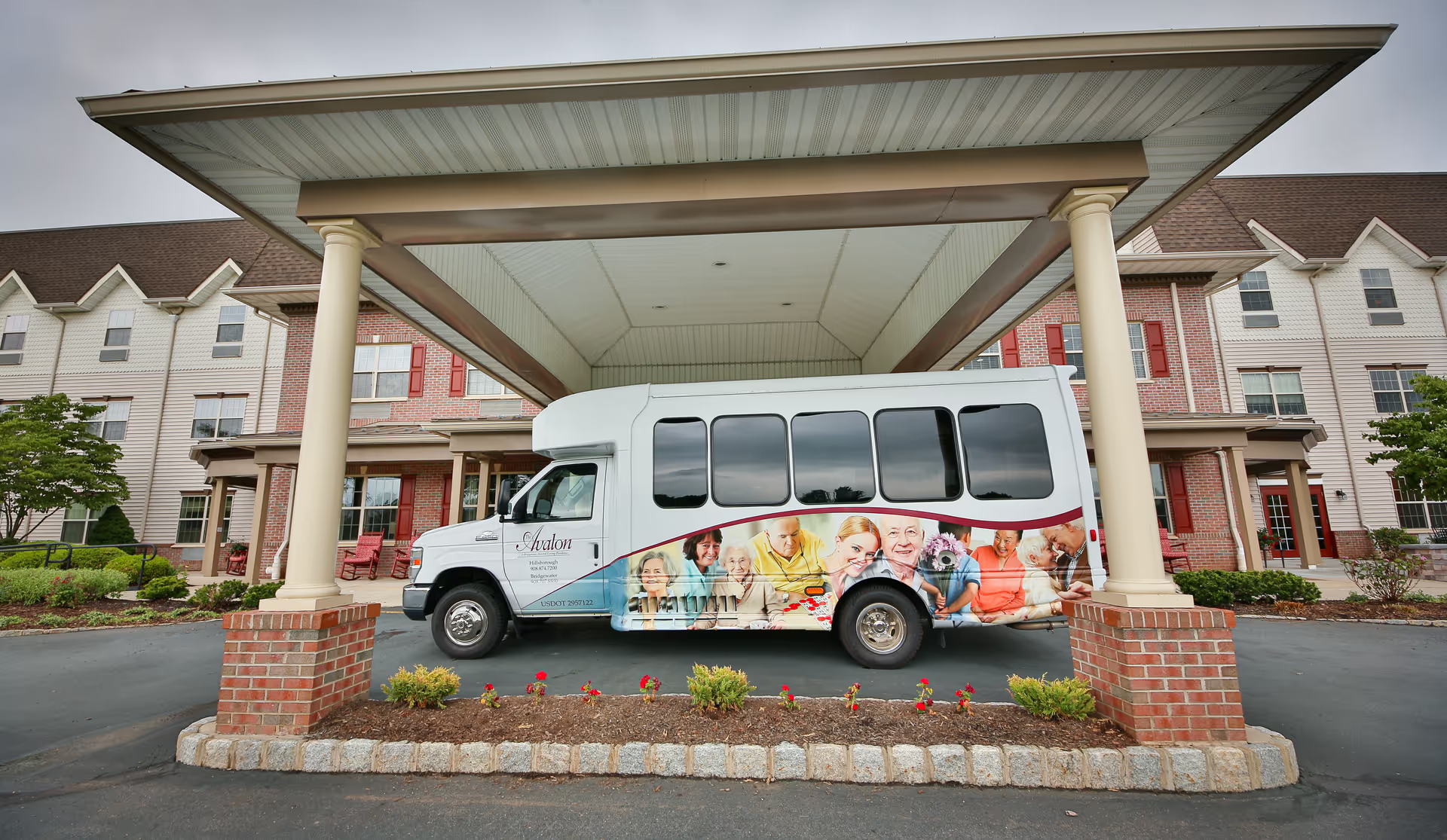
The life-enrichment department is a consistent highlight. The activities program is broad and creative, with music-centered programming, art and mural projects, clubs, regular outings (river trips, museums, markets, restaurants), a movie theatre, garden activities, and social celebrations. Families describe proactive outreach (emails with photos) and an energetic calendar that supports socialization and engagement. Amenities such as a salon, gym, podiatry visits, and concierge/front-desk services contribute to a resort-like environment that many residents and families find welcoming.
Dining and daily living receive mixed but generally favorable commentary. Many note appealing menus, 24-hour dining options, and attentive dining staff willing to accommodate preferences. At the same time, there are recurring concerns about inconsistent food quality and limited customization for specific dietary requirements (for example, lower-sodium or higher-fiber needs). Housekeeping and weekly laundry are included and often praised; however, several families reported laundry-management and clothing-tracking issues that suggest process improvements are needed.
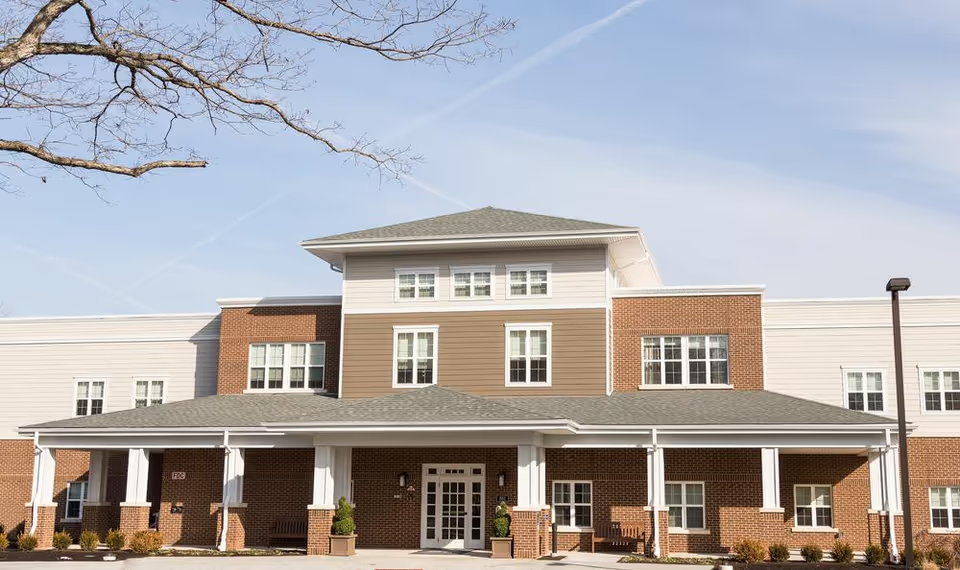
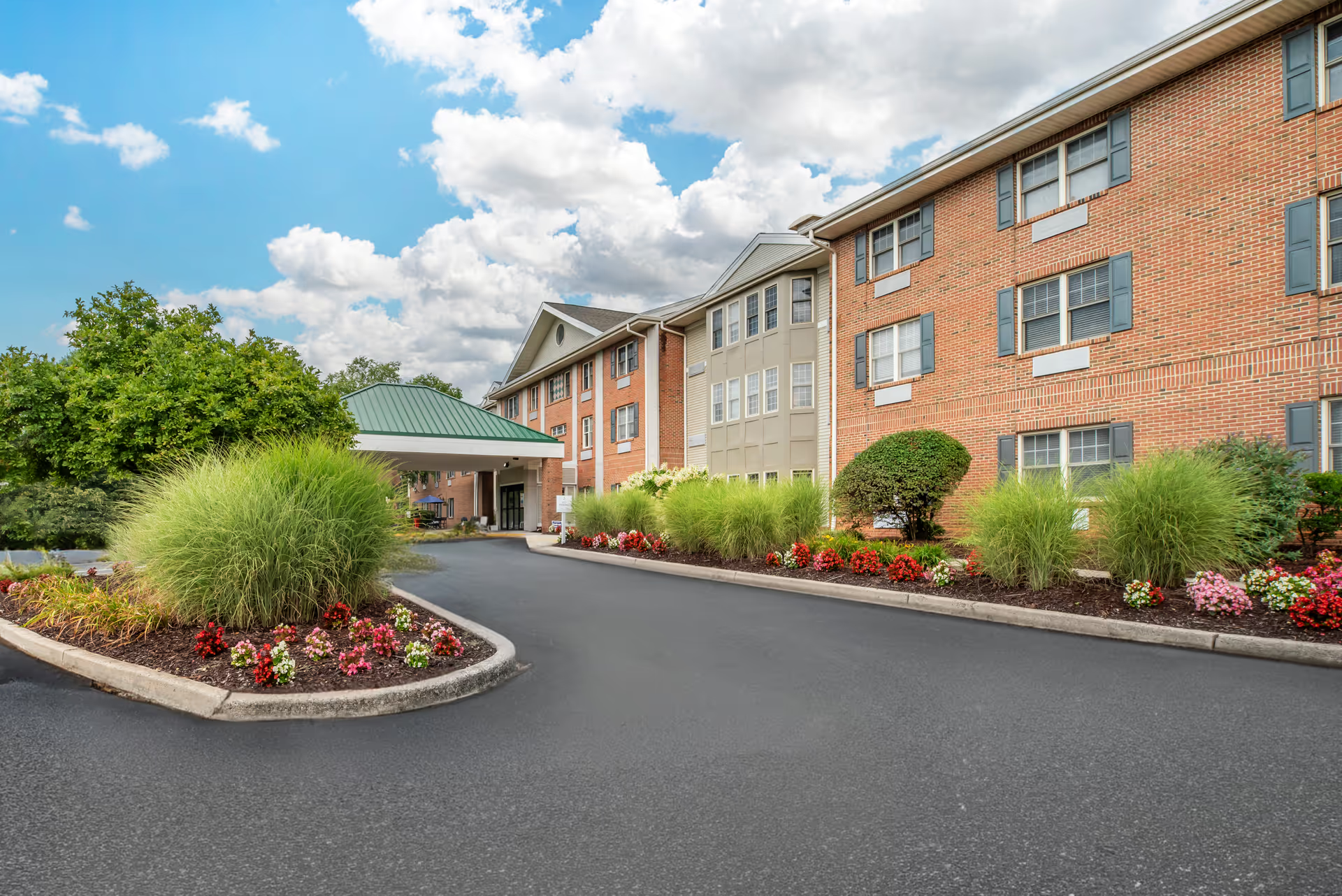
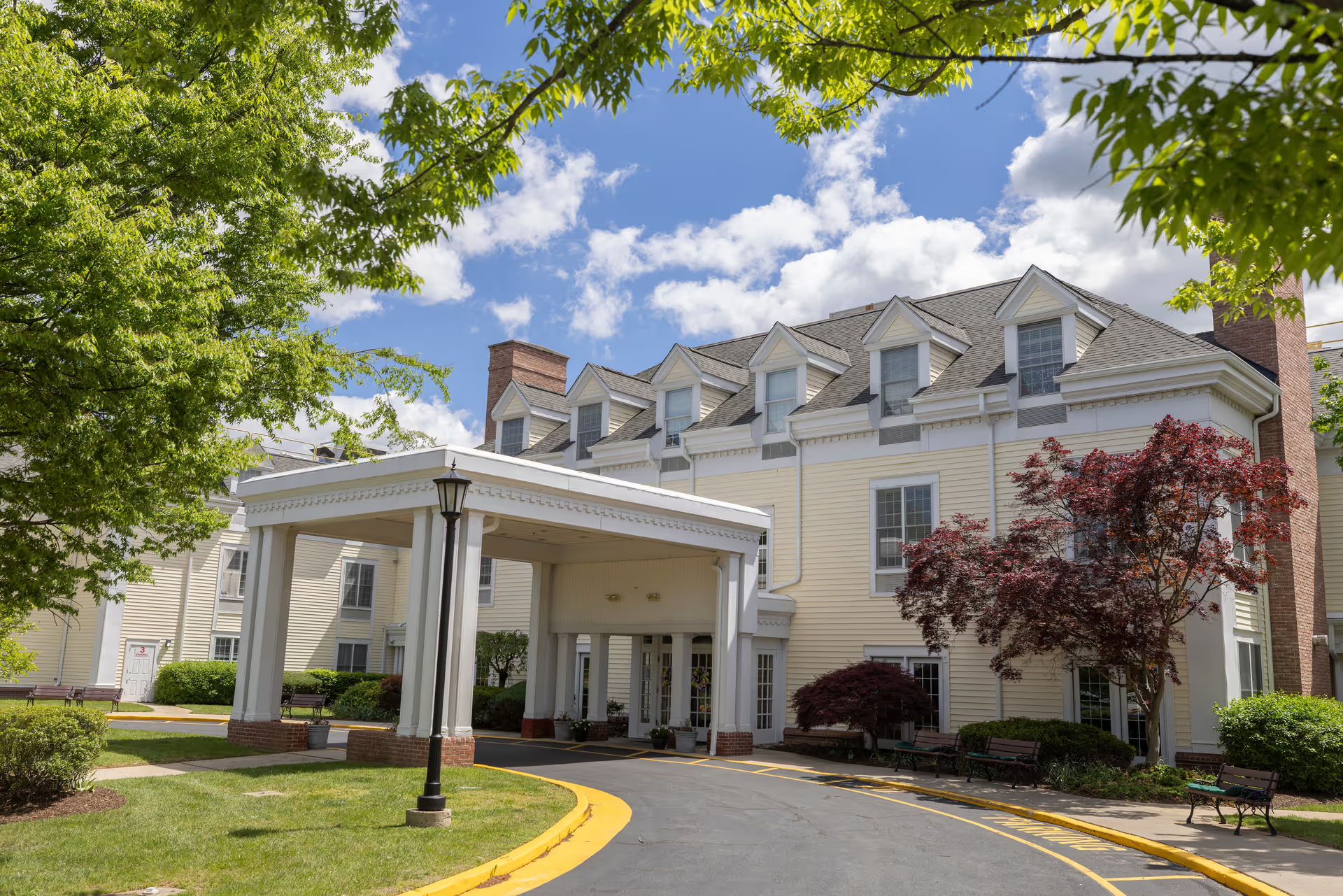
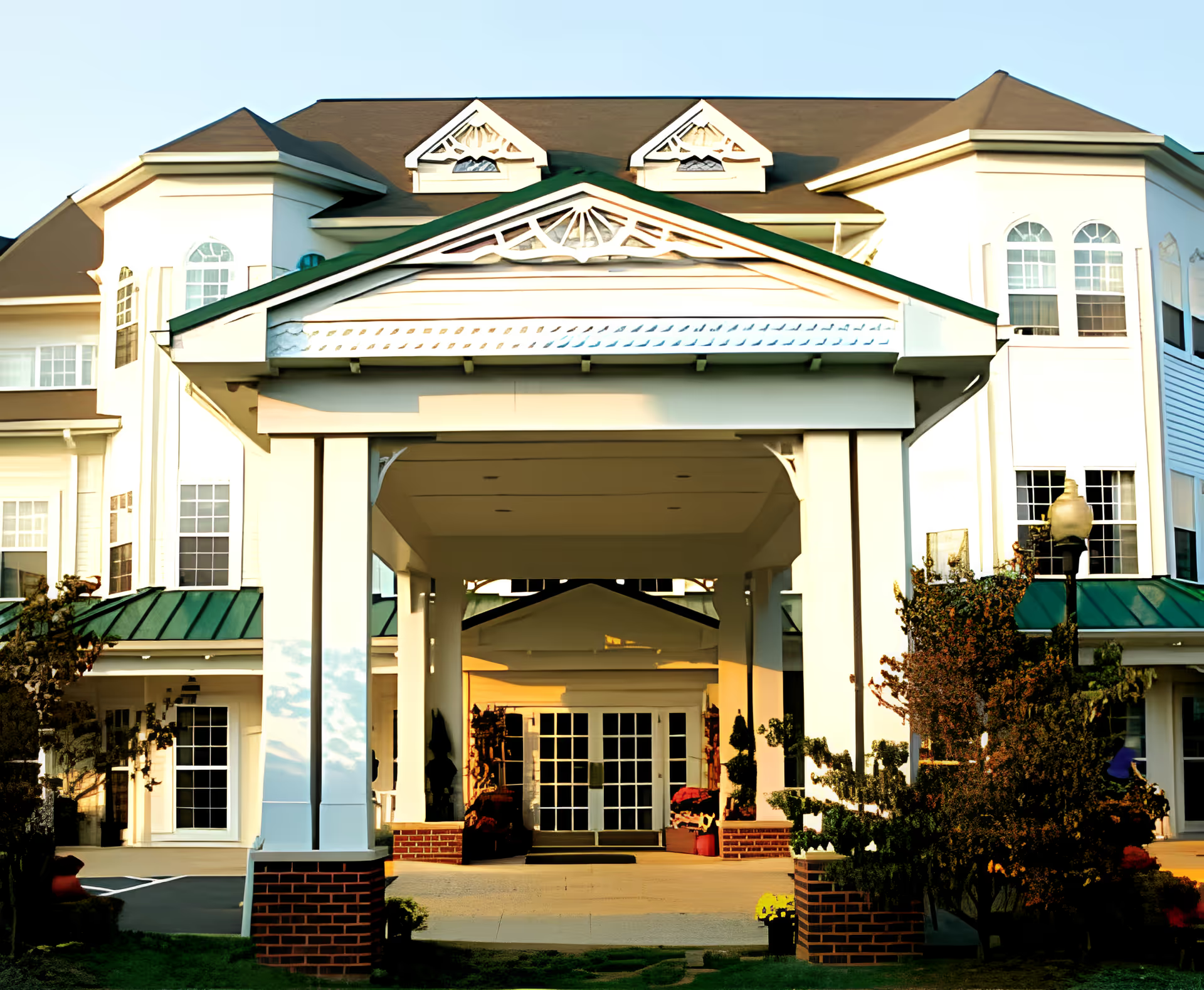
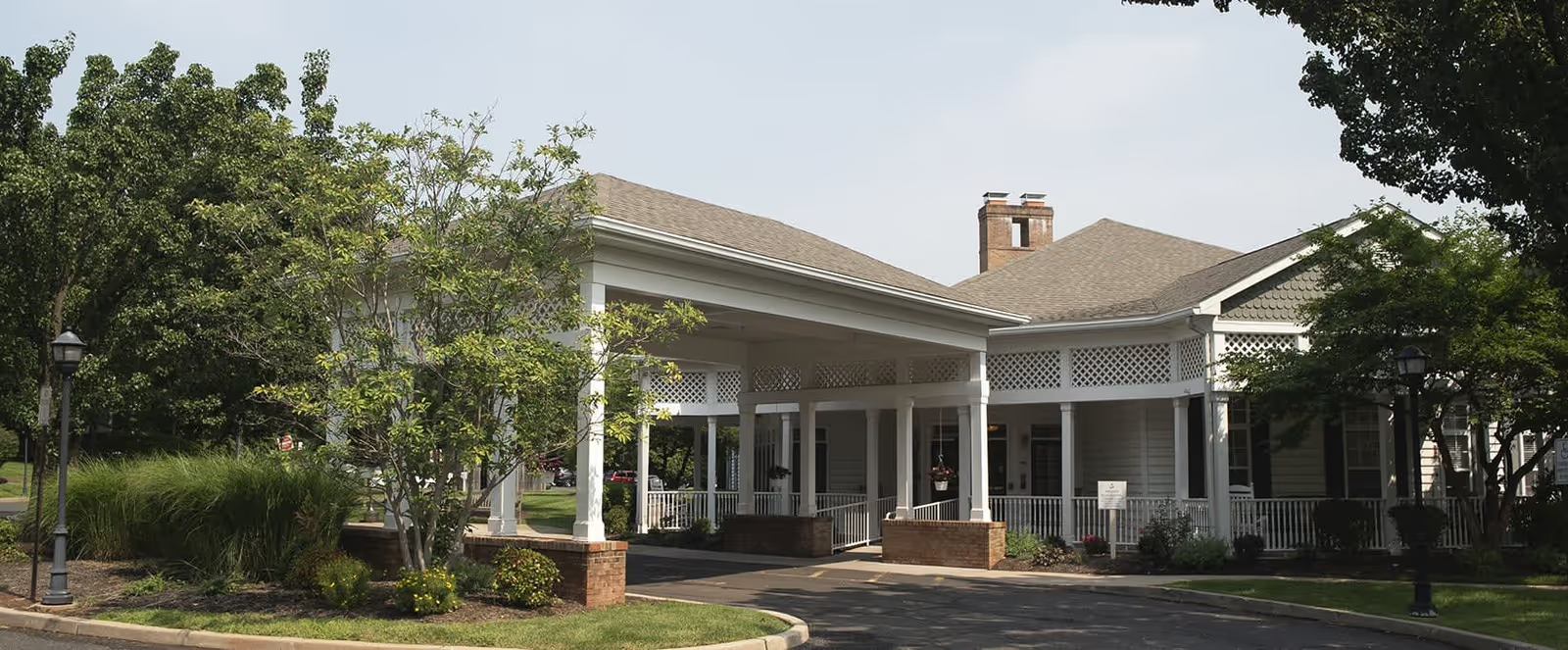
Facility condition and operations show a dual pattern. Numerous reviews describe an attractive, immaculately maintained property with bright common areas and comfortable apartments. Conversely, others describe variable cleanliness or maintenance follow-through — examples include delayed repairs, cosmetic workmanship issues, and smaller bathroom footprints in some units. Staffing and operational consistency are the main recurring weaknesses: reviewers describe periods of reduced staffing (notably evenings and weekends), variability in staff training and responsiveness, and uneven resident experience between units or shifts.
The community receives strong endorsement for personalized transition support and family communication in many cases, with leadership and specific staff members named for their effectiveness. Nonetheless, there are also reports of lapses in communication and billing/Medicaid administration that warrant inquiry during the tour and contract review. A small number of families raised serious post-incident concerns and alleged lapses in care; these accounts are outliers but underscore the importance of direct verification with the community and regulators when applicable.
Practical next steps for prospective families: confirm typical staffing patterns by shift and weekend, ask for specific examples of dietary accommodation processes, review laundry and inventory procedures, request typical maintenance response timelines, and discuss how the community assesses and manages residents with advanced dementia to ensure level-of-care alignment. Overall, Brandywine Princeton offers substantial programming, clinical resources, and an engaged staff culture, while exhibiting operational variability in a few areas that deserve focused inquiry during a visit.