Artis Senior Living of Princeton Junction is consistently described as a memory-care–focused, state-of-the-art community with a strong emphasis on person-centered attention. Reviewers commonly praise the compassion and professionalism of frontline caregivers and nursing staff, the visible dedication of specific team members and leaders, and the facility’s specialization in cognitive-impairment care. Families emphasize that staff often know residents by name, use individualized care plans, and collaborate with hospice and outside clinical partners when needed. Leadership and administrative responsiveness are frequently highlighted, including clear admission and financing guidance and flexible family access policies.
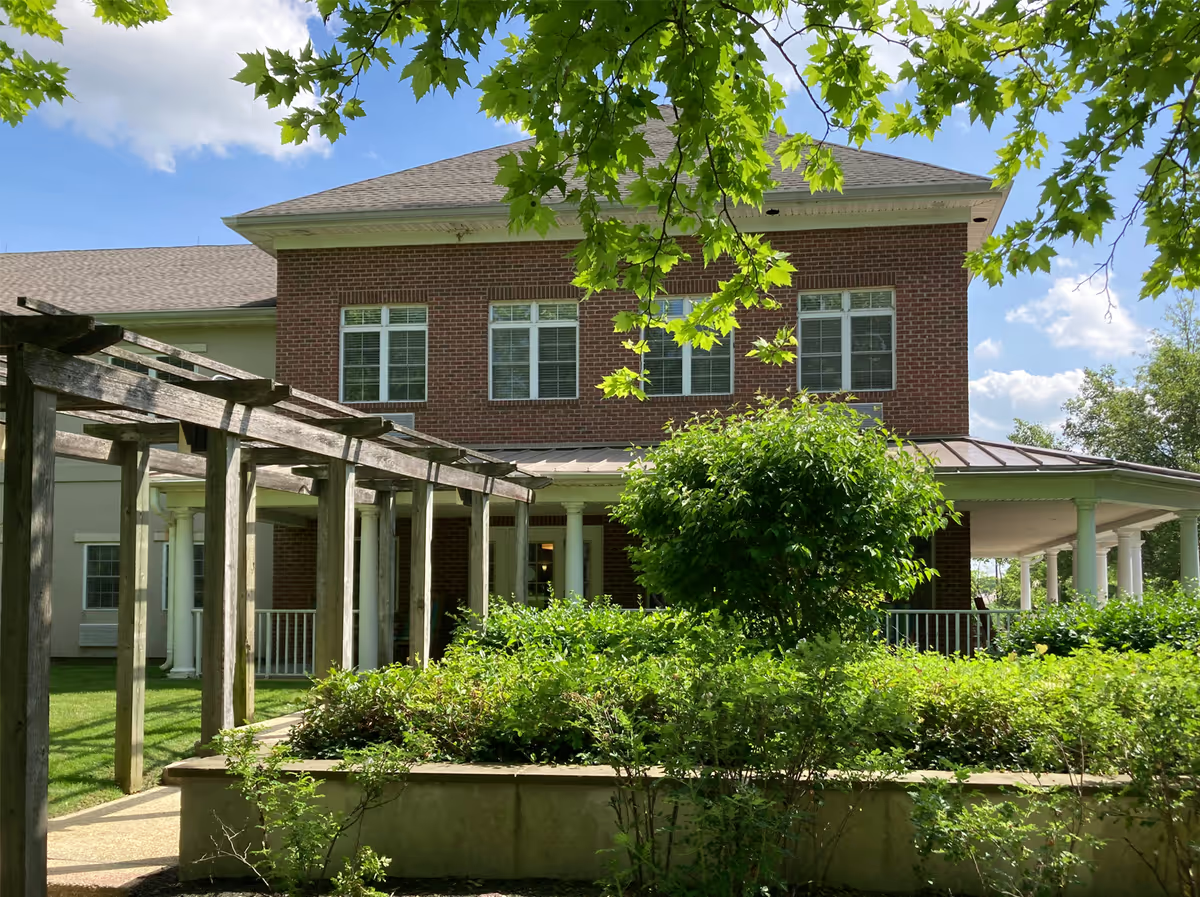
Activities and programming are a clear strength. The community offers a broad calendar of meaningful activities — from music and reminiscence programs to flower arranging, games, religious gatherings, and creative arts — and reviewers repeatedly singled out the activities director and team for energizing, person-centered offerings. Outdoor amenities such as a courtyard and screened porch, plus frequent photo/video updates for families, support resident engagement and family connection. Dining is likewise noted as a positive: reviewers describe a high-quality culinary team, varied menu choices, and a restaurant-style dining atmosphere.
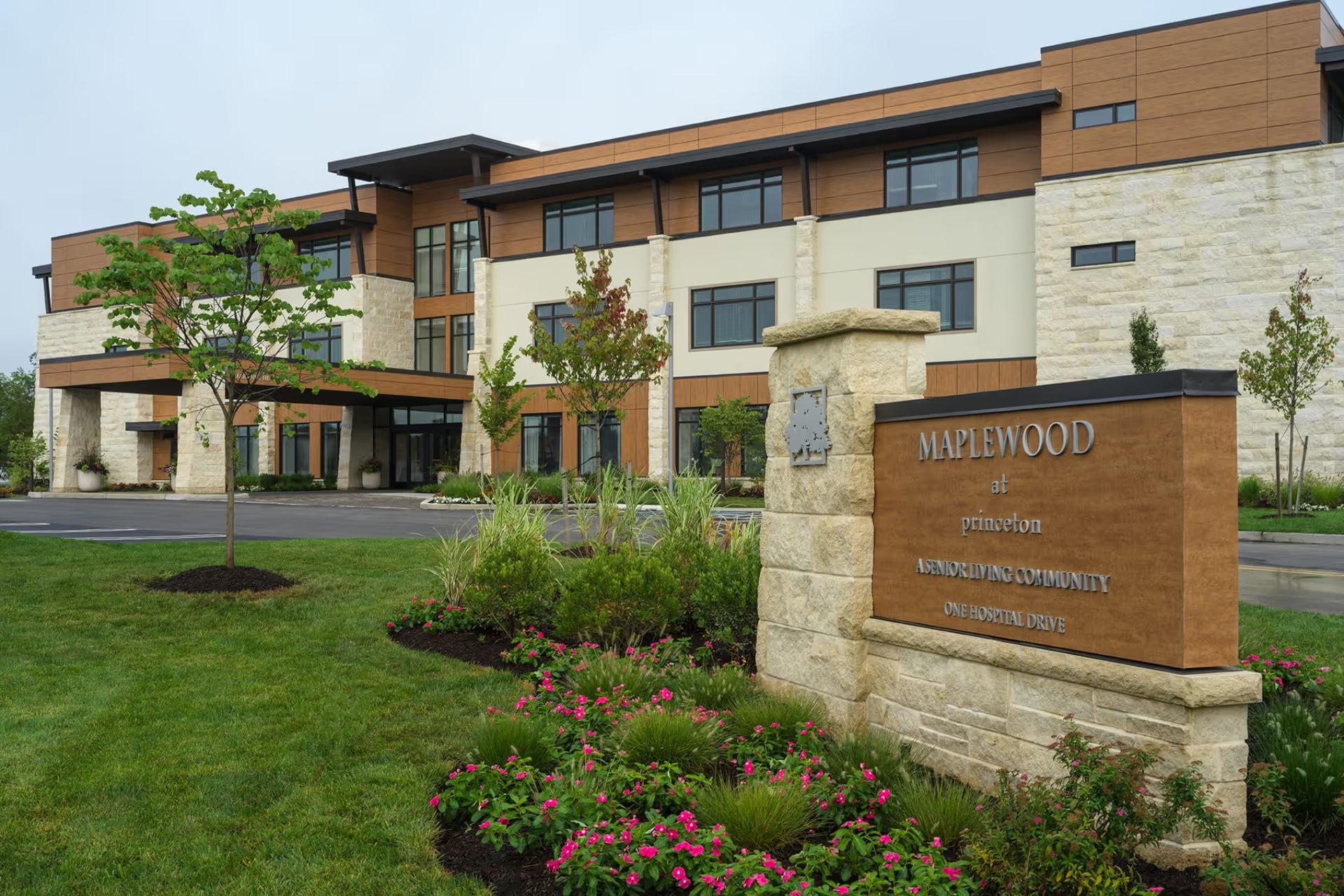
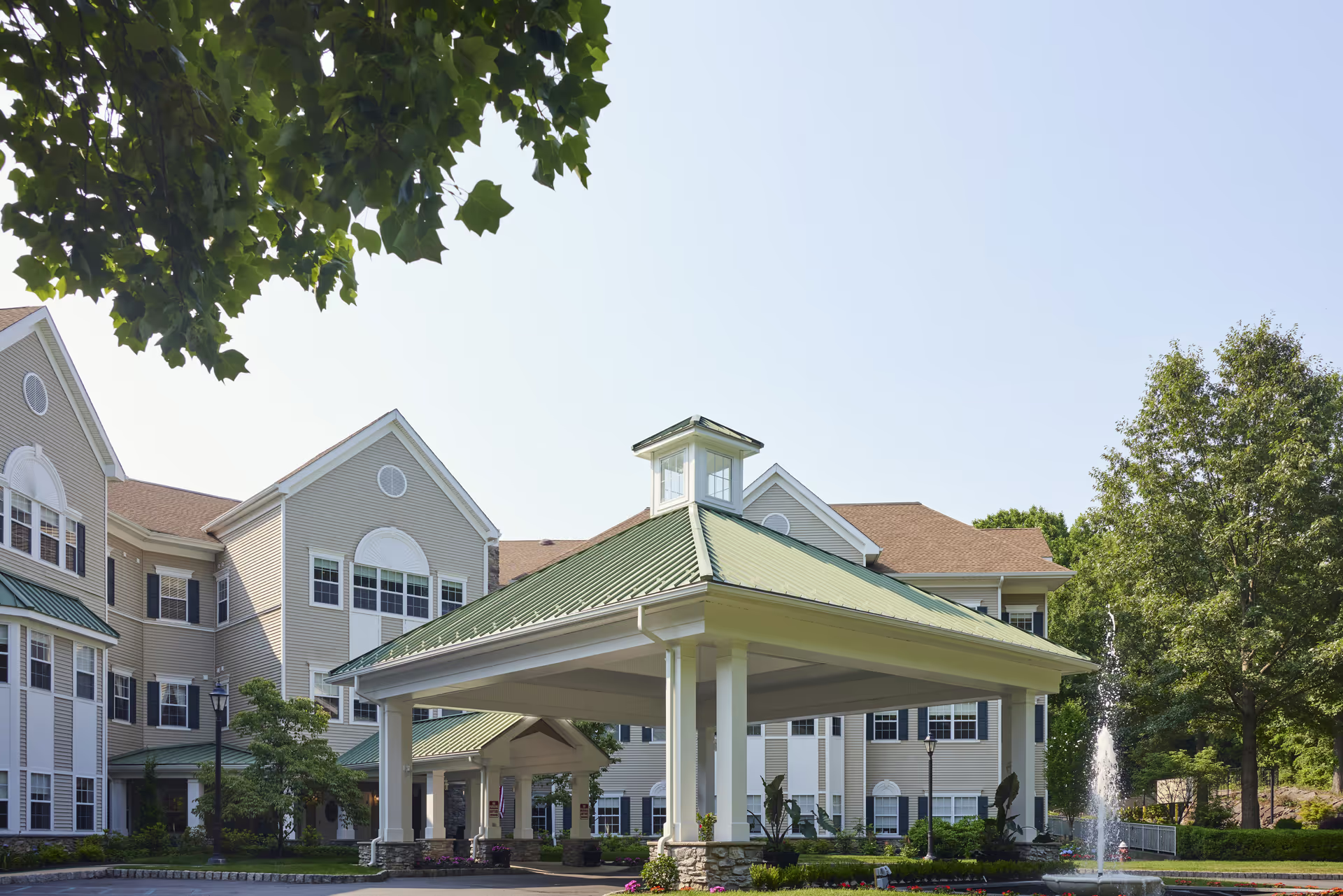
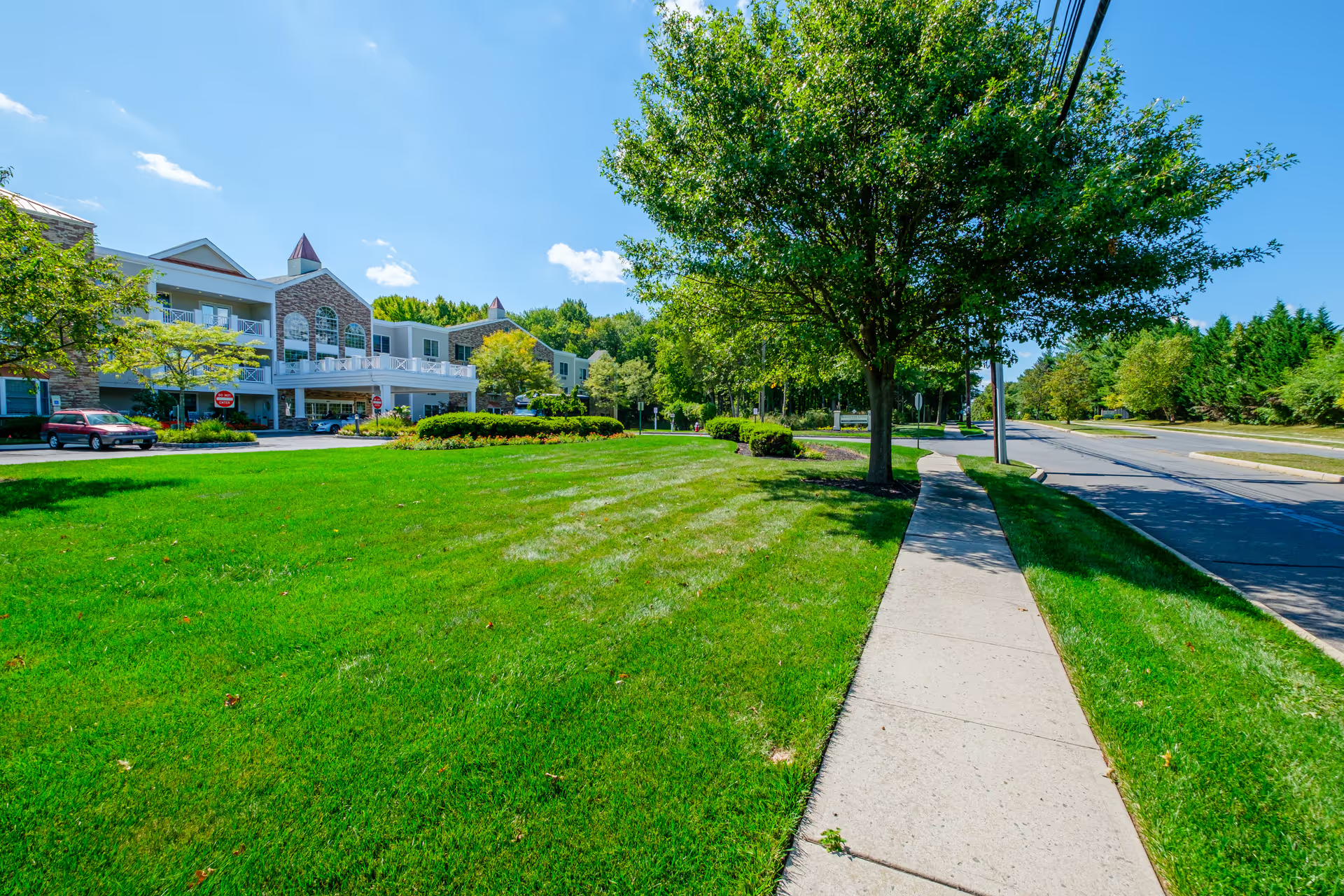
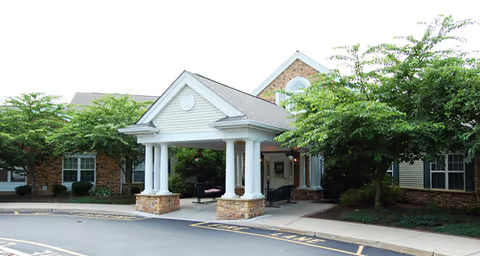
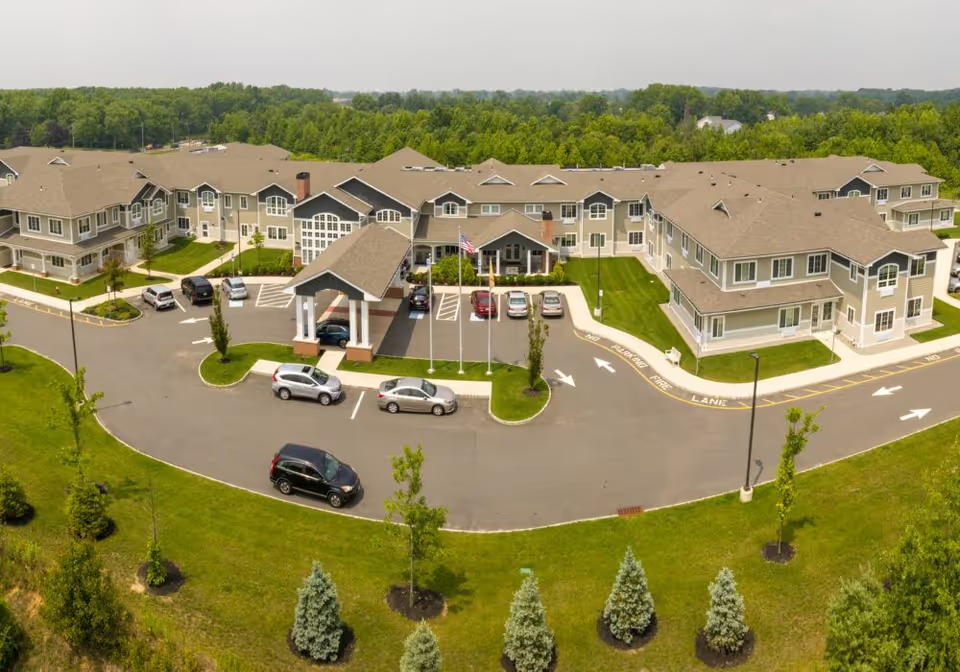
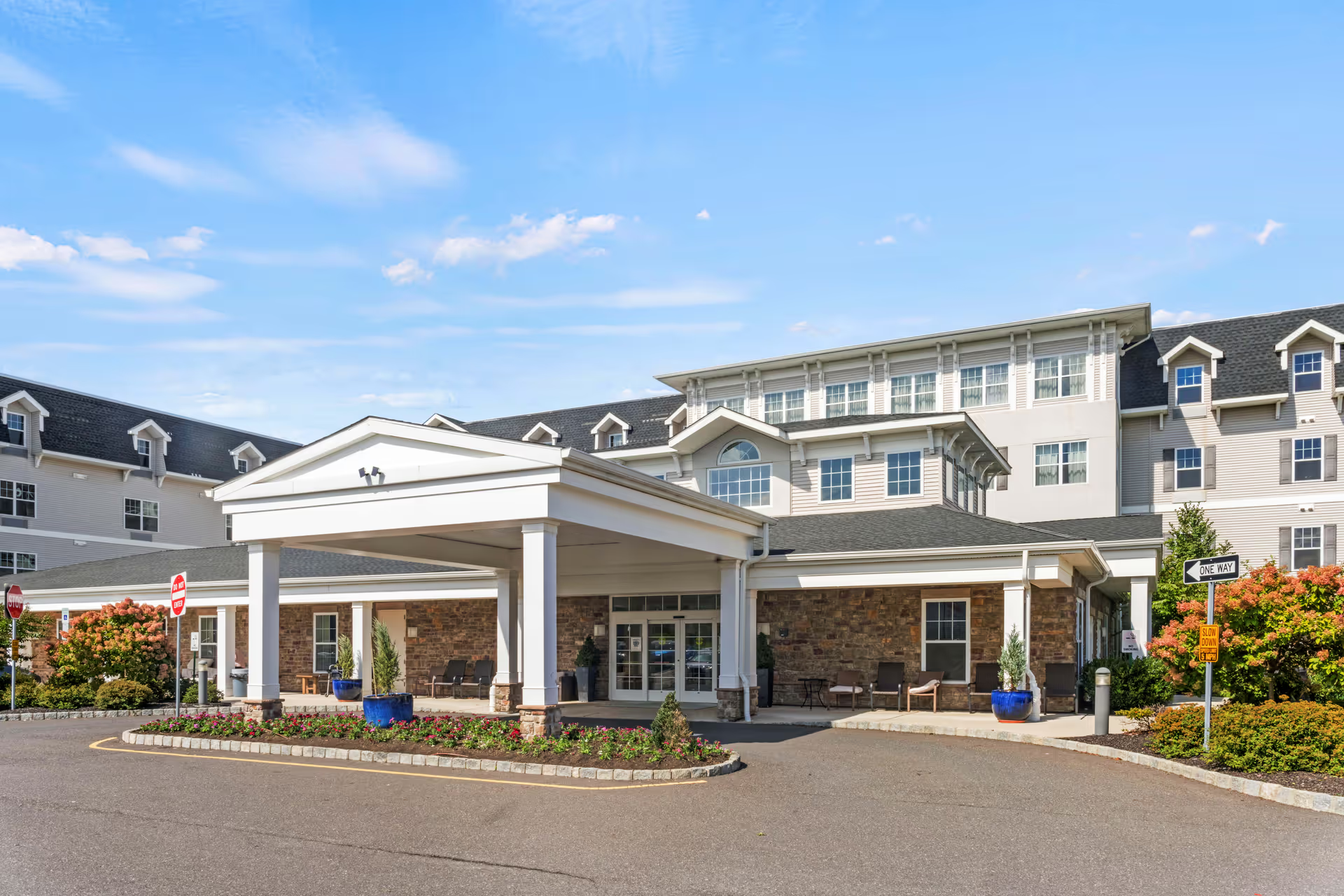
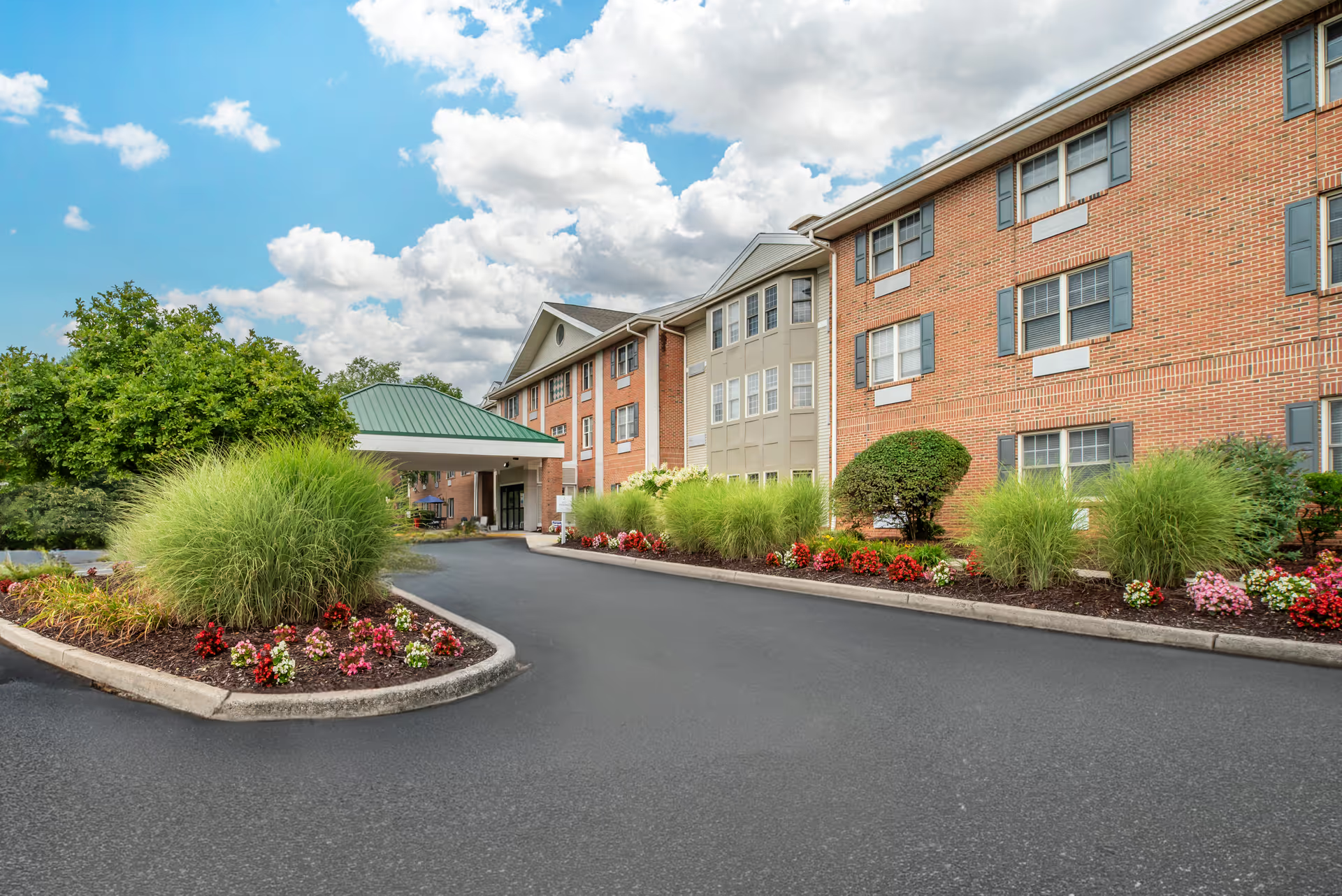
Facility and environment descriptions are mostly favorable: the building is modern, clean, and well-maintained, with multiple distinct neighborhoods intended to tailor care to different needs. At the same time, some reviewers indicate operational weaknesses that prospective families should consider. Cost of care is frequently characterized as high. Several reviews describe inconsistent communication between staff and families, and a few describe conflicting information in clinical transitions (for example, between hospital and community providers), which has impacted family trust. Staffing variability and turnover are noted as contributing to intermittent reductions in individualized attention, particularly for residents with higher-dependency needs.
There are also isolated but important concerns about sanitation and odor in portions of the building, and a small number of comments about privacy and intrusive room-entry practices. These comments suggest pockets where operational oversight could be strengthened. Overall impressions combine high praise for the caregiving culture, activities program, and dining quality with caution regarding cost, communication consistency, and occasional declines in day-to-day operational consistency.
For prospective residents and families: the community appears to offer a robust, engaging memory-care environment with many experienced, committed staff and strong programming. Families prioritizing activity engagement, specialized dementia programming, and a modern campus are likely to find strengths here. Those for whom cost, continuity of specific caregivers, or extreme individualization for very high-need residents are primary concerns should probe staffing patterns, sanitation oversight, family-communication protocols, and clinical handoff procedures during a tour and in discussions with leadership.