Brookdale Hamilton receives substantial praise for its person-centered culture, with many families describing compassionate, engaged caregivers and a family-like atmosphere. The facility's activities program is a clear strength: reviewers cited a broad schedule that includes music therapy, personalized media content, arts and crafts, physical exercise, outings, themed parties, and one-on-one engagement. These offerings, together with regular social treats and evening programming, contribute to residents appearing socially engaged and purposeful.
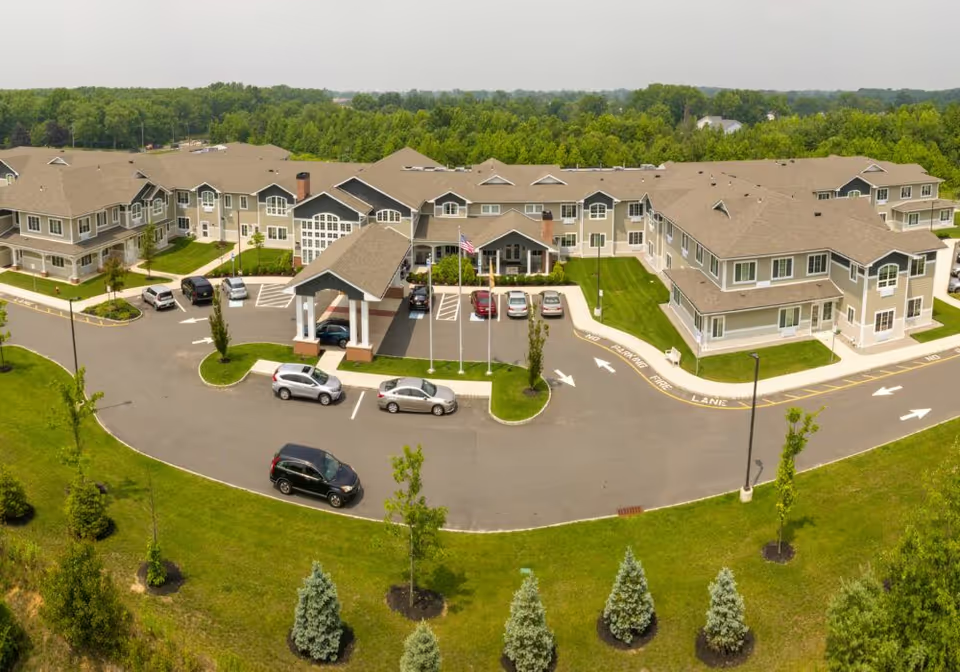
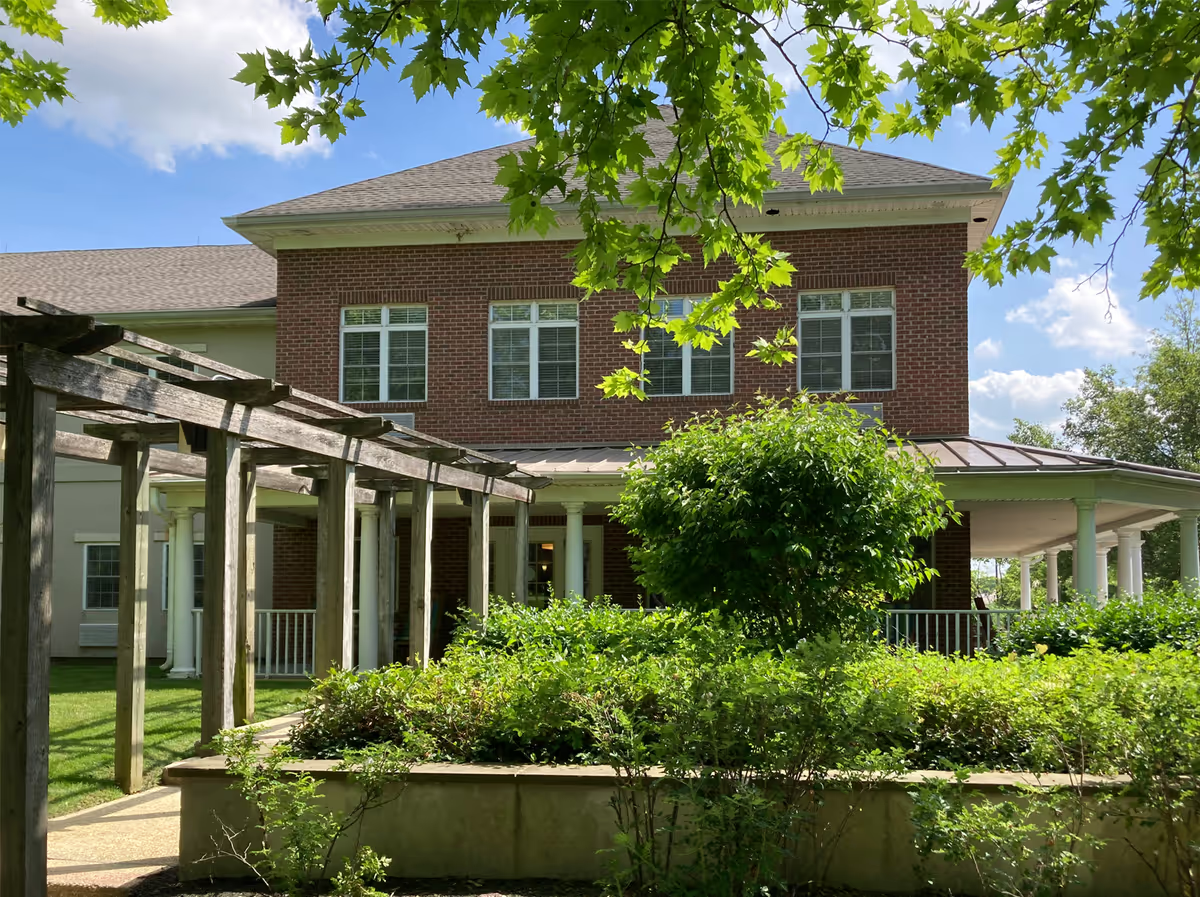
Staff accessibility and communication are frequently highlighted. Families report proactive care updates, an open-door administrative approach, and staff who are easy to reach. Several reviewers singled out long-tenured employees, a responsive maintenance team, and specific staff members (nurses and activities personnel) as particularly attentive. The facility also offers memory-care programming, on-site therapy services, secure single-floor design with outdoor access, and a variety of apartment layouts that include kitchenette options — all elements that support both safety and choice for residents.
Dining at Brookdale Hamilton is described variably: many note a restaurant-style dining room, menu variety, dietary customization, and appealing items that residents enjoy. At the same time, multiple accounts indicate inconsistency in meal quality and dining-room management, including challenges when resident behavior disrupts service. Snack access and some popular menu items are positives, but families should expect variability in day-to-day culinary delivery.
Several operational and clinical patterns emerge as areas for due diligence. Reviewers described staffing variability — including turnover and uneven performance among aides and evening staff — which can lead to intermittent delays in responsiveness and variable approaches to care. Some noted lapses in medication review processes and clinical oversight, and a few described sanitation or grooming inconsistencies. There are also reports of move-in logistics problems such as misplaced belongings. A small number of more serious clinical concerns were raised, including wound-care outcomes; families should request documentation of clinical protocols, staffing levels, and relevant quality metrics when evaluating the community.
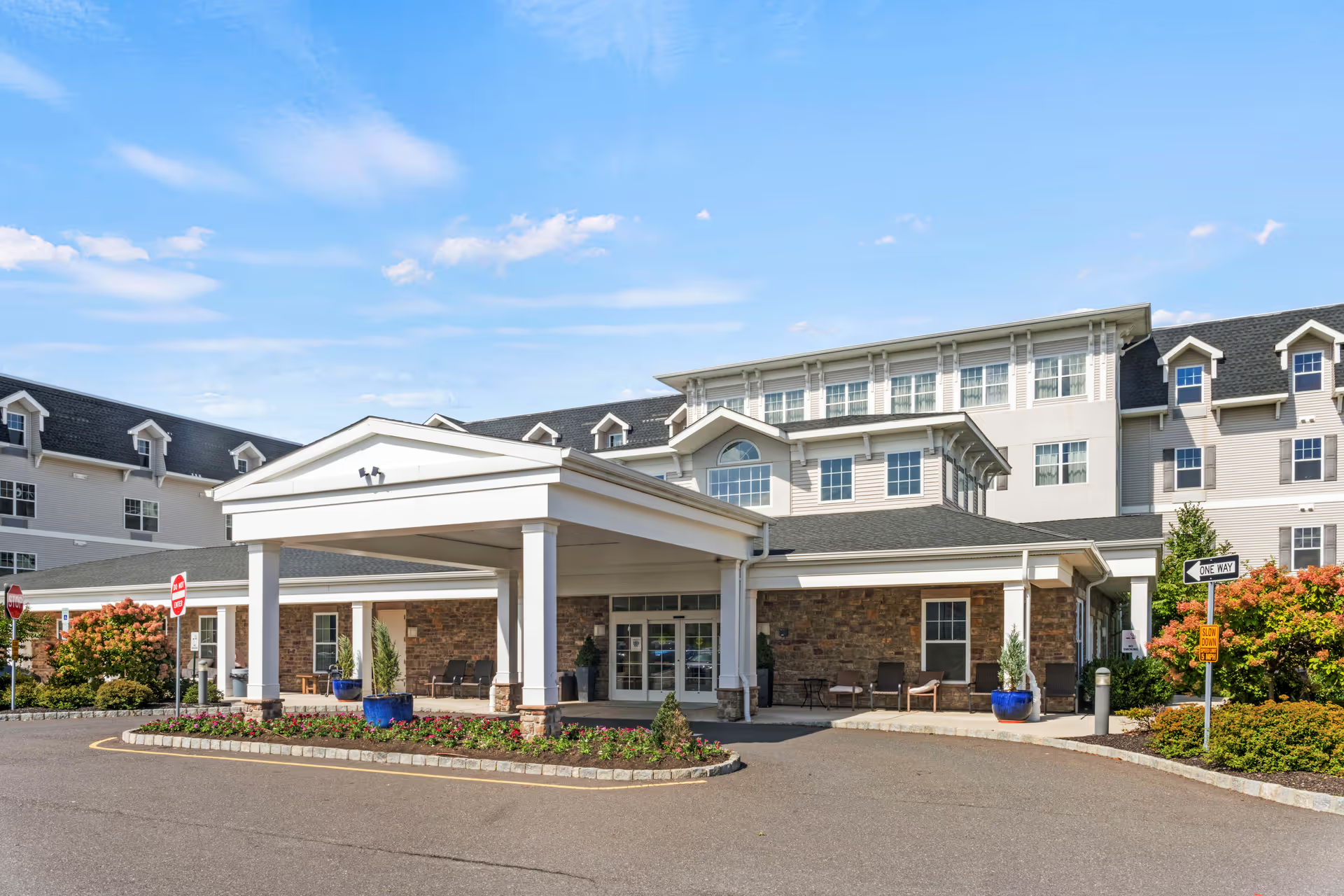
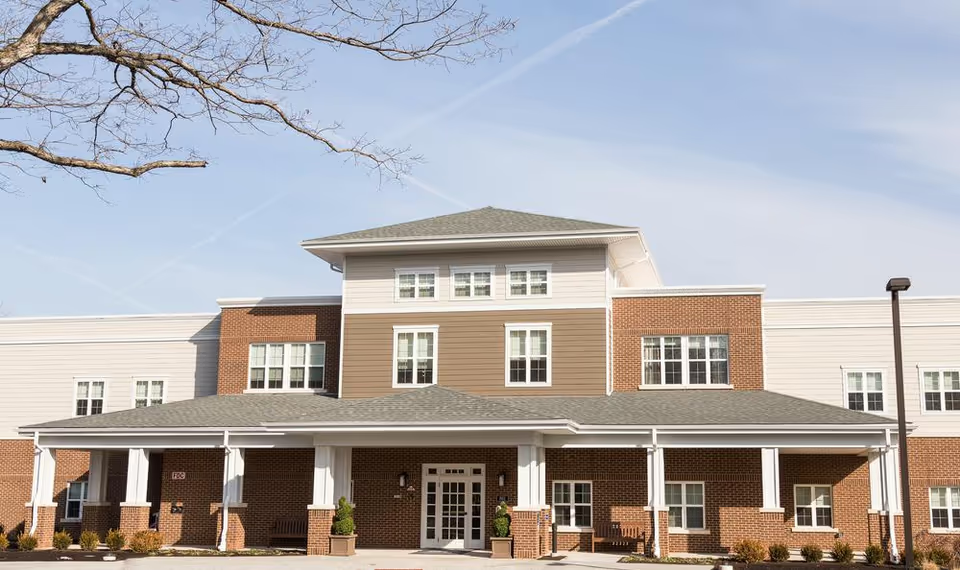
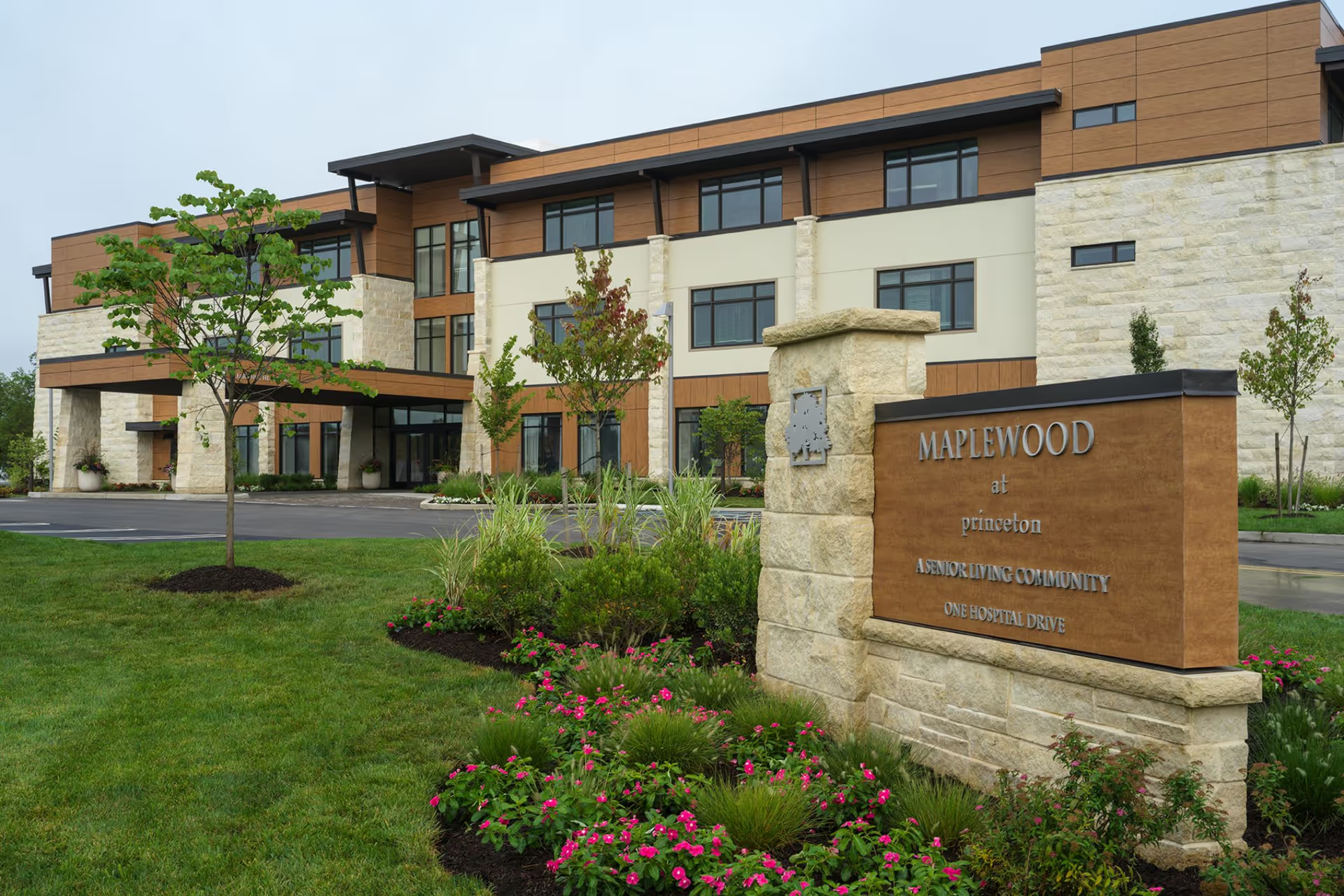
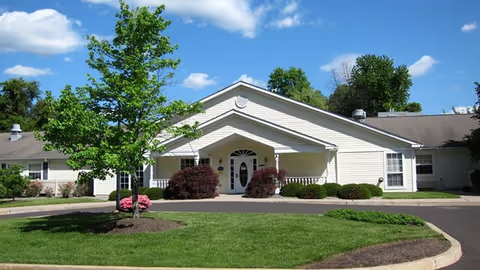
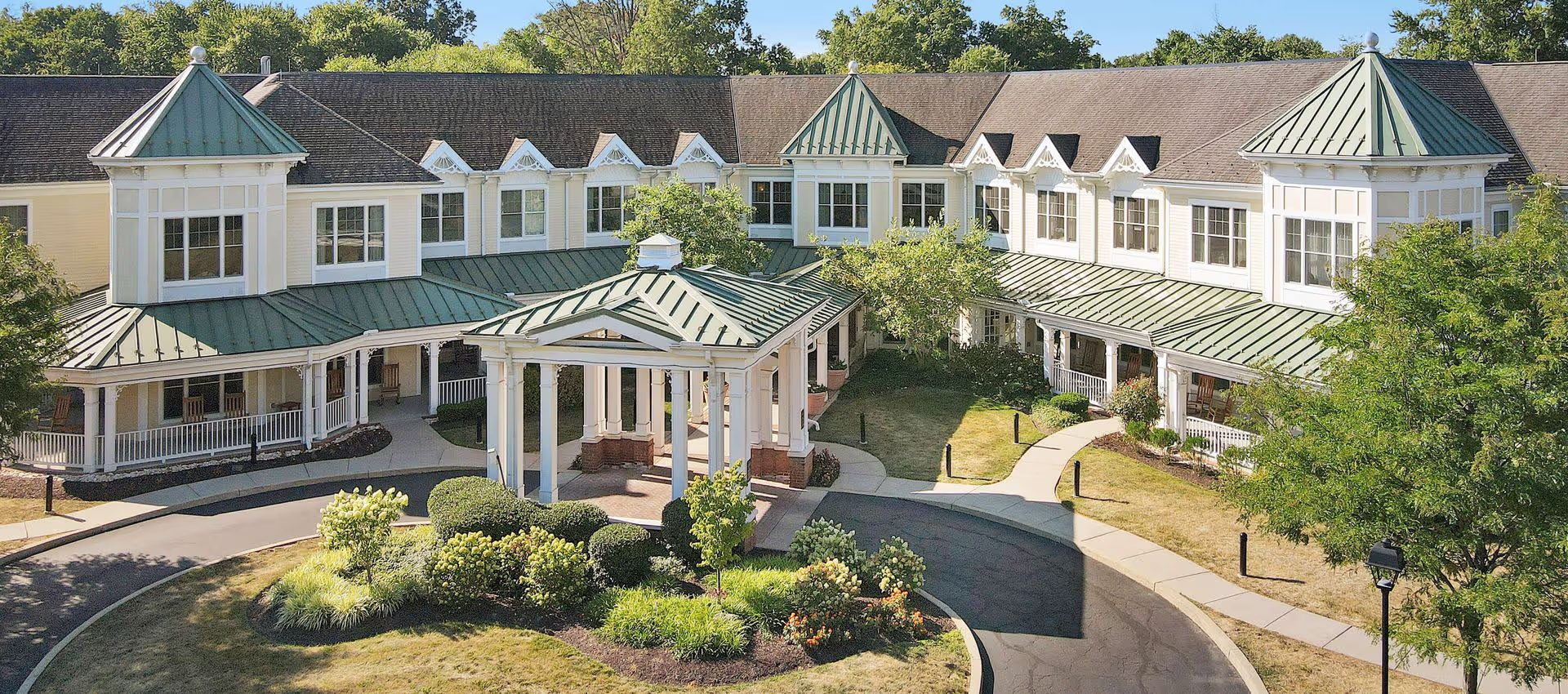
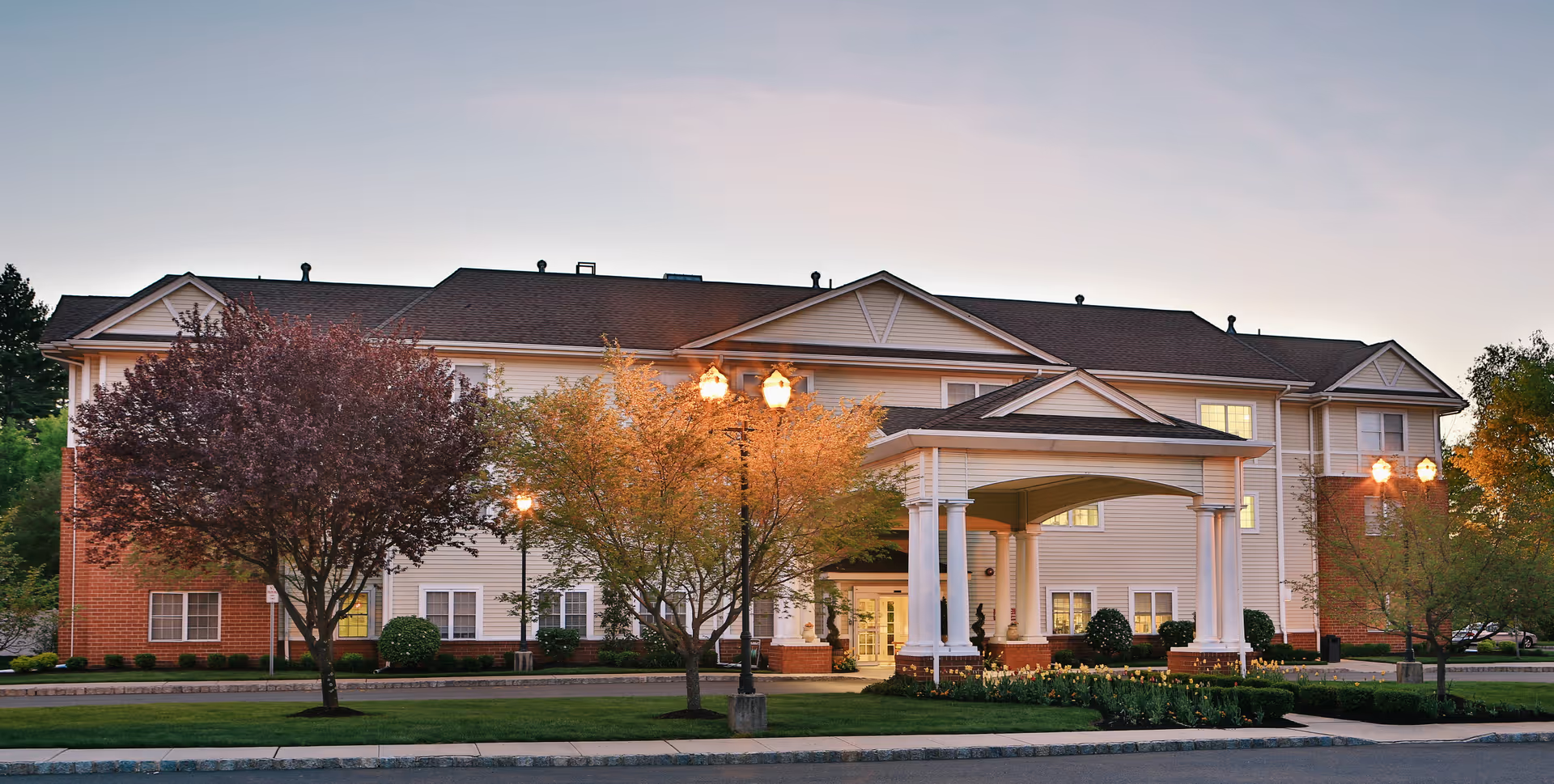
Management and cost structure present mixed impressions. Many reviewers praised administrators for responsiveness, clear tours, and efforts to address concerns; others perceived variability in leadership engagement over time. Pricing is generally above average and some families reported rate increases tied to dementia-care progression; the community does offer all-inclusive pricing options and may have Medicaid beds available but without guarantees. Prospective residents and families should weigh the strong social programming, attentive aspects of caregiving, and clean, well-maintained environment against the facility-level issues noted above. Recommended next steps include an in-person tour during meal and activity times, direct conversations about staffing ratios and clinical oversight, review of medication and wound-care protocols, and clarification of contract terms related to price adjustments.