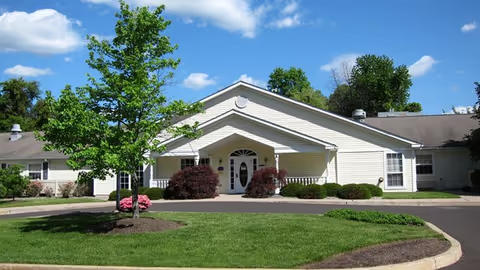
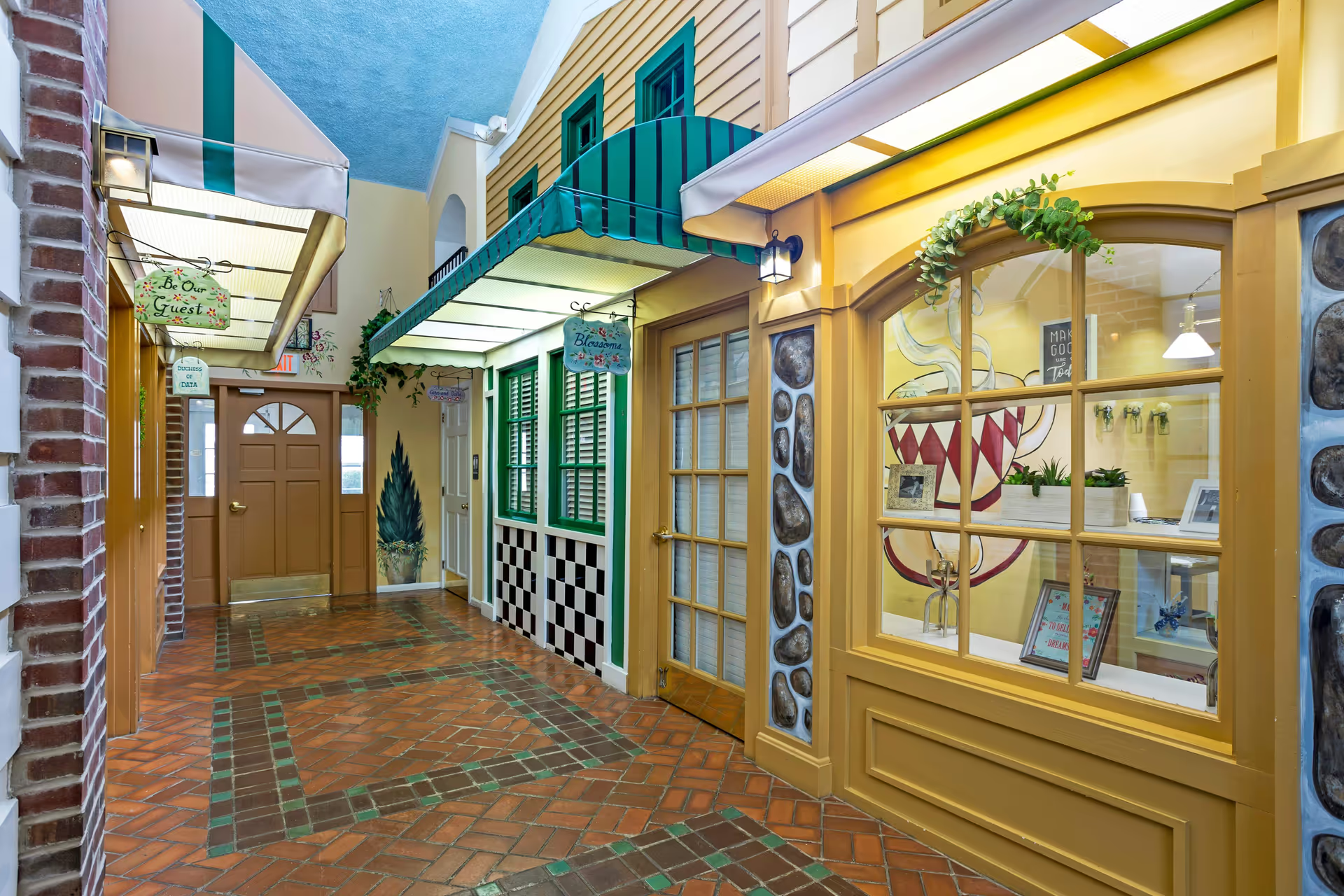
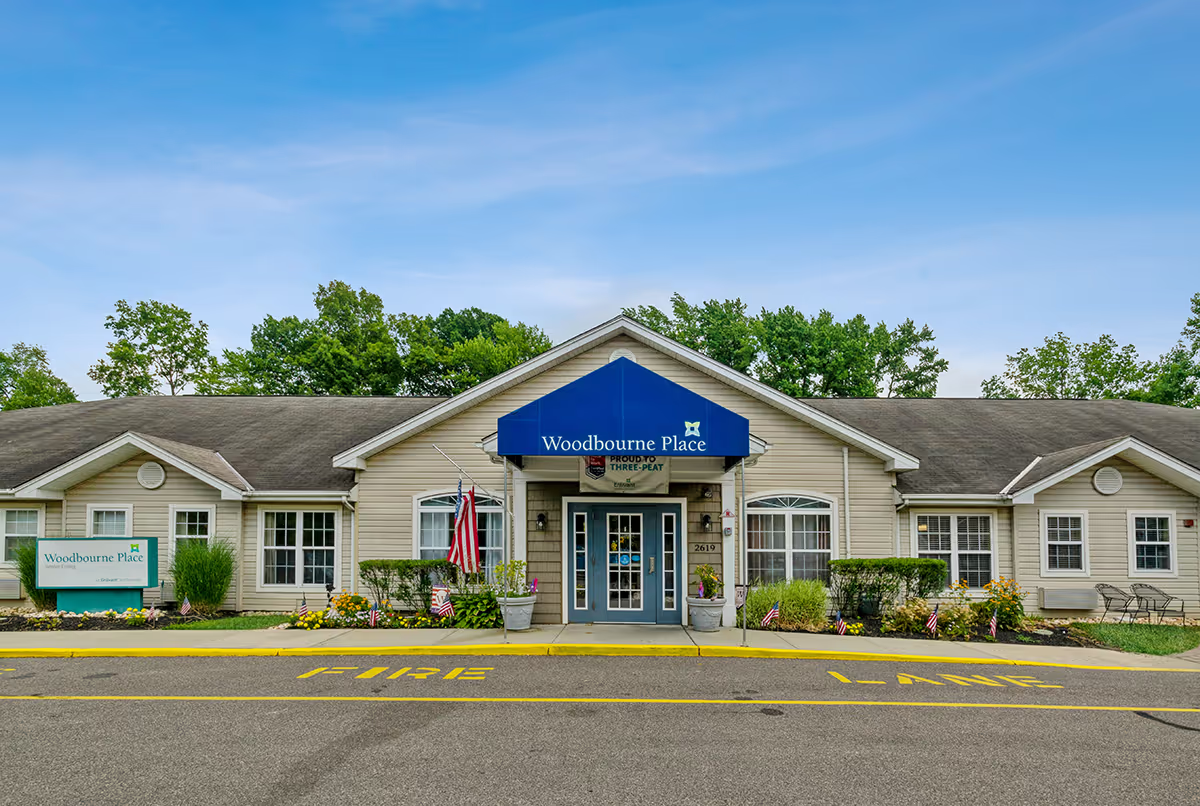
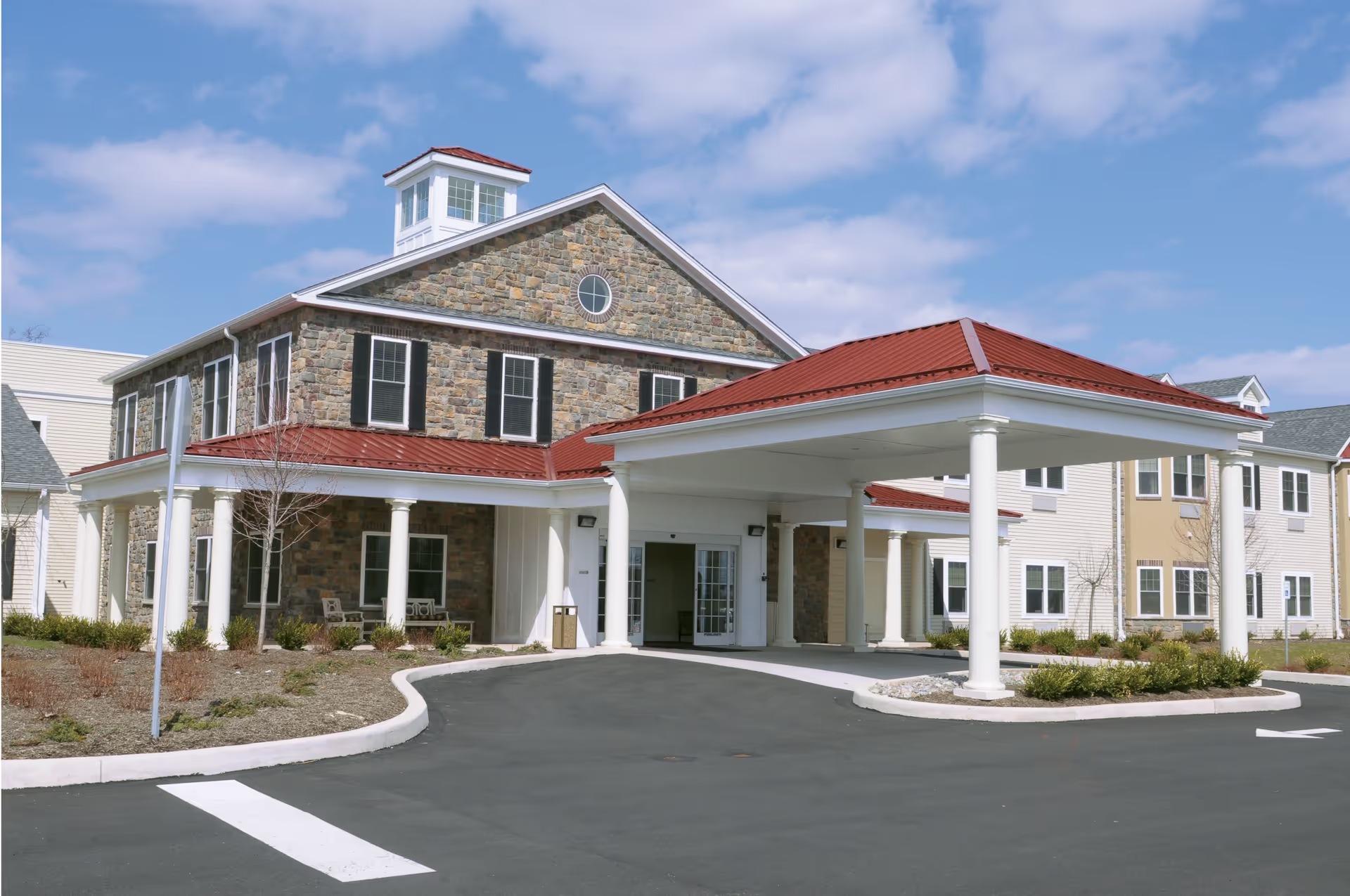
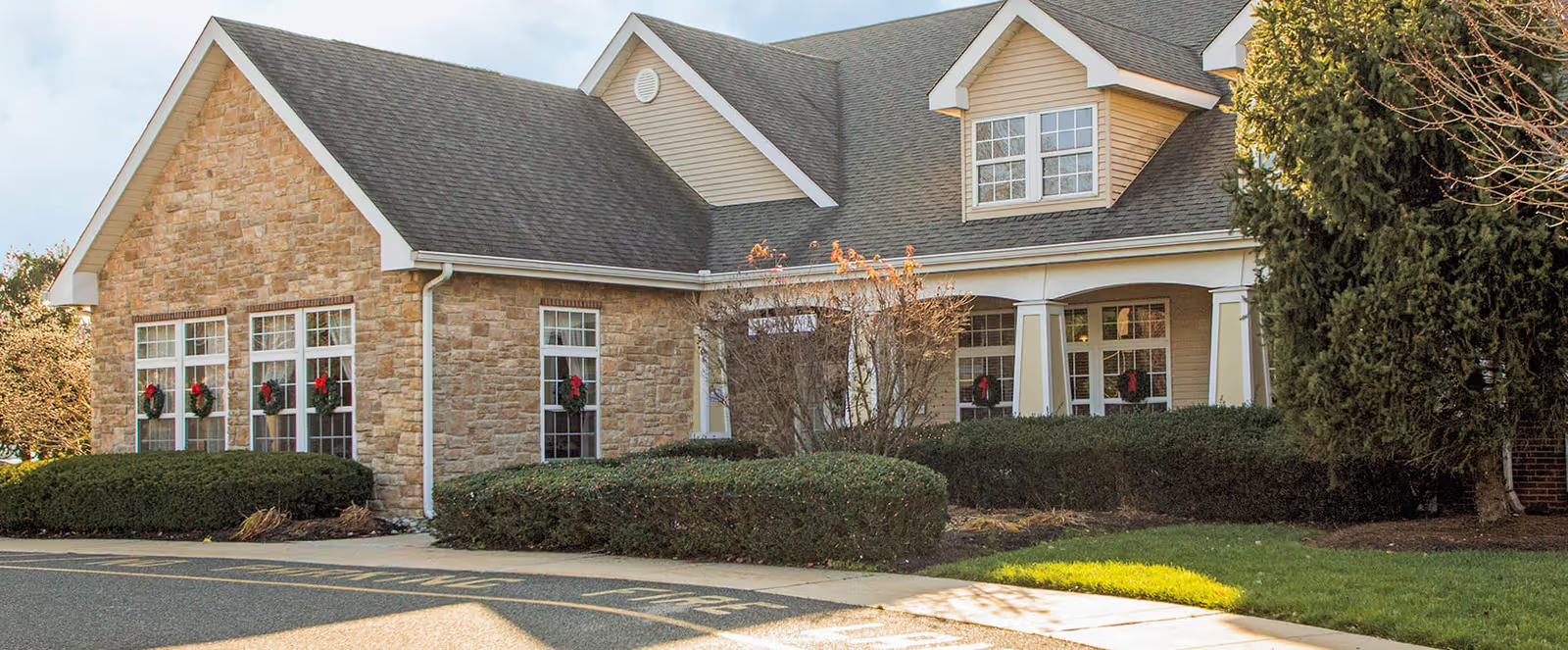
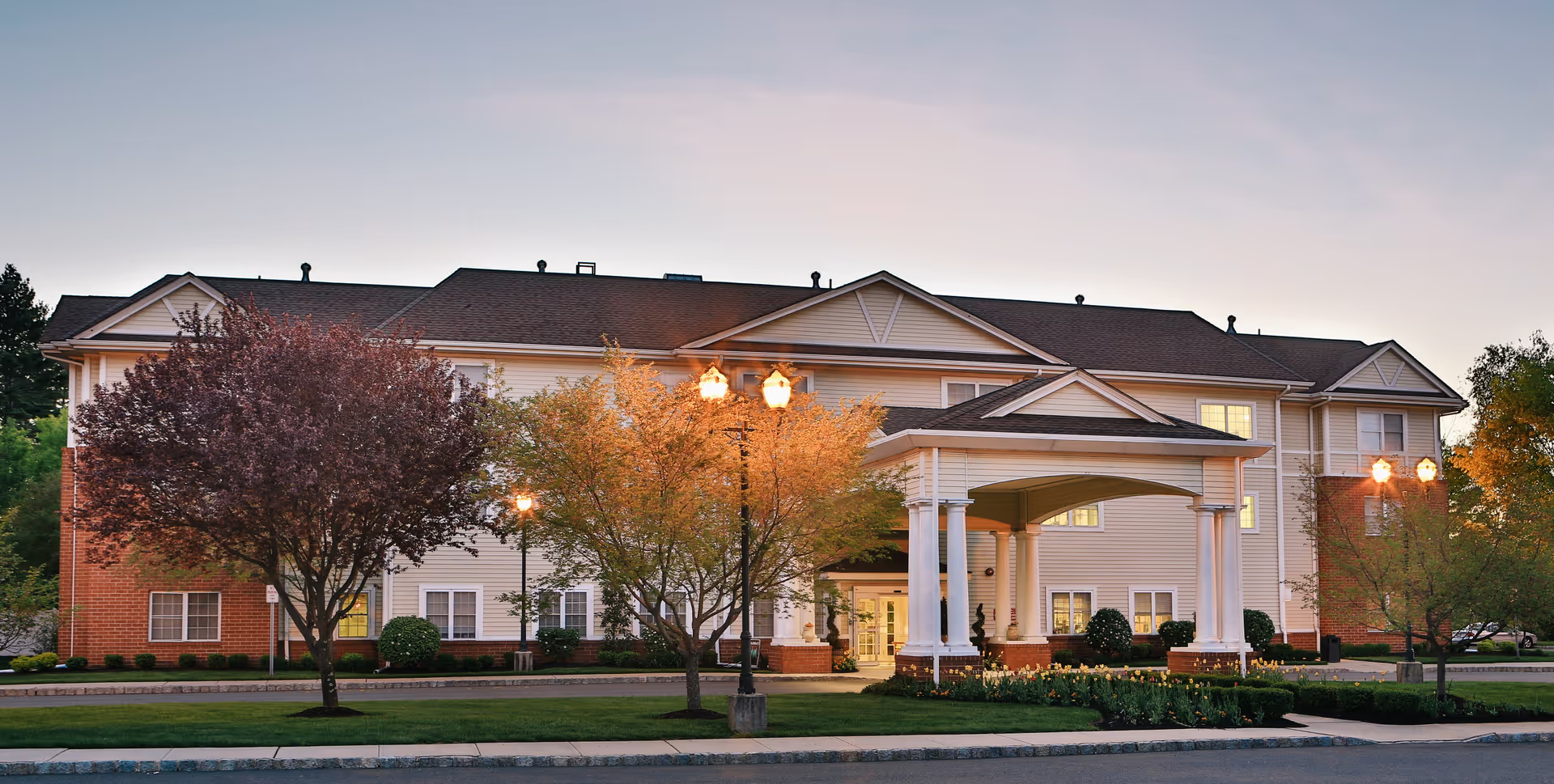
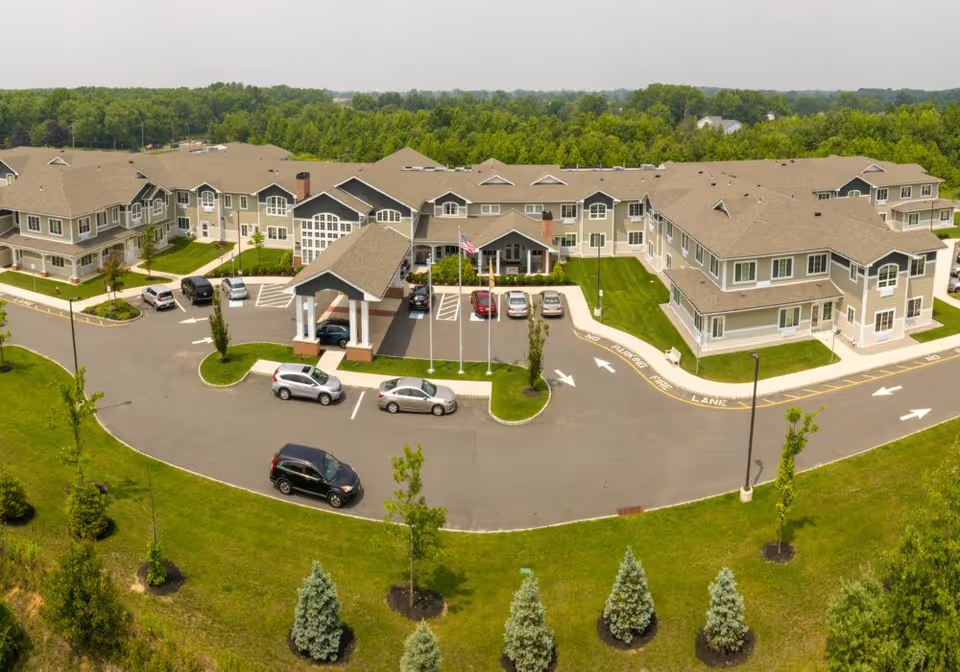
Sunrise of Lower Makefield is frequently described as a modern, hotel-like senior living campus with substantial on-site amenities and an active social program. Many families praise the physical environment — bright common spaces, well-kept grounds, salon, shuttle service, and spacious apartment-style units with large windows — and note a broad calendar of activities, outings and theme days that support social engagement. The community offers a distinct memory-care neighborhood and coordinated therapy services (physical and occupational), and several accounts highlight strong nursing and hospice support during end-of-life care.
Staffing and direct care receive mixed but prominent attention. Numerous comments describe caregiving and nursing teams as compassionate, knowledgeable and willing to go above and beyond; at the same time, recurring operational concerns relate to inconsistent staffing levels for hands-on care. Families described delays in responding to call bells, variability in bathing and repositioning routines, and challenges assisting non-mobile residents — all of which point to staffing and workflow strains during peak care needs. There are also isolated but serious clinical-control concerns referenced, including medication-administration issues that prompted regulatory review; prospective families should ask about medication-safety protocols and incident follow-up during a tour.
Dining is a strength in many accounts: on-site cooks, chef-prepared meals, accommodations for substitutions, and attractive dining rooms are frequently noted. However, reviewers also reported variability in meal quality and in how menus are communicated or managed (examples include unclear current menus, ticketed meal procedures, and complaints about repetitive offerings or feeding assistance). The dining experience appears well organized in common areas, but consistency across shifts and for residents with specialized needs can differ.
Operational and management patterns show both positives and friction points. Several managers and business-office staff receive explicit praise for communication and billing explanations, and the community uses apps and newsletters to engage families. Conversely, billing transparency and contract/fee disputes recur as a concern; maintenance requests and housekeeping follow-through are other operational areas with variability. While many families commend the cleanliness and resort-like atmosphere, others cite intermittent sanitation or housekeeping lapses and inconsistent maintenance follow-up.
Cost and access are material considerations: the community positions itself at a higher price point and does not accept Medicaid, which affects affordability and candidate suitability. The campus size and layout are often appreciated for amenities but can feel impersonal for families seeking a smaller, more intimate setting. Memory-care services are available in a separate neighborhood, but perceptions differ on staffing levels and security measures there, so clarifying staffing ratios and secured-access protocols is advisable.
Bottom line: Sunrise of Lower Makefield offers a well-appointed, activity-rich environment with many families endorsing the quality of nursing, hospice, therapies and the social program. However, consistent assessment of operational performance is important: prospective residents and families should specifically evaluate direct-care staffing levels, medication-safety processes, housekeeping/maintenance responsiveness, menu practices for specialized diets, and contract/billing terms when considering this community.