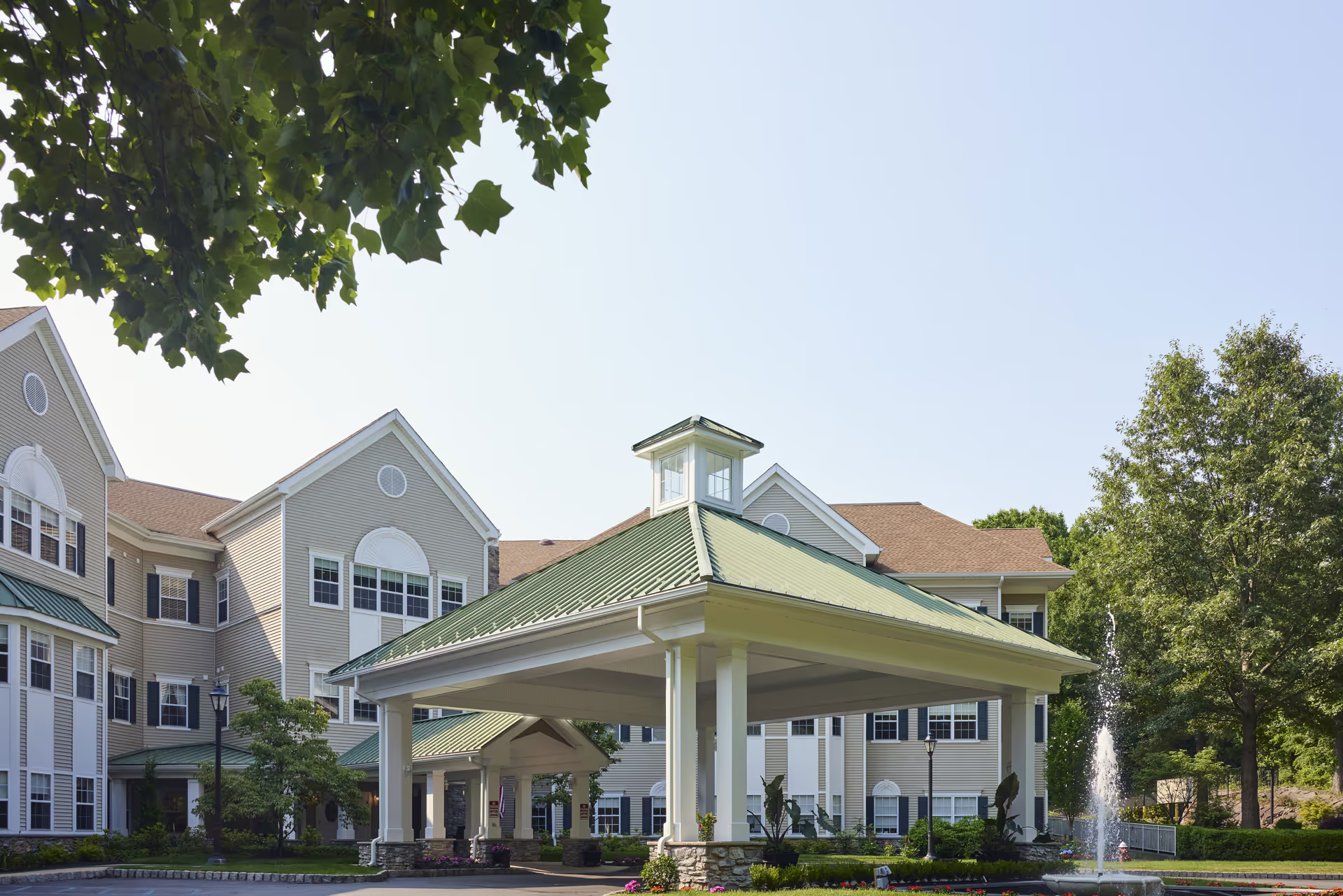
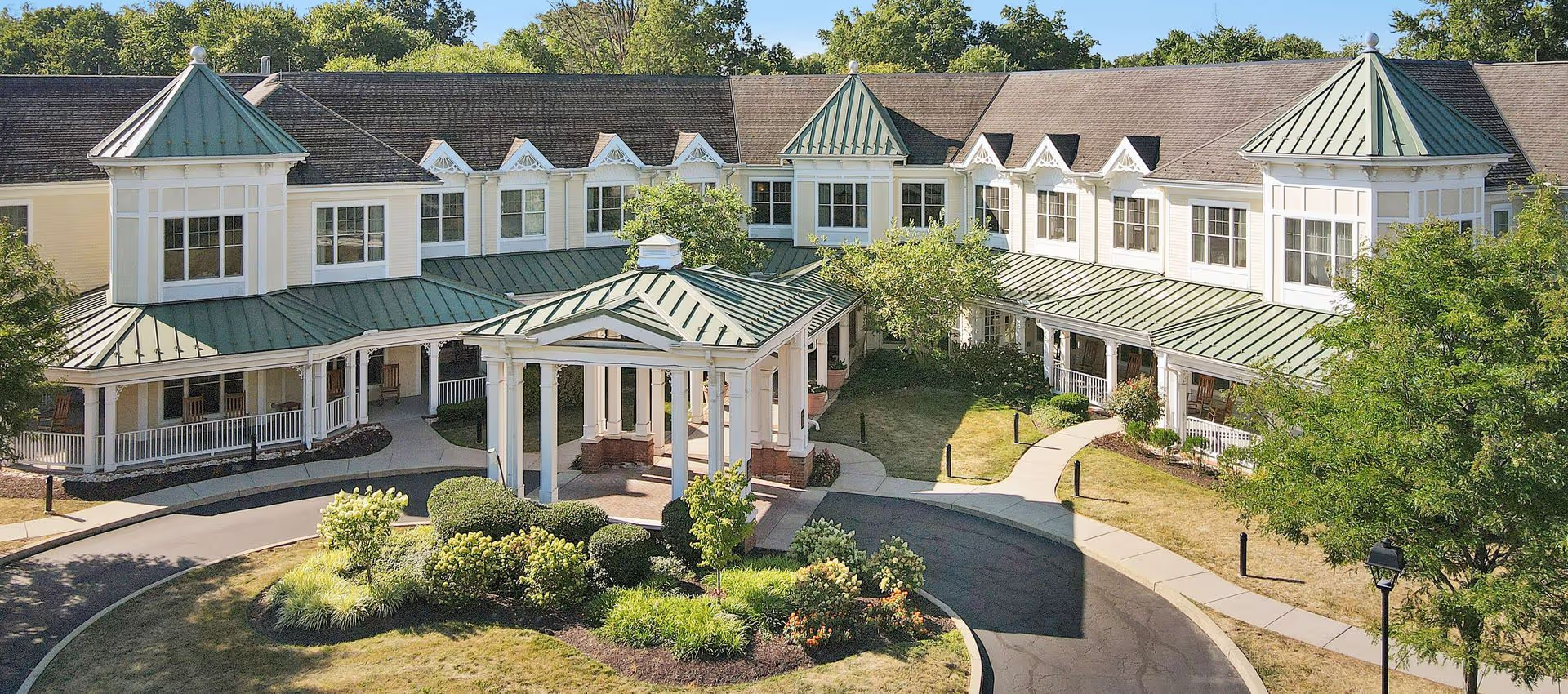
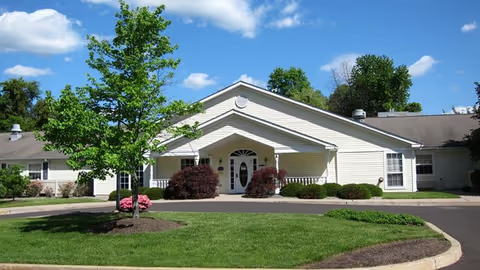
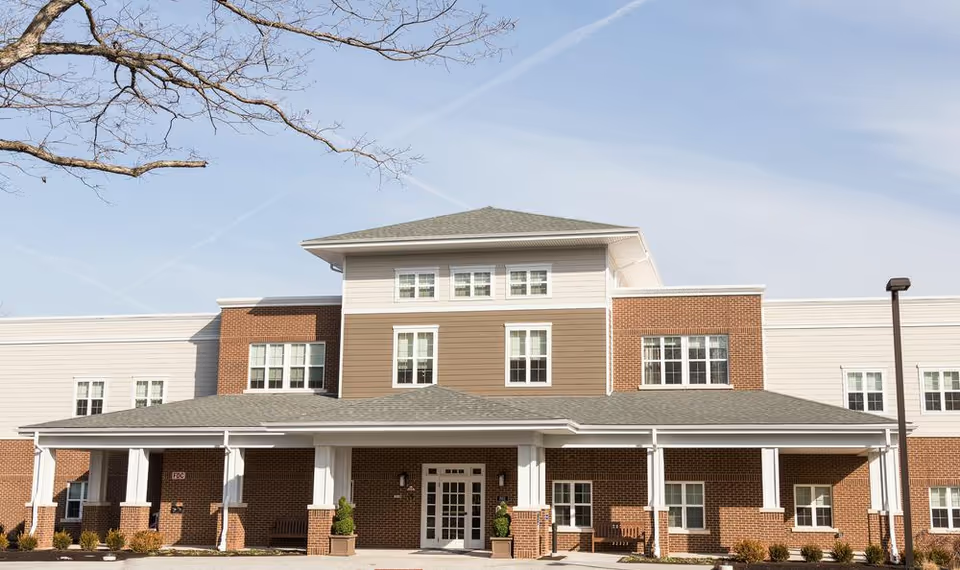
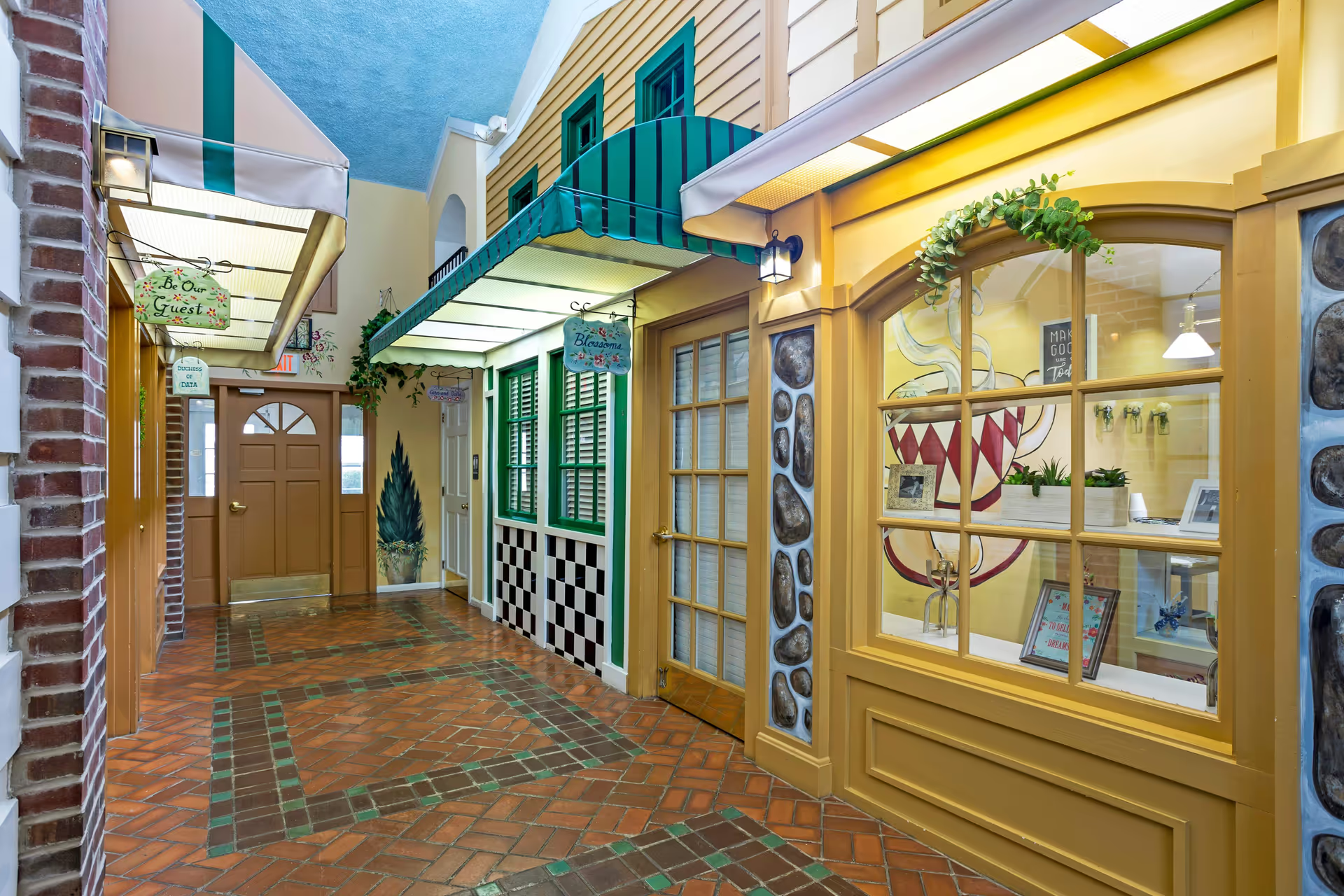
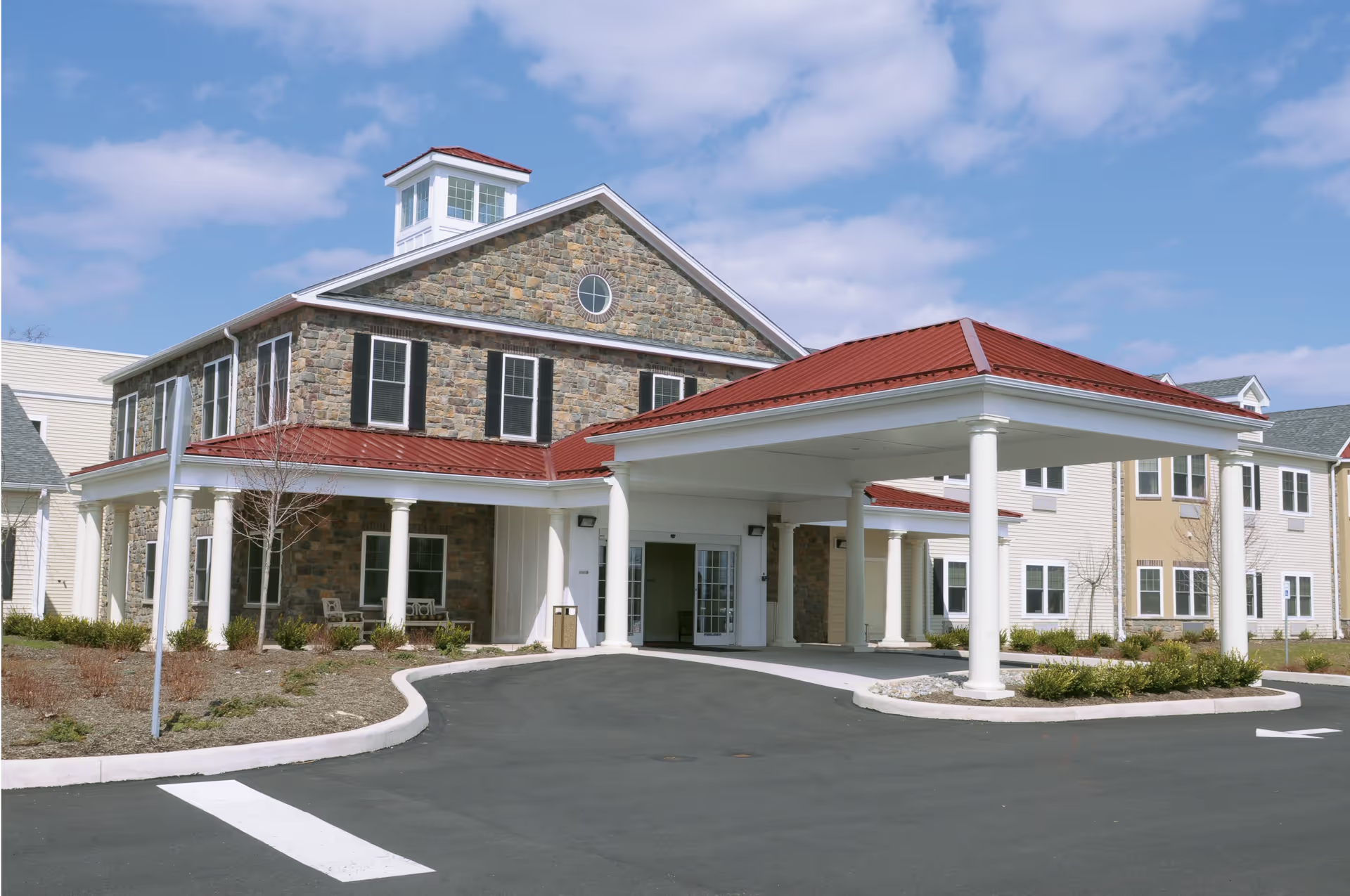
Overall impression: Brandywine Pennington by Monarch presents as an upscale, well-maintained assisted living community with a strong emphasis on social engagement, hospitality-style amenities, and clinical oversight. The facility's physical environment is frequently described as bright, clean, and hotel-like, with pleasant common areas (courtyard, library, media and game rooms), tasteful décor, and a range of on-site services such as a salon, cafe, and fitness spaces. Many families highlight the immediate convivial atmosphere at move-in and ongoing housekeeping and laundry services that contribute to a low-maintenance, comfortable resident experience.
Care and staff: The dominant theme across accounts is the quality and warmth of the staff. Nursing, wellness, and caregiving teams are often characterized as compassionate, attentive, and mission-driven, with 24/7 on-site nursing available and wellness staff providing both medical and emotional support. Reviewers repeatedly cite specific staff members and activity coordinators for going above and beyond, and numerous families describe a family-like relationship between staff and residents. At the same time, there are recurring operational concerns: variability in responsiveness during hands-on personal care and reports of staffing variability that can affect continuity. A small number of serious family complaints raise issues about care escalation and financial/placement communication; these accounts suggest families should verify escalation protocols and long-term placement policies before committing.
Dining and nutrition: Dining is consistently noted as a strength in terms of presentation, variety, and service — elegant dining rooms, an all-day dining policy, wine offered with dinner, and an on-site cafe are frequently praised. Menu flexibility, accommodations for reading menus, and wholesome entrée options are positives. Several reviewers, however, requested healthier preparations (lower sodium and sugar, more fresh vegetables) and more consistent attention to dietary needs, which suggests kitchen teams could expand heart-health and low-sodium options to better meet residents with specific nutrition goals.
Activities and social life: Activity programming is a clear asset. The community offers a broad slate of brain/body/creative activities, daily exercise classes, themed social hours (for example, Friday happy hours), frequent outings (theater, restaurants, river cruises), and specialized memory-care programming. Activity staff are described as skilled and creative, and programs are credited with improving residents’ mood, social connections, and physical activity. Some reviewers suggested additional infrastructure to support walking programs (better walking trails) and more consistent encouragement for active ambulation.
Facilities and accessibility: Physically, the property is well regarded, though there are notes about ongoing renovations and uneven room availability while work is completed. Some apartment layouts — particularly certain one-bedroom and memory-unit rooms — are described as modest in size, which may be relevant for residents who require space for equipment or frequent visitors. A few families noted gaps in accommodations for sensory impairments (for example, legally blind residents), indicating the need to confirm specific accessibility adaptations during touring.
Management, policies, and notable patterns: Administrative and concierge staff are generally described as responsive and helpful, with particular staff members called out for effective move-in coordination and family communication. Nevertheless, reviewers also raise concerns that bear verification: clarity of long-term placement guarantees, fee structures, and escalation pathways for medical issues. There are isolated but serious allegations concerning financial and placement miscommunication (including claims related to eviction when funds were depleted); prospective residents and families should request written policies on billing, Medicaid transitions, and discharge/placement to reduce ambiguity. Additionally, while many accounts praise low staff turnover, others mention intermittent staffing shortages that can affect bedside responsiveness.
Bottom line: Brandywine Pennington appears to deliver a high-quality, socially active assisted living experience with strengths in hospitality, activities, and visible clinical staffing. Prospective residents and families are likely to appreciate the environment, dining, and programming. At the same time, it is advisable to review written policies on fees, long-term placement, clinical escalation, and accessibility accommodations during the tour; ask specific questions about staffing levels on each shift and dietary accommodations to ensure the community’s operational practices align with your care and lifestyle priorities.