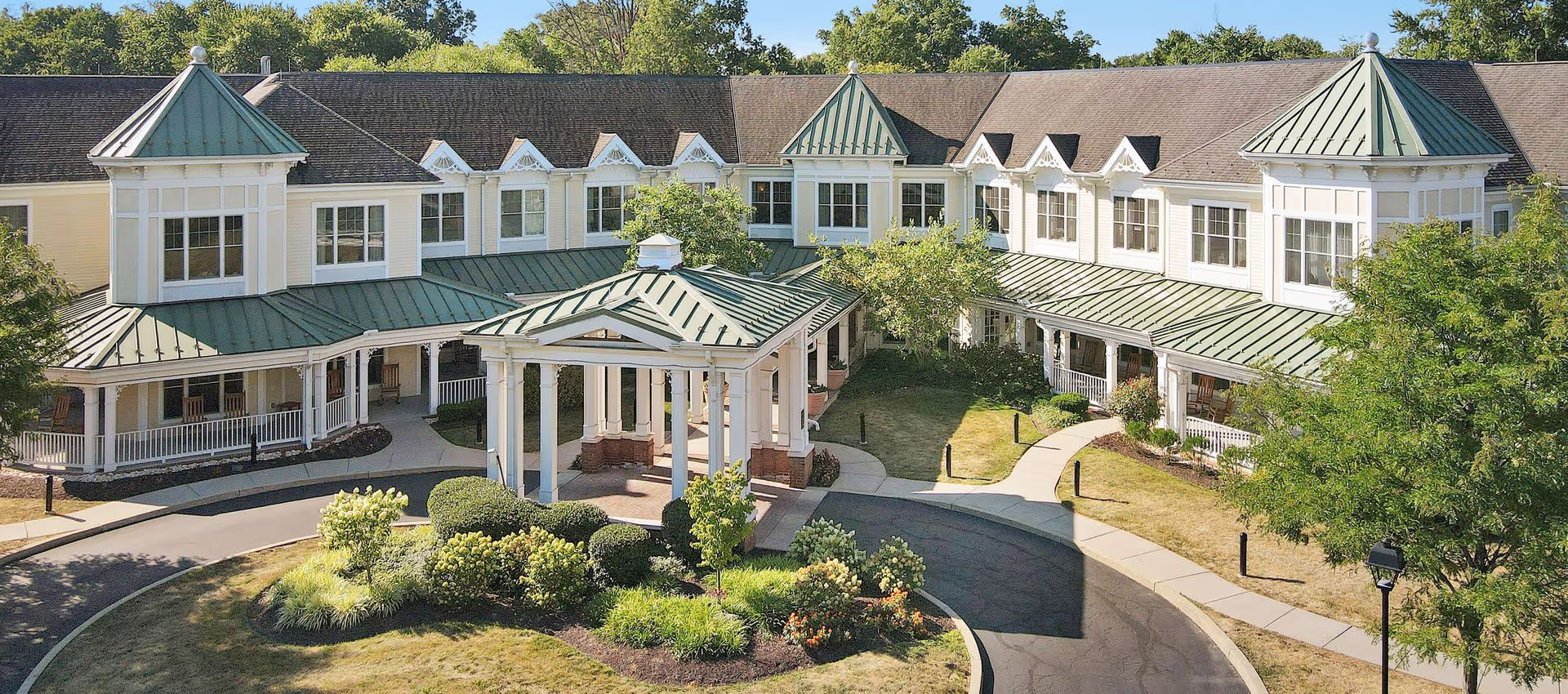
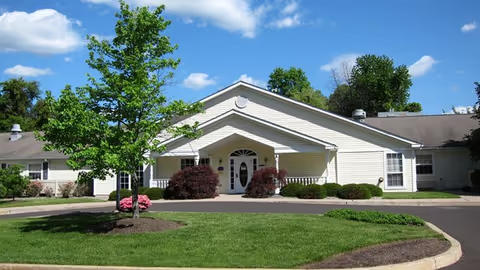
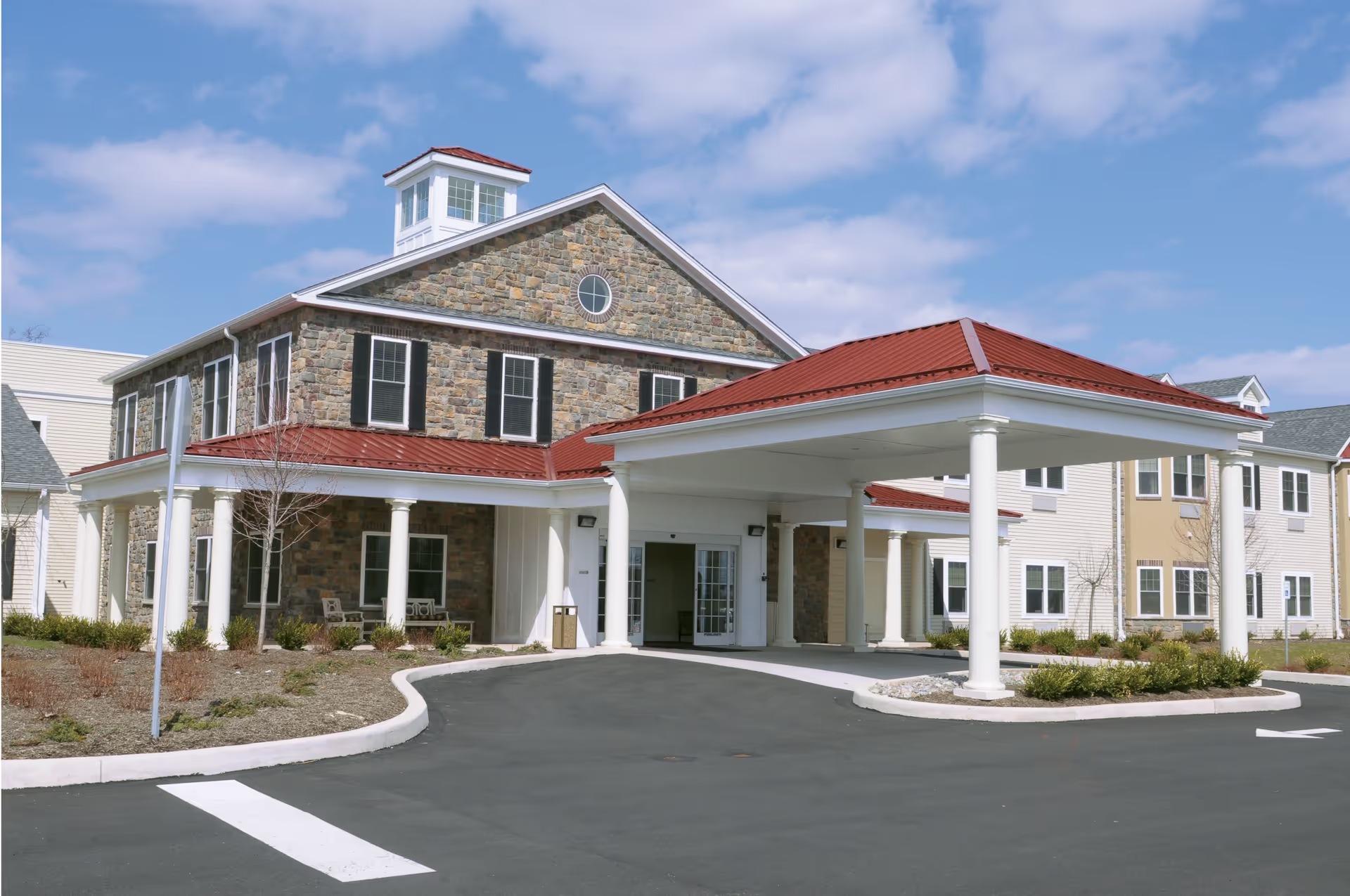
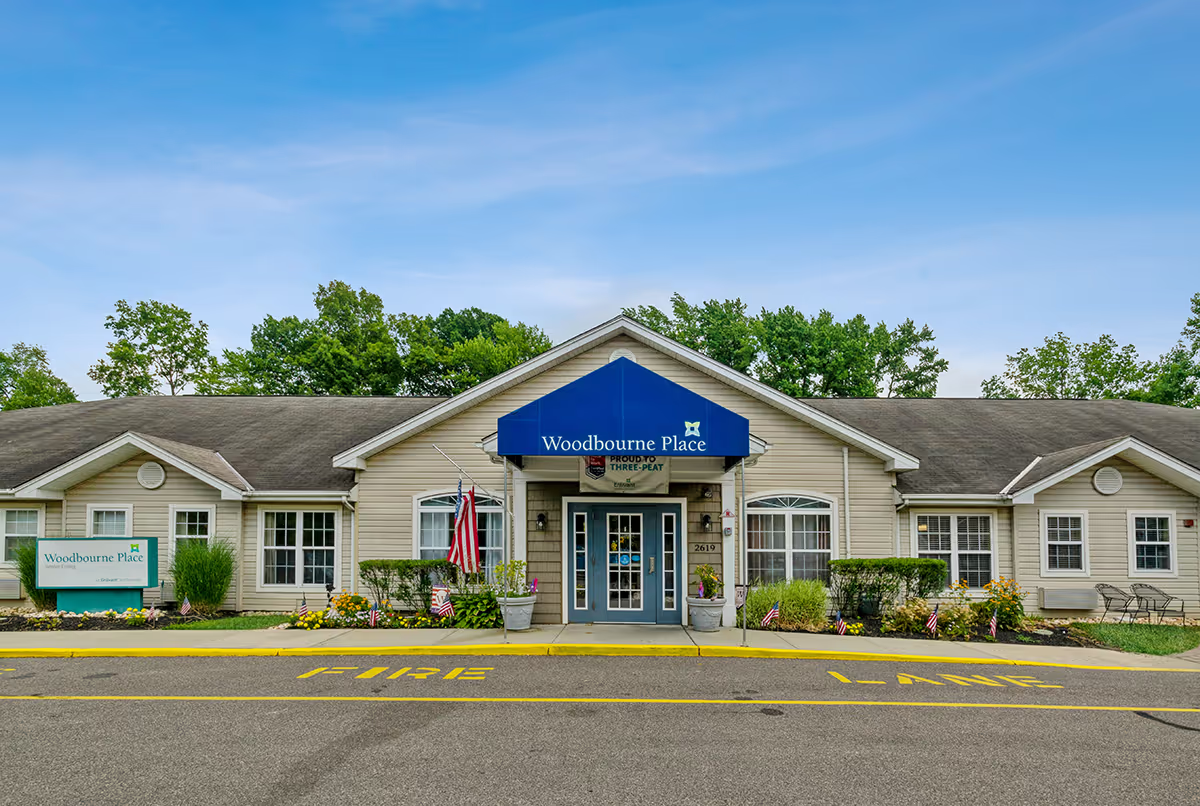
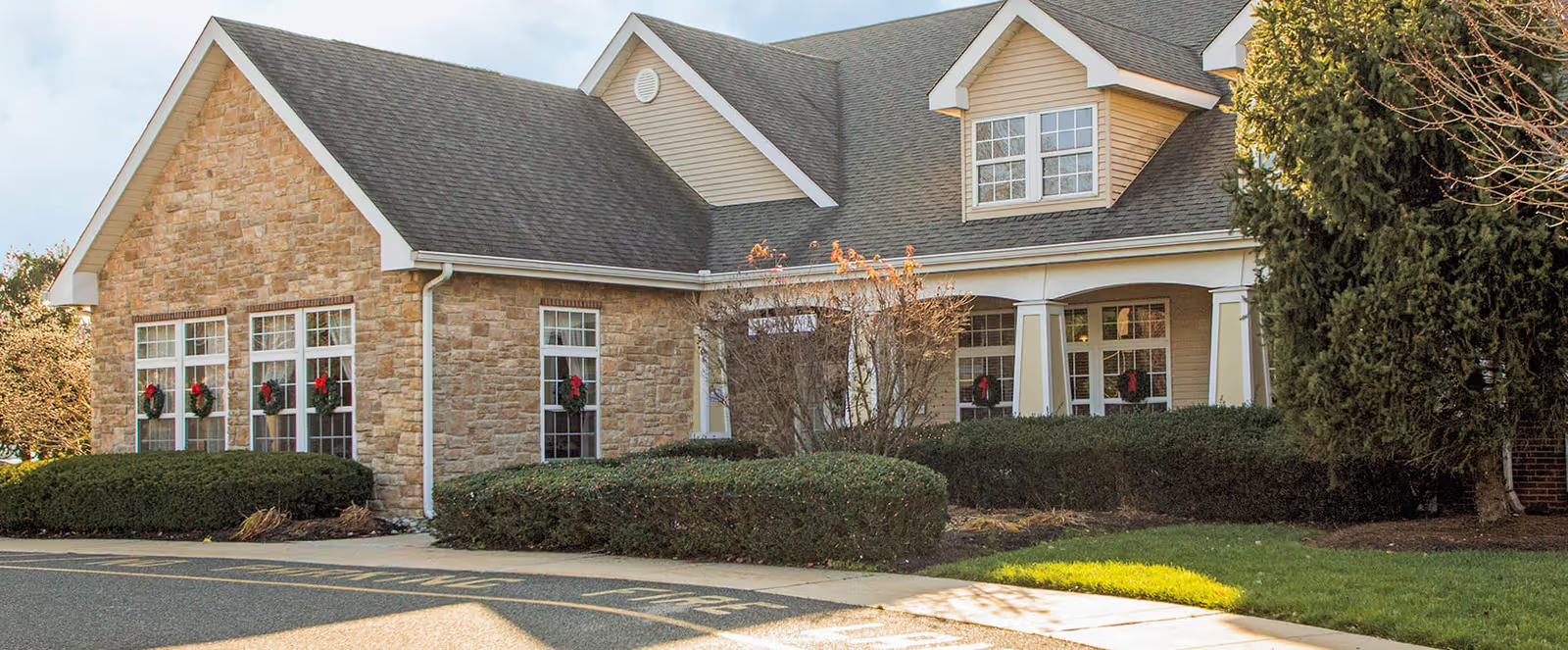
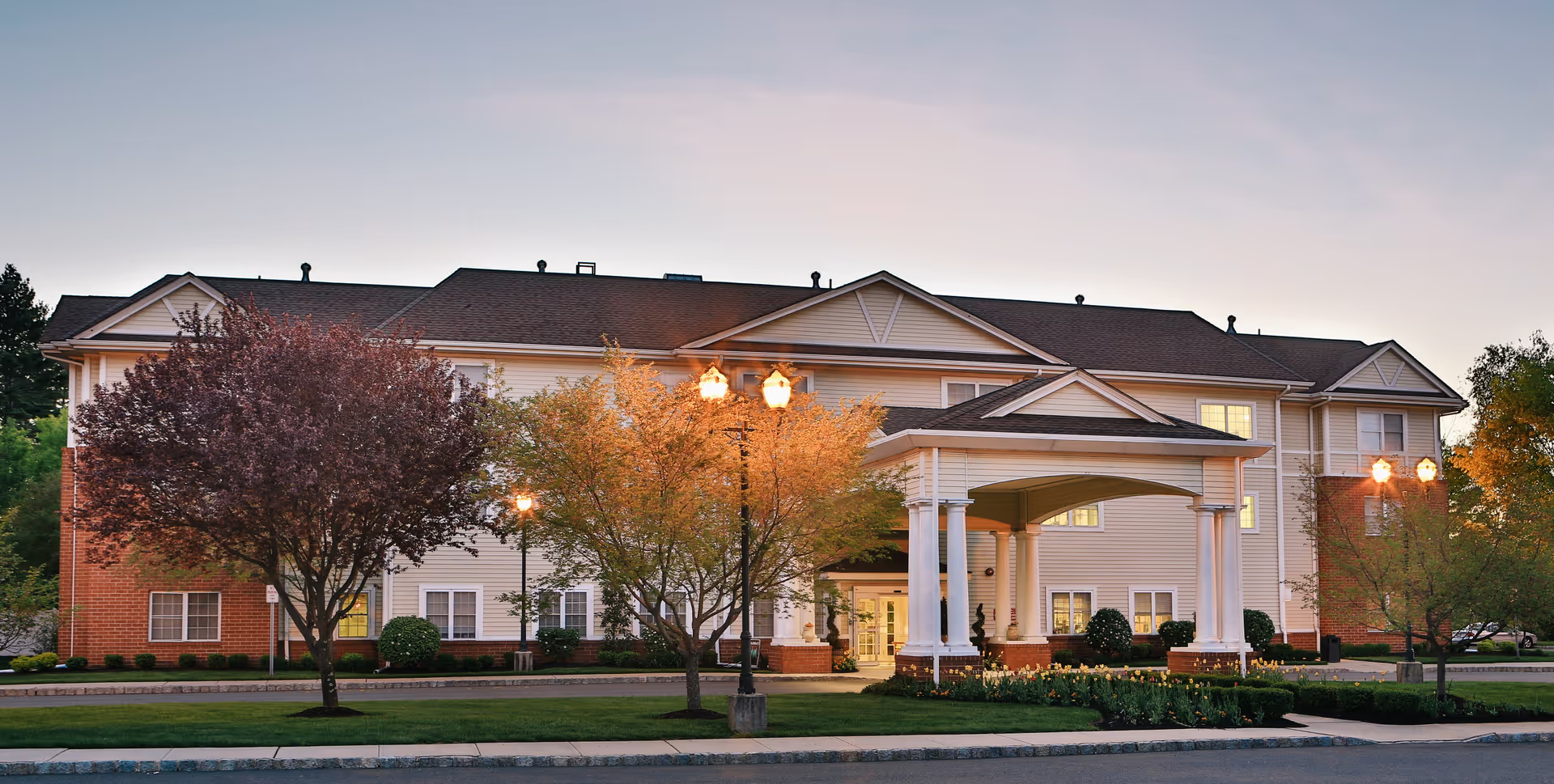
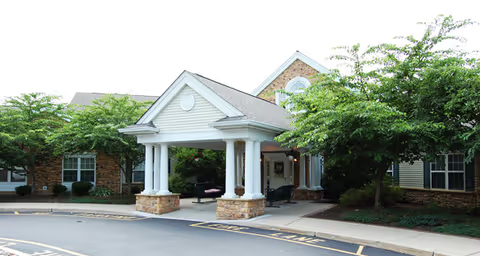
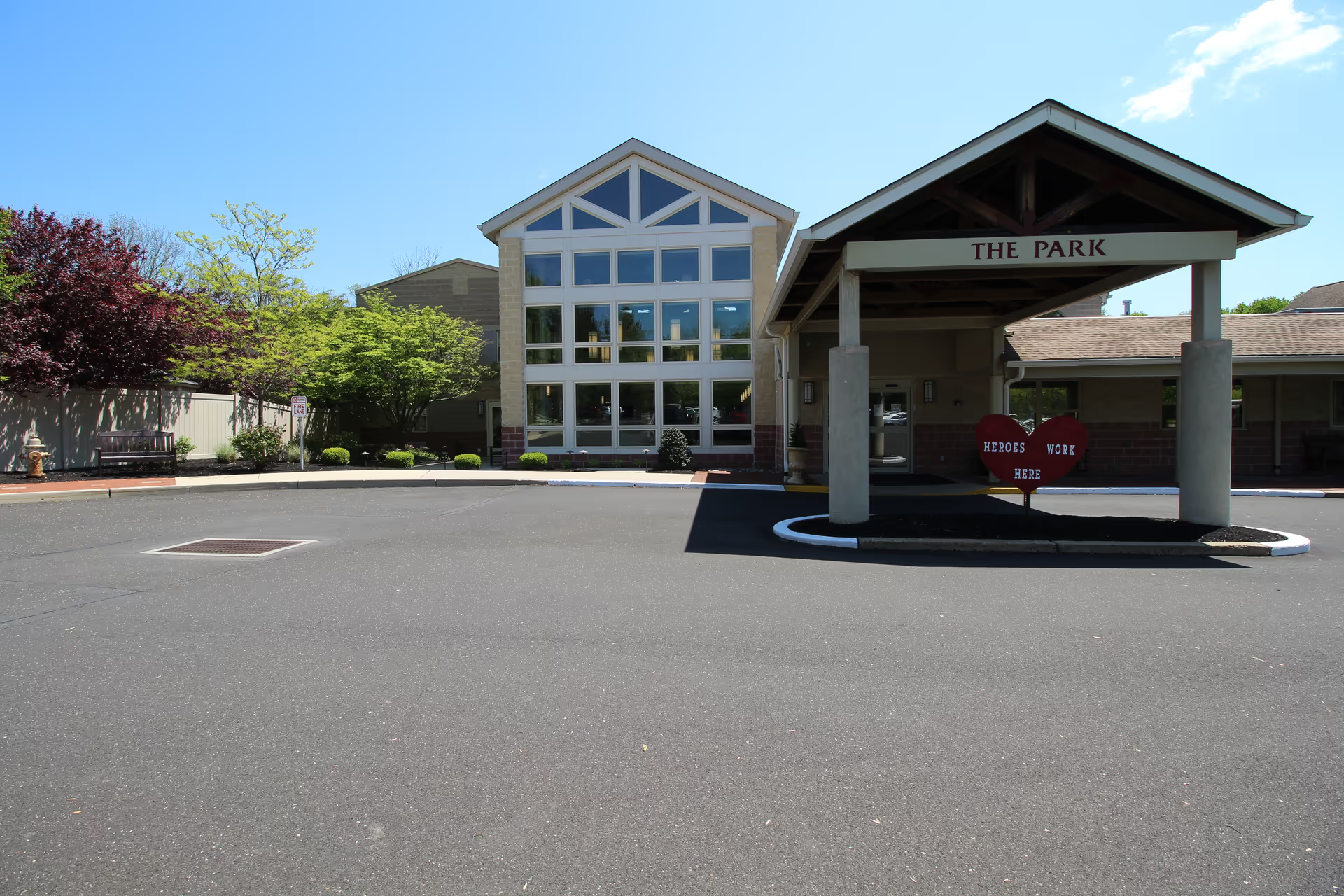
Floral Creek presents as a small, village-style memory-care community with a strong emphasis on social engagement and a home-like atmosphere. Across reviews, families repeatedly highlight a bright, well-maintained building with secure outdoor courtyards and a design that encourages autonomy and social interaction. The community size (around 50 residents) and layout support a neighborhood feel; many reviewers describe the facility as clean, cheerful, and comfortable for family visits.
Care quality and staffing are described with mixed-but-notable strengths. Many families praise compassionate, attentive caregivers and an on-site nursing presence available around the clock. Long-tenured staff members and a cohesive team approach are credited for individualized attention, successful transitions for some residents, and positive clinical outcomes such as improved alertness and weight gain. At the same time, reviews reveal a recurring pattern of staffing inconsistency — particularly during evenings and periods of personnel change — which can affect continuity of care. Prospective families should inquire about current staffing ratios, evening coverage, and recent turnover when evaluating placement.
Dining and rehabilitative services are generally viewed positively: reviewers often mention an accommodating chef, varied menus, and therapy/rehab offerings that support mobility and recovery. However, there are indications of variability in meal quality and service continuity over time. Families noting changes described declines in food consistency and interruptions in meal service, suggesting the kitchen’s performance may fluctuate with staffing and operational changes. Rehabilitation and therapy services (including in-house PT and interactive therapy tools) are a consistent strength for residents needing restorative care.
Activities and social programming are strong differentiators for Floral Creek. The community runs an extensive, dementia-focused activities program with creative engagement options: live musicians and entertainers, bus trips, themed community events, interactive technology (e.g., tabletop activities), and outreach such as therapy-animal visits. These programs support day-to-day engagement and are frequently cited as enhancing residents’ mood and participation.
Operational and management patterns merit careful review. Several families praised accessible directors and proactive maintenance, while others described variable transparency, leadership turnover, and inconsistent communication tone from particular administrators. Concerns include delays in responding to resident calls, gaps in laundry and personal-item management, and instances where clinical-incident response or family notification could be improved. Some resident rooms were described as dated and in need of updates; overall upkeep of common areas is typically reported as strong even when private rooms lag behind.
Bottom line: Floral Creek offers many attributes that appeal to families seeking memory-care — compassionate staff, 24/7 nursing, robust activity programming, and a clean, small-community environment. However, the facility has also shown patterns of operational inconsistency tied to staffing changes and leadership variability that can affect dining continuity, personal-item management, and responsiveness at times. Prospective residents and families should arrange an in-person tour, meet the current care and leadership teams, ask for details about staffing ratios and turnover, review laundry and incident-notification protocols, and request recent references or outcome examples to confirm current performance before making a placement decision.