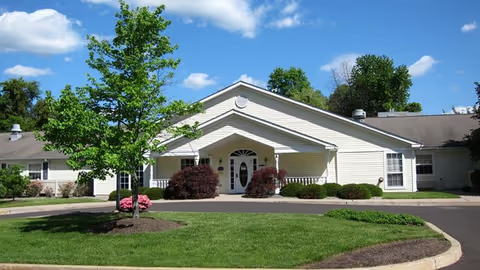
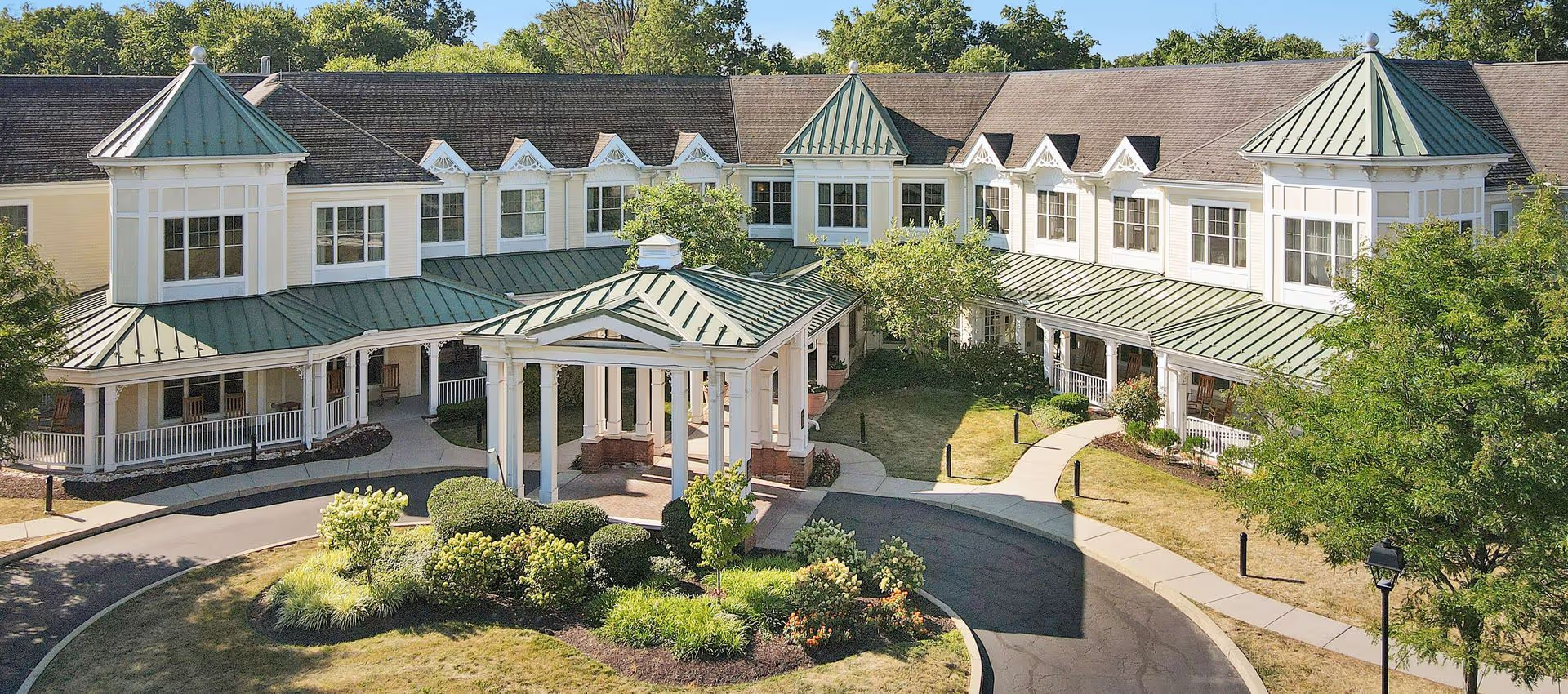
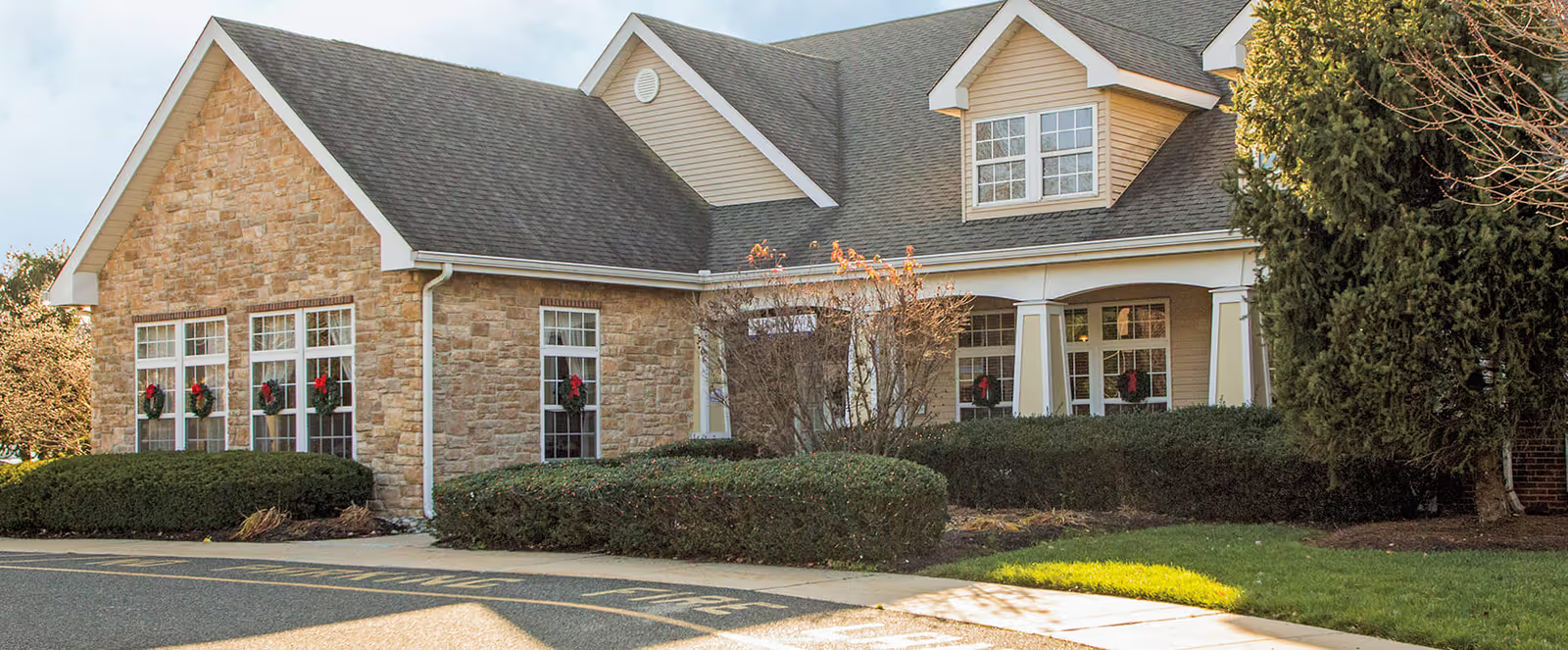
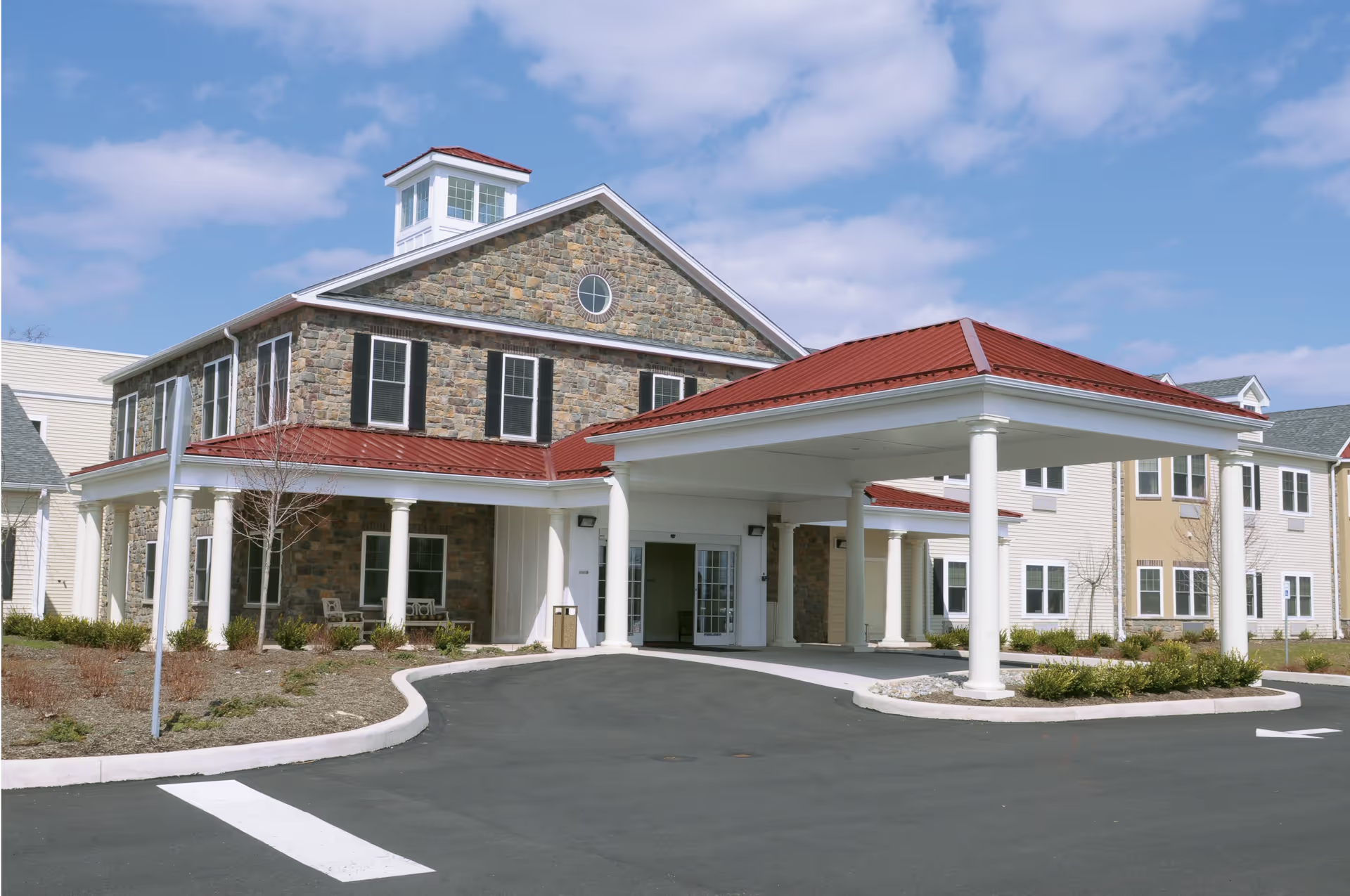
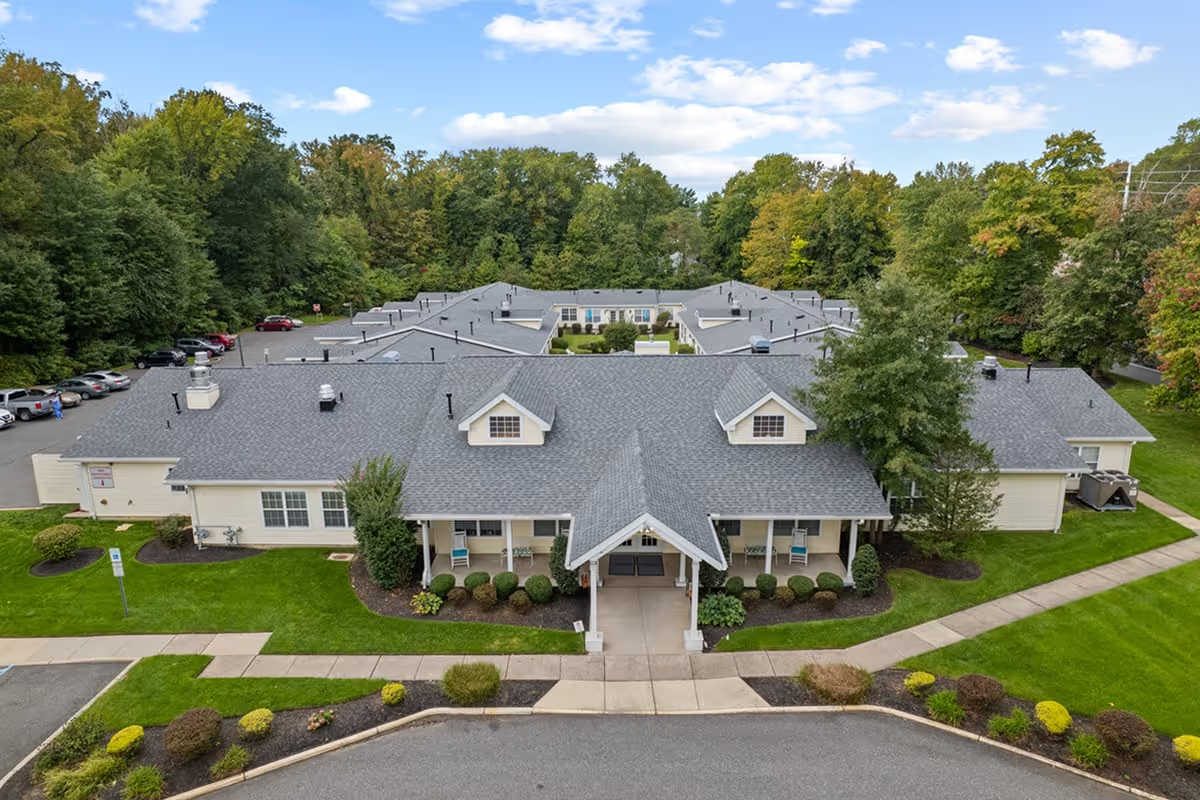
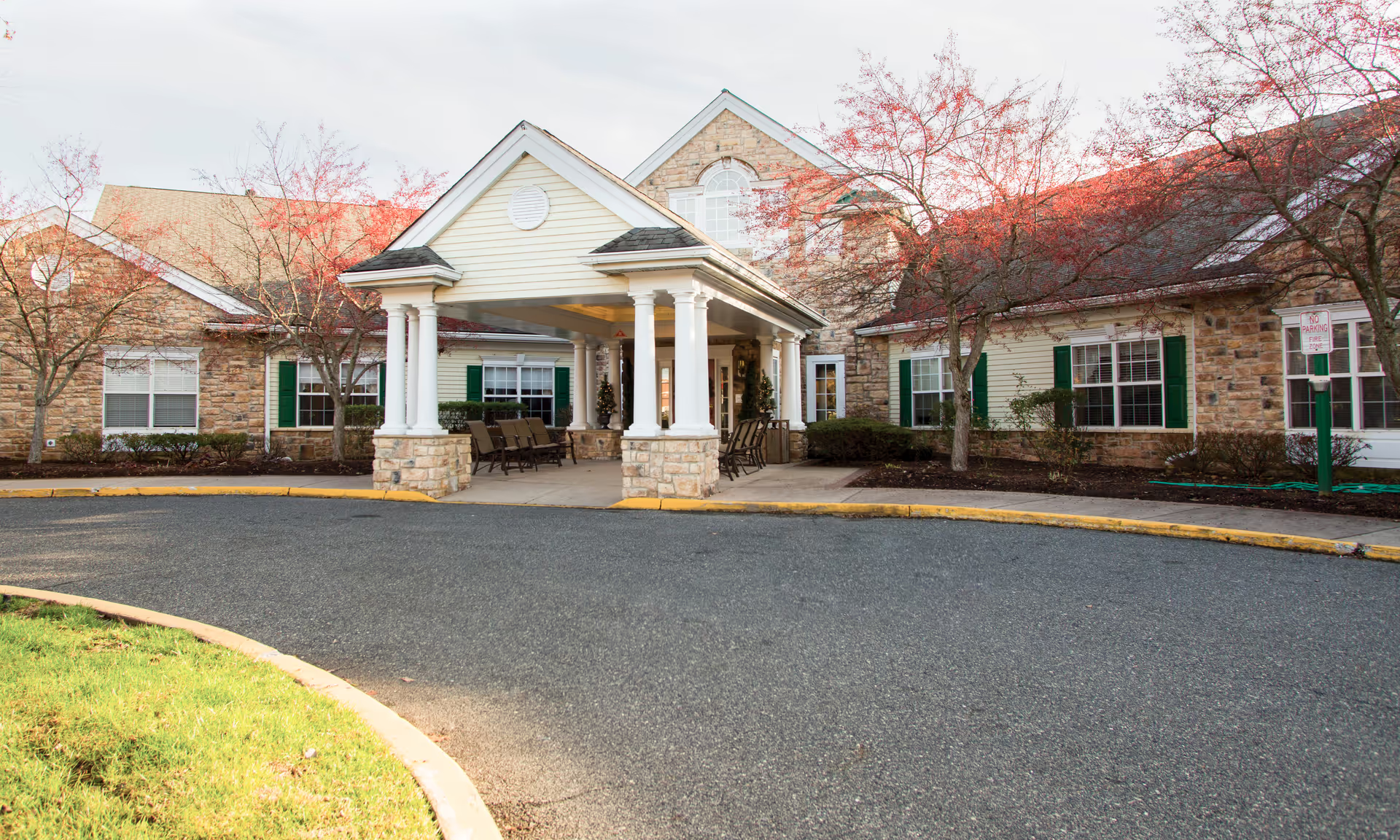
Overall impression: The Addison of Woodbourne Place is frequently described as a small, home-like assisted living community with a strong emphasis on personalized attention. Many families and residents praise the caregiving team as attentive, kind, and relationship-oriented; the facility's smaller scale appears to support name-recognition and individualized interactions. Physical facilities are generally described as clean and well maintained, with spacious apartment-style units, pleasant dining areas, an activities room, beauty shop, and well-kept outdoor landscaping.
Care and staff: Reviewers commonly highlight compassionate daily care, friendly nursing and aide staff, and supportive administrative personnel. Several commenters noted 24-hour nursing availability and good end-of-life/hospice support. At the same time, recurring concerns point to inconsistent staffing levels (notably weekend coverage), frequent staff turnover, and occasional lapses in responsiveness to call pendants or timely assistance. There are also serious operational concerns raised about medication handling and documentation; these have been framed as gaps in medication administration and record-keeping, and a small number of accounts escalate to allegations of diversion and record falsification. Families report that communication and follow-through can decline during ownership or management transitions.
Dining and activities: Dining is one of the community's strengths for many residents — menus are described as varied and balanced, daily desserts are noted, and the chef receives repeated praise. A minority of reviewers found the food less satisfactory. The activities program is consistently cited as robust: scheduled calendars, bingo, music, crafts, crocheting/knitting, and regular outings and shopping trips with transportation. Dedicated activity leadership receives specific commendation for keeping residents engaged; however, some families would like a broader range of options, more outdoor programming, or better follow-through on advertised activities.
Facilities and operations: The facility's physical environment is often characterized as bright, clean, and welcoming, with larger apartment options and practical layouts (walk-in showers, good closet space). Operational limitations mentioned include inconsistent housekeeping and laundry processes (lost or missing items), occasional crowding in hallways, and variable upkeep in some units. Multiple reviewers call out opaque or high pricing and emphasize the need for clear disclosure of entrance fees and monthly costs; this theme is especially salient for families managing fixed incomes.
Management and notable patterns: Many positive accounts highlight responsive leadership and specific staff members (including activity leadership) who make a measurable difference. Conversely, a pattern emerges where management transitions or ownership changes correlate with reduced communication, increased staff turnover, and greater family concern about safety and operational practices. Some reviewers describe serious concerns about incident response and staff conduct; given the gravity of those claims, prospective families should request current compliance records and ask management about medication-safety protocols, incident-reporting practices, and whistleblower protections.
Bottom line guidance: The community is frequently recommended for those seeking a small, personal assisted-living setting with active programming and strong interpersonal caregiving. Prospective residents and families should tour the community, meet direct-care staff and activity leadership, review recent staffing patterns and incident logs, clarify fee structures and contract terms, and verify the facility's ability to meet higher-acuity or memory-care needs before committing.