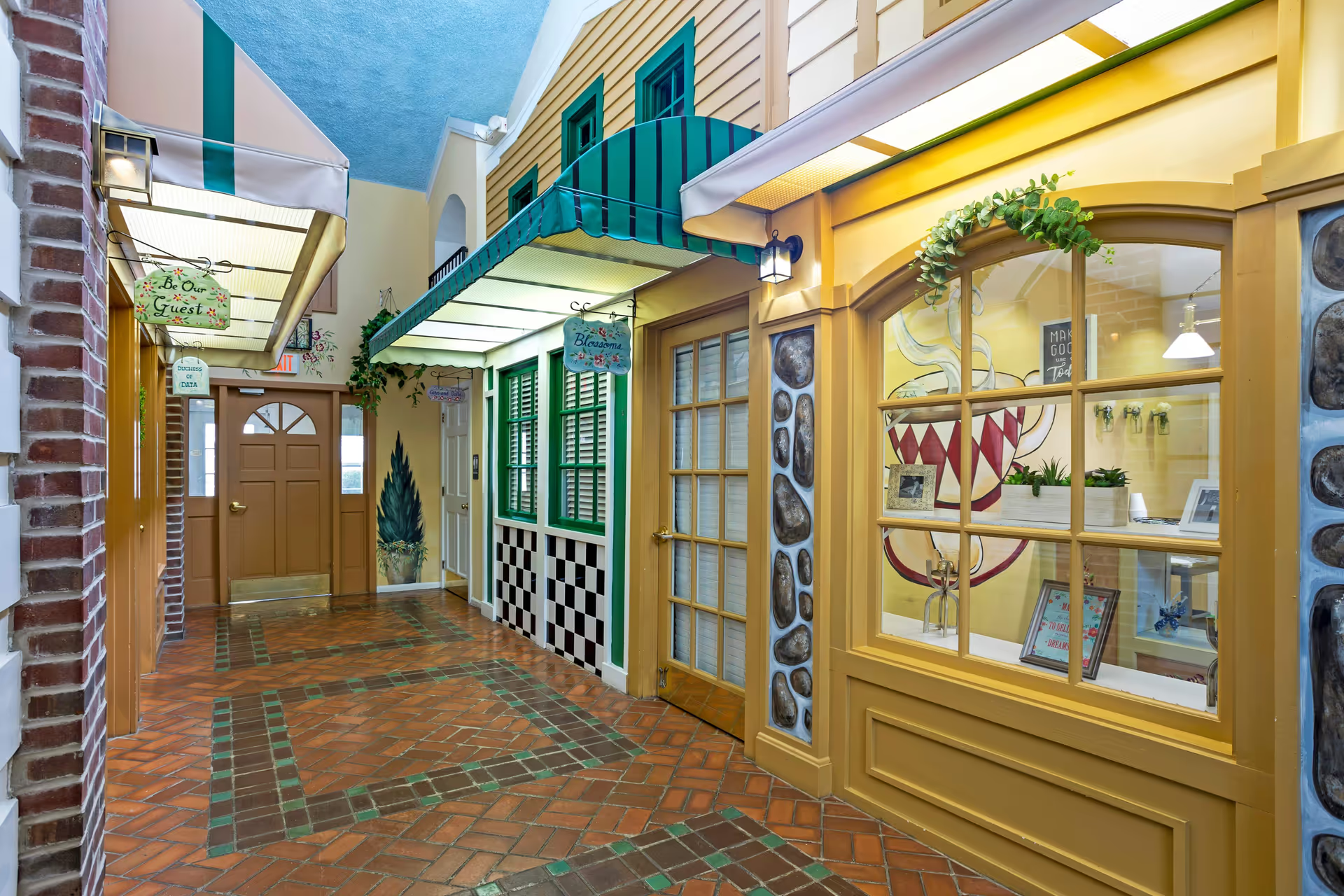
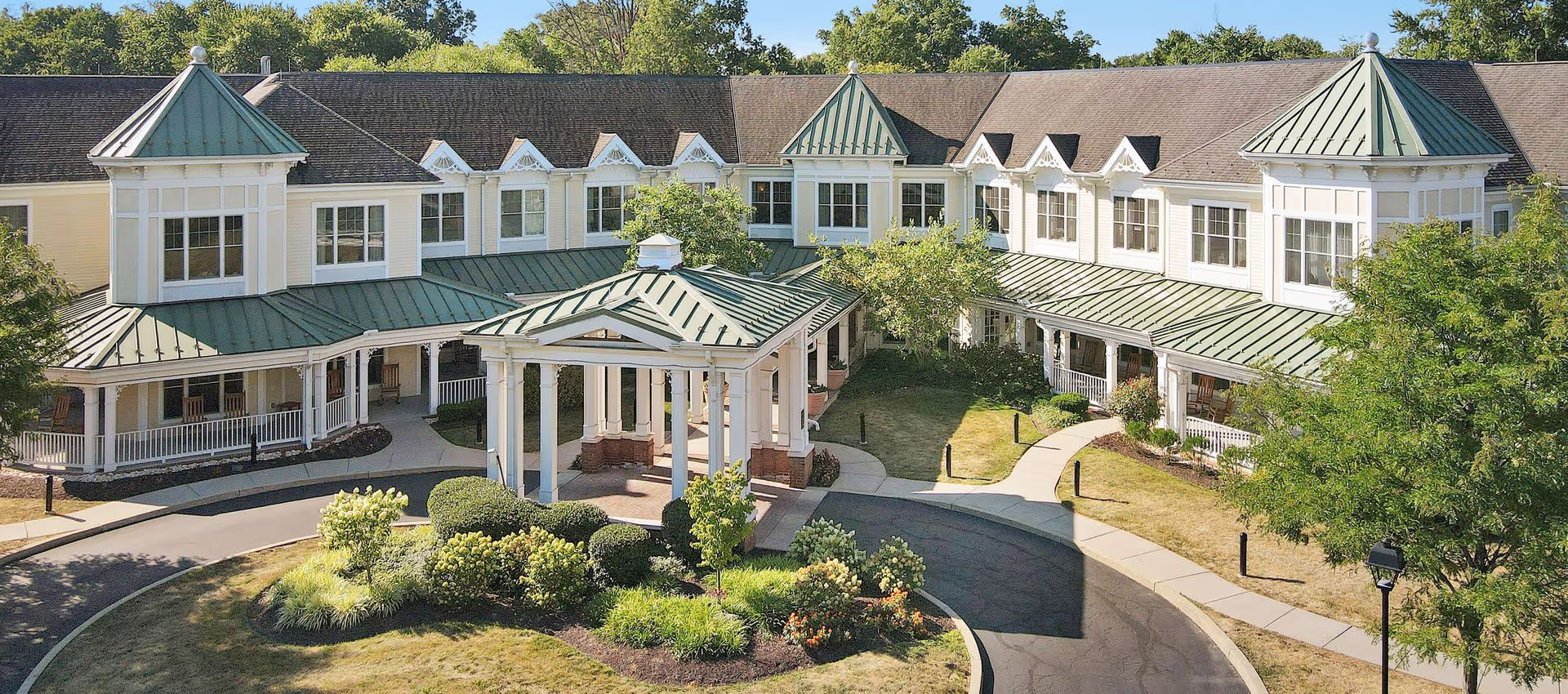
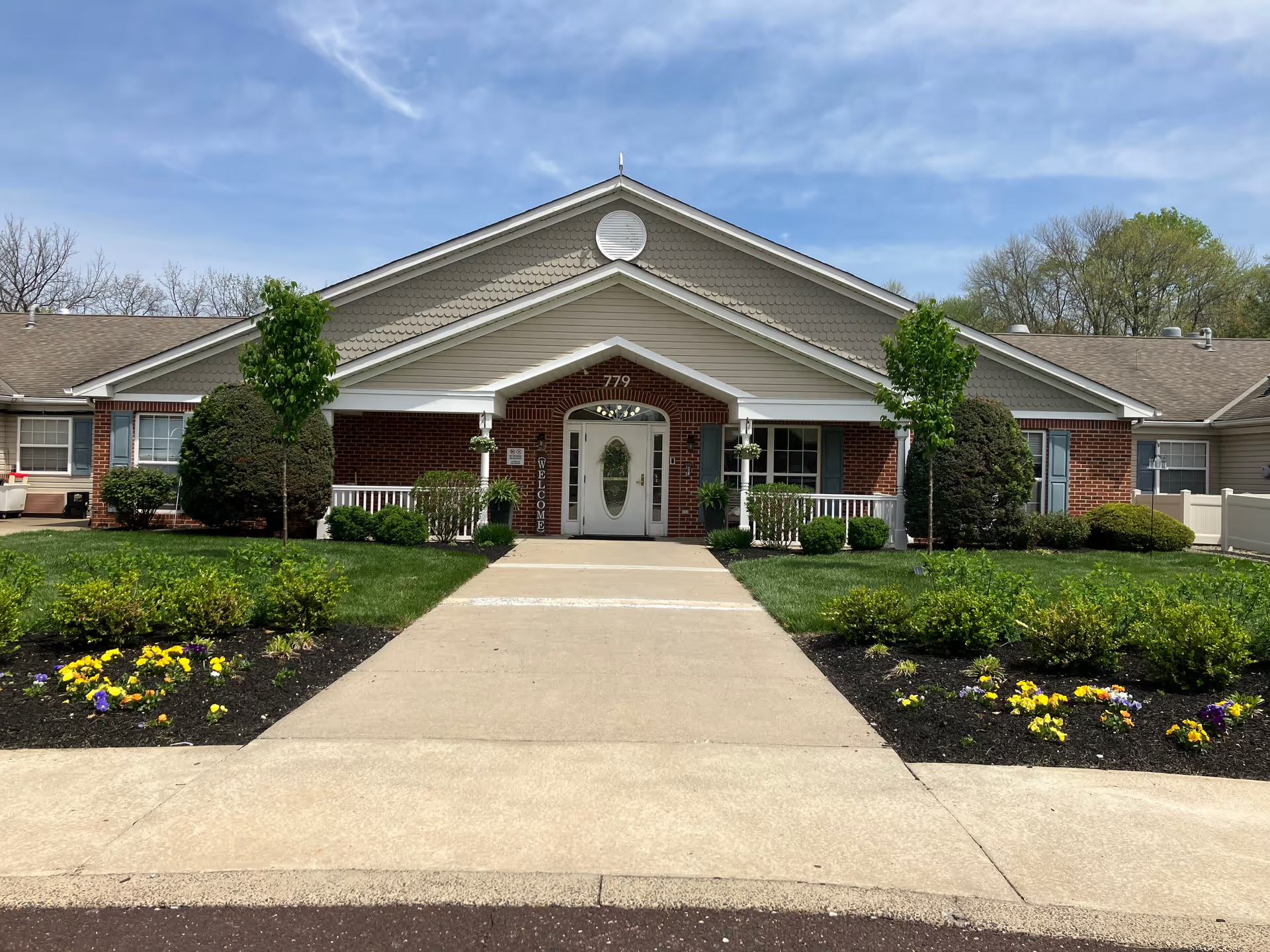
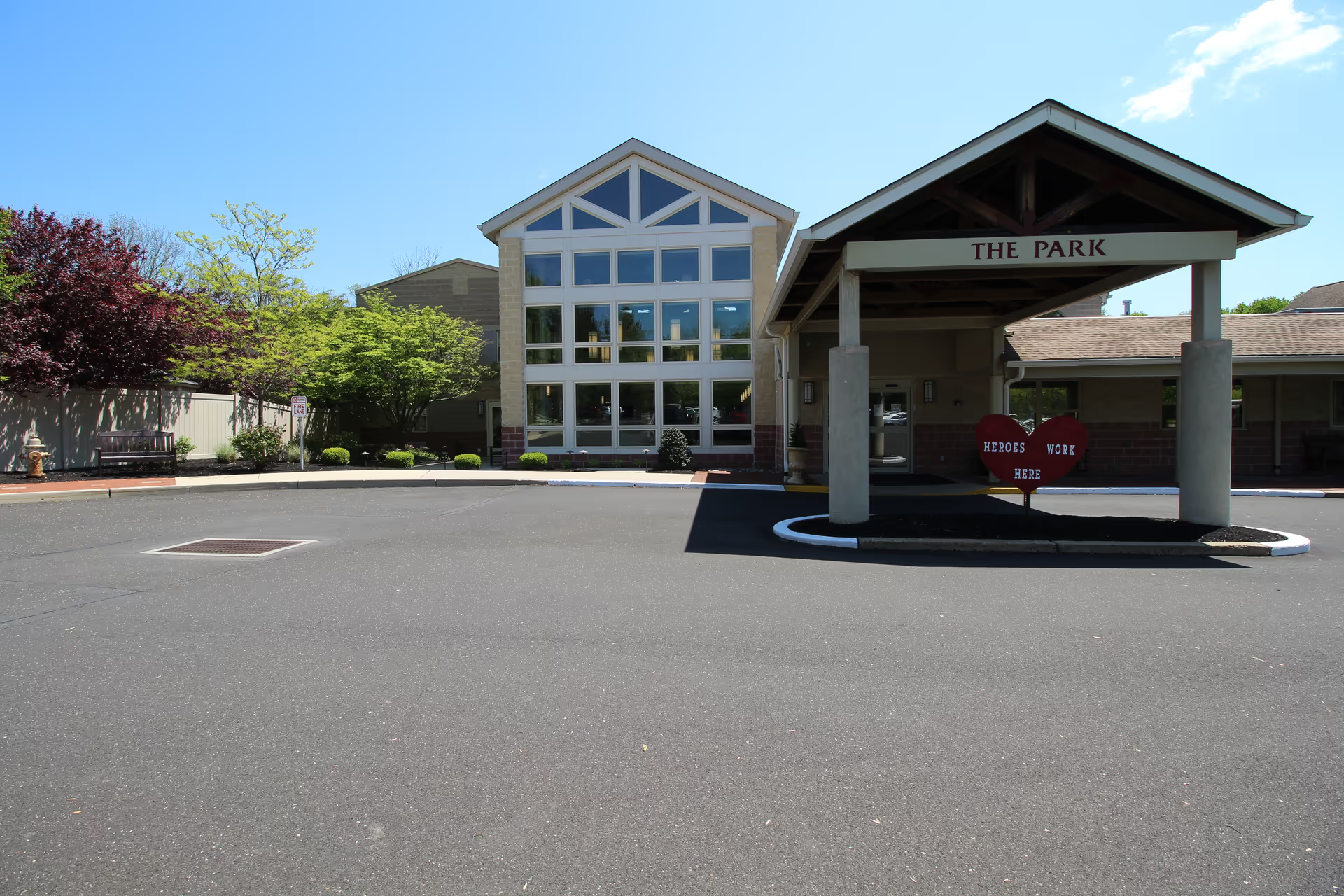
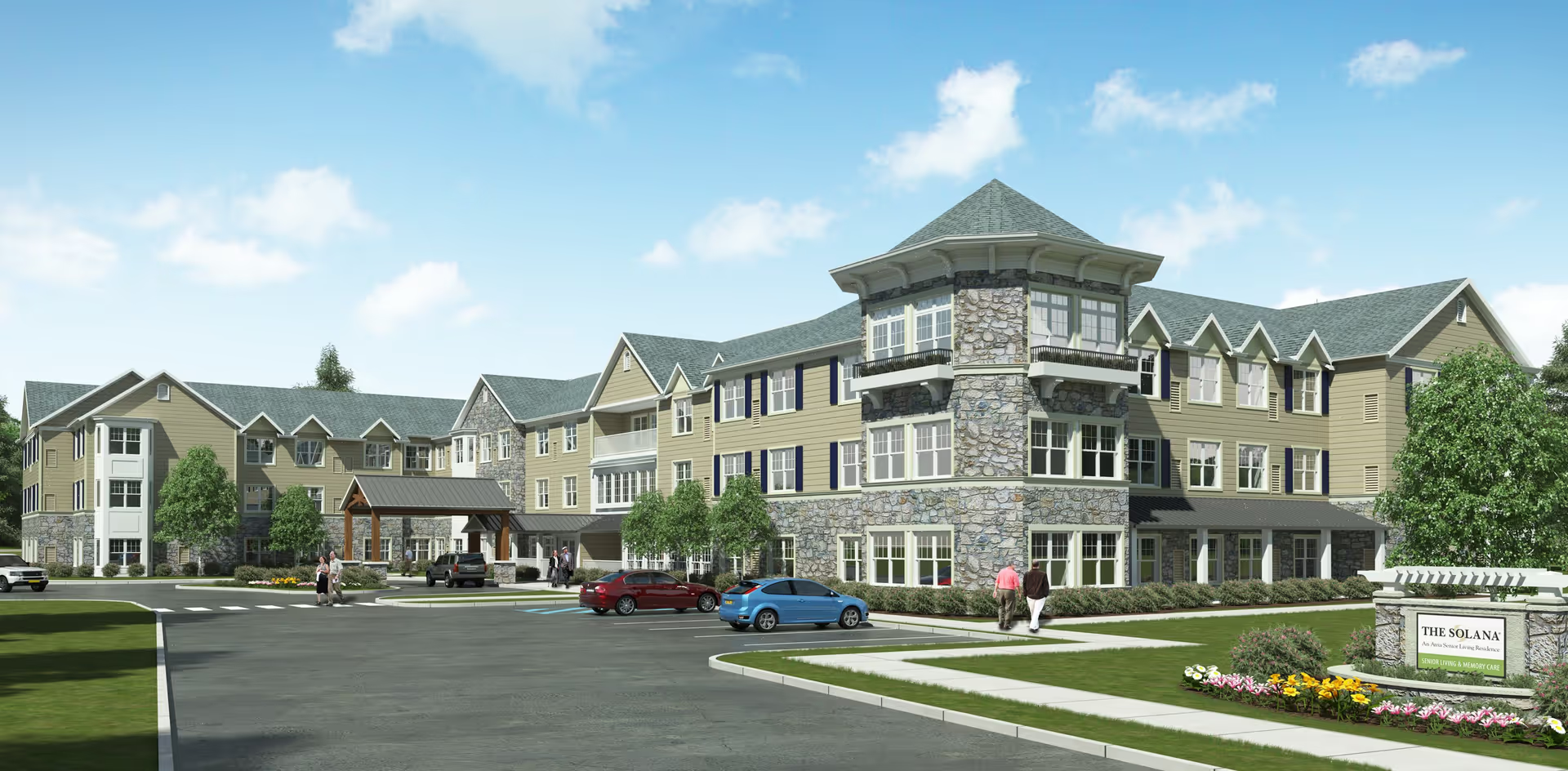
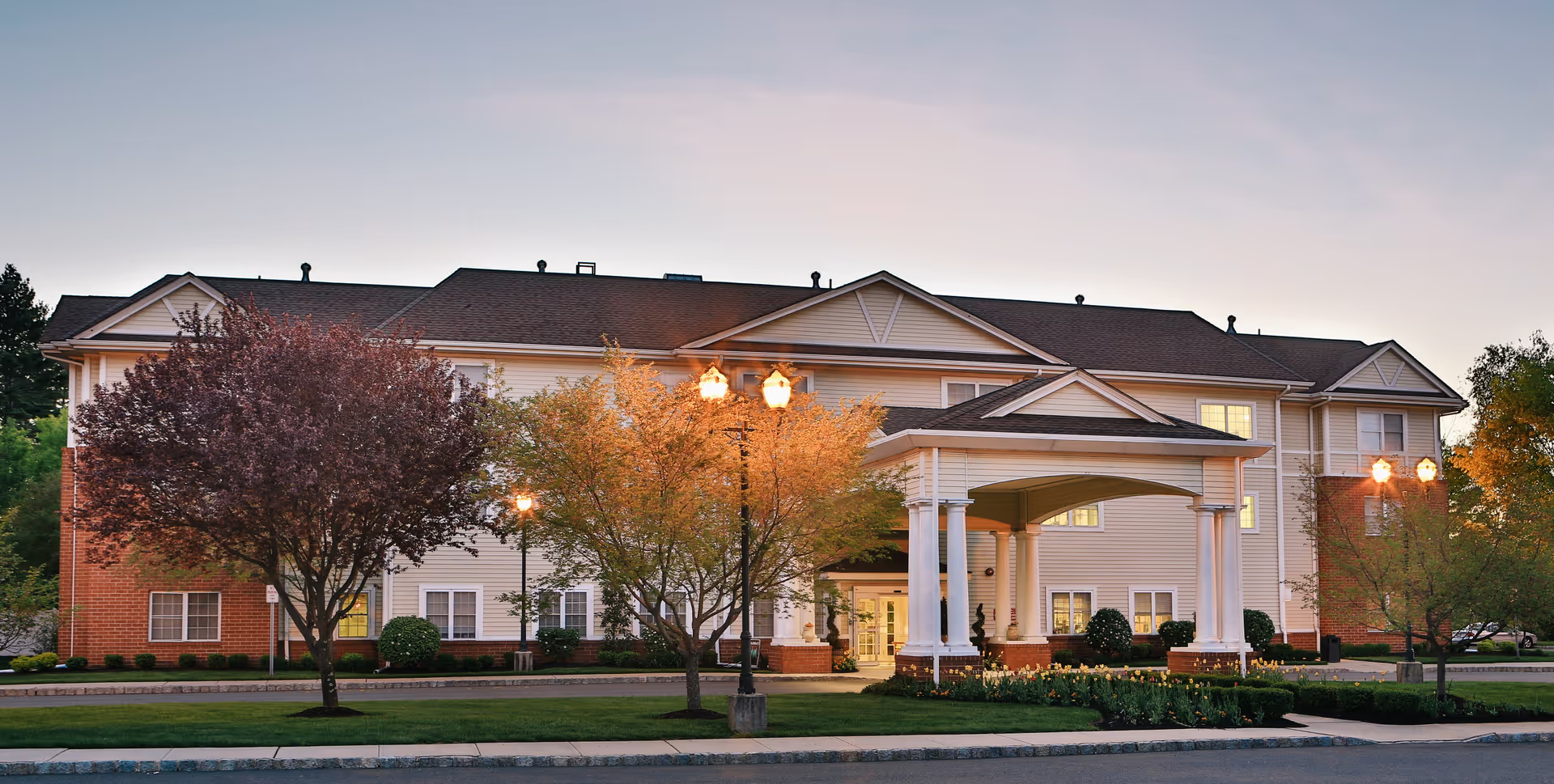
The Birches at Newtown presents as a largely new, well-appointed assisted- and memory-care community with many amenities and several clear strengths. Families and visitors frequently note a bright, hotel-like atmosphere, spacious apartment-style rooms, on-site amenities such as a movie theater, salon, fitness room and gardening areas, and a generally clean, well-maintained campus. The community's rehabilitation services (physical and occupational therapy) and proactive wellness programming are repeatedly identified as substantive clinical strengths that support residents' functional outcomes.
Care quality is a mixed but generally positive picture. Numerous accounts emphasize compassionate, resident-focused caregivers who engage residents personally, know them by name, and follow individualized care plans. Recreational therapy and activity programming — music, crafts, discussion groups, exercise classes, and frequent social events — are areas of consistent praise and appear to contribute to resident engagement and quality of life. At the same time, reviewers describe variability in clinical staffing and skills, especially across shifts: daytime staffing and therapy services tend to be stronger, while night and evening coverage is described as thinner and slower to respond. Several comments point to staffing turnover and the use of agency personnel as drivers of inconsistent care continuity.
Dining and nutrition receive mixed feedback. Many families and residents like the restaurant-style dining, variety of menu options, and accommodating substitutions; others note inconsistent food quality, occasional product freshness issues, and moments where menu execution is bland. There are also isolated sanitation and kitchen-cleanliness concerns that prospective families may wish to clarify during a tour.
The memory-care program is described as active and resident-focused in many accounts, with specialized activities and a secure outdoor garden. However, there are specific operational concerns around the memory-care unit including odor concerns at entry points and variability in behavior management and environment that merit direct inspection. Prospective residents should observe the memory-care neighborhoods in person and ask for information on cleaning protocols, staffing ratios, and behavioral-support approaches.
Management and administrative patterns are similarly mixed. Several reviewers praise responsive leadership, an open-door approach, and clear care-plan communication. Conversely, other families report gaps in communication during care transitions, problems with transfers or belongings, unresolved refund/financial disputes, and inconsistent follow-through on concerns. Pricing transparency is a recurrent theme: the facility operates primarily on a private-pay model (no Medicaid/Medicare in many cases) and some families cite unexpected or escalating fees and complexity in the billing structure. There are also serious individual allegations concerning theft and financial mishandling that should be investigated directly with facility leadership and through contract review prior to commitment.
Notable patterns and practical recommendations: The Birches offers many of the physical and programmatic attributes prospective residents seek — modern spaces, active programming, and strong rehab services — but operational consistency is uneven in a few areas. Prospective families should schedule multiple visits (including daytime and evening hours), tour the memory-care neighborhood, observe meal service, ask for current staffing ratios by shift, request copies of sample care plans and medication/transfer protocols, and obtain a clear, written explanation of fees and refund/transfer policies. Confirm whether Medicaid/Medicare are accepted and how the facility handles high-acuity needs and night coverage. Doing so will help balance the facility's demonstrable strengths against the operational variability noted by families.