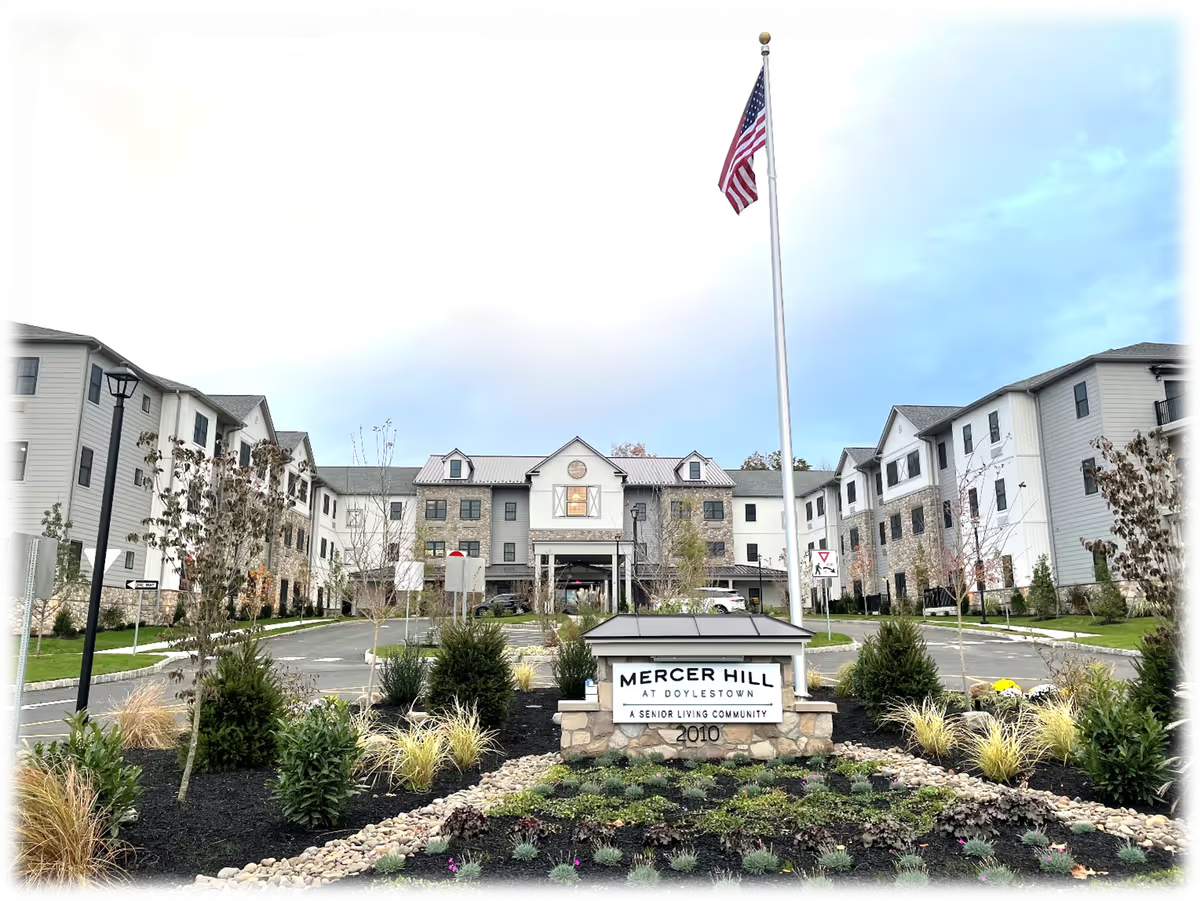
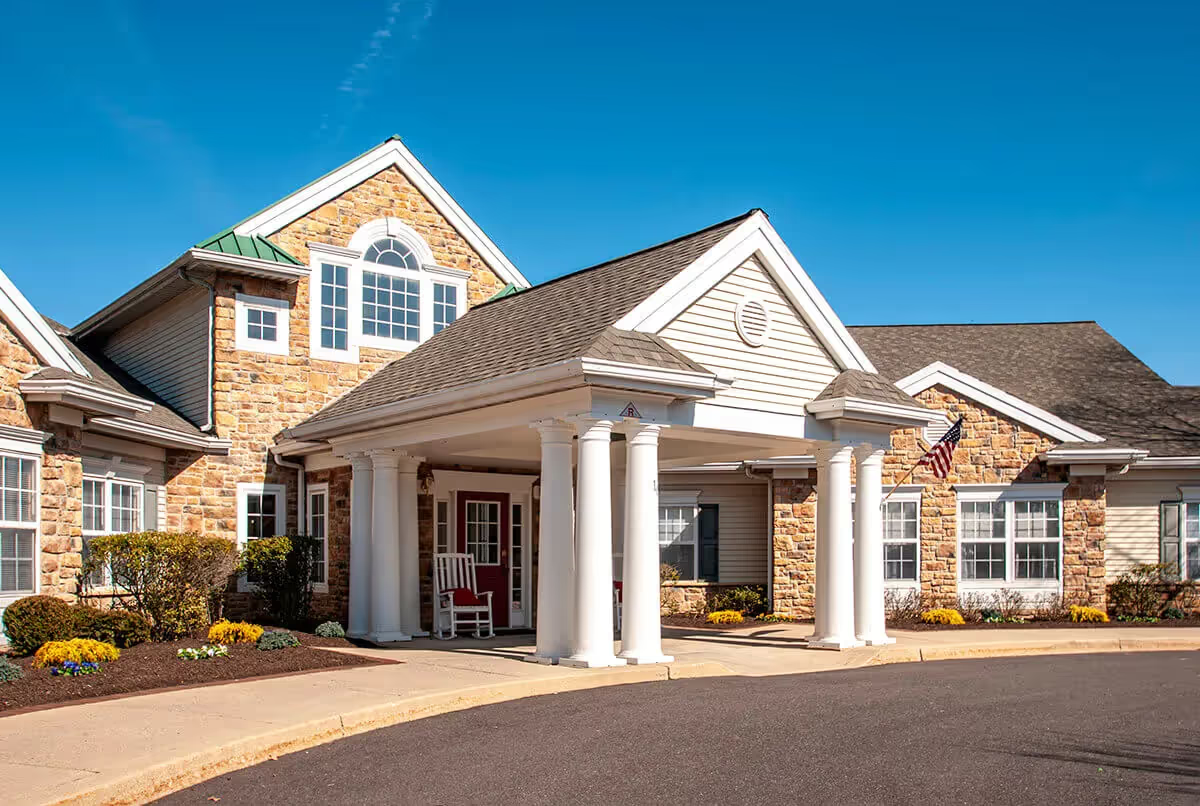
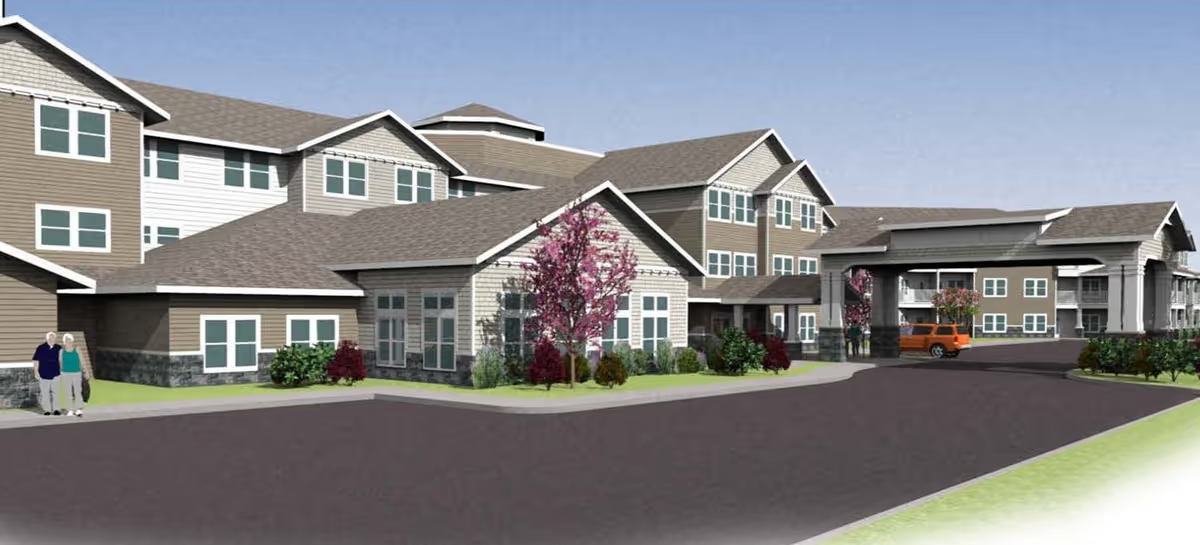
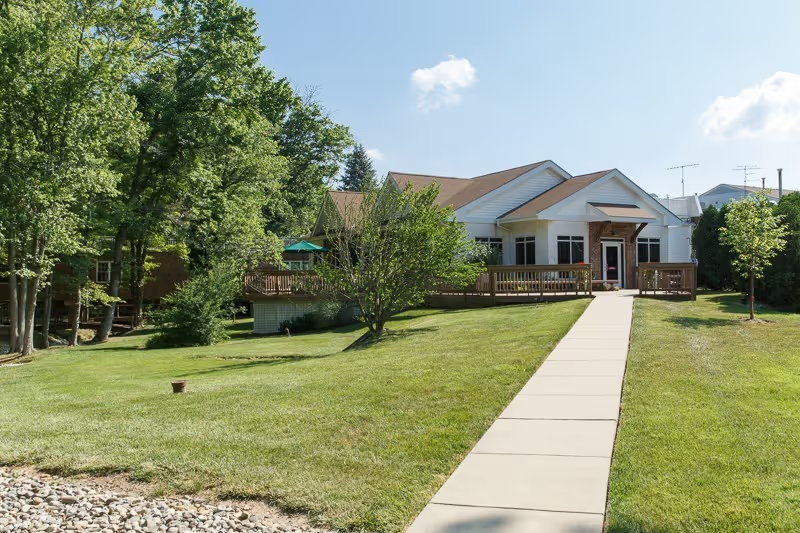
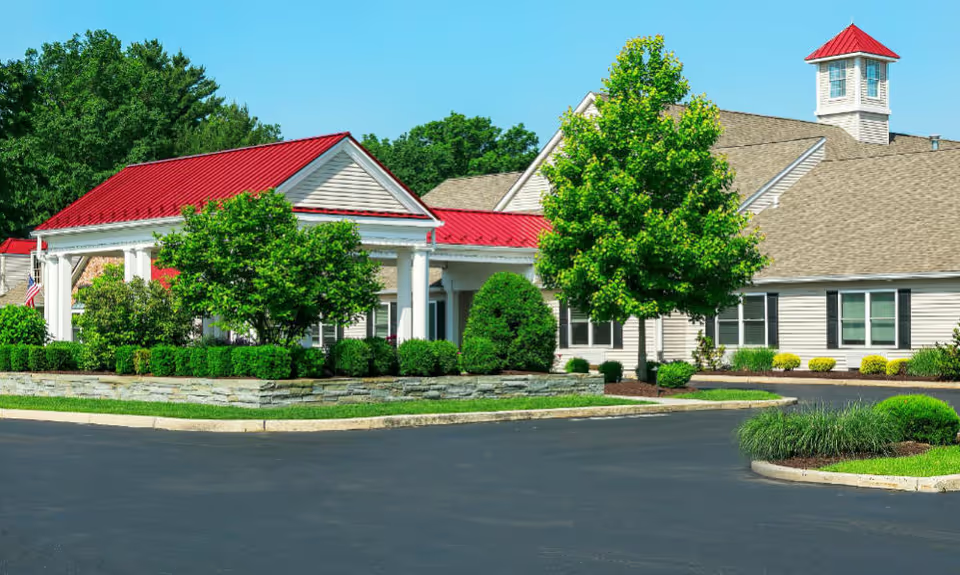
Solana Doylestown is frequently described as a modern, hotel‑style community with strong hospitality features and an active social life. Many families and residents praise the bright, well‑maintained common areas, apartment‑style memory care layouts, and an array of amenities such as an art room, library, movie/theater space, bar, and outdoor areas. The community offers an extensive activities program — daily exercise classes, crafts, live music, happy hours and scenic outings are commonly mentioned — and monthly calendars are shared with families to encourage involvement.
Clinical and day‑to‑day care receive mixed but often positive feedback. Numerous accounts highlight compassionate, attentive staff, consistent caregiver assignments in parts of the building, engaged leadership, and onsite therapy services that support rehabilitation and proactive care planning. The memory care unit in particular draws praise for personalized attention and a calm environment. At the same time, a recurring pattern across reviews points to operational challenges: staffing levels and turnover can be variable, reliance on agency staff sometimes results in uneven onboarding and supervision, and families have raised concerns about delays in assistance and medication administration. These patterns suggest prospective families should ask specific questions about current staffing ratios, agency use, and medication protocols during a visit.
Dining is commonly described as chef‑driven with restaurant‑style service and multiple menu options; many reviewers complimented food quality and the flexibility of meal service (including room delivery). However, dining experiences are not uniformly positive: some residents and family members report inconsistent meal quality between dining venues, menu limitations in certain units (notably some memory‑care meals), and differing opinions on value relative to cost. Cost is an important consideration for many families: the community is positioned toward the higher end of the market, and occasional concerns about fees or refund timing have been noted.
The built environment and move‑in process are strong selling points. Reviewers often mention smooth transitions, rapid move‑in support, and a tasteful, hospitality‑oriented setting that helps residents acclimate. Amenity breadth — from salon and rehab gym to ongoing social programming and transportation for outings — contributes to a resort‑like atmosphere. That said, isolated operational issues appear in some reports, including accessibility concerns in specific apartments, pest‑control and sanitation concerns in limited cases, and safety/supervision gaps during transfers or outings; these should be clarified in person.
Management and communication draw both praise and critique. Several families commend visible, hands‑on leadership and responsive community relations staff; others describe uneven follow‑through on commitments and variability in how concerns are addressed. Memory care leadership and activities coordination receive particular accolades from many families, yet questions remain about the availability of an intermediate clinical level between independent living and memory care.
Overall, Solana Doylestown presents as a well‑appointed, activity‑focused community with strong hospitality, meaningful social programming, and many examples of compassionate caregiving. Prospective residents and families will benefit from an on‑site visit that probes current staffing levels and turnover, medication and personal‑care protocols, the dining experience in the specific unit under consideration, transportation options, and the facility's approach to onboarding agency staff and supervising high‑risk transitions. These targeted questions will help determine whether the community’s strengths align with an individual’s clinical and social needs.