Park Creek Place Memory Care is repeatedly described as a small, home-like memory-care community with a strong frontline staff presence and active dementia programming. Families consistently praise the compassionate, attentive caregivers, visible leadership, and the overall cleanliness and brightness of the facility. The home's single-floor layout, secure enclosed courtyard, multiple dining areas and large resident rooms create an environment that many families find comforting and accessible for persons living with memory loss.
Care quality is a prominent strength: reviewers highlight well-trained dementia-care staff, hands-on nursing and med-tech support, regular care-plan meetings, and dignity-focused personal care practices. Several accounts single out specific staff members and the executive director for above-and-beyond engagement and coordination with families, including hospice support and virtual meeting facilitation. At the same time, reviewers also describe operational variability: staffing shortages, turnover, and occasional delays in clinical responsiveness were raised as concerns that can affect continuity of direct care.
Dining at Park Creek Place receives mixed but generally positive feedback. Multiple reviews commend an engaged chef, varied menus, and nutrition oversight with prepared texture-modified (pureed/diced) options. Other families, however, describe variability in meal quality and limited fresh-food offerings at times. Prospective families should ask about current menu sourcing, meal schedules, and accommodations for special diets during tours.
Activity programming is another frequently noted strength. The community offers a broad range of daily and monthly activities, resident-led committees, live music (often era-specific), outings and in-house events such as art and cooking activities. These offerings support social engagement and family involvement. Reviewers also reported episodes when programming diminished—for example during staff absences—which suggests activity availability can be sensitive to staffing continuity and leadership coverage.
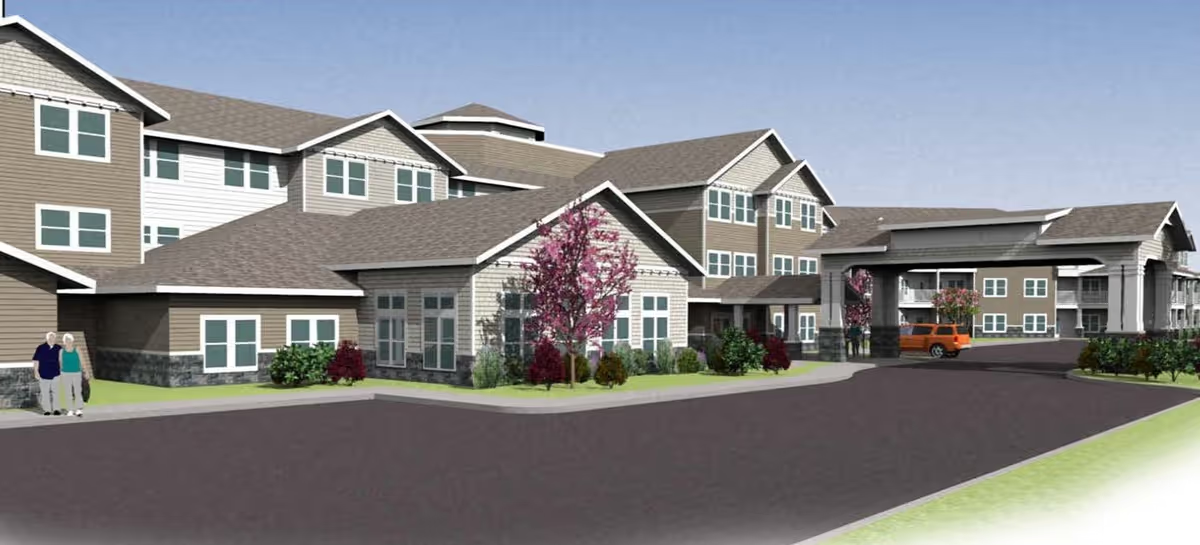
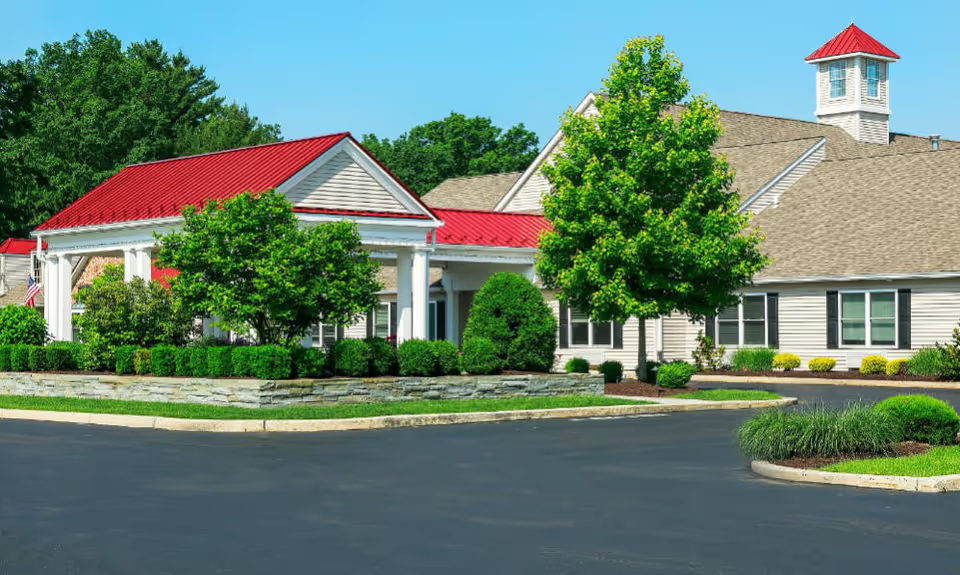
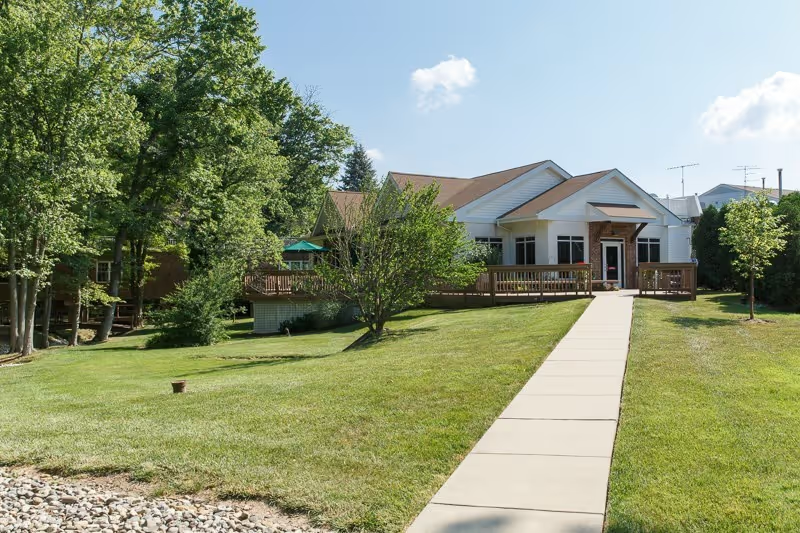
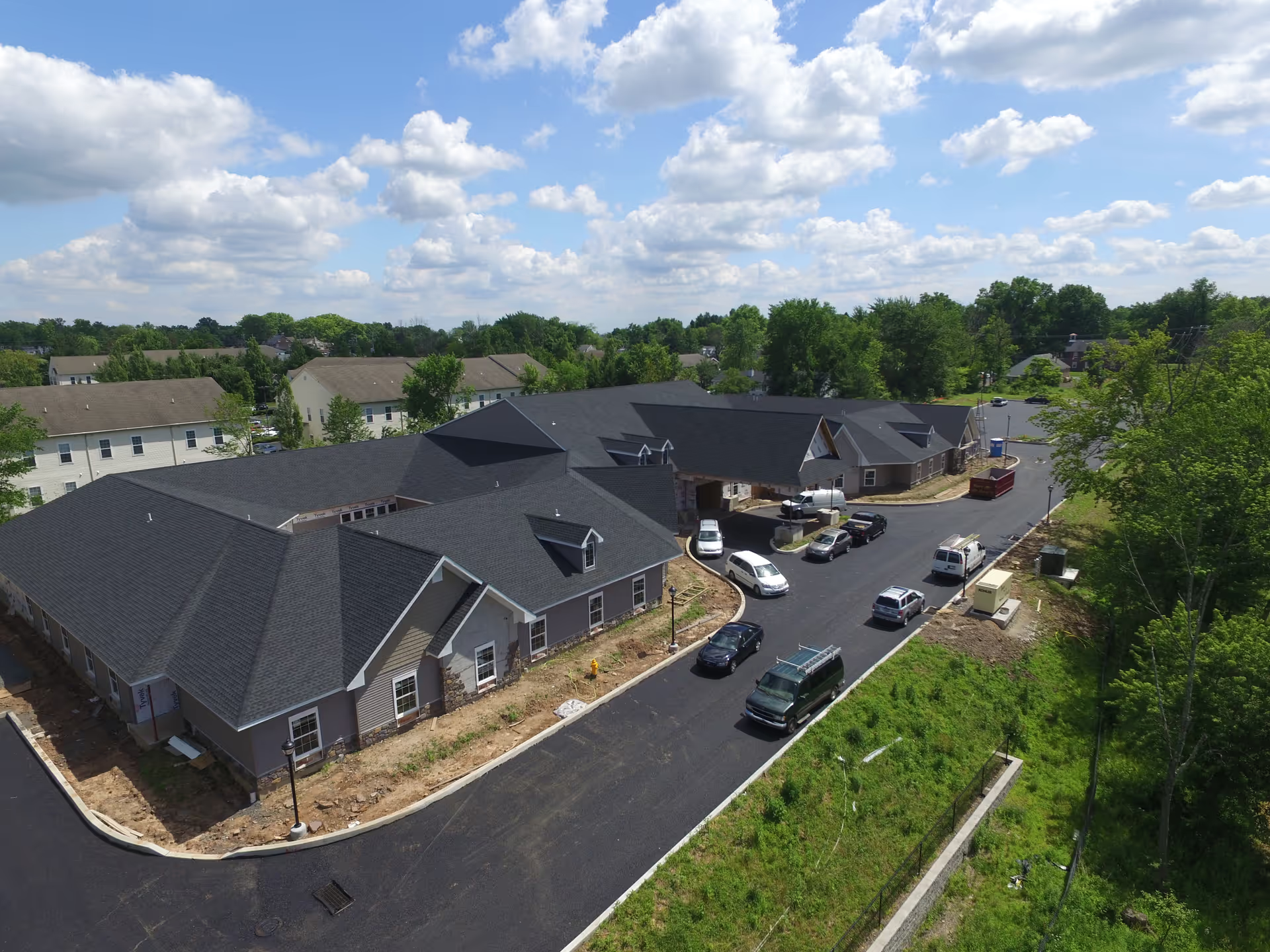
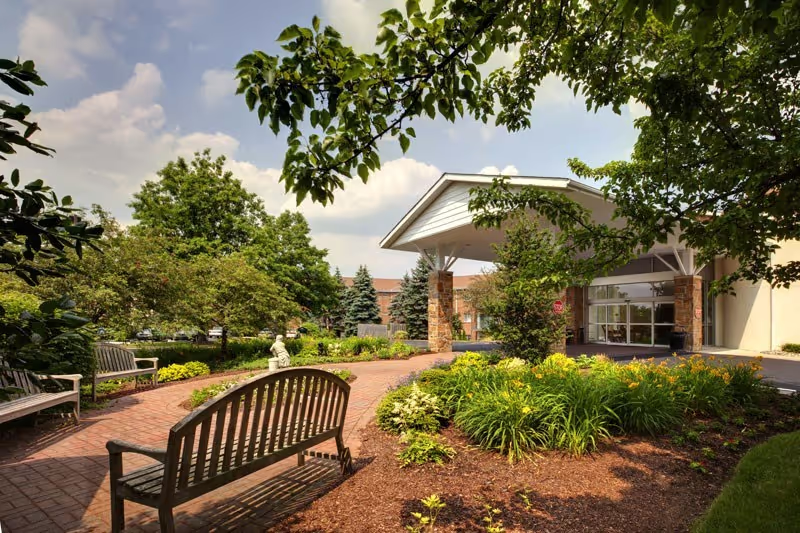
Facility features and location are generally seen as favorable: the community is described as well-kept, with comfortable common spaces, nature views, and spaces designed for safe movement. A few comments referenced odor concerns at the entry and a remote location for some families; these are operational details to verify during an in-person visit. Reviewers also noted some facility policies that may affect care, such as restrictions on certain hospital equipment and continuity/funding policies that deserve clarification before placement.
Management impressions are mixed. Many families praise engaged leadership, transparent communication, and responsiveness to concerns. Conversely, several reviews describe challenges following an ownership transition (notably referenced as Enlivant in some accounts), including sharp fee increases, perceived reductions in transparency, and policy or operational changes. These accounts indicate that ownership transitions have had material effects on costs and some operational practices for certain families.
In summary, Park Creek Place offers a small-scale, dementia-focused environment with strong points in compassionate caregiving, cleanliness, activities, and family communication. The primary operational risks to probe during a tour are current staffing levels and turnover, recent changes related to ownership or management, meal sourcing and consistency, activity staffing contingency plans, laundry/clothing procedures, and specific placement or equipment policies. Asking targeted questions about staffing ratios, recent ownership-driven policy changes, and examples of clinical communication will help families assess current performance and fit for their loved one.