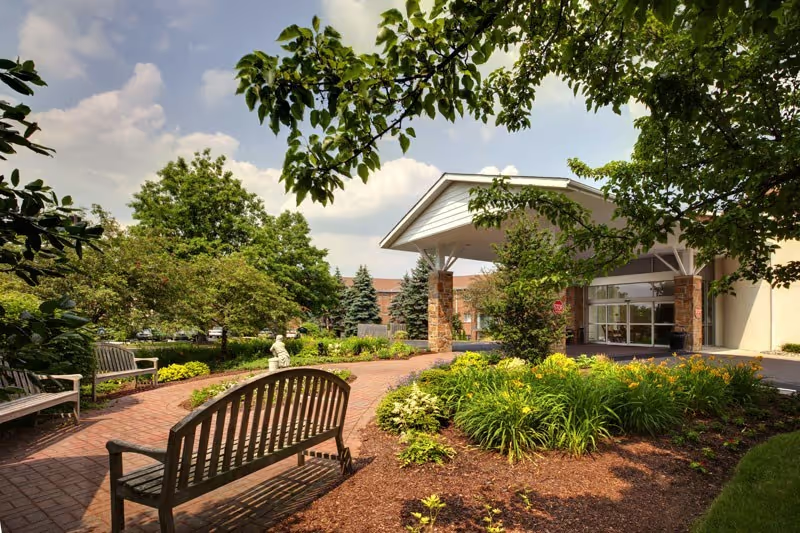
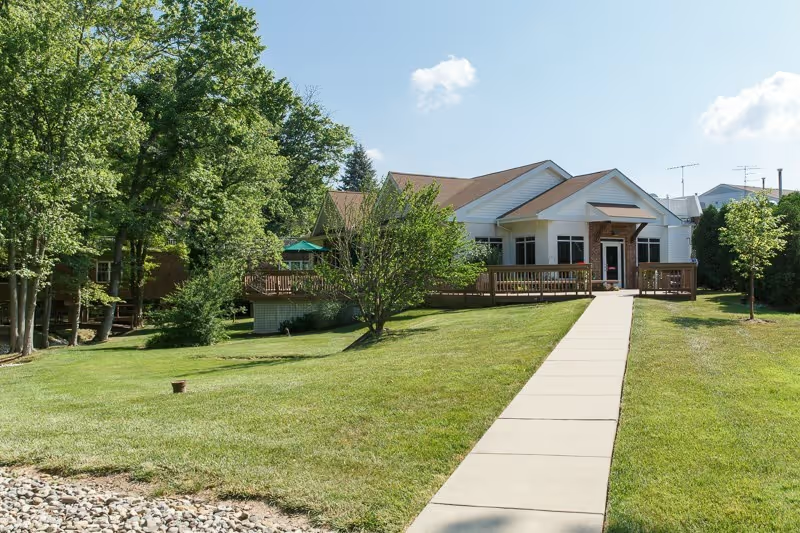
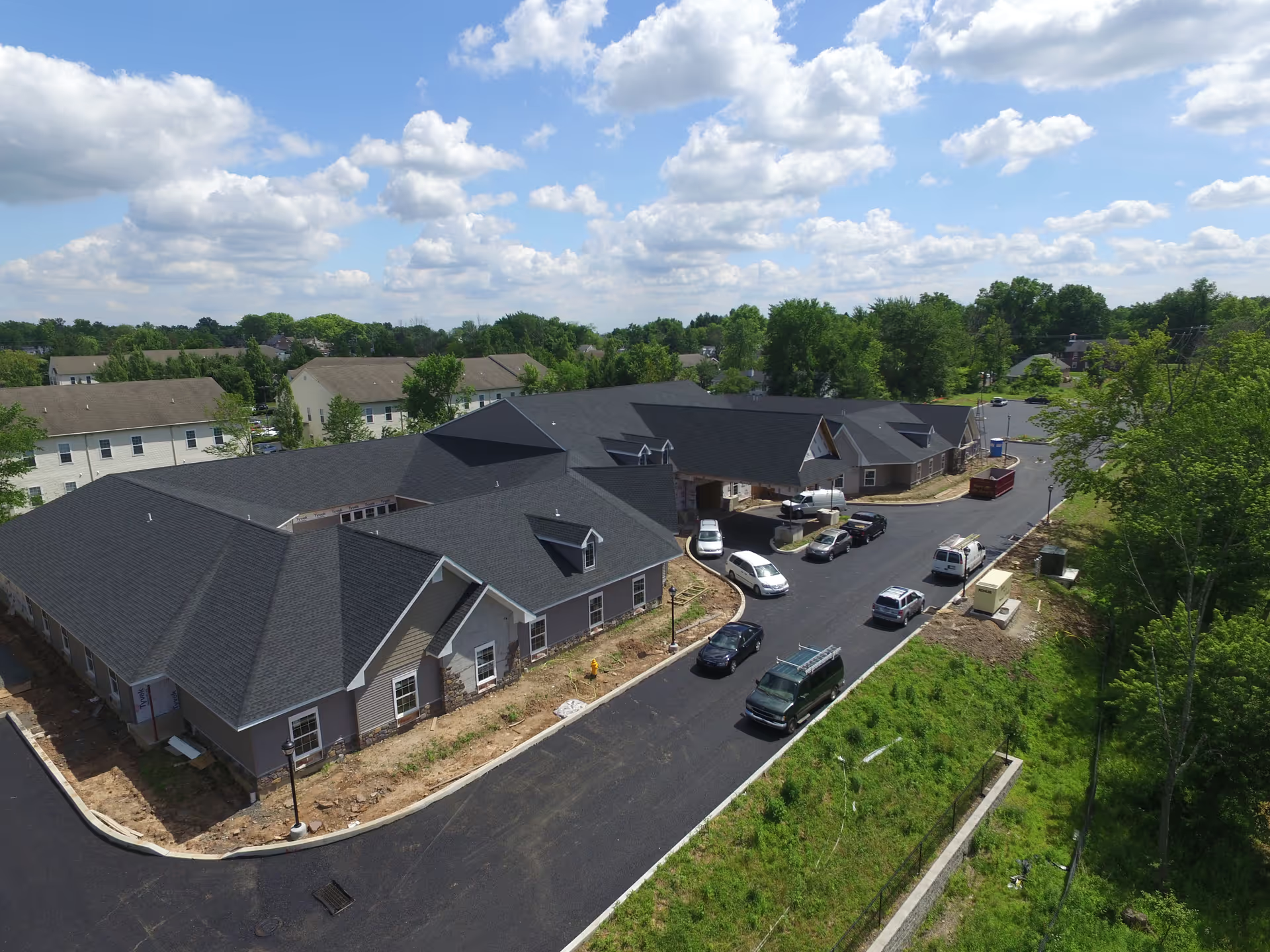
Traditions of Lansdale elicits strongly mixed impressions that cluster around consistently praised frontline staff and community amenities, contrasted with recurring operational and management weaknesses. Many families and visitors describe genuinely compassionate, personalized interactions from aides, nurses, and admissions staff; several named employees received repeated positive mention for welcoming transitions and hands-on assistance. The facility's single-floor layout, accessible design, outdoor courtyards, salon, community rooms, and transportation for outings are frequent strengths, and residents often benefit from varied activities, exercise classes, and on-site or visiting therapy services that support rehabilitation and social engagement.
Dining and programming are commonly cited as positives: reviewers note restaurant-style dining, diet-conscious or adaptive meal preparations, cooking demonstrations, and plentiful menu options. At the same time, there is variability in meal quality and nutrition management, with some families reporting less satisfying meals in memory-care units or occasional lower-quality menu items. Activity programming is broad and includes bingo, crafts, movies, and outings; however, activity engagement in memory-care areas appears uneven, with some residents participating enthusiastically while others receive limited structured stimulation.
Clinical care and operational reliability show a split pattern. Several accounts praise accurate medication handling, careful nursing oversight, and successful rehabilitation outcomes, yet a discernible set of reports raises concerns about medication-administration consistency, clinical staffing levels (including periods without licensed nursing coverage), delays responding to call bells, and supply coordination for more complex medical needs. These operational gaps have at times led families to escalate concerns and seek clarification about clinical protocols and after-hours responsiveness.
Management and housekeeping present another area of contrast. Admissions and marketing personnel are often characterized as helpful and communicative, and many reviewers praise the facility's cleanliness and ongoing renovations. Conversely, recurring comments point to frequent leadership turnover, uneven administrative communication with families, service inconsistencies in laundry and housekeeping, and episodic sanitation or odor concerns in common areas. Renovation activity and staff churn have been described as sources of disruption, and several families advised prospective residents to confirm current management stability and renovation timelines.
For prospective residents and families, Traditions of Lansdale may be a solid option when priorities include compassionate frontline caregivers, an accessible single-floor environment, active programming, and strong value compared with higher-cost nursing settings. Before committing, families should proactively verify current clinical staffing patterns (including nursing coverage and medication protocols), housekeeping and sanitation practices, dining plans for memory-care residents, specific apartment features (bathroom accessibility, kitchenette availability), and the facility's policies on room-hold, fees, and communication pathways for incidents. These checks can help align expectations with the facility's mix of strong person-centered care at the staff level and identifiable operational risks at the administrative level.