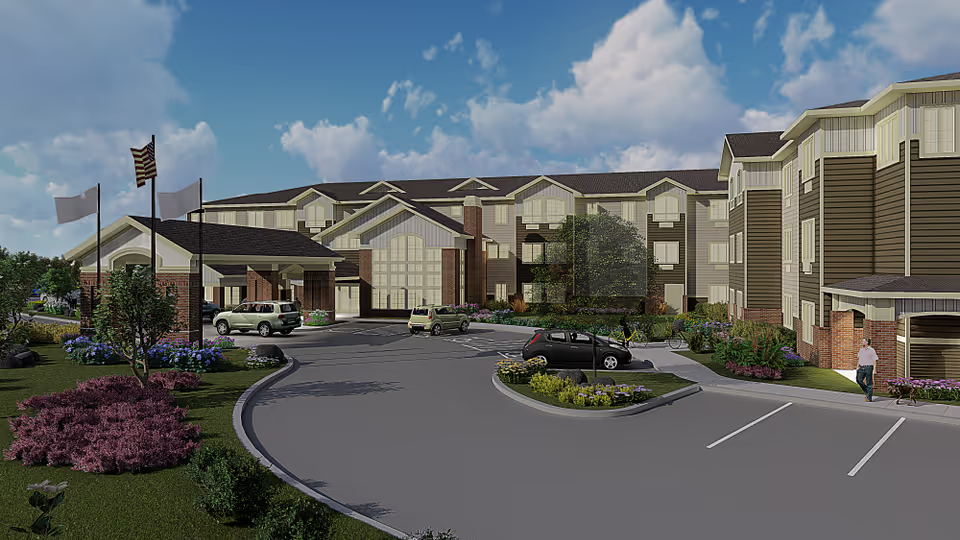
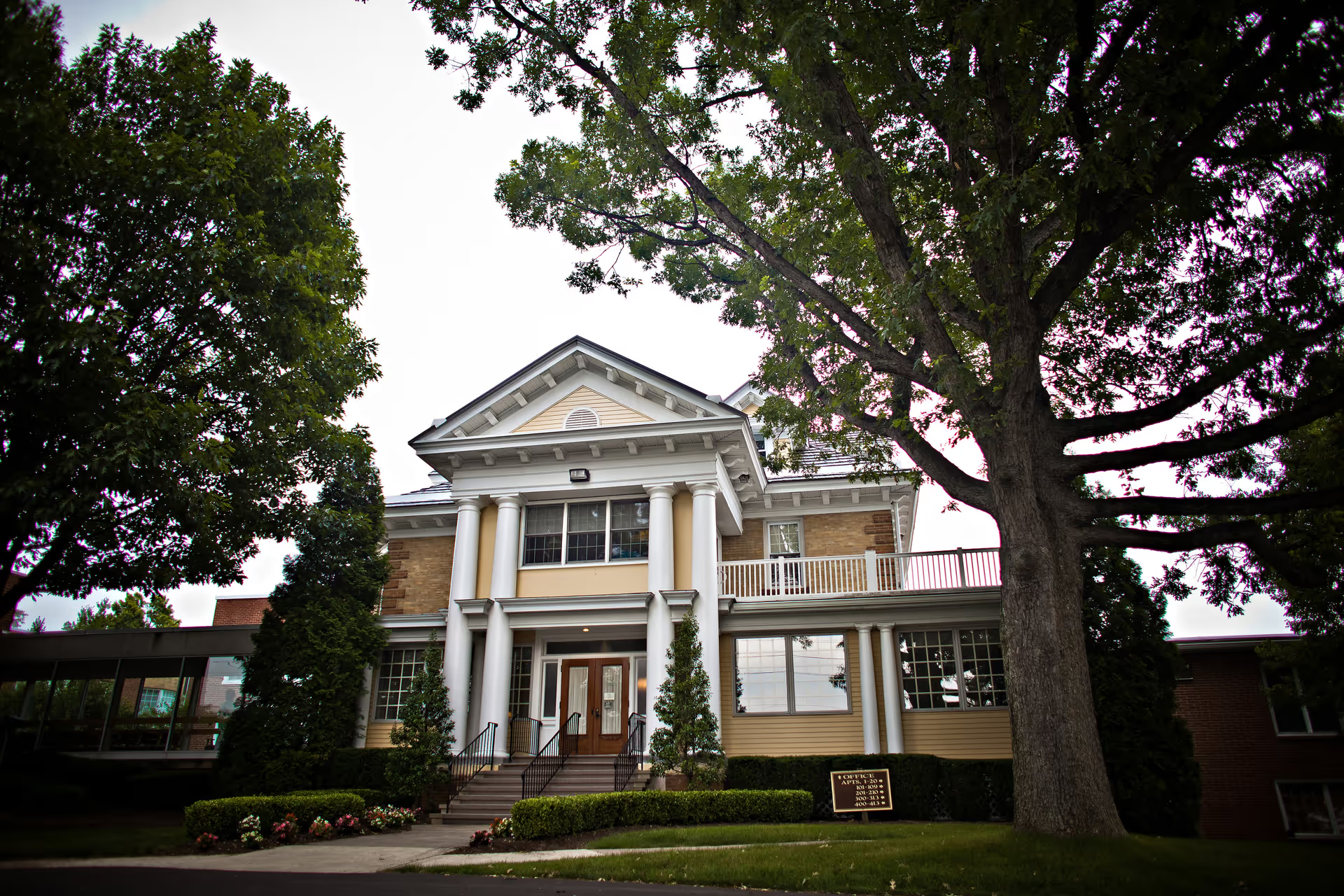
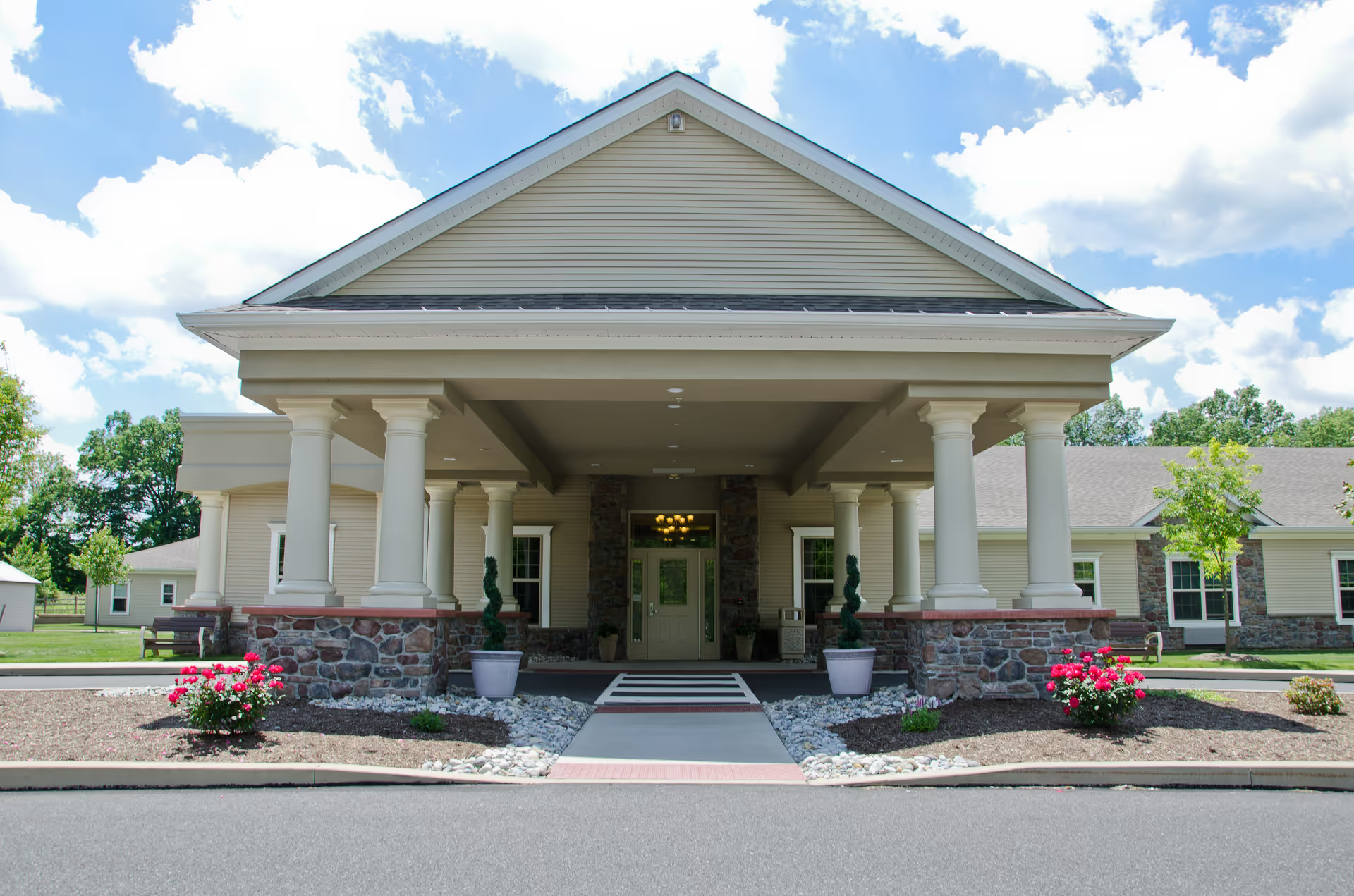
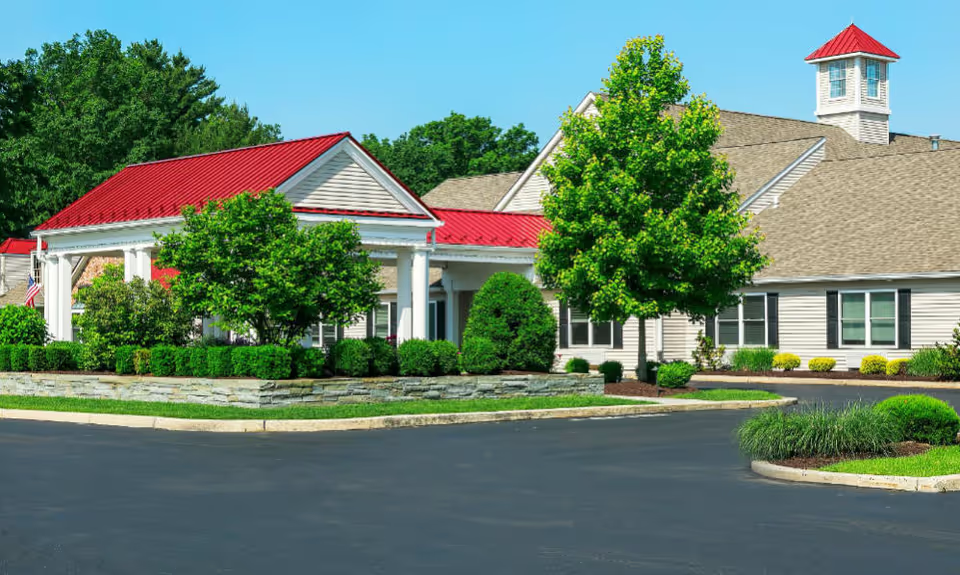
The Birches at Harleysville elicits strongly polarized but recurring themes. Many families and residents praise the community’s social environment, amenities, and hospitality: clean, sunlit common spaces, spacious rooms (often with private baths or kitchenettes), a strong activities program, on‑site therapy services, and restaurant‑style dining are frequently highlighted. The marketing and admission process is often described as welcoming and efficient, and maintenance responsiveness and event offerings contribute to a hotel‑like, community feel that many residents and visitors find comforting.
Staff performance is a central driver of satisfaction. Numerous accounts describe compassionate, friendly, and engaged caregivers, attentive dining servers, and a leadership team that fosters a family‑like atmosphere. Conversely, other accounts identify operational weaknesses in clinical staffing and training. Reviewers raised concerns about inconsistent staffing levels, variable clinical competency, and delays in responding to clinical events or escalations. Family communication about medical status and incident follow‑up is also uneven: some families receive regular updates and feel included, while others describe difficulty obtaining timely medical information or assistance.
Clinical and safety issues are the clearest areas of divergence. Positively, on‑site rehabilitation (PT/OT/speech) and medication assistance are available and have helped many residents regain function. However, multiple comments indicate gaps in monitoring and personal‑care routines — for example, inconsistent toileting/bathing schedules, slower call‑bell responses during staffing shortfalls, and weaknesses in fall detection and post‑fall follow‑up. There are also recurring concerns about medication management and disclosure; in a few accounts these concerns were framed as serious, including an allegation related to opioid administration. Prospective families should ask specific questions about nurse staffing ratios, on‑shift clinical coverage, medication oversight policies, and end‑of‑life care protocols.
Dining and activities are among the facility’s strongest features. Many reviewers praise varied, freshly prepared menus, monthly chef engagement with residents, and plentiful special‑event meals. At the same time, meal quality and variety are occasionally described as inconsistent by some residents. The activity program is robust — musical performances, outings, crafts, theme events, and regular transportation are repeatedly cited as strengths that support resident engagement and wellbeing.
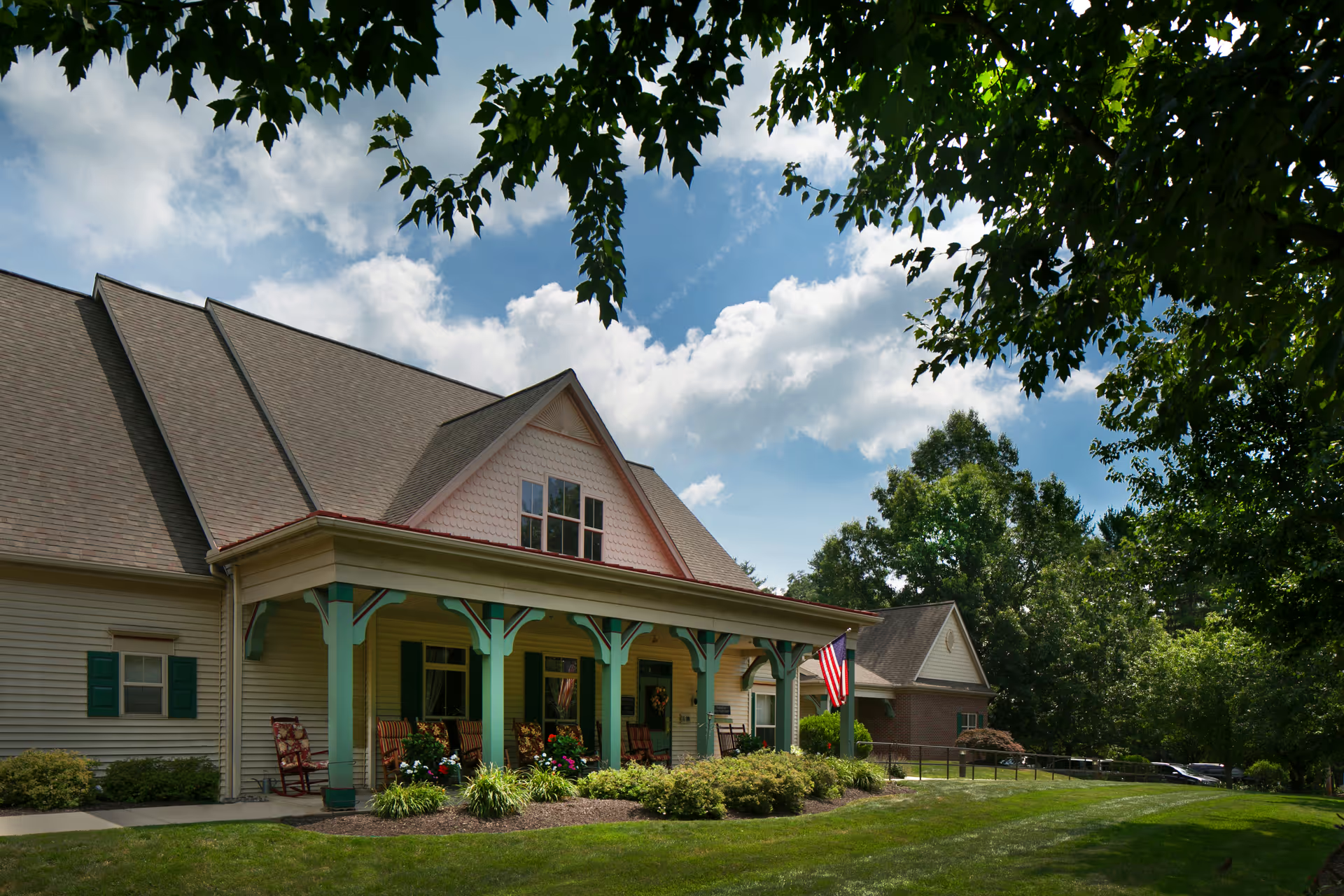
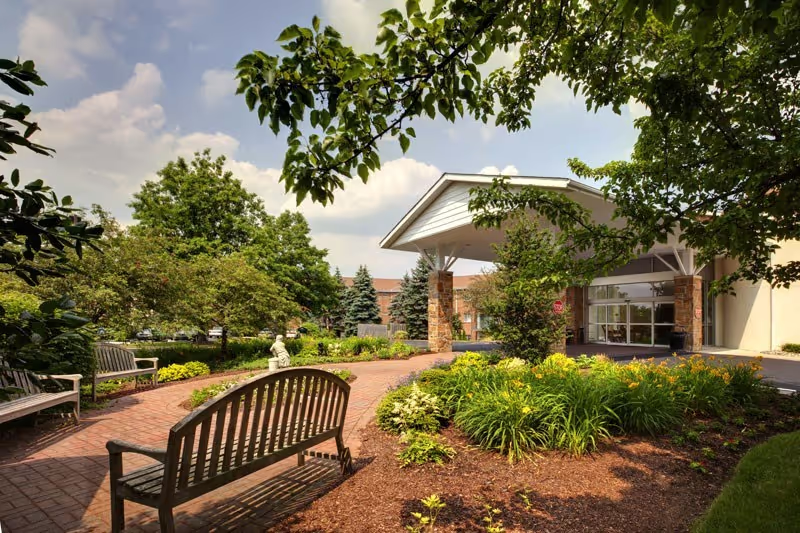
Facility upkeep, security, and amenities generally receive positive remarks: clean common areas, outdoor seating, secured memory‑care access with controlled entry, laundry and salon services, and prompt maintenance. Nevertheless, isolated sanitation and laundry tracking concerns appear in some accounts, and there are notes about lost or missing personal items. Memory‑care capability is another mixed area: while the community has a secured memory wing and proactive memory‑care leadership praised by some families, others felt placement or the level of clinical oversight did not meet their expectations.
Management and administration present a similar mix. Many reviewers praise approachable leadership, helpful marketing and admissions staff, and effective transition support. Others describe lapses in administrative follow‑through such as billing or deposit issues, delayed paperwork, and variable enforcement of visitation policies during infection‑control events. These administrative inconsistencies amplify clinical and communication concerns for affected families.
Recommendation: The Birches offers strong social programming, attractive physical spaces, and many examples of attentive, compassionate staff and effective rehabilitation services. For families considering placement, it is prudent to verify current clinical staffing levels, nurse coverage, medication‑management and escalation procedures, memory‑care staffing ratios, and family‑communication protocols. Ask for specifics about incident response, toileting/personal‑care schedules, and policies for lost or tracked personal items. Those priorities will help determine whether the community’s social and amenity strengths align with the prospective resident’s clinical and safety needs.