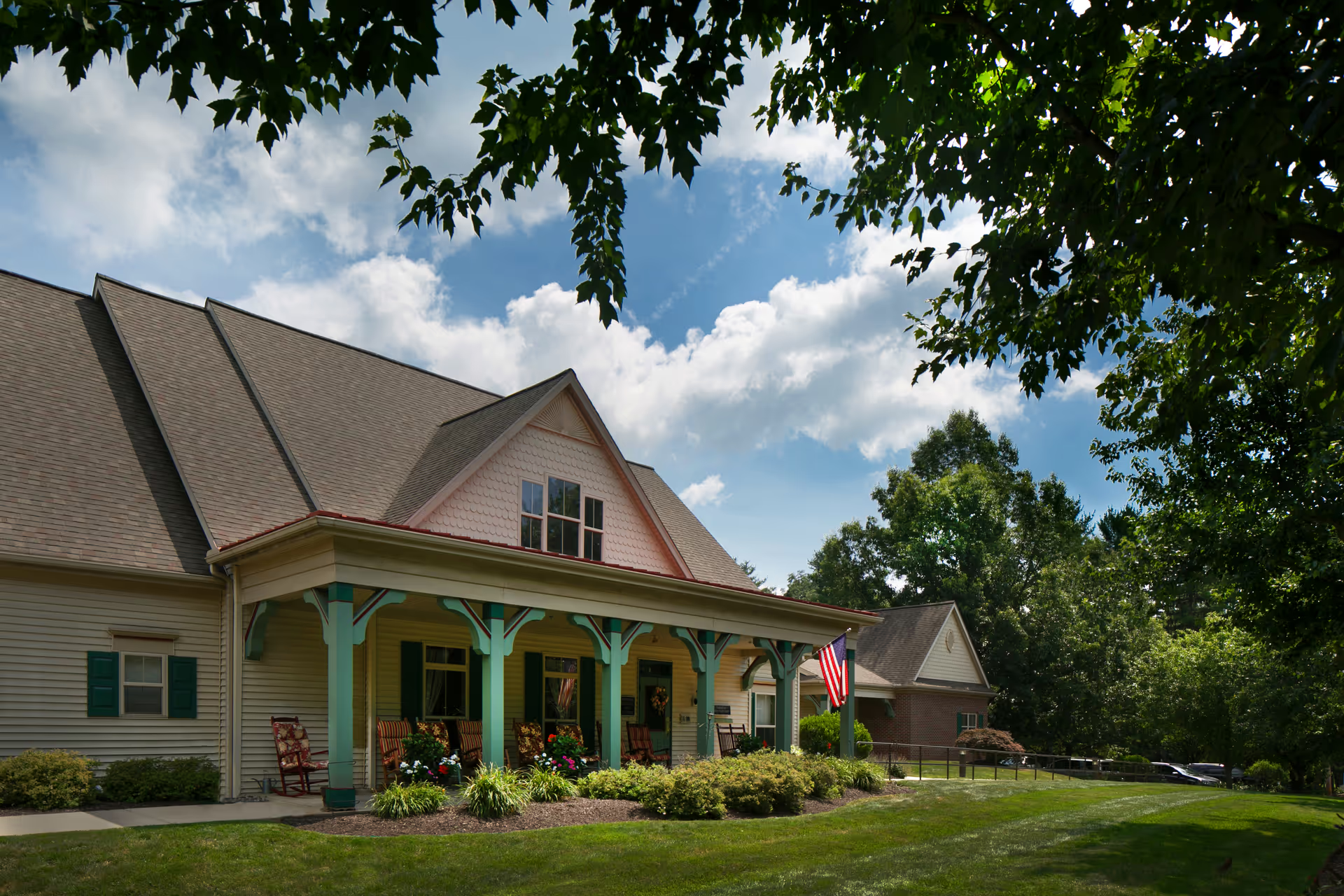
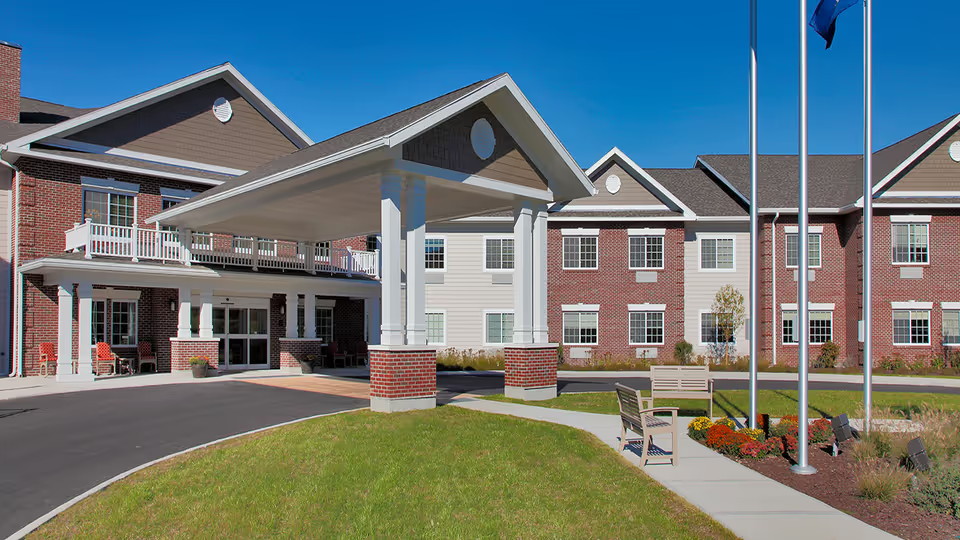
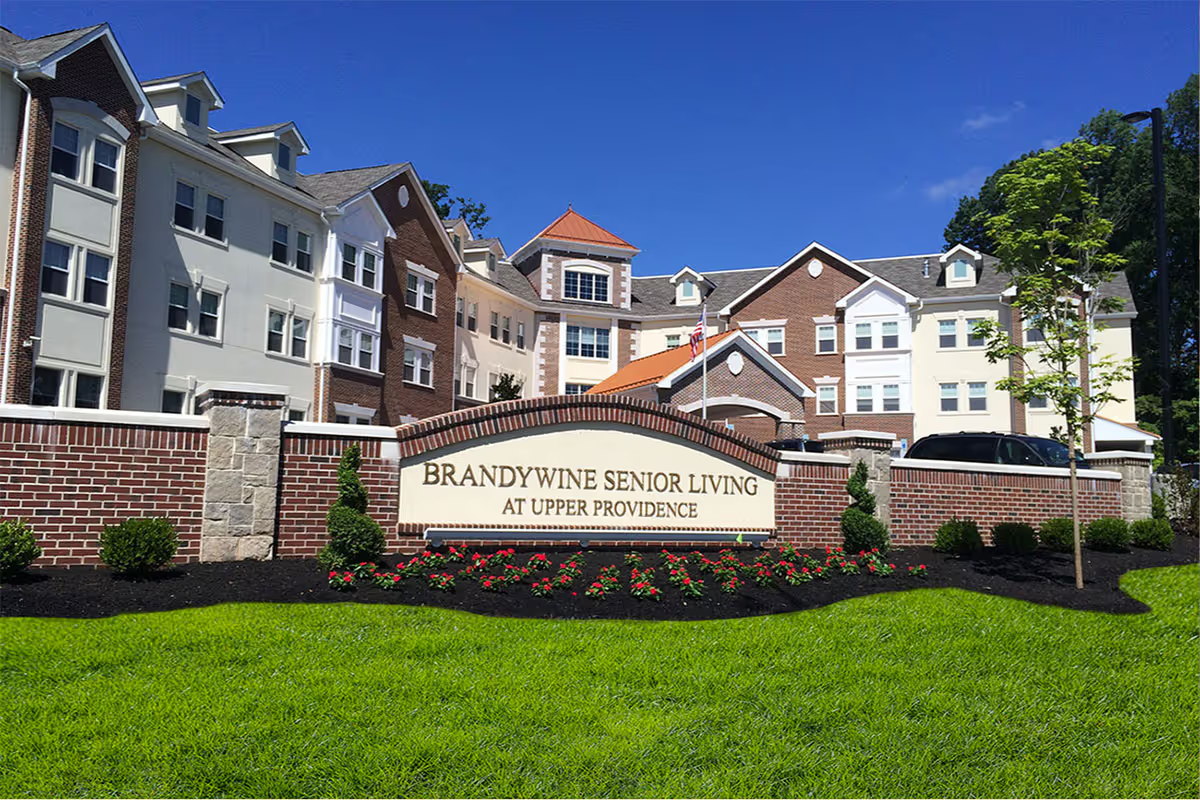
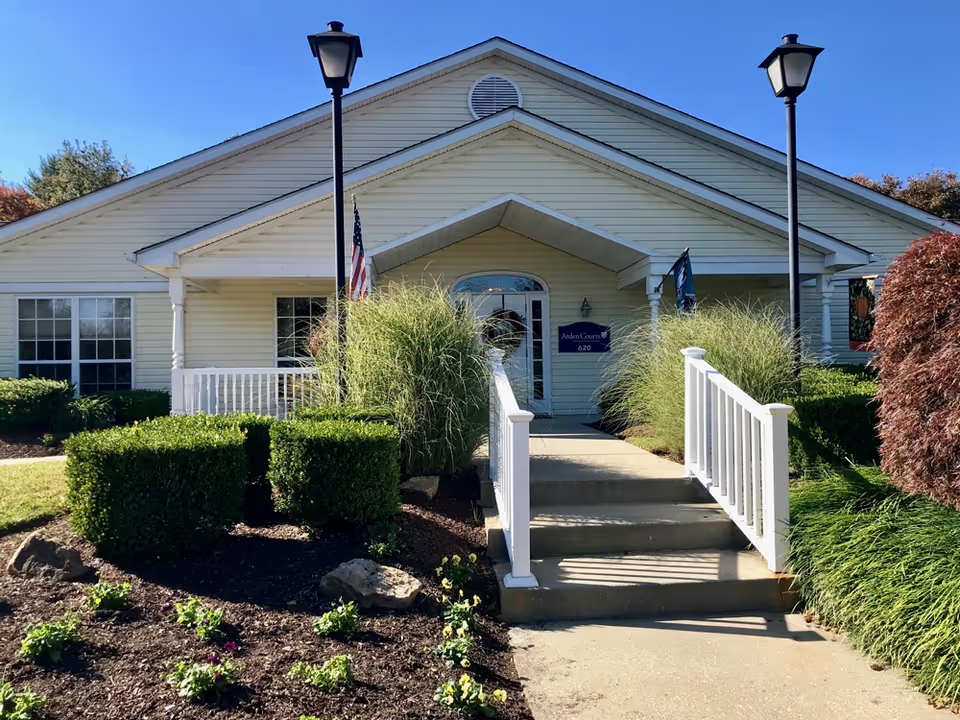
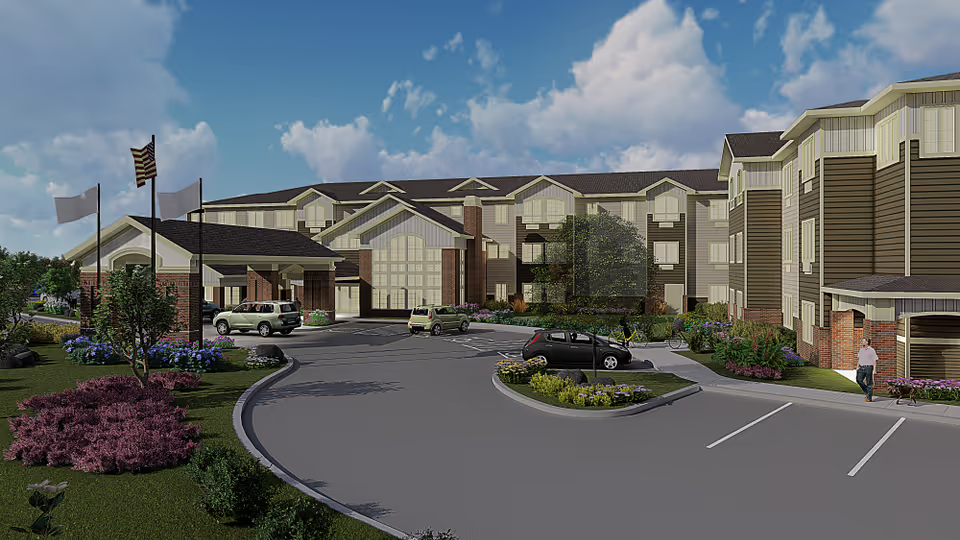
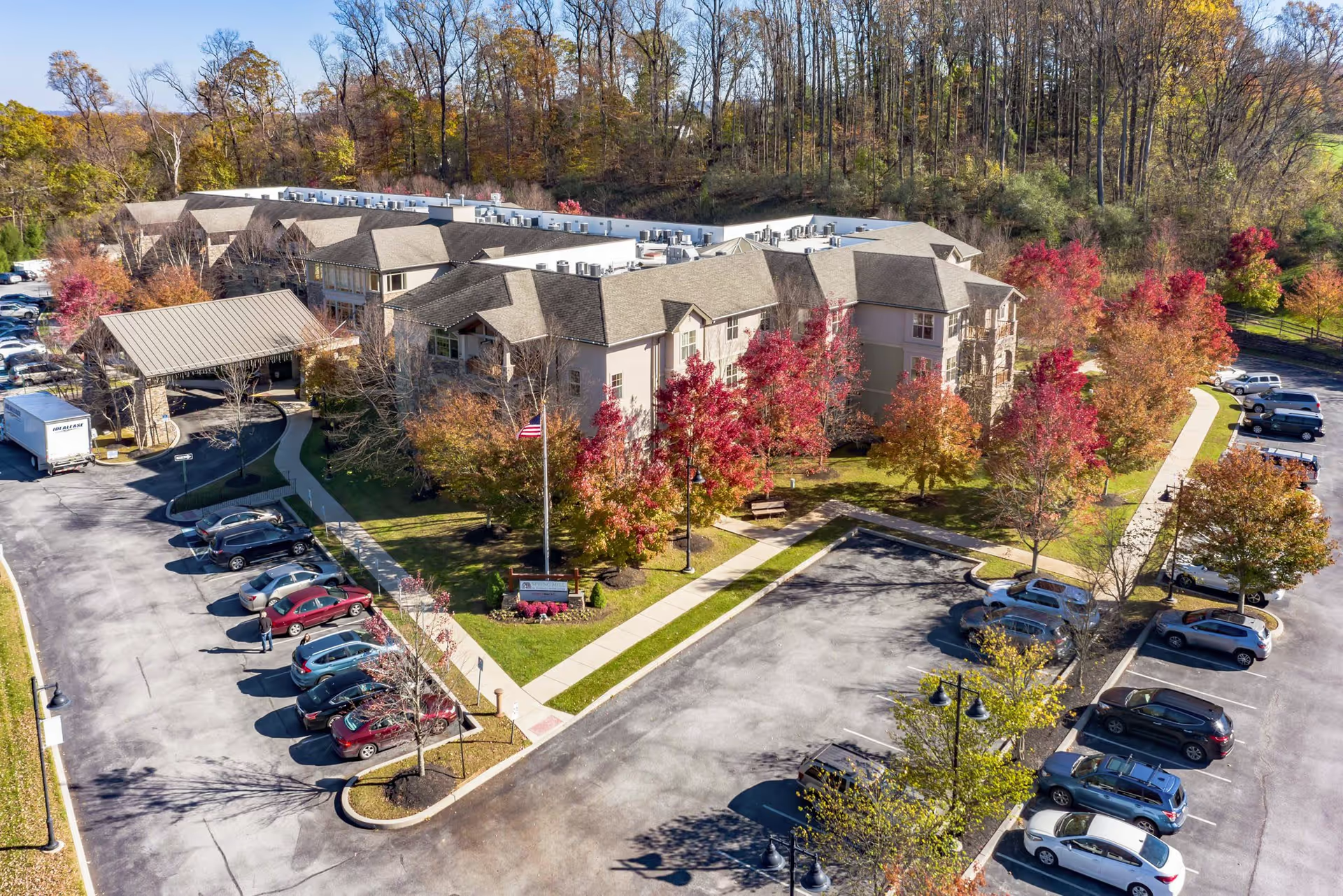
Providence Place at the Collegeville Inn is frequently described as a clean, modern community with attractive, well‑maintained interiors and spacious apartment options. Reviewers consistently praised the compassionate day‑to‑day caregiving, knowledgeable nursing and clinical staff, and an engaged leadership team that is accessible and supportive during move‑ins. The community offers a broad set of amenities — including salon services, a chapel, a bar/pub, movie room, arts spaces, and scenic outdoor creekside areas — and many families noted meaningful staff–resident relationships that contributed to a family‑like atmosphere.
Care quality is a standout for many residents: reviewers noted attentive caregivers, successful memory‑care transitions, and the availability of on‑site therapy (PT/OT) and pharmacy services. Several accounts highlighted smooth transitions for respite stays and effective clinical support. At the same time, a recurring operational concern is inconsistent staffing and variable on‑floor clinical coverage; some families reported times when nursing presence or dining‑room staffing felt limited. These patterns suggest that staffing levels and clinical coverage can fluctuate, particularly during high‑demand periods.
Dining receives mixed but actionable feedback. Numerous families praised the quality of meals and desserts, while others raised concerns about menu nutritional balance and limited diet‑specific options. Facility logistics — notably a dining room that is some distance from resident rooms — were described as inconvenient for residents with mobility needs and contributed to perceptions of service inefficiency. Reviewers also described occasions of communication friction between clinical staff and the kitchen or administration, which can affect individualized meal accommodations.
The activities program and amenity mix are strengths: an active calendar (bingo, happy hours, religious services, arts-and‑crafts, music) and plentiful indoor/outdoor gathering spaces support social engagement. Some amenities are underutilized in practice, and mobility constraints within the building (long walks to shared spaces and limited elevator access) were identified as barriers for some residents; management has described accommodations such as planned cart assistance to address this.
Management and staff responsiveness earned frequent praise for personal attention, warmth, and follow‑through — individual staff were often named for exemplary service. However, reviewers also described episodic communication breakdowns with families and stressed that the community has experienced operational strain during emergencies (for example, during a pandemic and flood), which affected service continuity. Pricing was generally viewed as reasonable by many, but a subset of families felt price did not align with their expectations, so prospective residents should compare contract details and services covered.
In summary, Providence Place demonstrates clear strengths in environment, programming, and relational caregiving, with particular capability in memory care and rehabilitative services. Prospective residents and families should weigh those strengths against operational considerations: verify typical staffing patterns and on‑floor clinical coverage, confirm dining accommodations for specialized diets, and assess accessibility of common areas relative to a prospective resident’s mobility. An in‑person tour focused on staffing, meal sampling, and a walk‑through of typical routes to dining and amenities will help clarify fit for individual needs.