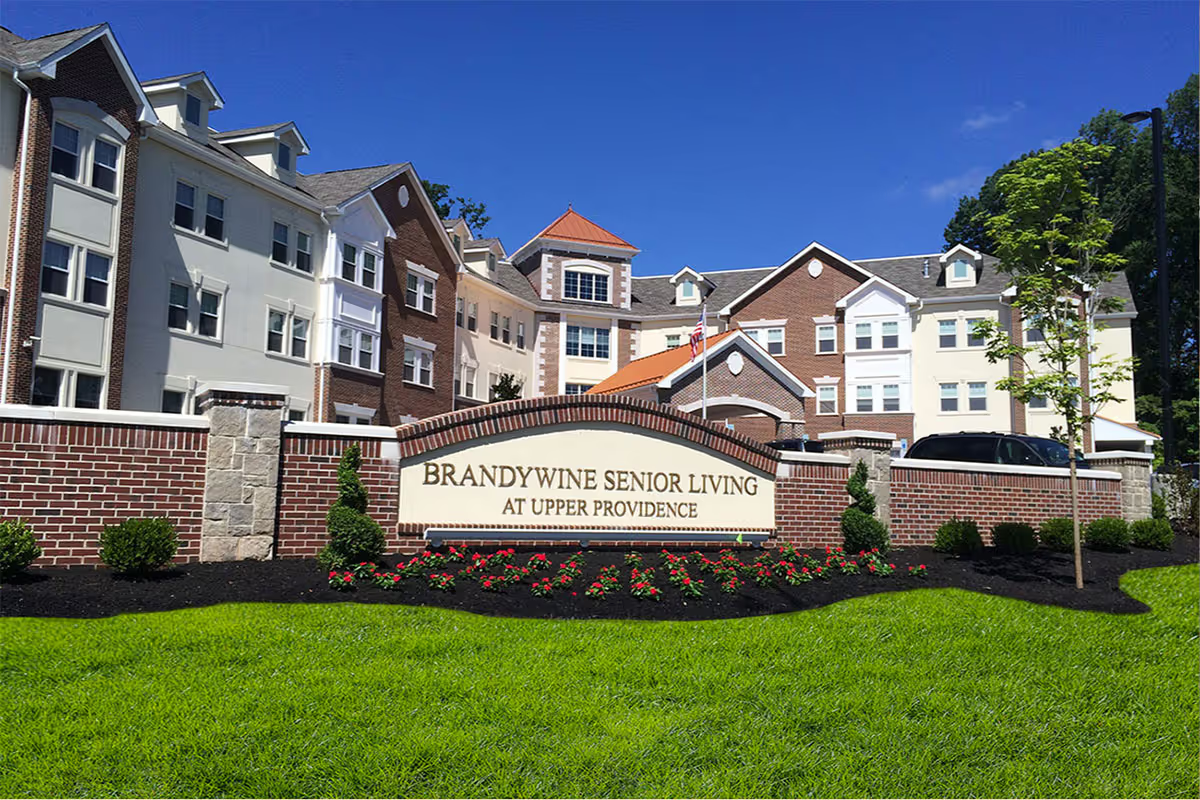
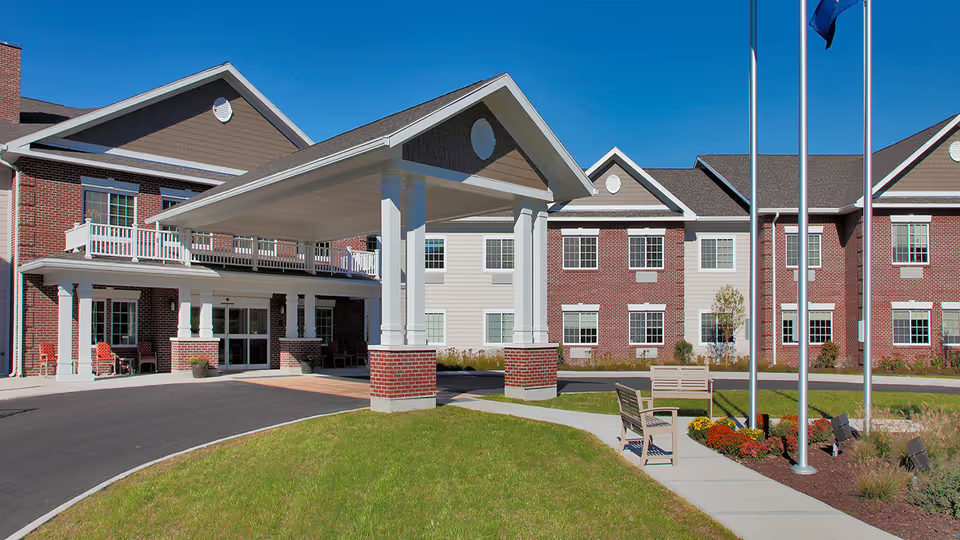
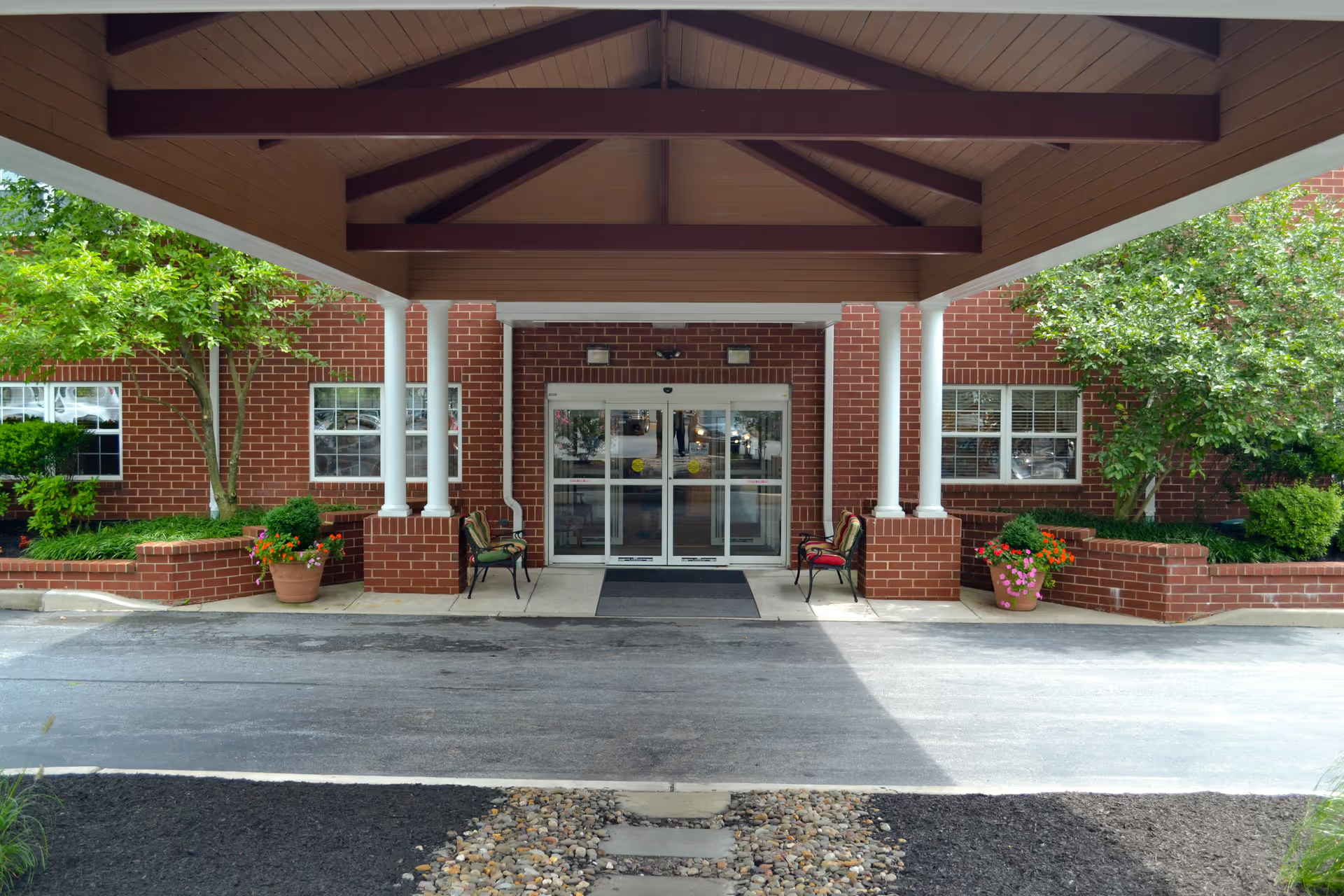
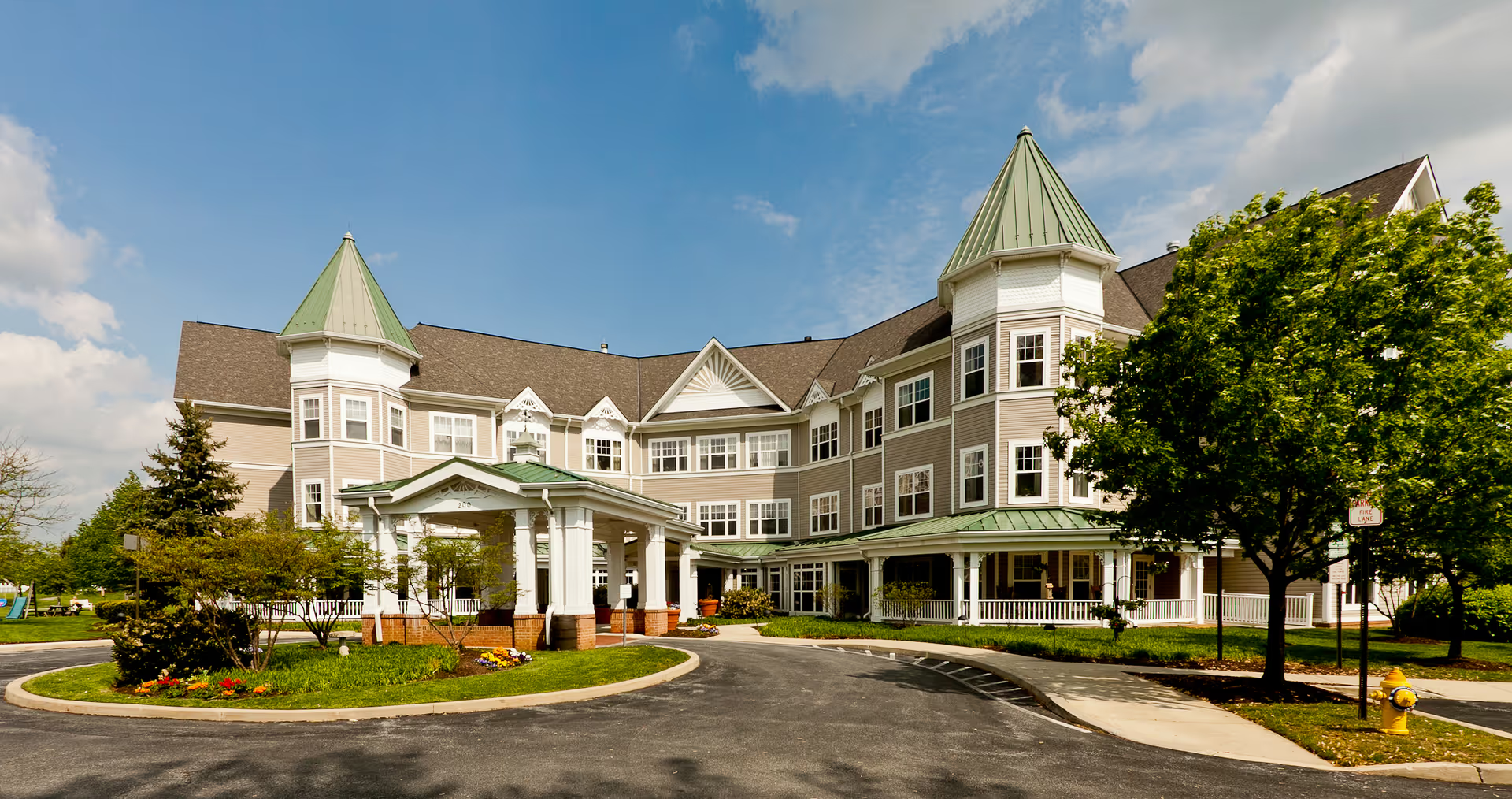
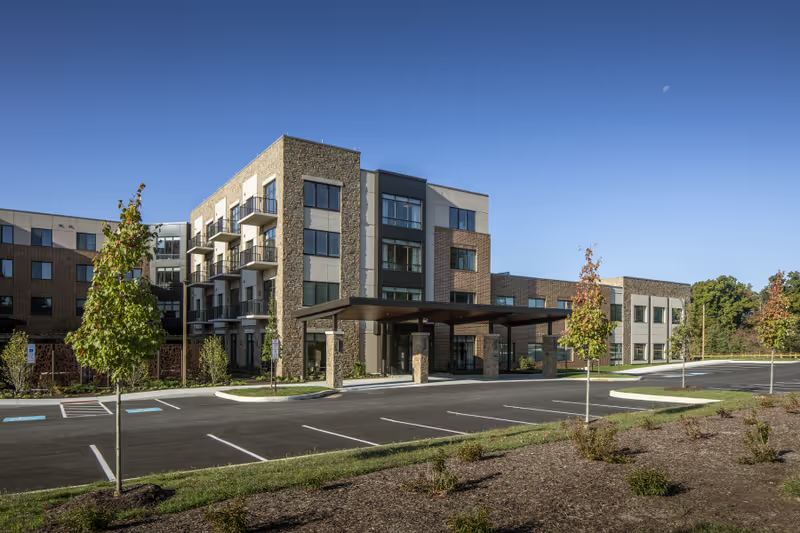
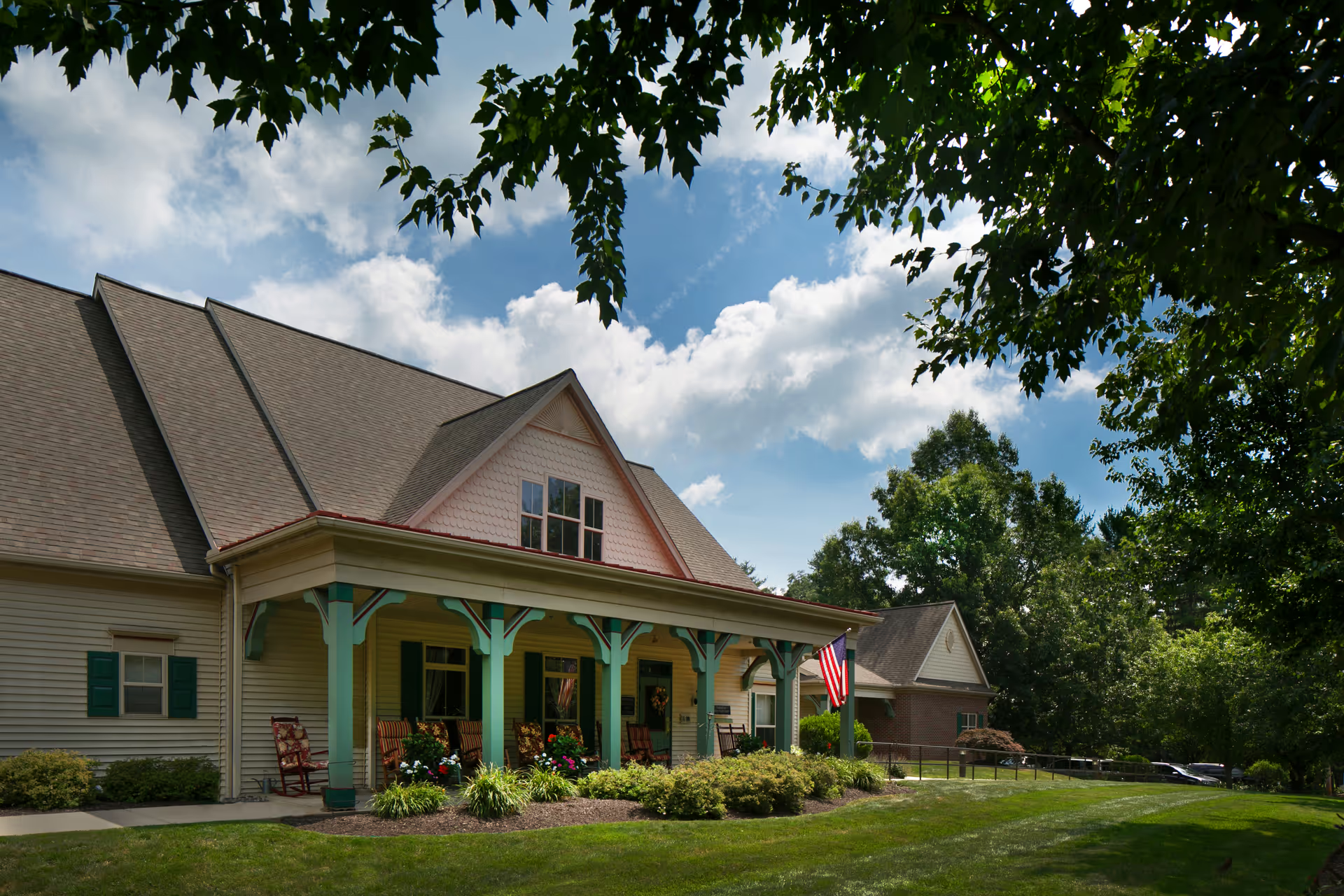
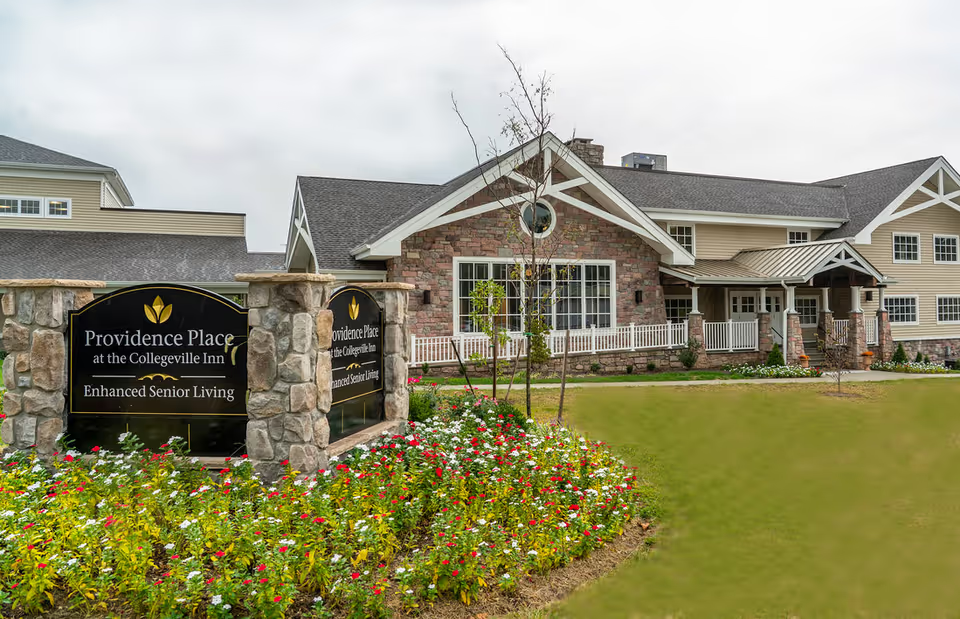
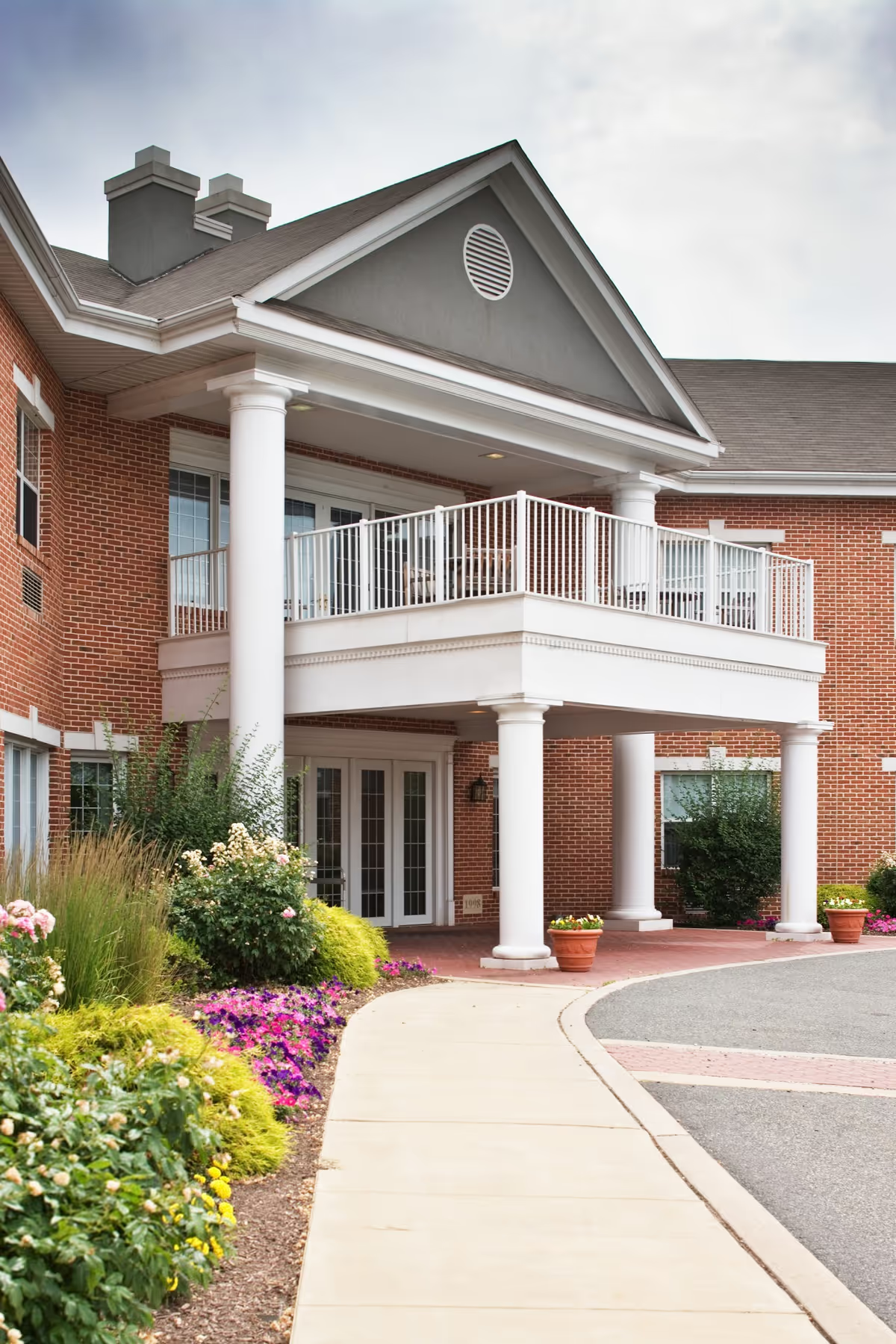
Spring Mill elicits strongly mixed but consistent themes: many families and visitors describe a bright, resort-like campus with an active social culture and numerous amenities, while operational and staffing instability has produced a second, more critical thread of feedback. The facility’s strengths emphasize resident quality of life — residents are frequently described as engaged, sociable, and well cared for when regular staff are present, and reviewers highlight a number of standout team members and leaders who provide individualized attention.
Care and staff: The caregiving team receives abundant praise for compassion, individualized attention, and relationship-based work. Several staff members and administrators are named positively for hands-on support, good communication during tours and admissions, and effective family outreach. At the same time, reviewers identify recurring operational weaknesses: high turnover, periodic reliance on agency aides, and uneven nursing leadership. These patterns have been linked to delays in responses to resident calls, longer waits for help or medication at times (particularly on weekends), and occasional supervision gaps in memory care. Where tenured staff remain, families report continuity and strong relationships; where transitions are occurring, families report variability in clinical oversight and day-to-day responsiveness.
Dining and nutrition: Dining is a salient and generally favorable area after a chef change — many reviewers praise high-quality meals, appealing desserts, and pleasant dining-room experiences (including affordable meal options for visitors). Nonetheless, there are repeated notes about inconsistent meal quality across time and units, and limited diabetic-specific or tightly managed special-diet accommodations in some instances. Kitchen reliability concerns (plumbing, service interruptions) were also raised and suggest that meal-service continuity can be an operational risk.
Activities and engagement: Spring Mill’s activities program is a consistent positive. The community offers music, exercise classes, creative arts, outings, family events, and Montessori-based memory-care engagement, and families commonly credit activities with improvements in mood and social engagement. The variety and frequency of outings, live music, therapy groups, and meaningful invitations to participate are repeatedly described as strengths. Some reviewers did note variability in outdoor programming and occasional limited activity options tied to staffing or leadership transitions.
Facilities and services: The property is frequently described as clean, bright, and well maintained, with attractive common areas, private patios, walking paths, and secure memory-care neighborhoods. On-site sub-acute rehab, PT/OT services, and transportation options add to the convenience for many families. Conversely, several reviews cite maintenance and reliability problems (air-conditioning failures, plumbing incidents, elevator malfunction, broken TVs) and inconsistent housekeeping/laundry performance, indicating uneven operational follow-through in facilities management.
Management and operations: Leadership impressions are mixed. Multiple reviewers single out helpful admissions directors and engaged executives who facilitate move-ins and community events. However, there are also recurring concerns about inconsistent follow-through after move-in, pricing and billing clarity, and gaps in family communication at times. Nursing-management instability and transition-related leadership vacancies were cited as drivers of uneven clinical practice and staff morale. Security and access-control issues (door-locking protocols, unattended front desk during events) were raised as facility-level safety concerns in several accounts.
Notable patterns and what to watch for: Prospective residents and families can expect a well-appointed community with a robust social calendar, strong individualized care when experienced staff are on duty, and good rehabilitation and hospice partnerships. At the same time, evaluate current staffing stability and nursing leadership, weekend coverage plans, special-diet management, maintenance-response processes, and billing transparency before commitment. Visiting during a weekend and speaking with both day and evening staff, asking for written staffing/coverage plans for memory care, and reviewing recent maintenance and incident-response records can help align expectations with the mixed operational reports present in these reviews.