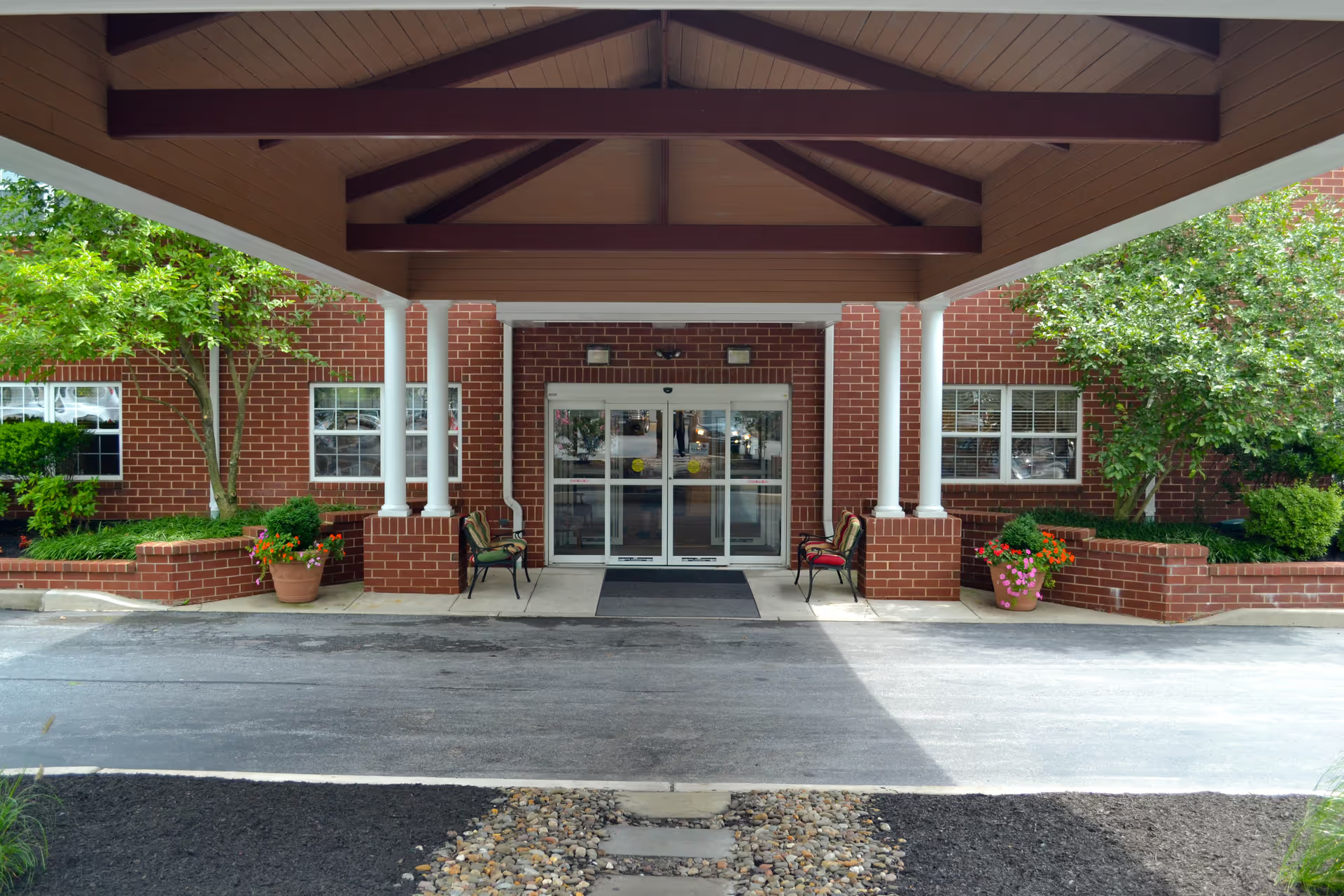
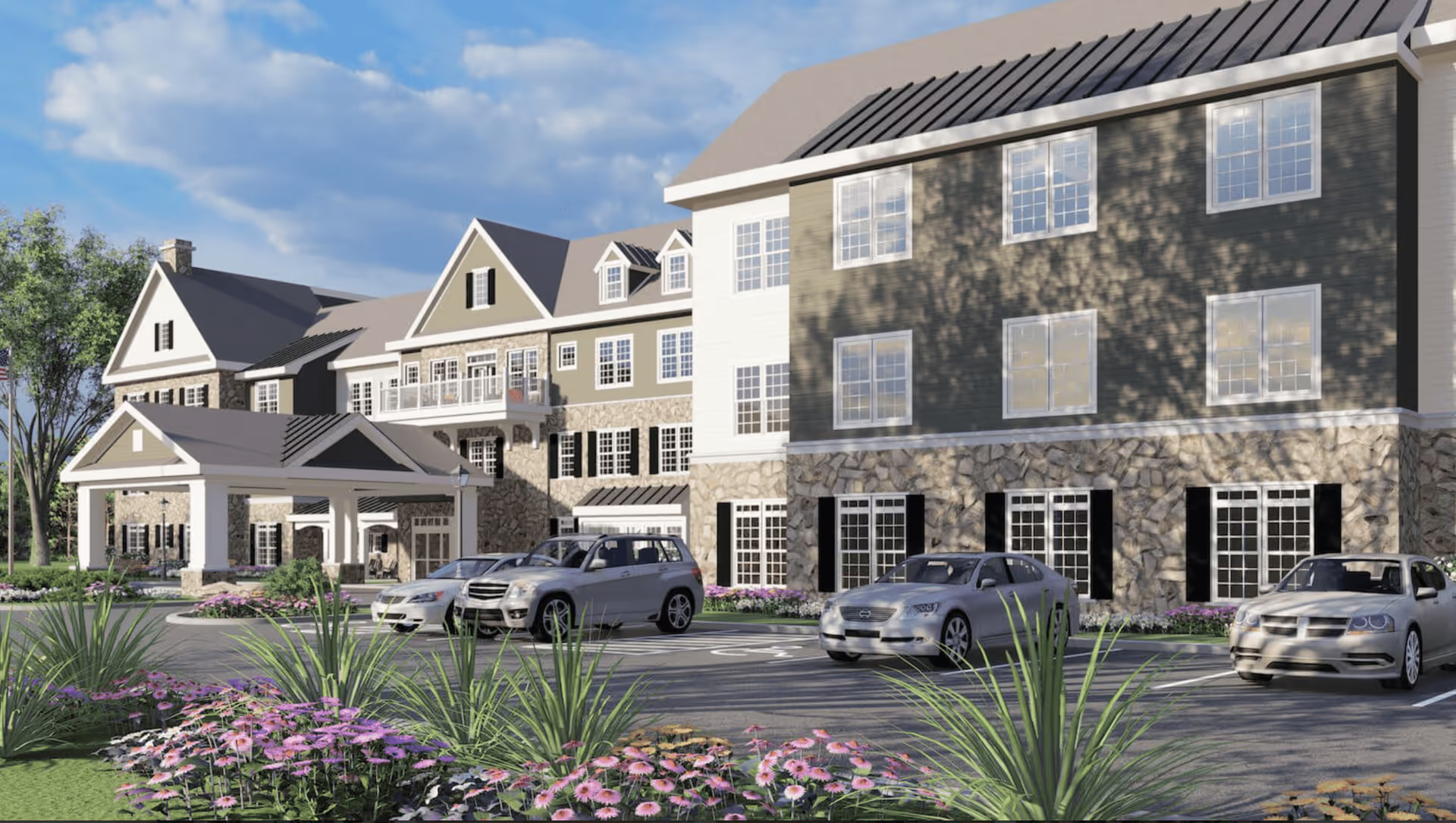
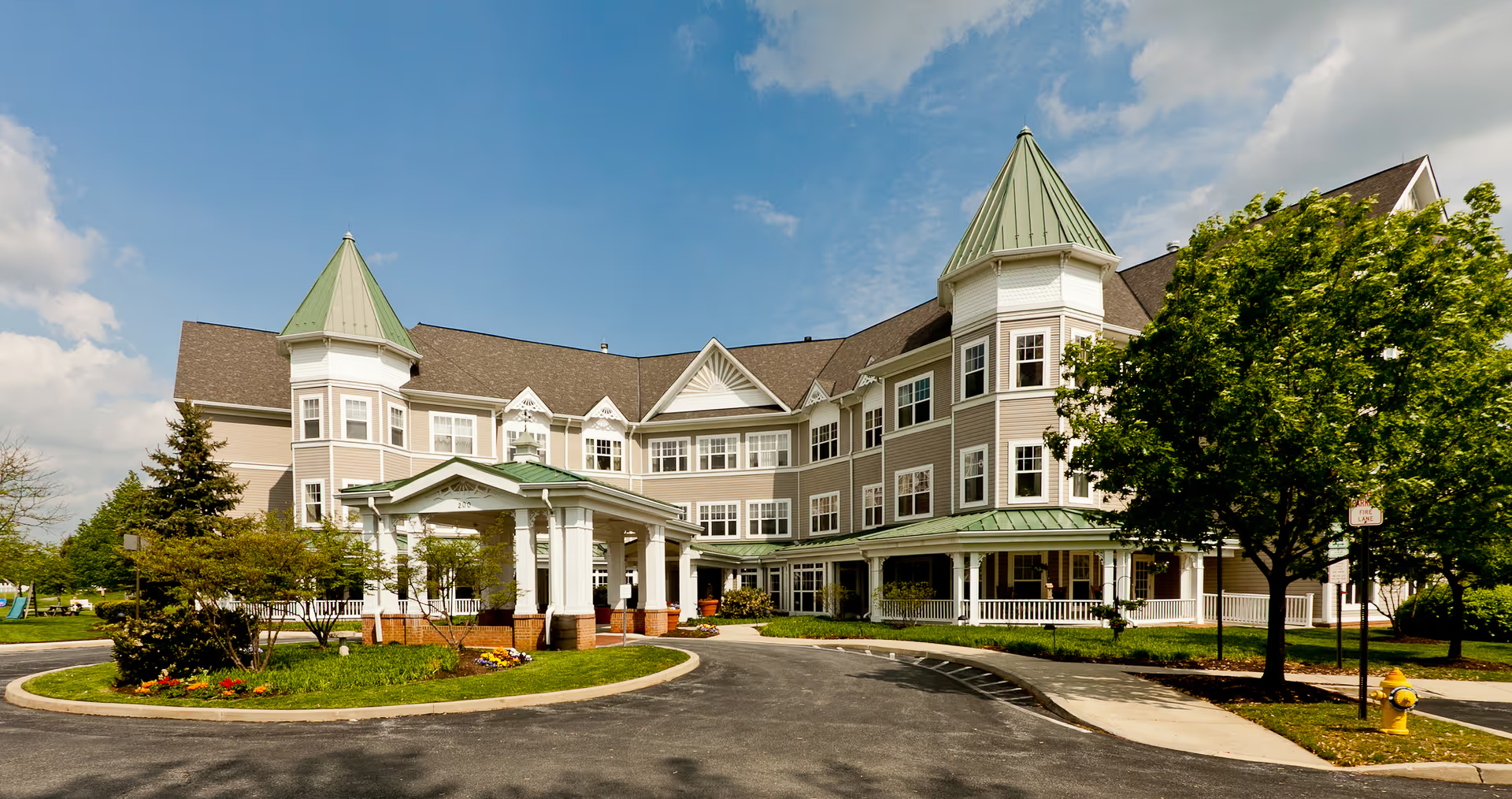
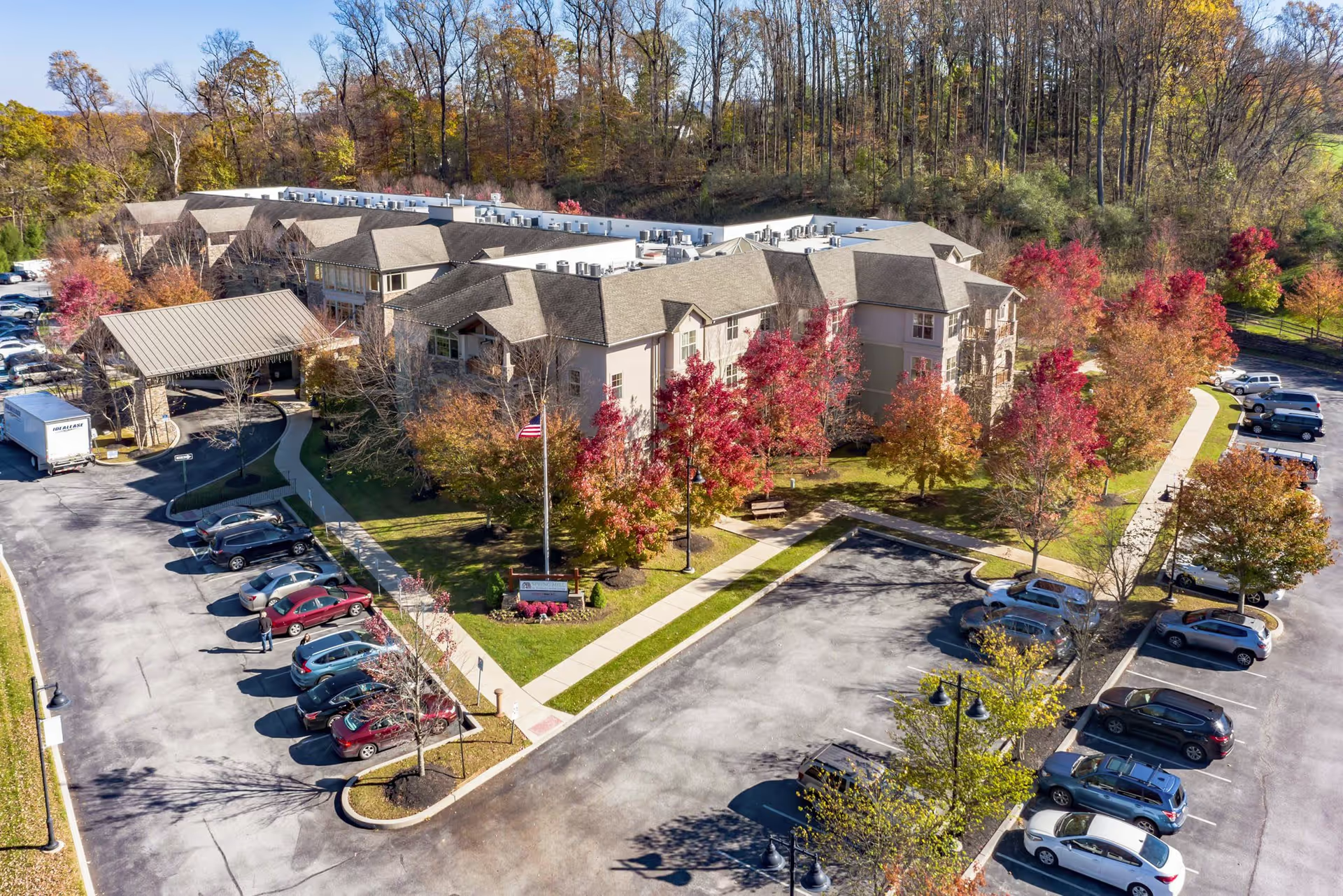
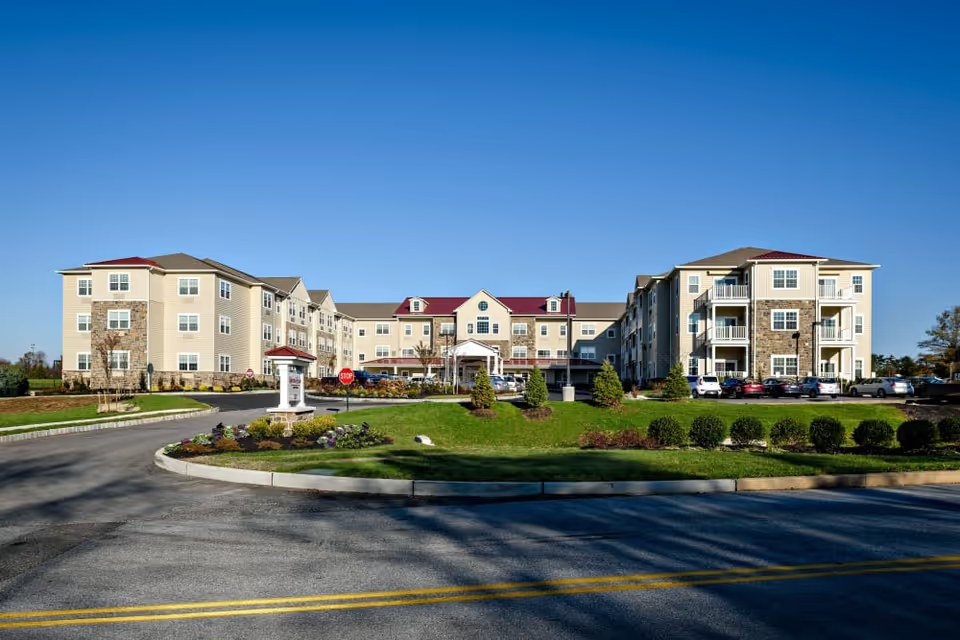
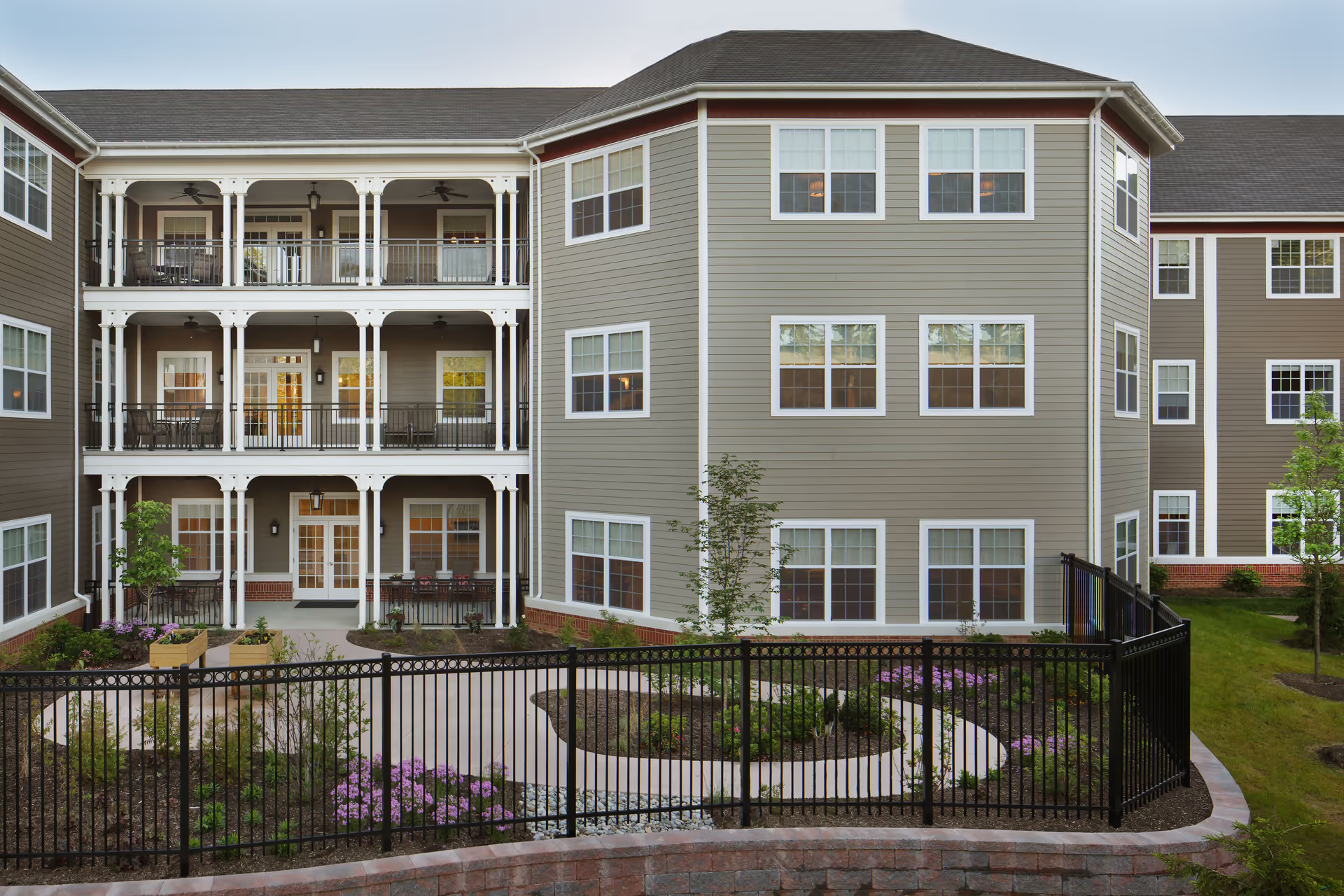
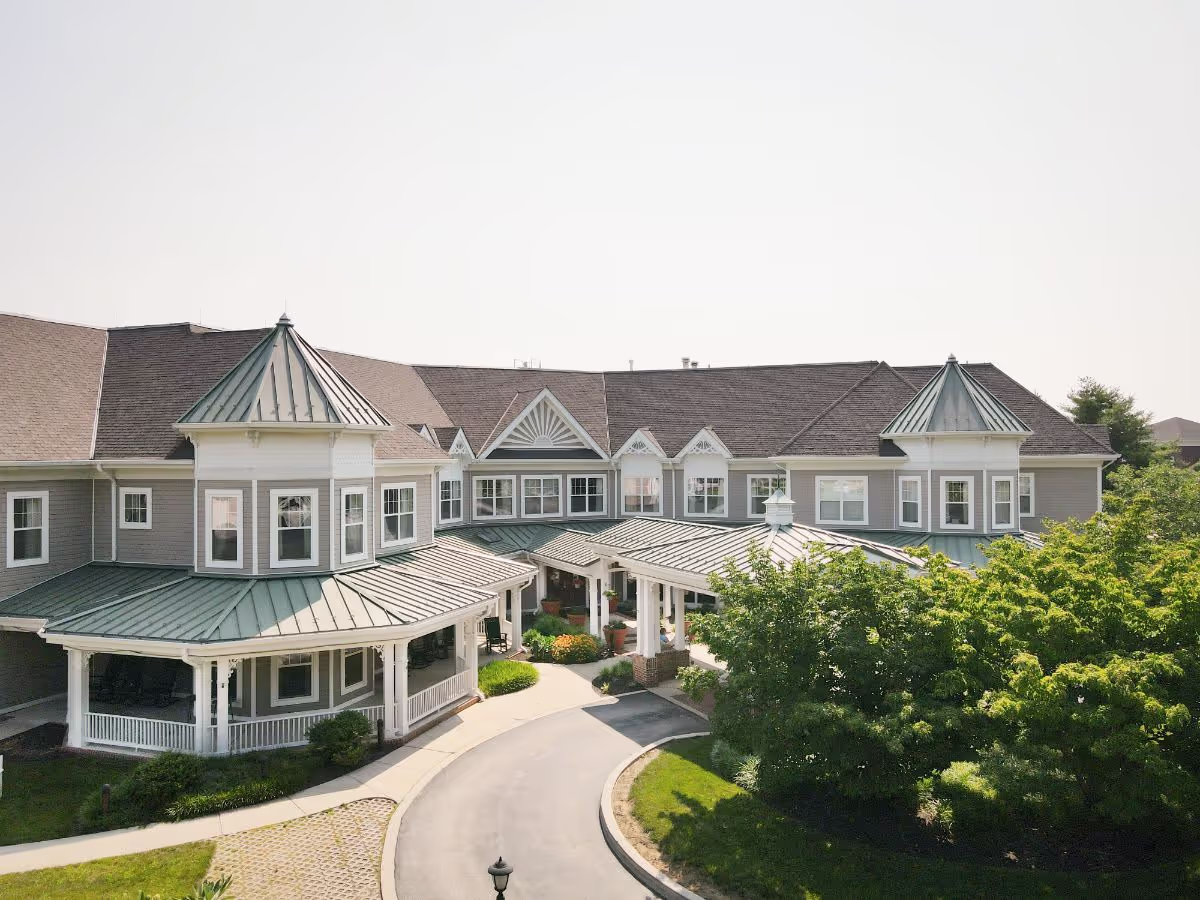
The reviews describe a facility with a strong physical environment and broad service offering alongside recurring operational challenges. Many families praise the building itself — new, bright, well-decorated apartments and attractive, resort-like common spaces including courtyards, multiple dining venues, a gym, movie theater, library, and therapy rooms. The location near a town center and on-site amenities such as podiatry, dental, hairdressing and integrated therapy (often provided by Bayada) are consistently noted as strengths. Memory care is locked and laid out to feel homey rather than clinical, which some families find reassuring.
Care quality impressions are mixed. Several accounts highlight compassionate, knowledgeable caregivers, attentive nurses, strong therapy teams, and proactive clinical coordination during transitions and hospital discharges. Conversely, recurring operational themes include inconsistent staffing, high turnover, and variability in the skill level of personnel — particularly during after-hours and weekends. These staffing issues are associated with delays in assistance, inconsistent medication administration routines, and concerns about the timeliness of direct care.
Housekeeping, laundry, and personal-item management emerge as persistent problem areas. While many residents enjoy clean units and odor-free common areas, others report sanitation concerns and lapses in room cleaning, inconsistent laundry turnaround, and missing or mishandled personal belongings. Maintenance responsiveness also varies in the accounts, with some families describing prompt repair and others noting slower follow-up on issues.
Dining and activities are generally viewed positively. The dining program is described by many as high-quality, with made-to-order options and an engaged culinary team; there are occasional comments about small portion sizes or chef turnover. The activities calendar is robust — outings, live music, therapy-based programs and daily options are available — but availability can be uneven due to staffing and the fact that amenities and programs are spread over multiple floors, which can limit access for residents with mobility constraints. Some families also reported cancellations or reduced offerings at times.
Management and communication receive both praise and critique. Named leaders and community directors are credited with clear, compassionate communication and hands-on support during tours and move-ins; several reviewers singled out specific staff for positive interactions. At the same time, others describe inconsistent responsiveness from management, a perceived decline in service following ownership changes, and frustration with fee increases. These contrasting impressions suggest variability in leadership performance or recent operational transitions.
Notable patterns for prospective families: the facility offers strong physical amenities, therapy resources, and many examples of kind, attentive staff, making it attractive for residents who prioritize environment and services. However, persistent operational traits — inconsistent staffing, housekeeping and laundry management gaps, medication-administration variability, and limited capacity for higher-acuity or behavioral dementia care — surface repeatedly. Prospective residents and families should clarify current staffing ratios and turnover, memory-care scope and escalation protocols, housekeeping and laundry tracking procedures, medication-management safeguards, and policies on fee increases before committing.
Overall, Eagleview Landing presents as a well-appointed, service-rich community with several high-performing departments and documented examples of excellent resident experiences. Those positives coexist with operational weaknesses that can affect day-to-day care consistency; the balance between them appears to vary by unit, shift, and recent management changes.