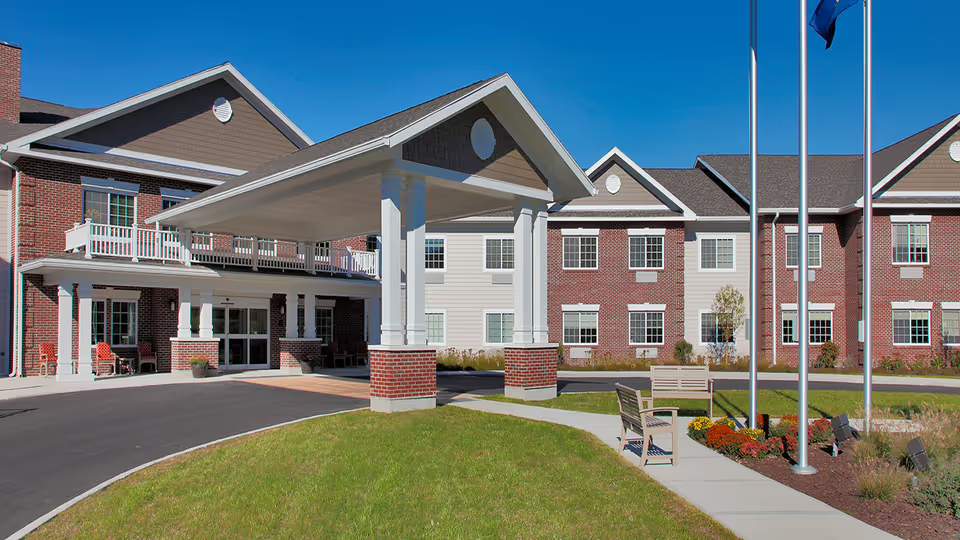
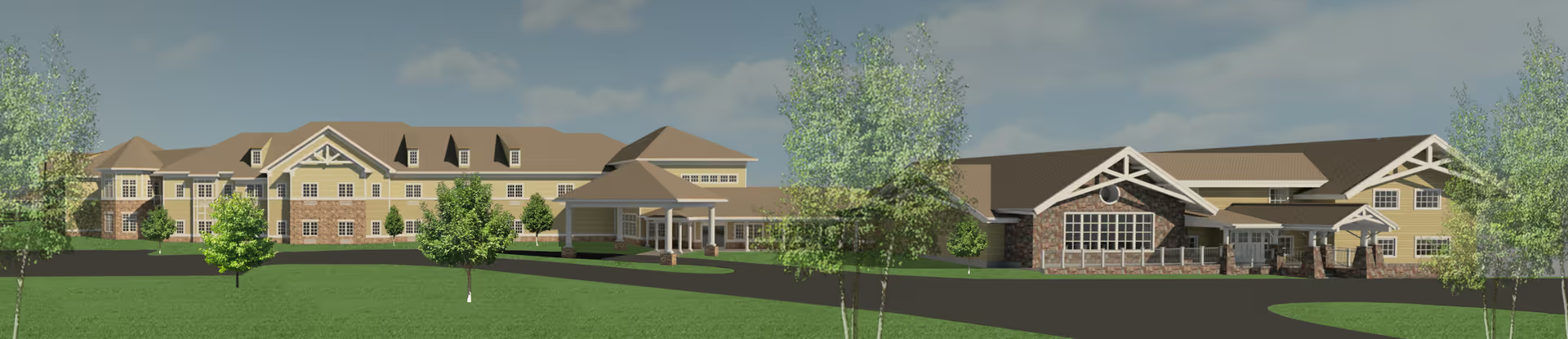
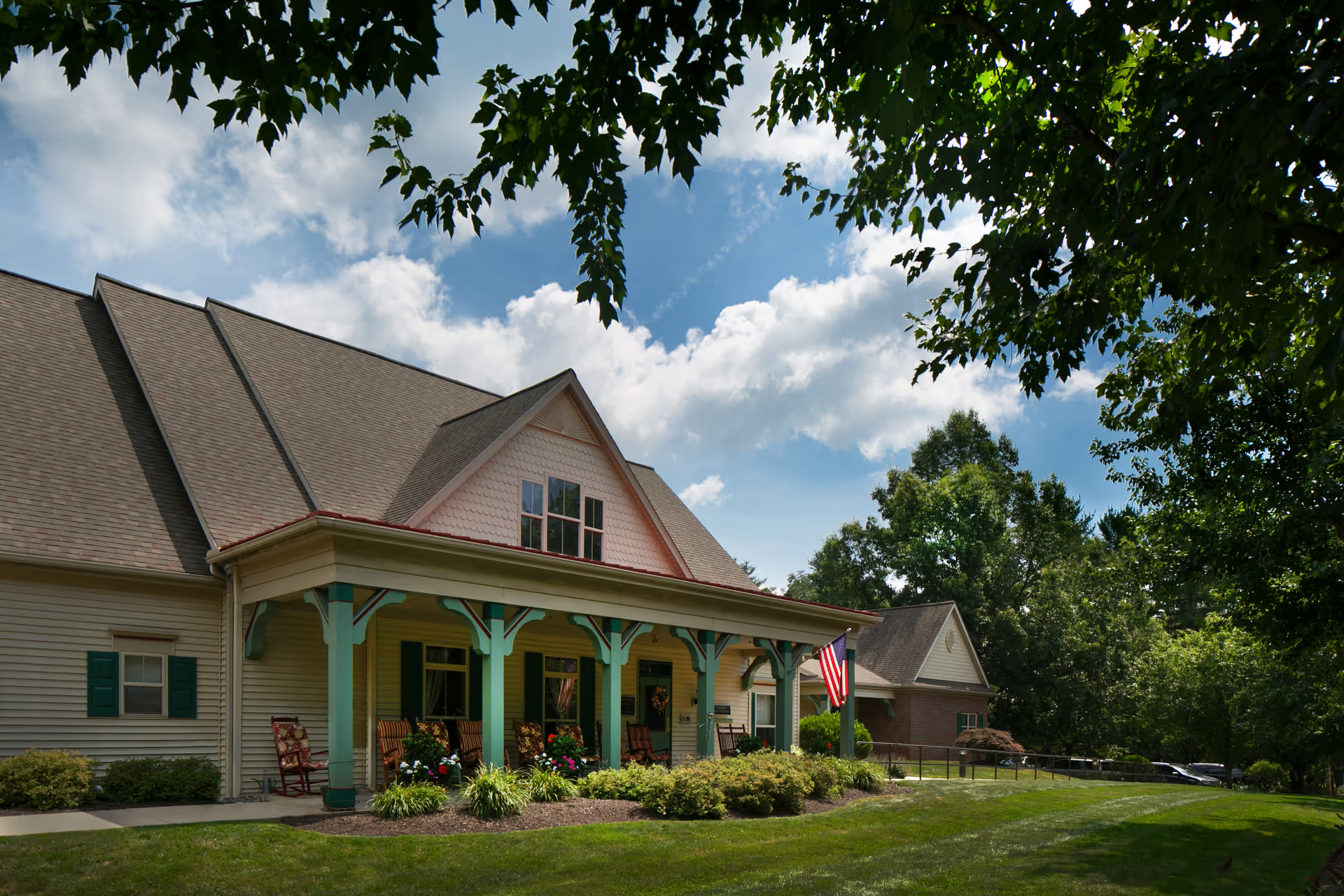
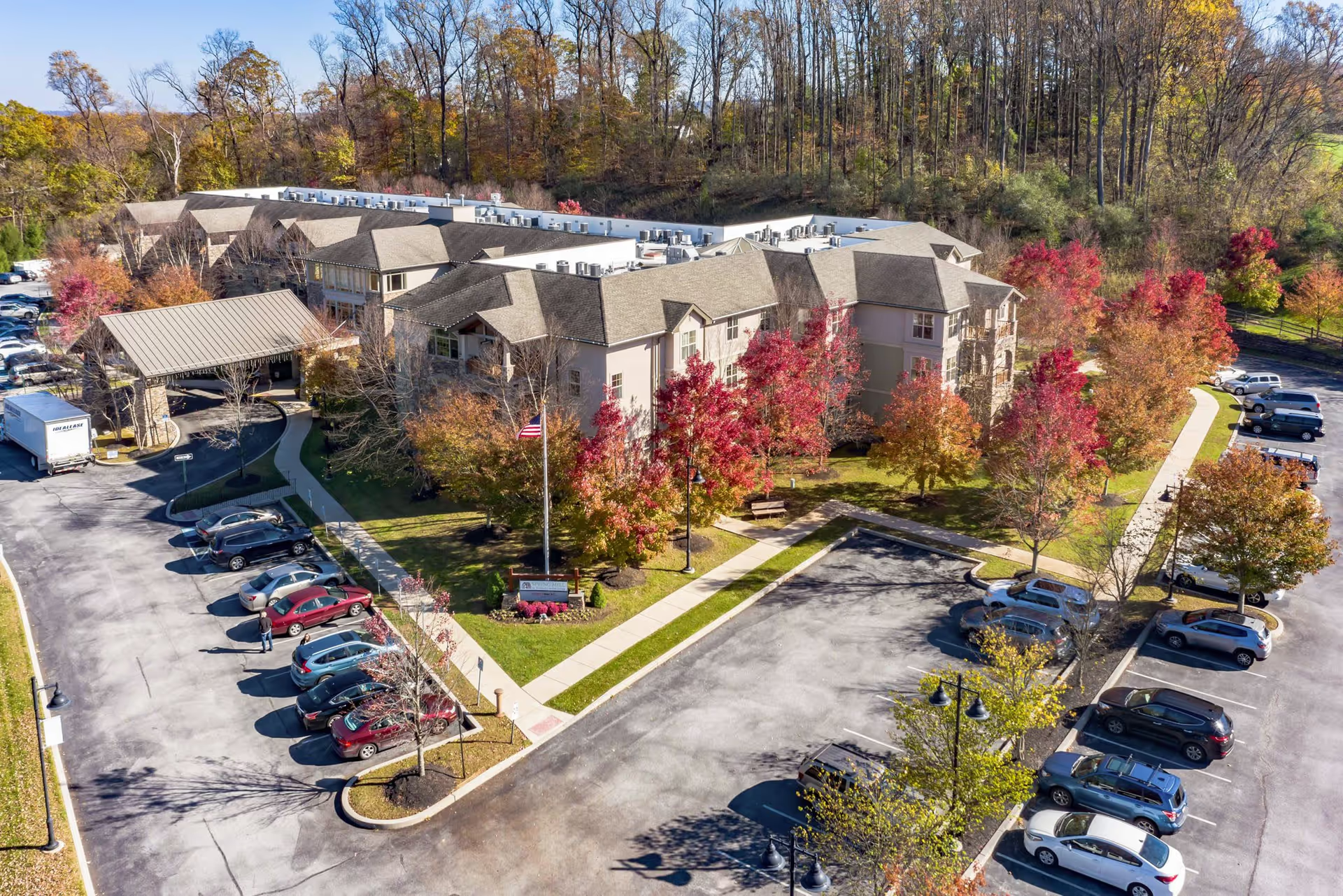
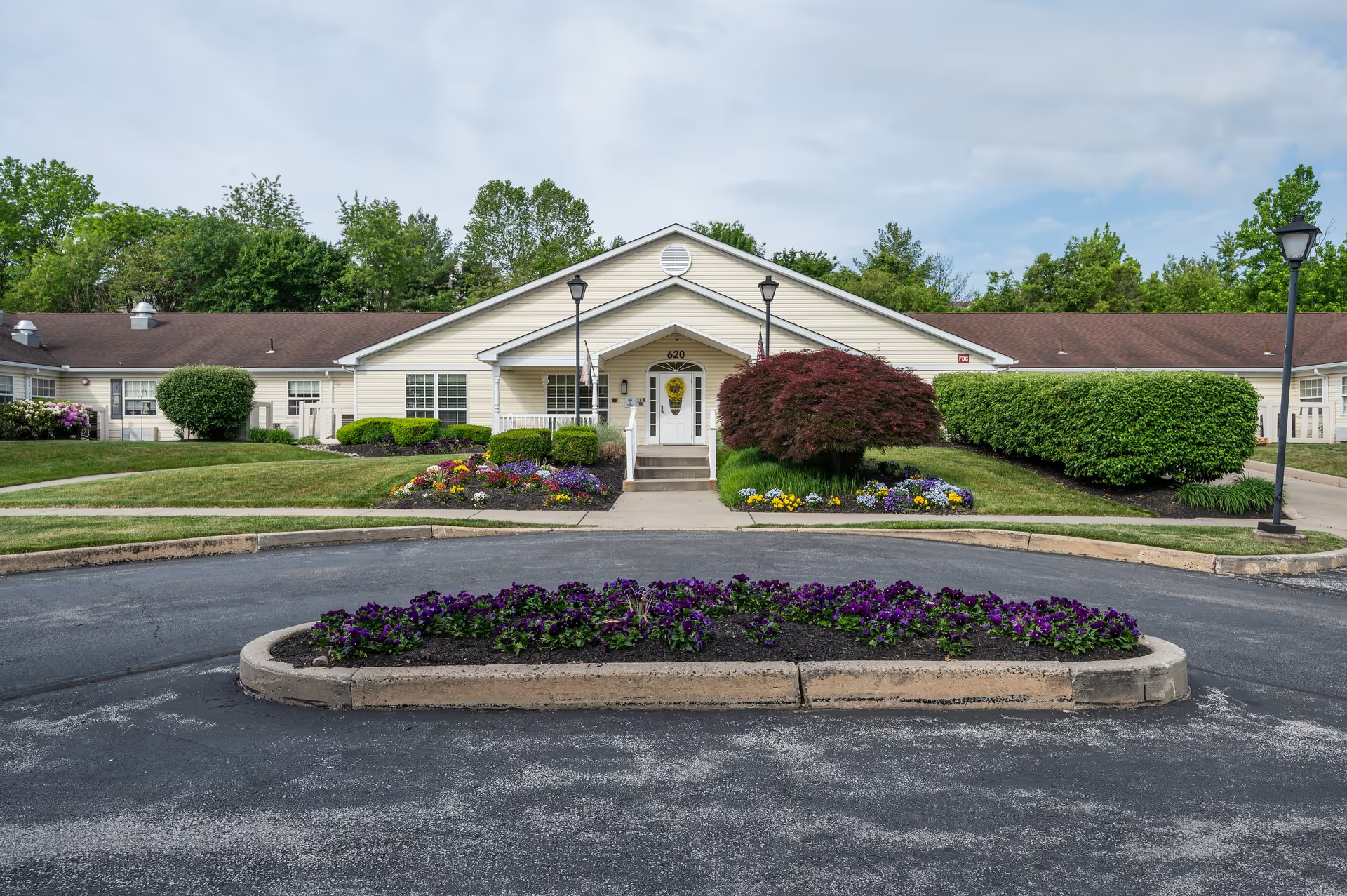
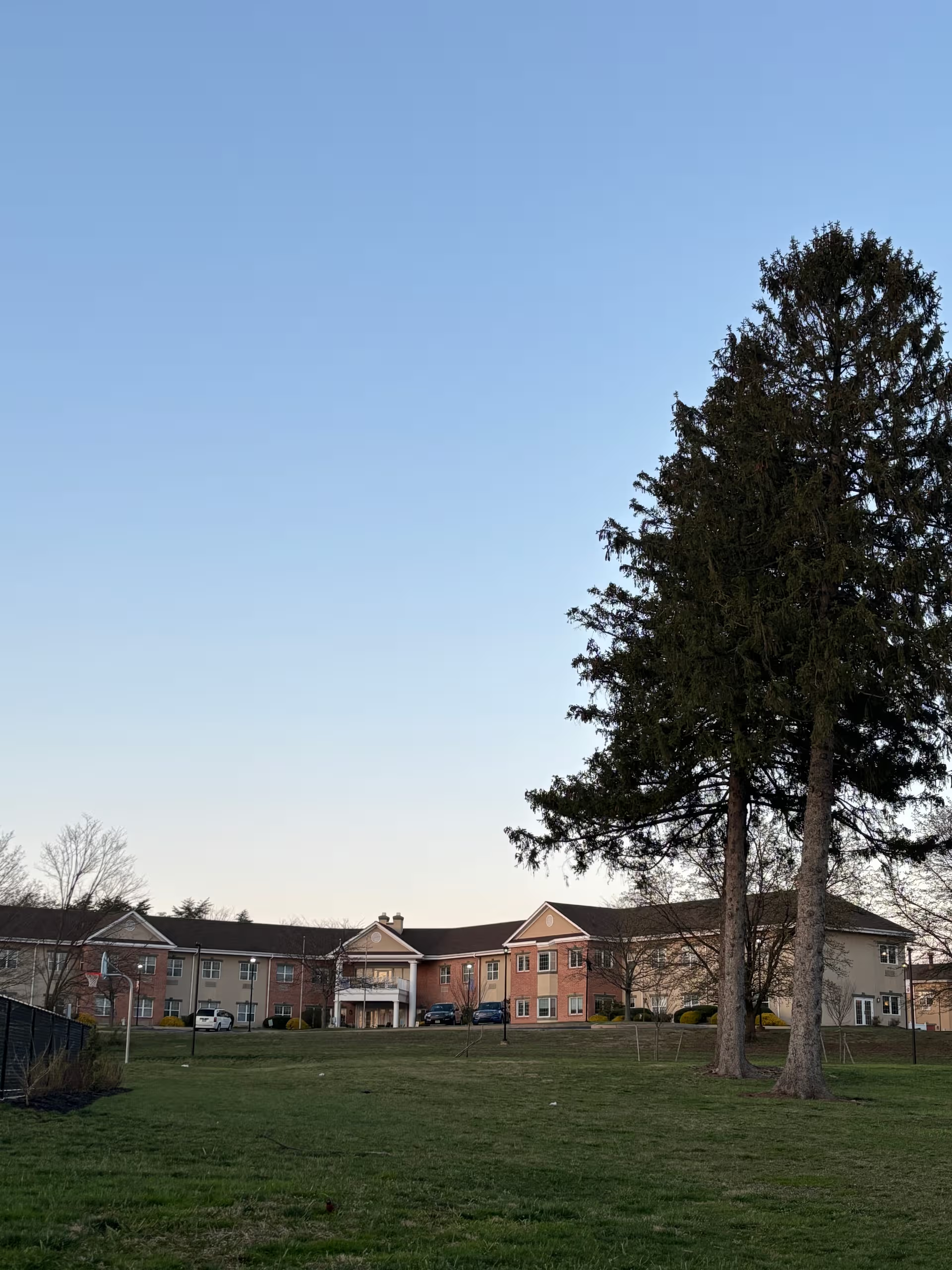
Brandywine Upper Providence presents as a well-appointed, hospitality-focused senior living community with extensive amenities and a pronounced emphasis on social engagement and memory care. Reviewers consistently describe an elegant, hotel-like environment with carefully maintained common spaces, live music, seasonal decorations, and specialized amenities such as a therapy pool, on-site movie theater, library, salon, and restaurant-style dining. The facility's design and programming are oriented toward active, social living: residents participate in games, trips, live entertainment, pet therapy, and creative events that many families credit with improving social connectedness and residents’ well-being.
Care quality and staffing are frequently praised. Families and residents highlight compassionate dementia-aware caregiving, attentive nursing (including 24/7 clinical presence), and personalized care plans. Multiple accounts applaud specific caregivers and nursing leadership for responsiveness, coordination with hospice when needed, and assistance with administrative matters such as legal or financial coordination. Housekeeping, recreational staff, and support services such as transportation and concierge functions are also commonly described as helpful and engaged, supporting a sense of safety and reassurance for families.
Dining and programming are major strengths but show variability. Many reviews commend restaurant-style dining, flexible meal hours, expansive menus, and polite dining-room staff. At the same time, there are recurring notes about uneven meal quality and isolated dining-service lapses, indicating that culinary experience can vary by day or shift. Programming is robust and diverse—well-staffed activity teams run on-site entertainment, fitness and therapy offerings, off-campus trips, and memory-care activities—contributing to a lively community culture.
Operational patterns include a mix of strong leadership and some inconsistent execution. Several reviewers describe responsive administrators and helpful community-relations staff who eased move-in and maintained family communication. Counterbalancing this, there are recurring facility-level concerns: intermittent staffing shortfalls or inattentiveness, occasional housekeeping or cleanliness inconsistencies, and occasional lapses in operational communication (for example, during alarms or urgent notifications). Pricing is frequently characterized as above-market, so prospective residents should weigh cost against the breadth of amenities and services. There is also a serious isolated claim involving visitor mistreatment that led to a regulatory complaint; prospective families should review the facility’s regulatory history and ask about any substantiated findings.
For prospective residents and families: the community offers substantial lifestyle and clinical resources, strong memory-care programming, and a hospitality-oriented environment that many families find reassuring. When evaluating placement, consider confirming current staffing ratios, trends in dining satisfaction, emergency/notification protocols, storage and floorplan suitability, cost structure, and any recent regulatory actions. An in-person visit, meeting with nursing leadership, and sampling dining and activity offerings will help determine whether the facility’s strengths align with individual care needs and expectations.