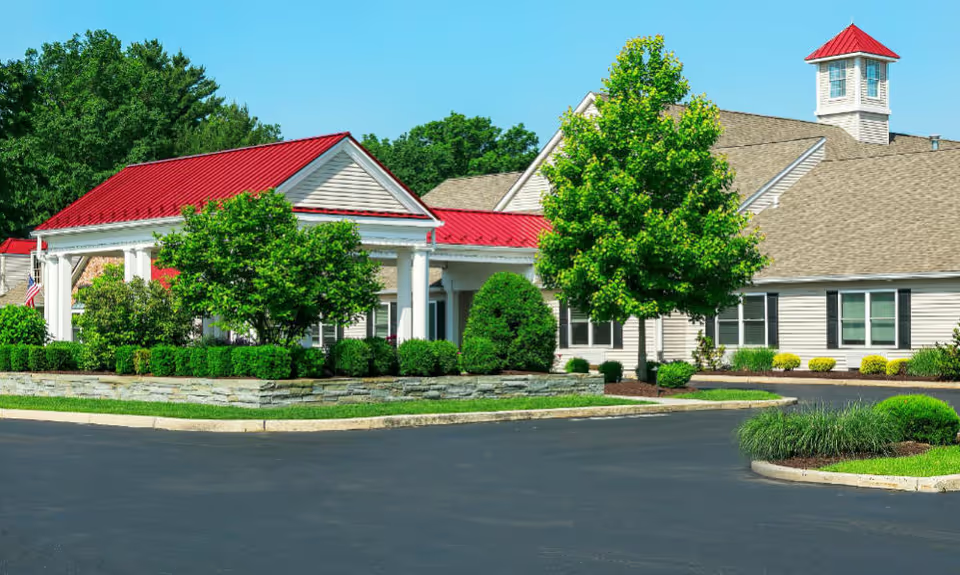
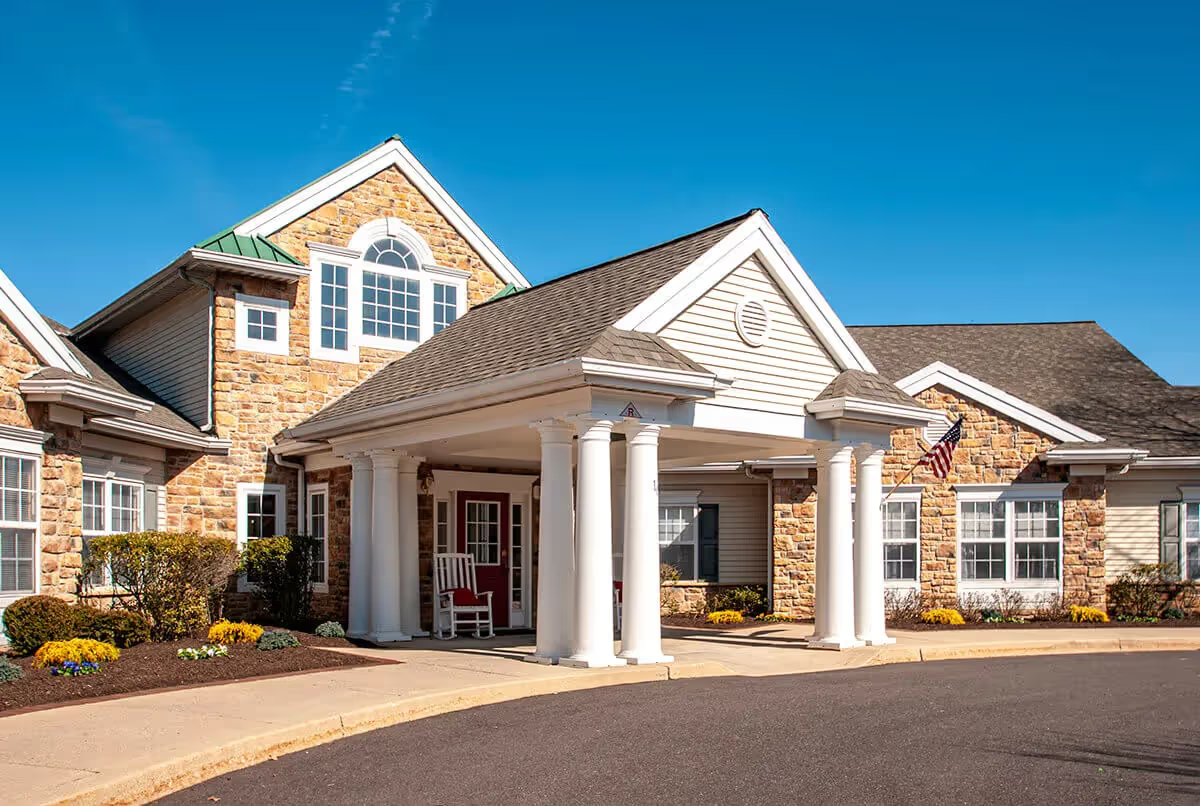
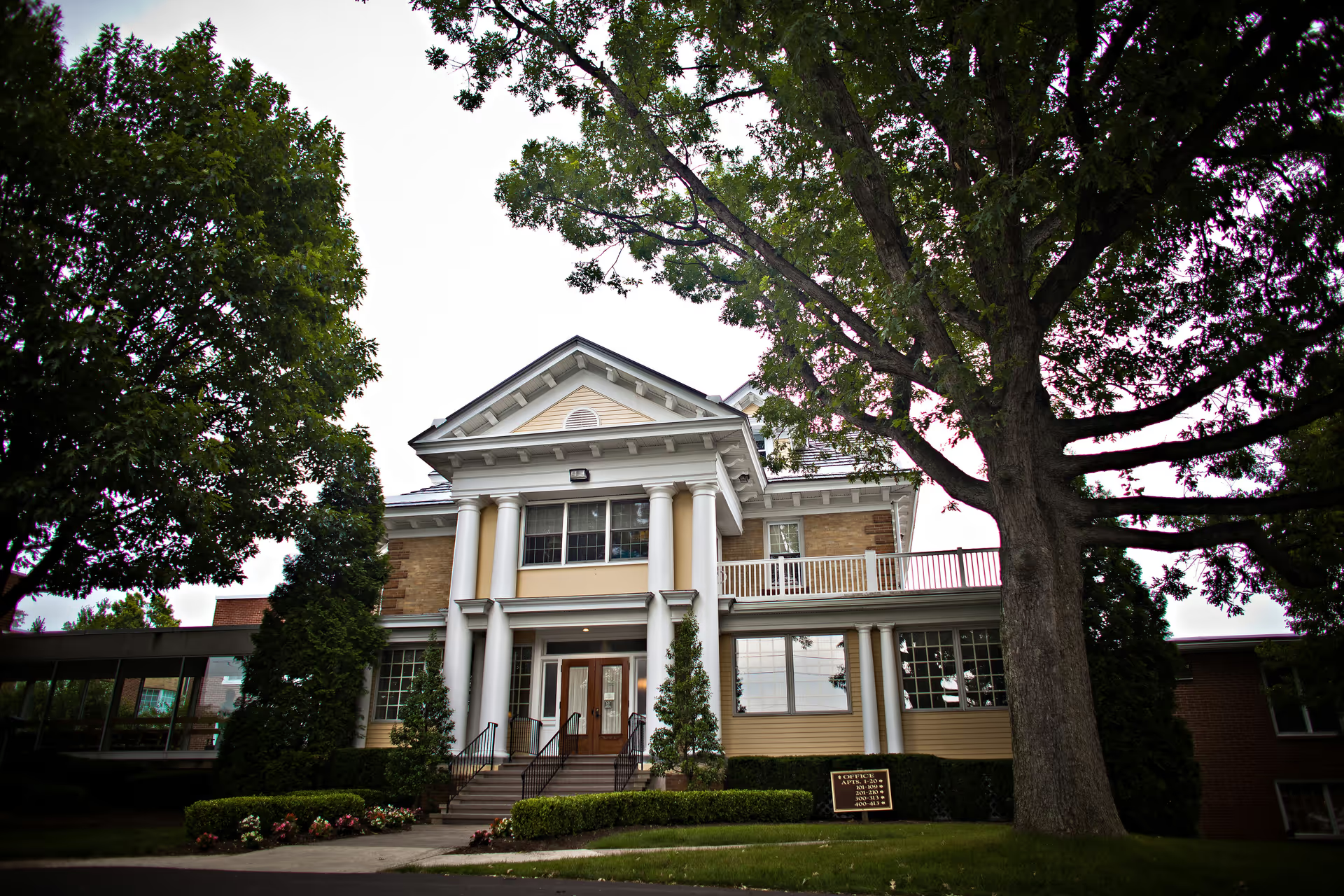
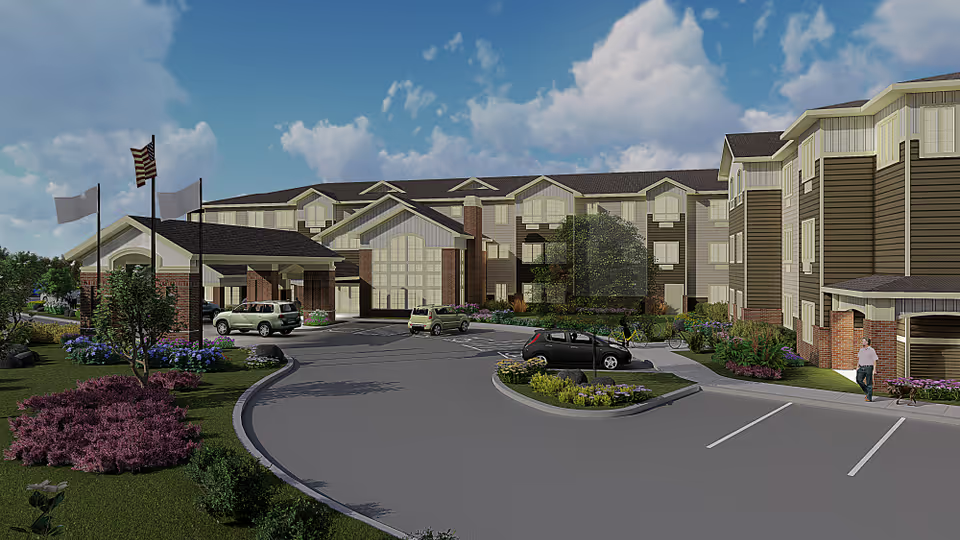
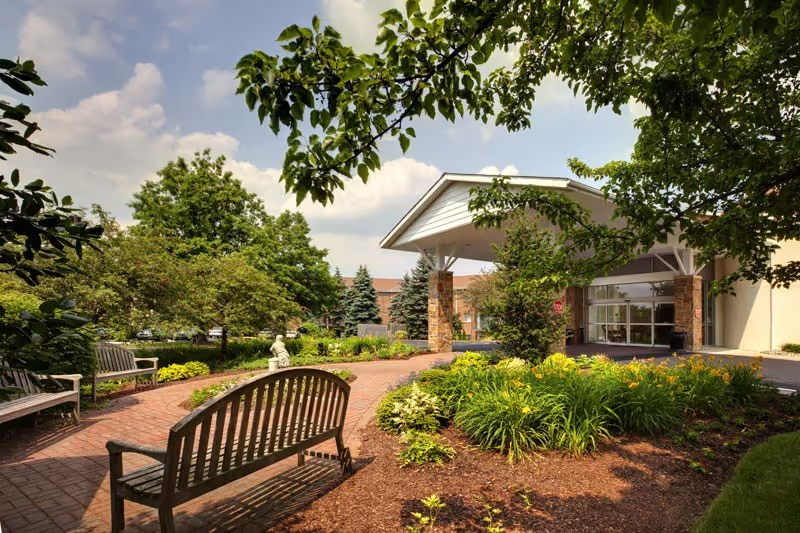
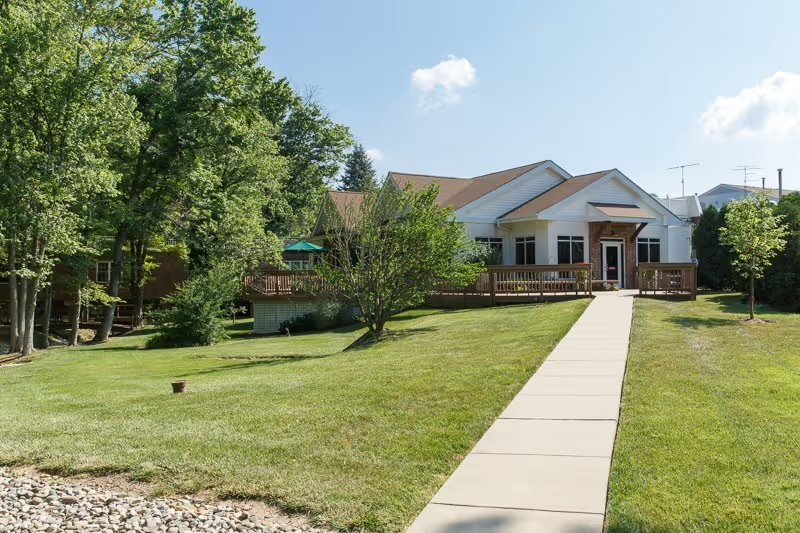
Hudson Estates presents as a modern, amenity-rich independent living community with an emphasis on hospitality and social engagement. Reviewers consistently highlight a bright, well-maintained physical environment with spacious apartment layouts, private outdoor space in many units, and a resort-like set of common amenities (movie theater, salon, fitness area, chapel, garden, and frequent social rooms). The location is convenient to shopping and medical services, and the campus design—atrium and light-filled dining—supports communal activity.
Care and staffing are central strengths in most accounts. Families and residents describe staff as compassionate, personable, and proactive; on-site managers who live at the community and named leadership are frequently singled out for individualized assistance and move-in support. Housekeeping and included weekly apartment cleaning, regular check-ins, and on-site therapy partnerships contribute to a sense of safety and peace of mind for many residents. That said, reviewers also describe staffing instability at times, with turnover and management transitions contributing to occasional service gaps and delays.
Dining is a prominent positive and a source of resident satisfaction: chef-prepared meals, themed dining events, and an emphasis on variety and presentation are commonly praised. Several reviewers call out specific touches such as free soft-serve ice cream and bakery offerings. However, there is a recurring caveat about inconsistent meal quality and limited dinner options on some days, as well as restrictive meal-delivery policies for residents who are unable to dine in. Prospective residents should confirm current menus and meal-delivery practices during a tour.
Activities and social programming are another strong point. The community runs a broad calendar—book clubs, games, outings, arts and crafts, exercise classes, and frequent bus trips—that supports social engagement and a lively atmosphere. A minority of accounts note variability in activity availability, particularly when occupancy is low or during transitional periods, and some new residents report initial social-integration challenges.
Operationally, reviewers point to a few recurring facility-level concerns. Cleanliness is generally praised but described as uneven in certain areas; prospective residents should inquire about current housekeeping and sanitation protocols. Internet service reliability and gaps in wheelchair-accessible transportation were noted as practical limitations for some. Several families expressed concerns about value relative to monthly cost—rent increases and included-service expectations were cited—so it is advisable to review the fee structure and what is covered in writing. Communication between management and families receives mixed remarks: many describe excellent responsiveness, while others report occasional lapses or frustration during management changes.
Overall, Hudson Estates appears to offer a warm, activity-rich independent living option with strong interpersonal care and a comprehensive amenity package. The most important trade-offs to clarify when evaluating the community are current staffing stability, meal consistency and delivery policies, internet and transportation accommodations, and the precise scope of services included in monthly fees. A focused tour that includes a meal, inspection of apartment finishes and common-area sanitation, and direct conversations about recent staff turnover and technology/transport arrangements will help prospective residents and families assess fit.