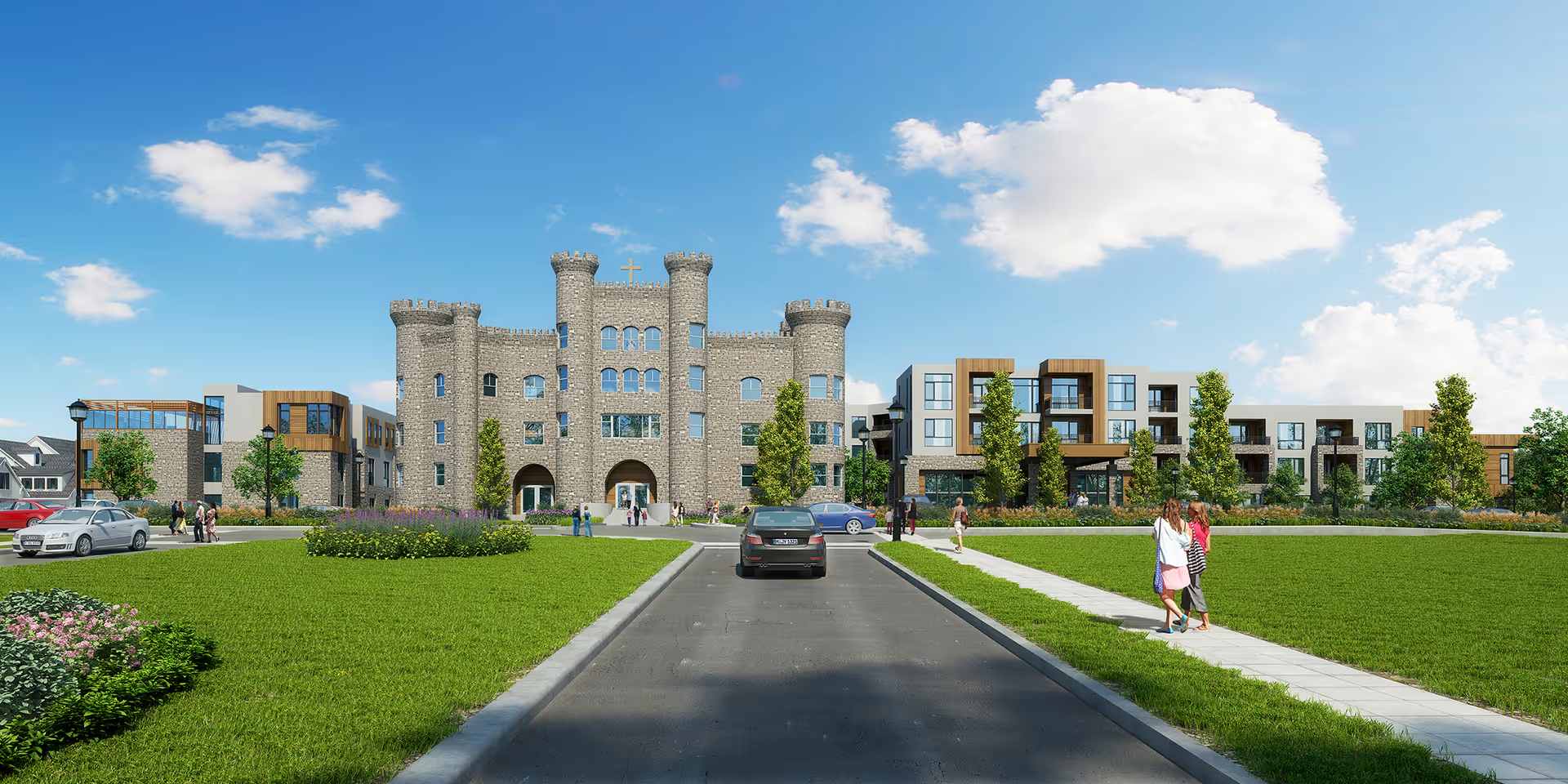
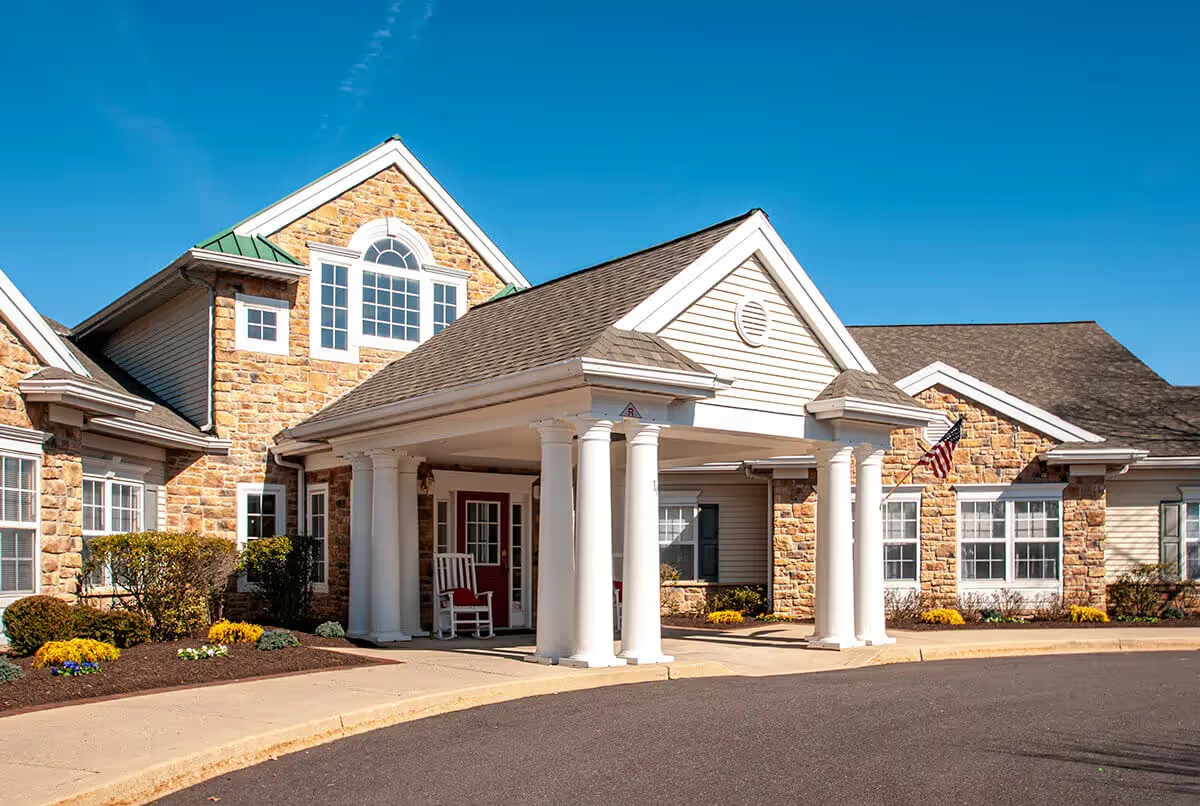
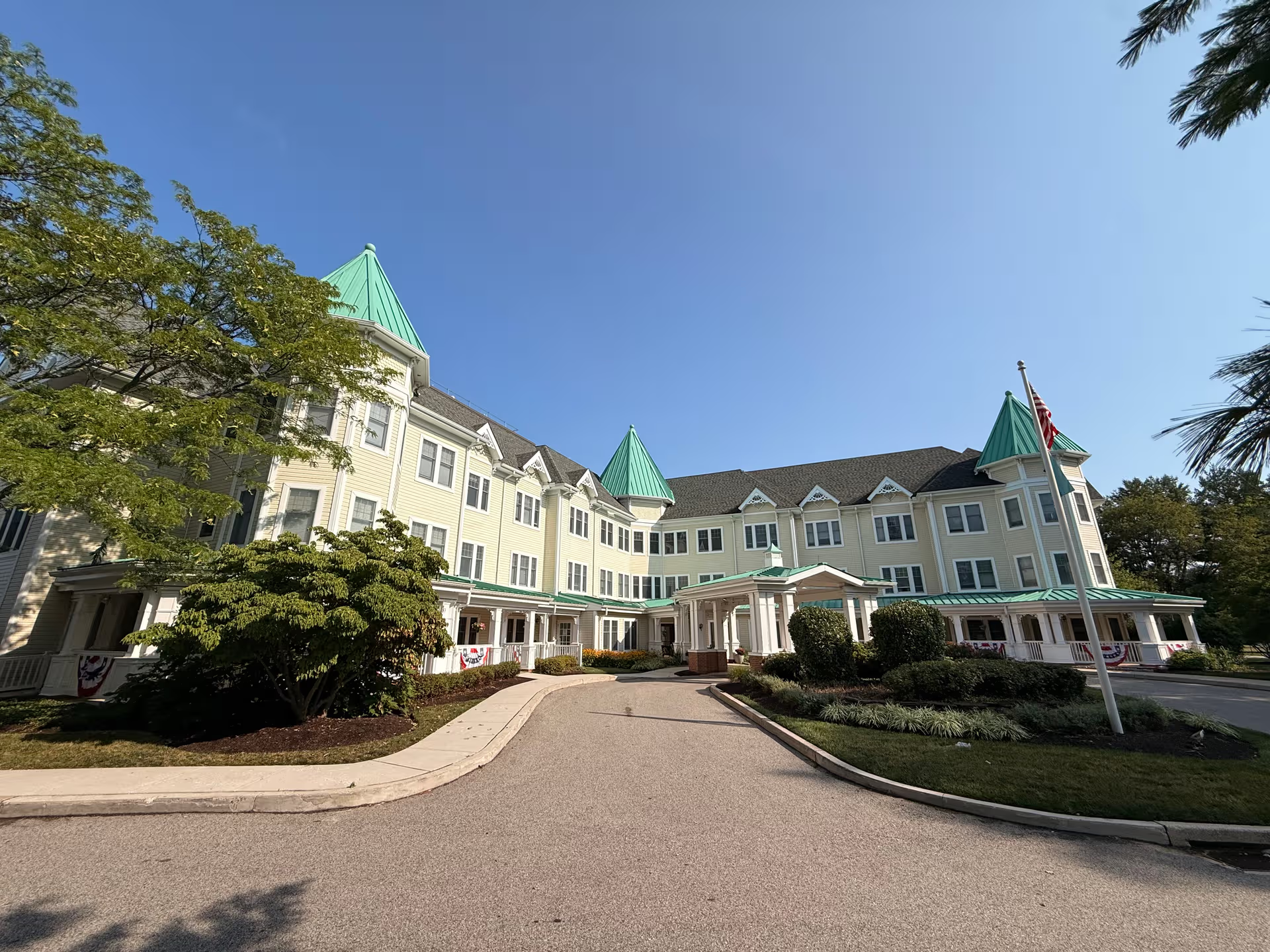
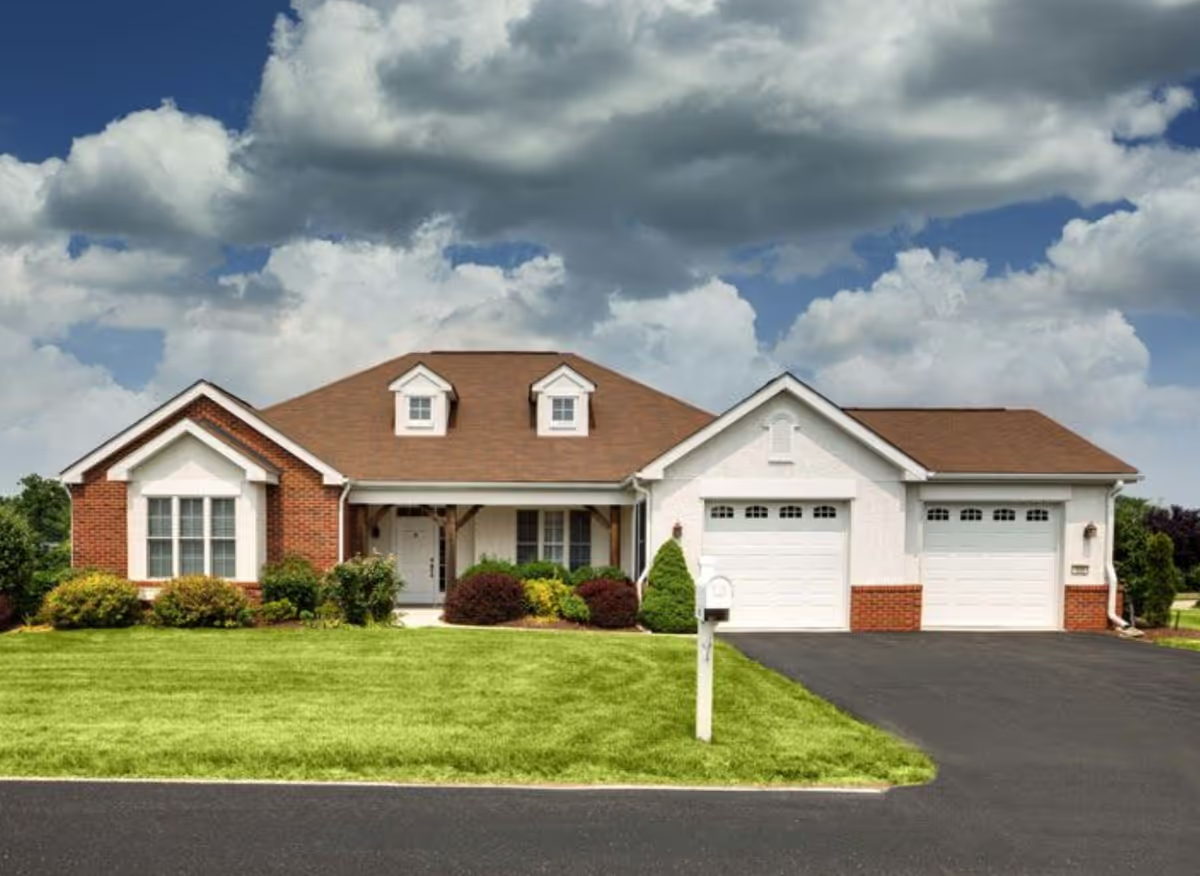
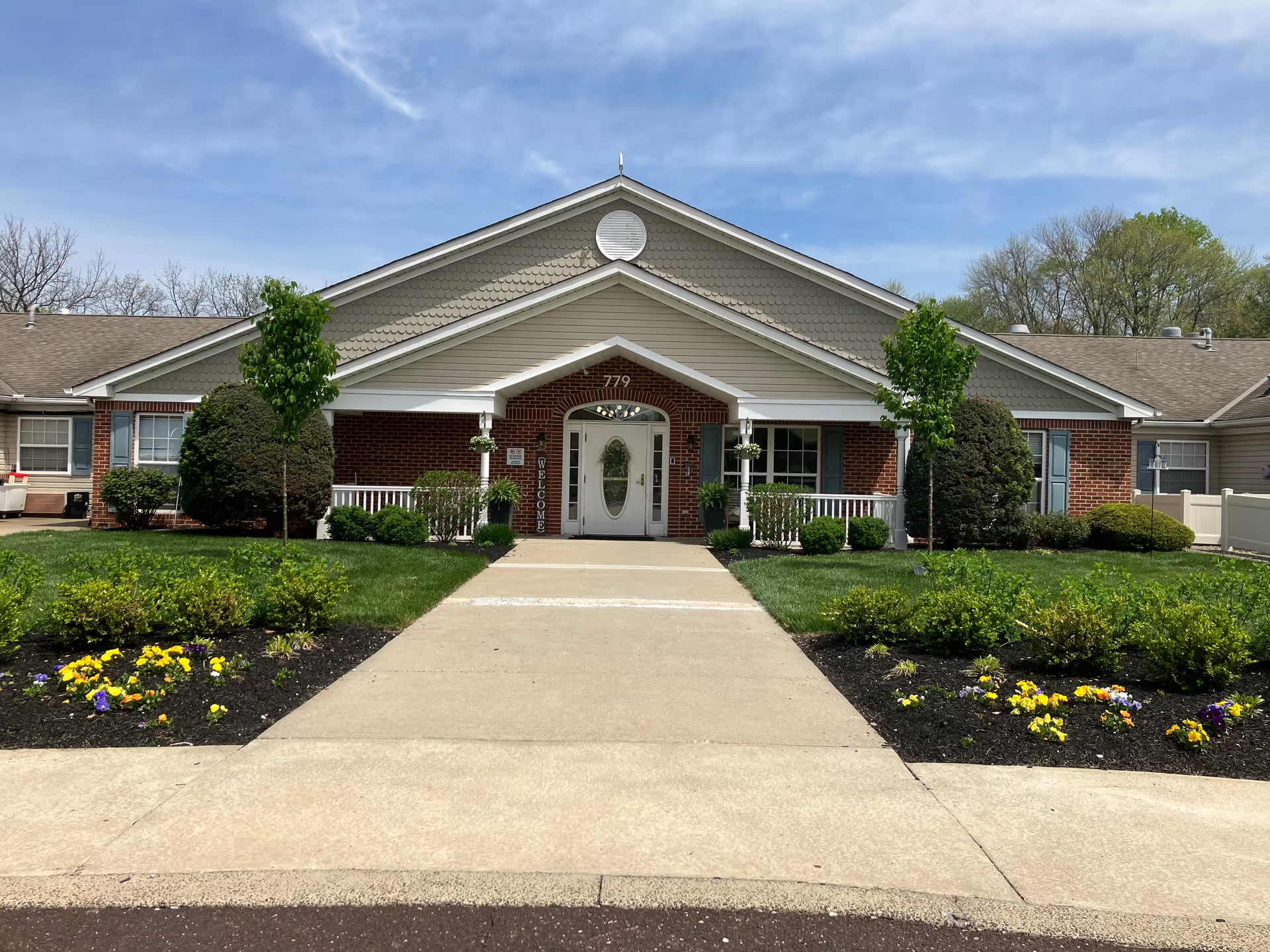
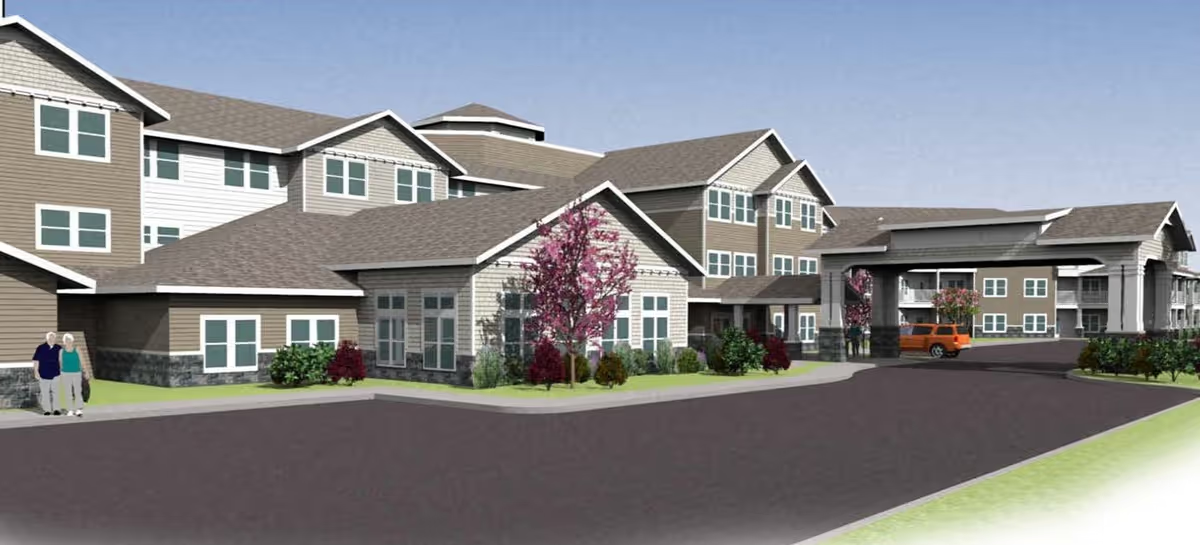
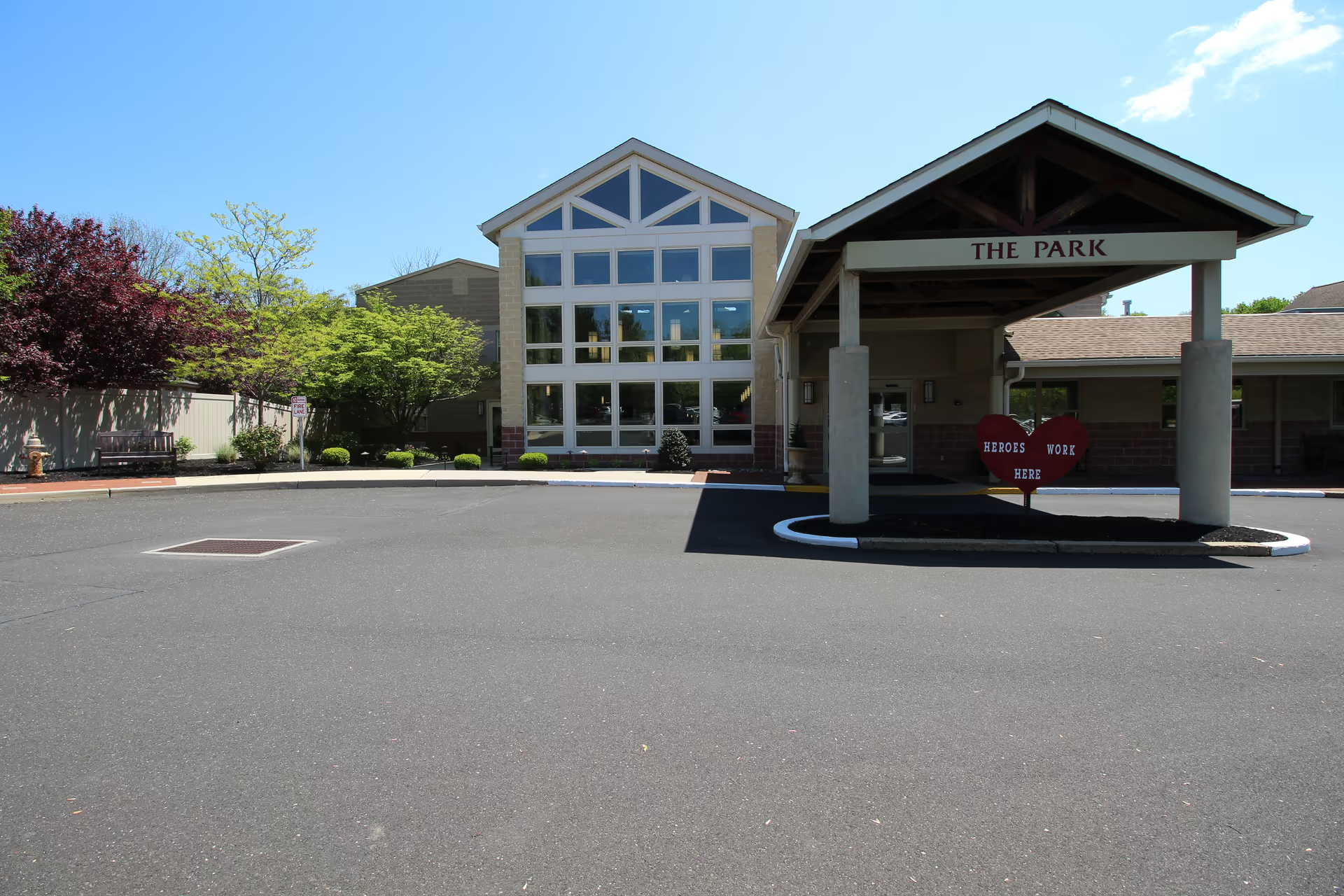
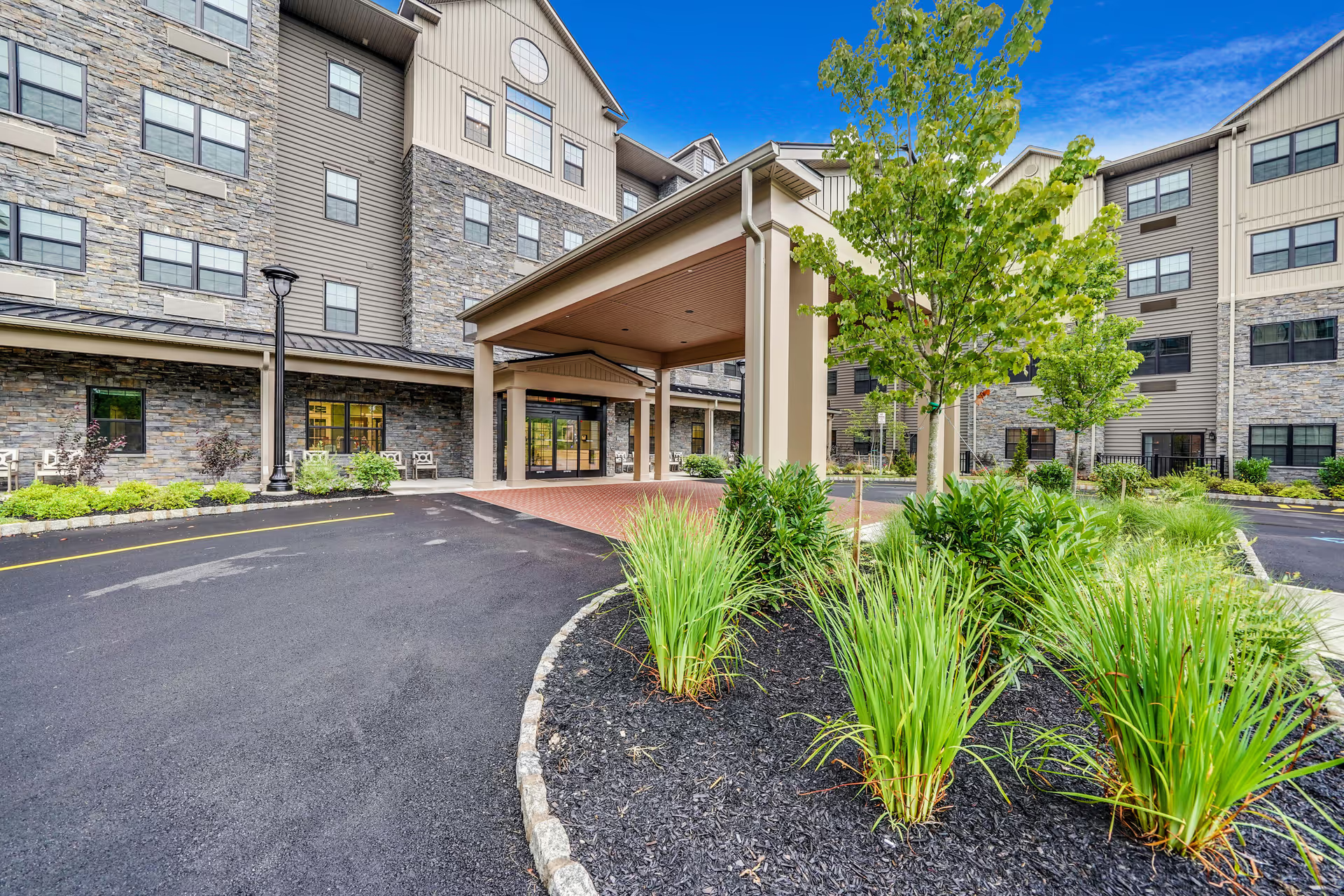
Gwynedd Estates presents as a well-appointed, nonprofit senior living community with a notable campus aesthetic and a mix of housing options. The grounds and common areas are frequently described as attractive and well maintained, with walking trails and gardened spaces that support outdoor activity. Apartment offerings span a range of sizes and layouts, including units with full kitchens and multiple bathrooms; reviewers report both spacious two- to three-bedroom units and smaller units in older buildings, indicating heterogeneity in unit size and condition across the campus.
Care quality and staffing are consistent strengths in the collective feedback. Staff are described as professional, compassionate, organized, and engaged with residents and families. The community offers robust clinical support — an on-site doctor, a 24/7 medical team, hospice services, and an on-site memory-care unit — which supports higher-acuity needs and end-of-life care. Reviewers also noted infection-control practices and routine testing. These clinical resources, combined with friendly administrative and after-hours staff, contribute to perceptions of attentive caregiving and strong family communication.
Dining and programming are highlighted as important positive features. The main dining hall receives high marks for food quality and portioning, and the community offers a wide variety of activities (arts, computer rooms, fitness, pickleball, talent shows, and special events) that many residents find rejuvenating and engaging. That said, there is some variability in dining experiences between the main dining room and smaller venues such as the bistro, which can lead to mixed impressions depending on where residents eat.
Facility condition and management present a mixed picture. There is evidence of ongoing capital improvements and well-funded renovations, but some buildings or units retain an older character and may benefit from further modernization. Financial practices reflect the nonprofit orientation — reviewers noted value-focused pricing and flexible pricing in some cases — but the fee structure includes a non‑refundable entrance fee and a la carte elements that can create complexity for prospective residents comparing costs. The community also offers a 90-day exit option and stable pricing across care levels, which some families find reassuring.
Social dynamics and access policies are notable patterns to weigh. Many residents describe a warm, tight-knit atmosphere that promotes friendships and family-style caregiving. At the same time, reviewers report variability in resident-to-resident engagement: some residents find the social environment highly supportive, while others experience limited interaction or self-isolation. Prospective residents should consider how their social preferences align with a smaller community. Finally, the community applies relatively stringent admission and employment screening procedures; this contributes to safety and standards but may affect eligibility or staffing flexibility.
Overall, Gwynedd Estates appears to offer strong clinical support, consistently praised caregiving, appealing grounds, and robust programming — characteristics that many families value. Prospective residents should balance those strengths against variability in unit condition across the campus, potential complexity in fees, and the social fit that comes with a smaller, closely knit community.