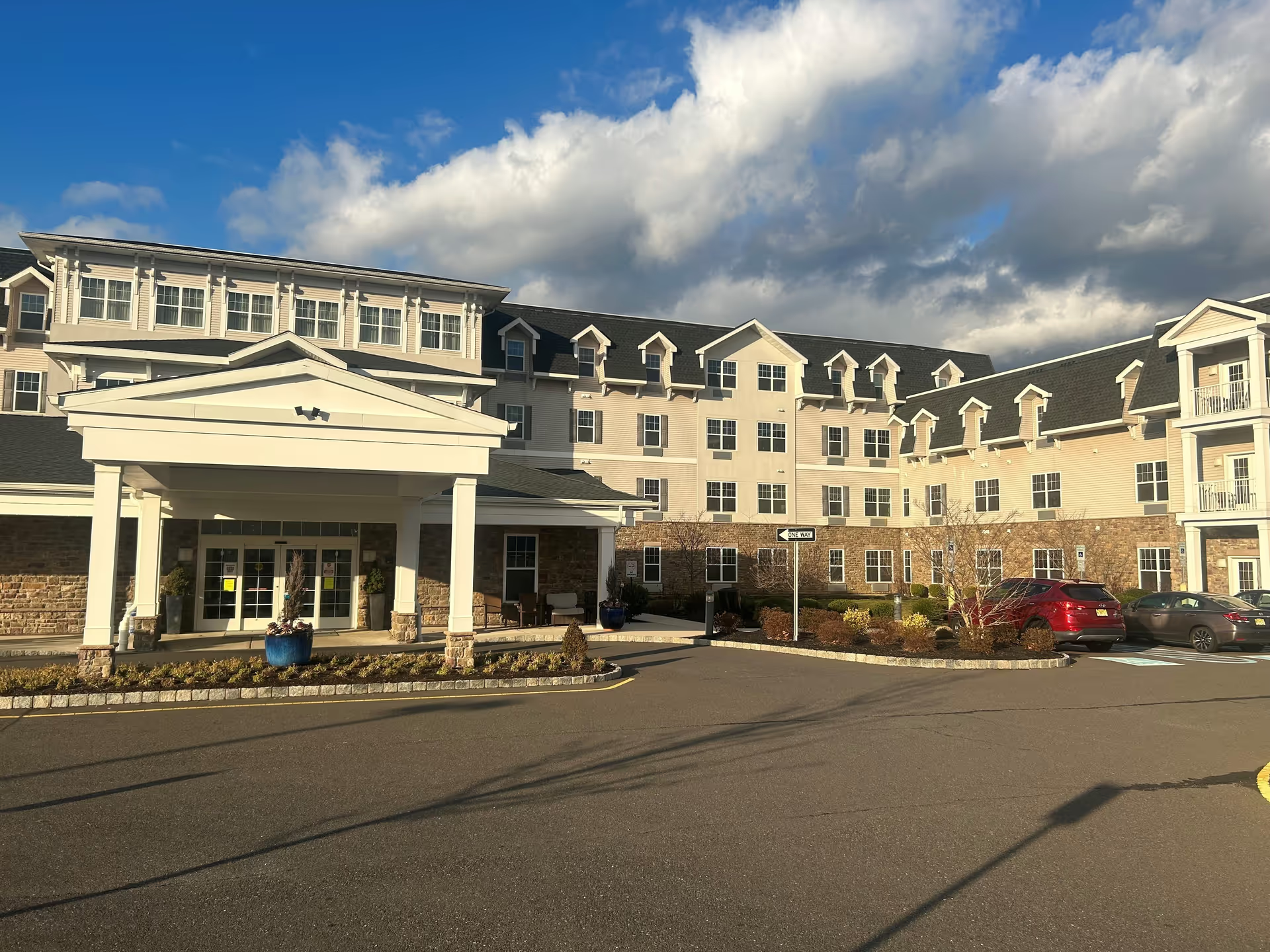
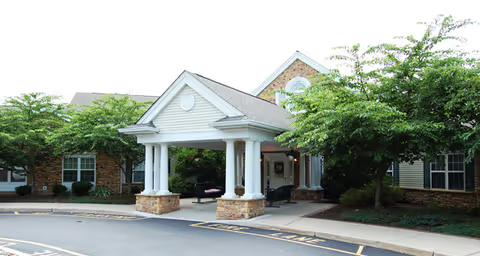
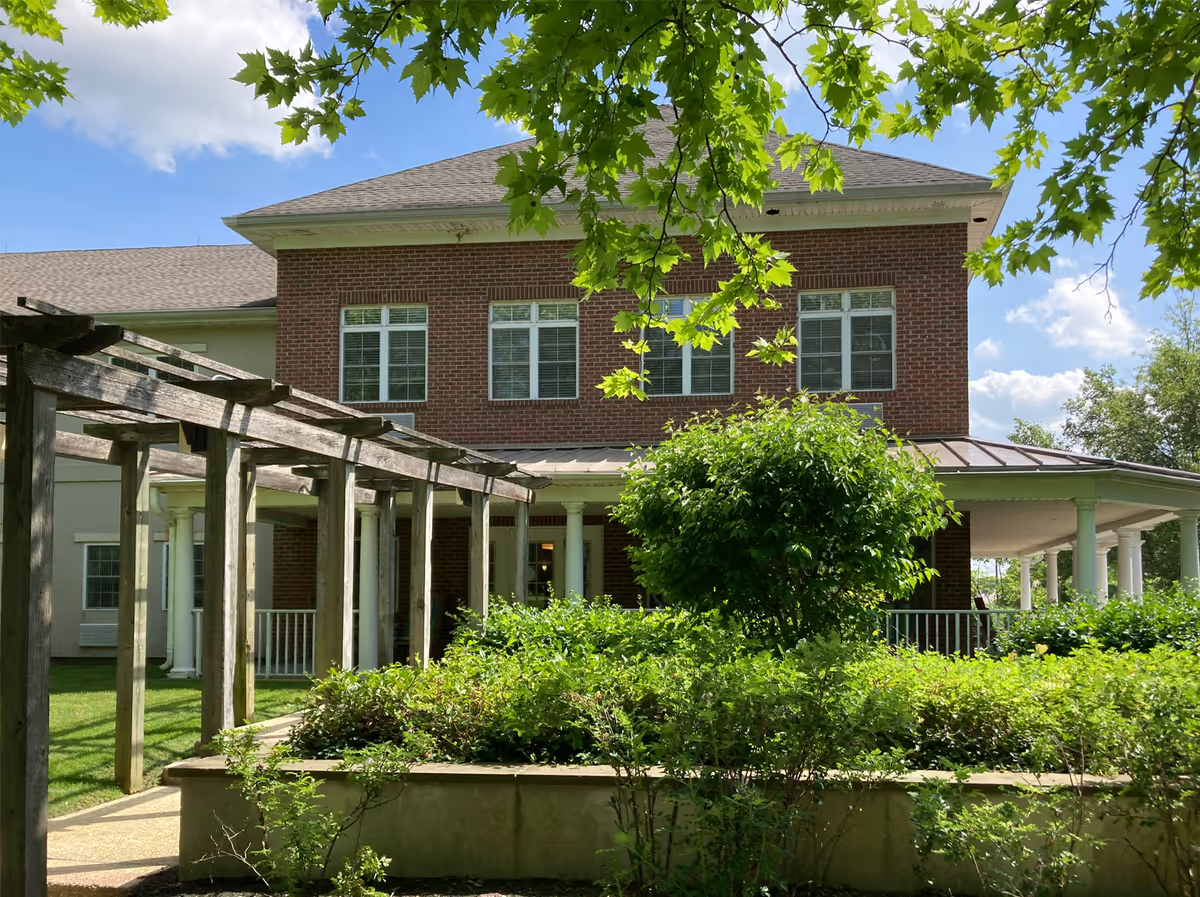
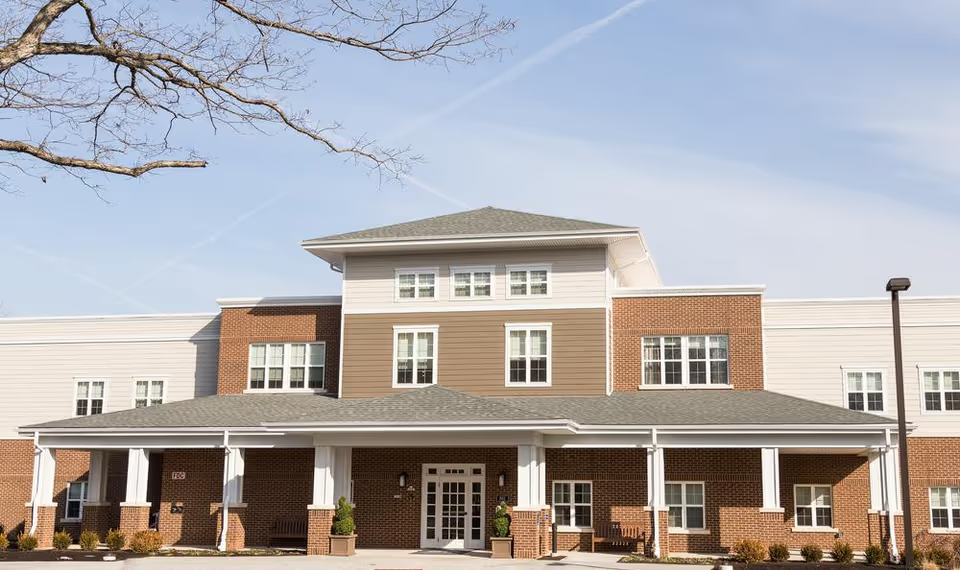
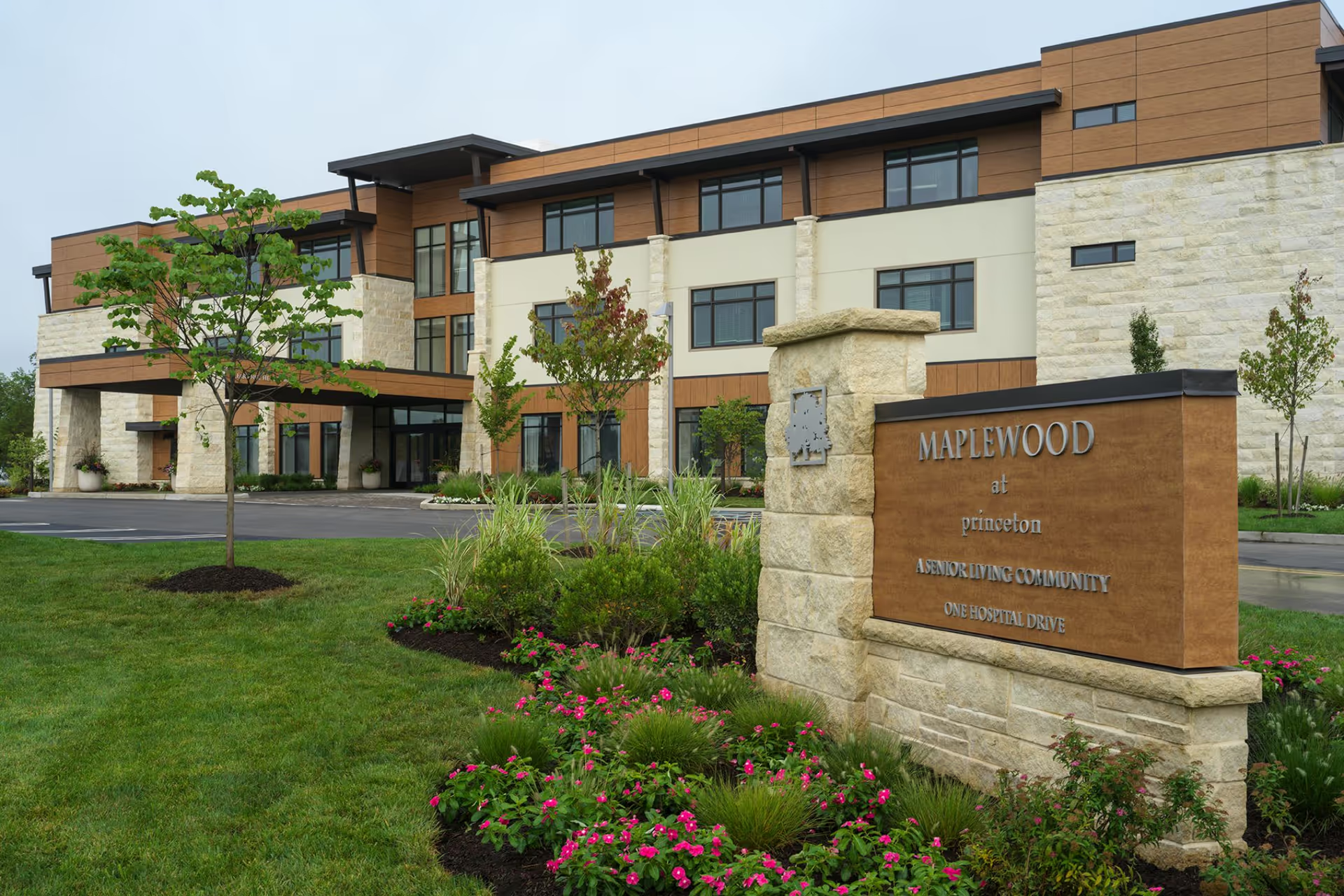
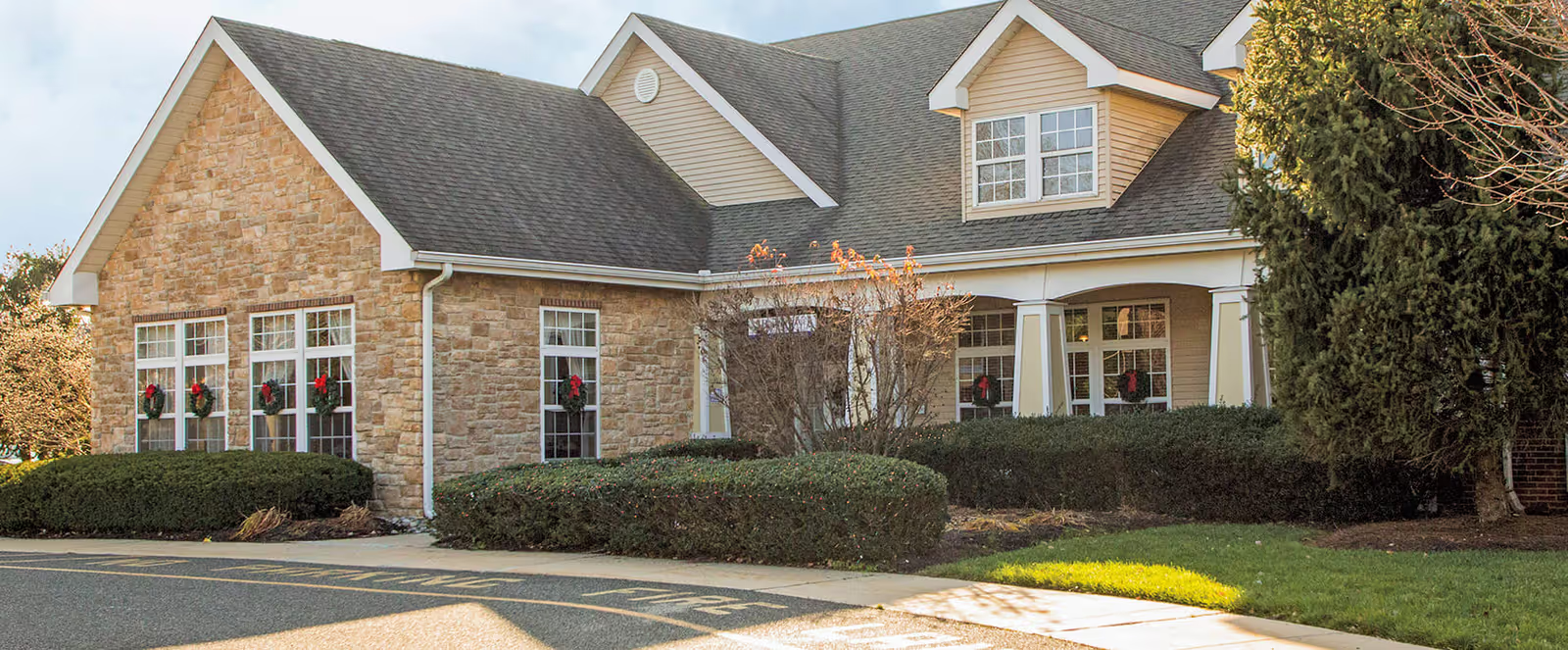
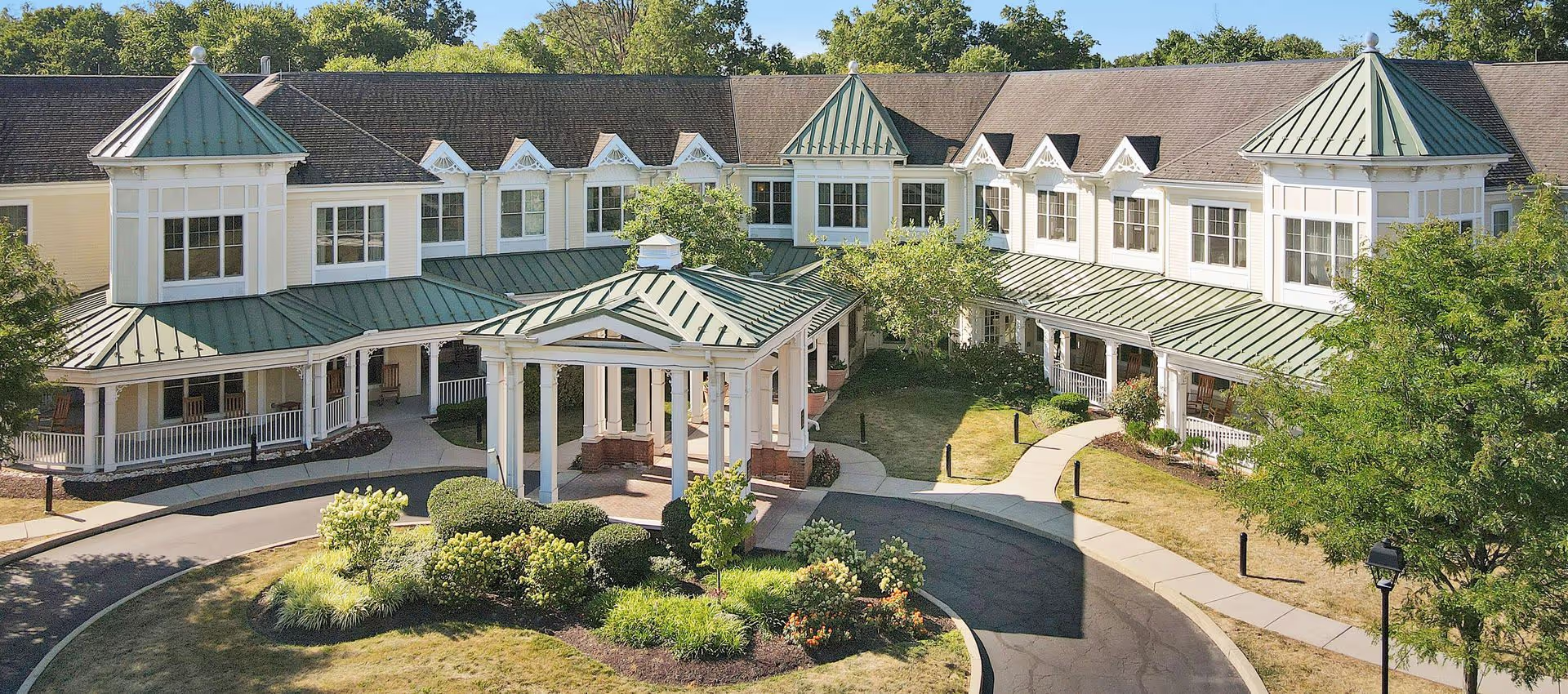
Overall impression: Juniper Village at Hamilton presents as a modern, hotel‑style senior living community with many of the physical amenities families seek: bright common areas, a large courtyard, studio units with kitchenettes and ample bathrooms, recreation spaces (movie theater, gym, art rooms) and on‑site therapy services. A large number of reviews emphasize a welcoming atmosphere, smooth admissions and move‑in processes, and consistently compassionate, engaged front‑line staff. The community offers a broad activity calendar (exercise classes, bingo, gardening, concerts, excursions) and memory‑care programming that supports social engagement and rehabilitation goals.
Care and staffing: Care quality is described unevenly. A substantial portion of feedback praises aides, nurses, and admissions personnel for being supportive, encouraging, and responsive—families frequently cite helpful transition support and personalized attention. Counterbalancing that, there are recurring concerns about variability in clinical skills and basic assessment techniques among nursing staff, and perceptions that higher‑need residents sometimes receive inconsistent assistance. These comments point to variability in clinical competency, occasional delays in responsiveness, and gaps in clinical leadership visibility. Prospective families should verify nurse staffing levels, clinical training, and supervision structures for residents with higher medical needs.
Dining, activities, and daily life: The facility receives strong marks for its activity programming and communal life: daily social opportunities, outings, musical events, and a range of recreational options are commonly noted as strengths that contribute to a home‑like environment. Dining feedback is mixed—many residents and families describe appealing, varied meals and a country‑club dining feel, while others report limited menu choices, small portions, or inconsistent food quality. Activity schedules and social offerings are generally robust, but there are also reports that activity frequency and variety have changed following management transitions; continuity of programming appears to be an operational risk to monitor.
Facilities and cleanliness: The building and common areas are frequently described as new, attractive, and well maintained, which is consistently cited as a major plus. That said, some reviews indicate unevenness in housekeeping, laundry, and unit‑level maintenance, resulting in sanitation concerns in certain units and perceptions of inconsistent upkeep. During initial opening phases there were references to incomplete staffing or certification steps; families should confirm current licensing status and recent maintenance or inspection records.
Management, fees, and policies: Management and ownership changes are a notable theme. Several families describe substantially increased ancillary charges (laundry, cleaning, trash removal) and large healthcare rate adjustments that have affected perceived value. Administrative communication gaps—unreturned calls, billing opacity, and inconsistent front‑desk interactions—are cited as ongoing operational weaknesses. Visitation and masking policies have also been a point of friction, particularly where mask use impedes communication with hearing‑impaired residents. Additionally, there are allegations of theft and property‑security lapses that raise concerns about controls for residents’ personal items.
Patterns and advice for families: Reviews are polarized—many emphasize excellent staffing, engaging programming, and an attractive living environment; others highlight recurring operational issues in clinical care, housekeeping, dining consistency, billing transparency, and security. This pattern suggests a facility with strong assets that also has important execution and oversight gaps. Prospective residents and families should request up‑to‑date information on nurse staffing and training, incident response and safety protocols, recent certification and inspection reports, a clear fee schedule for ancillary services, policies on visitation and communication accommodations, and measures taken to address property‑security and housekeeping issues. An in‑person tour, meetings with nursing leadership, and conversations with current residents and families can help assess whether the facility’s strengths align with an individual’s care needs and expectations.