Overall impression: Reviews reflect a polarized experience at the facility, with clear strengths in rehabilitation services and individual caregivers but recurring operational and communication shortfalls. Families and former patients describe successful short-term recoveries, strong therapy interventions, and several standout staff members; however, a number of accounts raise sustained concerns about staffing levels, clinical responsiveness, and administrative follow-through.
Care quality and clinical services: Physical and occupational therapy are frequently described as effective, with daily PT/OT and wound-care services cited as assets for short-term rehabilitation. Several reviewers credited the clinical team with meaningful recovery gains and timely escalation in acute situations. At the same time, there are consistent allegations of medication delays, missed or incorrect dosing, and limited timely access to prescriptions from pharmacy services. A few accounts reference significant adverse events and concerns following a resident's death; these are described in the context of broader worries about medication management, care transitions, and end-of-life communication.
Staffing and staff conduct: A dominant pattern is understaffing and staff overwork, which families link to slow response times and gaps in basic care tasks. Reviewer narratives contrast highly compassionate CNAs and individual nurses—who receive strong praise—with other staff described as unprofessional or inattentive. These mixed accounts suggest variability in staff performance across shifts and units. Personal-device use and distracted behavior are described in several accounts as interfering with attentiveness.
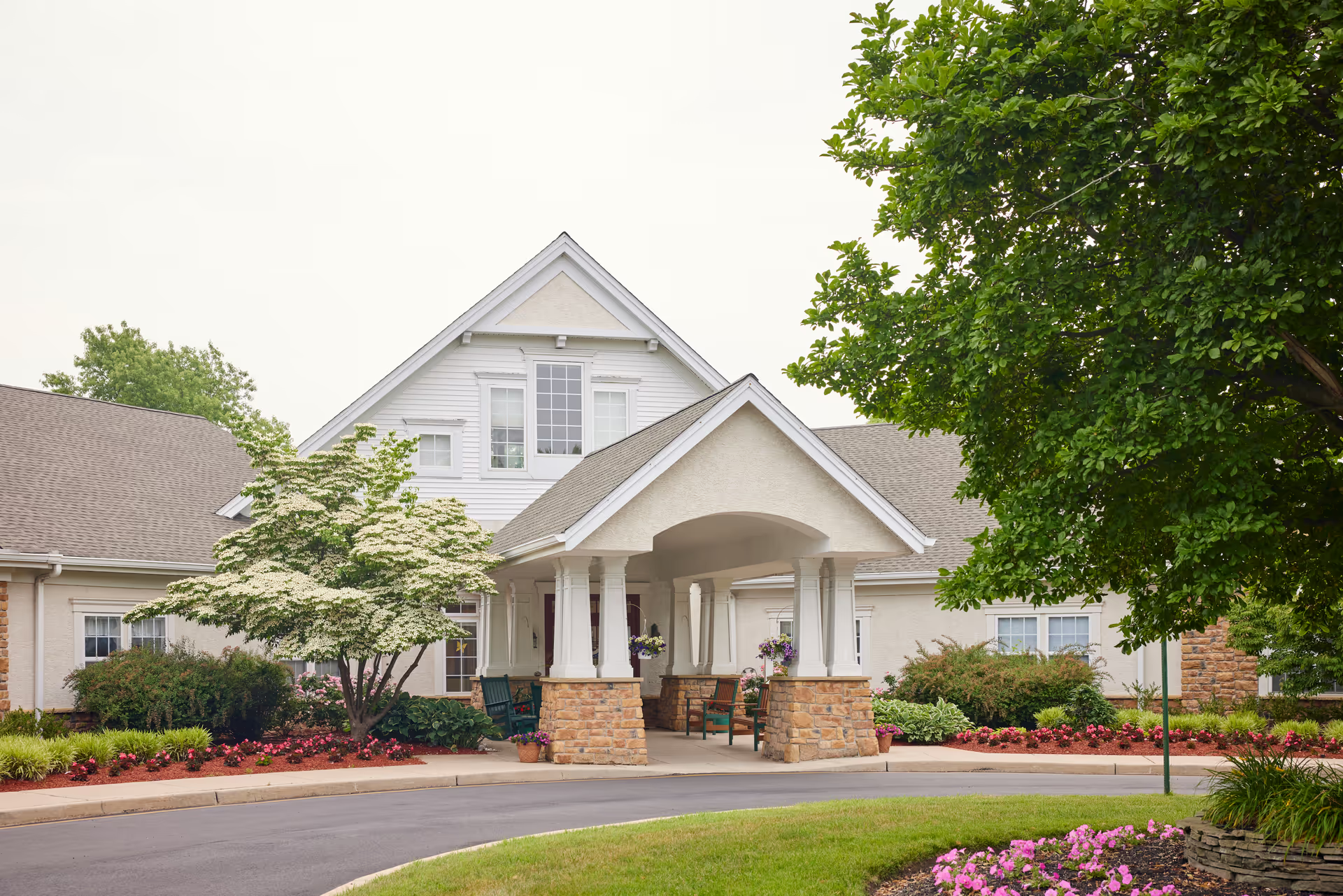
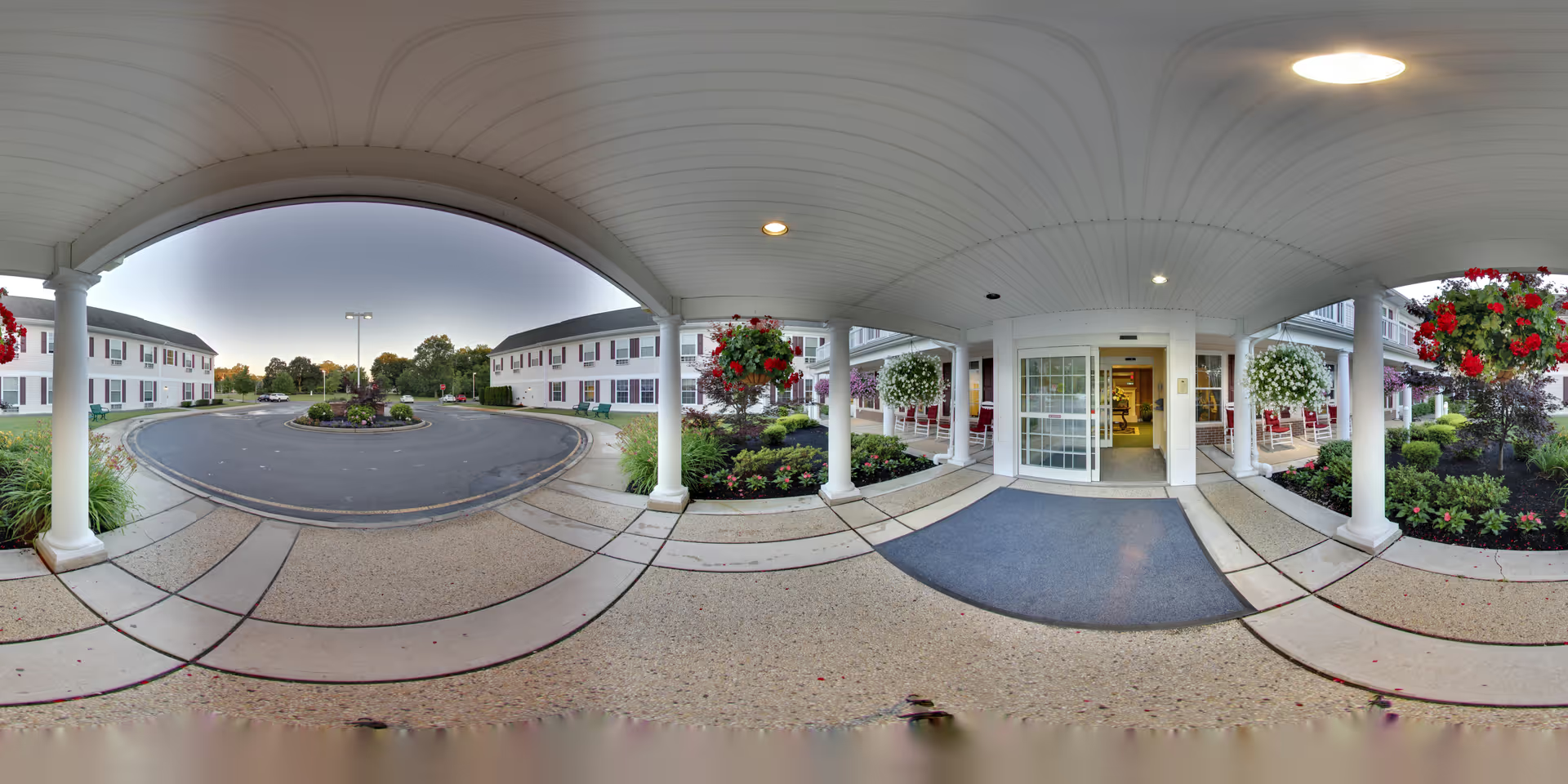
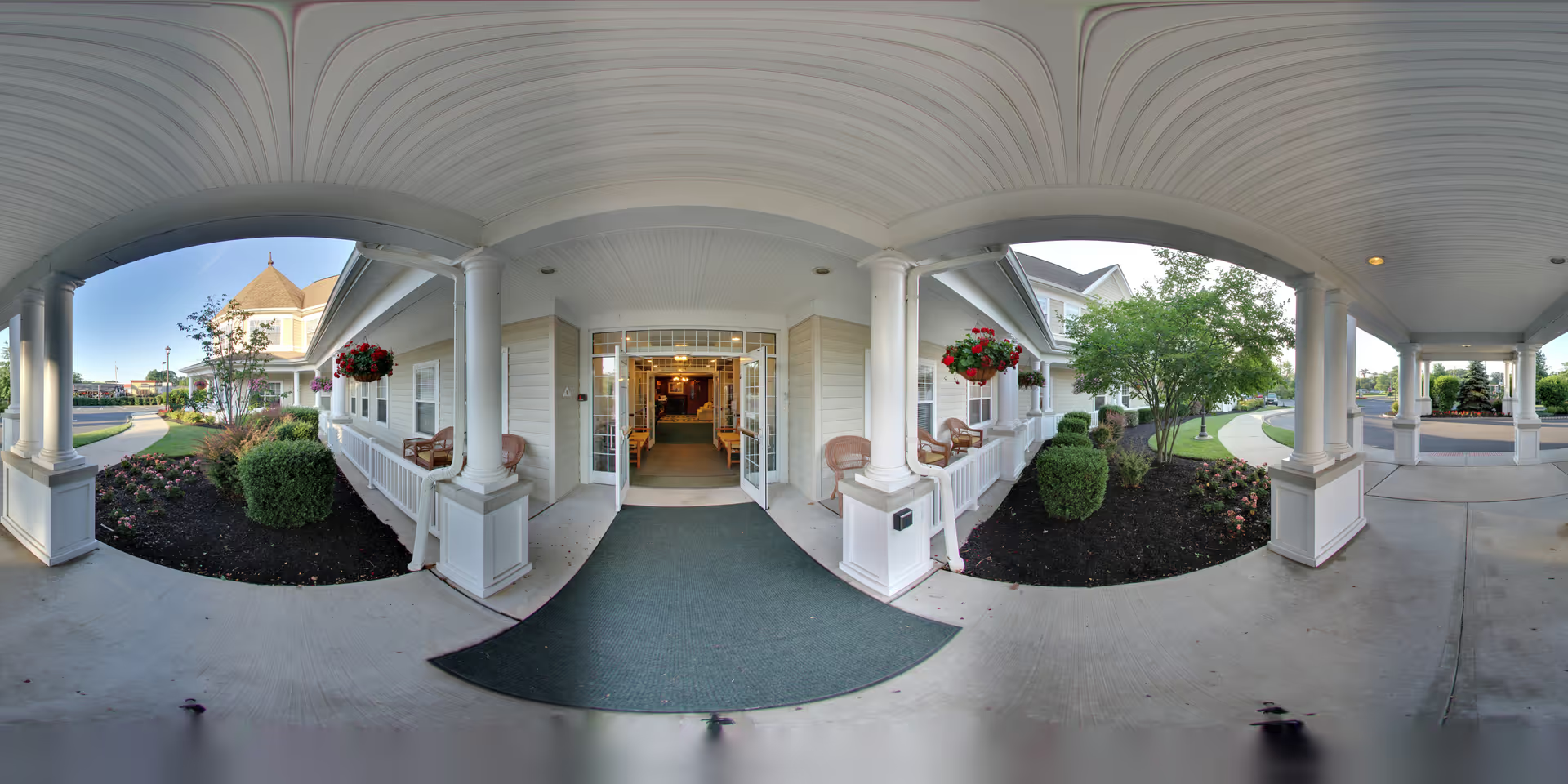
Dining, activities, and facilities: Dining receives generally favorable remarks ranging from decent to very good; some families supplemented meals with outside food when preferred. Activity programming, common areas, and outdoor spaces such as a courtyard and front lounge are cited as positive contributors to resident well-being. Facility cleanliness assessments are mixed: some reviewers describe the environment as clean and safe, while others report sanitation and incontinence-care concerns in resident rooms and certain units.
Management, communication, and administration: Reviews indicate recurring gaps in family communication, unit-level transparency, and responsiveness from management or social work staff. Several families say they needed to advocate strongly to obtain information or resolve discharge and insurance issues. Administrative barriers include contested admission or discharge decisions and billing/insurance-related cost concerns. Infection-control practices are another area of variability: some accounts note appropriate isolation and transfer procedures, whereas others describe inconsistent handling of infectious cases and concerns about notification procedures.
Notable patterns and guidance for prospective families: The facility appears capable of delivering effective short-term rehabilitation and wound care, particularly when staffed by attentive clinicians and CNAs. Prospective residents and families should weigh these strengths against patterns of inconsistent staff conduct, documented delays in medication administration, and communication difficulties with management. When considering this facility, families may want to confirm staffing levels for the intended unit and shift, ask for a clear medication reconciliation and pharmacy plan, request copies of therapy schedules, and identify a point of contact for daily updates. These steps may help mitigate some of the operational variability described in reviews.