The corpus of reviews for Willow Springs Rehabilitation & Healthcare Center presents a mixed but instructive picture. Many reviewers praised the facility’s rehabilitative strengths, noting skilled and effective physical and occupational therapy teams, personalized therapy plans, and measurable functional gains that enabled discharge home. The activities program and social engagement were repeatedly described as robust and welcoming, and multiple accounts highlight a compassionate core of nursing and aide staff who fostered meaningful relationships with residents. Renovations, a newer private‑room wing, a pleasant dining room, visible housekeeping, and approachable front‑desk and concierge services are recurring positive themes.
Care quality and clinical operations show real variation. When care is rated highly, reviewers describe responsive nurses, attentive CNAs, timely therapy, and coordinated discharge planning including follow‑up calls and resources. Conversely, a substantial number of reviews identify operational weaknesses that affected clinical safety and comfort: slow call‑bell responses, medication delays, intermittent gaps in clinical‑skill application (for example, oxygen or BiPAP handling), and delays in physician or pharmacy coordination. There are also repeated concerns about infection‑control consistency and PPE adherence during outbreaks, which families saw as an important operational risk to clarify at admission.
Dining and activities receive divergent feedback. Several reviews applaud a capable kitchen team, individualized meal substitutions, good portioning, and an inviting dining experience. Other reviewers reported cold or poorly timed meals, limited diet‑appropriate options, and inconsistent meal delivery. Activities and social programming are generally highlighted as strengths — reviewers emphasize proactive, engaging staff who facilitate participation and improve resident morale.
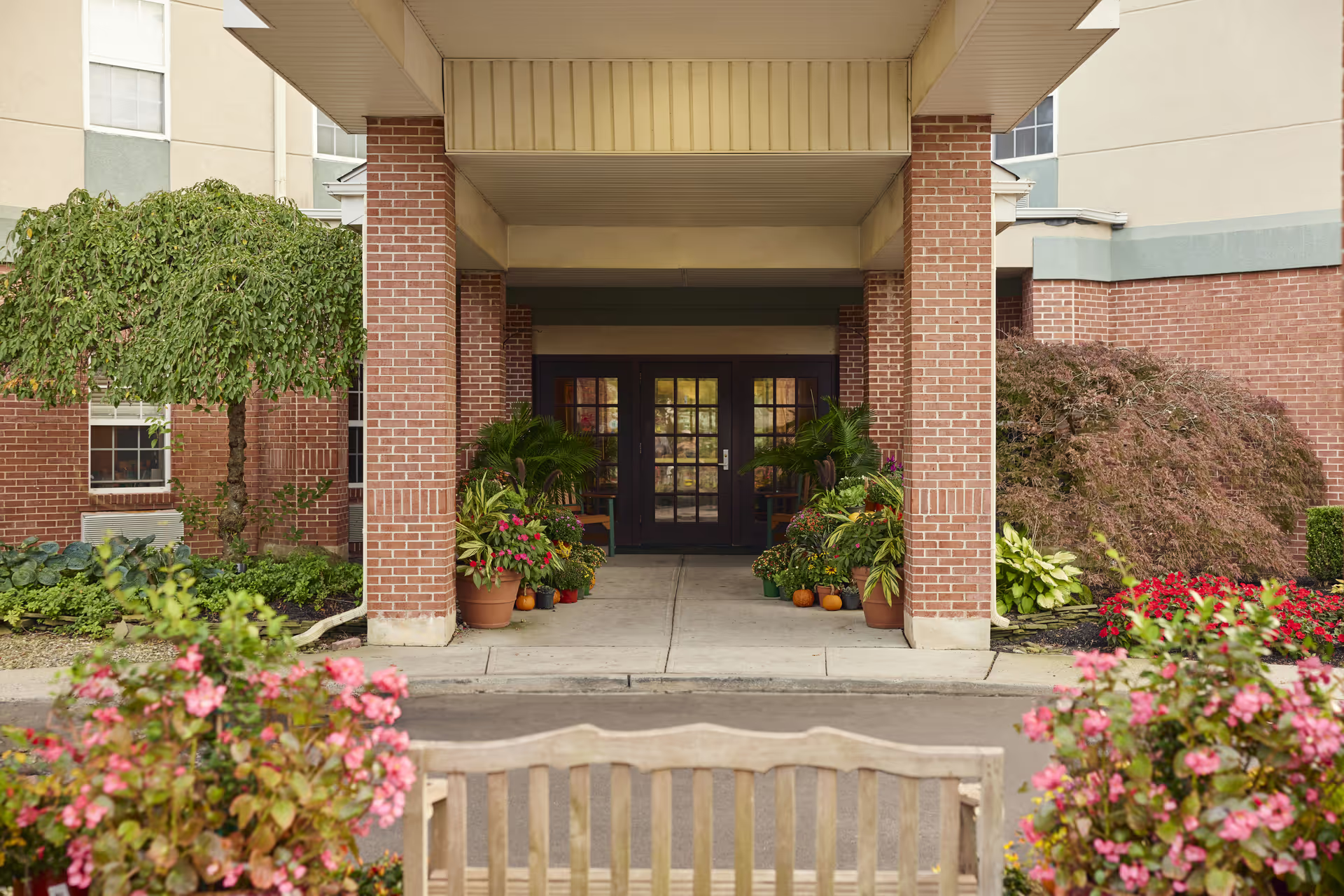
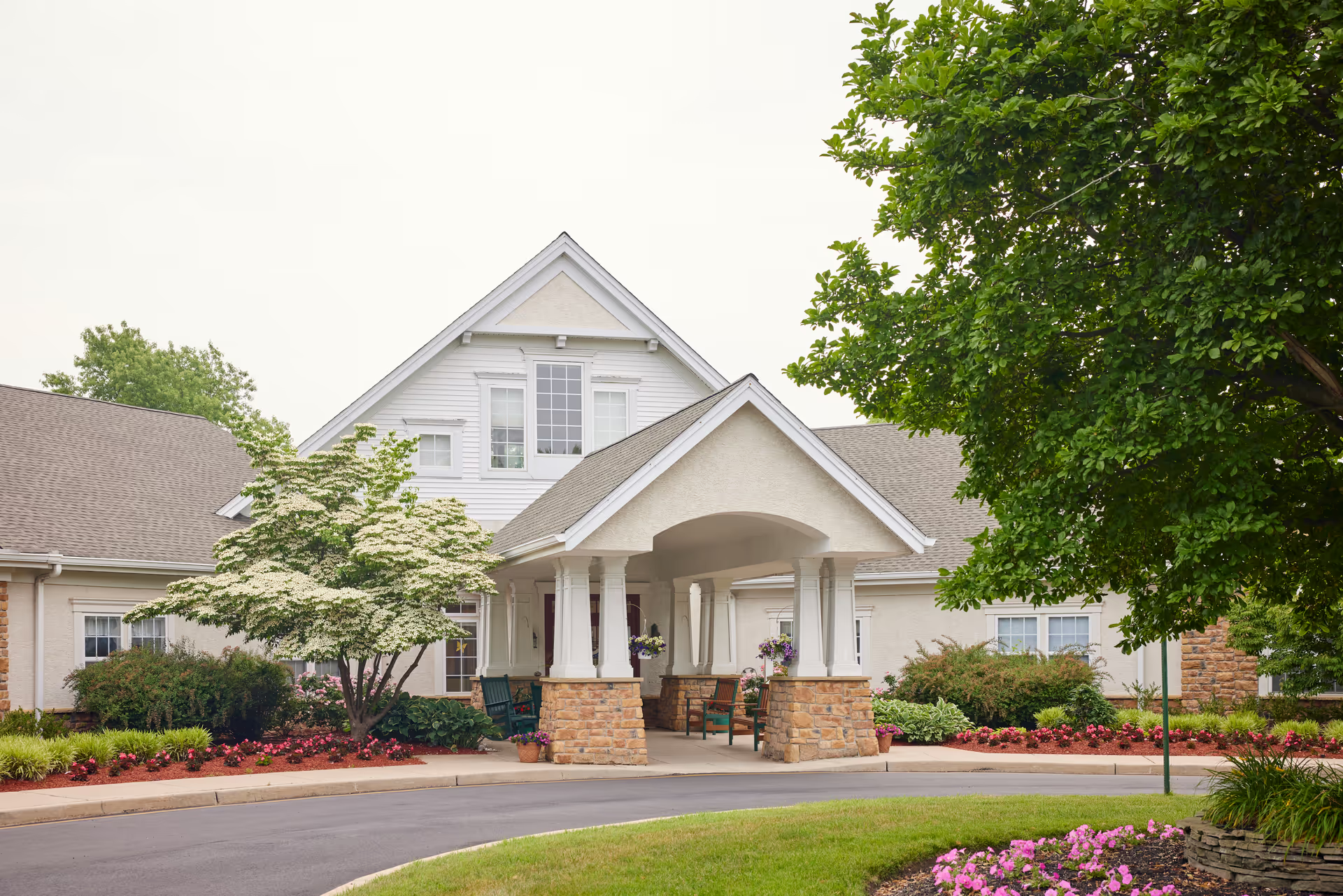
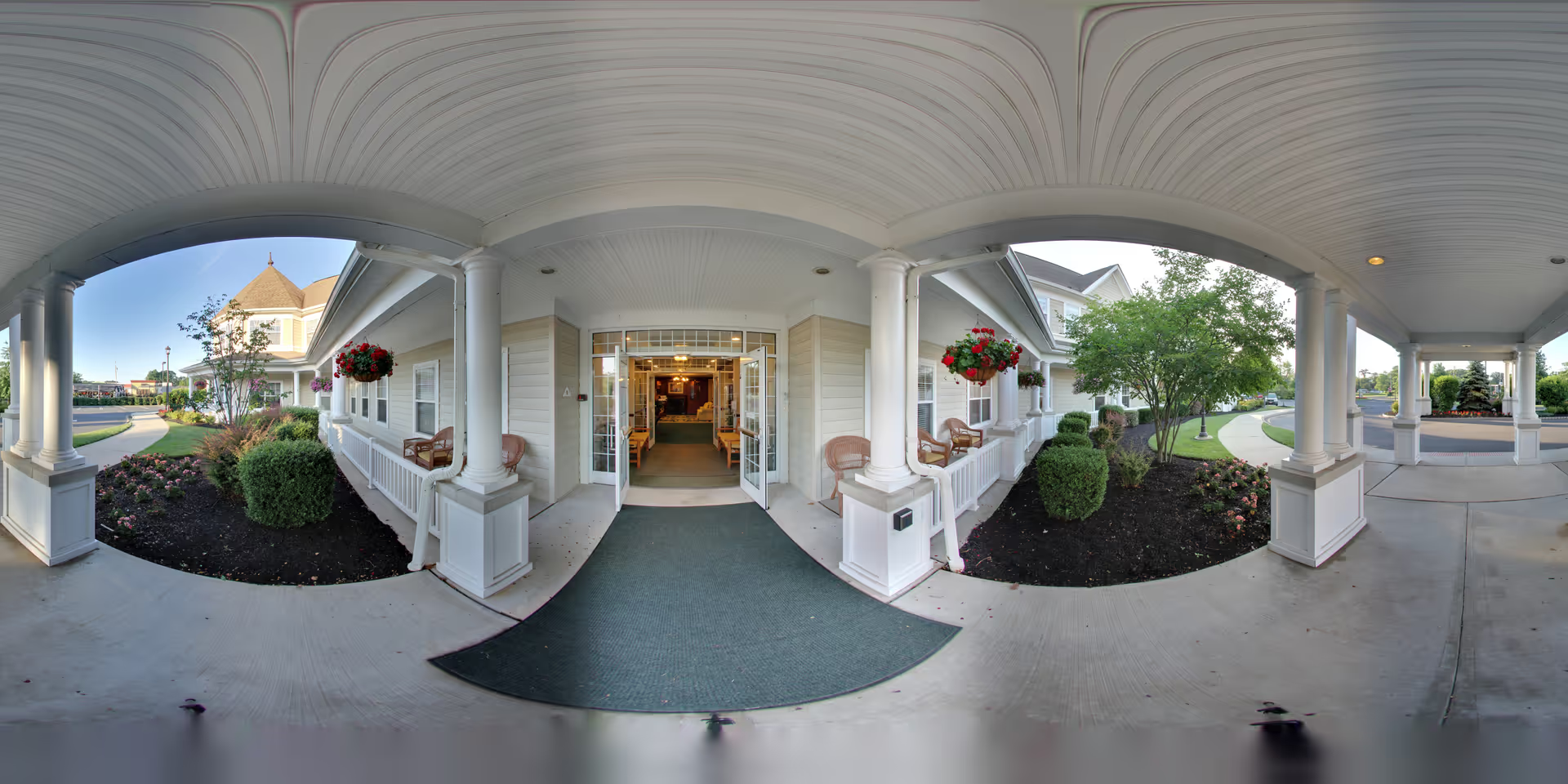
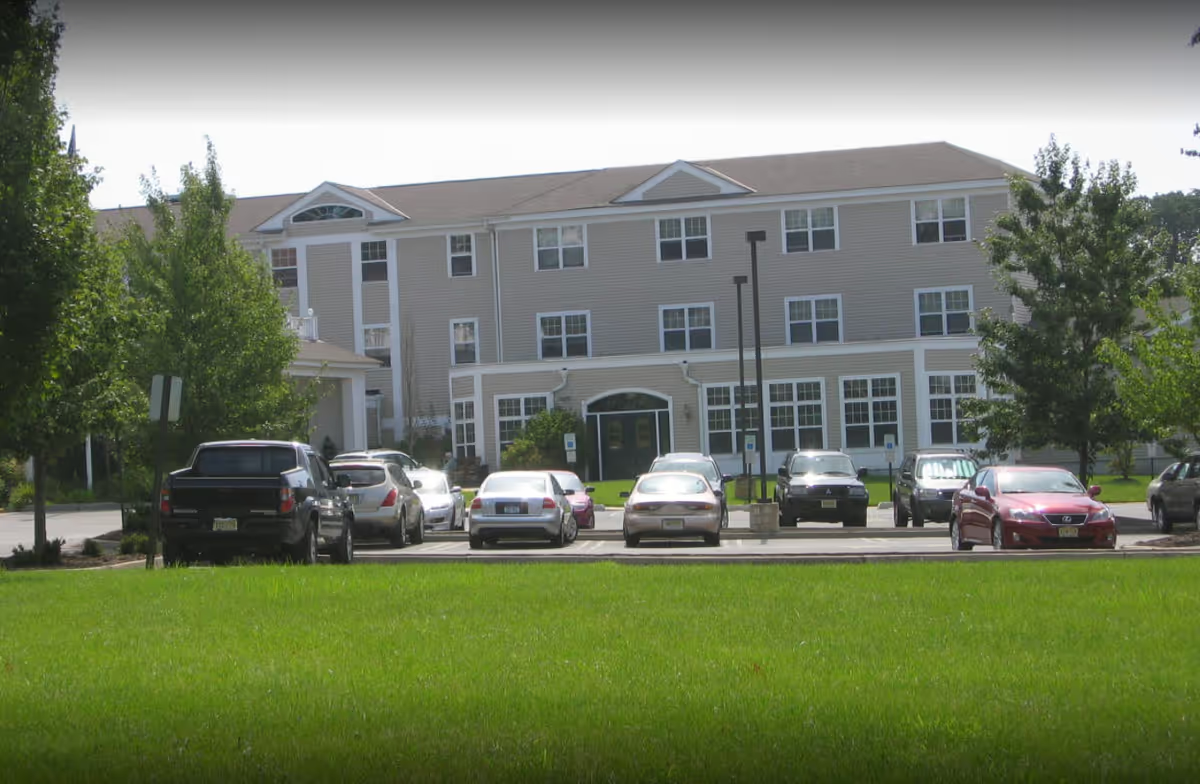
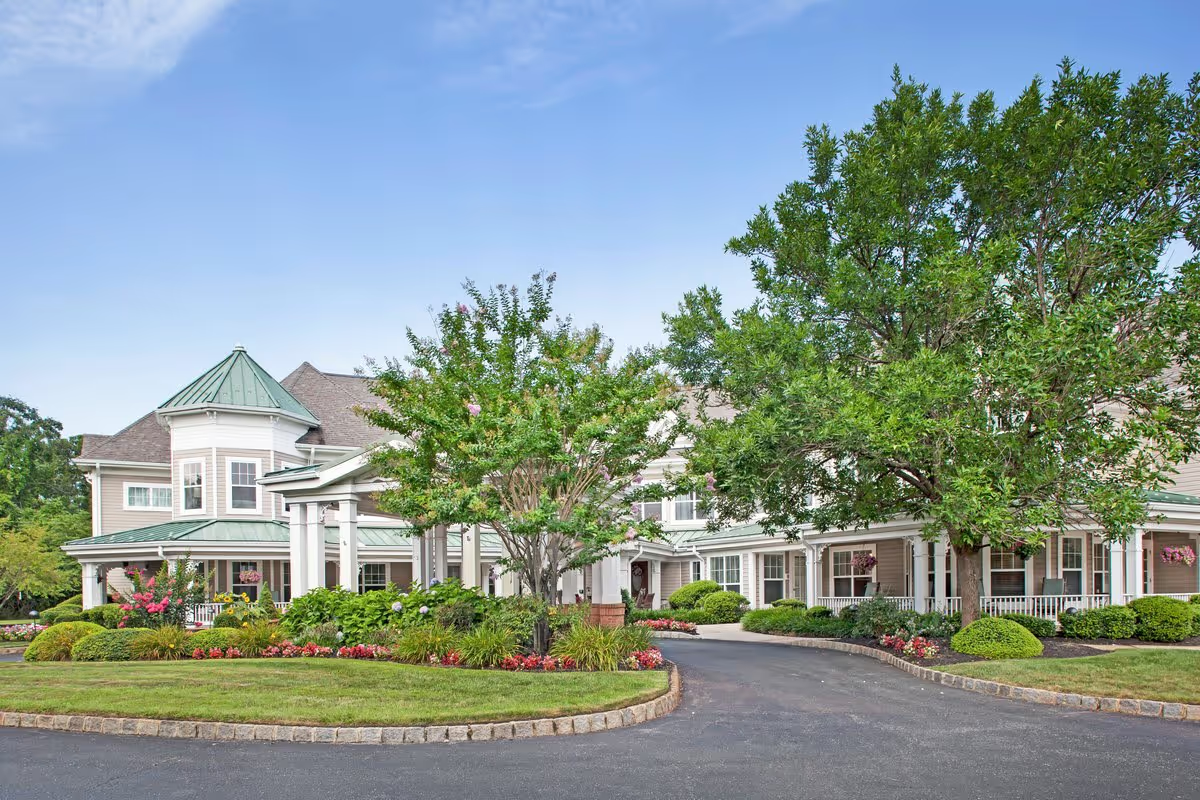
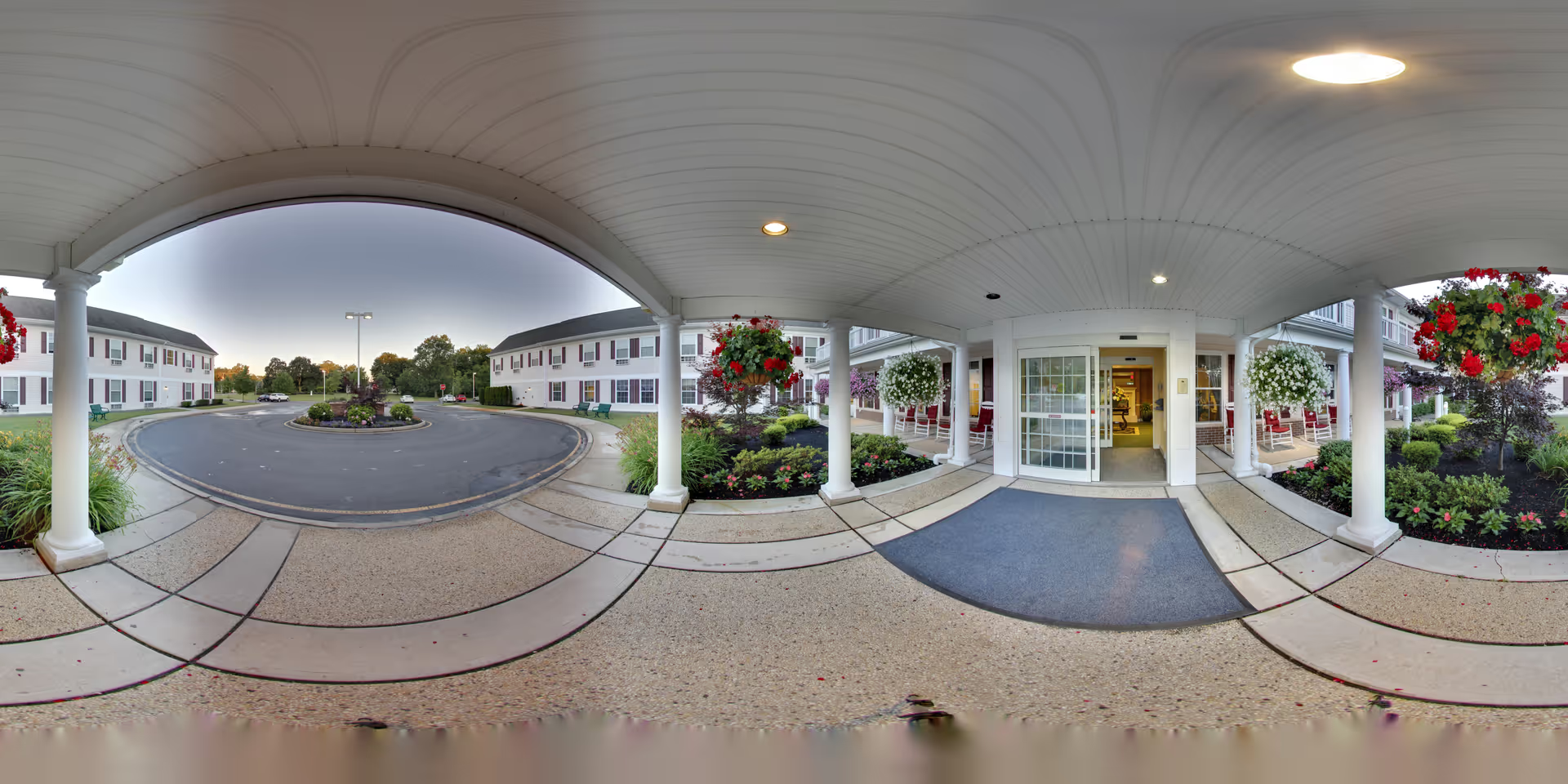
Facility condition and housekeeping are similarly mixed. Positive accounts describe a modern, clean, well‑maintained environment with private rooms and attentive housekeeping staff. At the same time, multiple reports describe intermittent sanitation issues in particular units or bathrooms and occasional maintenance delays (desk coverage, elevator or window repairs). Pest‑control concerns and variable cleanliness standards were noted enough times that prospective families should ask specific questions during a visit.
Management and communication patterns are uneven. Several reviewers single out administrators and social‑work staff as responsive, proactive, and helpful with transitions and family communication. Yet others report poor follow‑through on admission paperwork, discharge prescriptions, and inconsistent family updates. A few reviews raise serious administrative concerns, including allegations related to billing or financial transparency; these are isolated but significant and merit direct inquiry.
Notable patterns for prospective residents and families: the facility appears capable of delivering strong rehabilitation and compassionate day‑to‑day care when staffing and supervision are effective, but outcomes depend materially on unit staffing, weekend coverage, and specific team members on duty. Key topics to address during a tour or intake conversation include current staffing ratios (especially nights/weekends), average call‑bell response times, infection‑control protocols, medication/pharmacy handling and handoff procedures, monitoring practices in memory‑care and high‑fall‑risk units, meal accommodations for restricted diets, and administrative billing/transition procedures. A focused visit and direct questions about these operational areas will help determine whether Willow Springs’ strengths align with a particular resident’s clinical and safety needs.