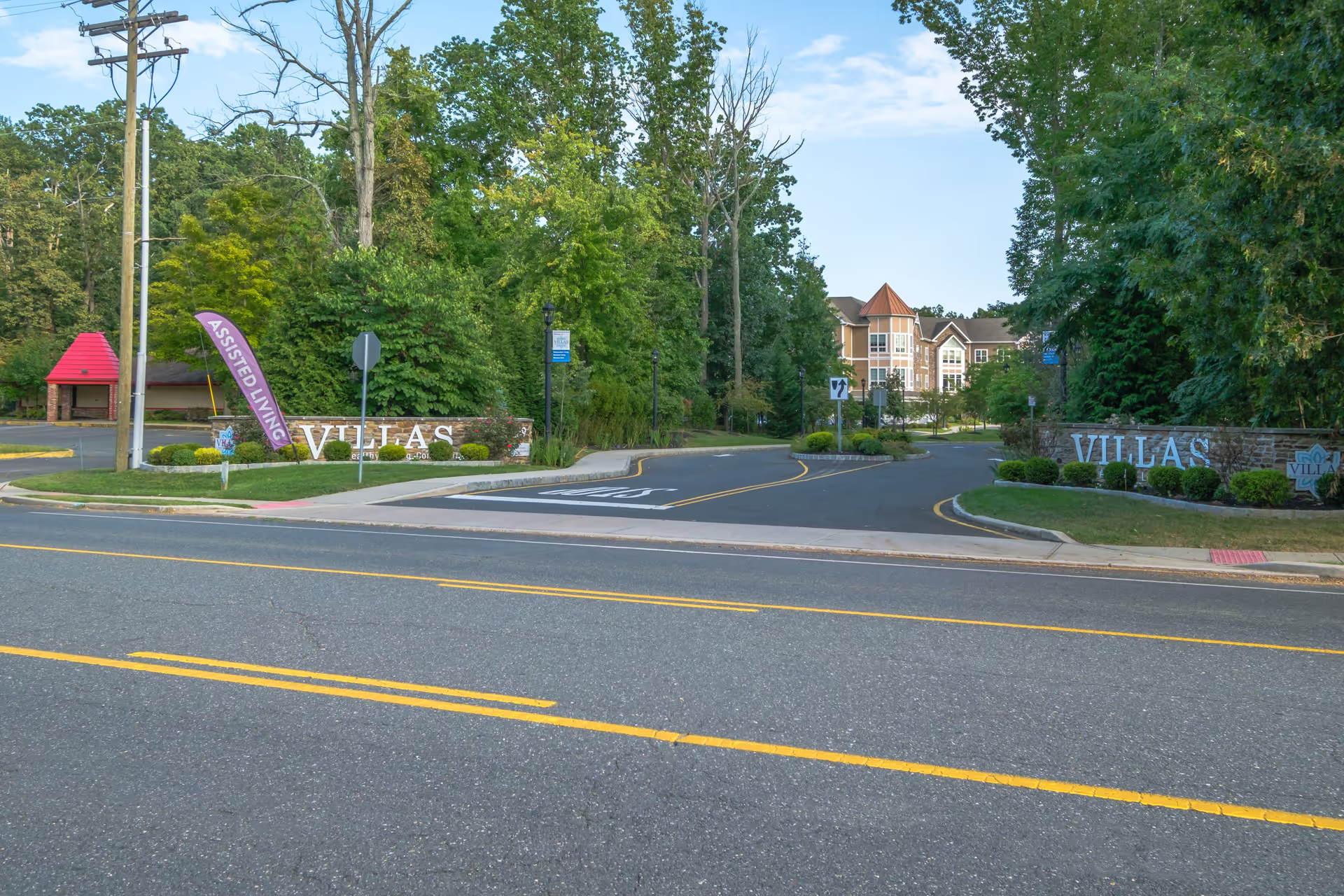
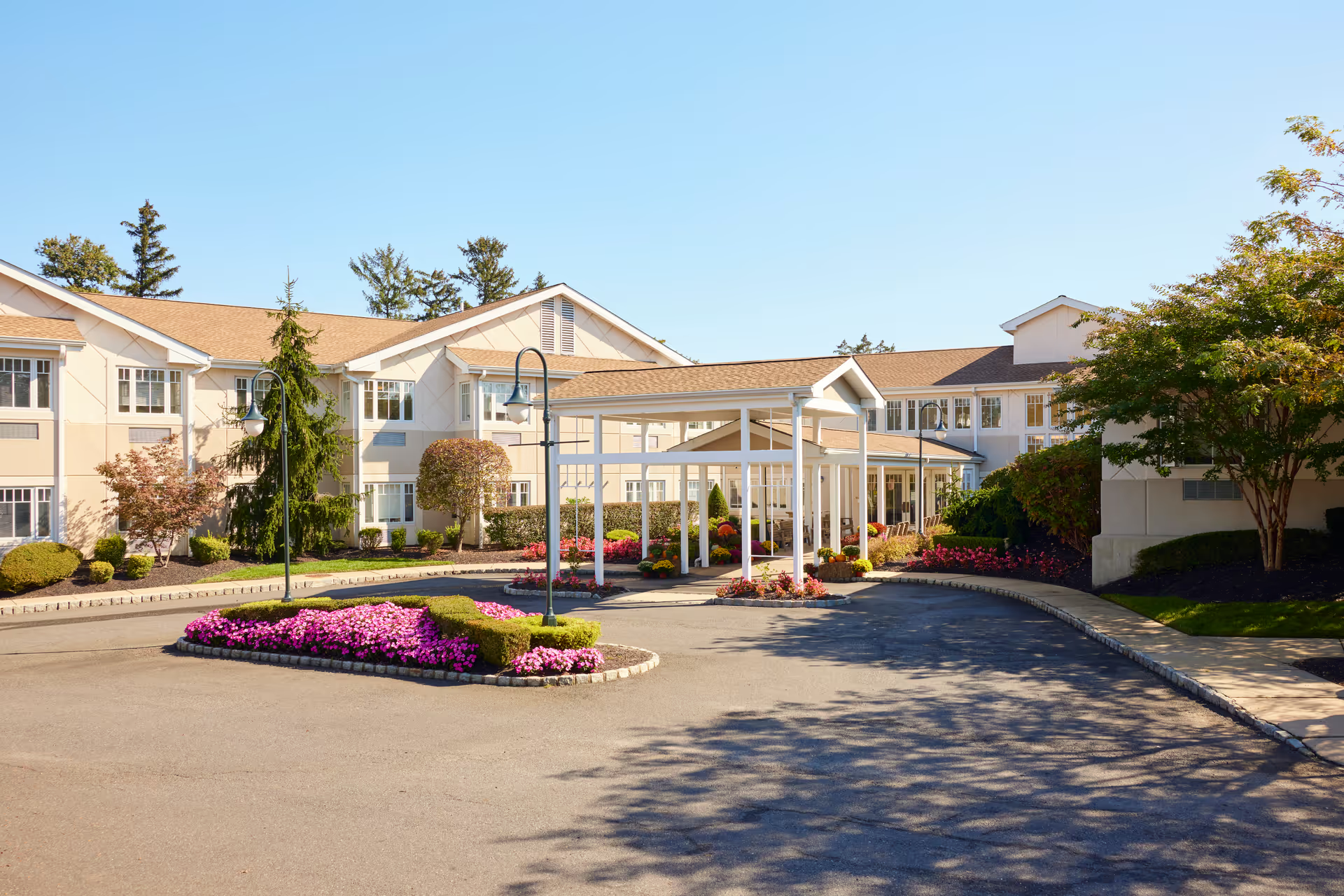
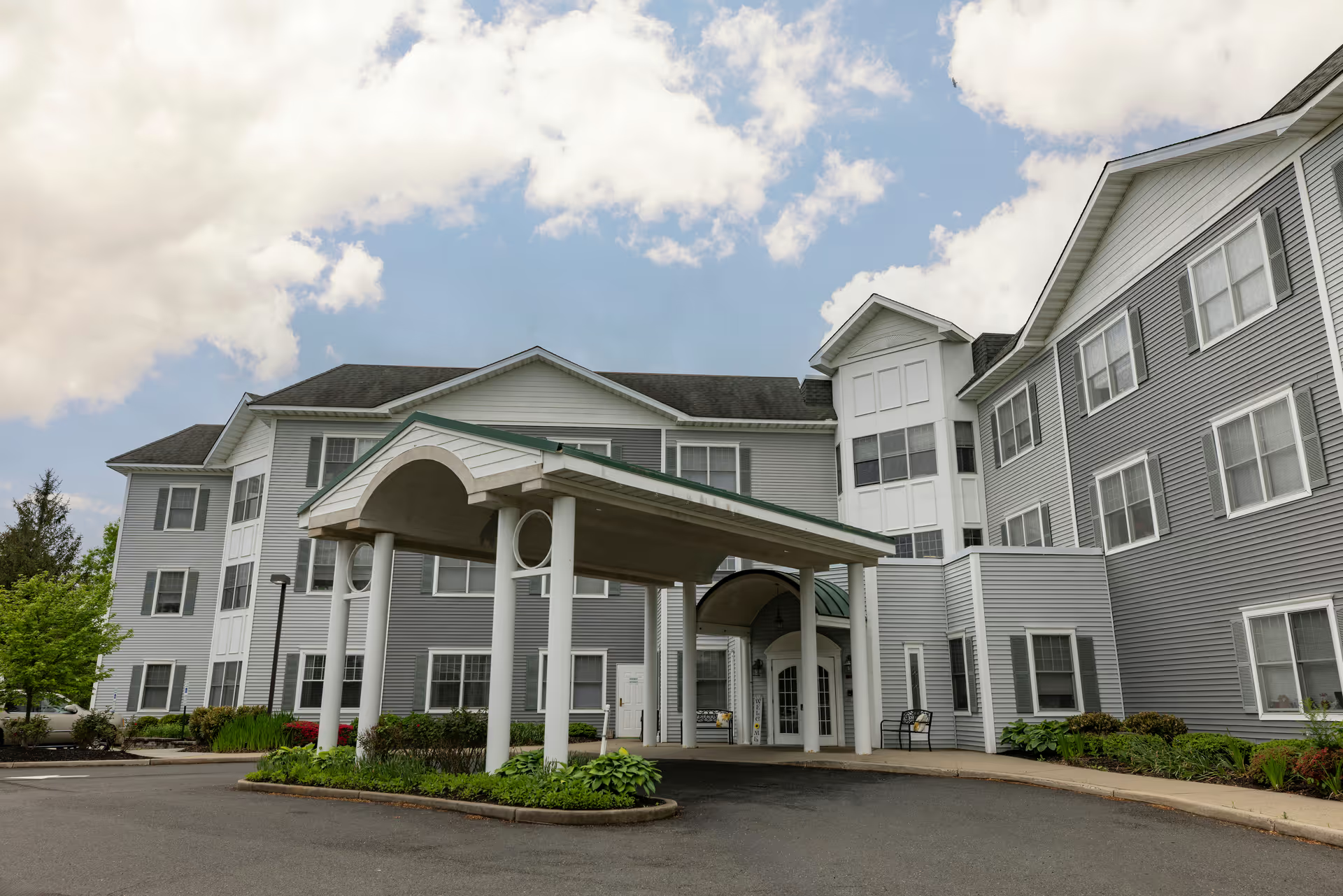
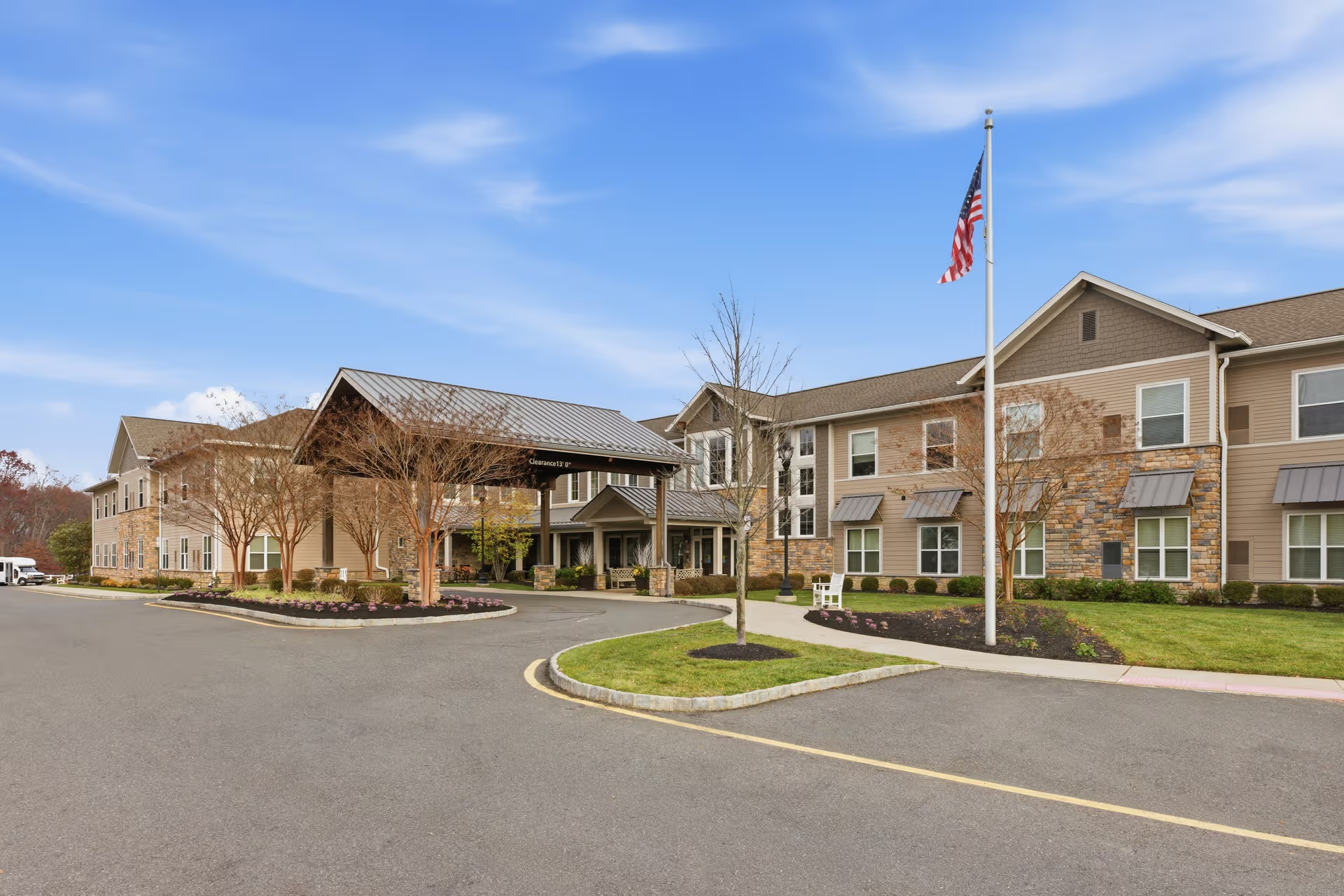
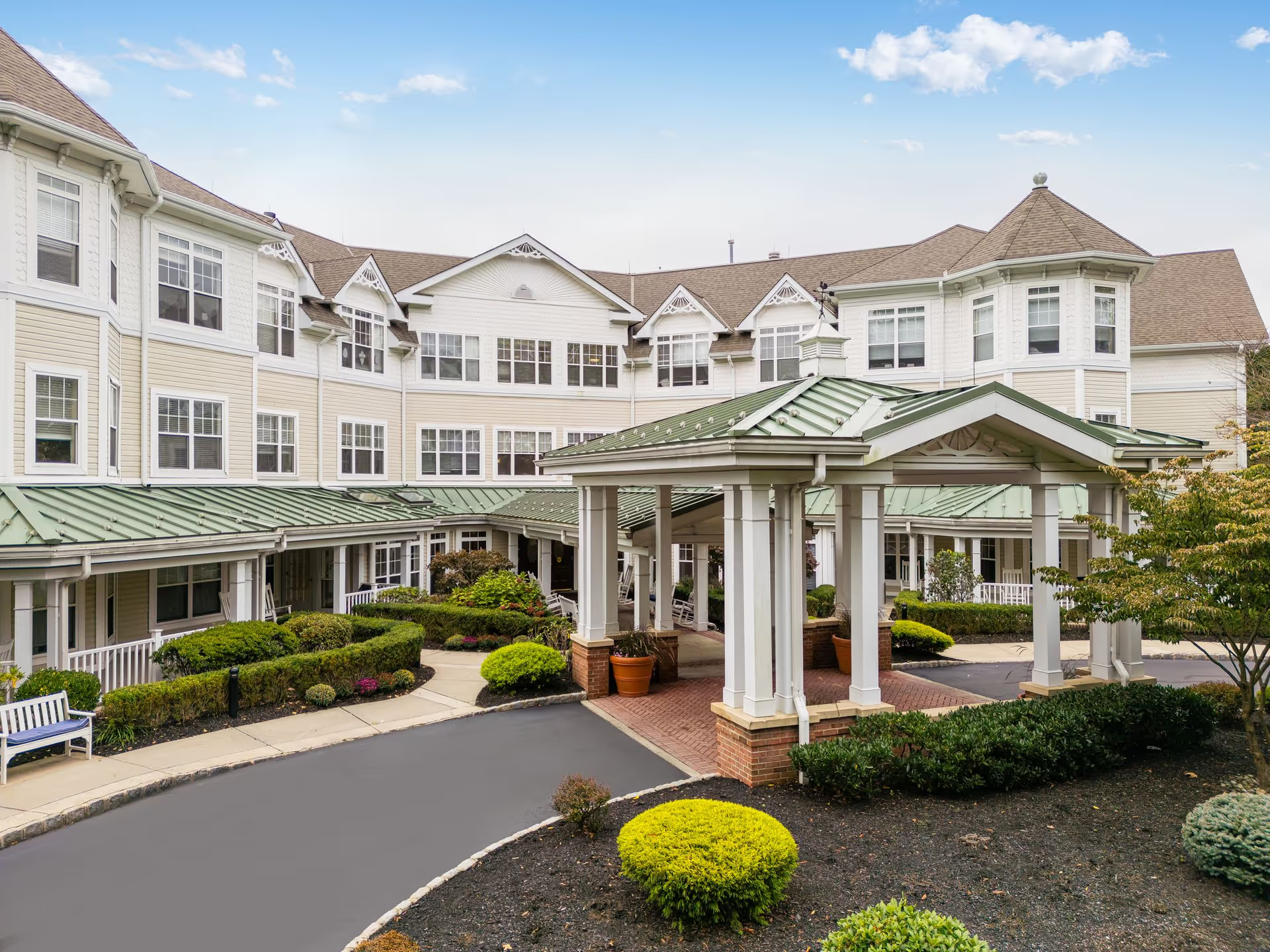
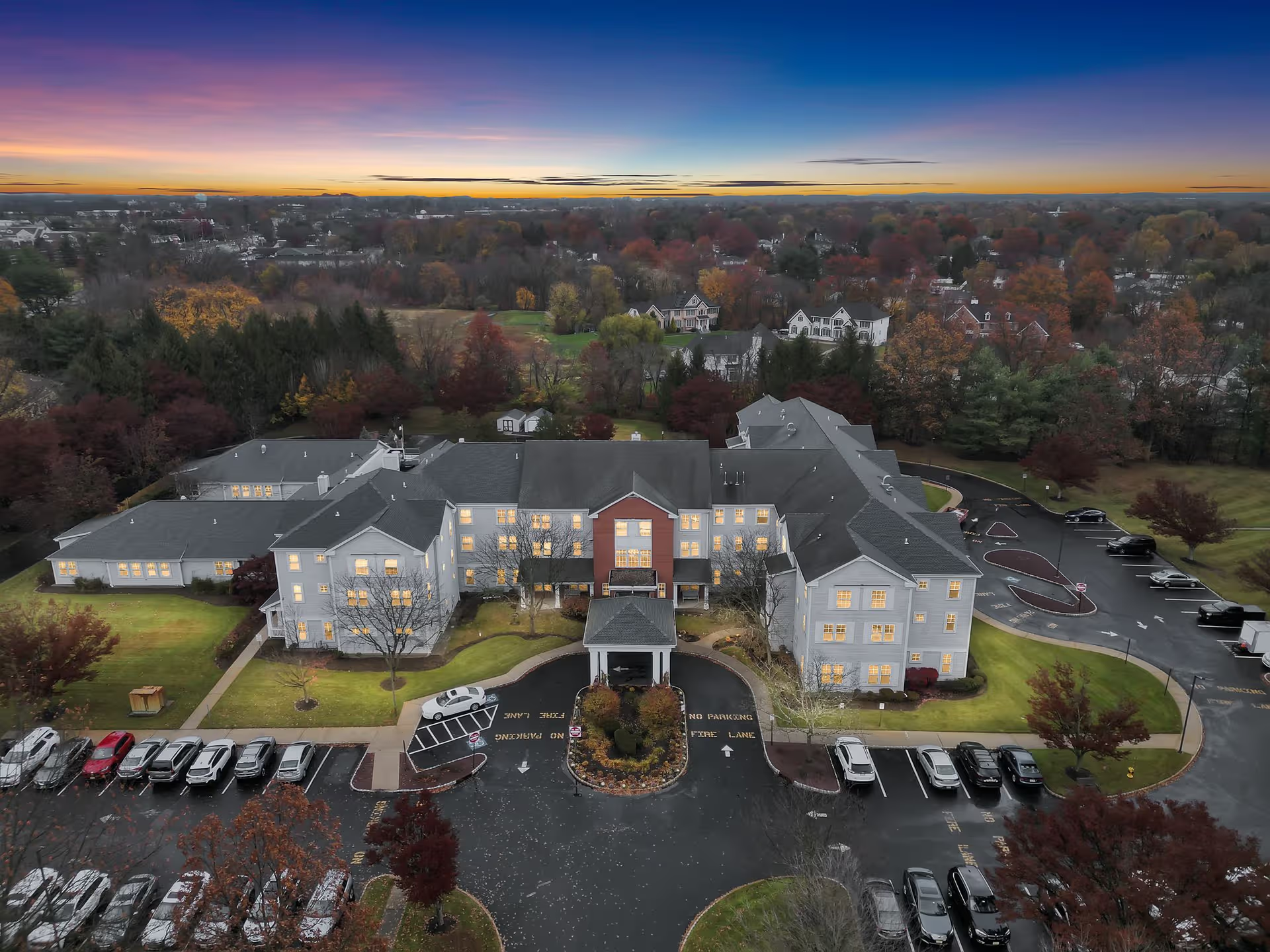
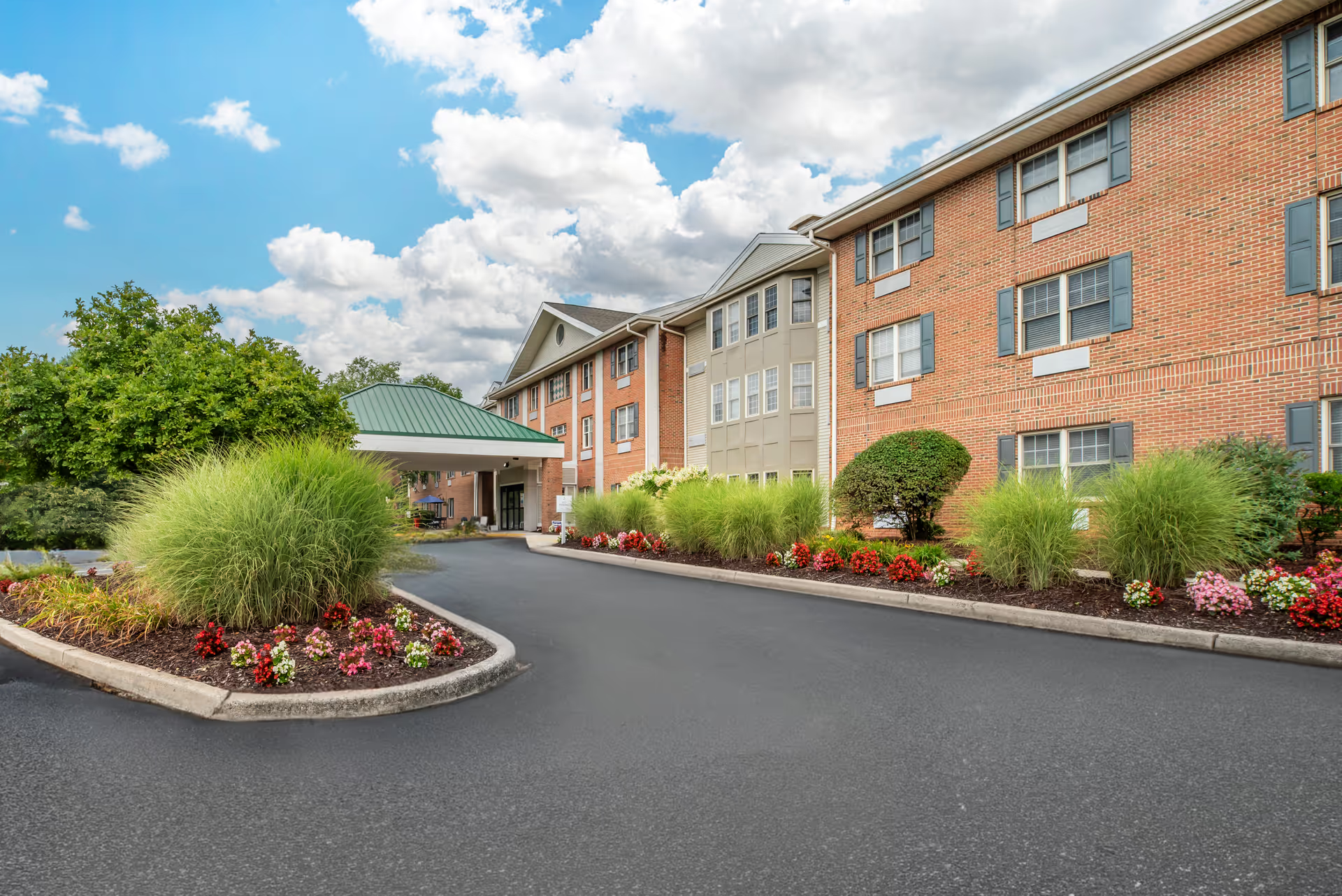
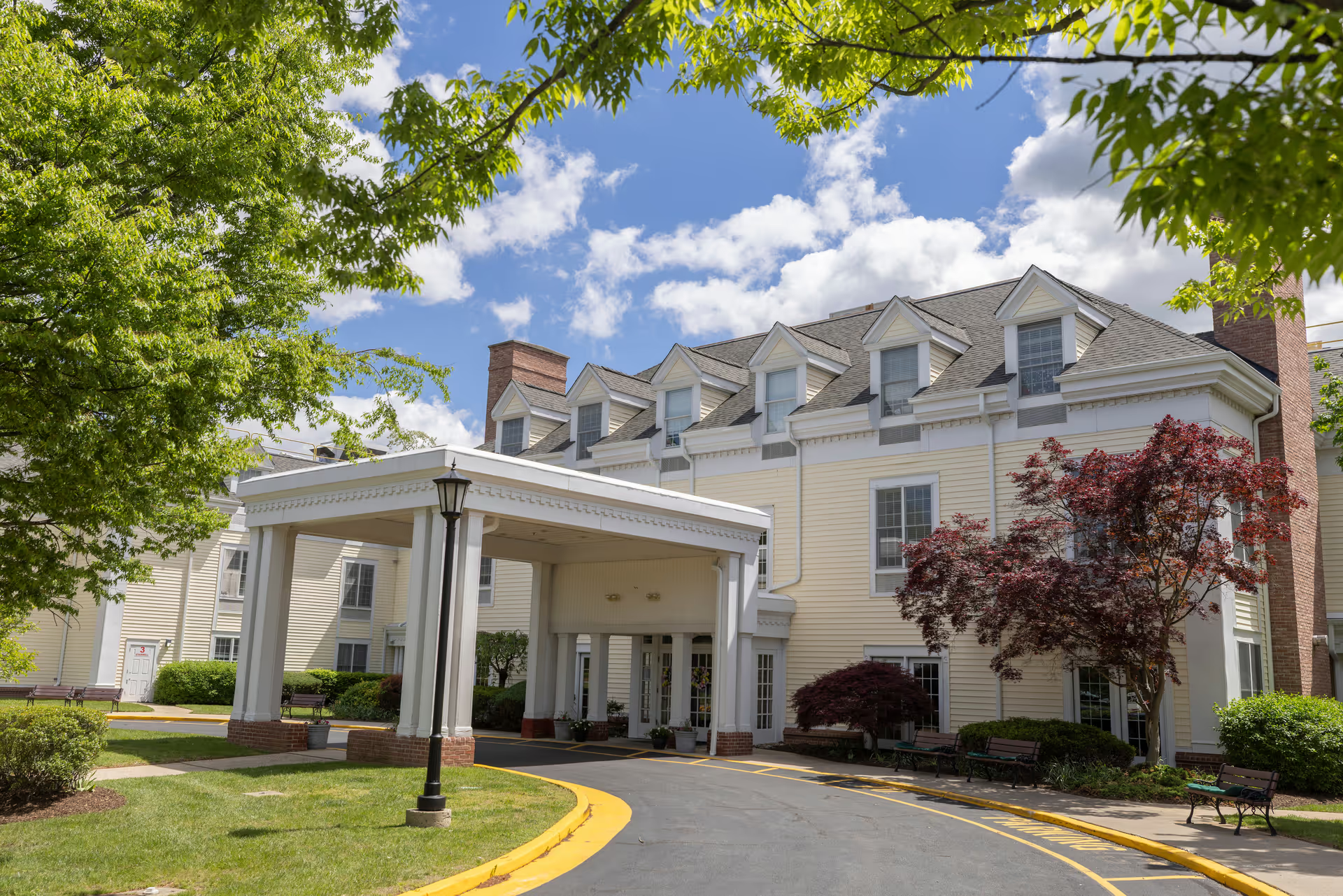
Reviews of Accela Rehab and Care Center at Manalapan present a mixed picture with a clear pattern of strong clinical and therapeutic strengths alongside recurring operational concerns. On the positive side, many accounts highlight compassionate nursing staff, engaged CNAs, and visible nursing leadership, with the Director of Nursing receiving frequent praise. The therapy department (physical and occupational therapy) is consistently described as skilled and effective, and several families reported meaningful functional improvement after rehabilitation. The facility's common areas and many rooms are often characterized as clean, renovated, and welcoming, and front-desk staff and social-work services are frequently noted as helpful during admissions and discharge planning.
At the same time, a number of reviews describe persistent operational weaknesses that affect day-to-day resident experience. Understaffing during some shifts and gaps in staff training/certification are recurring themes; reviewers link these issues to delays in responding to call bells and other clinical needs. There are also concerns about medication-management consistency and documentation, together with variability in professionalism and adherence to privacy practices. Language-access limitations were mentioned as a barrier for residents and families who do not speak English.
Dining and property services show uneven performance: while some families praised meals and mealtime assistance, others reported inconsistent meal quality and problems with temperature control. Personal-property and laundry accountability emerged as a notable area of weakness. Cleanliness and sanitation were commonly described positively, but a subset of comments points to cleanliness inconsistencies in particular areas or rooms. The memory-care unit is described as secure by some reviewers, yet there are also reports indicating variable levels of care in that wing.
Management and administration receive mixed assessments. Several reviewers commended recent ownership changes and named staff who have improved morale and operations; others described breakdowns in communication, voicemail and billing-system problems, and unmet administrative follow-through. A small number of accounts describe serious clinical incidents and concerns following a resident's death and delayed emergency response; these raise questions about monitoring and escalation protocols and warrant direct inquiry by prospective families.
Overall, the facility shows clear strengths in therapy, individual staff dedication, and several aspects of environmental quality. However, the recurring operational themes — staffing consistency, staff training, responsiveness, medication and property controls, and administrative communication — suggest areas for improvement. Prospective residents and families should balance the facility's rehabilitative and staff-level strengths against these operational risks, and consider asking targeted questions about staffing patterns, emergency response protocols, medication oversight, property/laundry procedures, language supports, and recent changes implemented by management when arranging a tour or intake conversation.