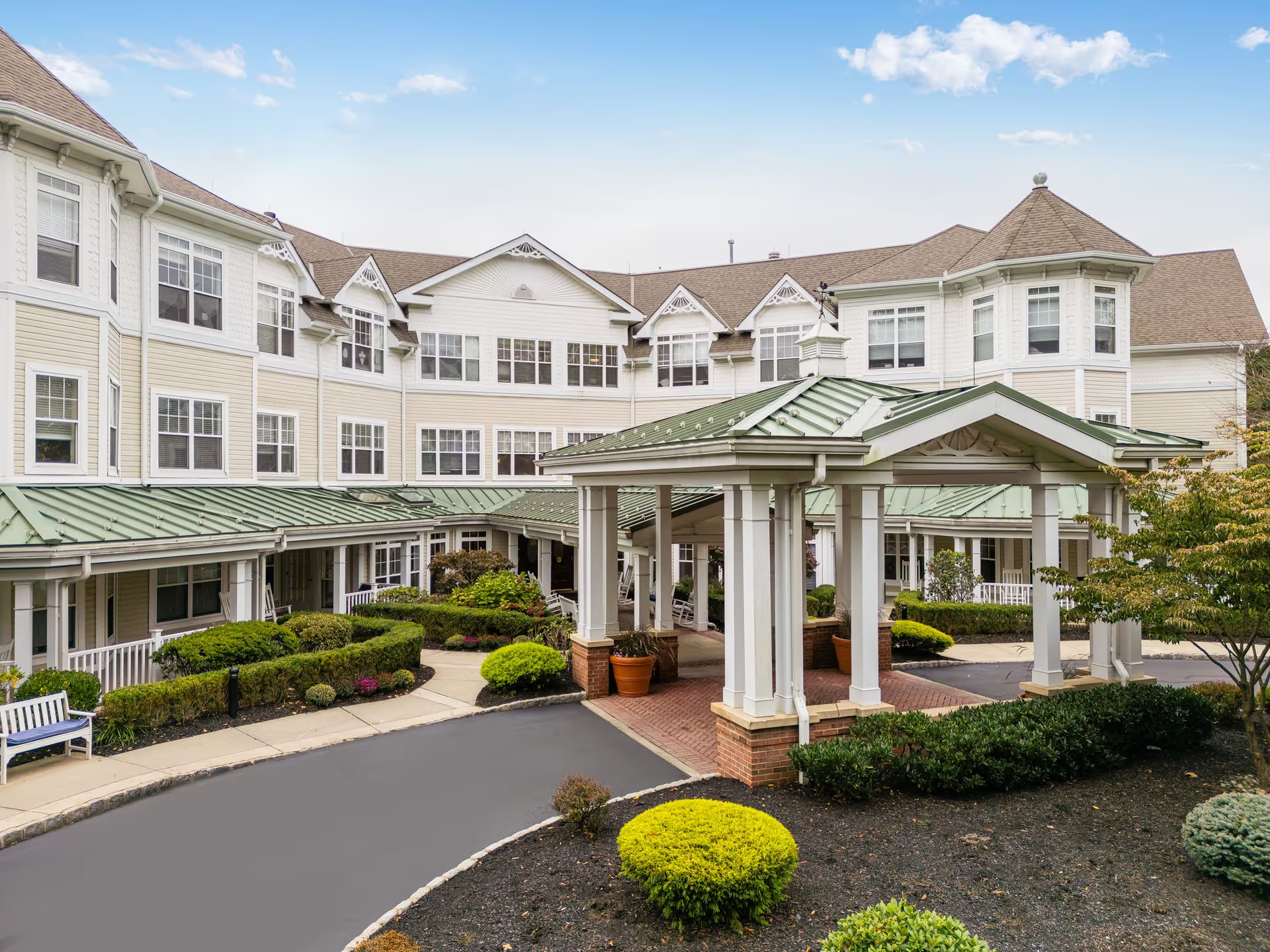
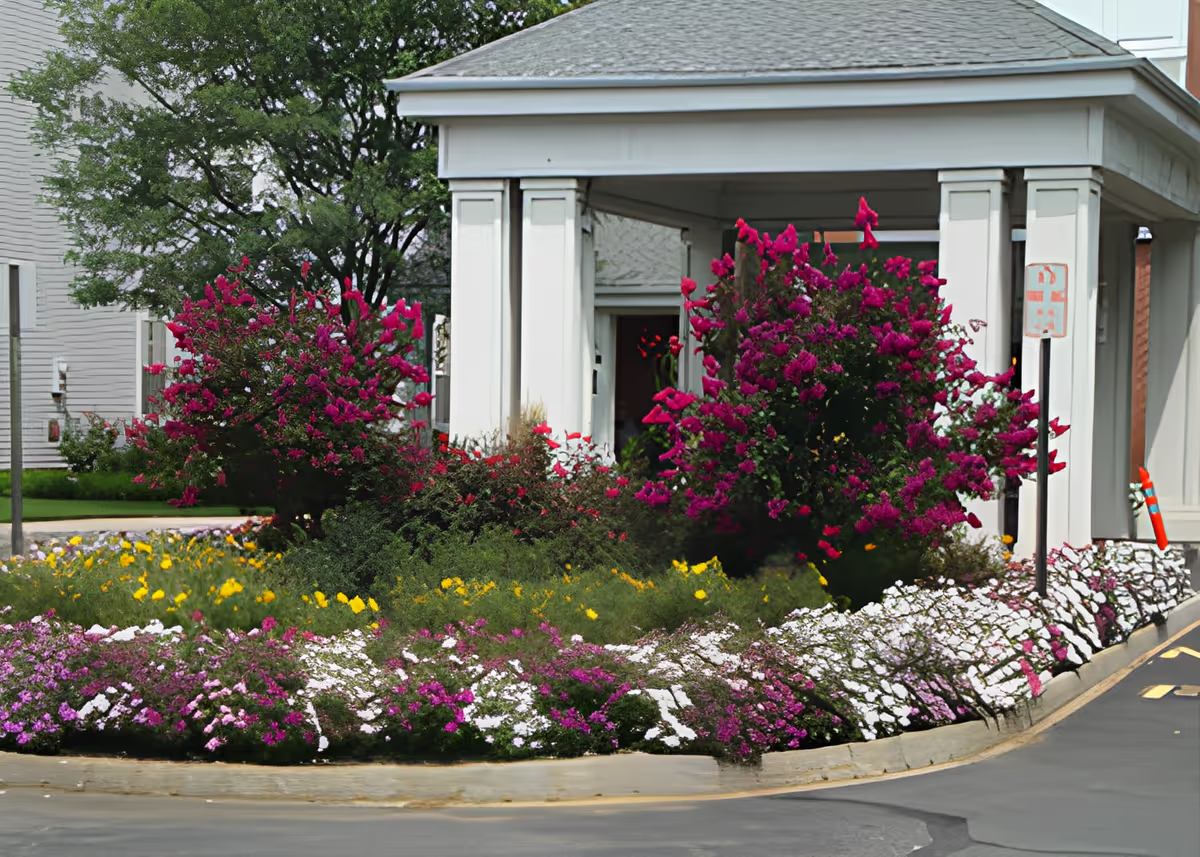
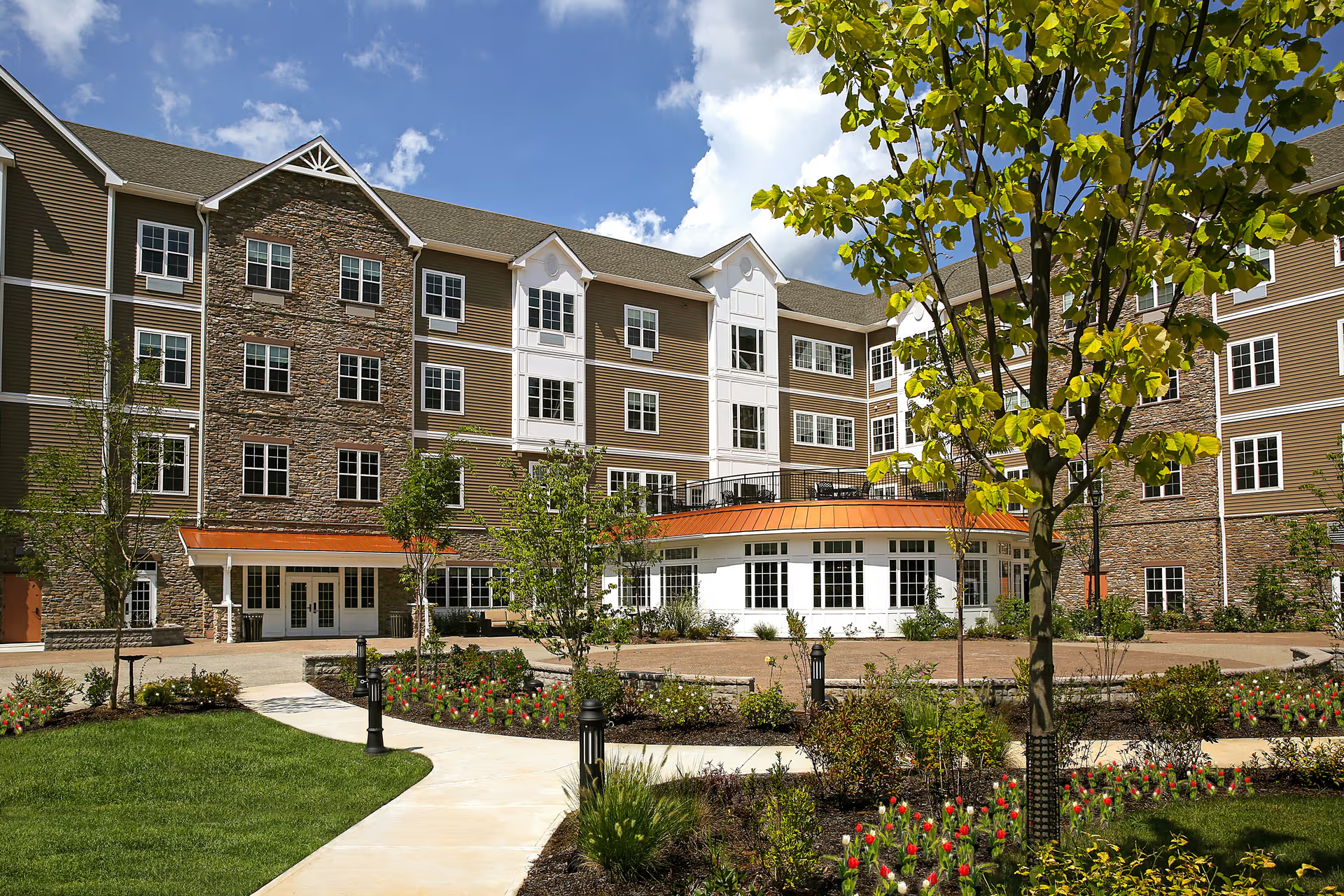
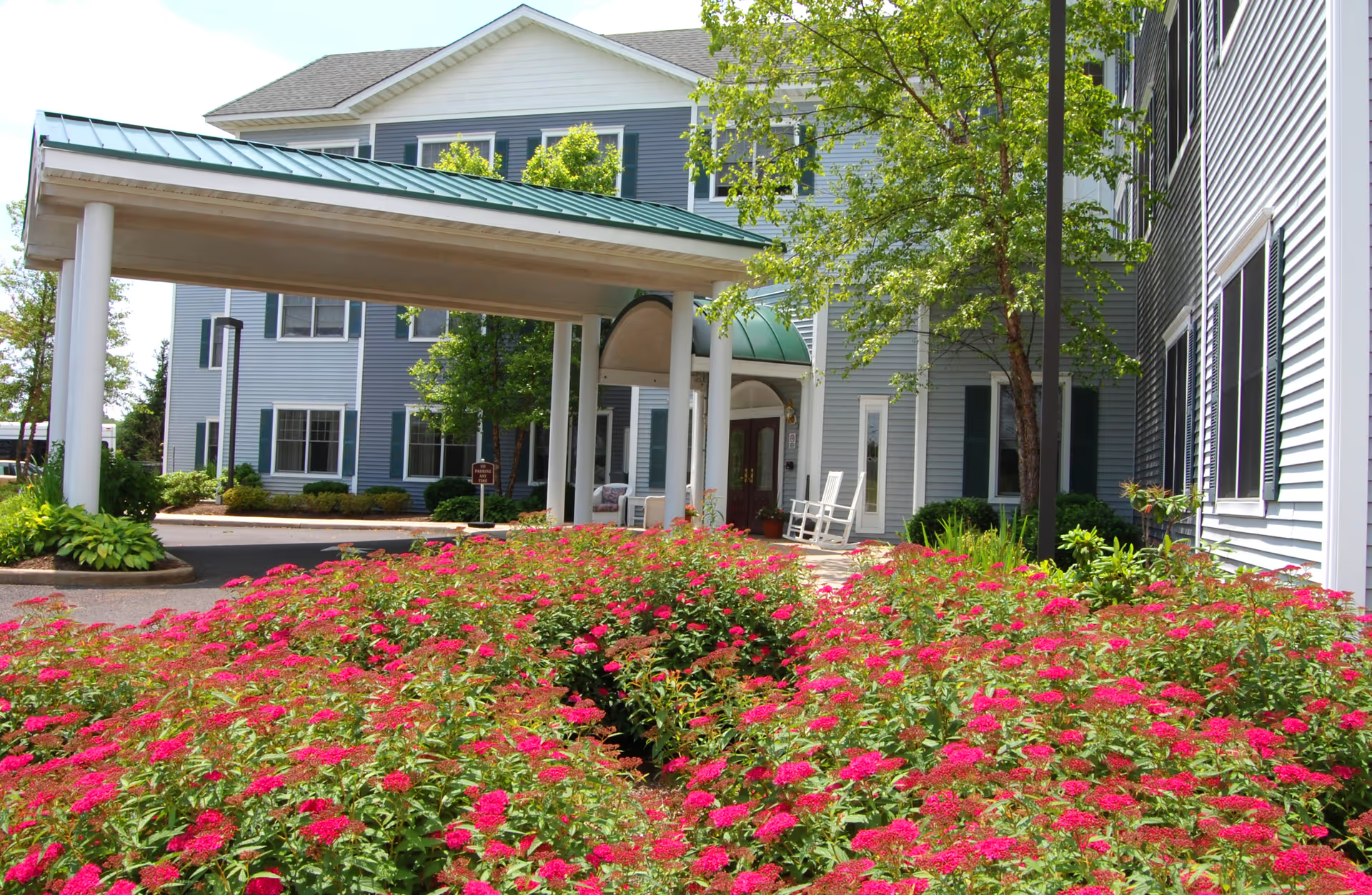
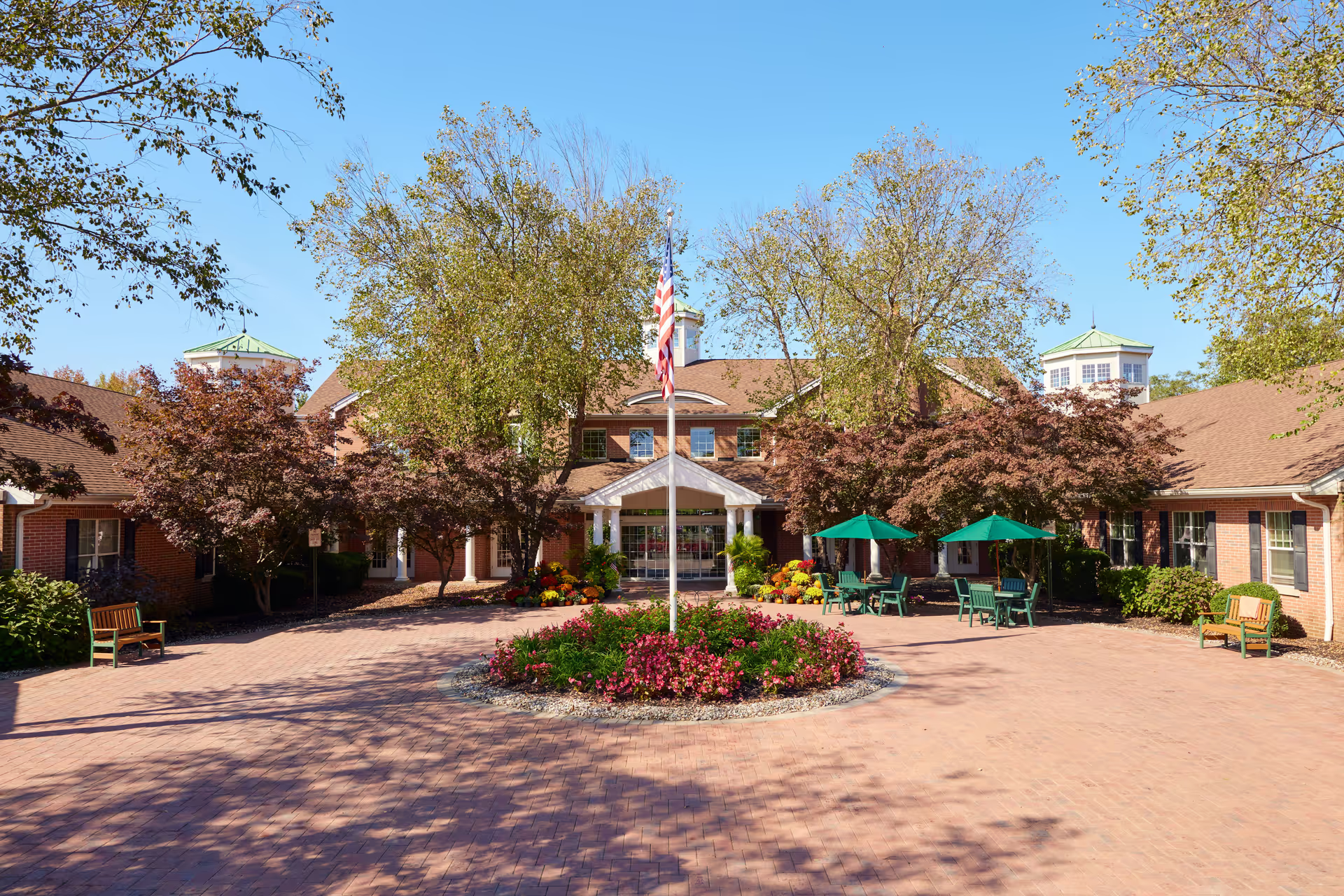
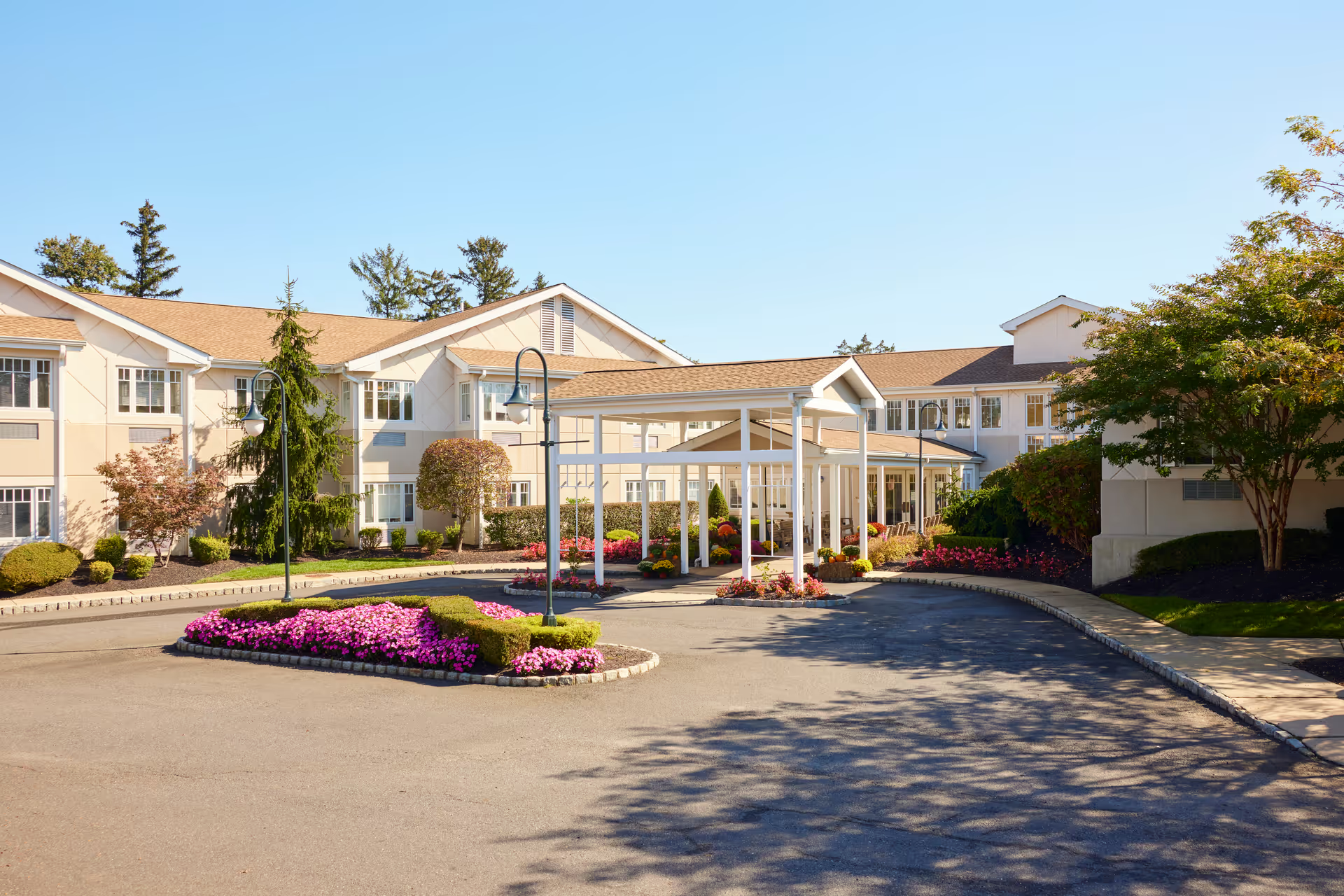
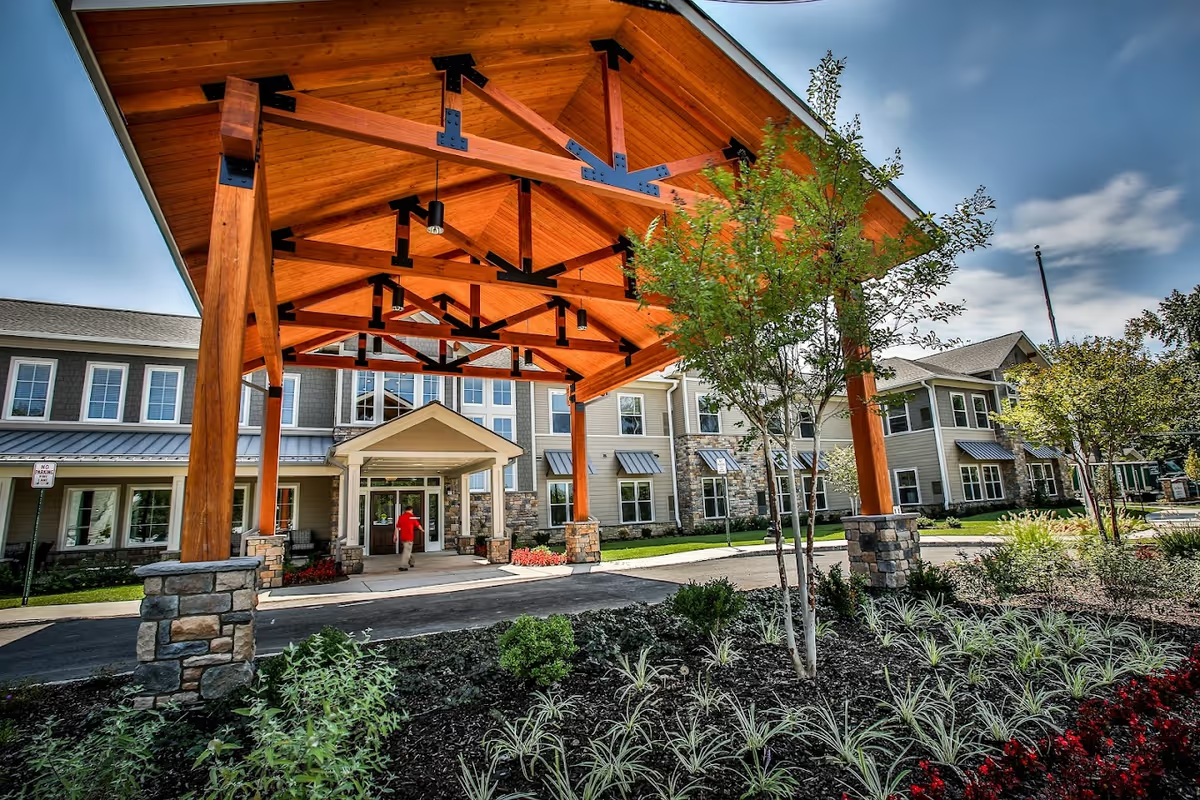
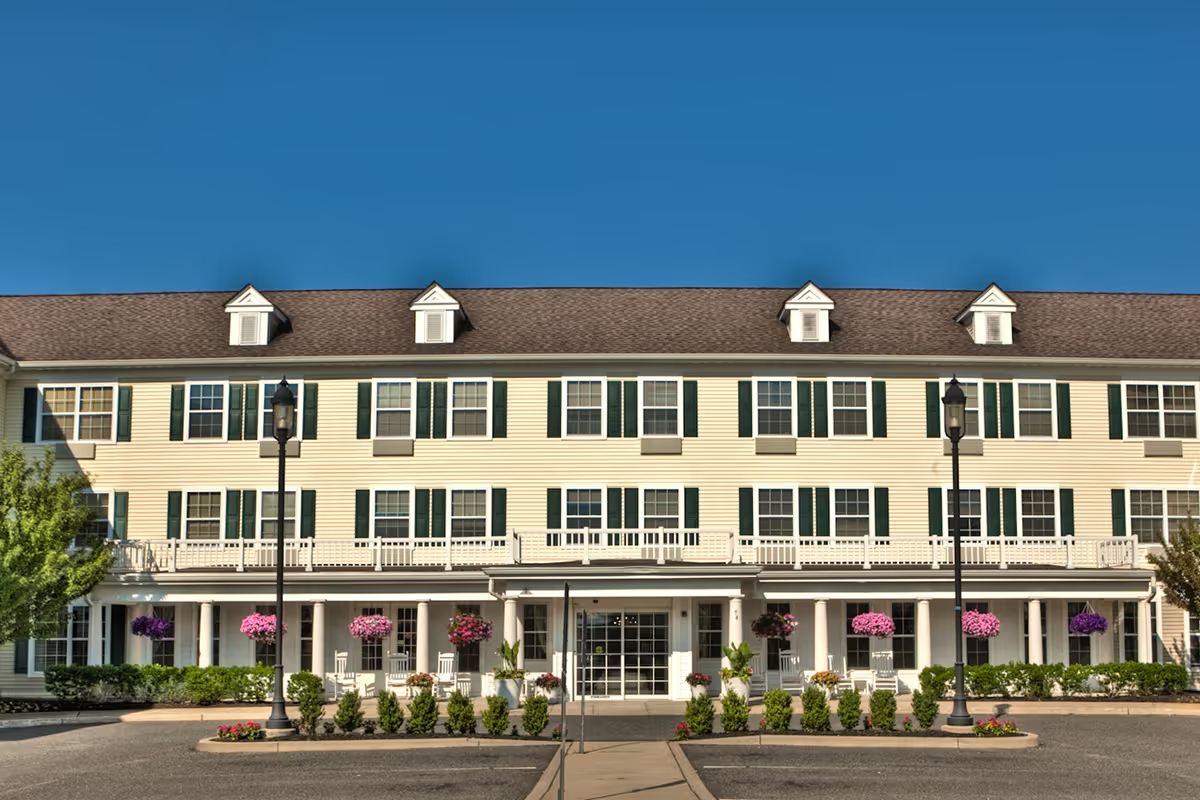
The review set presents a polarized picture of Allaire Rehab & Nursing. A substantial portion of families and former residents describe strong clinical rehabilitation, compassionate bedside care, and a welcoming physical environment. Therapy services are frequently praised for effectiveness and staff skill; recreation and activities (including salon services, bingo, painting, and group events) are noted as robust and supportive of social needs. Many reviewers highlight modernized areas of the building, attentive front‑desk and admissions staff, and consistent, hands‑on leadership—particularly the Assistant Administrator—who is repeatedly credited with responsiveness and visible involvement.
At the same time, there are recurring operational concerns that prospective families should consider. Multiple accounts point to understaffing and scheduling gaps that manifest as delayed assistance, missed or late vital-sign checks and medication timing inconsistencies, and variability in supervision on shifts. These patterns also contribute to family frustration about communication and follow-through after incidents; some families describe delayed responses to clinical changes and uneven documentation or updates.
Facility-operations issues appear in several domains. Cleanliness and laundry-management problems are described alongside isolated odor concerns in common areas and elevators; these accounts suggest inconsistencies in environmental services and supply availability. The call-bell and response system is described as unreliable in some instances, which has operational implications for resident safety and timely assistance. Meal service and snack availability were reported as inconsistent—ranging from satisfactory dining options to missed or late meals and limited after‑dinner snacks.
Staff culture and professionalism are another area of divergence. Many reviewers praise courteous, patient, and empathetic staff members; others raise concerns about inconsistent professionalism, morale, and staff conduct on particular shifts. Clinical-safety topics are also mentioned: reviewers raised issues related to clinical monitoring (for example, blood‑sugar and infection surveillance) and fall-prevention practices that suggest opportunities for stronger protocols and oversight.
Management is viewed favorably by numerous families for visible leadership and problem-solving, yet several reviews describe uneven follow-through on quality-control matters and questions about room-assignment equity and permitting/compliance. Given this mix, prospective residents and families would benefit from an in-person tour that observes staffing levels on a typical shift, asks for specific metrics (staff-to-resident ratios, call-response times, recent inspection or compliance records), and reviews individualized care plans and fall-prevention/medication-administration procedures. Asking for examples of how the facility addresses sanitation workflows, laundry processes, and interim renovations may clarify whether positive areas of the site are consistently applied throughout the building.
In summary, Allaire shows clear strengths in rehabilitation therapy, engaging activities, and pockets of strong leadership and bedside compassion. However, recurring operational weaknesses—staffing consistency, clinical monitoring, environmental services, and certain elements of quality oversight—warrant targeted inquiry by families considering placement. Balancing the facility’s rehabilitation and activity strengths against these operational concerns will help families make an informed decision and establish expectations for advocacy and monitoring during a stay.