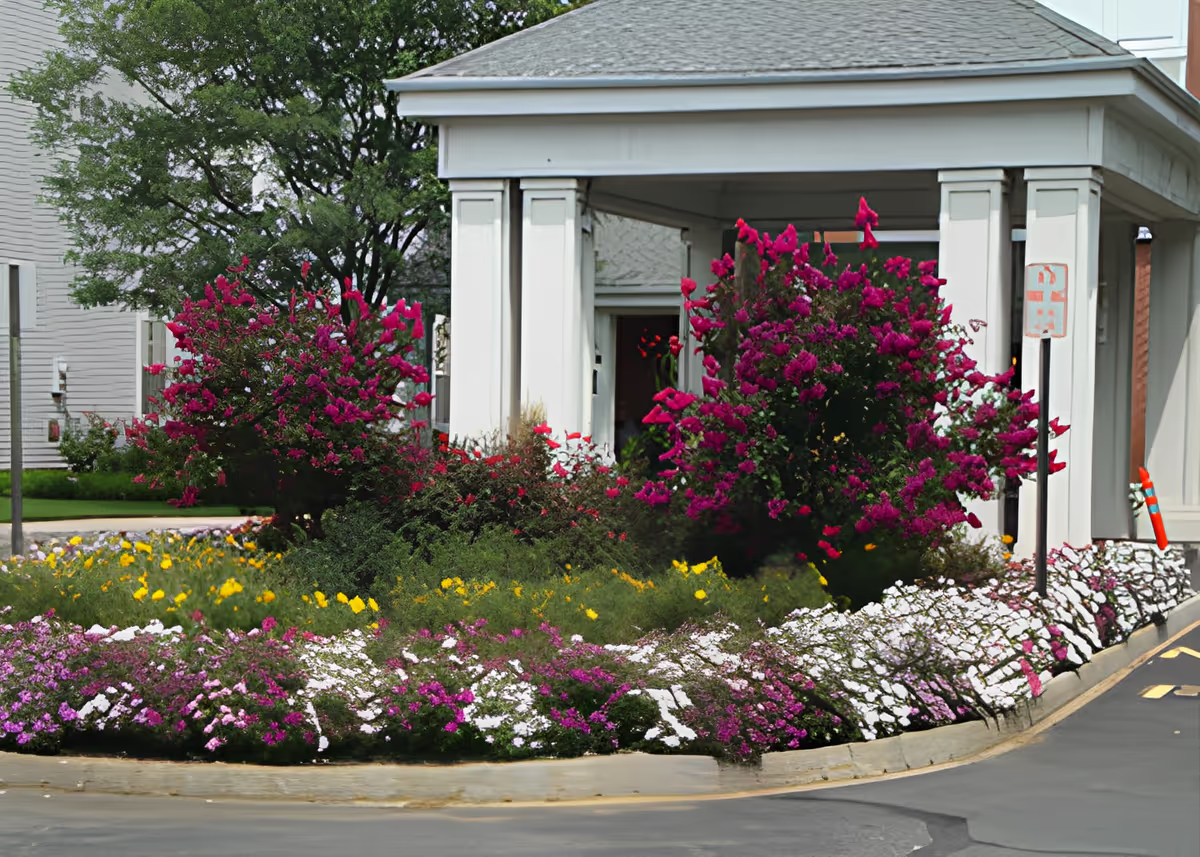
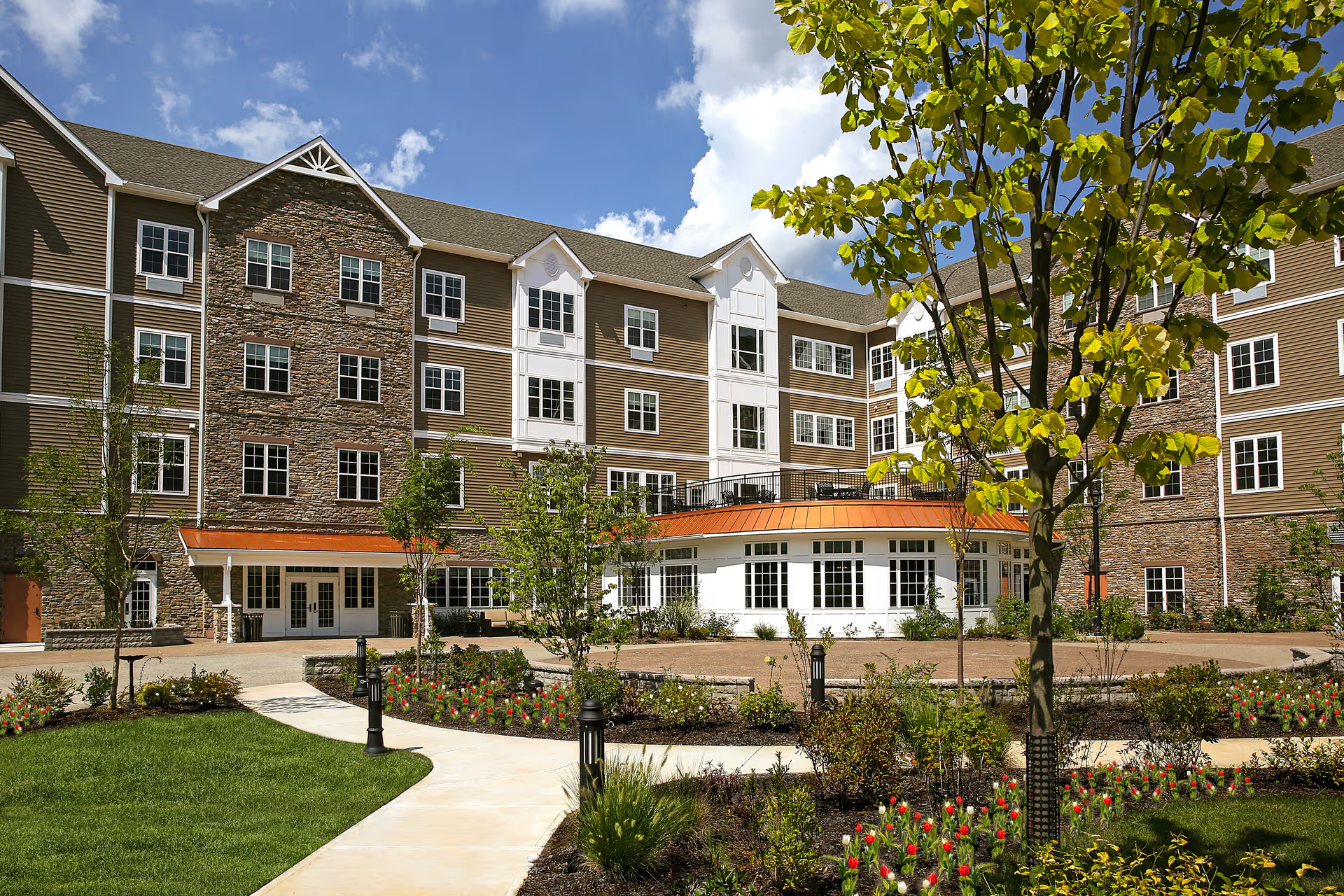
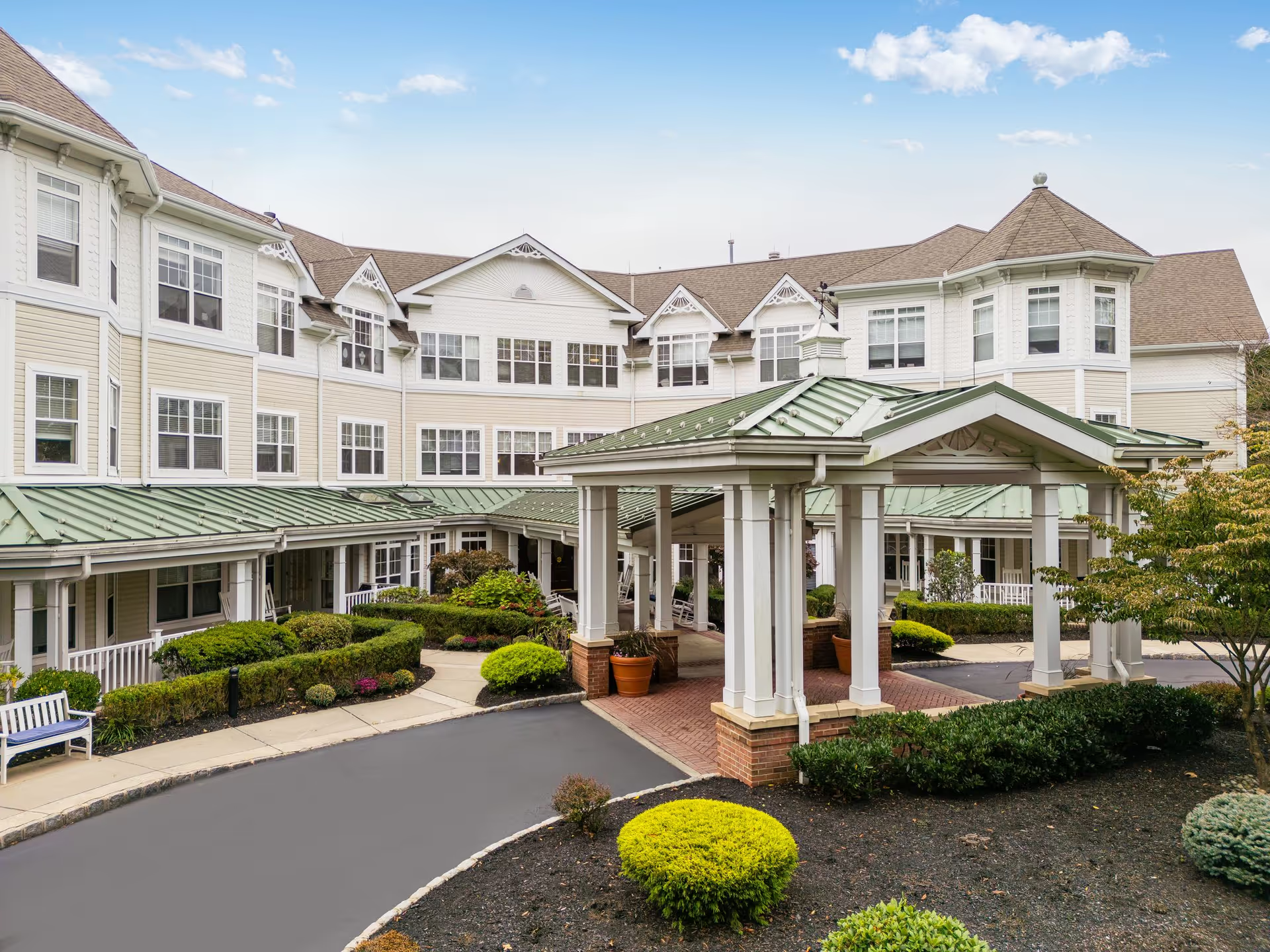
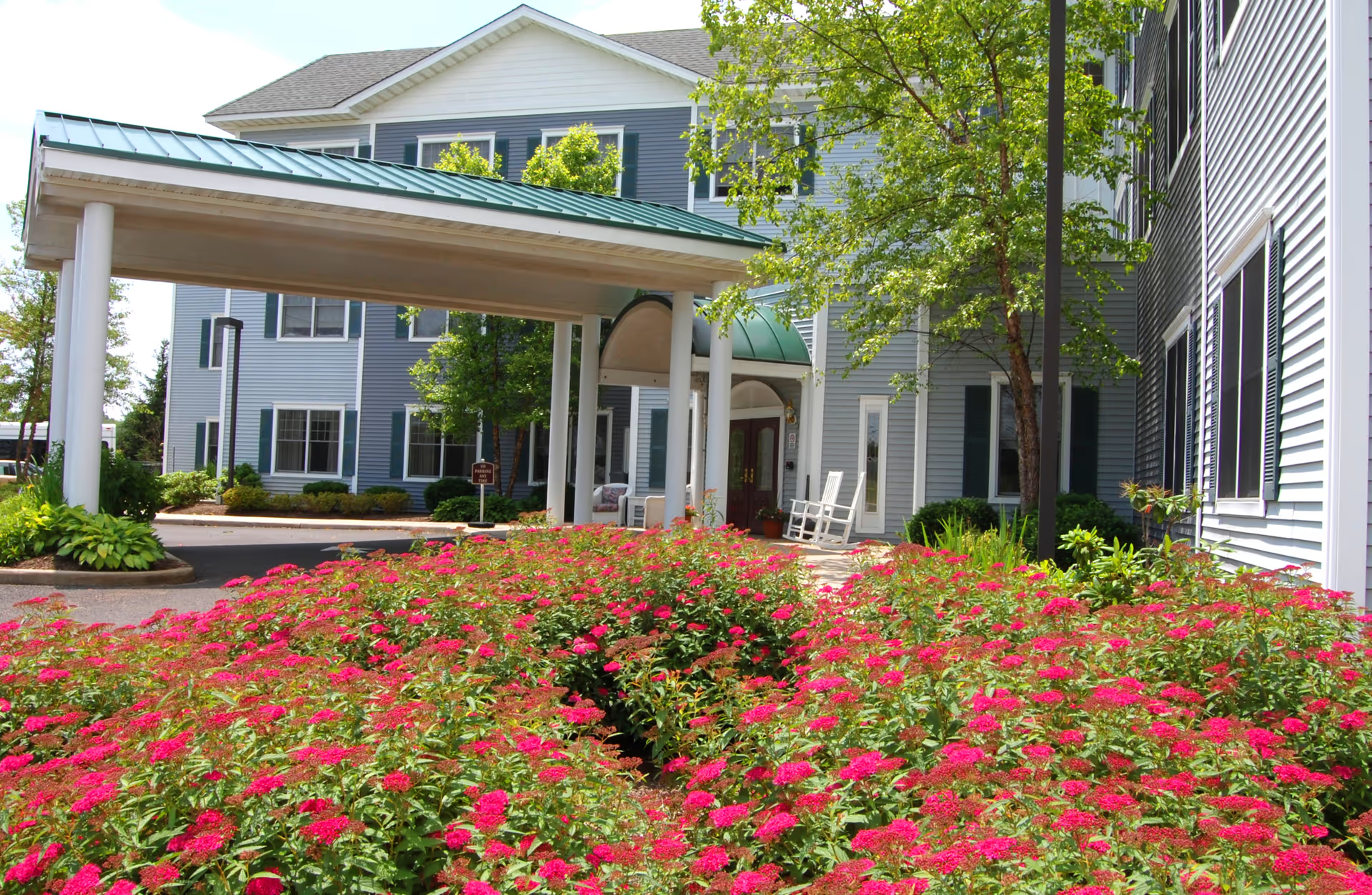
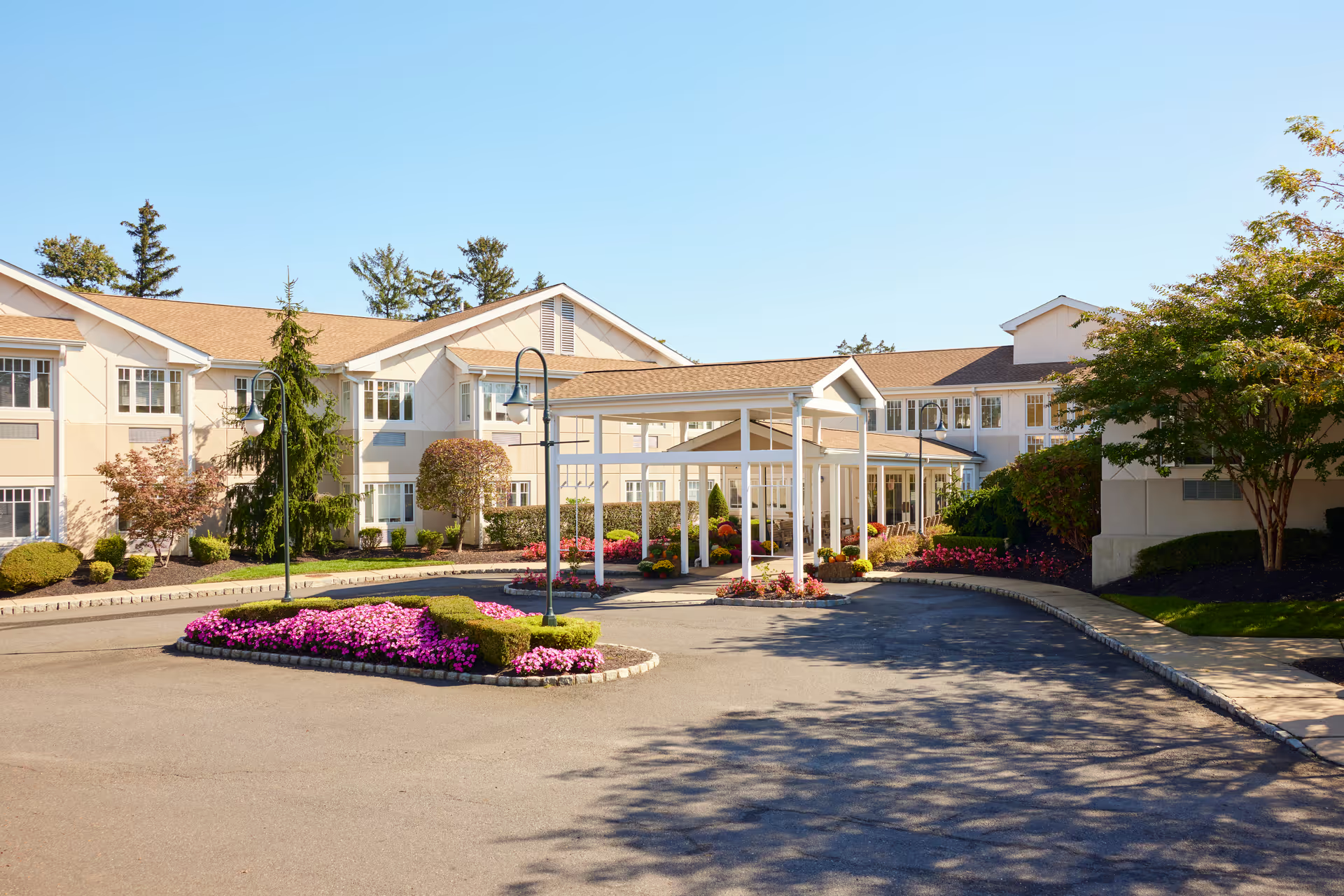
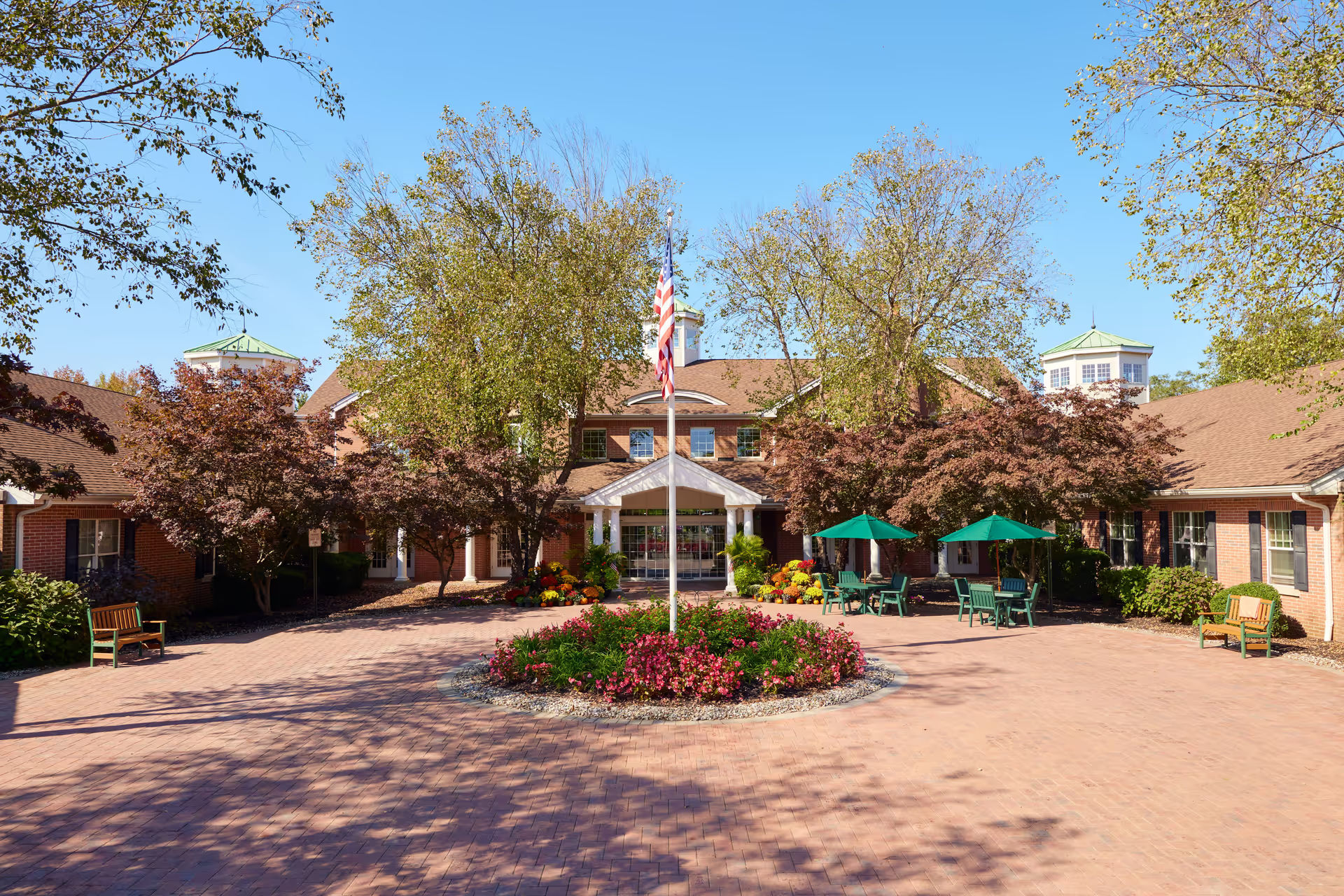
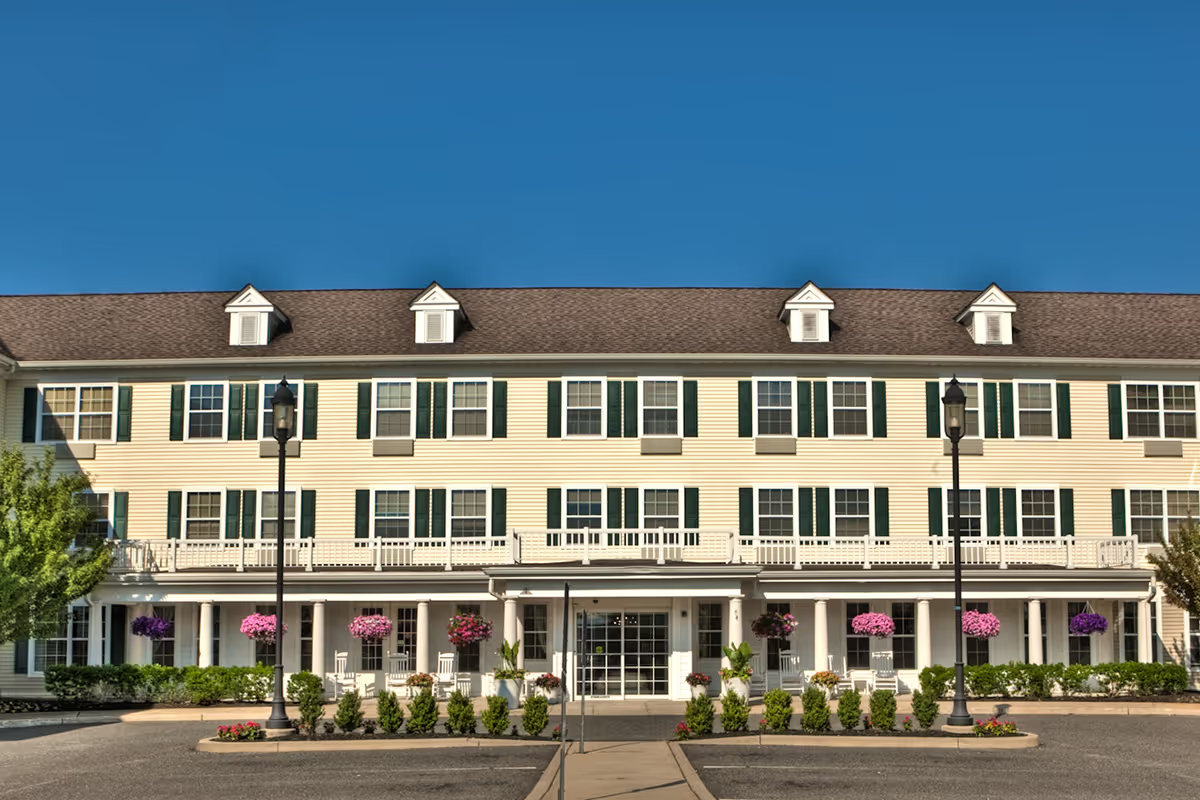
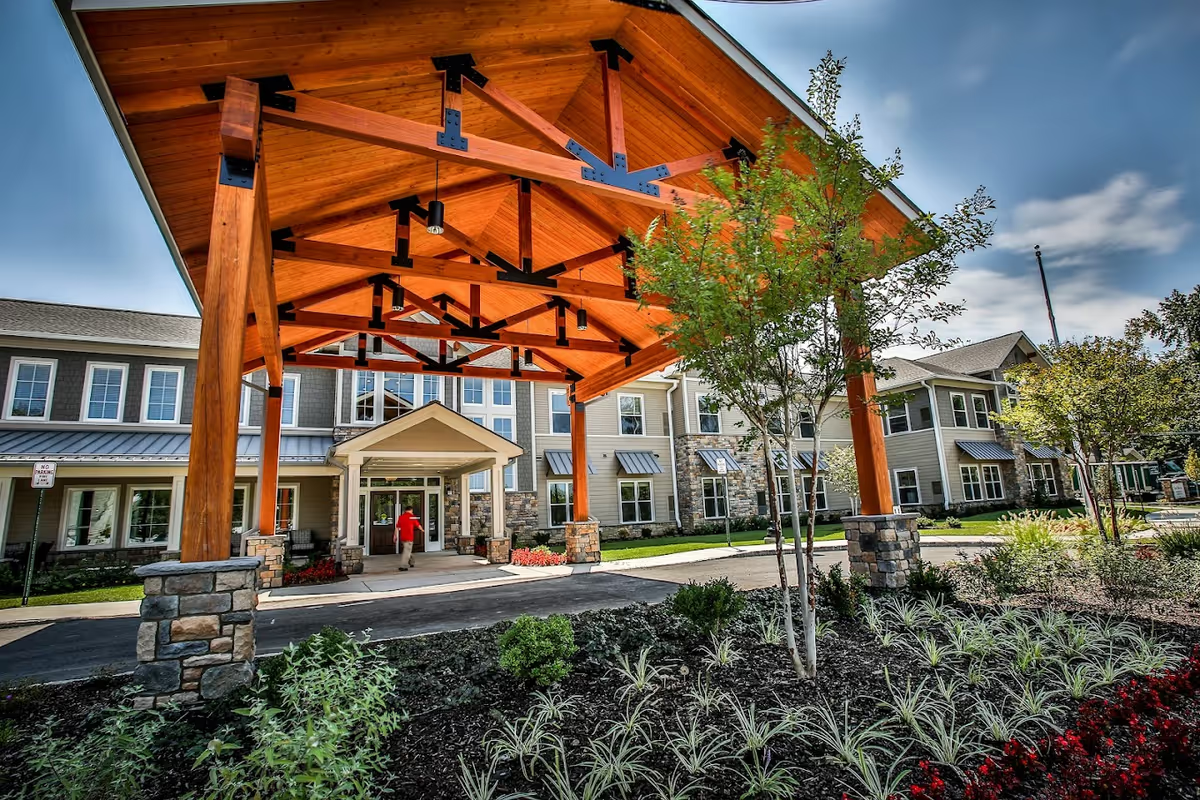
Reviews describe a community with a strong core of frontline caregivers and an active social program, alongside recurring operational weaknesses that prospective residents and families should evaluate. Many comments emphasize compassionate, attentive nursing and caregiving staff who know residents by name, a lively activities calendar (including field trips, concerts and regular programming), and a generally bright, well-maintained physical environment with spacious common areas and outdoor amenities. Memory-care services and some clinical leaders receive repeated praise for individualized attention and perceived safety for residents with cognitive impairment.
Dining and daily life present a mixed picture. Several reviewers praise kosher meal options, special dining events, and dedicated culinary staff, while others note inconsistency in food quality, menu changes, communication gaps about dietary practices, and limited cafe availability at times. Activities and social engagement are frequently cited as strengths; structured programs, social outings and an active recreation staff are consistently highlighted as positive contributors to resident quality of life.
Operationally, a common pattern is staffing instability and leadership turnover. Reported staffing shortages, variable aide availability and slower response times to call buttons or pendant systems have affected perceptions of safety and timeliness of care. Some families describe gaps in after-hours monitoring and slower incident response, and there are multiple mentions of training needs for certain direct-care staff. Maintenance and equipment reliability (for example, elevators, kitchen or cafe equipment, and pendant systems) also appear as recurring issues that affect daily convenience and responsiveness.
Management and communication are polarizing. Several reviewers commend visible and responsive leaders and cite prompt follow-up when problems are raised; others criticize inconsistent transparency around billing, policy or dietary changes, limited access during infection-control periods, and an executive leadership style they find unresponsive or dismissive. There are isolated but serious account-level concerns, including allegations related to billing, eviction threats, and clinical-incident handling; these accounts appear alongside otherwise positive staff-related commentary and merit direct inquiry by prospective families.
Sanitation and housekeeping receive mostly positive comments about cleanliness of common spaces, but there are also isolated sanitation and pest-control concerns and variability in housekeeping thoroughness. Given the mix of praise and concern, visitors should inspect housekeeping routines, ask about pest-control protocols, and review maintenance logs during a tour.
Bottom line: Mattison Crossing displays clear strengths in caregiving warmth, social programming and a pleasant physical environment. Those strengths are counterbalanced in some accounts by operational challenges—staffing stability, leadership consistency, dining consistency, equipment reliability and communication transparency. Prospective residents and families would benefit from targeted questions during a visit: current staffing ratios and turnover, pendant/call-button response metrics, recent leadership tenure, sample menus and kosher adherence procedures, housekeeping and pest-control schedules, after-hours clinical monitoring, and a clear explanation of billing and visitation policies.