The reviews present a mixed picture of The Manor Health and Rehabilitation Center - CentraState, with clear strengths in rehabilitation and day-to-day caregiving alongside recurring operational concerns. Many accounts highlight strong, compassionate bedside staff and an effective physical-therapy/rehab team; these elements are frequently cited as the facility's primary strengths and are associated with positive outcomes for residents focused on therapy and short-term rehabilitation.
Care quality is uneven across clinical domains. Nursing and aide interactions are often described as compassionate and attentive, and several reviewers praised hands-on management and specific clinicians. At the same time, chronic understaffing and inconsistent shift coverage are a recurrent theme; this is linked to delayed assistance, long waits for therapists, and uneven supervision during nights, weekends, and at reception. Families noted that advocacy or active family involvement was sometimes necessary to secure timely attention.
Safety and clinical-process concerns appear in multiple areas. Reviews point to medication-management inconsistencies, gaps in infection-control and sanitation practices, and weaknesses in clinical monitoring and incident response (for example, delayed vital-sign checks or slow escalation to higher levels of care). Transfer and mobility-safety protocols are another area of concern; descriptions of injuries associated with transfers suggest the need to confirm staff training and safe-handling procedures. Some accounts referenced post-discharge infections or hospital transfers, which underscore the importance of reviewing the facility's clinical and infection-prevention protocols before placement.
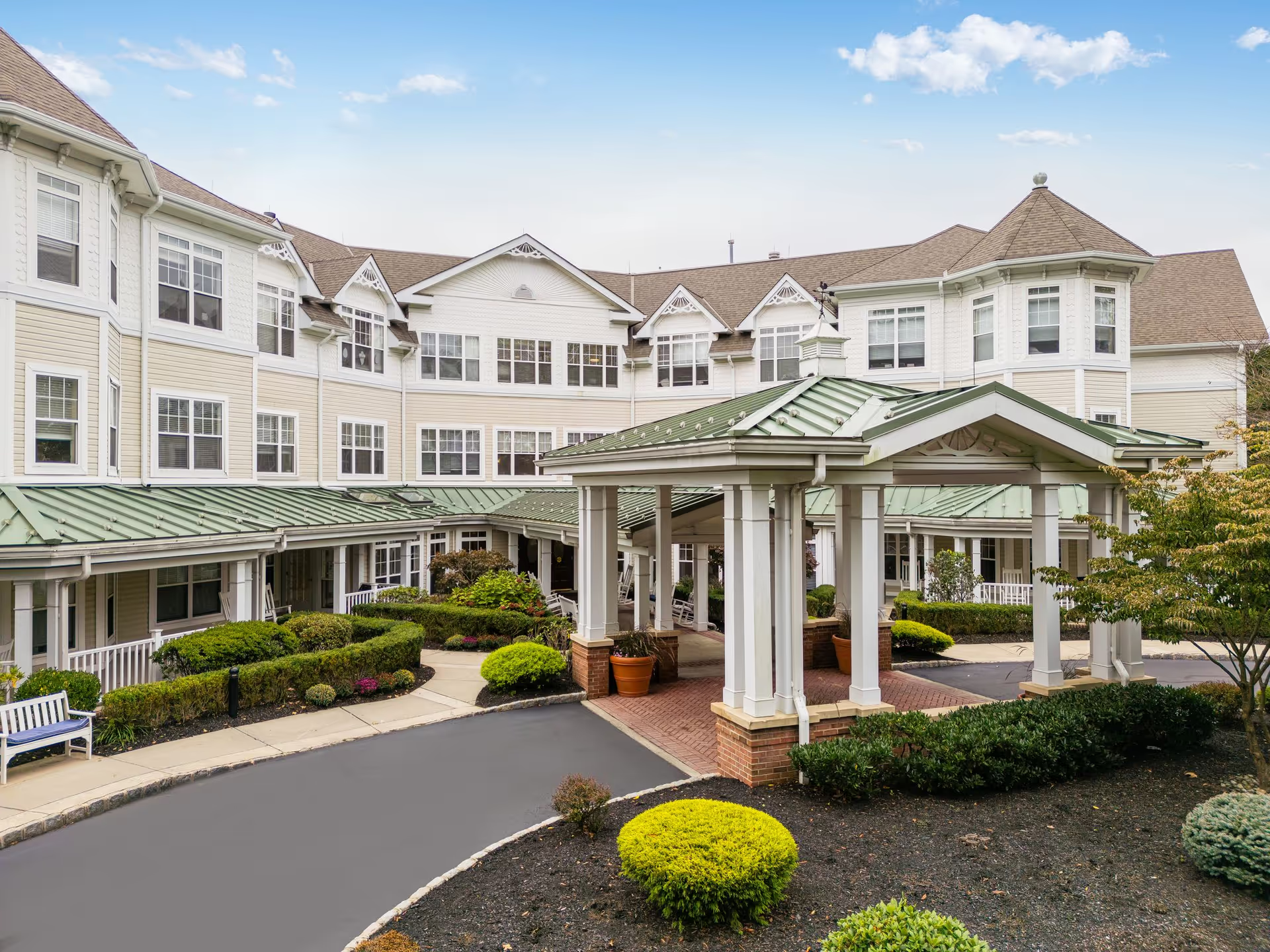
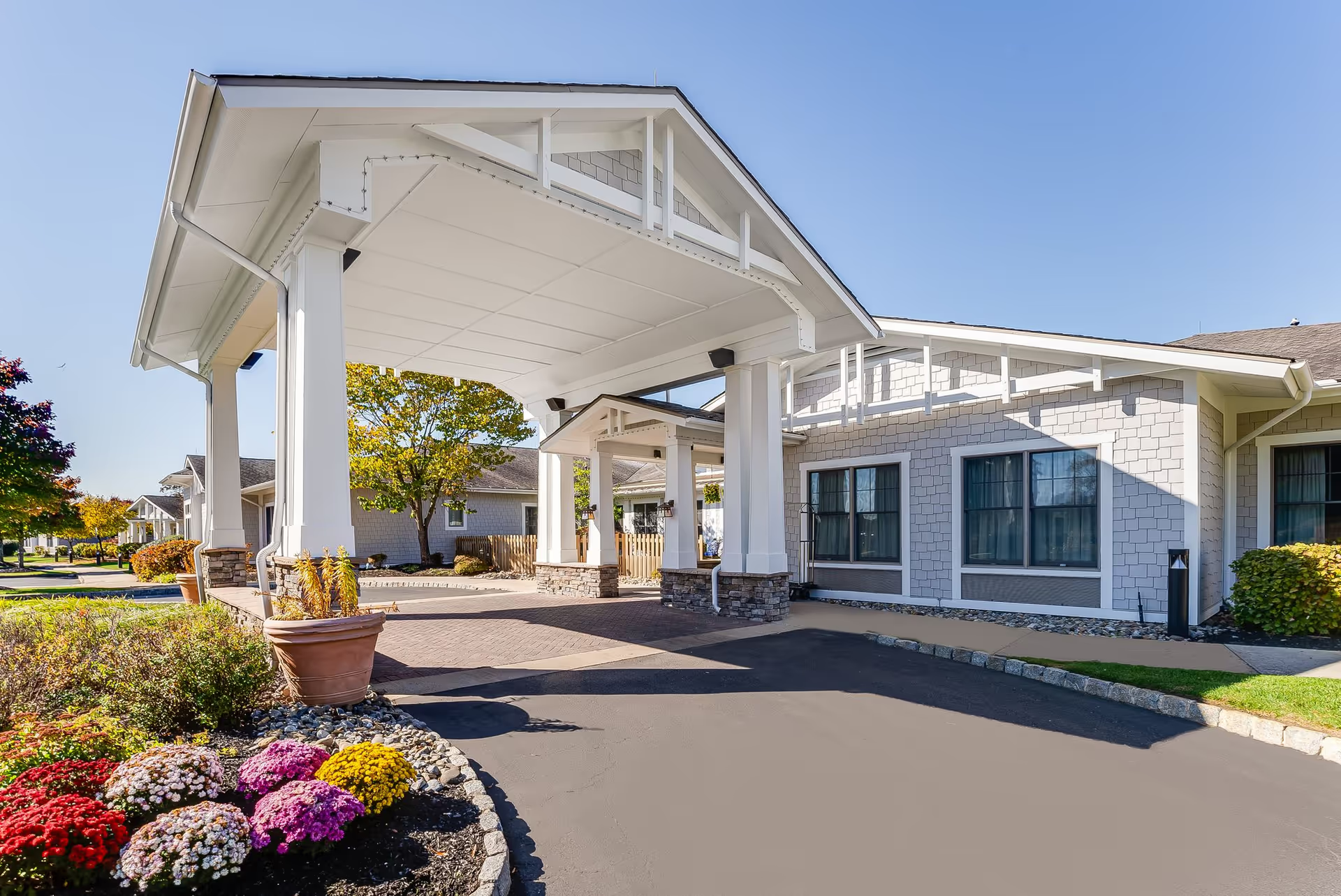
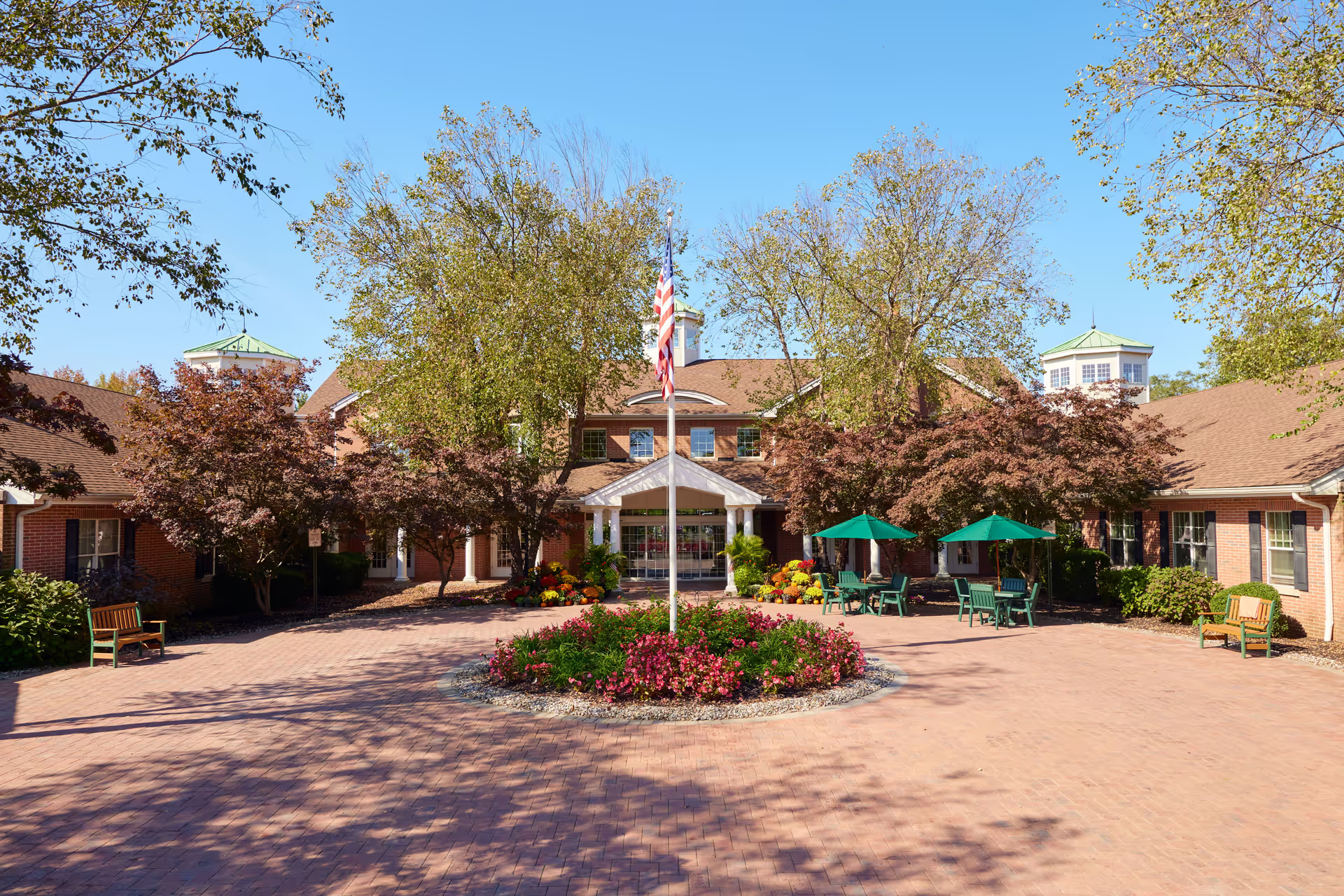
Dining, activities, and the physical environment receive mixed feedback. The kitchen and menu are commonly praised for quality and variety, and the facility runs daily activities and schedules that some families find engaging. However, operational details such as meal timing relative to therapy sessions were criticized (for example, lack of meal provisions between therapies). Physical infrastructure is described as dated in places, with ventilation and odor issues noted in communal spaces such as the gym; several reviewers recommended a facility refresh. Accessibility limitations (for example, lack of automatic doors) were also mentioned.
Management and communication show both strengths and weaknesses. Some reviewers appreciated visible, engaged leadership and competent staff coordination. Others identified gaps in family communication, difficulty locating patient-advocate contacts, and uneven follow-through on concerns. Given the variability in experiences, prospective residents and families should ask targeted questions during a tour: staffing ratios by shift, infection-control policies, medication-safety procedures, transfer-training protocols, therapy staffing levels, meal scheduling around therapy, night/weekend supervision, dementia-specific programming, and how the facility communicates clinical incidents to families.
In summary, The Manor demonstrates notable strengths in rehabilitative services, compassionate bedside care from many nurses and aides, and a generally well-managed dining program. These strengths coexist with operational weaknesses—most importantly staffing instability, infection-control and clinical-monitoring gaps, and maintenance/accessibility issues—that may increase risk for medically complex or cognitively impaired residents. An in-person assessment focused on the operational items above, plus a review of recent inspection and infection-control documentation, is advisable for families considering placement.