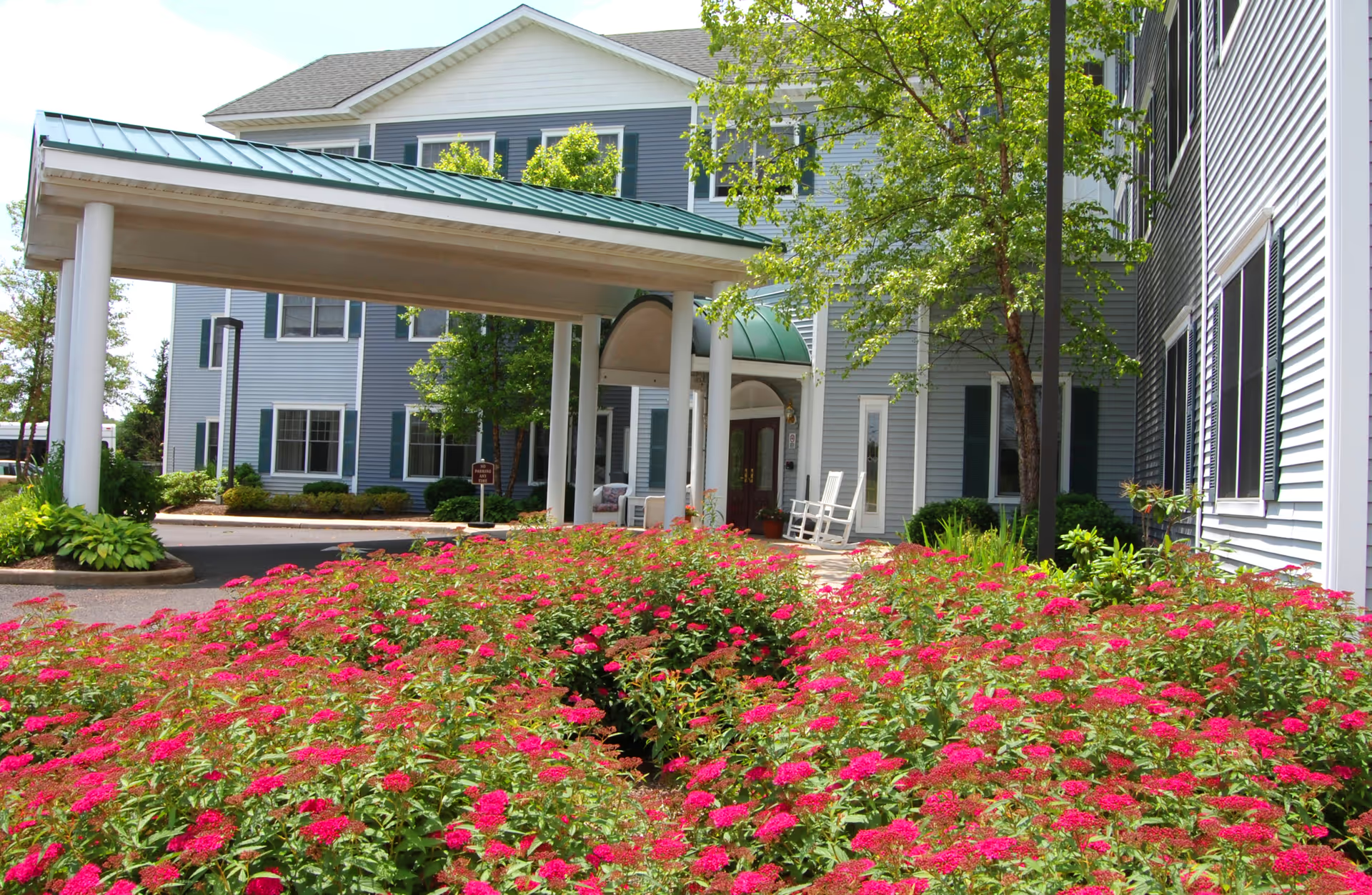
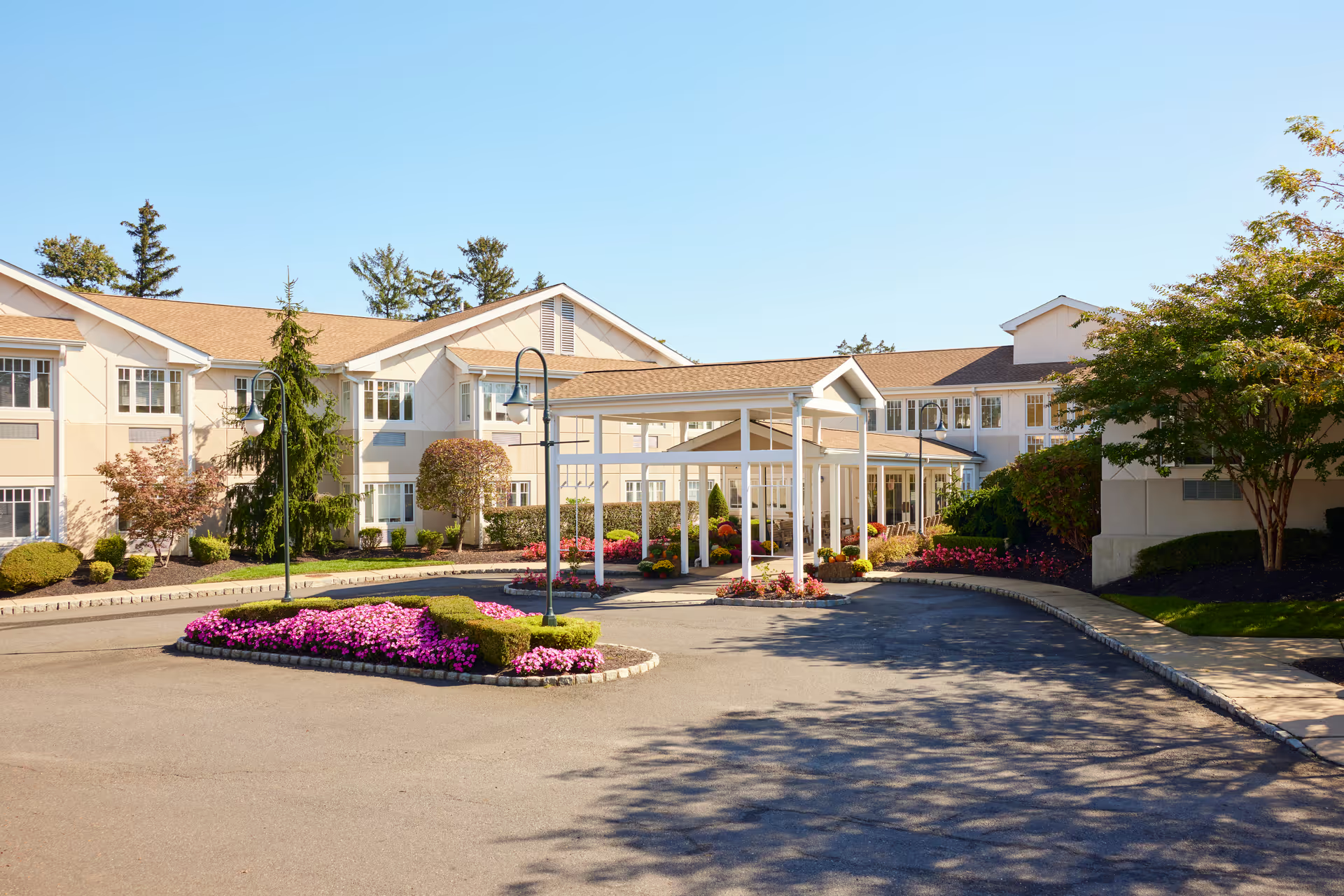
The Rehab Center at Wedgwood Gardens elicits strongly mixed impressions. Many accounts describe a facility with clear strengths in rehabilitation, compassionate bedside care, and family communication, while other accounts identify operational inconsistencies that materially affect resident experience. The pattern is one of high-performing clinical and therapy elements at times, alongside recurring service and management gaps that can create uneven outcomes for residents and families.
Care and staff: A frequent strength is the quality of direct care from specific nurses, CNAs, and therapists who are described as empathetic, communicative, and effective. The facility’s therapy teams — physical and occupational — receive repeated praise for improving mobility and for having well-equipped treatment areas. Several reviewers also cited effective wound-care and clinical follow-through when the clinical team is engaged. At the same time, reviewers raised concerns about inconsistent staff conduct, tone, and availability. A persistent operational issue is understaffing or inconsistent staffing levels, which reviewers link to slower response times to call systems, missed or delayed personal care tasks, and a need for family advocacy to ensure timely attention.
Clinical safety and medication: Positive experiences include prompt diagnosis and competent clinical oversight during some admissions; however, other accounts describe gaps in medication-administration practices and in responsiveness to changing clinical needs. Reviewers described instances where families perceived delays in clinical response or incomplete follow-through after discharge. These reports point to variability in clinical oversight rather than a uniformly reliable process, and they underscore the importance of monitoring care transitions and medication reconciliation.
Therapy, discharge, and transitions: The facility is often characterized as rehabilitation-focused, with many families noting marked functional improvement and active therapy schedules. Conversely, a subset of reviews indicates variability in therapy intensity and concerns that some discharges occurred earlier than families expected, with post-discharge equipment or services not arriving as planned. Reviewers who experienced strong discharge planning reported proactive coordination of outpatient appointments and home-supplies; those who did not encountered gaps that increased family burden.
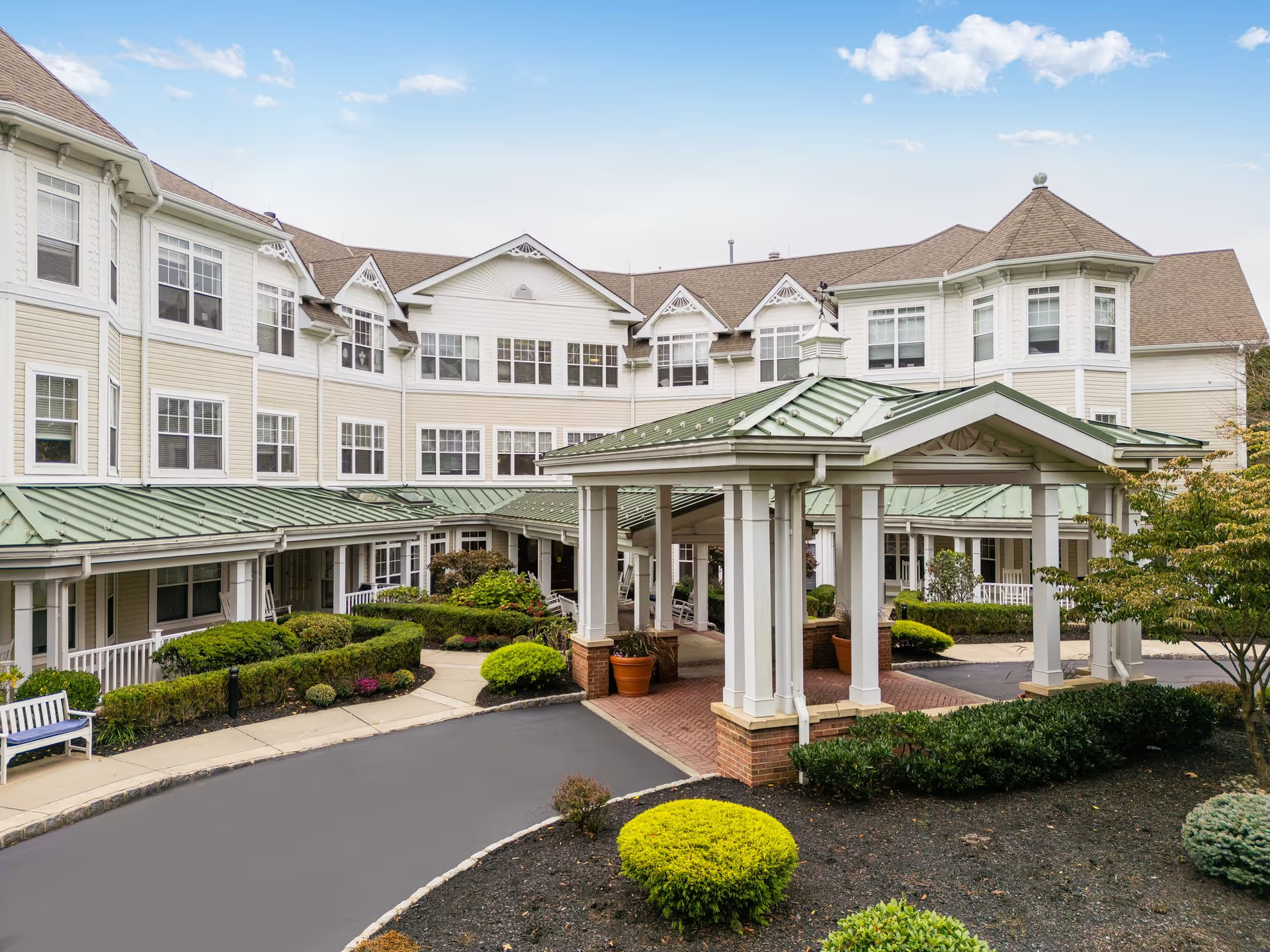
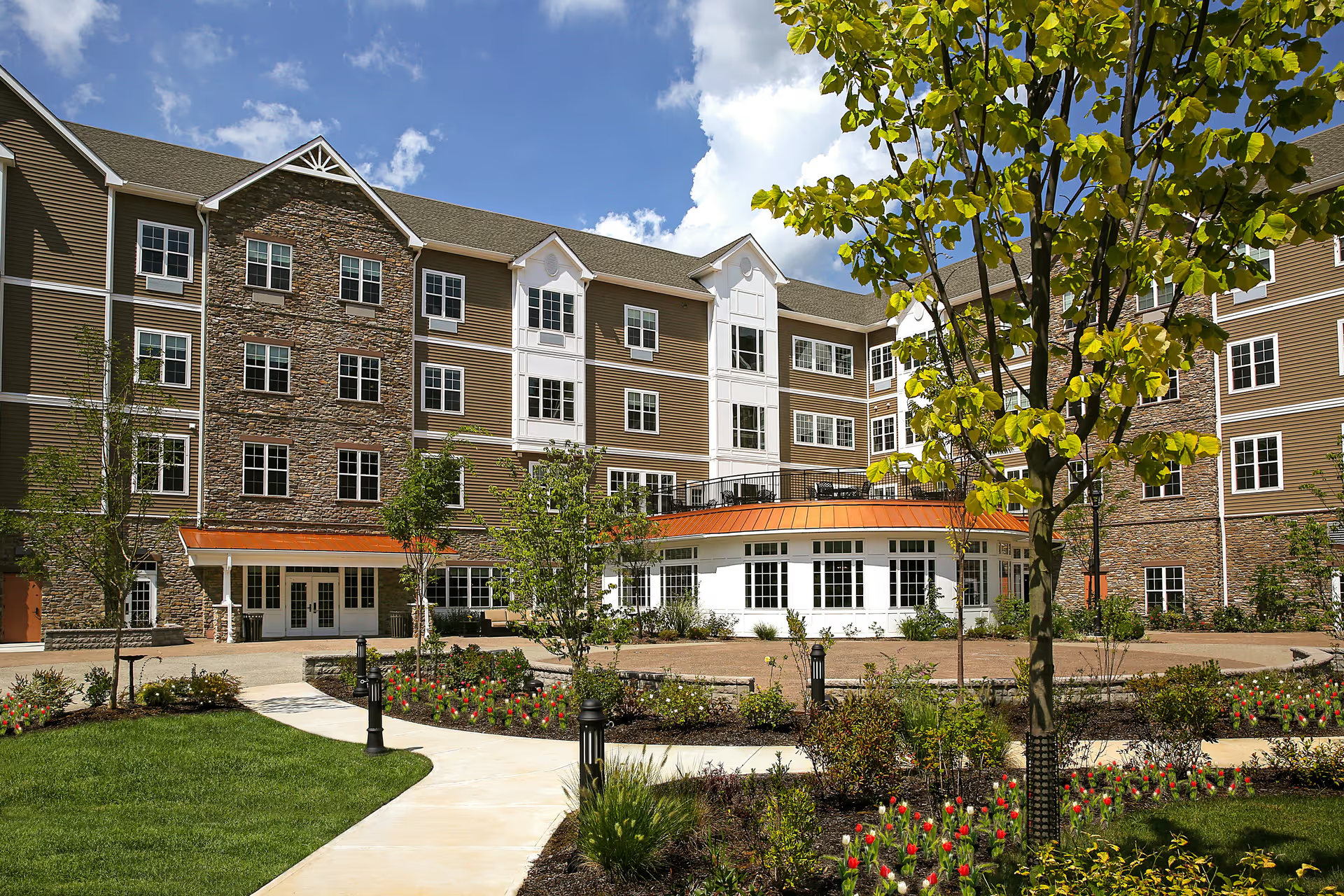
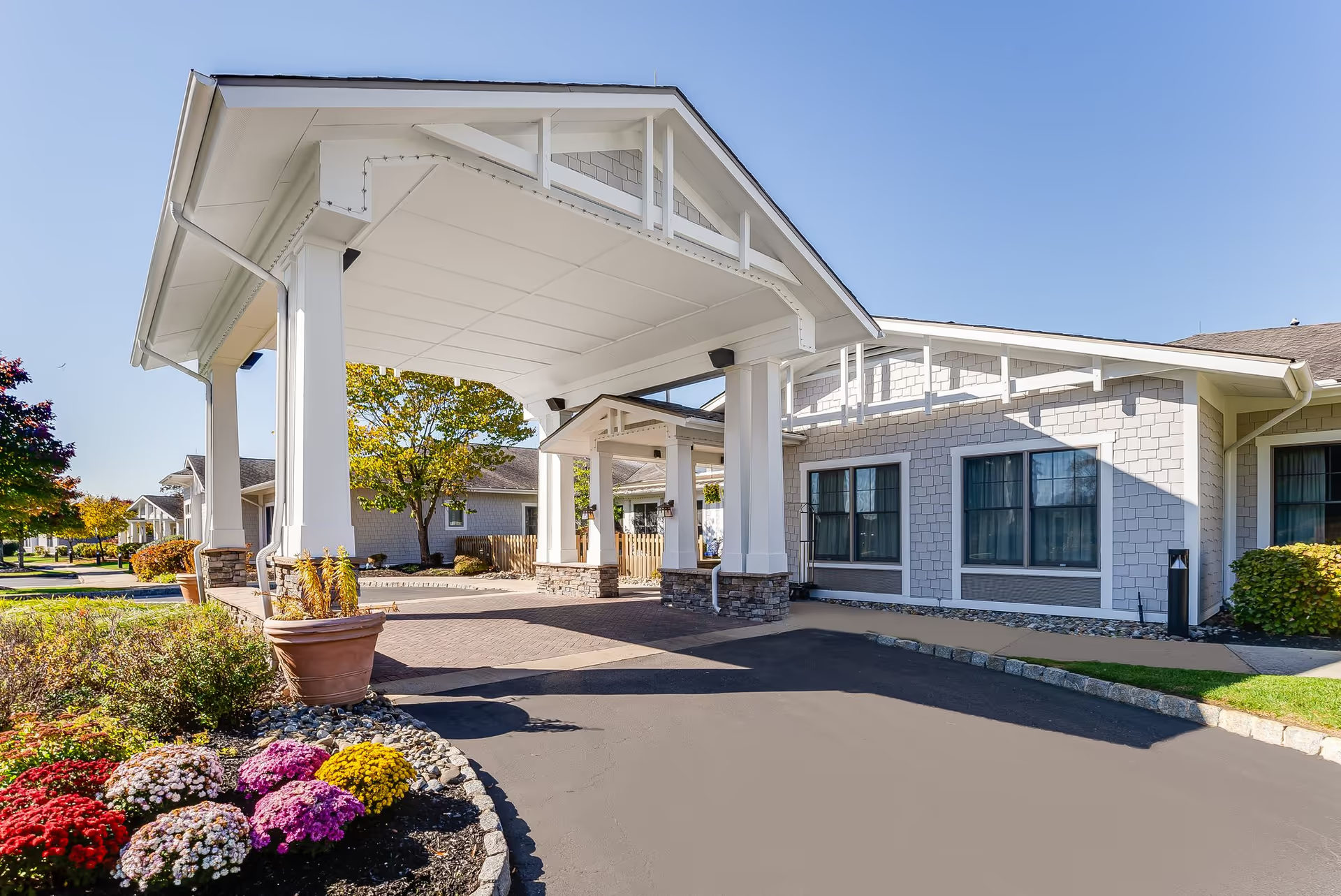
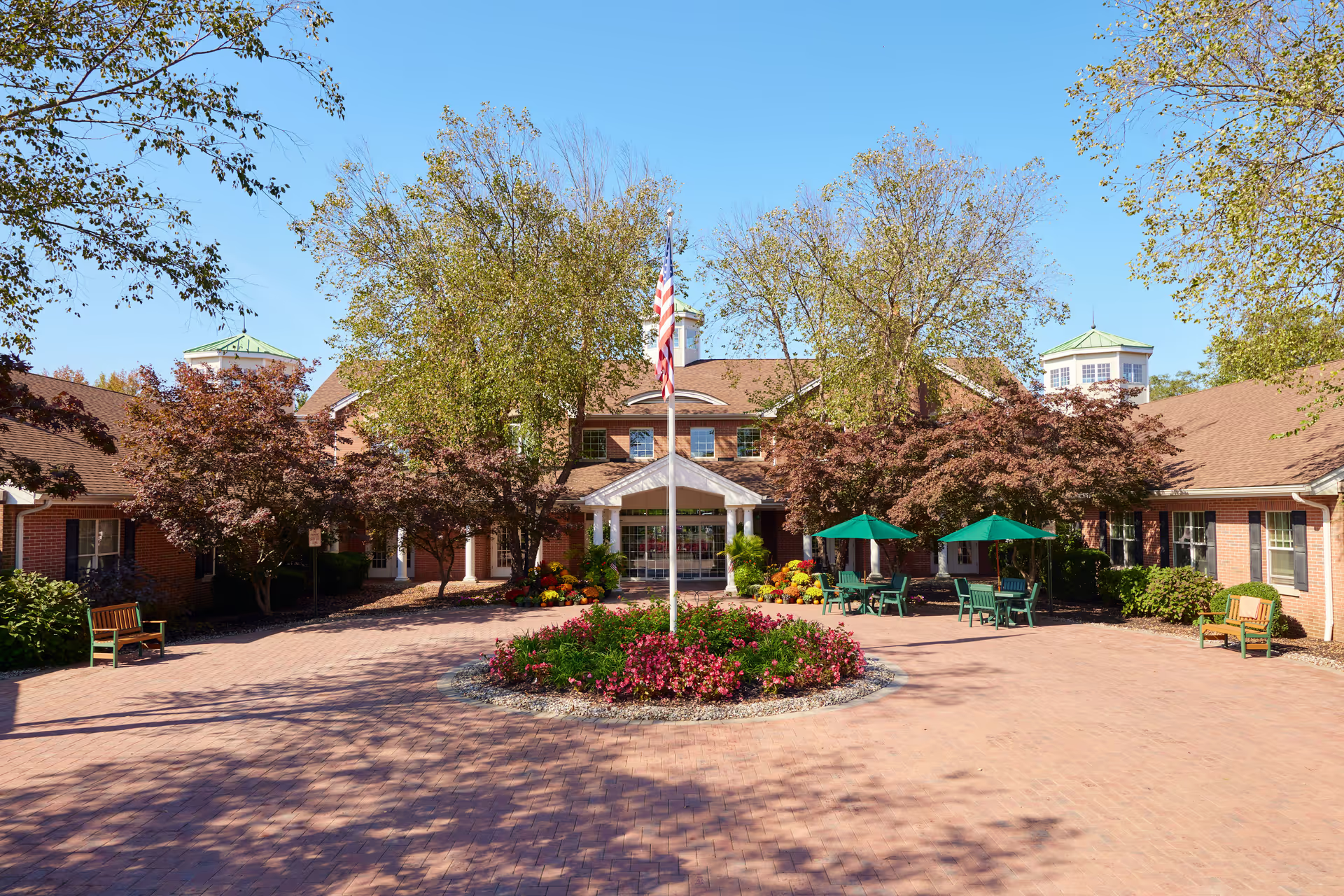
Dining, activities, and environment: Reviews commonly praise the activities program, social events, and an overall welcoming atmosphere when staffing and programming are consistent. The facility is also described as having comfortable rooms and private family spaces in many instances. Dining feedback is mixed: some reviewers commend meals and special events, while others report inconsistency in meal quality and in meeting dietary restrictions. Cleanliness is frequently cited positively, yet there are intermittent sanitation and odor concerns reported for certain units or time periods, suggesting variability in housekeeping effectiveness.
Management and culture: Management impressions vary. Positive accounts note helpful admissions staff, clear communication, and supportive responses during hospice transitions. Negative accounts indicate perceived shortcomings in management transparency, complaint resolution, and follow-up after serious events. Several reviewers described high staff turnover or morale problems that they felt affected continuity of care; there were also isolated allegations about disingenuous online reviews. These patterns suggest that leadership practices and staffing stability are important drivers of the divergent experiences described.
Notable patterns and guidance for families: The overall picture is heterogeneous. When the clinical and therapy teams are fully staffed and engaged, families report very good rehabilitation outcomes, attentive nursing, and positive interpersonal interactions. When staffing or management breakdowns occur, families report delays in basic care tasks, inconsistent communication, and gaps in discharge follow-through. Prospective residents and families should consider an in-person tour, ask about current staffing levels on the intended unit, request specifics about medication-administration safeguards and incident-response procedures, and clarify discharge planning and equipment-delivery timelines. Asking for names of primary therapists and nursing contacts and checking recent state inspection results may help assess whether the facility’s strong elements are consistently in place for a given admission.