CareOne at Holmdel presents a mixed but distinct profile: it is widely recognized for a strong rehabilitation focus and a therapy team that repeatedly achieves functional improvements, while also exhibiting operational inconsistencies that families should evaluate closely. The facility's physical and occupational therapy programs are a consistent strength; reviewers describe goal-oriented, one-on-one therapy and documented gains in mobility and independence. Many accounts highlight therapists by name and credit the therapy team with helping residents return home or regain lost function.
Nursing and direct-care staff receive frequent praise for compassion and clinical skill. Several reviewers singled out nurses and CNAs who provided attentive, individualized care and effective coordination with physicians and therapists. Multidisciplinary care conferences and a visible emphasis on rehabilitation were noted as positive elements. Social work, admissions, and front-desk staff are also described as helpful in many reports, and hospice support is mentioned as providing comfort during end-of-life care.
At the same time, a substantial pattern of operational concerns appears across reviews. Staffing inconsistency—including use of temporary/agency staff—contributes to slow call-bell response times, delays in assistance for toileting and hygiene, and uneven night-shift supervision. Multiple accounts describe medication-administration delays or errors and broader medication-management inconsistencies. Cleanliness and sanitation practices are described as variable across units, with some families praising housekeeping and others citing sanitation concerns. Safety-process gaps related to transfers, monitoring, and emergency response (including broken or unreliable call systems) were reported and are an important area for inquiry.
Dining and activities present a similarly mixed picture. Many reviewers praise the kitchen, chef, and nutritionist for varied menus, tailored diets, and restaurant-style dining in some units. The activity program—bingo, musical guests, pet therapy, and outdoor events—receives frequent positive mention and appears to contribute positively to resident quality of life. However, others described inconsistent meal quality and execution and raised concerns about meal continuity.
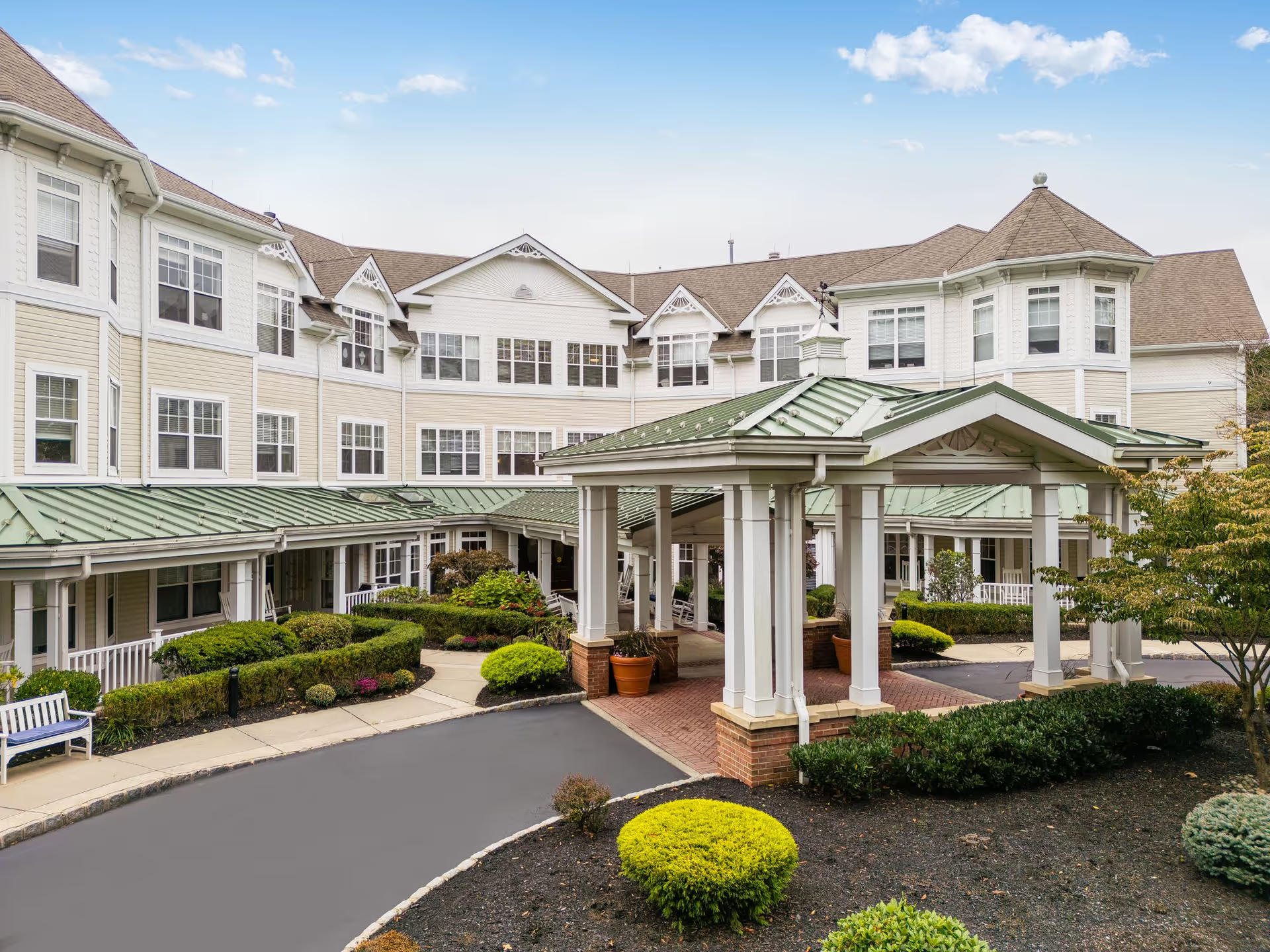
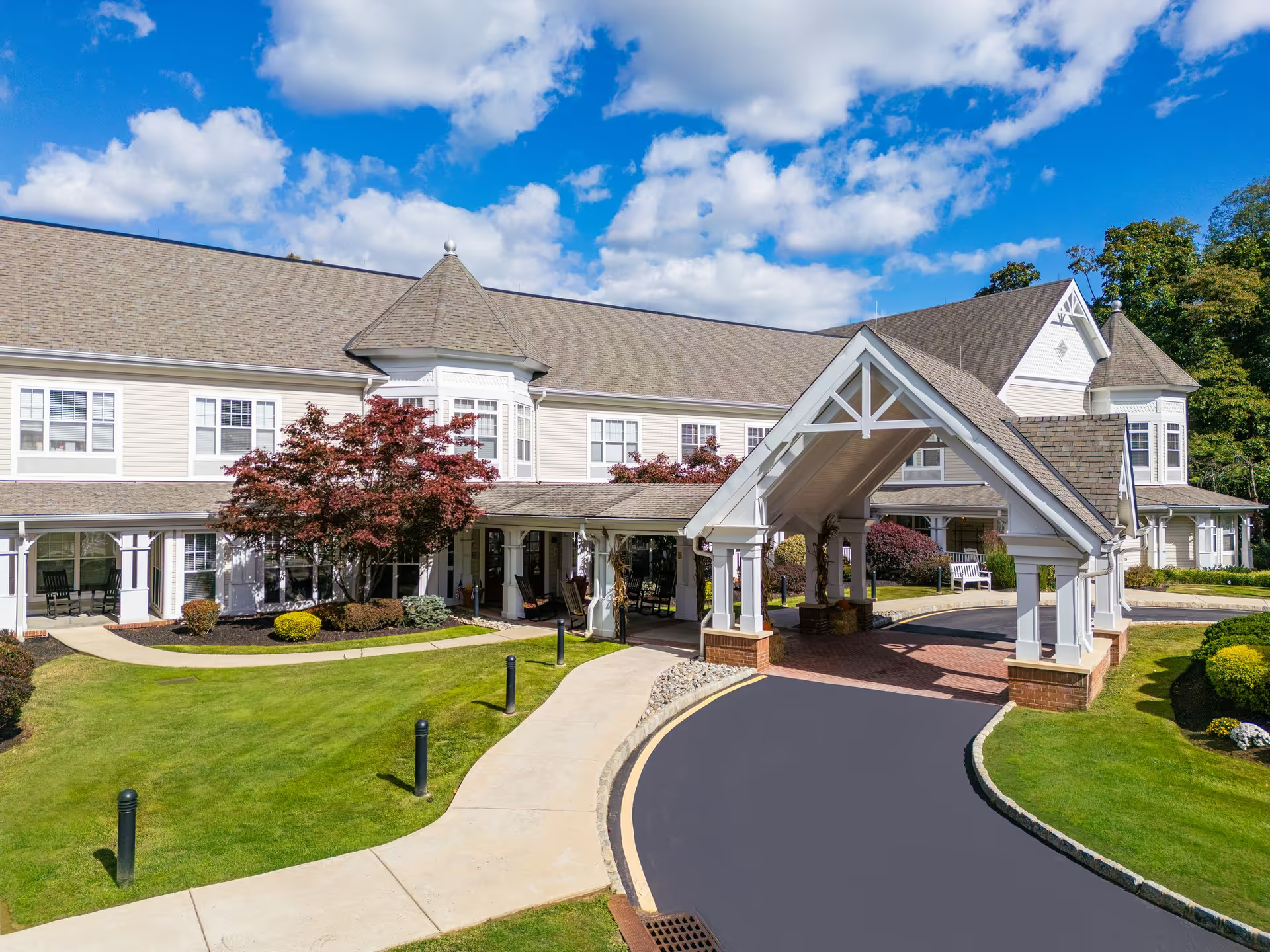
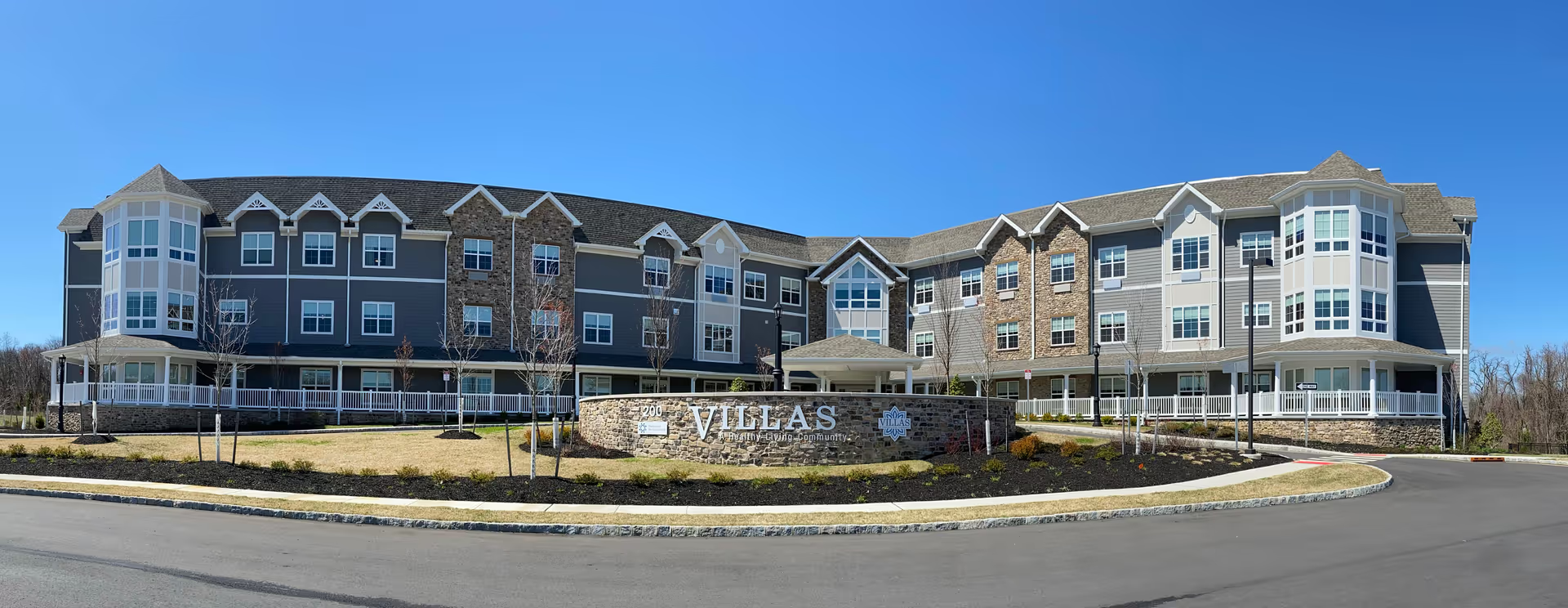
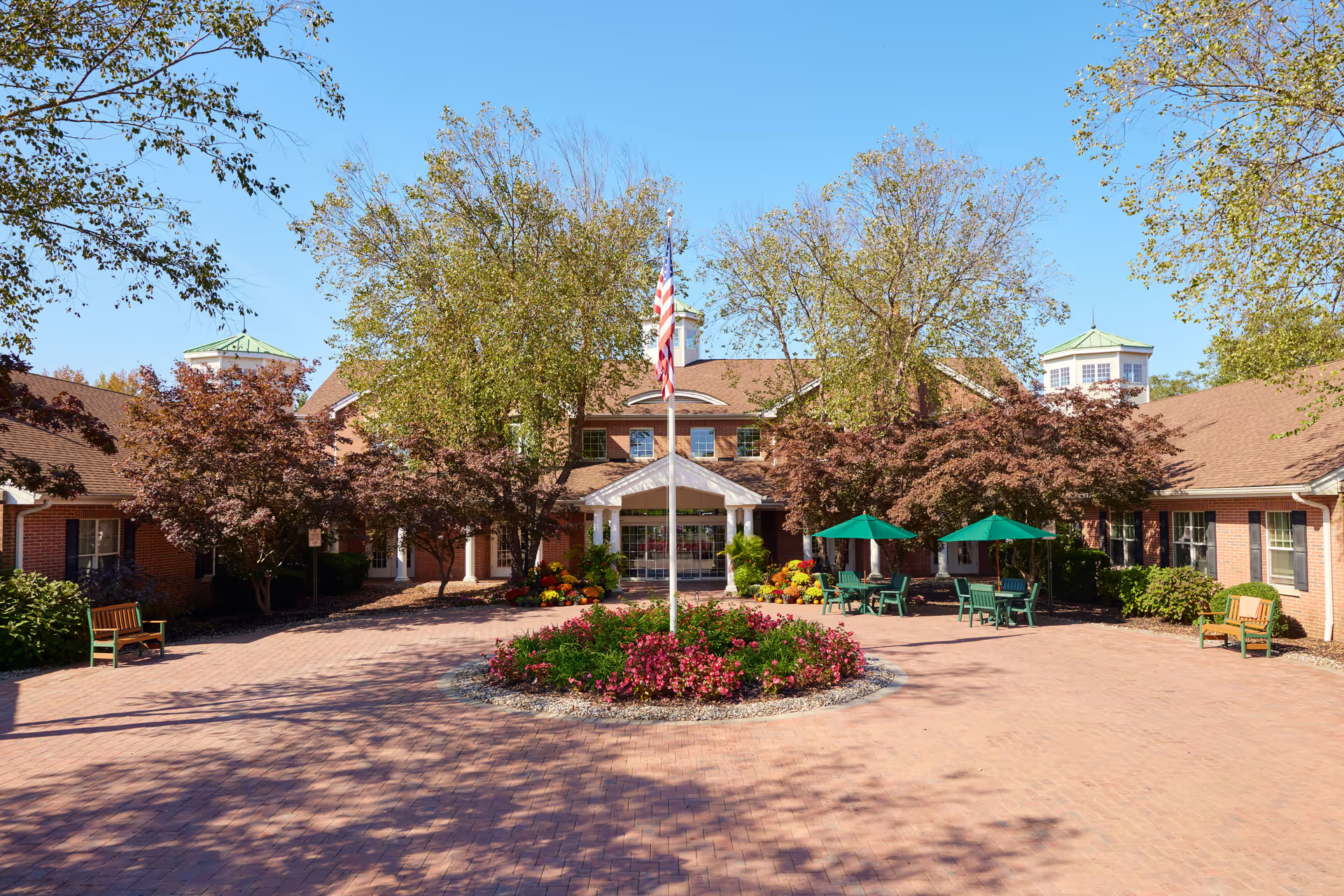
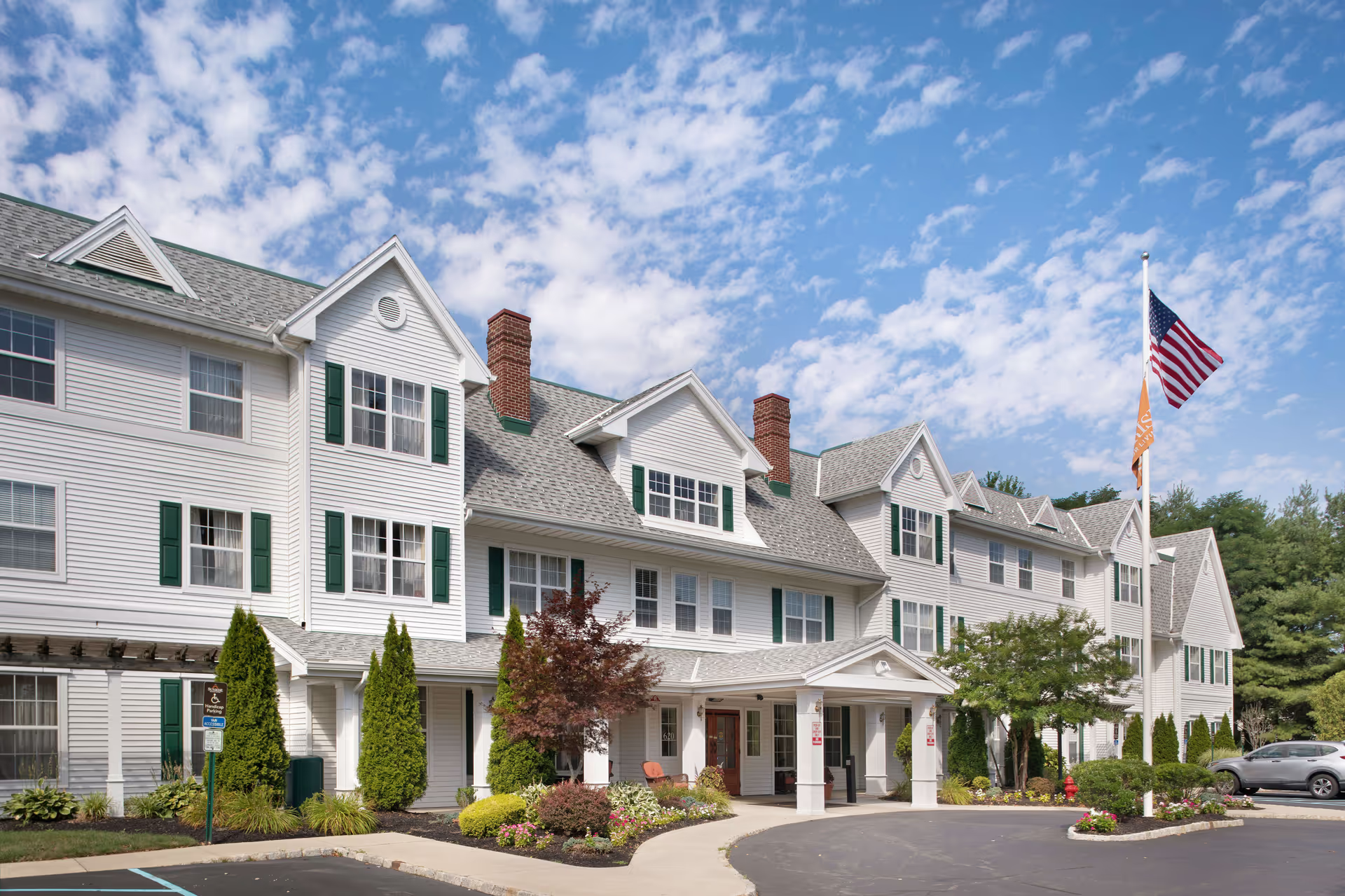
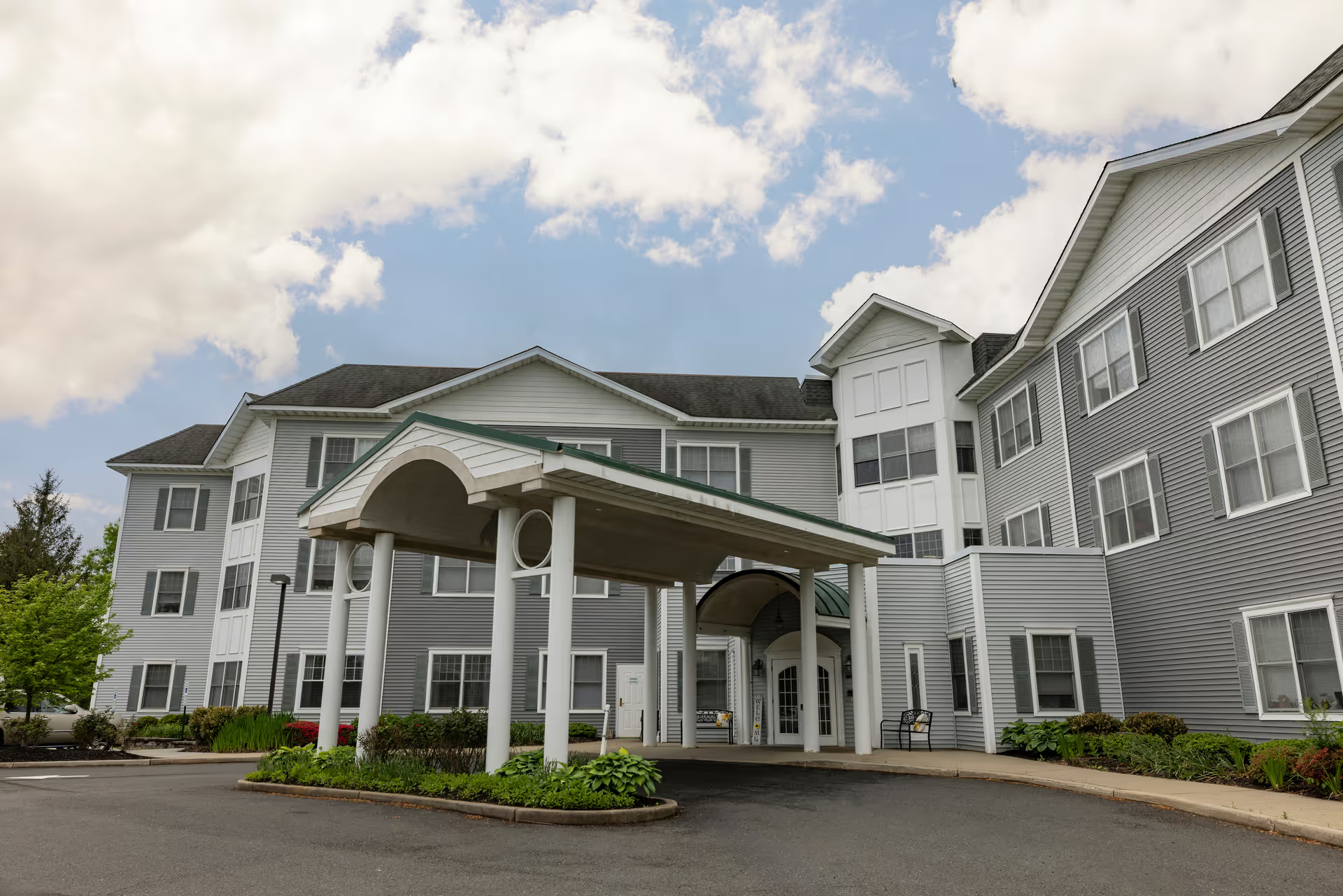
Facility condition and management impressions are variable. The property and outdoor amenities (new patio, garden space) are frequently highlighted as attractive and well used. Conversely, some families report areas that feel dated or in need of maintenance, and there are recurring comments about odor concerns and infrastructure issues in select units. Management responsiveness also varies in accounts: some reviews describe proactive leadership and helpful administrators, while others describe slow or ineffective follow-up on complaints and discharge coordination problems.
Notable patterns for prospective residents and families to investigate further include staffing ratios at different times of day (particularly nights), protocols for call-bell response and transfer safety, medication administration and reconciliation processes, sanitation and pest-control measures, and how the facility documents and communicates discharge plans and follow-up appointments. There are also isolated, serious allegations (including alleged theft and concerns following a resident's death) that would warrant direct discussion with administration and review of regulatory records.
Overall, CareOne at Holmdel offers a high-performing therapy model and many examples of compassionate, effective direct care, but the facility also demonstrates operational variability that can affect safety, responsiveness, and day-to-day comfort. Families considering this facility should weigh the strong rehabilitation outcomes and activity offerings against the reported inconsistencies in staffing, cleanliness, and management follow-through, and should request specific policies and performance data during tours and admissions discussions.