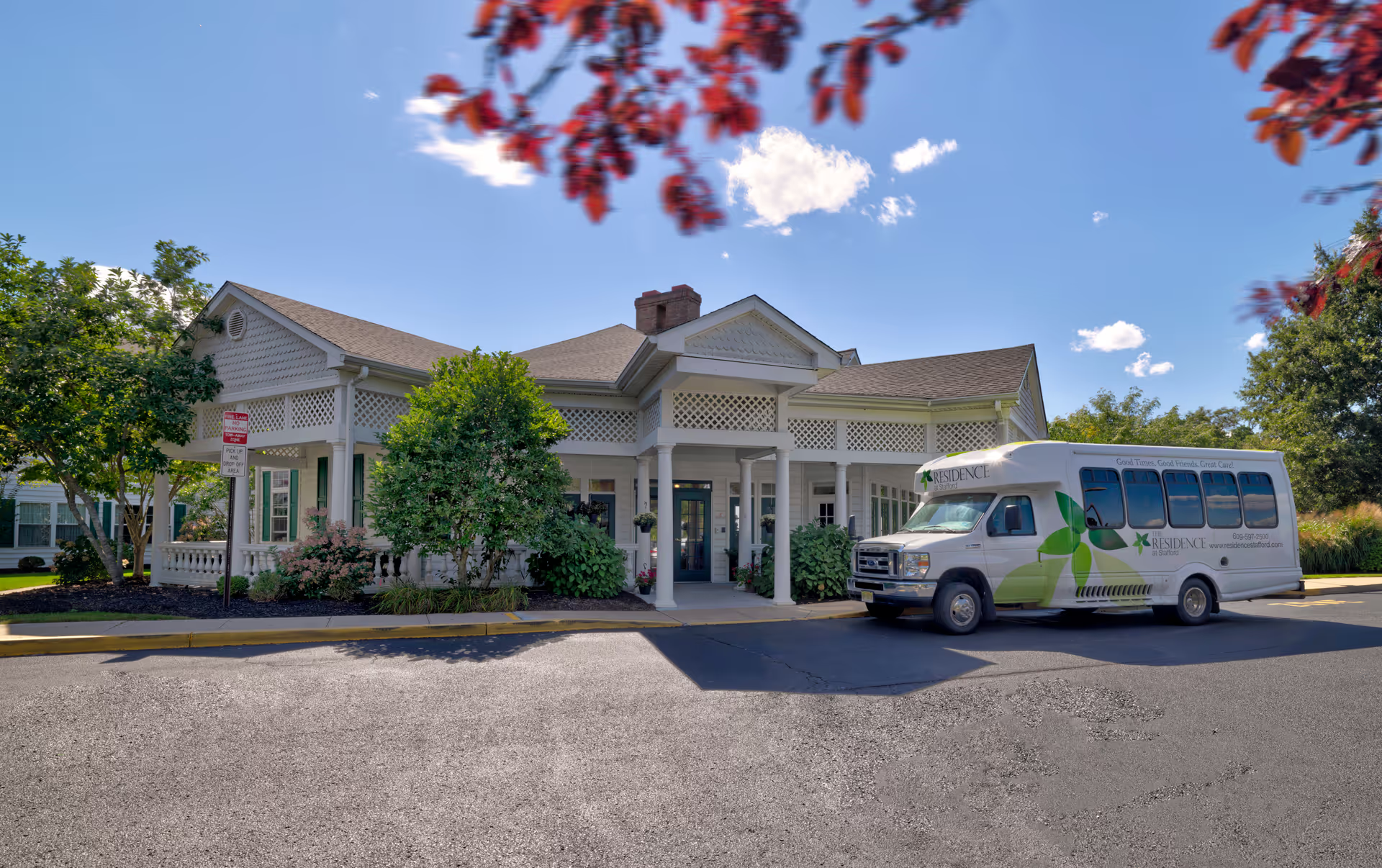
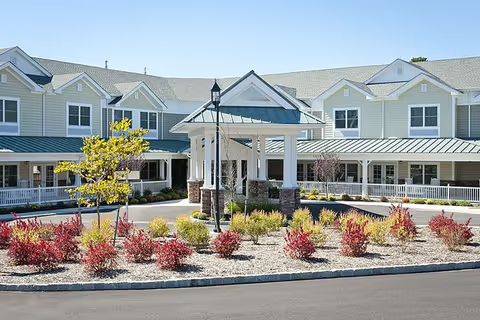
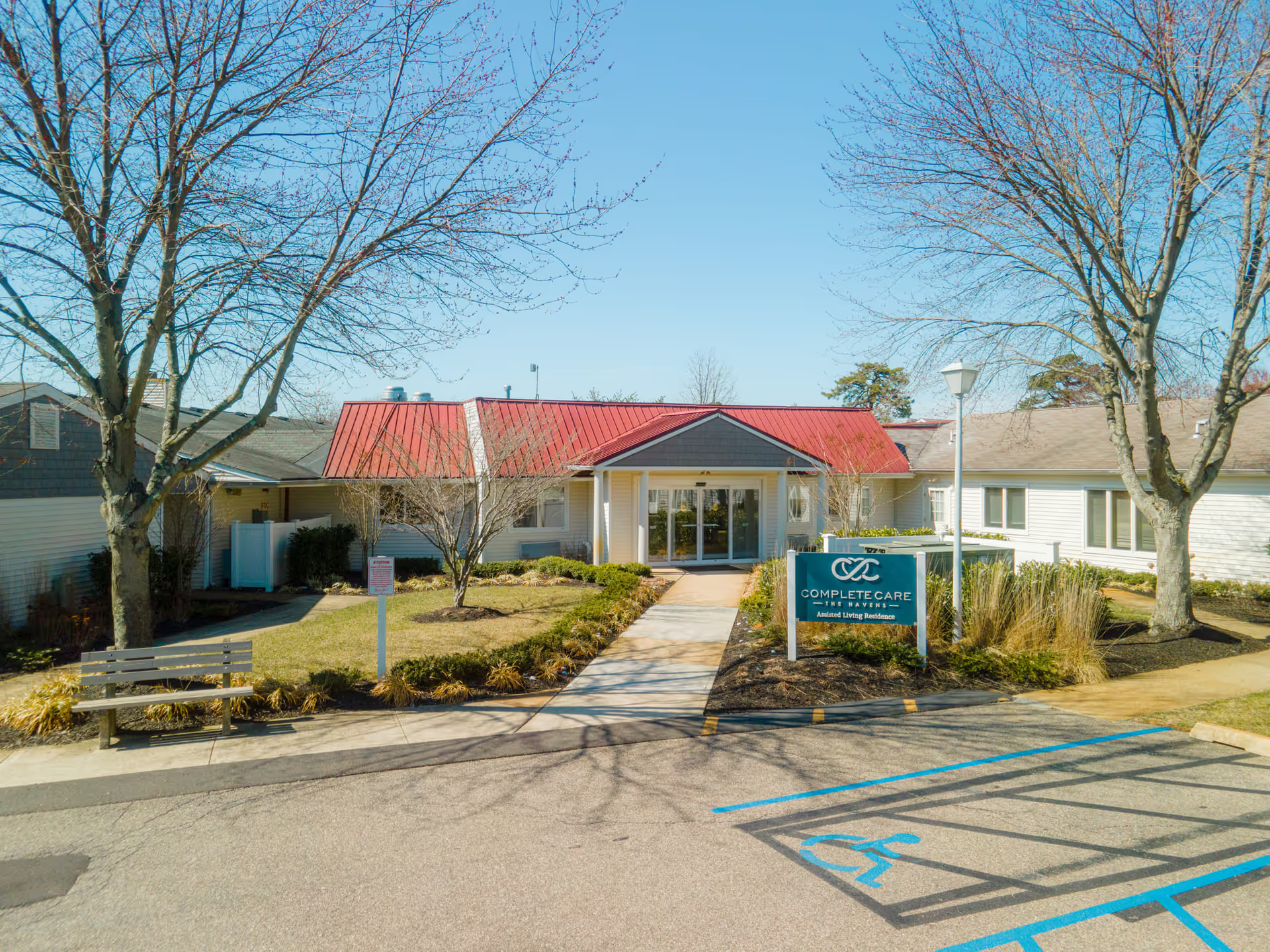
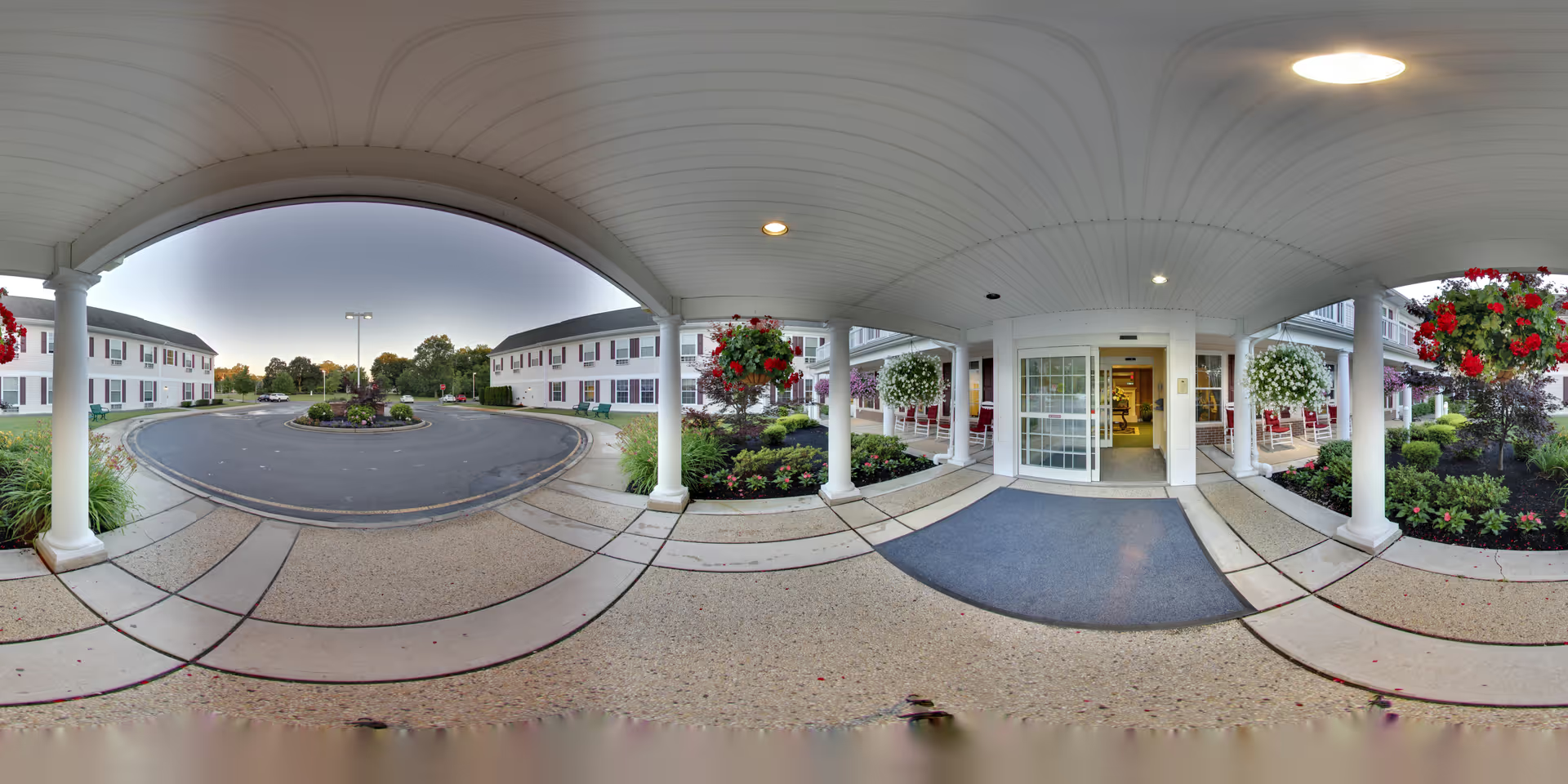
Community feedback for Manahawkin Health and Rehabilitation Center is mixed, with distinct clusters of positive staff experiences alongside recurrent operational concerns. Many families and residents praise individual caregivers, admissions personnel, receptionists, and certain therapy staff for being kind, helpful, and attentive. The facility offers an activities program that includes bingo, arts and crafts, movies, and live entertainment, and several comments note proactive appointment coordination and faith‑based outreach. There are also references to long‑standing staff and a sustained community presence, which some families view as an asset.
Regarding clinical care, reviewers describe variability. Positive accounts emphasize compassionate nursing and CNA attention and instances where therapy produced measurable improvement. However, others describe inconsistent care continuity: delayed responses to call lights, limited staff availability at times, and concerns about medication administration practices and narcotics handling. Some families reported inadequate repositioning and monitoring that they felt contributed to skin and mobility problems. Discharge planning and post‑discharge follow‑up are frequently cited as weak areas, with several reports of incomplete medication provision or lack of arranged home‑assessments.
Facility condition and operations are another area of divergence. While some reviewers noted a clean, well‑maintained lobby and 24/7 cleaning in parts of the building, recurring themes include sanitation concerns, pest‑control issues, odor and mold concerns in rooms or hallways, water leaks, and shortages of linens and basic supplies. The physical layout of some rooms was described as small and cramped. A smoking‑permissive culture was mentioned as affecting air quality and the comfort of non‑smokers.
Dining and rehabilitation experiences also vary. Several families reported inconsistent meal service, missing or delayed meals, and limited therapeutic/dietary options (for example, inadequate diabetic meal planning). Therapy availability and intensity were described as useful in some cases and minimal in others; scheduling and communication about therapy varied. The activities program is a relative strength, with multiple examples of engaging programming and social opportunities.
Communication and management practices are prominent concerns. Many reviews point to slow or ineffective communication with families, delayed return of calls, difficulties obtaining medical records, and limited family meetings or social‑work involvement. Some reviewers described unprofessional administrative behavior and management instability; there are also isolated, serious allegations of improper billing practices that warrant verification. Language barriers between staff and families were noted as an additional impediment to clear communication.
Overall, the facility displays strengths in individual staff commitment, activities programming, and some rehabilitative services, but consistent operational weaknesses were reported around sanitation, staffing levels, medication controls, discharge planning, meal continuity, and family communication. Prospective residents and families should consider an in‑person tour, ask specific questions about staffing ratios, medication and narcotics controls, discharge procedures, infection‑control and pest‑management protocols, therapeutic diet availability, smoking policy, and how the facility documents and communicates incidents to families. Reviewing the most recent health inspection and clarifying billing practices are also advisable steps prior to placement.