Overall impression: Review content indicates a facility with many strengths in day‑to‑day resident life but with some operational and clinical gaps that prospective families should evaluate. Positive themes center on staff quality, cleanliness, dining, activities, and a home‑like environment; recurring concerns focus on staffing consistency, medication processes, management changes, and several operational control areas.
Care and clinical concerns: Many families praise the caregiving and nursing teams for compassion, advocacy, and responsiveness; an on‑site nurse practitioner and coordination with hospice were highlighted as strengths in multiple accounts. At the same time, reviewers consistently call out weaknesses in medication administration and medication‑room processes, plus gaps in shift handoffs and responsiveness during evenings and weekends. These issues translate into an operational pattern where residents with escalating clinical or mobility needs may not receive consistently reliable coverage. There are also mentions of inconsistent handling of incontinence care and personal laundry/personal‑item tracking that point to variability in day‑to‑day clinical supports and personal care services.
Staff and management: Staff are frequently described as kind, long‑tenured, and invested in residents, and many reviews emphasize individual caregivers who go above and beyond. However, there are recurring operational complaints: understaffing during off shifts, inconsistent communication between shifts, and reports of management or ownership turnover that some families associate with a perceived decline in service or faster pricing increases. These patterns suggest a strong frontline culture that is, at times, strained by staffing levels and administrative changes.
Dining and activities: Dining is a clear strength for many residents — restaurant‑quality meals, good presentation, small intimate dining rooms, and menu variety were commonly praised. A few reviewers noted timing issues (late breakfasts) or variable food quality, so meal experience can be excellent but not uniformly so. Activities are another strong point: a broad schedule of engaging, adaptive, and inclusive programming, frequent outings, on‑site mixers, and opportunities for socialization were described as adding meaningful quality of life. Participation levels vary, and some families said their loved ones did not take full advantage of offerings.
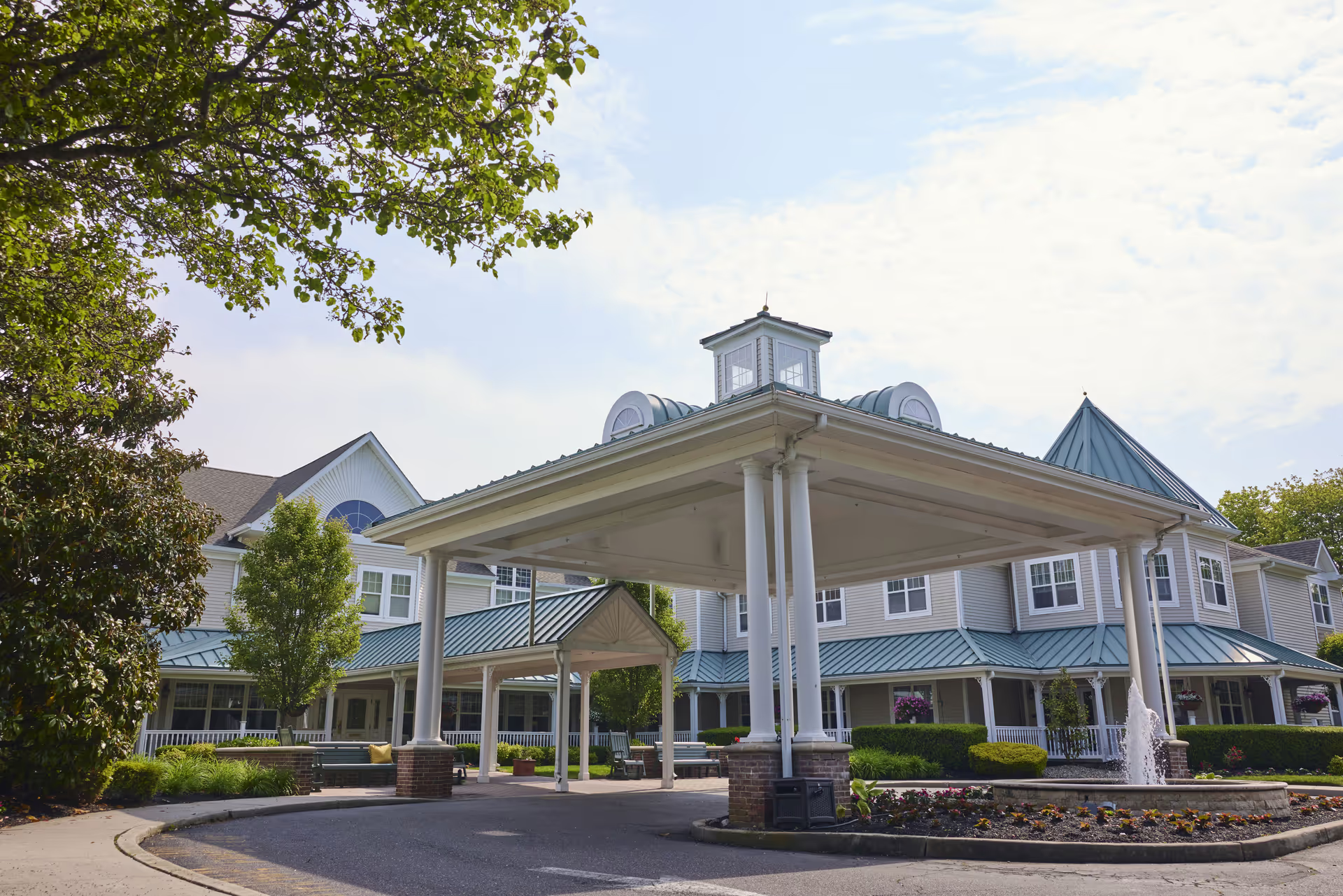
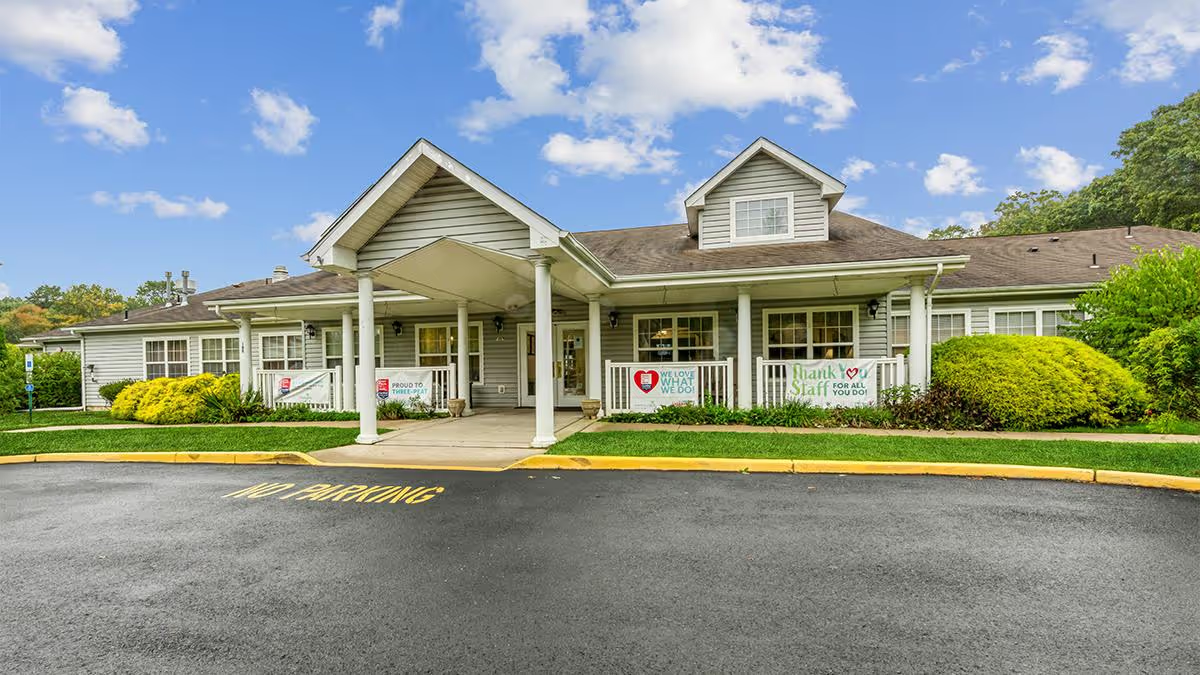
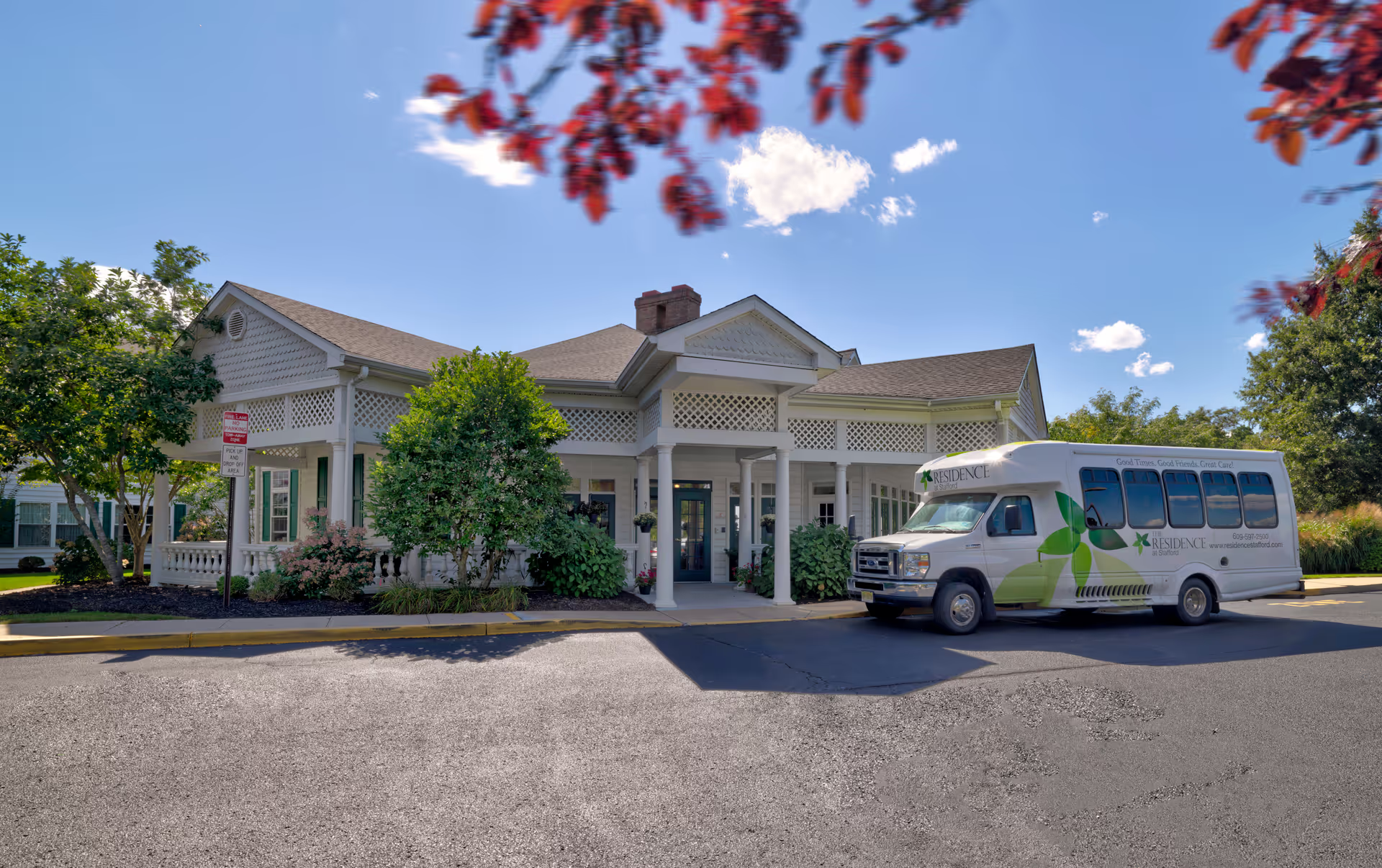
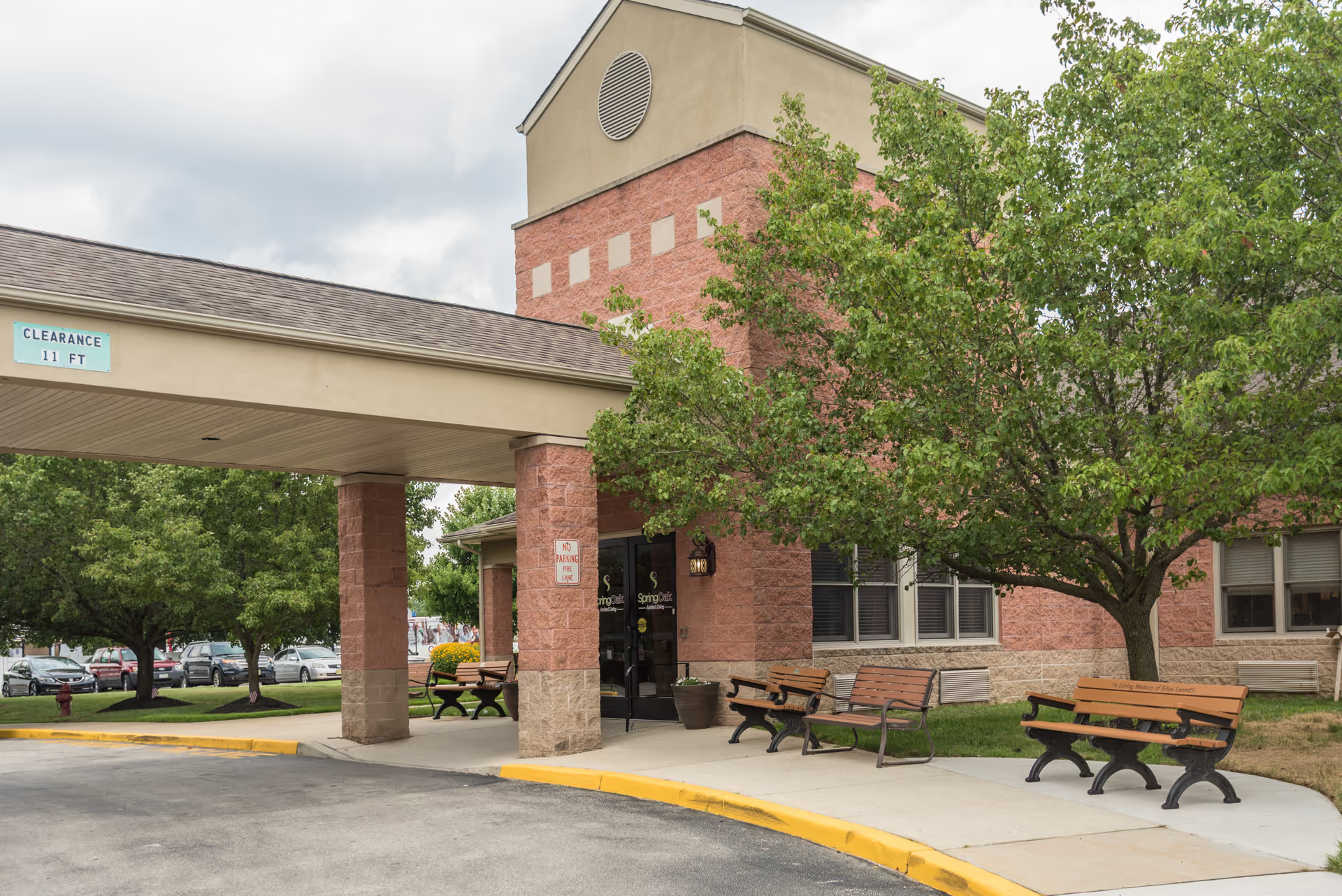
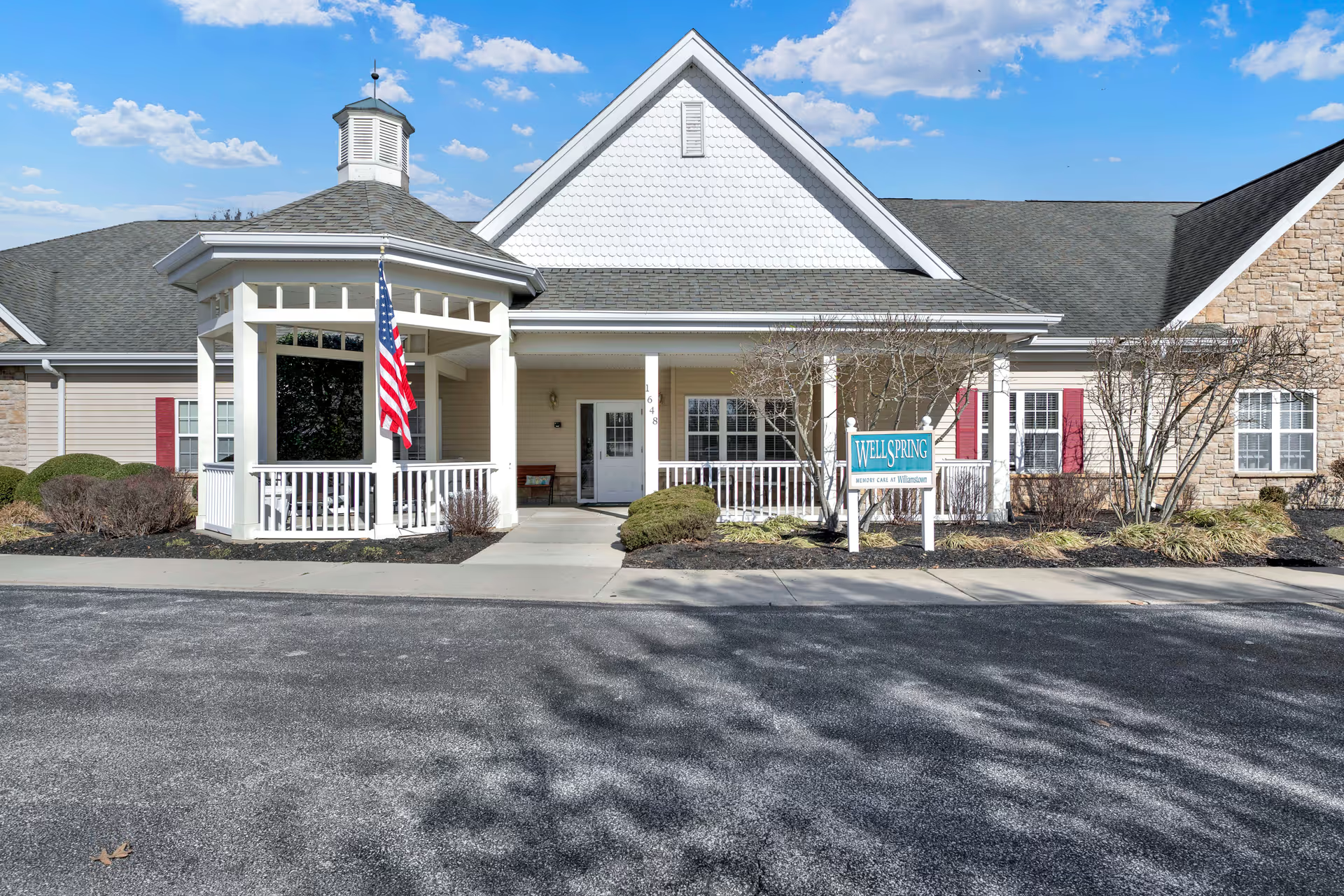
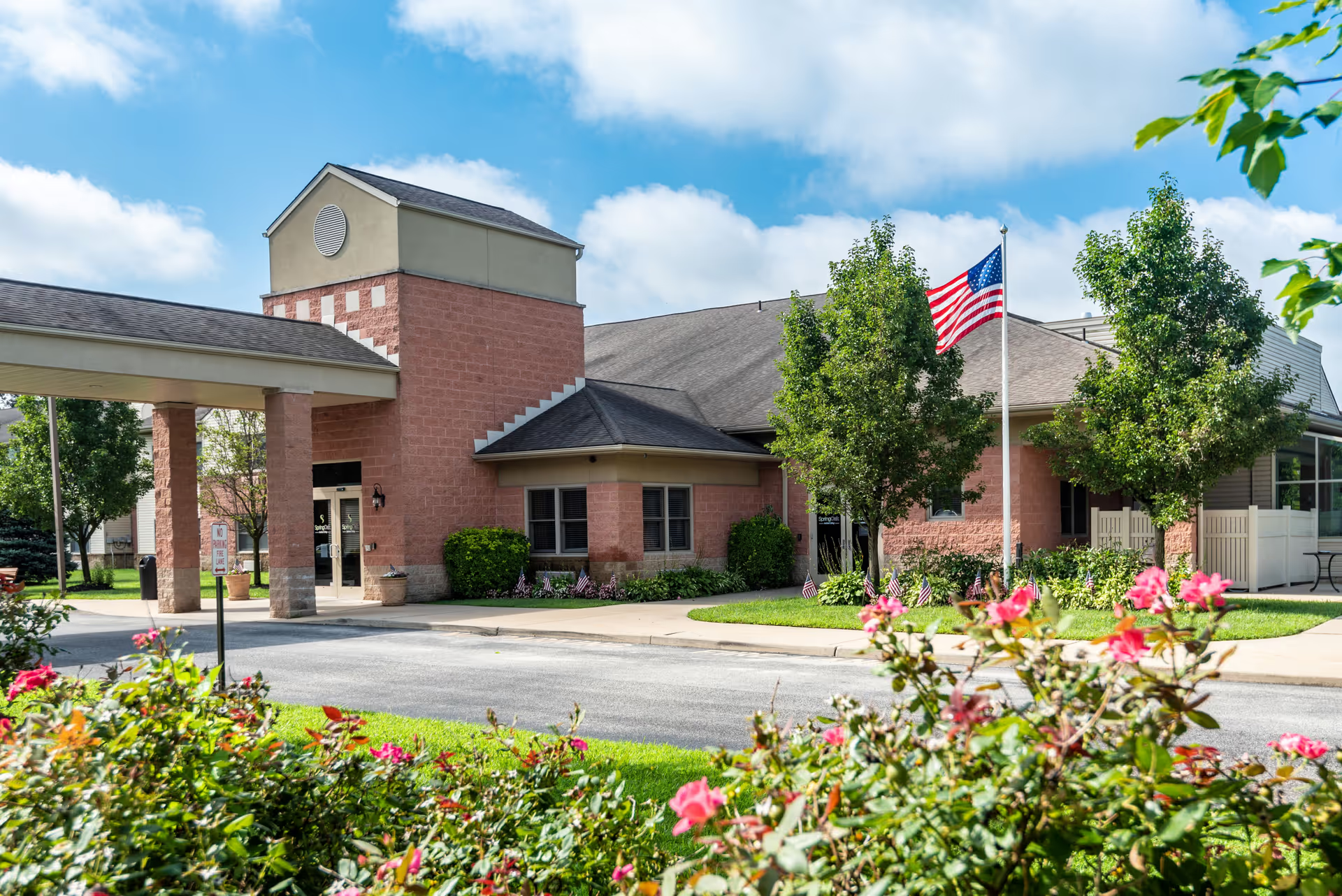
Facilities and environment: The campus is frequently described as clean, well‑maintained, and home‑like, with attractive common areas, a walking path, and renovated memory‑care space. Reported facility issues tend to be infrastructure‑level — an aging building in places, internet/service gaps, and maintenance backlogs — rather than universal sanitation problems. Accessibility and security for the locked memory‑care unit were cited as areas for improvement, with some families describing difficulty entering/exiting that unit.
Administrative and financial patterns: Several reviewers praised an easy move‑in process and occasional pricing flexibility early in placement. Conversely, multiple comments noted unexpected rate increases and limited advance notice of price changes, which raises concerns about billing transparency. There are also serious operational control notes, including laundry and personal‑item tracking weaknesses and allegations of theft and financial control lapses; prospective families should inquire specifically about inventory, billing practices, and resident‑property safeguards.
Notable patterns and recommendations: The dominant pattern is one of a warm, activity‑rich community with strong frontline staff and good dining, which can deliver a high quality of life for residents who are relatively independent or have moderate needs. Areas that repeatedly emerge as potential risk factors are inconsistent staffing coverage during nights/weekends, med‑management and handoff procedures, and variability in higher‑acuity support. Prospective residents and families should (1) tour both assisted‑living and memory‑care units at different times of day, (2) ask for written descriptions of staffing ratios and after‑hours response protocols, (3) review medication‑management and inventory controls, (4) clarify fee‑increase policies and any extra charges (companions, hospice coordination), and (5) check recent ownership/management changes and their planned operational impacts. These targeted questions will help balance the facility's evident strengths against the operational weaknesses noted in reviews.