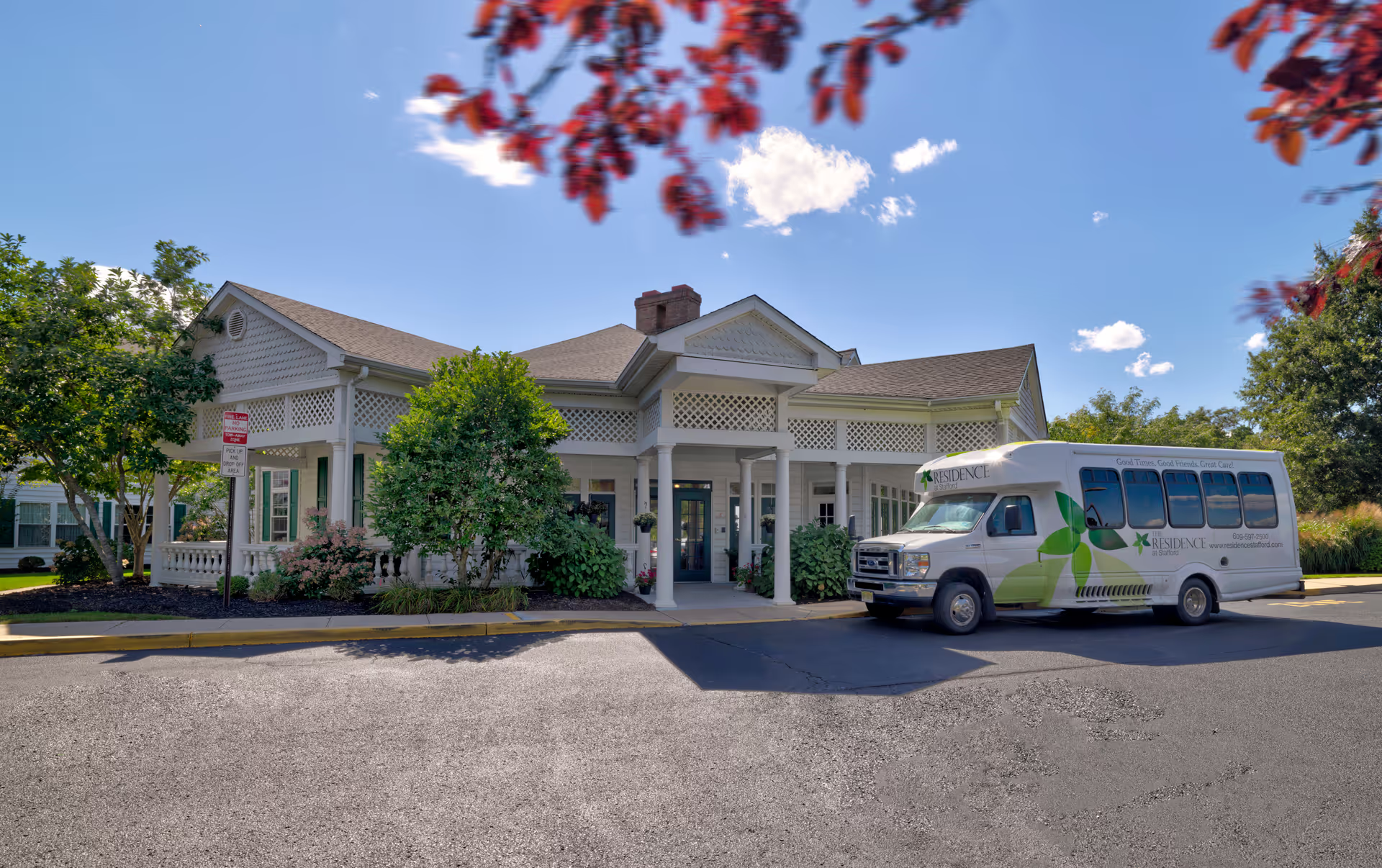
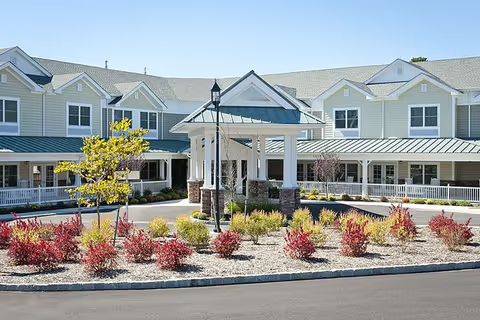
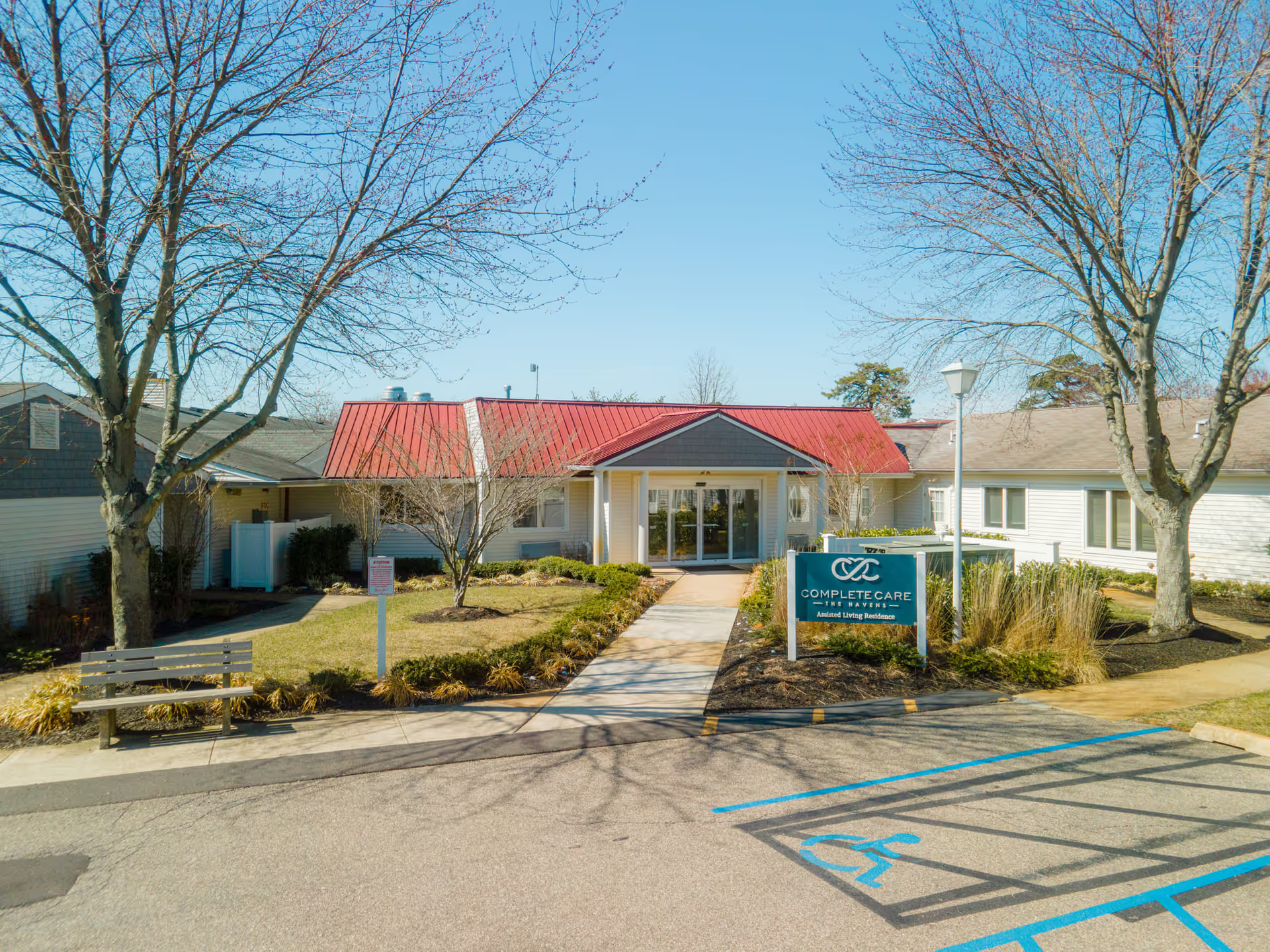
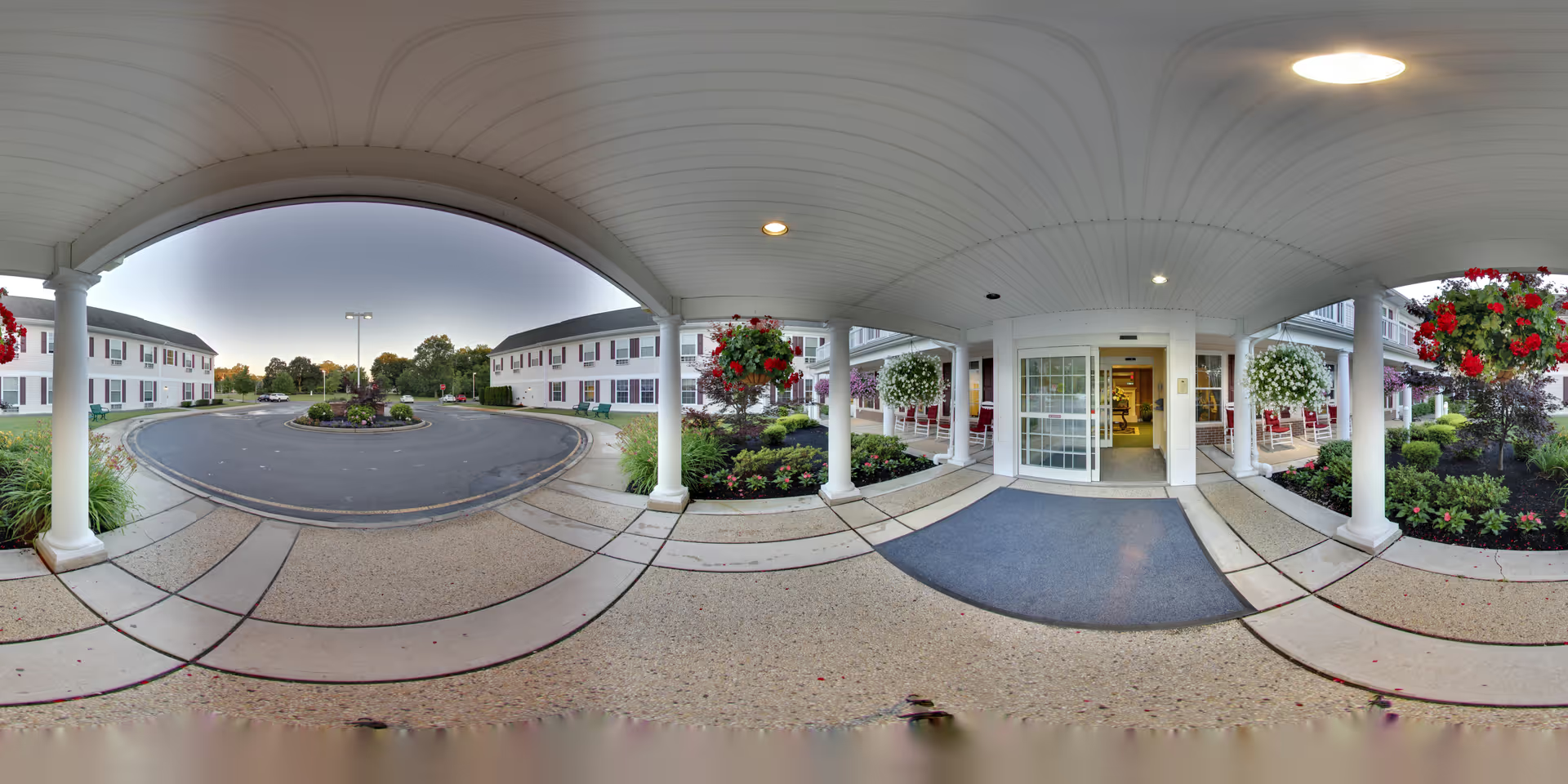
The reviews present a polarized but consistent set of patterns: many families and clinicians praise the facility for rehabilitation expertise, compassionate bedside care, and an overall welcoming atmosphere, while a significant subset identify operational weaknesses that affect day-to-day reliability. Strengths most frequently highlighted include robust therapy services (physical, occupational, and speech), engaged social-work and admissions teams, helpful front-desk staff, a pleasant courtyard and activities program, and visible infection-screening procedures at entry. Several accounts emphasize clinicians such as nurse practitioners and therapists who contributed to successful recoveries and clear discharge planning.
Care quality is described in mixed terms. Therapy services are a consistent bright spot, with many families crediting structured, individualized plans that supported return-to-home goals. Nursing and aide staff are often characterized as compassionate and attentive, though reviewers also describe uneven responsiveness at peak times. A recurrent operational concern is understaffing that manifests as long call-bell waits and delayed assistance; linked issues include medication-administration lapses, pharmacy continuity problems, and occasional delays in physician or PA assessment for clinical changes.
Dining and dietary accommodations are another area of variability. Several reviewers praised restaurant-quality meals and improvements in food quality, while others described cold meals, missed meal deliveries, and a lack of tailored options for restricted diets. Activities and communal features — including seasonal decor, events, and outdoor visiting spaces — are frequently noted positively and contribute to family satisfaction when present and active.
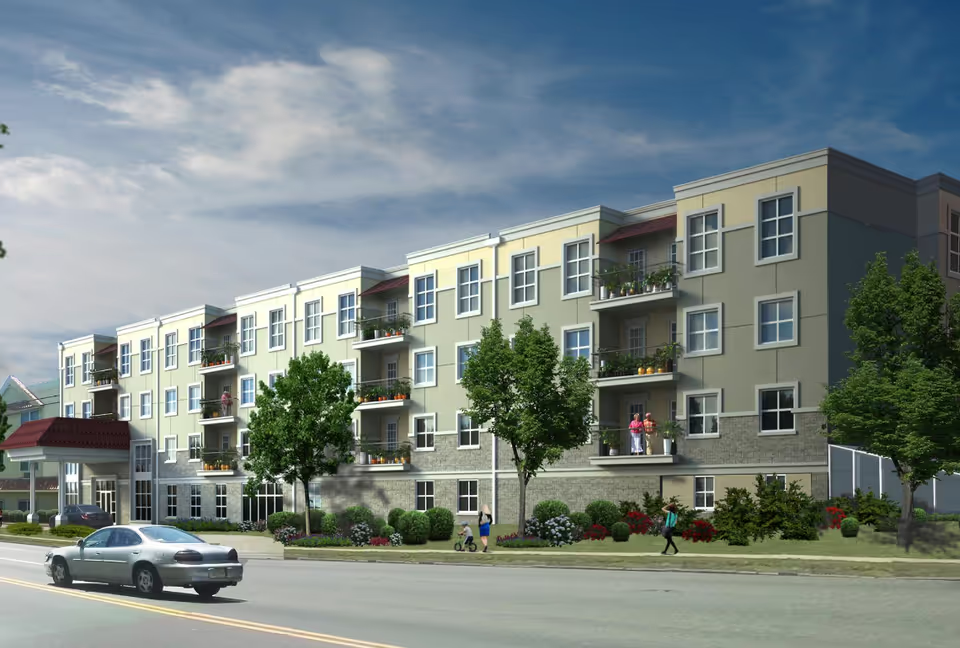
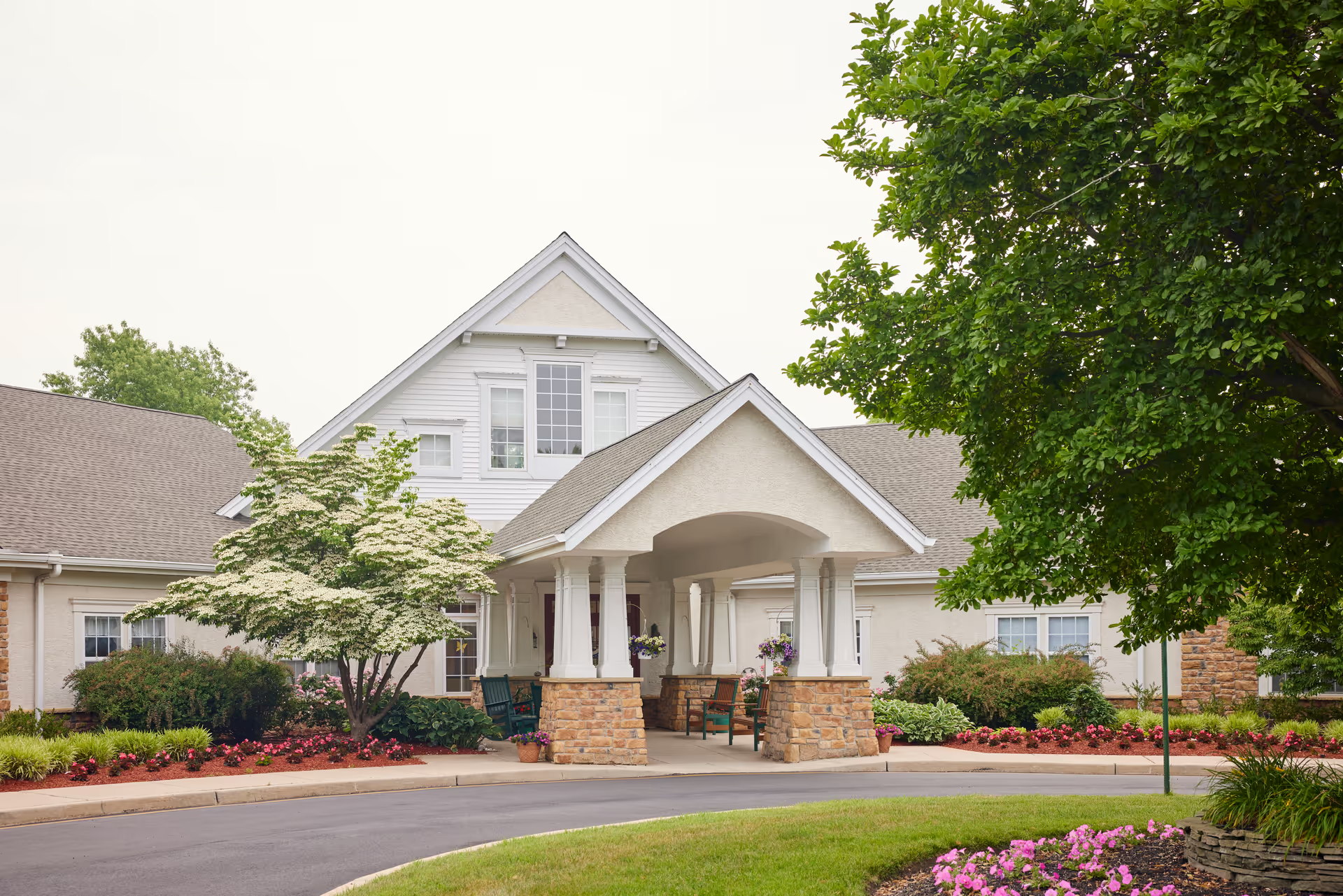
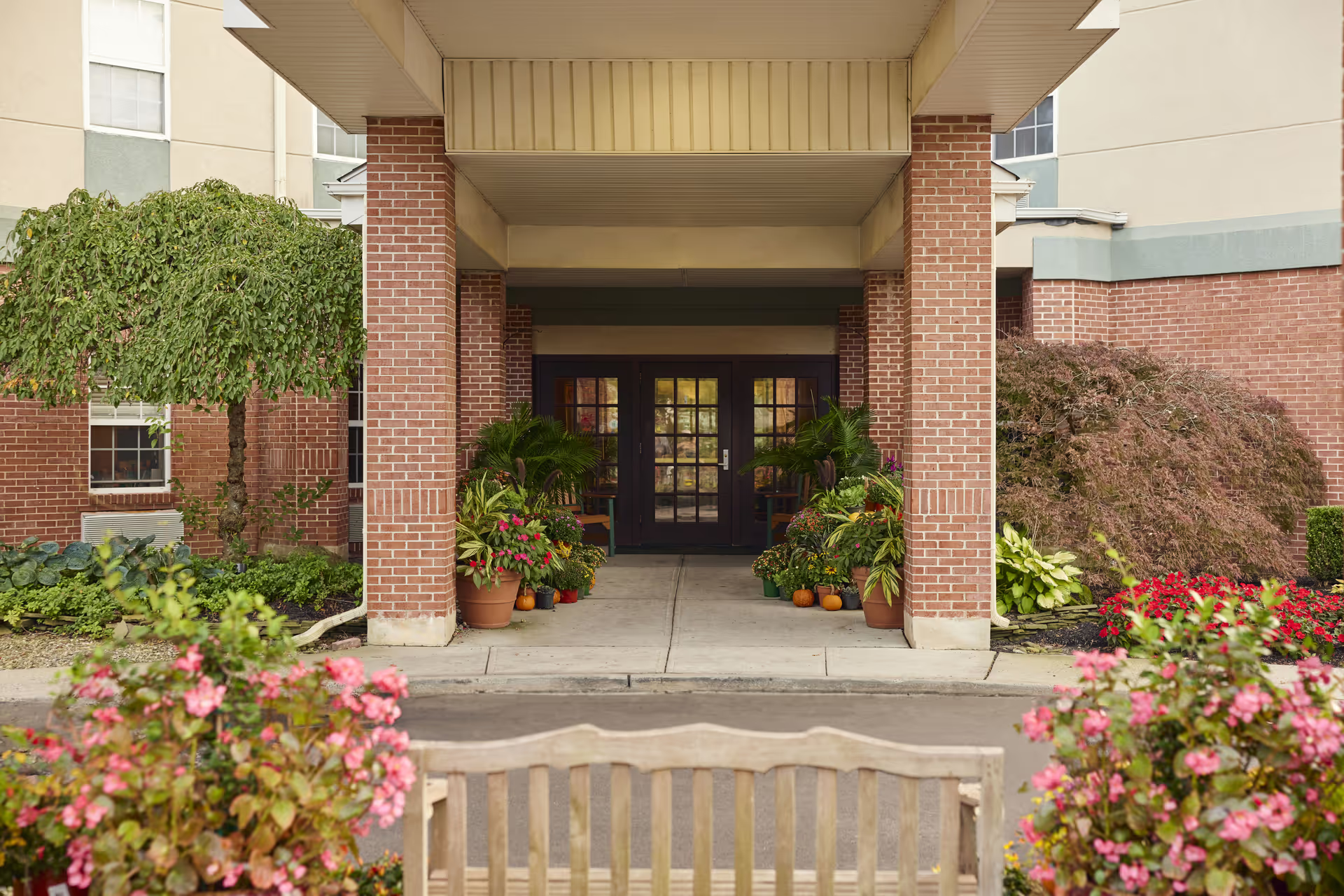
Facility condition and housekeeping show mixed feedback. Common areas and grounds are often described as clean and well-maintained, and the facility receives repeated credit for attention to presentation. At the same time, reviewers raise sanitation and room-cleaning inconsistencies, odor concerns in select areas, and lapses in laundry/property handling. Some rooms are described as dated and in need of maintenance or updating; phone and call-bell system reliability was also raised as an operational gap.
Management and communication perceptions vary considerably. Positive comments cite supportive administrators, timely admissions, smooth transitions, and staff who go above and beyond. Contrasting reports describe unresponsiveness from management, billing or financial stress during interactions, and occasional concerns about staff conduct, privacy, and the tone of communication. Infection-control performance was generally visible at entry (screening, masks), though reviewers noted inconsistent outcomes during outbreak events.
Overall, prospective residents and families are likely to encounter excellent rehabilitation services, capable clinicians, and a caring culture in many units, balanced against operational risks tied to staffing, medication continuity, meal consistency, and variable housekeeping/maintenance. Families prioritizing high-intensity therapy and active social programming may find the facility well suited; those for whom prompt bedside responsiveness, strict medication and discharge continuity, or consistently high dietary accommodations are critical should seek to verify current staffing levels, clinical oversight practices, and recent quality-improvement actions with facility leadership during a visit.