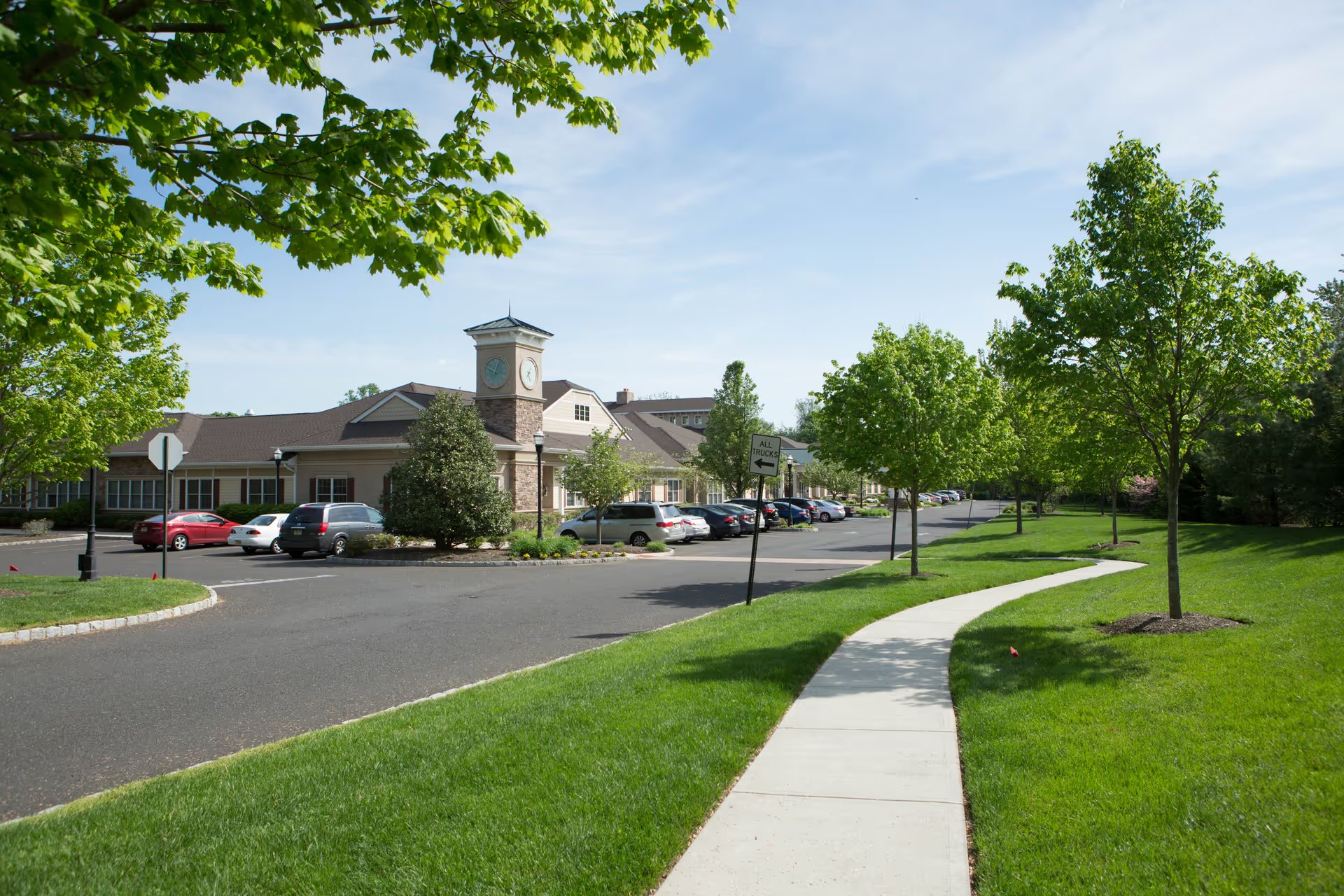
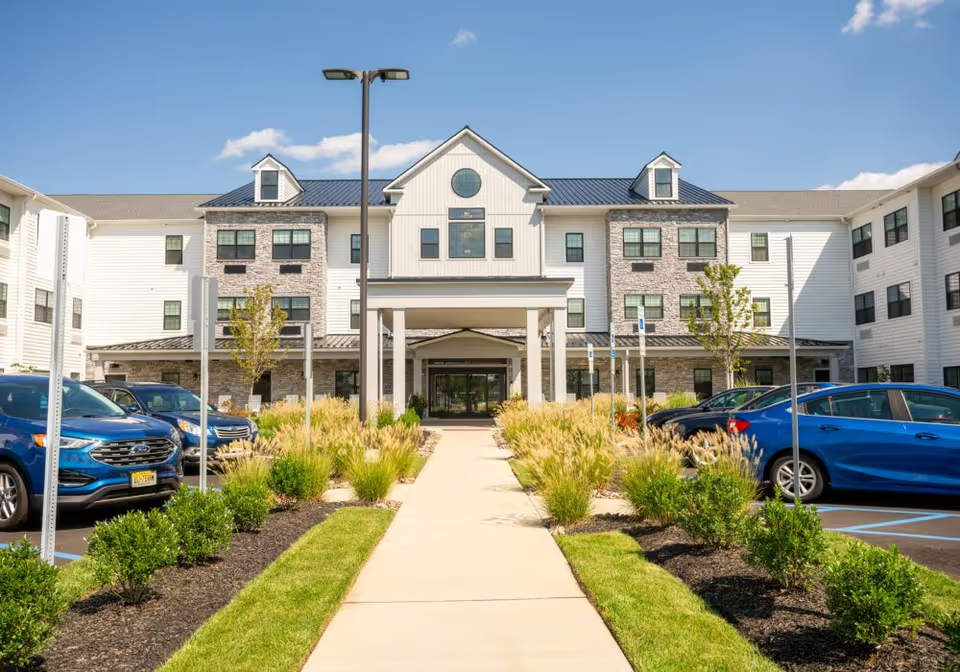
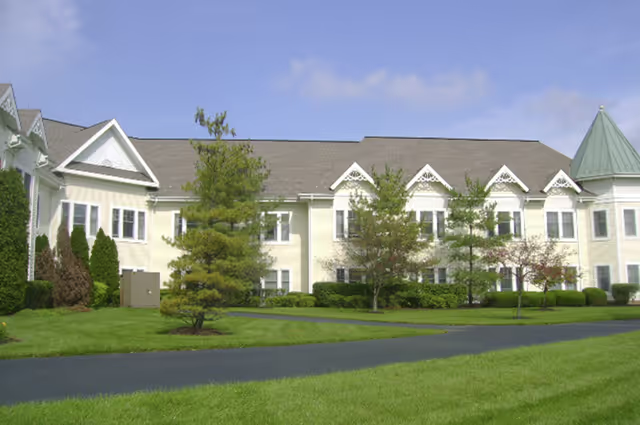
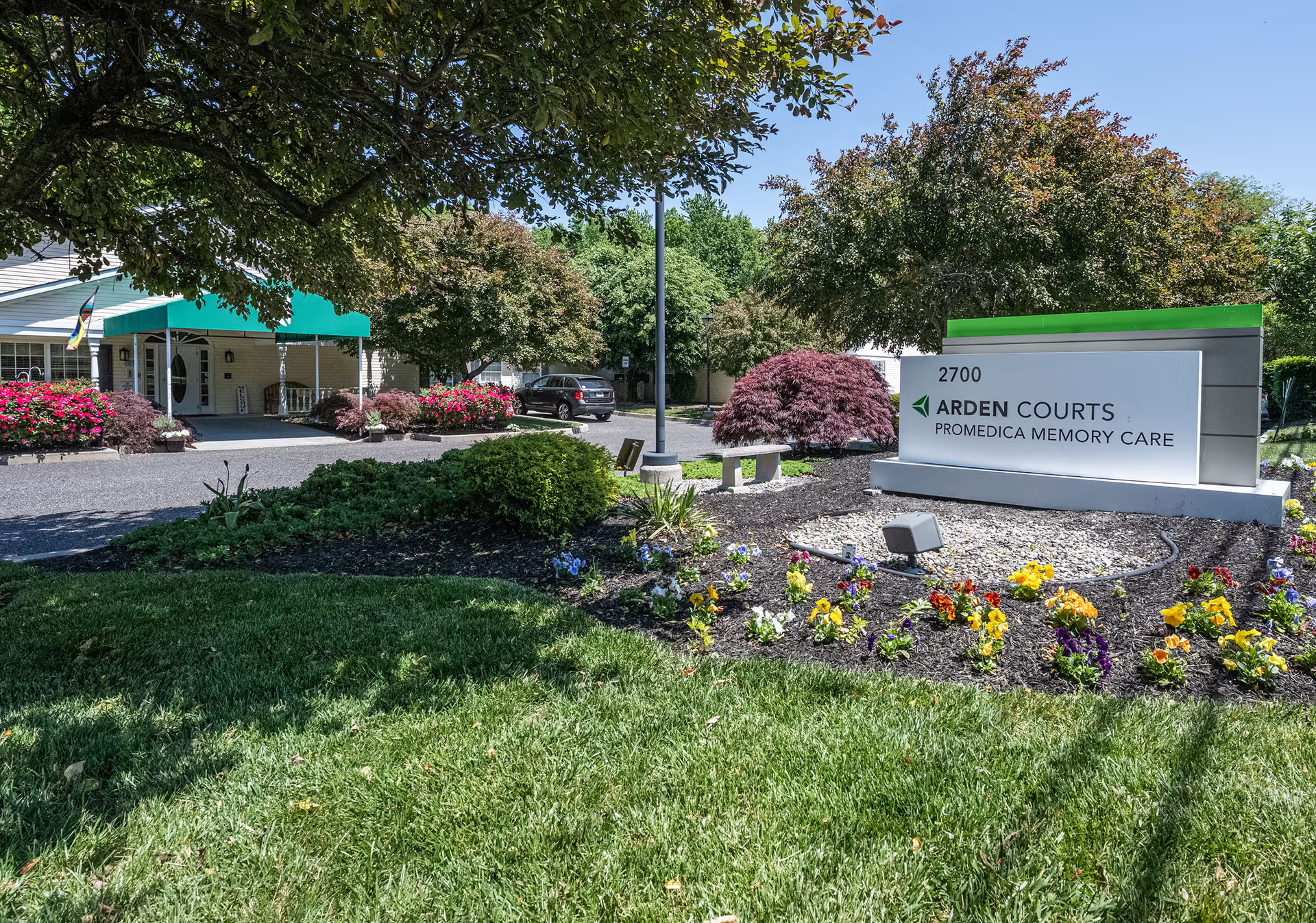
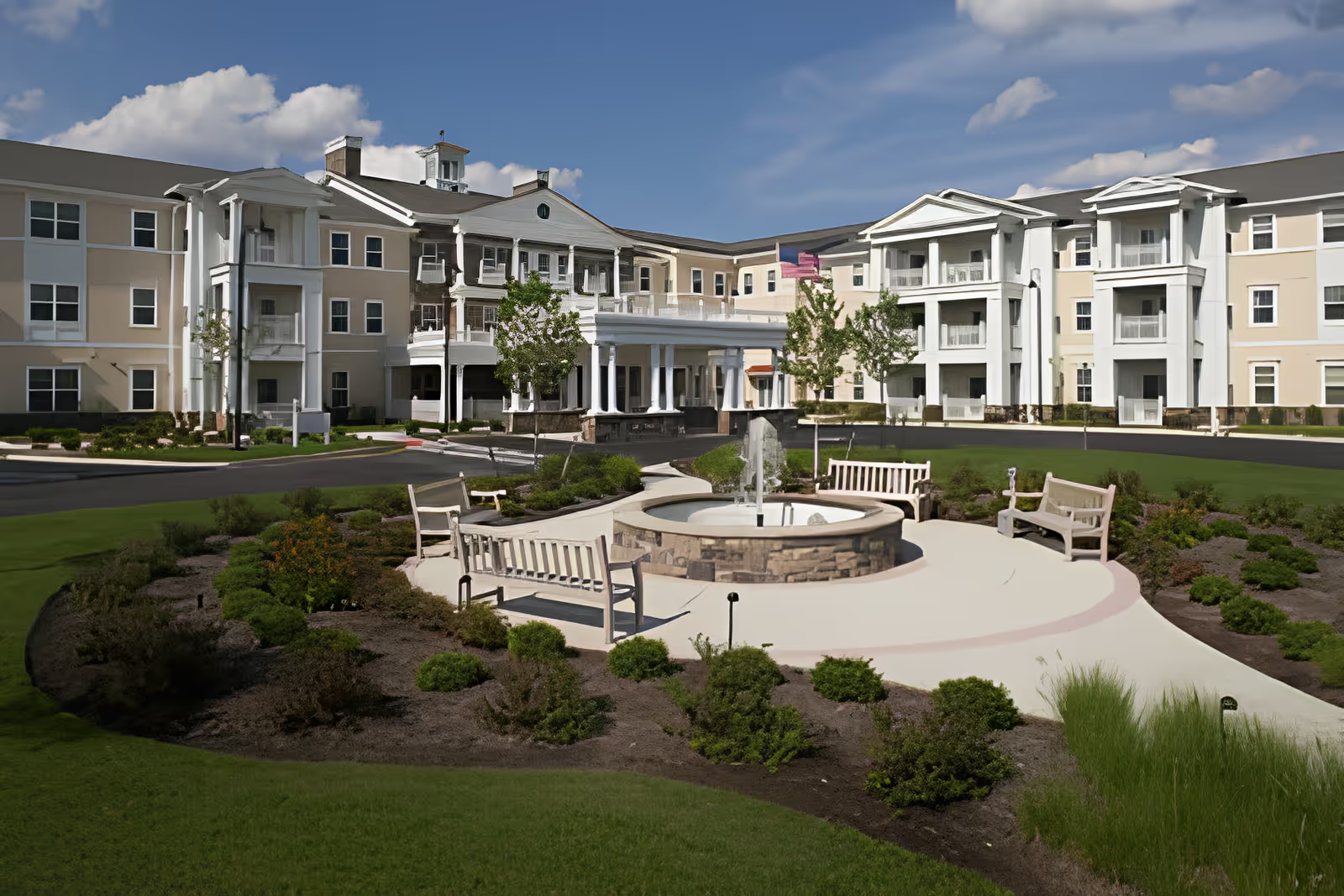
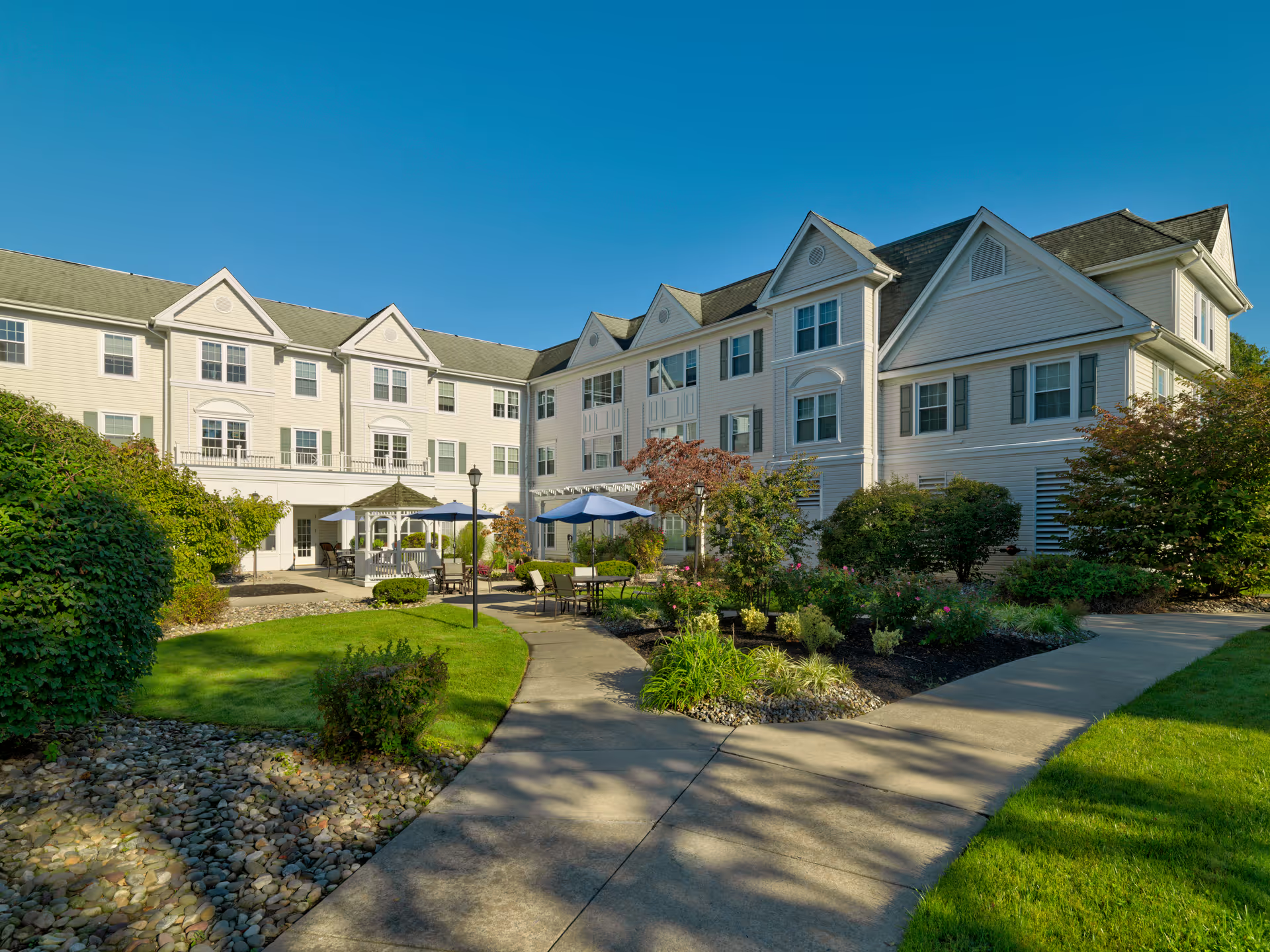
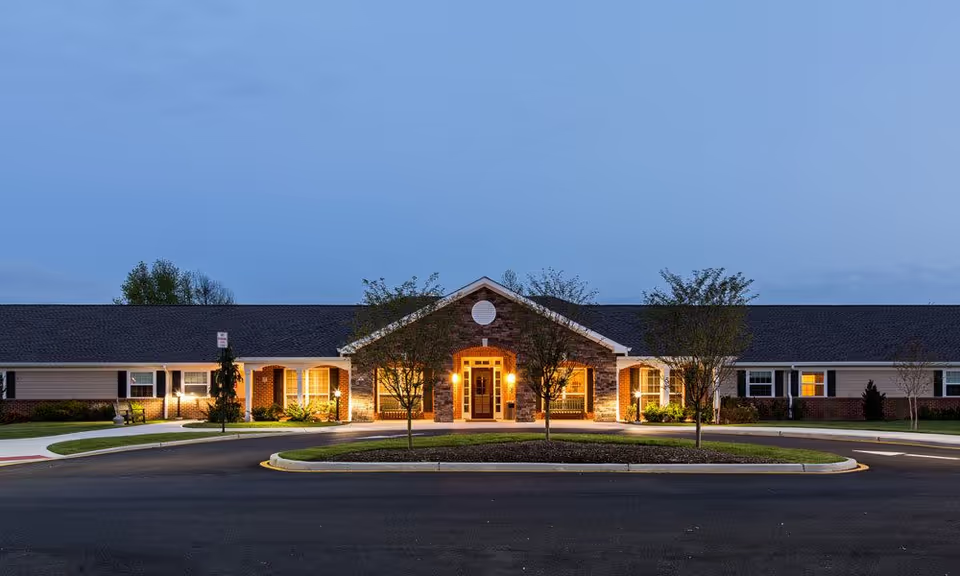
Brandywine Moorestown Estates presents as an upscale, well‑maintained senior living community with a clear emphasis on social programming and resident engagement. Many families and residents highlight the facility's attractive grounds, bright apartments, and clean public spaces; community amenities such as a movie theater, pub area, landscaped gardens, and on-site rehab contribute to a resort‑style environment. Admissions and administrative staff receive consistent praise for being professional and helpful, and the community appears to have established pandemic protocols and clear health communications that reassured visitors and families.
Care and staffing are among the community's strongest perceived attributes: reviewers frequently describe caregiving staff as compassionate, attentive, and relationship‑oriented, with a culture that makes residents and families feel supported. The facility offers 24/7 nursing coverage and aging‑in‑place services, plus memory‑care programming and coordinated transportation logistics. At the same time, there are recurring concerns about staffing consistency and aide availability, and some families described a variation in clinical quality between assisted living and sub‑acute units. Prospective families should clarify staffing ratios, turnover, and specific practices in higher‑acuity areas prior to move‑in.
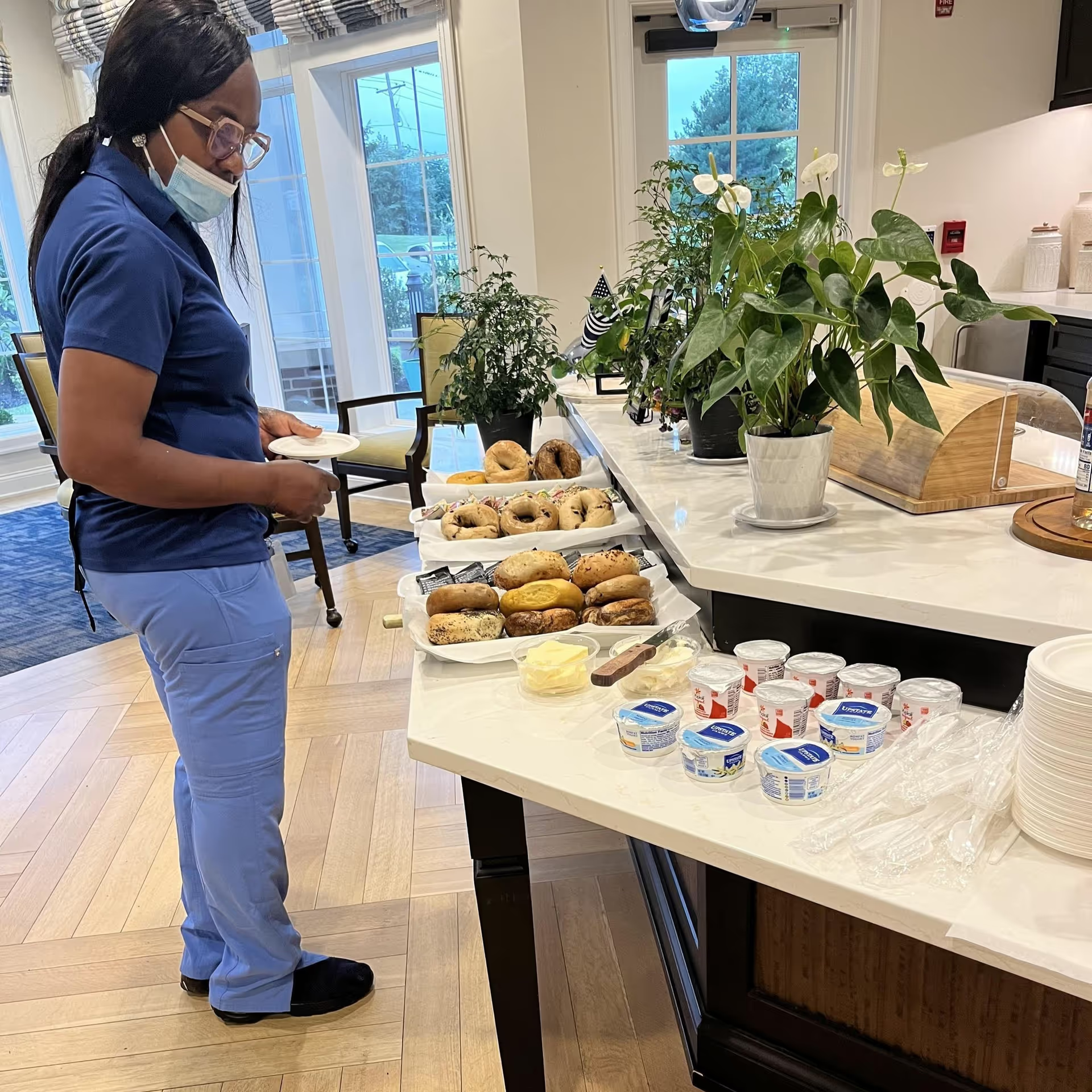
Dining and activities receive substantial positive commentary. The dining program is led by an executive chef, offers daily specials and all‑day dining options, and is a focal point for socialization; many residents enjoy movies, live music, bingo, arts, and regular outings. However, perceptions of food quality are mixed—while several reviewers praised meals and the dining experience, others found the menu less appealing—so individual taste and expectations should be assessed. The activity calendar is broad and energetic, which supports an active social atmosphere; some reviewers noted the programming leans toward a younger senior demographic, so check whether offerings match a prospective resident’s preferences.
Operational and facility-level issues emerge as important caveats. Reviewers raised concerns about personal property management (missing or misplaced clothing and belongings), sanitation inconsistencies in some private spaces and bathrooms, and limited in‑unit kitchen amenities and storage in one‑bedroom apartments. Cost is frequently described as high, and several comments framed pricing as disproportionate to perceived value in certain areas. A small number of reviewers also described staff background and safety concerns; these comments warrant direct inquiry with management about hiring, vetting, and ongoing staff oversight procedures.
In summary, Brandywine Moorestown Estates appears to offer a welcoming, activity‑rich environment with a strong administrative team and many compassionate caregivers. It is likely to suit prospective residents who prioritize social engagement, daily dining as a community focus, and an attractive campus with on‑site rehabilitation services. Prospective residents and families should, however, investigate staffing levels (particularly in higher‑acuity units), personal‑property and laundry controls, specific apartment layouts and storage, menu samples, and the facility’s approach to staff vetting to ensure the community’s strengths align with their priorities and care needs.