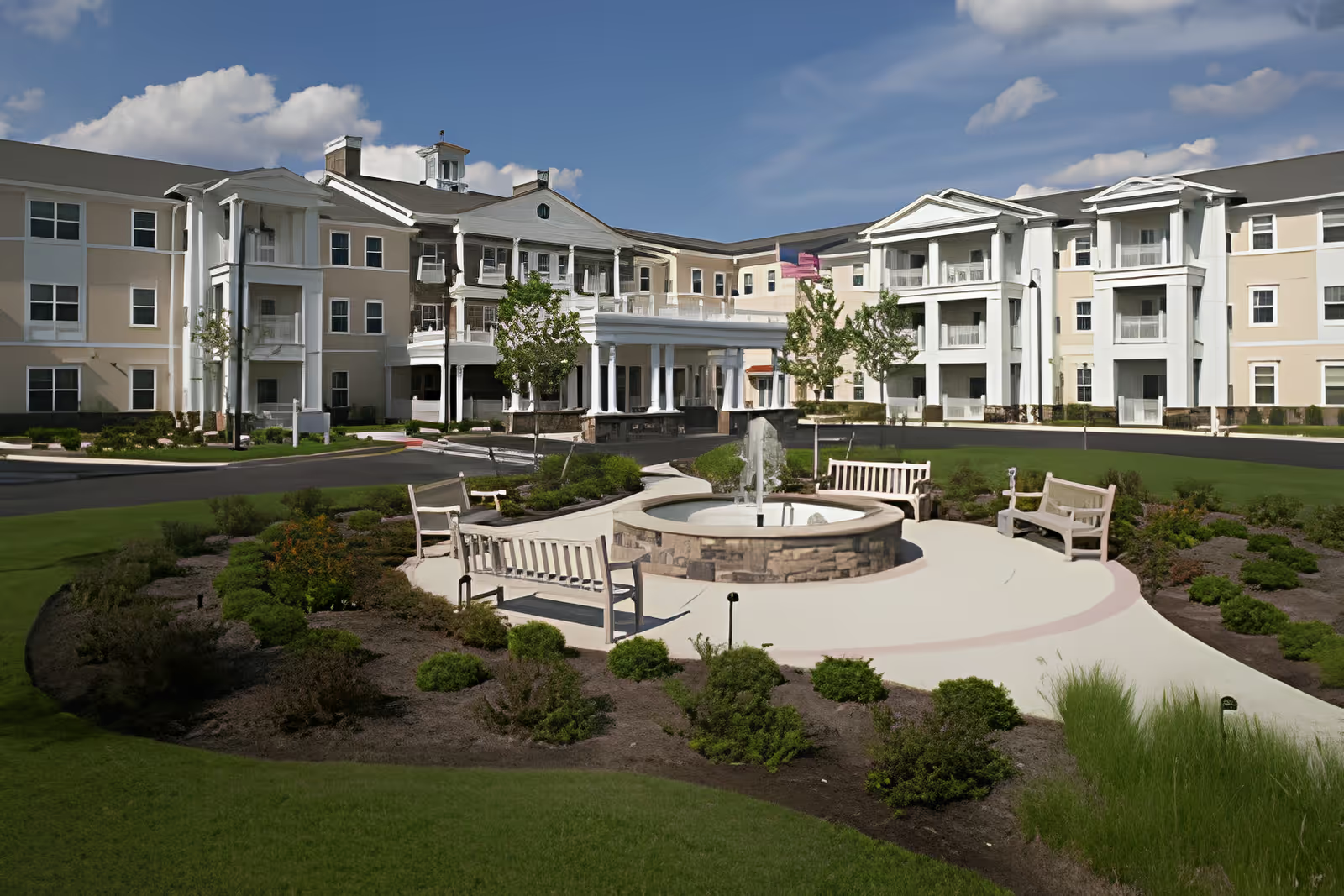
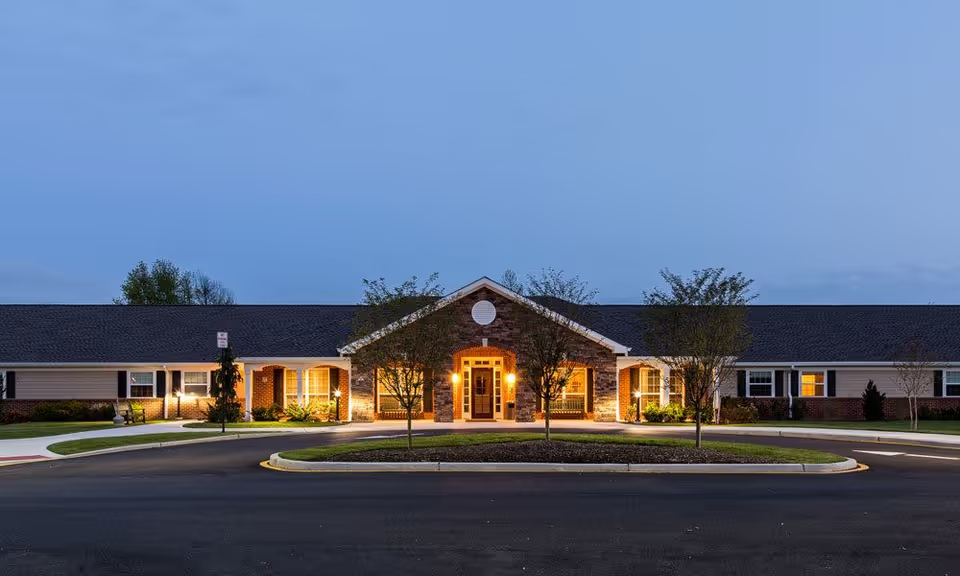
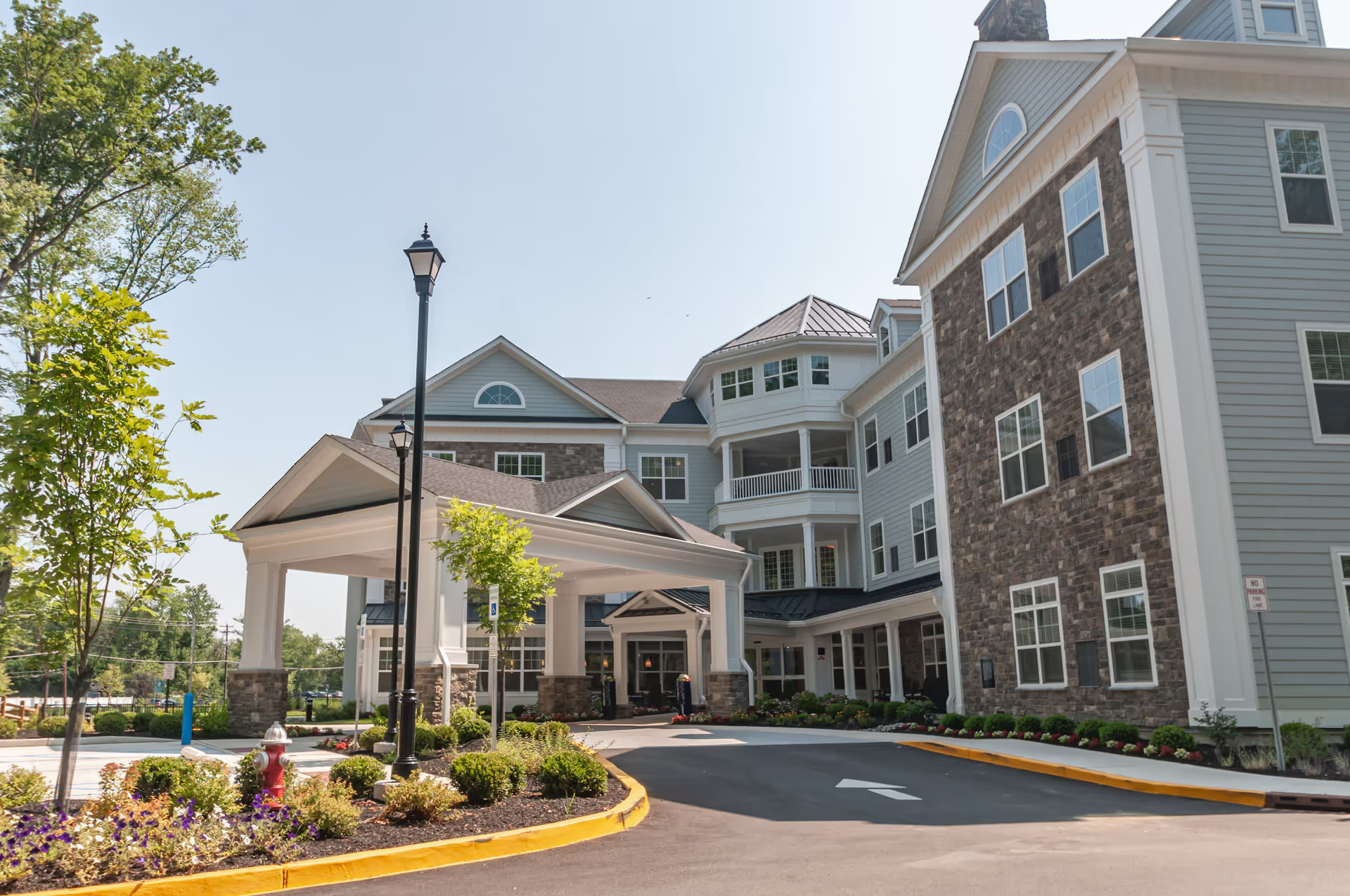
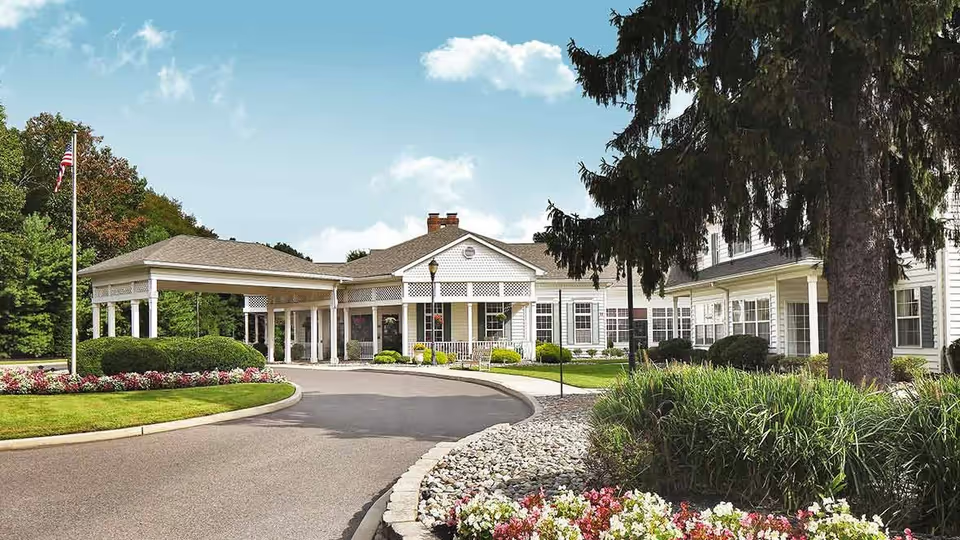
Overview The Residence at Cherry Hill elicits a broadly positive impression on several fronts while also showing recurring operational weaknesses. Strengths center on caregiving culture, communal amenities, and admissions experience: families consistently describe staff who are compassionate, engaged, and resident-focused, and they frequently compliment an active sales/marketing team that provides thorough tours and transition support. Physical spaces are often characterized as clean and well maintained, with private apartments, kitchenettes, ample storage, and an accessible enclosed garden or courtyard that residents use regularly.
Care quality and clinical services Care quality is portrayed as generally strong for routine assisted-living needs. Reviewers highlight attentive CNAs, Wellness nurses on each floor, and staff willing to go above and beyond for residents’ daily needs. The facility provides laundry, housekeeping, transportation to medical appointments, and feeding assistance where required. That said, there are recurring concerns about consistency when higher-acuity care is required: understaffing, long call-response intervals, and variability in clinical coordination were noted. There are also isolated, serious accounts that raise concerns about emergency response and clinical decision-making; while these appear to be individual incidents, they indicate a need for clearer protocols and family communication during clinical events.
Staff and management Staff interactions are a clear asset in many accounts—caregivers, activity staff, and floor nurses receive frequent praise for kindness, professionalism, and personalized attention. The sales and admissions team is repeatedly credited with making transitions smooth and reducing family stress. Counterbalancing this, reviewers identify variability in administrative professionalism and communication. Specific operational issues include delayed nurse evaluations, difficulties with office staff responsiveness, refunds and billing clarity, and inconsistent follow-up after incidents. These patterns suggest gaps in front-office processes and in the coordination between clinical staff and administration.
Dining and activities Dining and menu flexibility are often cited positively: a chef who addresses dietary needs, pleasant meals, and accommodating staff. However, there are recurring notes about limited menu variety and fewer diabetic-friendly options in some cases. Activities programming is a strength in the assisted-living side—live music, thematic events, bus trips, and frequent daytime engagement are common. Memory-care programming shows a mixed picture: some units are described as purposeful and therapeutic with structured curricula, while other accounts point to limited activities in late afternoons/evenings and a lack of dementia-appropriate engagement. This inconsistency suggests the need for better resourcing or scheduling of memory-care programming.
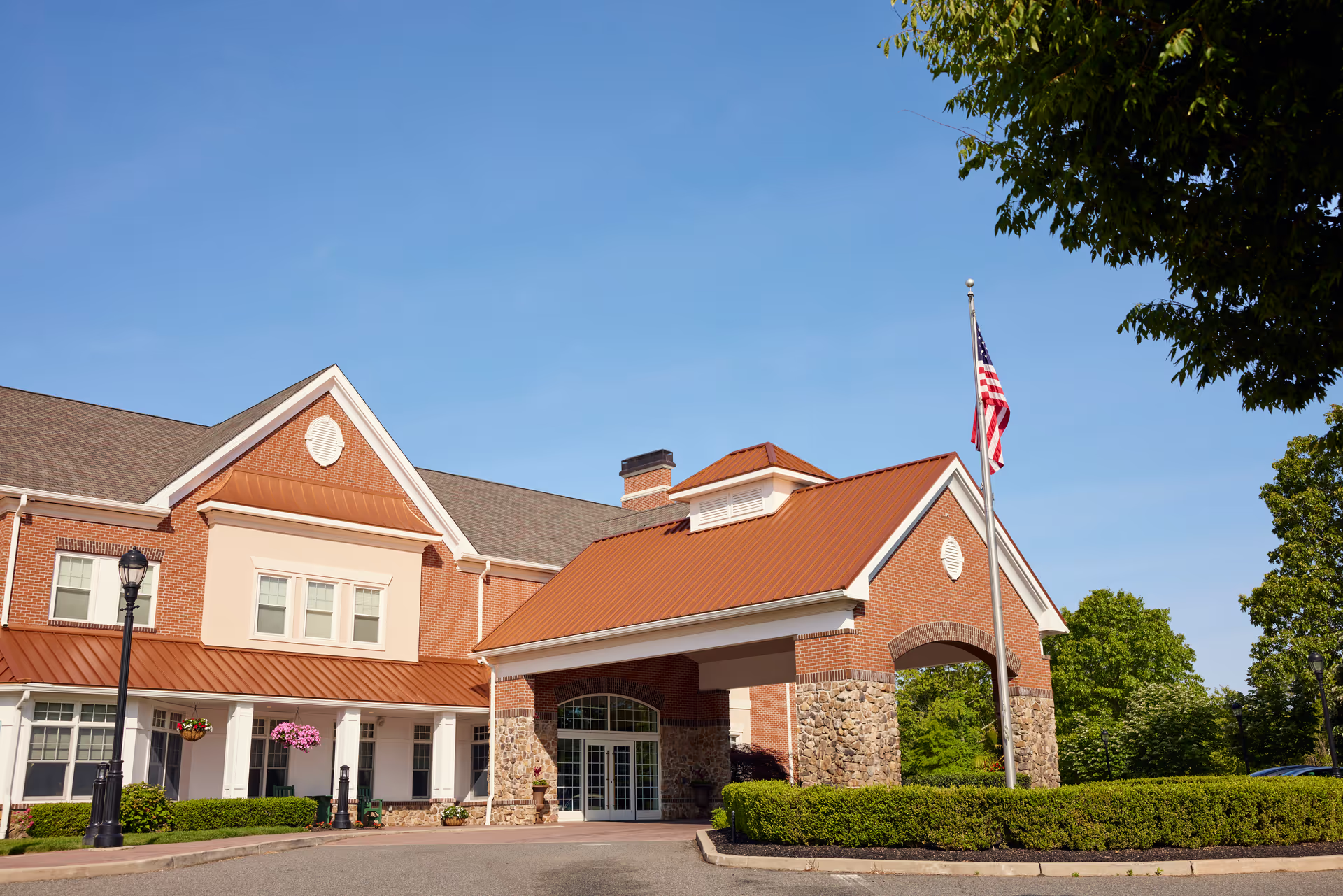
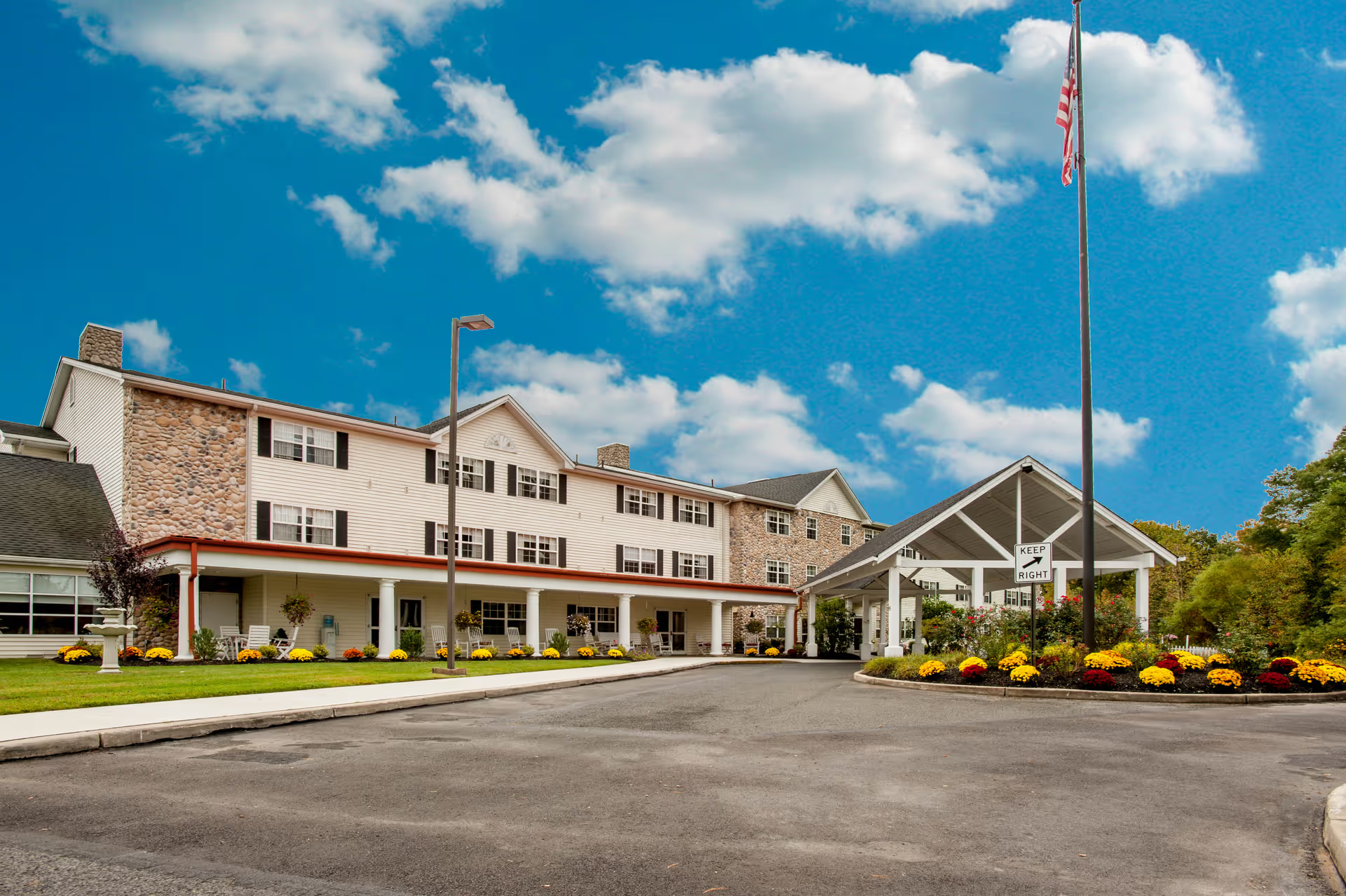
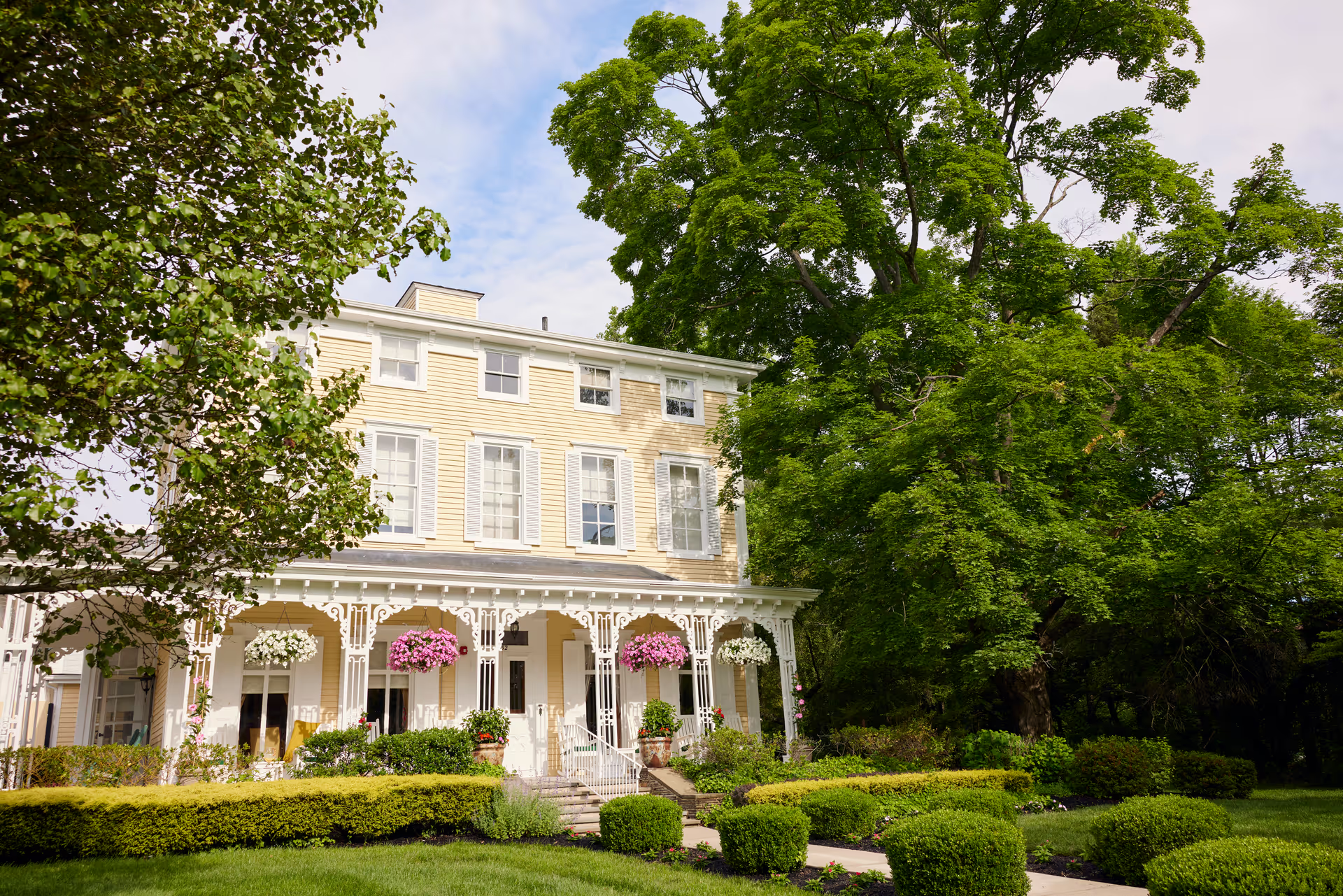
Facilities and accessibility Physical facilities range from newer, inviting spaces to older units that may need refurbishment. Many reviewers praise the cleanliness and layout of common areas, activity rooms, and amenities such as theaters and dining rooms. Accessibility concerns appear in certain units: sharp corners, limited in-room accessibility for wheelchair-bound residents, and parts of the building that feel dated. Overall, the property provides a homelike environment, but families with higher physical-access needs should verify unit-specific accommodations.
Notable patterns and recommendations for families Two clear patterns emerge: (1) a strong front-end experience—engaged admissions staff, supportive move-in, and visible activity programming—and (2) variability in clinical staffing, administrative responsiveness, and memory-care consistency. Prospective residents and families who prioritize warm staff interaction, active daytime programming, and a clean environment may find the community a good fit. Families with residents who require frequent clinical interventions, higher-acuity nursing, or consistent dementia-specific engagement should investigate staffing ratios, on-site medical coverage, fee transparency, and the memory-care schedule in detail. Asking for recent staffing data, a copy of incident/notification protocols, menu options for special diets, and a unit-specific accessibility walkthrough will help align expectations with actual unit-level conditions.
In summary, The Residence at Cherry Hill offers many of the desirable attributes families seek—compassionate staff, engaging programming, comfortable apartments, and strong admissions support—while also exhibiting operational areas that warrant careful inquiry, particularly around staffing consistency, administrative communication, memory-care resourcing, and pricing transparency.