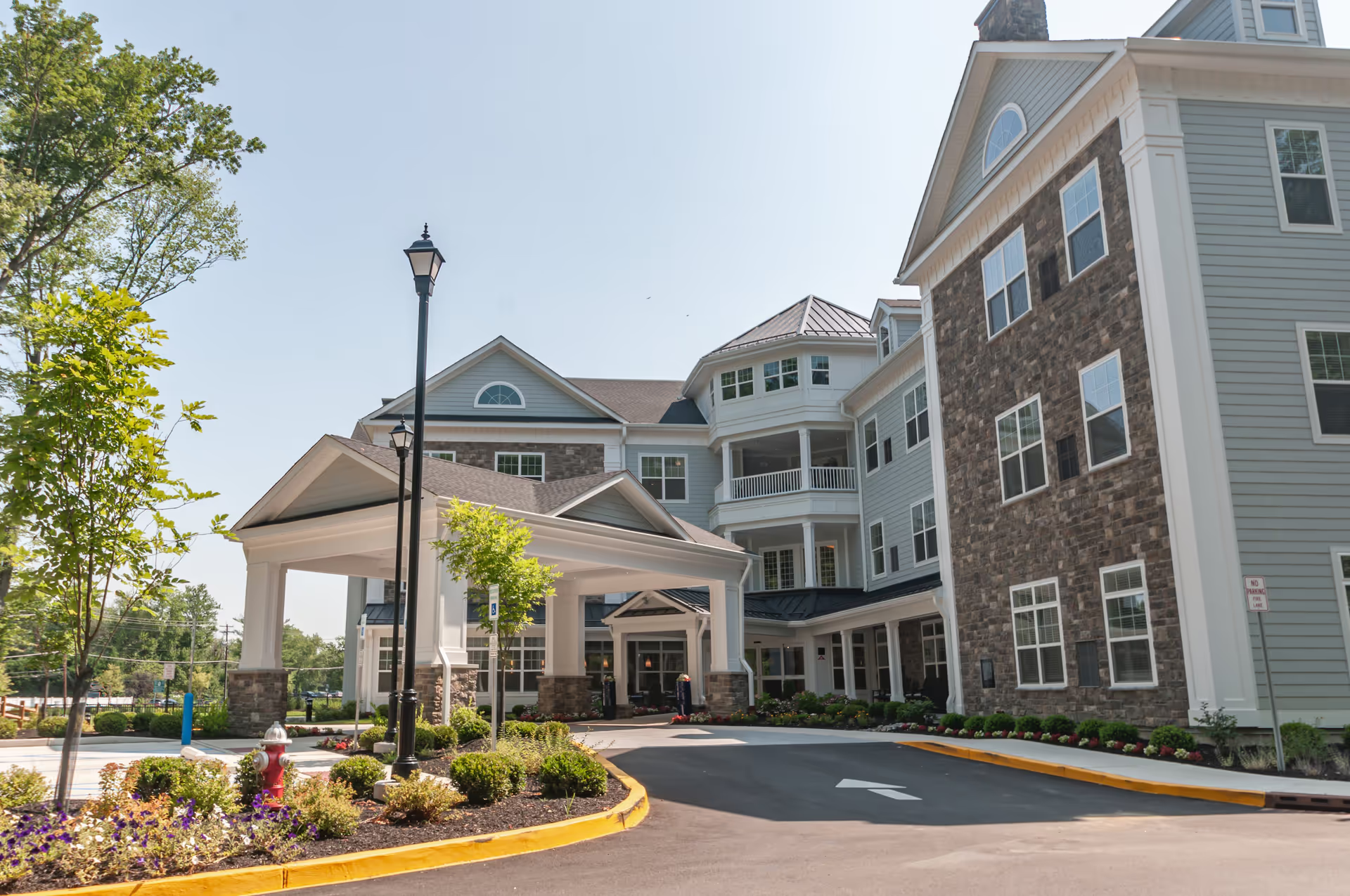
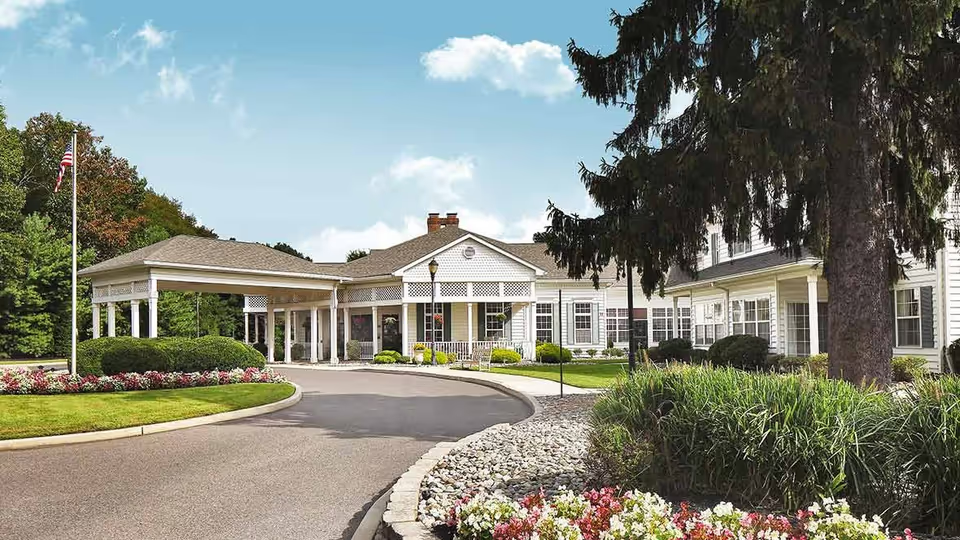
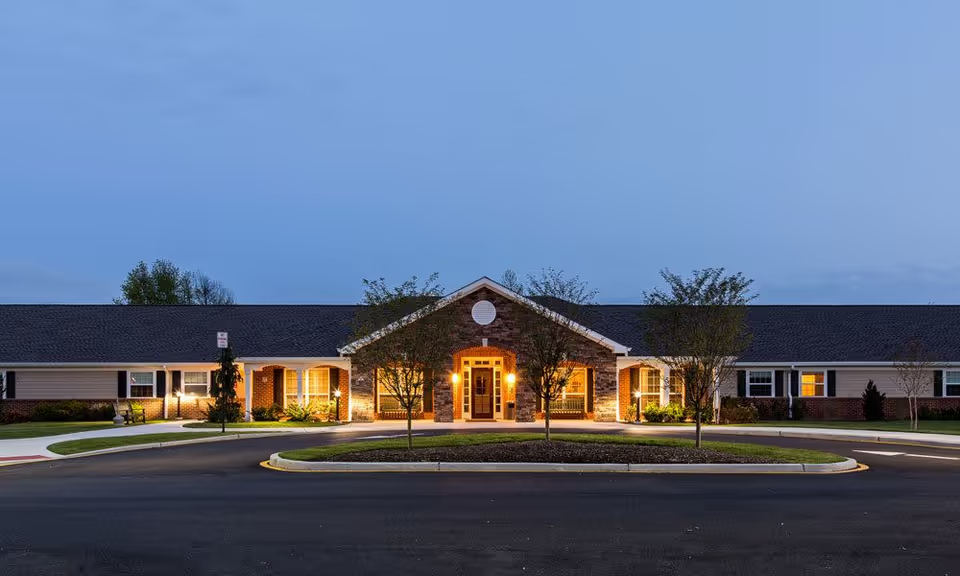
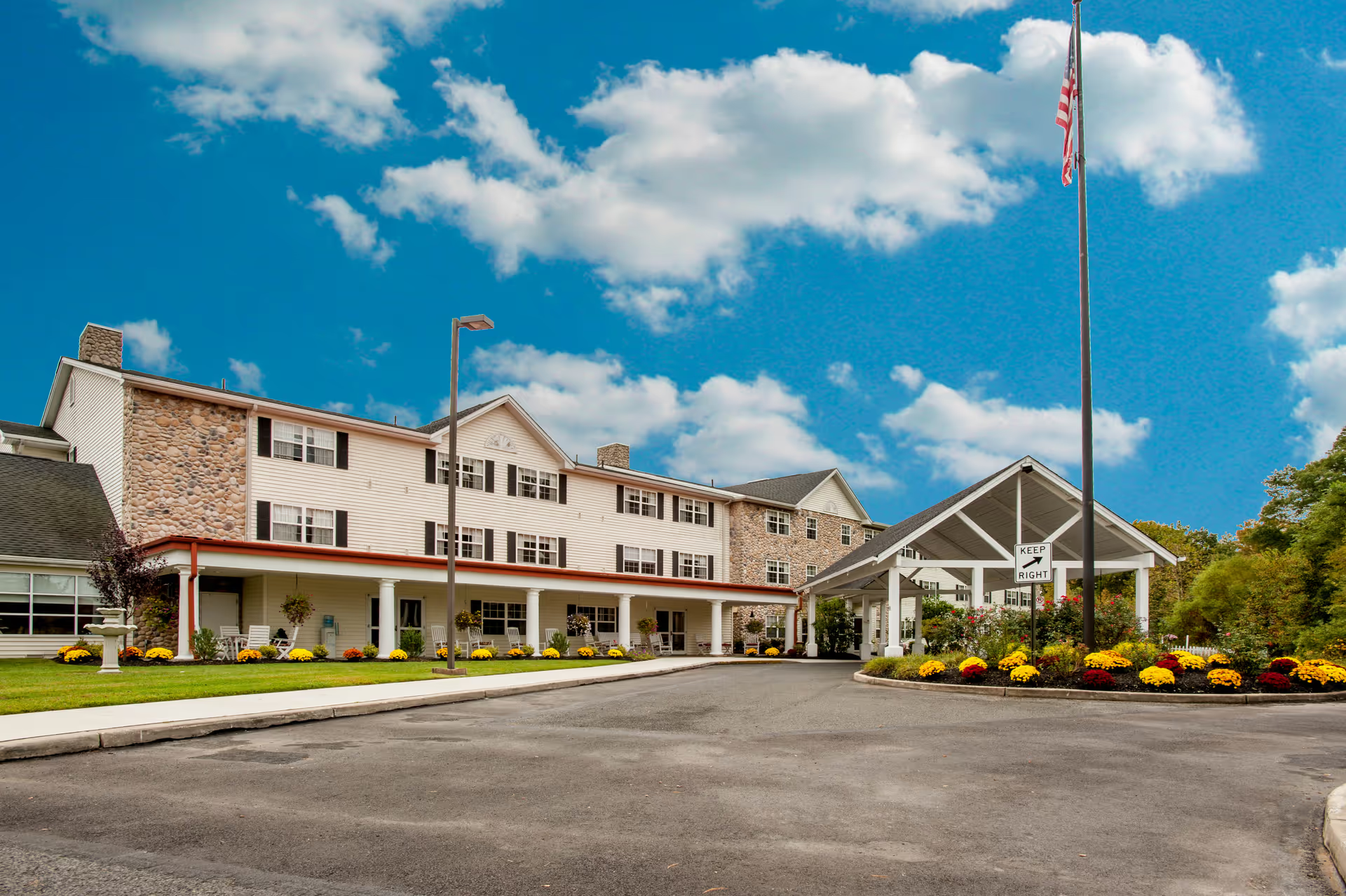
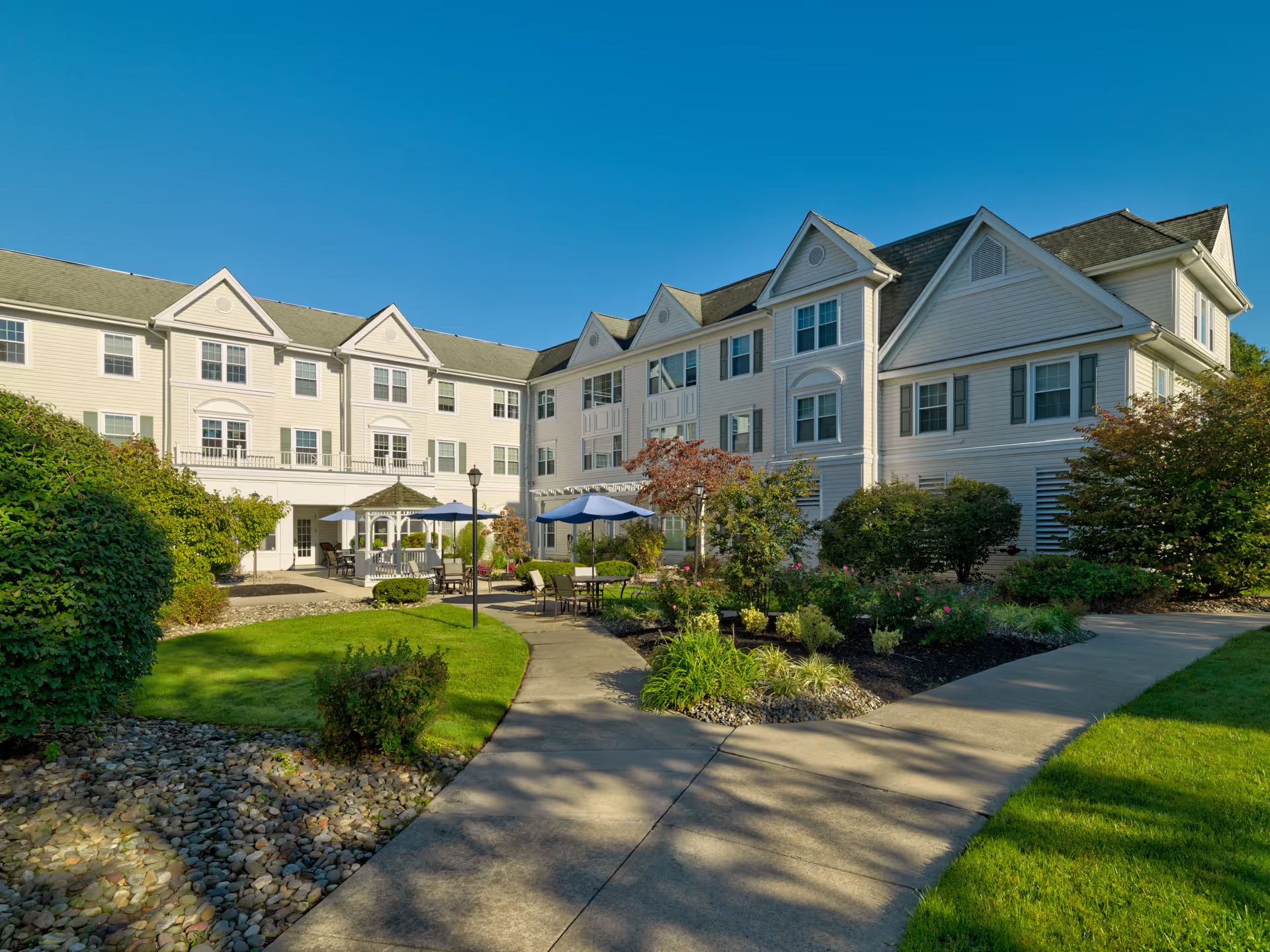
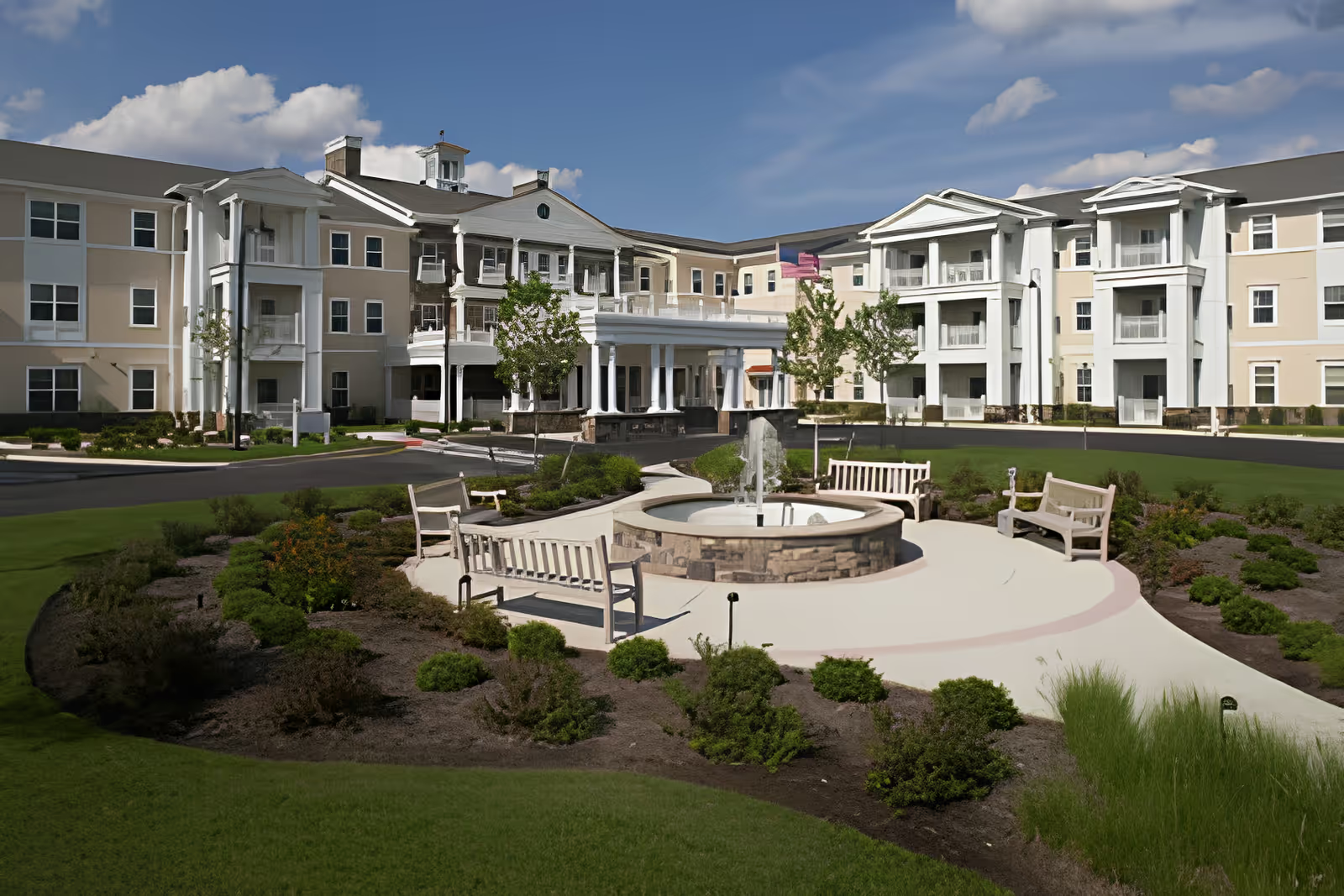
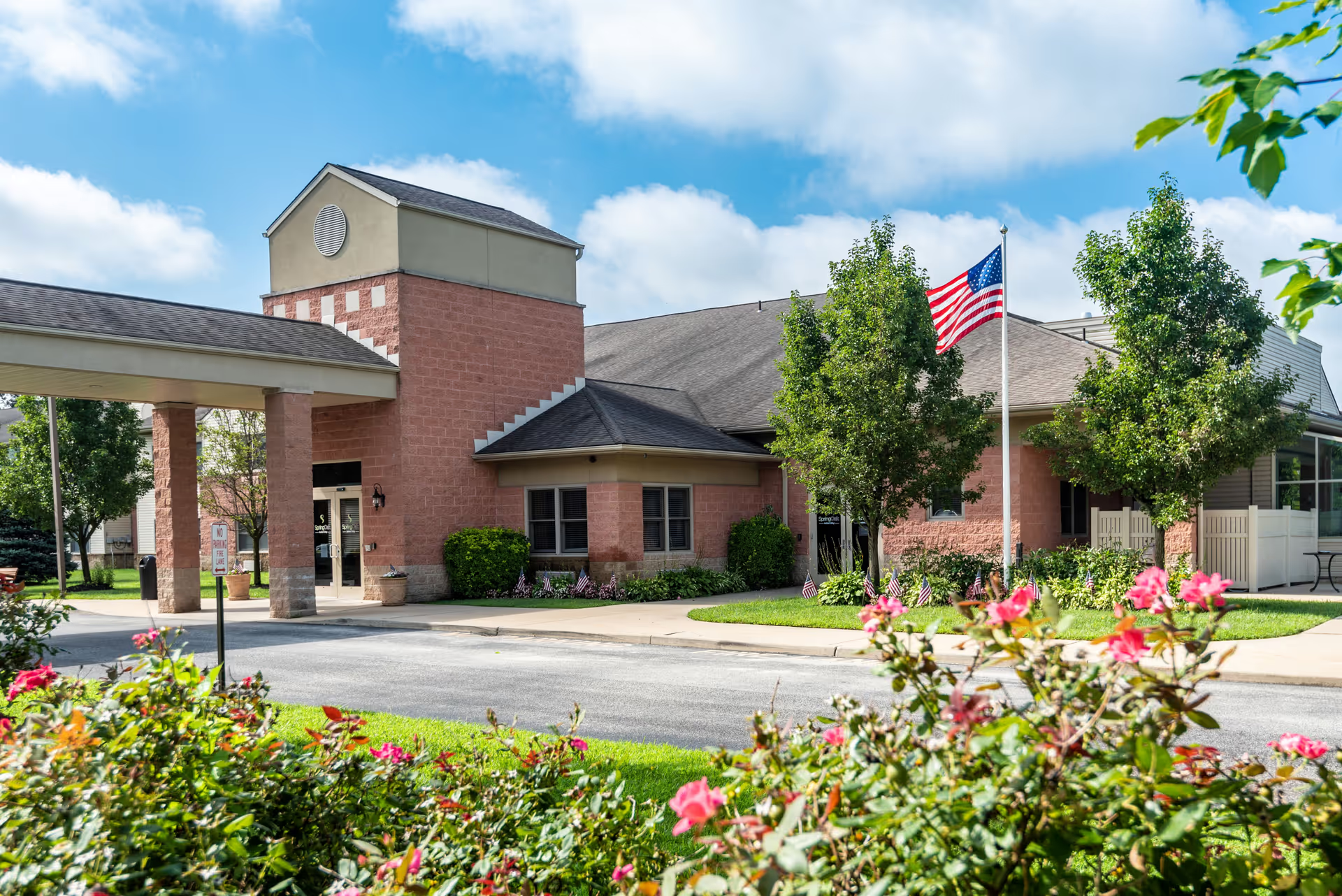
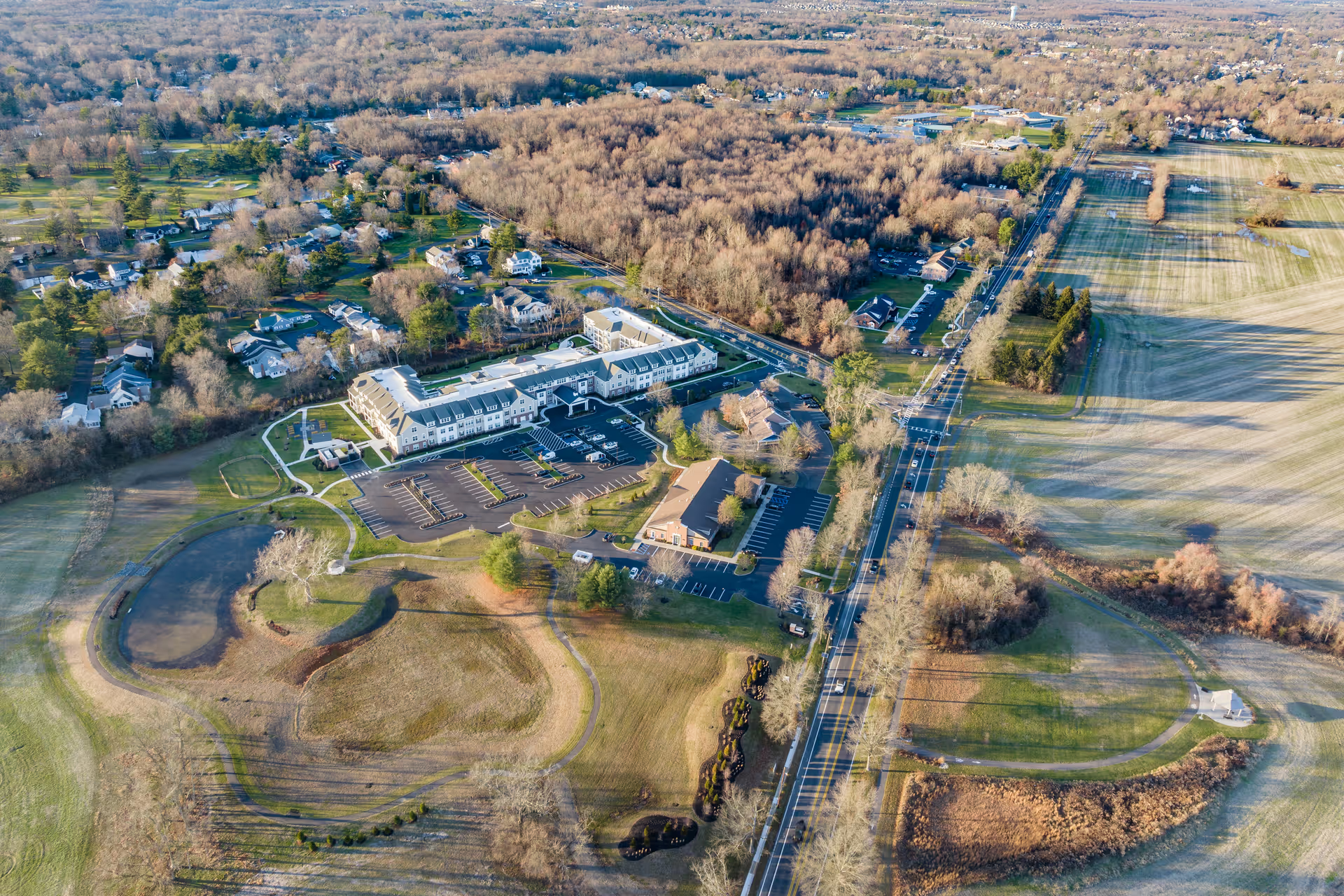
Brandywine Voorhees presents as an upscale, hospitality-oriented assisted living and memory-care community. Across the reviews there is strong, consistent praise for the facility’s hotel-like environment: well-maintained, newly built public spaces, elegant dining rooms, a library, music and theatre venues, salon services, and multiple social spaces that support a high level of resident engagement. Families and residents commonly highlight the move-in assistance and concierge-level attention that contribute to a smooth transition.
Care and staffing are frequently described as the facility’s core strength. Reviewers emphasize compassionate, personalized caregiving, visible nursing leadership, and 24-hour licensed-nurse coverage. The Reflections memory-care program is repeatedly noted for structured daytime activities, safety, and clinical oversight. Many families report proactive communication from care managers and positive responsiveness by leadership during routine needs and pandemic-related precautions. At the same time, a limited number of reviews cite concerns about medication administration lapses, including at least one serious incident; prospective families should verify current medication-safety protocols, incident history, and staffing ratios during their tour.
Dining, activities, and enrichment are substantial selling points. The dining experience is described as elegant with flexible, all-day menu options and dietary accommodations; activities range from live music, theatre, and movies to exercise classes, crafts, day trips, and regular social events such as Happy Hour. These offerings appear to support social belonging and cognitive engagement for many residents. However, reviewers also describe variability in food quality and service consistency over time, and some observations tie that variability to operational or staffing changes.
The physical plant supports both therapy and leisure, with on-site PT/OT, an indoor pool and spa, a theatre, and accessible transport services. That said, several practical limitations recur: many apartment units are described as compact with limited storage and modest in-room appliances, and some therapy and pool areas are characterized as undersized. Peak-time crowding in dining and common areas was noted on occasion. Those trade-offs are relevant for families prioritizing larger private living space or expanded therapy capacity.
Management and operational patterns show both strengths and risks. Multiple reviewers name and praise individual leaders and frontline staff who facilitate transitions and day-to-day care. Conversely, there are comments suggesting operational instability after an ownership transition, including staffing reductions and fewer activities in some accounts. Communication-style concerns and occasional lapses in staff professionalism are also described by some families. Given the facility’s relative newness, programming and staffing appear to be evolving; verifying current staffing levels, turnover, and program schedules is recommended.
Overall, Brandywine Voorhees is positioned as a high-end, activity-rich community with strong clinical leadership and a hospitality focus that many families find reassuring. Prospective residents who value upscale surroundings, abundant social programming, and accessible clinical services will likely find it appealing. Those with tighter budgets, a need for larger private apartments, very intensive therapy-space requirements, or concerns about medication-safety consistency should ask targeted questions during a visit (current staffing ratios, medication-administration safeguards, recent clinical incidents, and program continuity after ownership changes) to ensure alignment with their priorities.