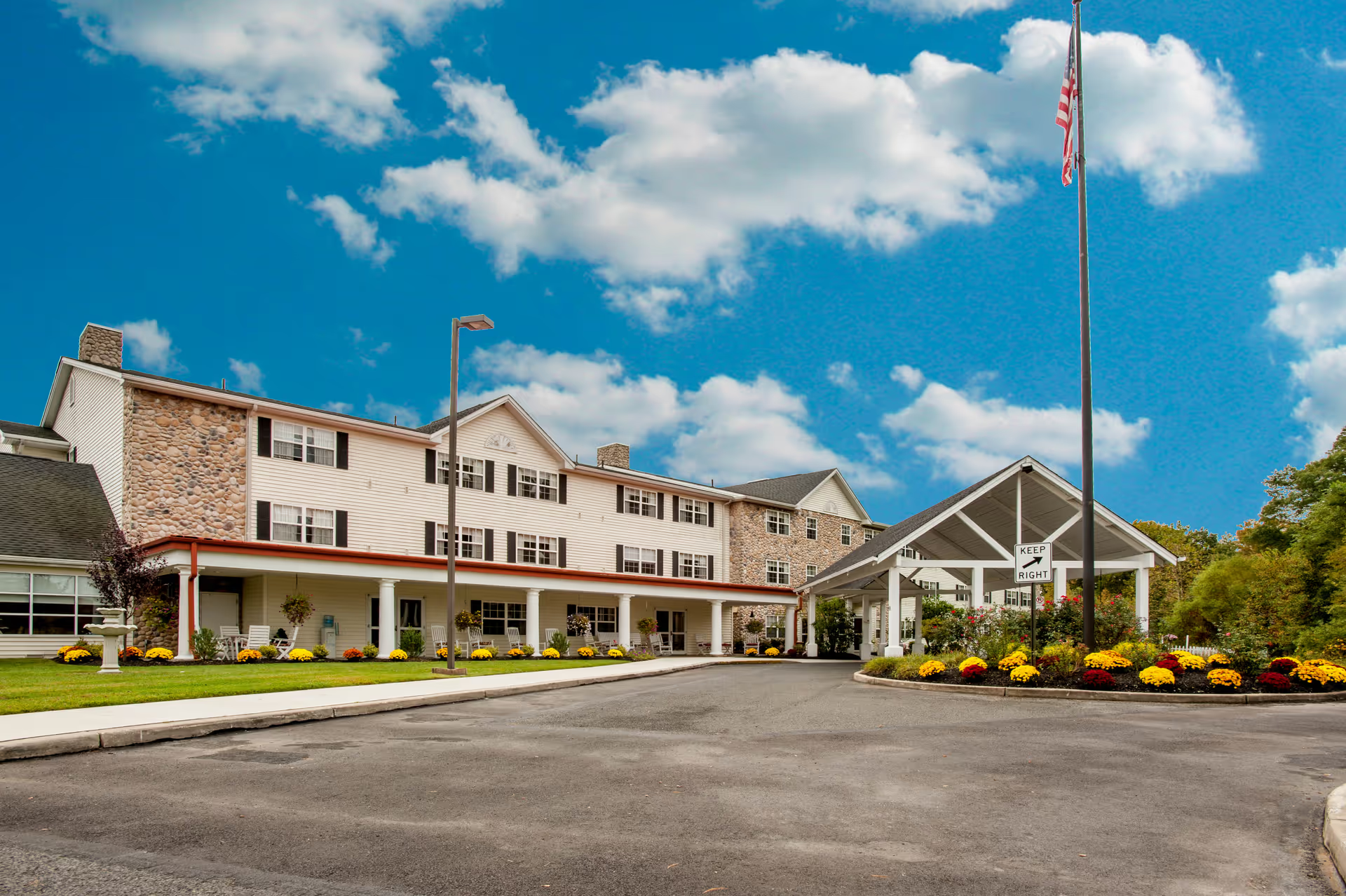
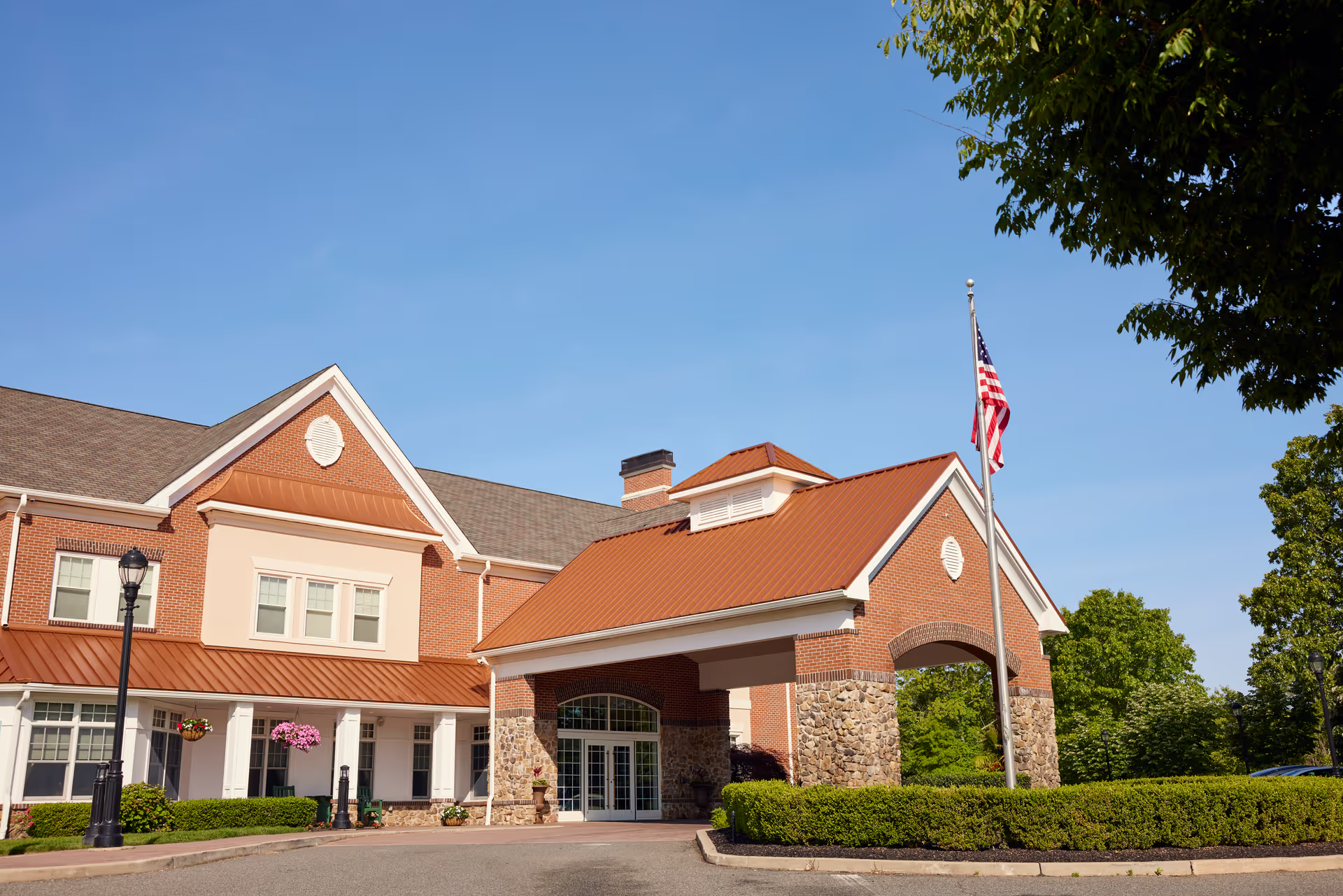
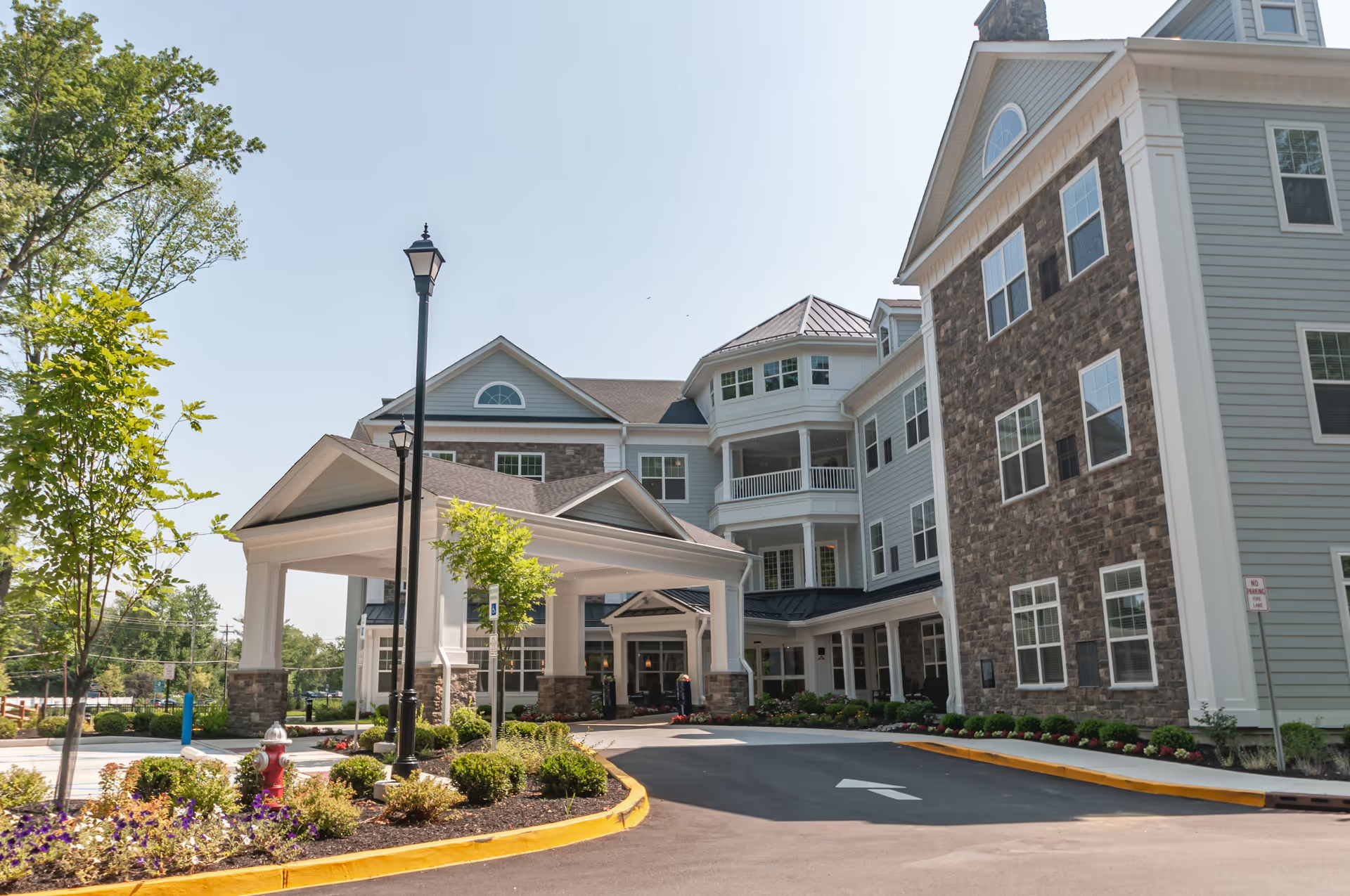
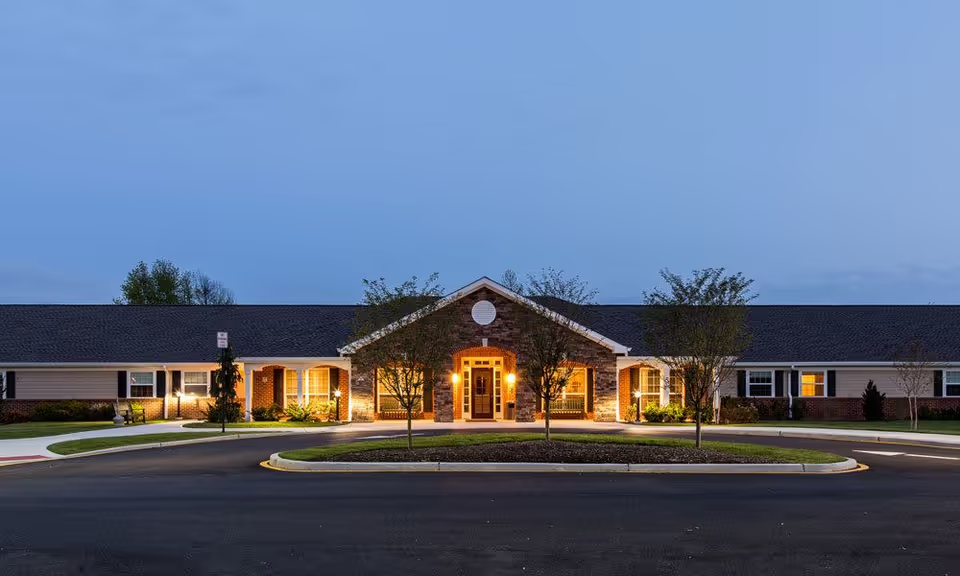
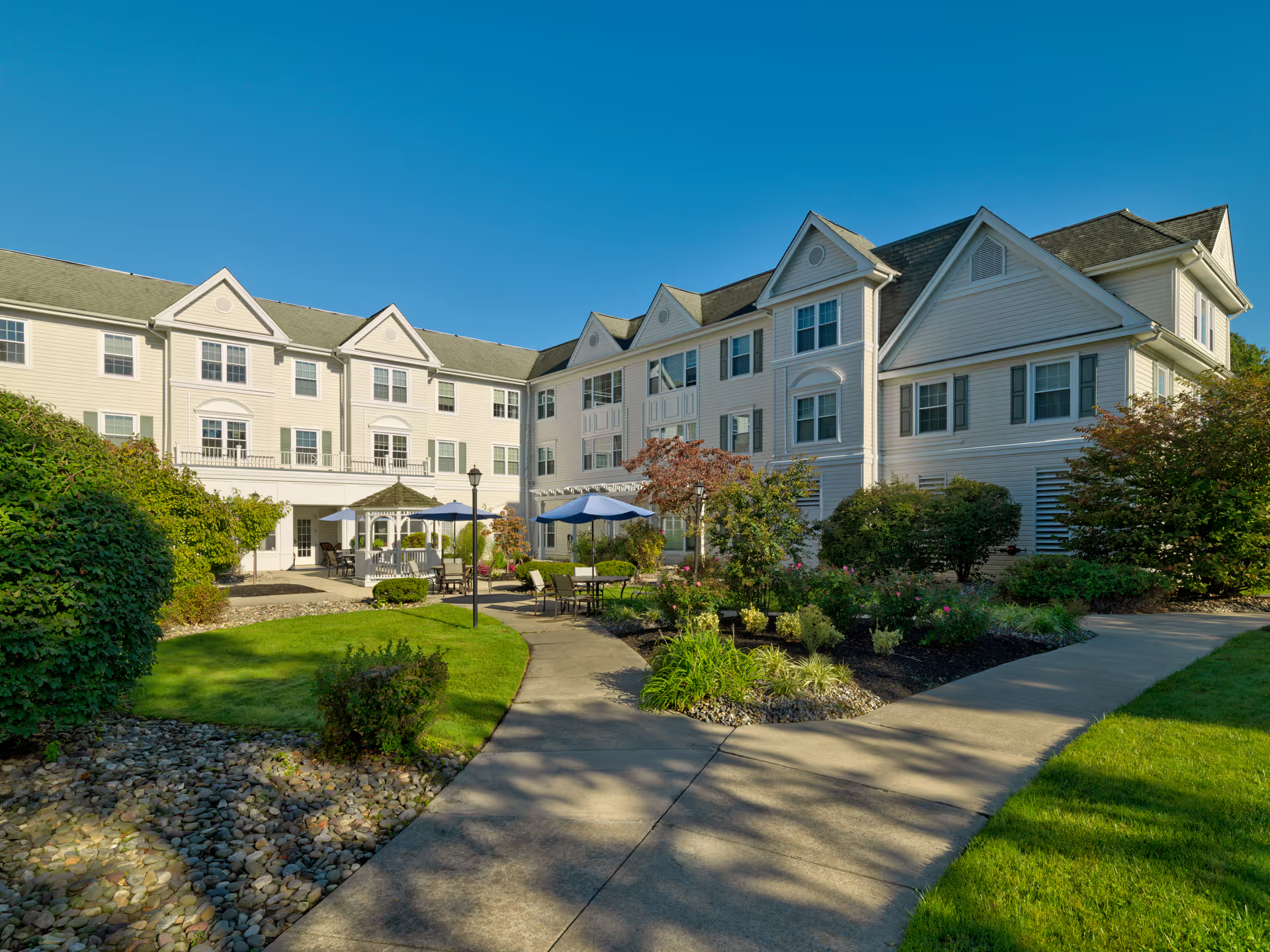
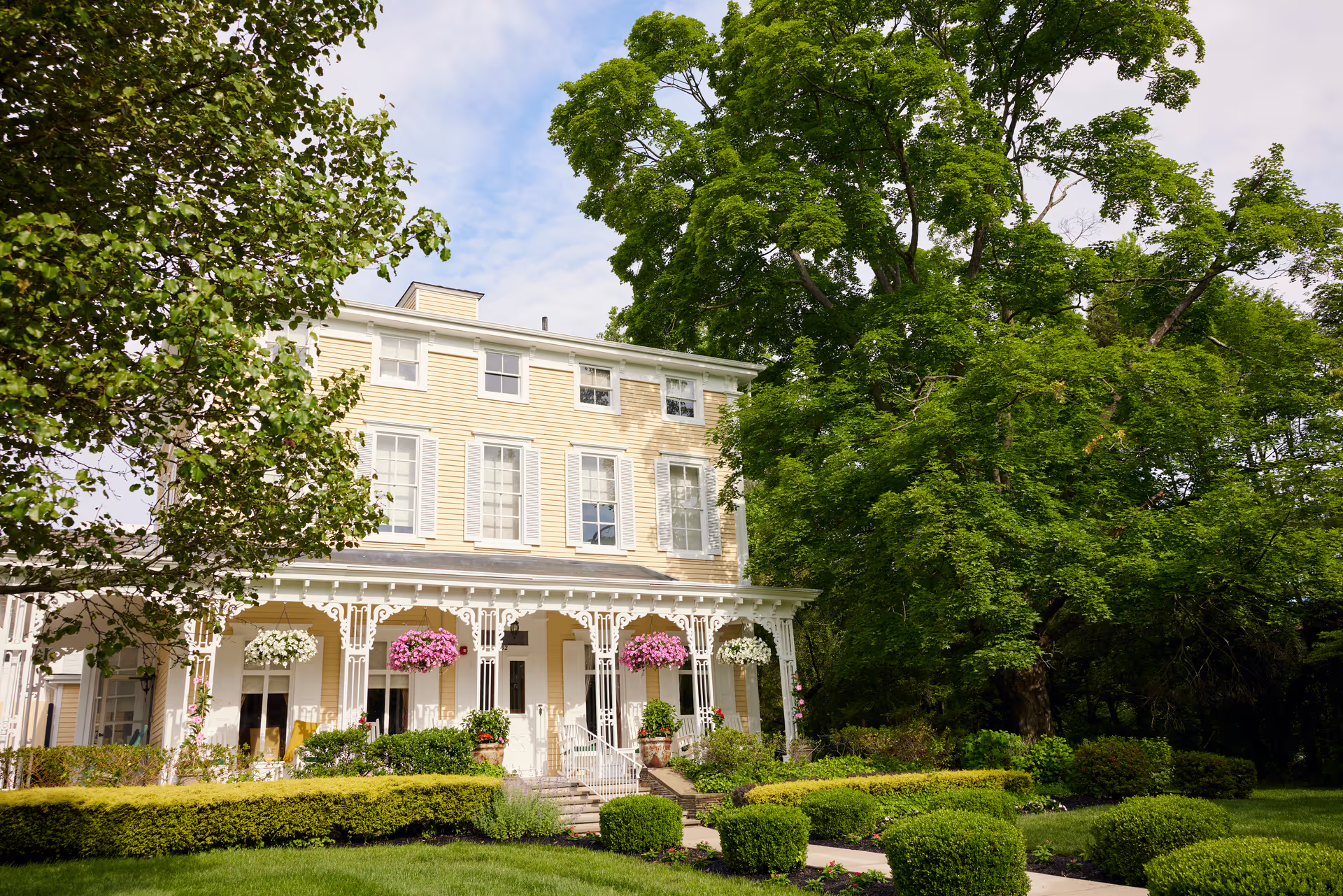
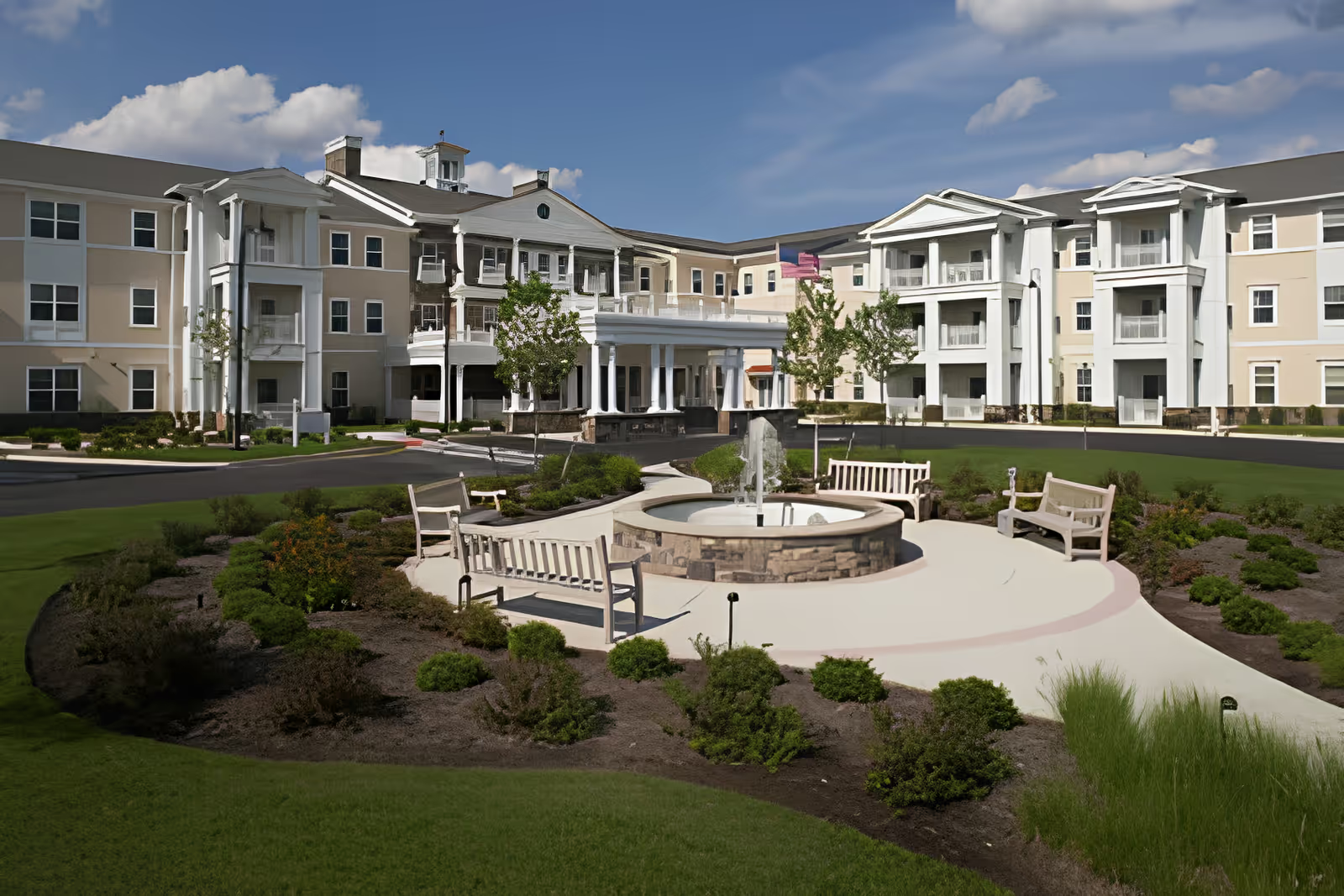
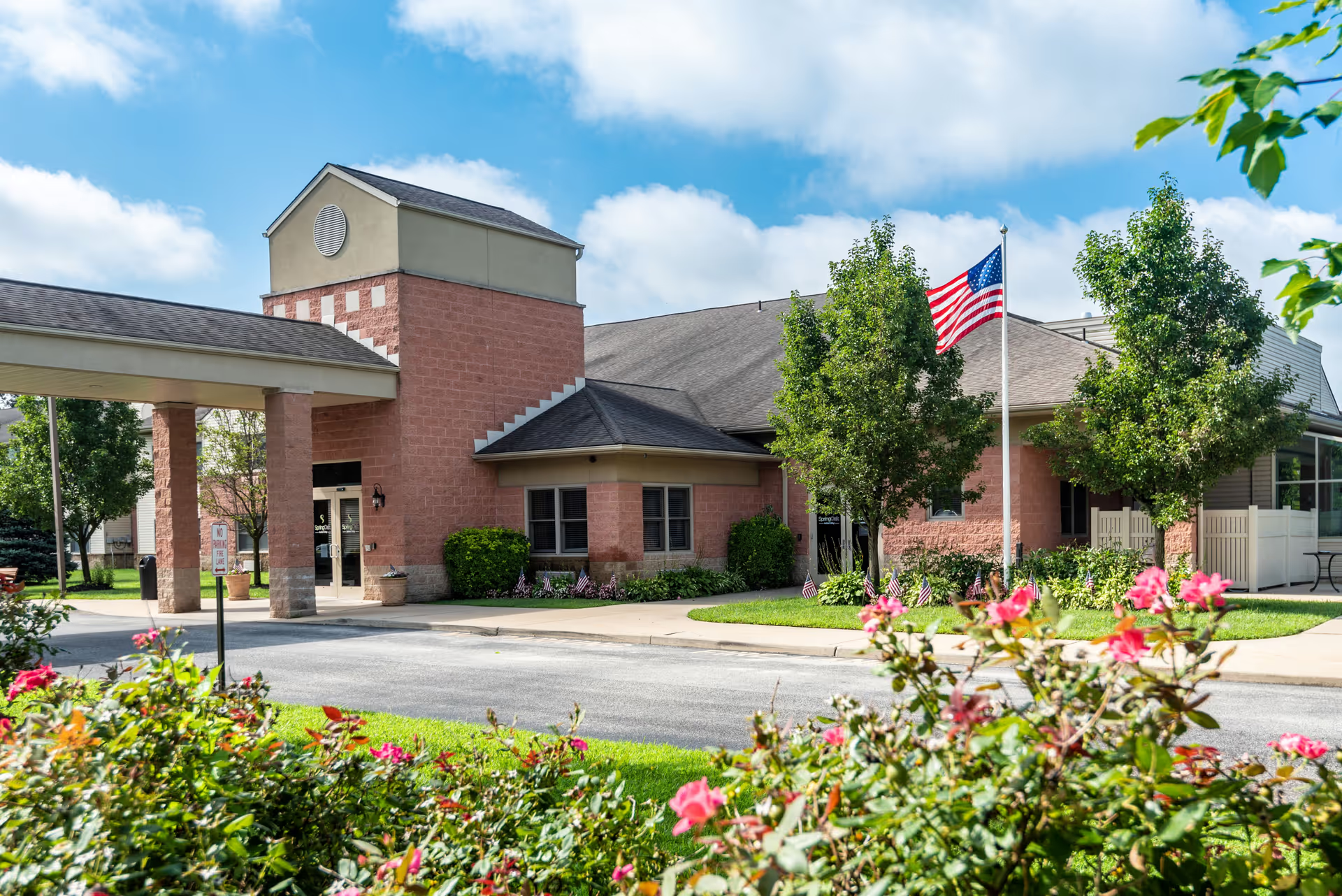
The Residence at Voorhees is frequently described as a small, home-like senior community with a strong emphasis on social engagement and culinary offerings. Many families and residents praised the welcoming atmosphere, well-kept grounds, and interior cleanliness. Reviewers consistently highlight a friendly direct-care workforce and an executive leadership team that is visible and engaged; those elements contribute to a close-knit community feel and a perception of individualized attention. The facility’s size (about 66 beds in many accounts) supports frequent resident interaction, a robust schedule of activities, and regular outings and transportation to appointments.
Activity programming and amenities are a clear strength. The community offers daily events, exercise classes, arts-and-crafts, music, movie screenings, and organized excursions. Several accounts note that activity staff maintained programming during pandemic-era restrictions and adapted creatively (doorway singing, socially distanced events). On-site amenities such as a movie theater, library, salon, and communal spaces were cited as enhancing quality of life. Reviewers frequently referenced improved mood, increased engagement, weight gain, and cognitive-linguistic benefits for residents who participate regularly.
Dining and culinary services receive largely positive commentary, with multiple references to a talented chef, variety of menu choices, and special dietary accommodations. Families report good meals, holiday dinners, and made-from-scratch items. That said, reviewers also describe variability: while many praise the cuisine, others experienced unacceptable meals or initial kitchen problems that were later addressed. Meal-service consistency and special-meal reliability appear to vary between occasions and households.
Care and clinical operations present a mixed picture. The direct-care staff are commonly described as kind, attentive, and supportive, and several long-term family accounts note continuity of compassionate care. However, operational weaknesses were raised around medication handling, nighttime staffing levels, and emergency-response mechanisms. Multiple accounts reference delays responding to call buttons, malfunctioning alert systems, and periods of limited attention during night shifts. Concerns about medication management and occasional lapses in clinical follow-through suggest variability in clinical processes and supervision. There are also mentions of staff turnover in nursing and med-tech roles, which can affect continuity.
Administrative and policy matters are another recurrent theme. The community uses an a la carte pricing model with additional fees for medications, dining assistance, laundry, and other services; reviewers emphasize the importance of clarifying final costs and understanding which services are included. A few families raised trust and billing concerns tied to unilateral service changes or fee-driven adjustments, and one or two accounts described withdrawal of services linked to payment or level-of-care disputes. These items point to a need for clear, documented financial and service policies during move-in and throughout residency.
Facility-level safety and maintenance issues are uneven. Many reviews praise accessible, well-appointed rooms (suites with kitchenettes, sliding glass doors to patios in some units) and good maintenance attention. At the same time, there are recurring operational concerns: laundry mishandling, pest-control issues in select units, intermittent room-security or access-control lapses, and accessibility barriers in certain apartments (high-step showers or thresholds). Memory-care received specific critique for limited social interaction and an isolated layout in some accounts; families seeking robust memory-support programming may wish to evaluate that unit closely.
Bottom line: The Residence at Voorhees appears to offer strong social programming, a homelike environment, and many examples of committed, personable staff and proactive leadership. Prospective residents and families should weigh those strengths against operational variability in clinical processes, nighttime coverage, emergency-response systems, laundry and housekeeping consistency, and financial transparency. A recommended approach for decision-making is an in-person tour focused on (1) clarifying fee structures and included services, (2) reviewing clinical staffing patterns and on-call/night coverage, (3) testing emergency call responsiveness, and (4) observing the memory-care unit and specific apartment accessibility features. Those steps will help align expectations with the community’s demonstrated strengths and the areas where reviewers suggest caution.