The reviews for Preferred Care at Old Bridge describe a facility with strongly polarized experiences: many families and residents report high-quality rehabilitation outcomes and consistently praise individual staff members and departments, while other accounts describe operational and clinical lapses that materially affected care.
Care quality and clinical services: Rehabilitation services are frequently cited as a major strength — families report intensive, effective PT/OT/ST programs and measurable progress. Several reviews highlight daily therapy, individualized therapy plans, and therapists who actively engage residents. Concurrently, there are repeated accounts of inconsistent nursing practices: missed or delayed vital-sign checks, medication-administration errors or documentation gaps, and delays in basic assistance. Incontinence-care delays and inconsistent hygiene practices appear across multiple reviews and represent a recurrent clinical concern. These divergent reports suggest that clinical performance varies by unit, shift, or staff assignment.
Staff and leadership: Many reviewers single out nurses, aides, therapists, social workers, and specific leaders for compassionate, attentive, and above-and-beyond care; named individuals and teams are praised for resident advocacy, communication, and responsiveness. However, other accounts describe variable staff conduct, including unprofessional interactions, poor communication tone toward families, and high staff turnover. Understaffing — particularly evenings and nights — was a common theme and correlates with several of the clinical and responsiveness concerns reported. Leadership responsiveness is similarly mixed: some families describe active, communicative management who resolve issues, while others describe administrative delays, inconsistent follow-up, and perceptions of profit-driven decisions.
Dining and activities: The activities and recreation program is consistently described as robust and engaging, with frequent themed events, music, and social opportunities that contribute positively to resident well-being. Dining receives mixed feedback: many reviewers found meals nutritious and enjoyable, while others reported inconsistent meal temperature, limited breakfast variety, and occasional poor presentation. The kitchen staff also received praise for accommodating special dietary needs in several accounts.
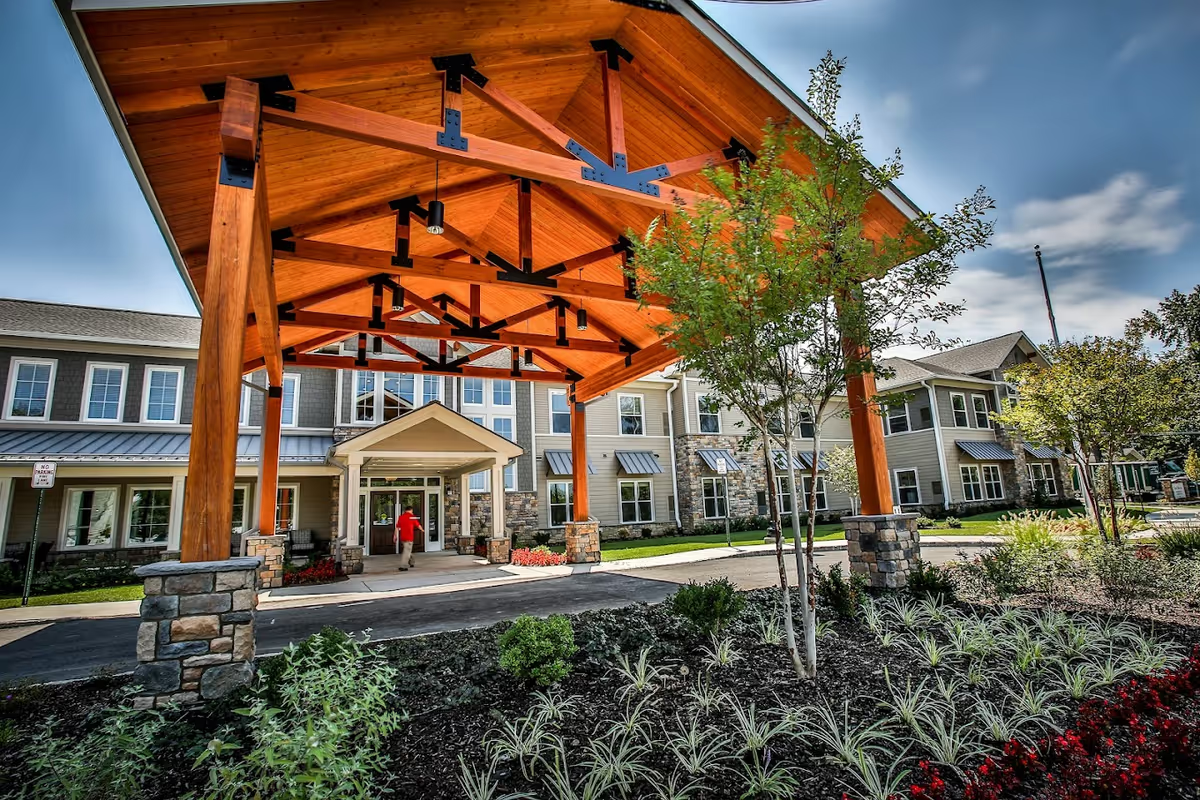
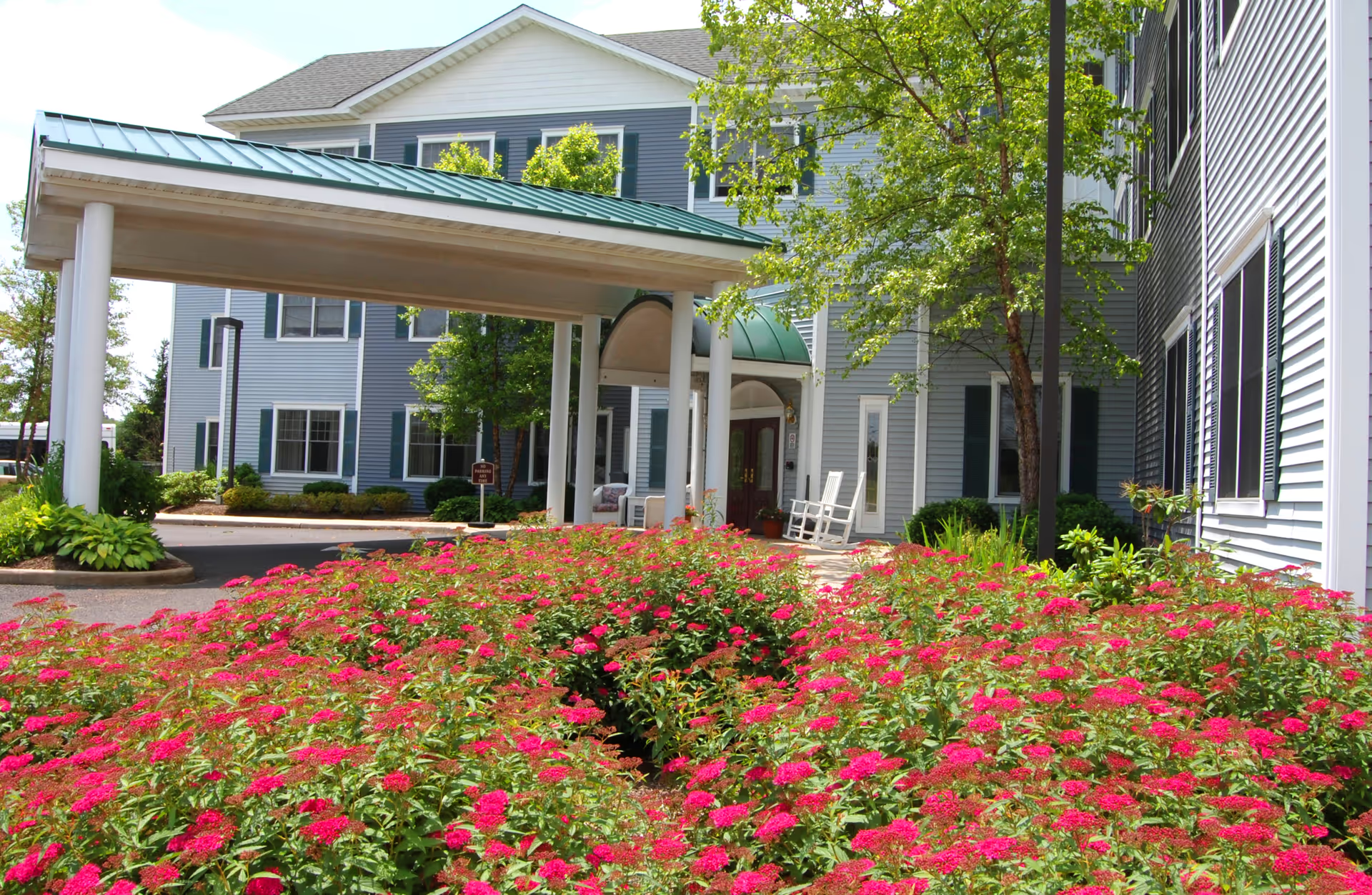
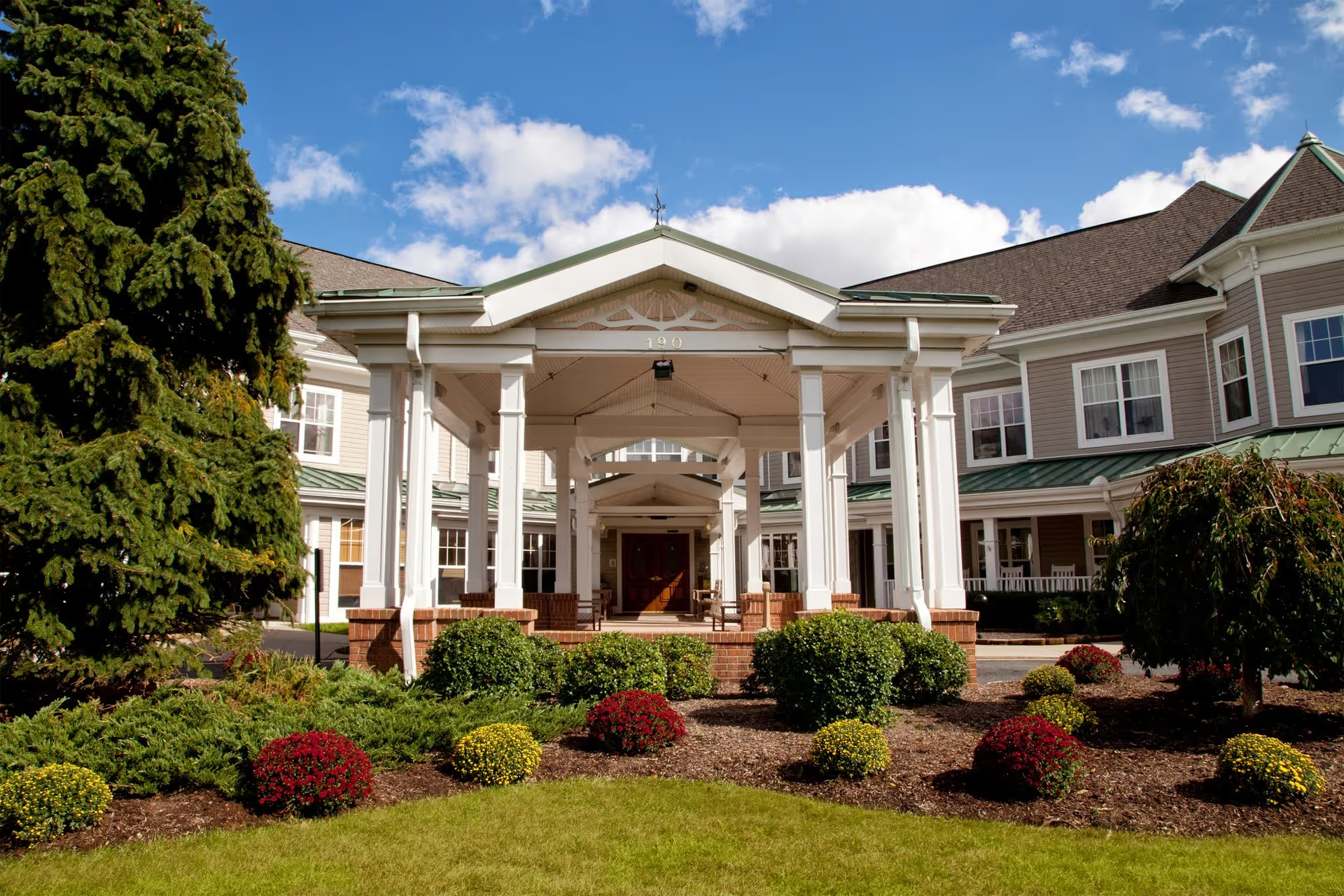
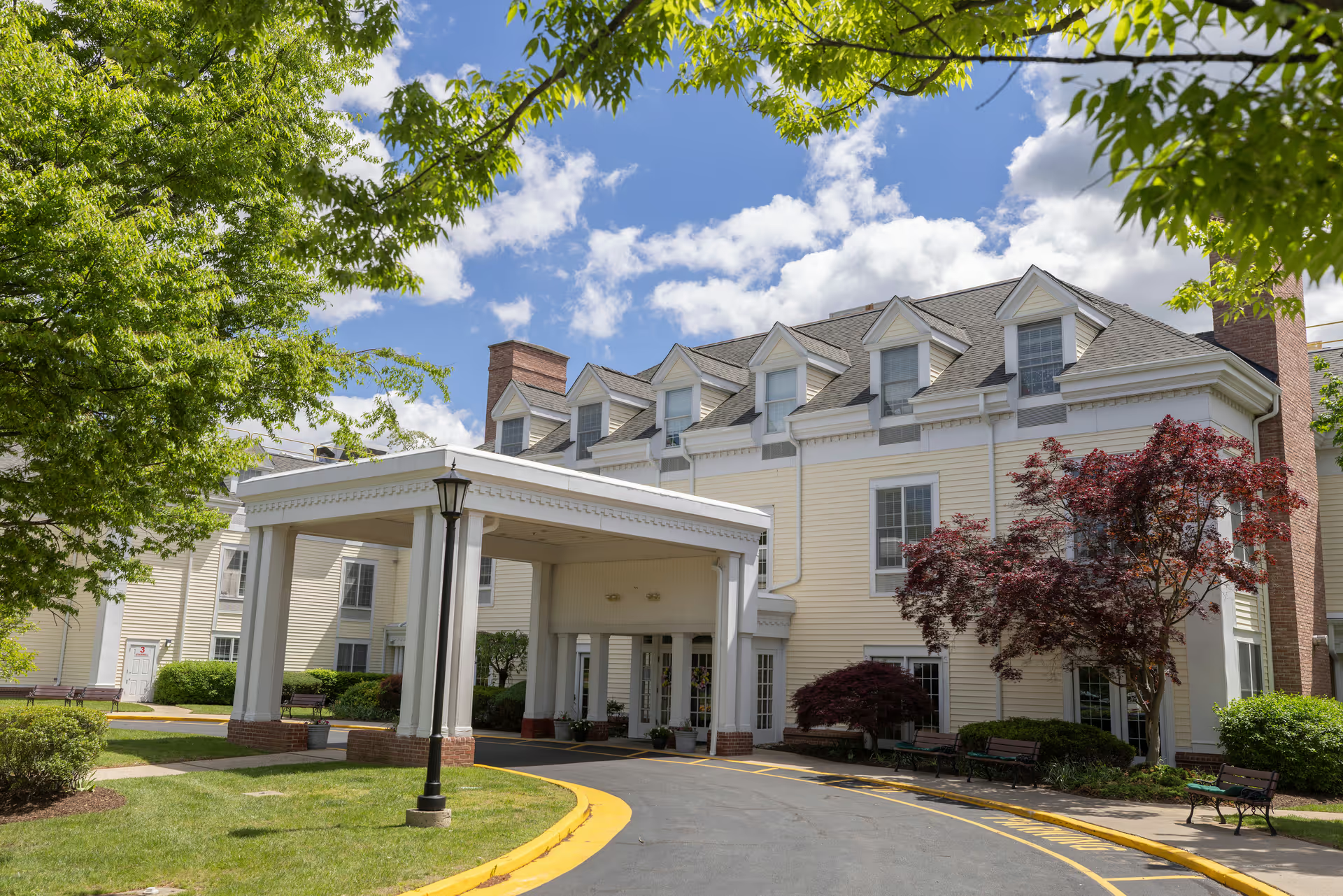
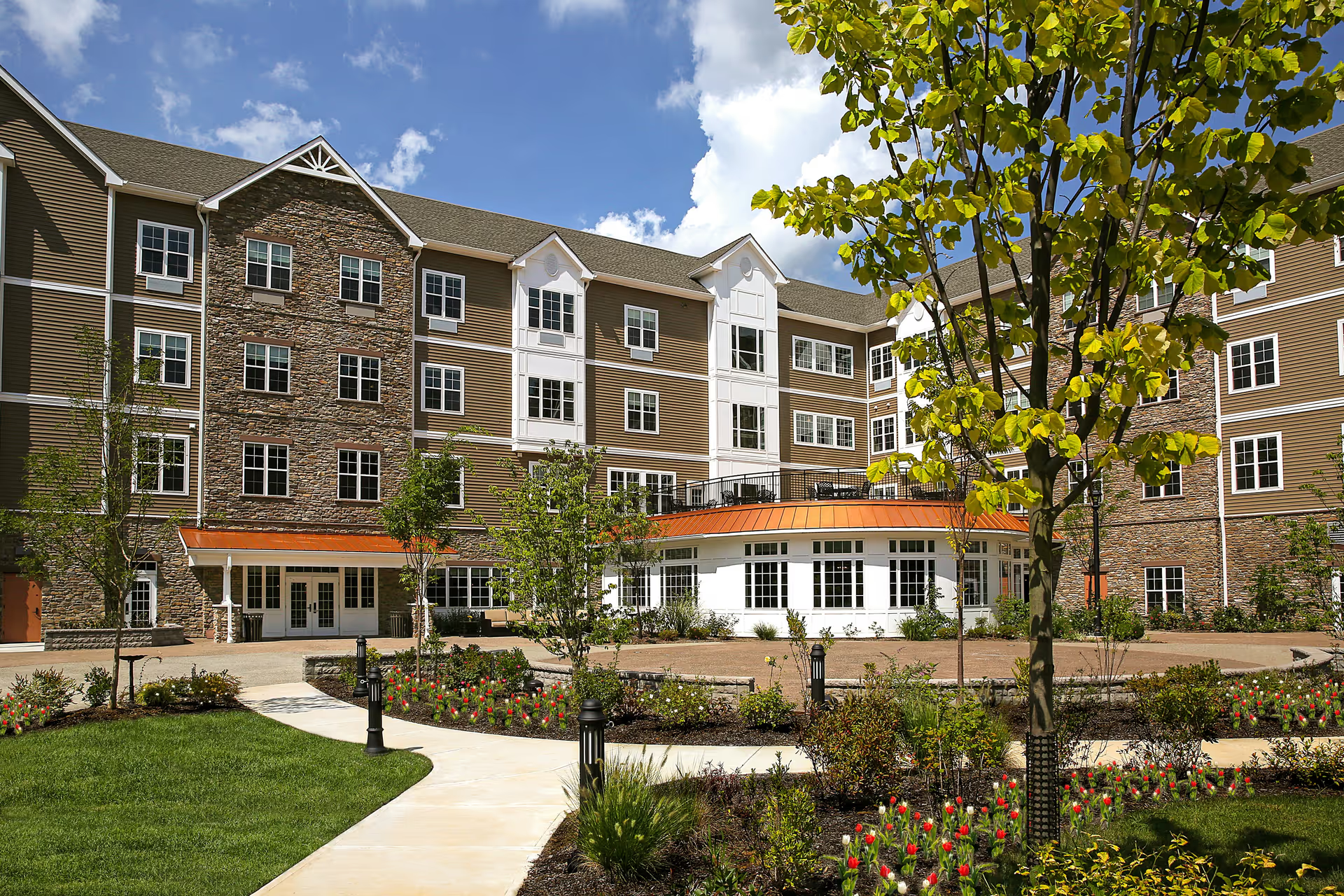
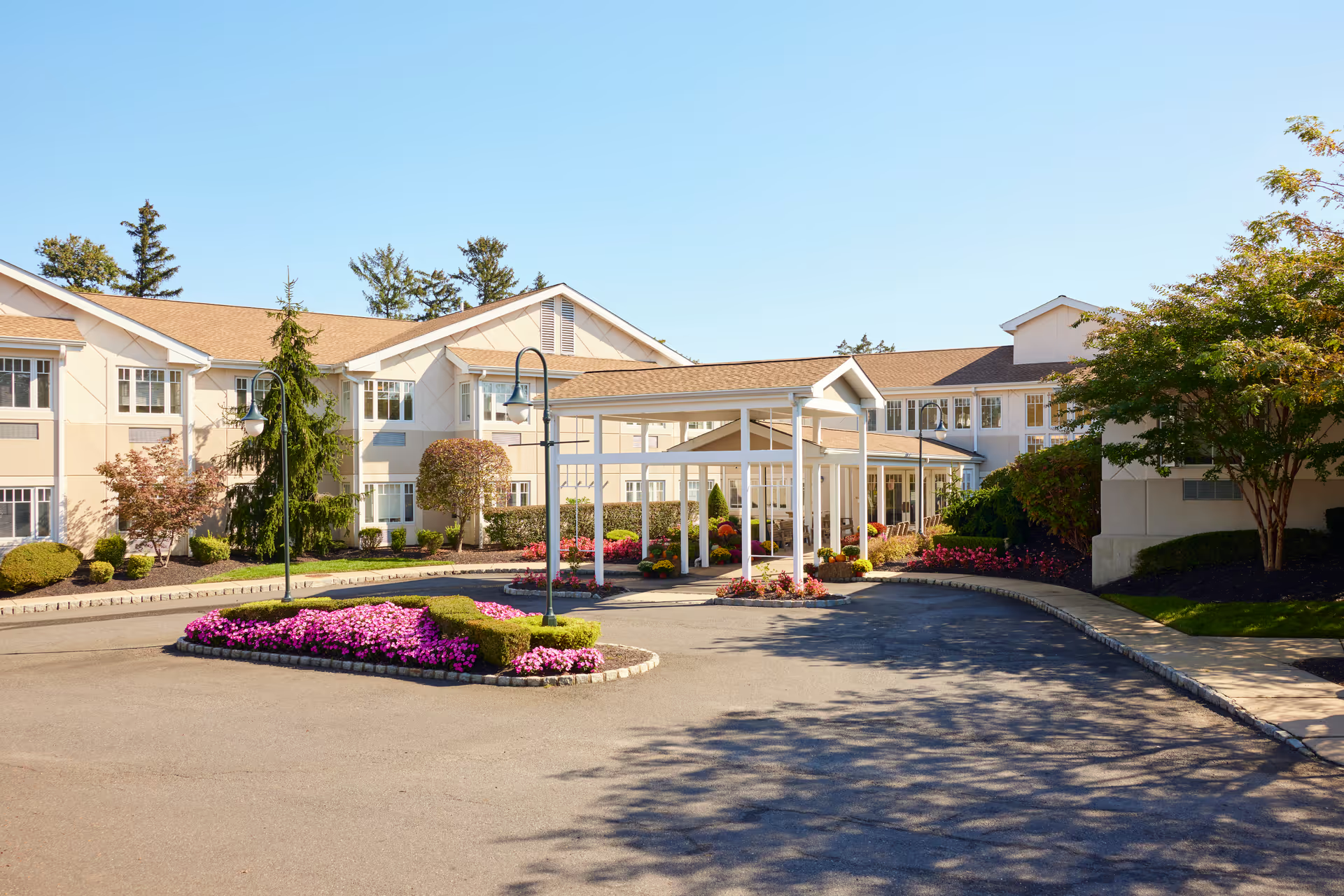
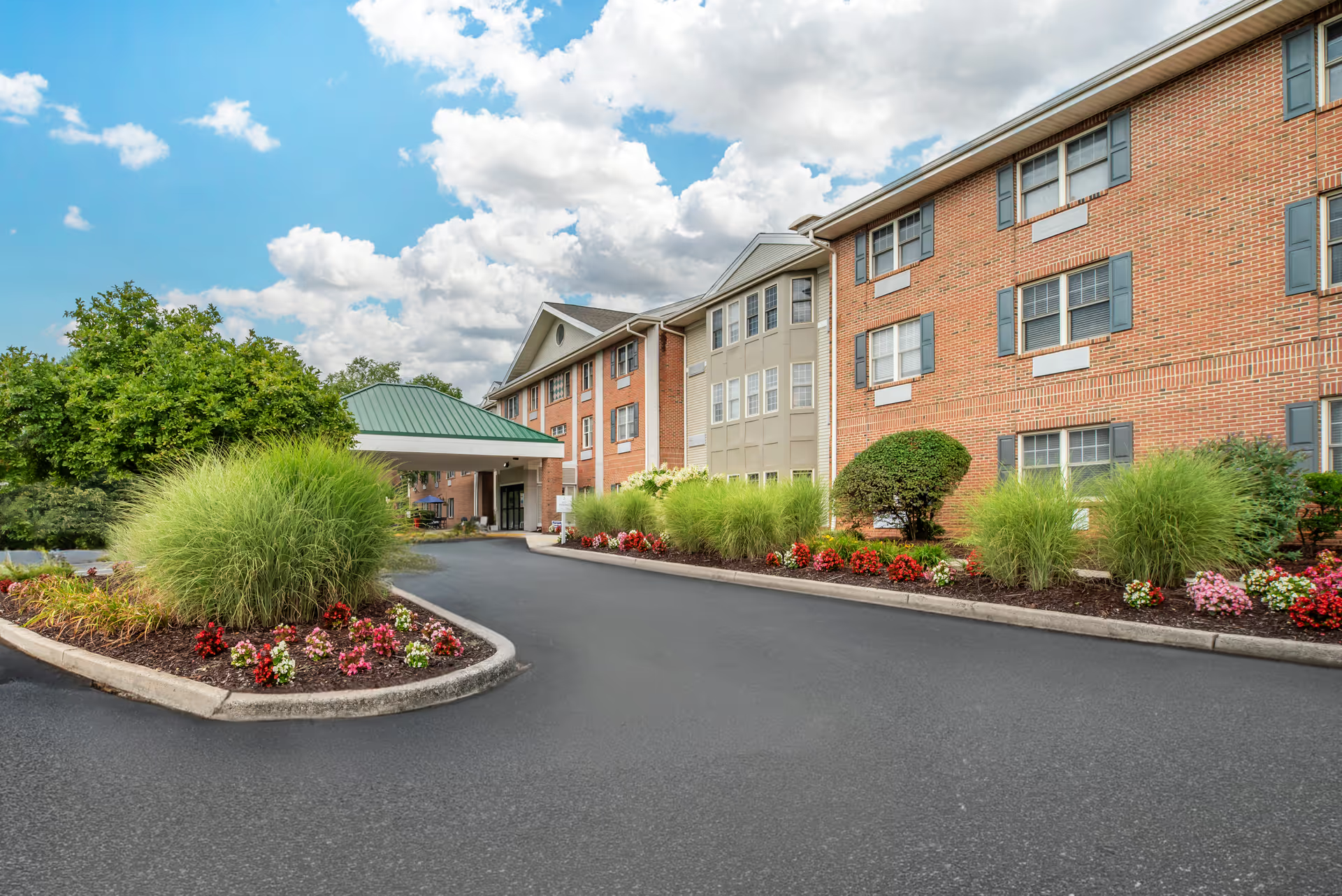
Facilities and environment: Multiple reviewers praise renovated areas, clean hallways, and well-appointed rooms; outdoor gardens and visiting spaces are also noted positively. At the same time, cleanliness and sanitation concerns are present in a number of reviews, including room- and unit-level issues, odor concerns, and isolated pest-control problems. Maintenance response was praised in several reports, but physical plant condition is described as uneven — some areas updated and attractive, others dated.
Management, discharge, and administration: Recurring administrative issues include delays and inconsistencies in discharge paperwork, billing disputes, and slow communication around insurance and transitions. While some families describe effective social-work support that expedites insurance and transport matters, others report the opposite. A small number of serious allegations — including withholding funds — were raised and should prompt direct inquiry during any evaluation.
Notable patterns and guidance for families: The overall impression is highly mixed but patternable: strong rehabilitation and standout staff can deliver excellent outcomes, yet inconsistent staffing, variable clinical practices, and sanitation/administrative gaps create risk for some residents. Prospective residents and families should consider an on-site visit that includes: observing shift change and meal service, asking for current staffing ratios by unit and shift, inquiring about medication-administration and incontinence-care protocols, reviewing recent inspection or corrective-action records, speaking with the therapy and social-work teams about discharge plans, and checking how the facility manages pest control and housekeeping. Verifying how the facility communicates with families and escalates clinical concerns may help set expectations and identify whether the site’s strengths align with an individual’s care needs.